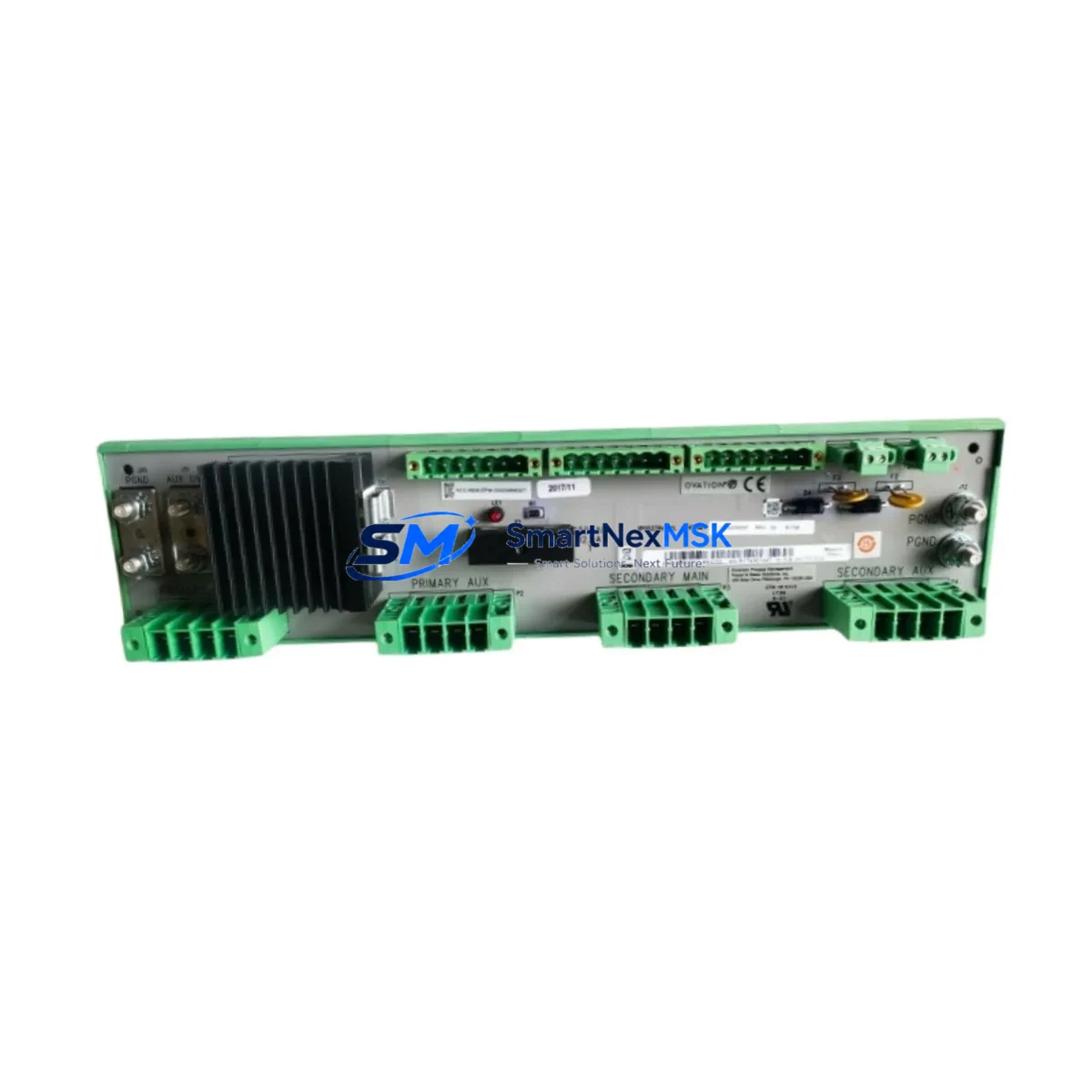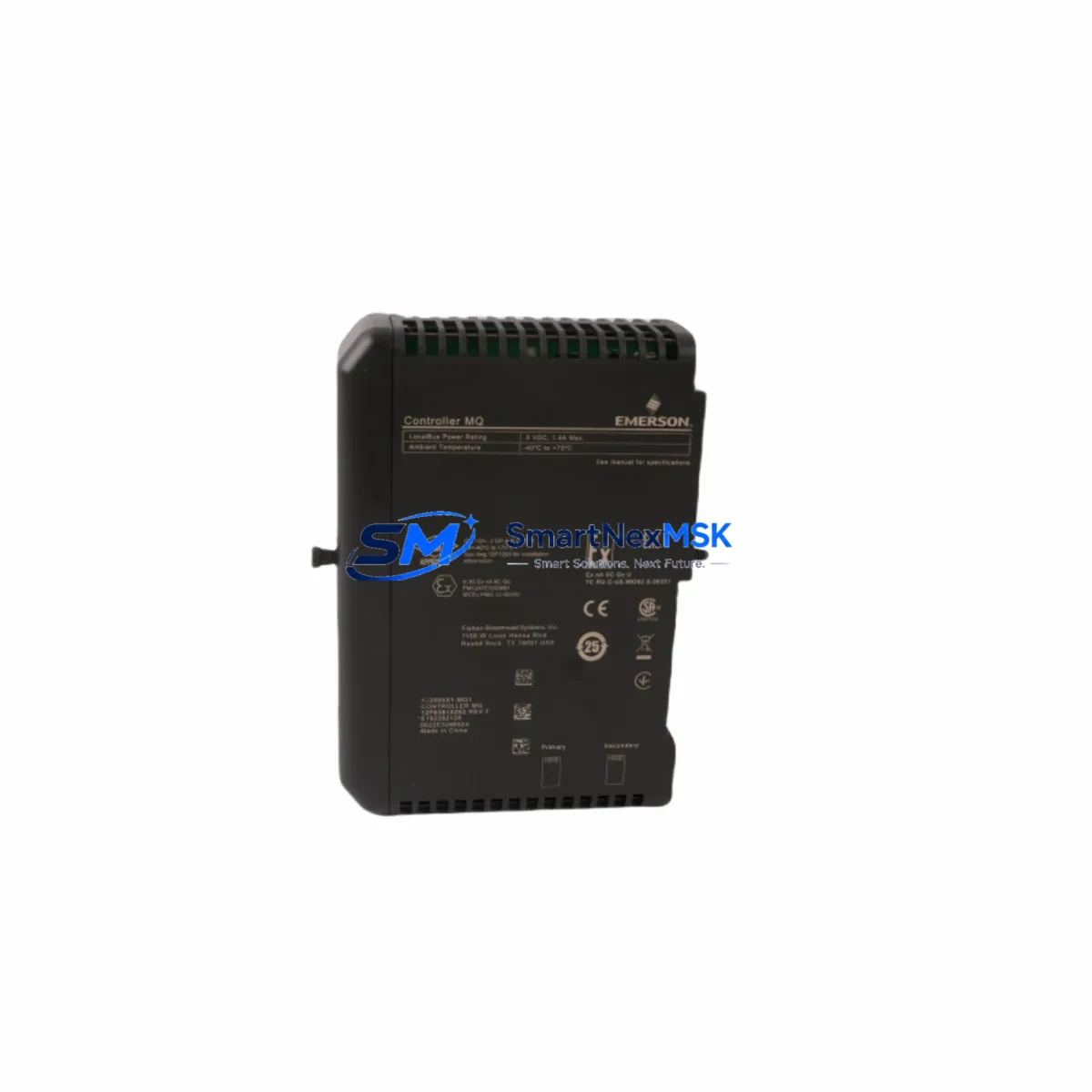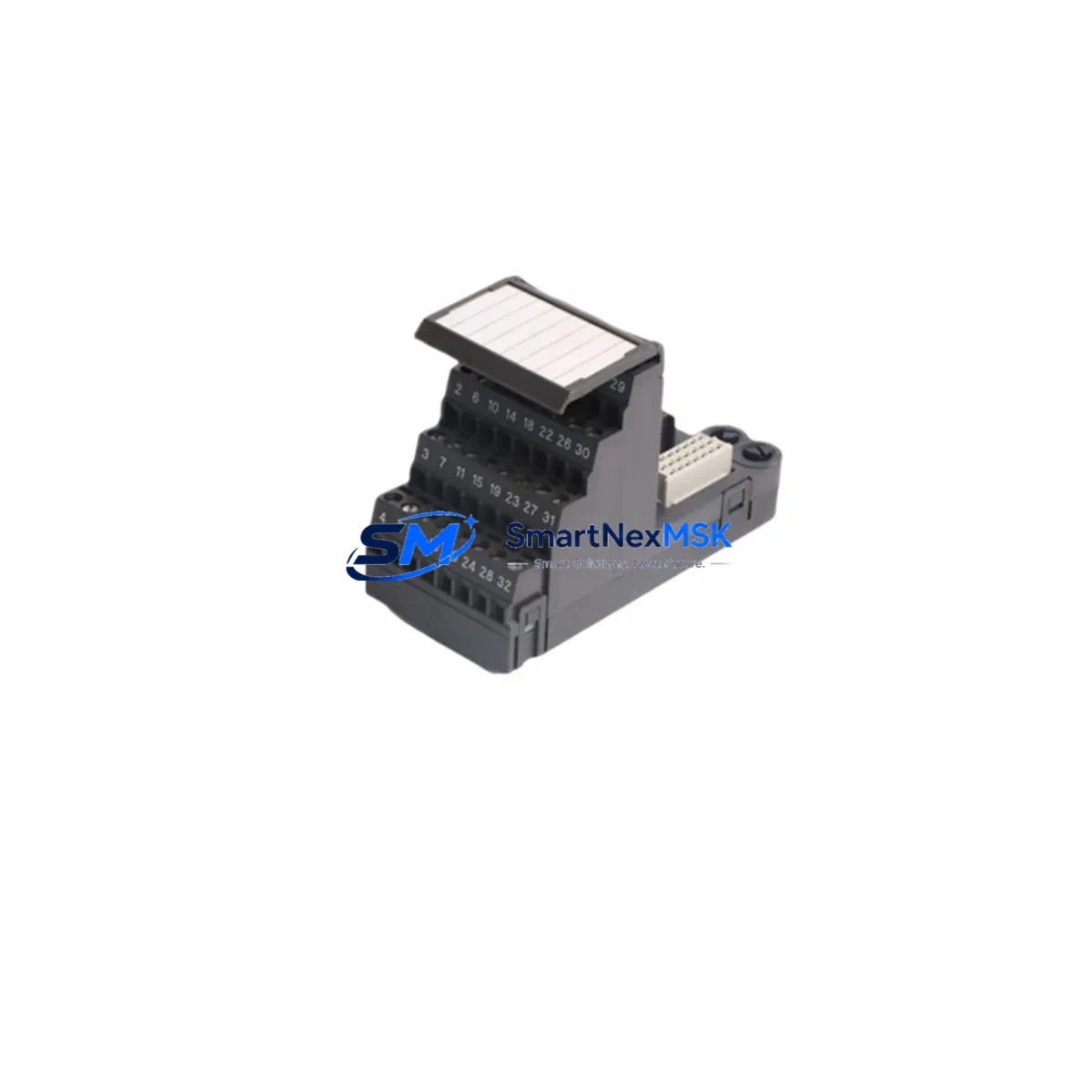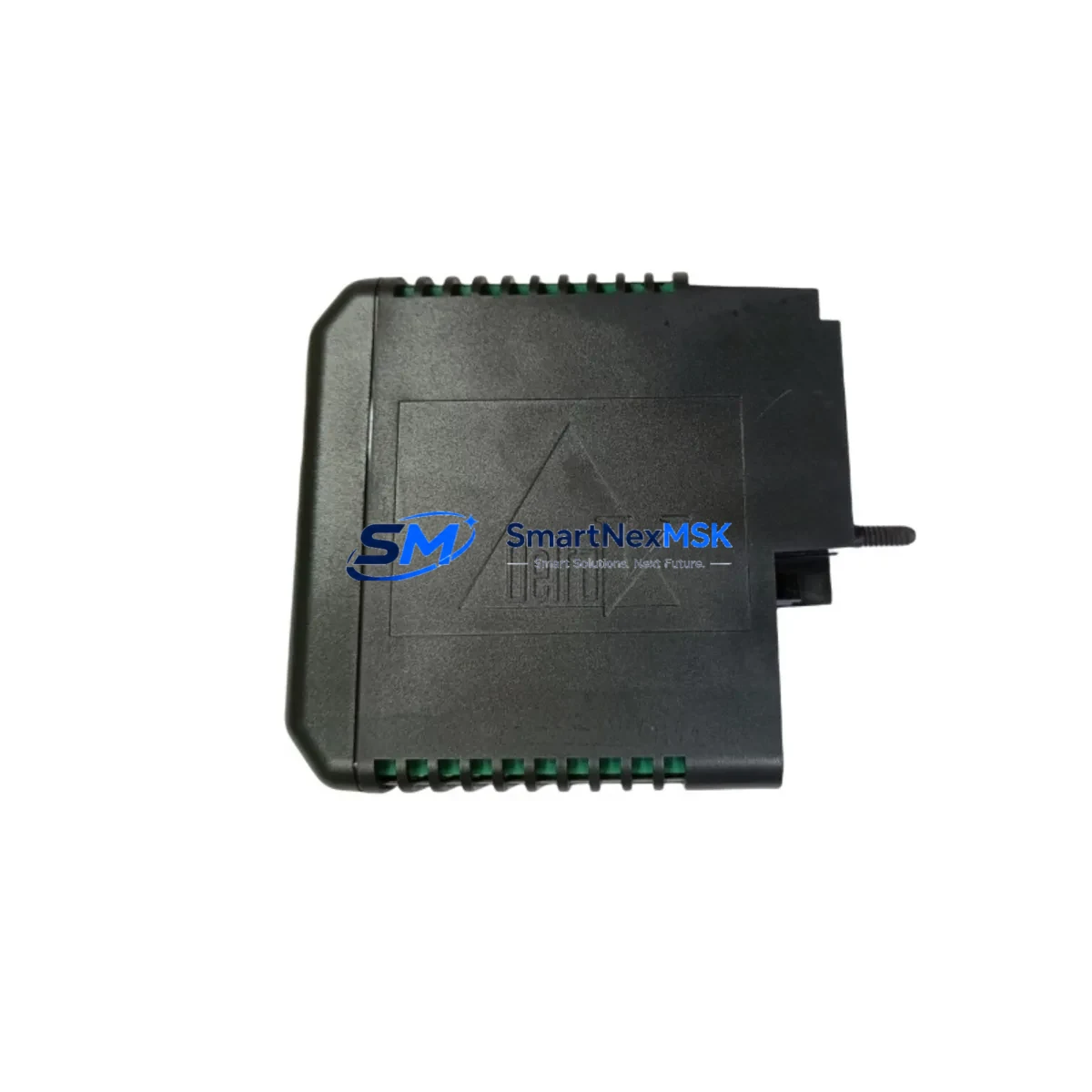
Emerson KJ3223X1-BA1 Retrofit-Ready I/O Module for DeltaV Control Systems
The Emerson KJ3223X1-BA1 (alternate part number 12P2871X032) is a DeltaV Series DCS I/O module engineered for seamless integration into existing distributed control system architectures. Whether you are replacing a failed card in a live production environment, upgrading an aging control cabinet, or migrating from a legacy Emerson PROVOX or RS3 platform to the modern DeltaV ecosystem, this module delivers the electrical compatibility, firmware alignment, and physical form factor required for a controlled, low-risk retrofit.
Industrial facilities operating DeltaV S-series or M-series controllers frequently encounter the challenge of sourcing discontinued or long-lead I/O cards. The KJ3223X1-BA1 addresses this directly: it is stocked, tested, and ready for immediate dispatch with a 12-month warranty, giving maintenance engineers and procurement teams the confidence to plan scheduled turnarounds without extended downtime exposure.
Upgrade Compatibility Table
| Parameter | KJ3223X1-BA1 (12P2871X032) | Retrofit Notes |
|---|---|---|
| Module Type | DCS Analog/Digital I/O | Confirm channel type (AI/AO/DI/DO) matches existing wiring schedule |
| Series Compatibility | Emerson DeltaV S-series, M-series | Verify controller firmware revision supports module revision |
| Backplane Interface | DeltaV standard carrier/backplane | Seat module into existing KJ3001X1 or compatible carrier; no new backplane required in most cases |
| Terminal Wiring | Standard DeltaV field terminal block | Retain existing marshalling cabinet wiring; confirm terminal block model (e.g., KJ3002X1-BA1) matches |
| Communication Protocol | DeltaV internal bus (proprietary) | No protocol conversion required within DeltaV architecture; HART pass-through supported on applicable channels |
| Module Address | Auto-assigned via DeltaV Explorer | Re-commission module address in DeltaV Explorer after physical installation |
| Power Consumption | Per DeltaV carrier specification | Verify controller power supply (e.g., KJ1501X1-BA2 PSU) has sufficient headroom before adding module |
| Installation Format | DeltaV standard card cage | Hot-swap capable on supported carriers; confirm with site safety procedure |
| Warranty | 12 months from date of shipment — covers manufacturing defects and functional failure under normal operating conditions | |
Retrofit Planning for Existing Automation Systems
A successful DeltaV I/O retrofit begins well before the module arrives on site. Engineers replacing the KJ3223X1-BA1 in an operational plant should start by auditing the existing KJ3001X1 carrier assembly and confirming that the backplane bus is free of corrosion or mechanical damage. The carrier’s field terminal block — typically a KJ3002X1-BA1 or equivalent — should be inspected for terminal torque and wire labeling integrity, as re-termination errors are a leading cause of post-retrofit faults.
Power budget verification is a critical pre-installation step. The DeltaV controller node, often powered by a KJ1501X1-BA2 redundant power supply, must have sufficient capacity to support the replacement module alongside all co-resident I/O cards. Adding a new I/O module to a node already running at high power utilization can trigger nuisance shutdowns or degrade signal quality on adjacent analog channels.
For sites migrating from older Emerson platforms — including PROVOX controllers or Fisher ROSEMOUNT legacy systems — the KJ3223X1-BA1 may serve as a bridge I/O point during a phased migration. In these scenarios, a DeltaV CHARM I/O module or a KJ3221X1-BA1 analog input card may be installed in parallel to validate signal integrity before the legacy card is decommissioned. HART-enabled field instruments connected through the module should be verified using a HART communicator to confirm device descriptor compatibility with the DeltaV HART multiplexer.
Communication link integrity must be confirmed at the DeltaV workstation level. After physical installation, the module should appear in DeltaV Explorer under the correct node and slot address. If the module does not enumerate automatically, check the DeltaV controller — model MD or MD Plus — for node communication faults and verify that the module revision is supported by the installed controller firmware. Firmware mismatches between the KJ3223X1-BA1 and the host controller are a known source of initialization failures in mixed-revision DeltaV systems.
HMI screen updates are often overlooked during I/O retrofits. If the replaced module served as the source for process variable displays on a DeltaV Operate or third-party SCADA screen, the engineering team should confirm that tag assignments and alarm limits are preserved in the DeltaV database after module recommissioning. Bulk tag export via DeltaV Bulk Edit or a CSV import workflow can accelerate this verification step.
For sites using OPC DA or OPC UA data bridges to connect DeltaV to upstream MES or historian systems, the I/O module replacement should be followed by a data quality check at the OPC server to confirm that all affected tags are returning valid, in-range values. A DeltaV OPC Mirror or equivalent interface should be restarted if stale values persist after module commissioning.
Downtime Control During System Migration
Minimizing production downtime during a DeltaV I/O module replacement requires a structured pre-outage preparation protocol. Before the maintenance window opens, the engineering team should export the current DeltaV module configuration using DeltaV Diagnostics and archive the controller download file. This ensures that if the replacement module requires a full controller download — rather than a hot-swap — the process can be completed within the planned outage window without searching for configuration backups.
Where the DeltaV carrier supports hot-swap operation, the KJ3223X1-BA1 can be inserted and commissioned while adjacent I/O channels remain in service. This is particularly valuable in continuous process environments — refineries, chemical plants, and power generation facilities — where a full node shutdown would trigger cascading process upsets. The hot-swap procedure should be validated against the site’s Management of Change (MOC) procedure and the Emerson DeltaV hardware installation guide before execution.
For modules that cannot be hot-swapped, the recommended approach is to place all affected control loops in manual mode at the DeltaV controller level before removing the failed card. Field operators should be stationed at critical control points to maintain process stability during the module exchange. After the KJ3223X1-BA1 is seated and the controller has recognized the new module, loops should be returned to automatic mode one at a time, with process variable trends monitored for at least 15 minutes before the maintenance window is closed.
Pre-shipment functional testing of the KJ3223X1-BA1 — including channel-level signal injection and loopback verification — is performed prior to dispatch. This reduces the risk of receiving a non-functional module and eliminates the need for extended on-site burn-in testing, directly compressing the total maintenance window duration.
Retrofit Support FAQ
Q: Is the KJ3223X1-BA1 a direct drop-in replacement for the original Emerson module?
A: Yes. The KJ3223X1-BA1 (12P2871X032) is designed to seat into the same DeltaV carrier and terminal block assembly as the original module. No wiring changes are required in the majority of retrofit applications. Confirm the carrier model and firmware revision compatibility before installation.
Q: What commissioning steps are required after installing the replacement module?
A: After physical installation, open DeltaV Explorer and verify that the module appears at the correct node and slot address. Perform a module download if prompted. Confirm all I/O channel assignments, verify HART device communication on applicable channels, and check that all associated control module parameters are within expected ranges before returning loops to automatic control.
Q: Can this module be used in a DeltaV system running an older firmware revision?
A: Compatibility depends on the specific firmware revision of the host DeltaV controller. Emerson publishes hardware and firmware compatibility matrices in the DeltaV release notes. Contact our technical team with your controller model and firmware version, and we will confirm compatibility before shipment.
Q: What does the 12-month warranty cover?
A: The 12-month warranty covers manufacturing defects and functional failure under normal operating conditions from the date of shipment. It includes free replacement or repair of the module. The warranty does not cover damage resulting from incorrect installation, overvoltage events, or physical mishandling. Our team provides pre-shipment test documentation upon request.
© 2026 SMARTNEXMSK. All rights reserved.
Original Source: https://smartnexmsk.com
Contact: [email protected] | +86 18259474341