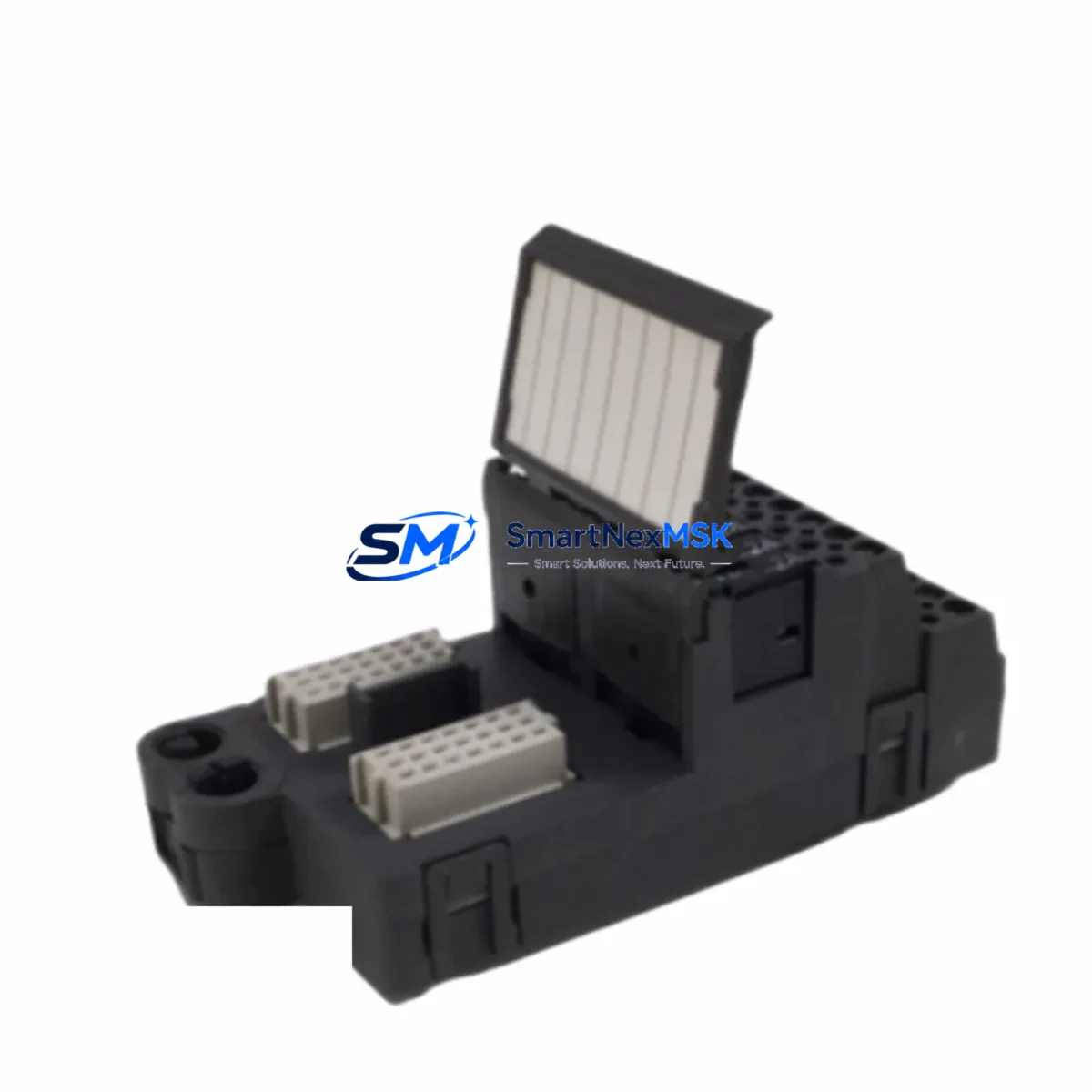
Emerson KJ4001X1-CB1 Retrofit-Ready Field Termination Block for DeltaV Control Systems
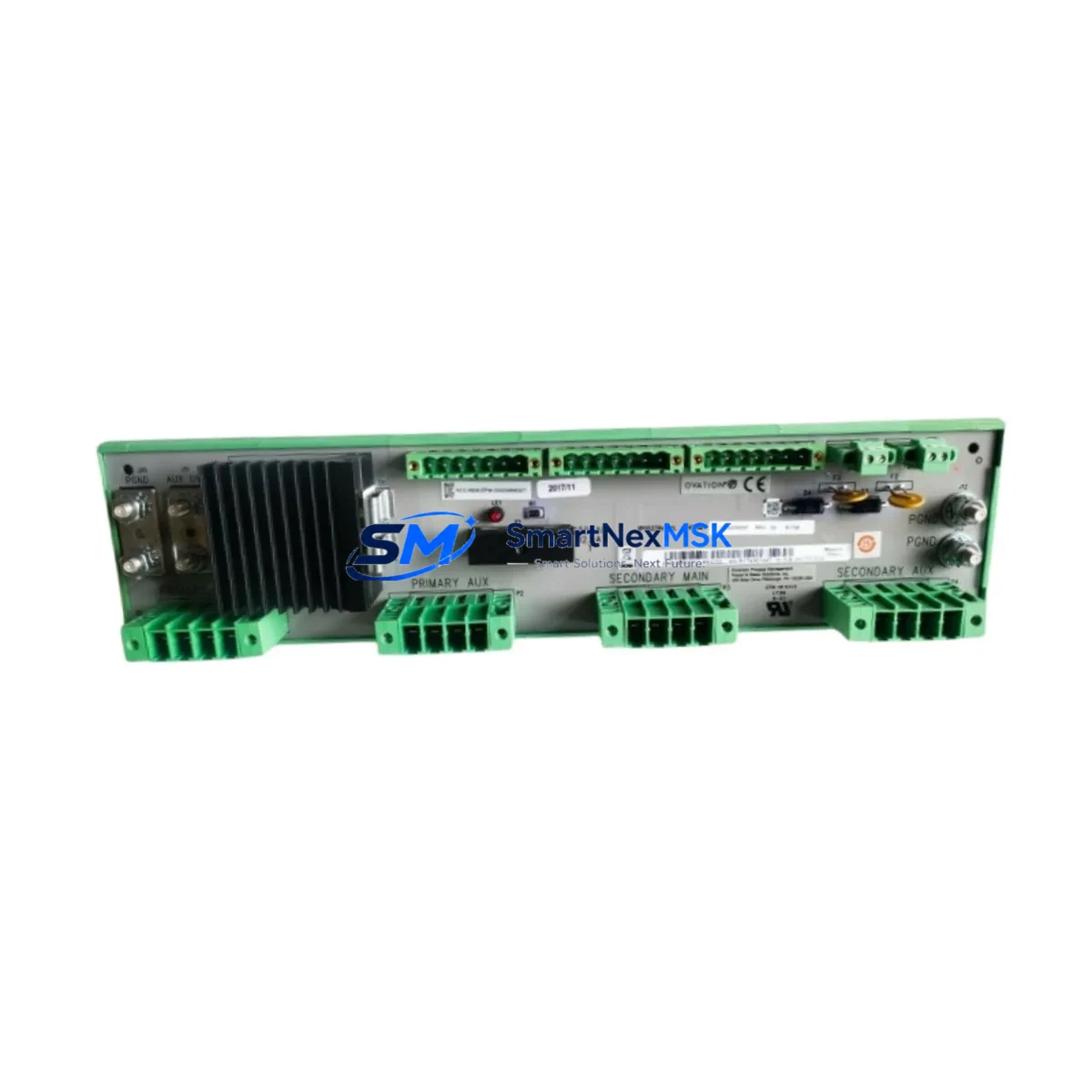
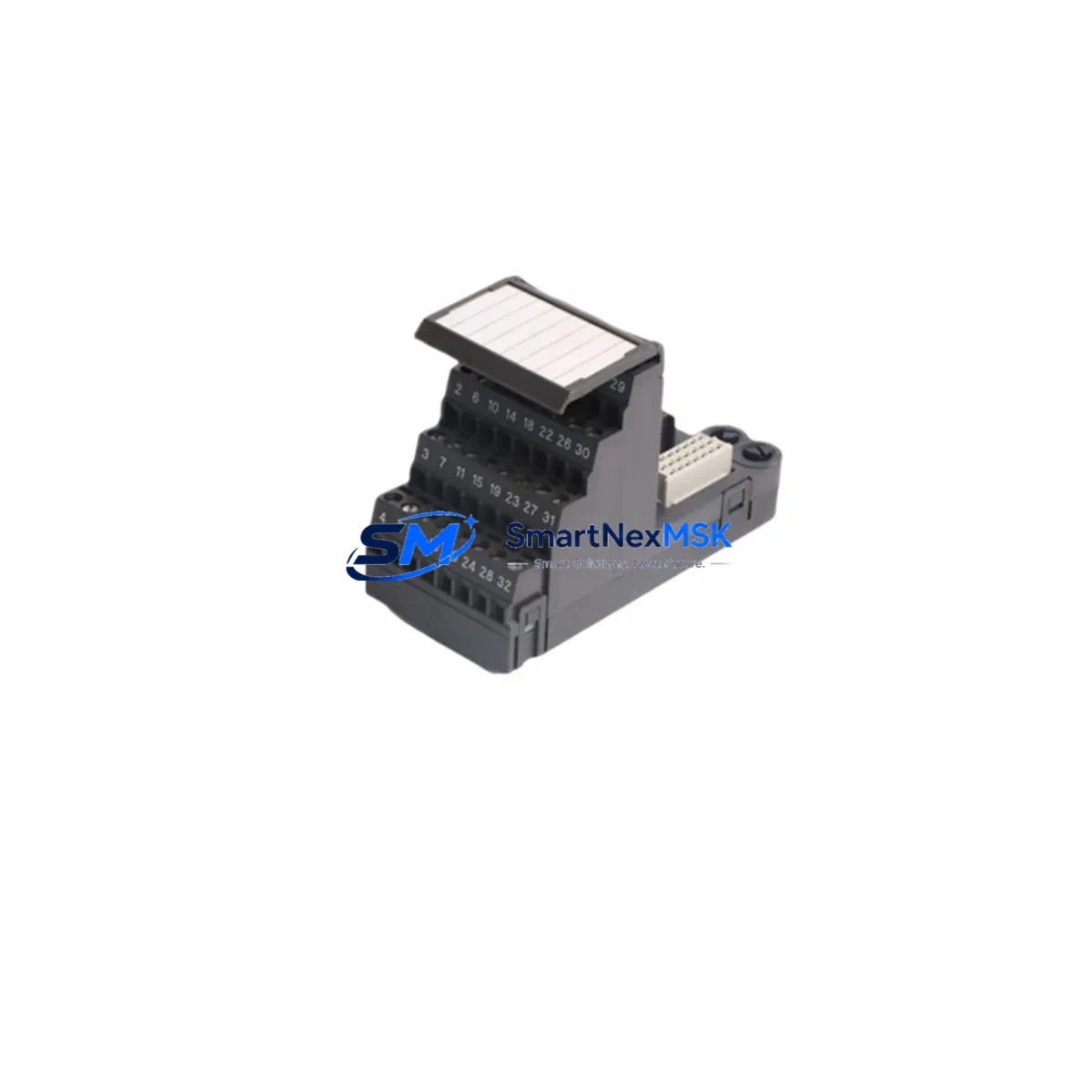
The Emerson KJ4001X1-CB1 is a Field Termination Block (FTB) engineered for the DeltaV Series distributed control system platform. As legacy DeltaV installations age and original spare parts become increasingly difficult to source, the KJ4001X1-CB1 serves as a critical retrofit and replacement component for facilities seeking to extend the operational life of their existing control infrastructure without committing to a full system overhaul. Whether you are replacing a failed termination block, upgrading a degraded wiring interface, or consolidating I/O during a partial panel modernization, this module provides the electrical and mechanical compatibility required for a smooth, low-risk transition.
The KJ4001X1-CB1 interfaces directly with DeltaV I/O subsystem cards, maintaining the original field wiring topology and eliminating the need to re-engineer terminal layouts or modify marshalling cabinet structures. Engineers working on brownfield retrofit projects will find that the module preserves existing loop numbering, channel assignments, and signal conditioning characteristics — all of which are essential when the goal is to minimize changes to the DCS configuration database and avoid re-validation of control logic.
In retrofit scenarios involving the replacement of DeltaV S-series or M-series I/O cards such as the KJ3002X1-BA1 analog input card or the KJ3221X1-BA1 discrete output card, the KJ4001X1-CB1 FTB ensures that field cable terminations remain undisturbed. This is particularly valuable when the plant operates under strict change management protocols, where any modification to field wiring requires re-loop-checking, re-calibration, and updated as-built documentation. By retaining the original FTB, the scope of the retrofit is confined to the I/O card layer, dramatically reducing engineering hours and shutdown duration.
For facilities upgrading from older DeltaV hardware generations to the current DeltaV S-series platform, the KJ4001X1-CB1 is frequently used alongside the KJ2003X1-BA1 power supply module and the CIOC (Charm I/O Card) subsystem. When migrating from traditional I/O to CHARM-based architecture, the FTB serves as the termination anchor during the transition period, allowing phased migration of individual loops without disrupting the rest of the control system. The KJ4001X1-CB1 is also compatible with the standard DeltaV 2-wire and 4-wire HART field device configurations, supporting instruments such as pressure transmitters, flow meters, and control valve positioners that communicate over the HART protocol.
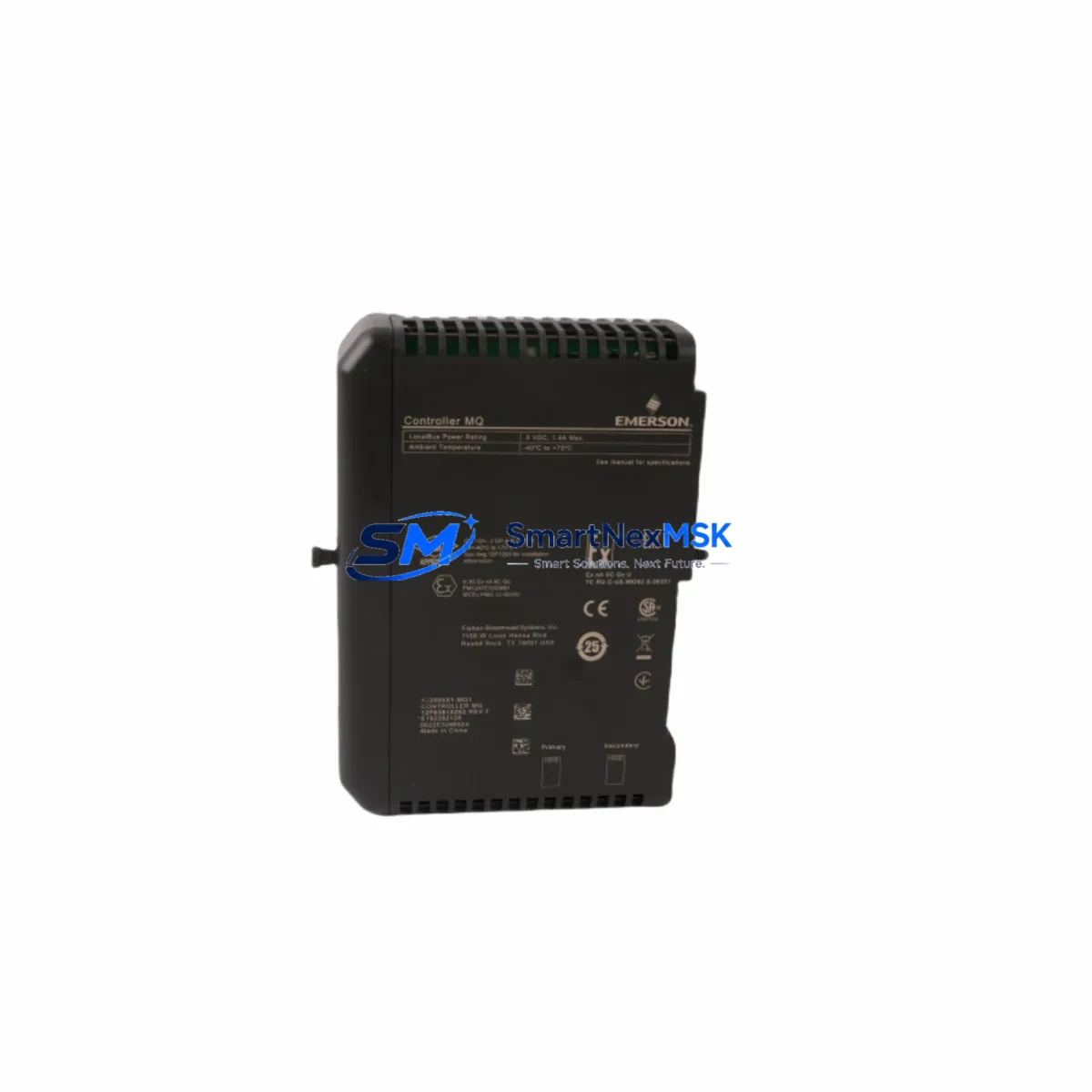
Control cabinet upgrades involving the KJ4001X1-CB1 typically also require attention to the DeltaV controller carrier (such as the MD Plus Controller or MQ Controller), the DeltaV power distribution module, and the associated I/O carrier cards. Engineers should verify that the backplane slot assignments and module addressing within the DeltaV Explorer configuration tool remain consistent with the physical hardware layout after any FTB replacement. Mismatched module addresses are a common source of post-retrofit commissioning delays and must be resolved before returning the loop to automatic control.
Upgrade Compatibility Table
| Parameter | Details |
|---|---|
| Compatible Platform | Emerson DeltaV Series (S-series, M-series, CHARM I/O) |
| Module Type | Field Termination Block (FTB) |
| Replaces / Upgrades | KJ4001X1-CB1 (direct replacement); compatible with legacy DeltaV I/O subsystem wiring |
| Interface / Connector | Standard DeltaV I/O card backplane interface; screw-terminal field wiring |
| Communication Compatibility | HART (2-wire, 4-wire); DeltaV internal I/O bus |
| Installation Requirement | DIN rail or DeltaV carrier-compatible mounting; no additional hardware modification required |
| Commissioning Notes | Verify module address in DeltaV Explorer; confirm channel-to-tag mapping; perform loop check before returning to AUTO |
| Retrofit Recommendation | Retain original field wiring; replace FTB only; re-verify signal integrity post-installation |
| Warranty | 12 Months — covers manufacturing defects and functional failure under normal operating conditions |
| Origin | China (CN) |
Retrofit Planning for Existing Automation Systems
A successful retrofit using the KJ4001X1-CB1 begins with a thorough pre-engineering review of the existing DeltaV system architecture. The first step is to audit the current I/O card population, identifying which cards are paired with the FTB to be replaced. In a typical DeltaV cabinet, the FTB is mounted adjacent to the I/O card on the carrier, and the field cables are landed directly on the FTB terminal strips. Before removing the existing block, engineers should photograph the terminal wiring, record the wire labels, and cross-reference against the loop drawings to ensure accurate re-termination.
Power budget verification is essential. The DeltaV power distribution module (KJ4001X1-BA1 or equivalent) must be confirmed to have sufficient capacity to support the I/O subsystem after the retrofit. In older installations, power modules may already be operating near their rated output, and adding or replacing I/O components without a power audit can result in intermittent faults or module resets. The DeltaV 12 VDC I/O bus must remain within specification throughout the upgrade.
For systems that include DeltaV SIS (Safety Instrumented System) components, such as the KJ4001X1-CB1 used in SIS I/O subsystems, the retrofit must comply with the applicable IEC 61511 change management procedures. Any modification to SIS hardware requires a Management of Change (MOC) review, a pre-startup safety review (PSSR), and functional safety testing of the affected safety loops before the system is returned to service.
During the physical replacement, the DeltaV I/O carrier should remain powered if a hot-swap procedure is supported by the specific I/O card type. For non-hot-swappable configurations, a planned shutdown window must be scheduled. The replacement FTB should be inspected for terminal integrity, label clarity, and connector seating before field cables are re-landed. After re-termination, a full loop check — including signal injection at the field instrument and verification of the process variable reading in the DeltaV operator workstation — must be completed for every channel on the replaced FTB.
In projects involving broader control system modernization, the KJ4001X1-CB1 is often deployed alongside DeltaV CHARM baseplates, CIOC cards, DeltaV Ethernet switches, and DeltaV operator workstations running the current DeltaV Live or DeltaV Operate HMI environment. HMI faceplate updates may be required if tag names or I/O addresses change during the migration. Coordination between the DCS engineer, the HMI developer, and the field instrumentation team is critical to avoid configuration mismatches that could delay startup.
Downtime Control During System Migration
Minimizing unplanned downtime is the primary operational concern during any DeltaV FTB replacement or I/O subsystem retrofit. The KJ4001X1-CB1 supports a structured approach to downtime reduction through its direct drop-in compatibility with existing DeltaV wiring infrastructure. Because the terminal layout and connector interface are preserved, the physical replacement can typically be completed within a single planned maintenance window, often in under two hours for a single FTB, provided that pre-engineering work has been completed in advance.
To protect original program logic during the migration, the DeltaV control module configuration should be exported and backed up from the DeltaV Explorer before any hardware changes are made. The control strategy — including PID tuning parameters, interlock logic, alarm setpoints, and cascade configurations — must be preserved in the DeltaV database and re-downloaded to the controller after the hardware replacement is confirmed. If the replacement involves a controller upgrade (for example, from an MD Controller to an MD Plus Controller), a full configuration import and functional test must be performed before the system is returned to automatic control.
Field control continuity can be maintained during the migration by placing affected control loops in manual mode at the DeltaV operator workstation prior to the hardware swap. Operators should be briefed on the expected duration of the maintenance window and the manual control procedures for critical process variables. For processes where manual control is not feasible, a temporary bypass or hardwired override may be required, and this must be documented in the MOC package.
After the KJ4001X1-CB1 is installed and field cables are re-terminated, the system should be powered up in a controlled sequence: first the I/O carrier, then the I/O card, and finally the field instruments. The DeltaV diagnostic display should be monitored for any hardware fault alarms or communication errors. Once all channels are confirmed healthy, control loops can be returned to automatic mode one at a time, with the process engineer verifying stable control response before proceeding to the next loop.
Retrofit Support FAQ
Q1: Is the KJ4001X1-CB1 a direct drop-in replacement for the original Emerson DeltaV Field Termination Block?
Yes. The KJ4001X1-CB1 is designed as a direct replacement for the original Emerson DeltaV FTB of the same part number. It maintains the same terminal layout, connector interface, and mechanical dimensions, allowing field cables to be re-landed without modification. No changes to the DeltaV configuration database are required when replacing a like-for-like FTB.
Q2: What pre-shipment testing is performed on the KJ4001X1-CB1?
Each KJ4001X1-CB1 unit undergoes functional testing prior to shipment, including terminal continuity verification, connector integrity inspection, and visual quality control. Units are shipped with a 12-month warranty covering manufacturing defects and functional failure under normal operating conditions. A test report is available upon request.
Q3: Can the KJ4001X1-CB1 be used with HART-enabled field instruments?
Yes. The KJ4001X1-CB1 supports both 2-wire and 4-wire HART field device configurations. It is compatible with HART-enabled pressure transmitters, temperature transmitters, flow meters, and valve positioners that communicate over the DeltaV HART I/O subsystem. HART pass-through functionality is preserved when used with compatible DeltaV HART I/O cards.
Q4: What should I verify during commissioning after installing the KJ4001X1-CB1?
After installation, verify the following: (1) All field cables are correctly re-terminated and labeled per the loop drawings. (2) The module address in DeltaV Explorer matches the physical slot assignment. (3) Each channel passes a full loop check with signal injection at the field instrument. (4) No hardware fault alarms are present in the DeltaV diagnostic display. (5) Control loops are returned to automatic mode only after stable process variable readings are confirmed at the operator workstation.
© 2026 SMARTNEXMSK. All rights reserved.
Original Source: https://smartnexmsk.com
Contact: [email protected] | +86 18259474341