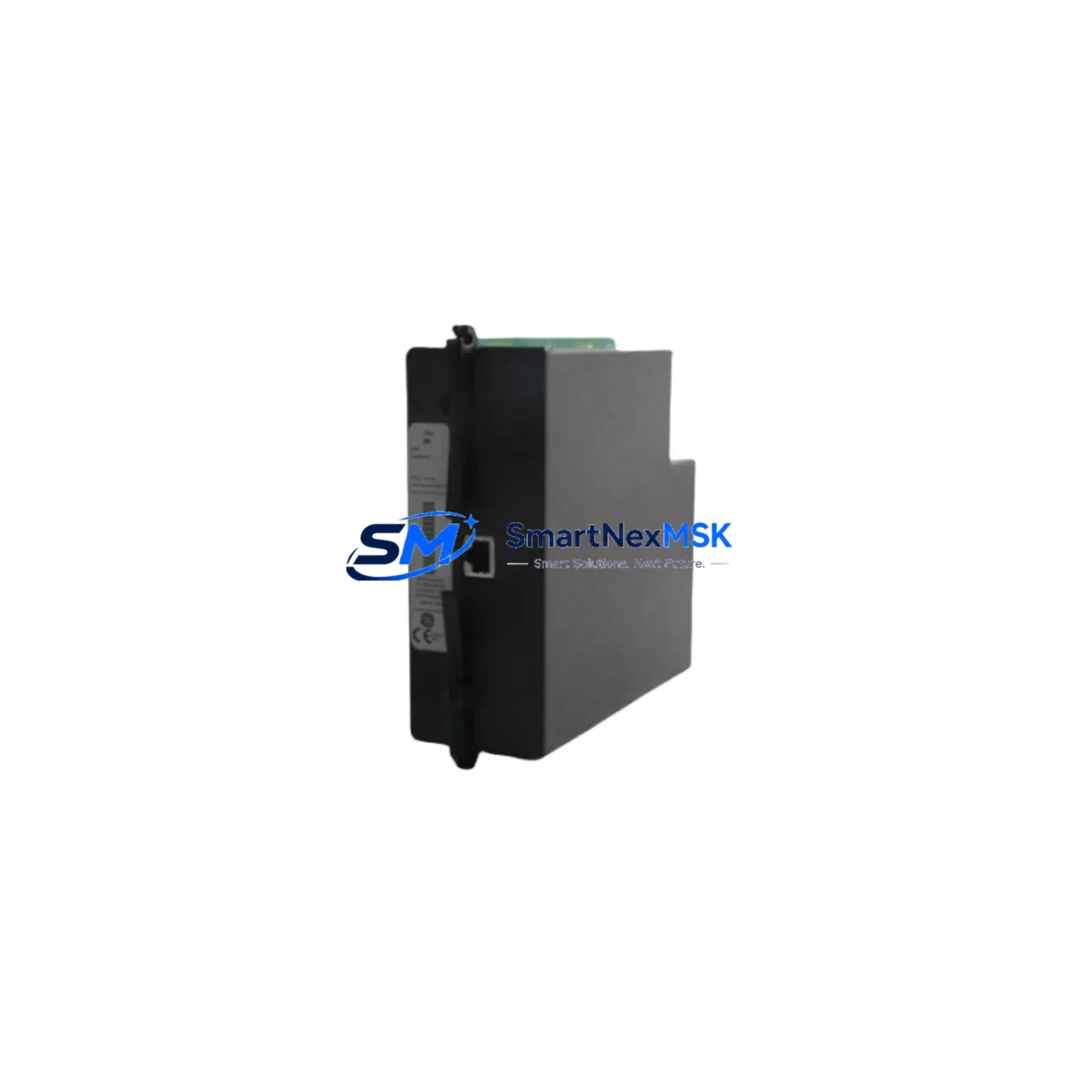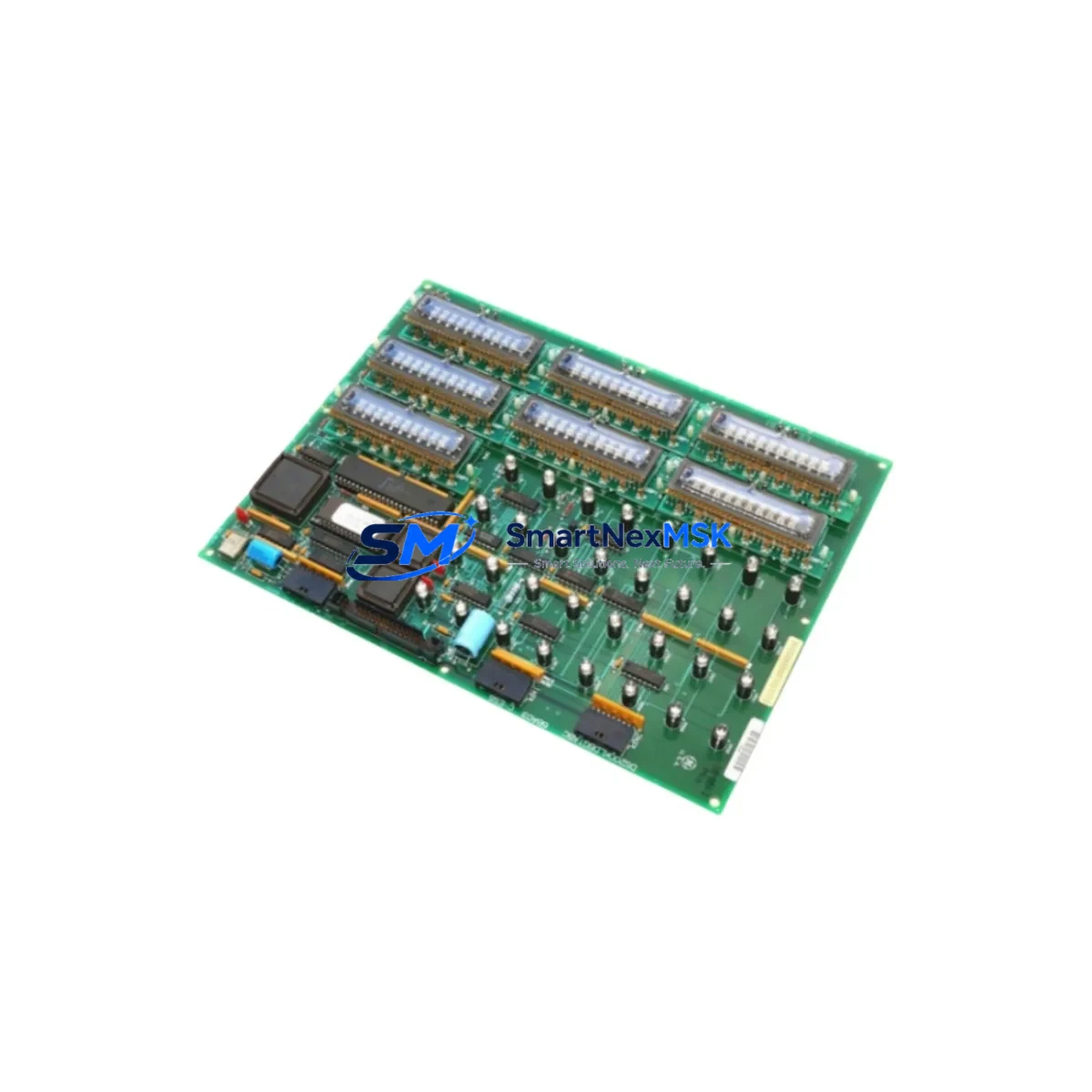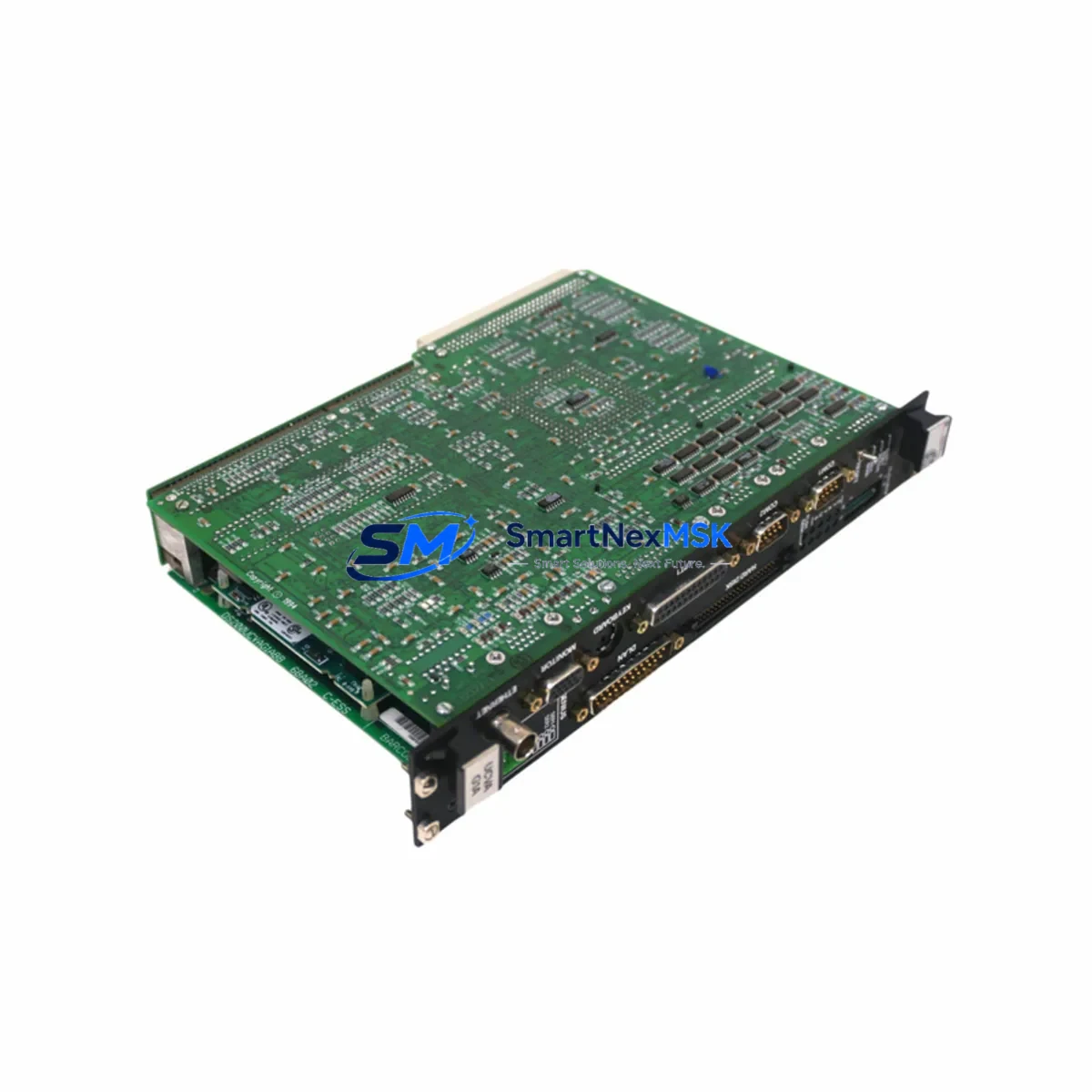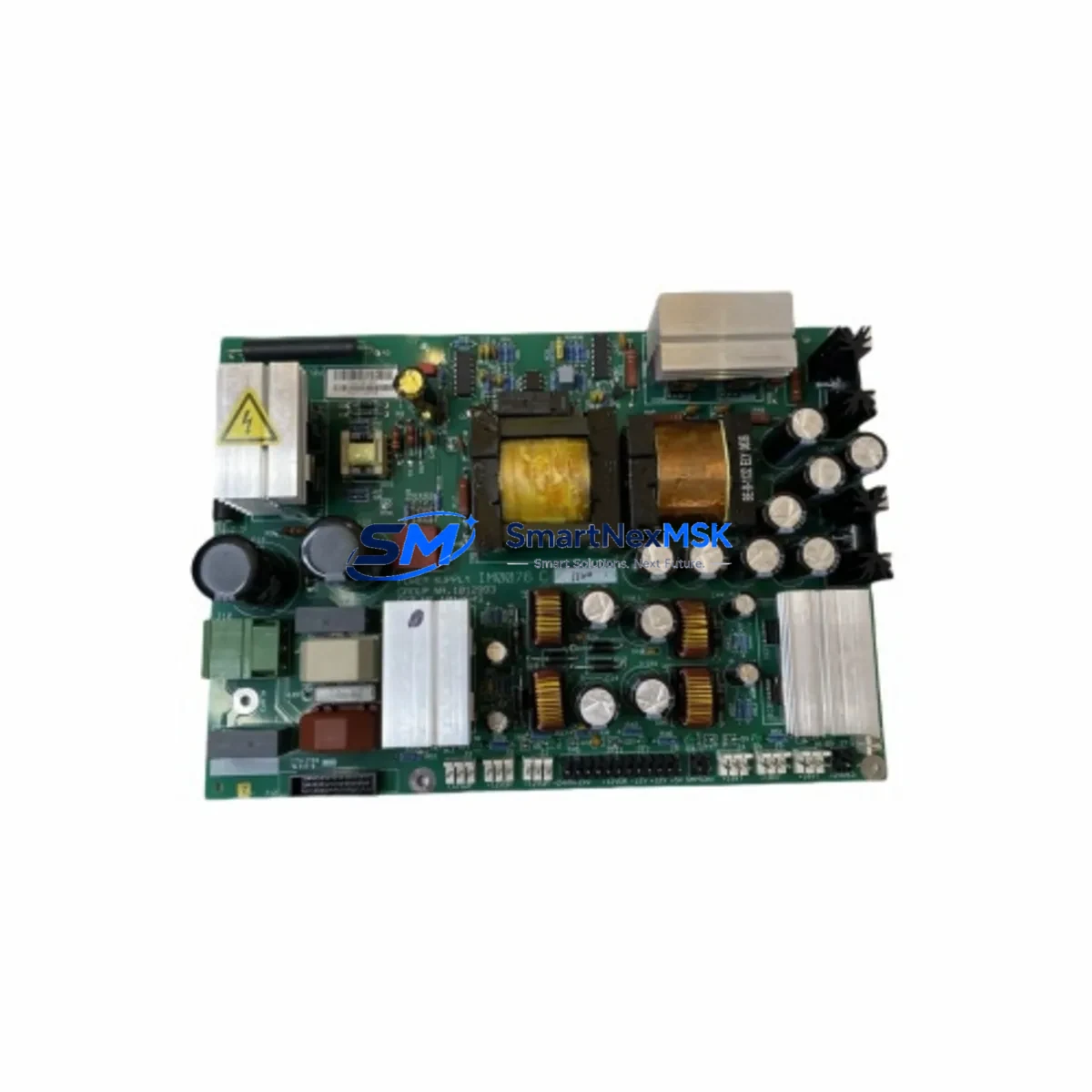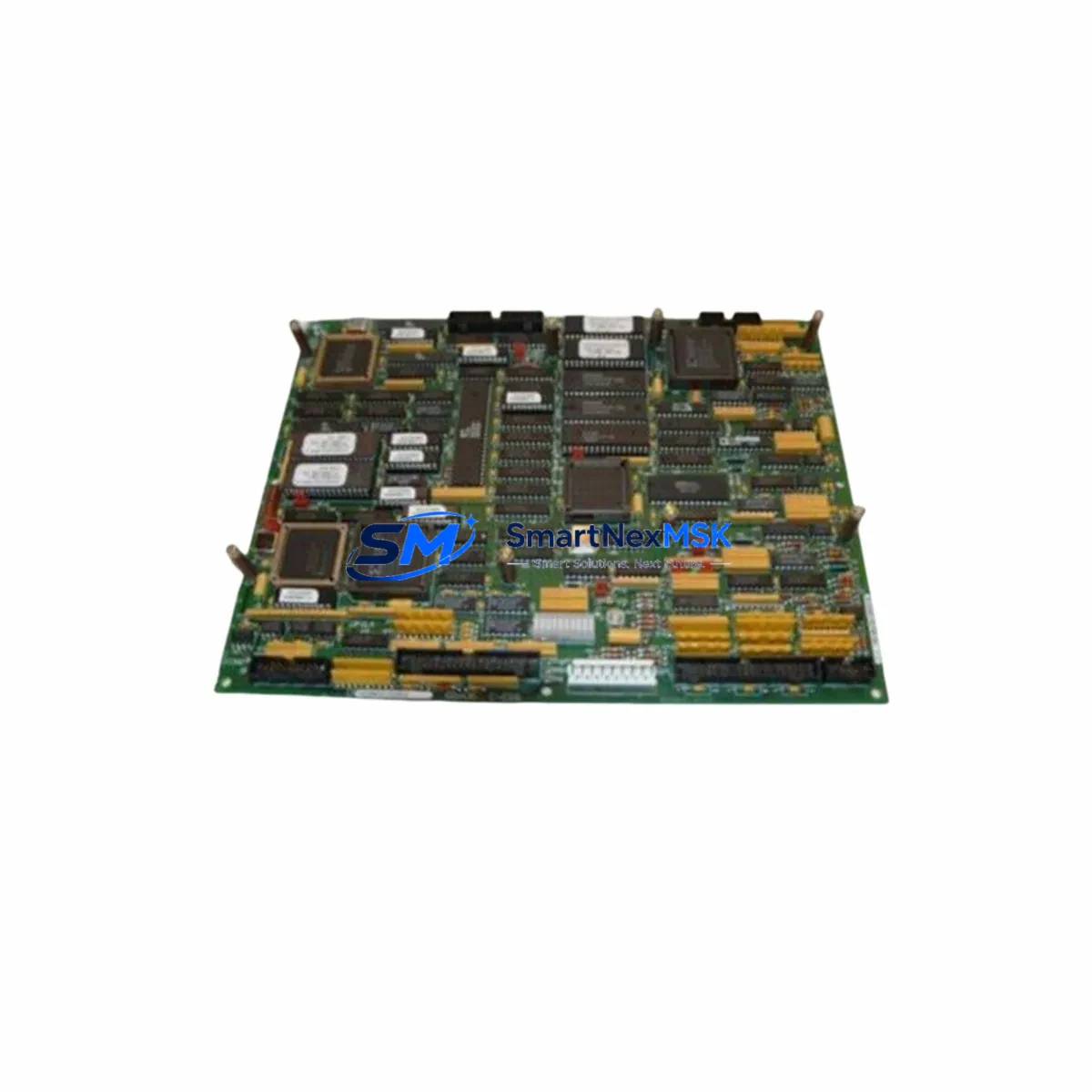
GE DS200SDCCG1AHD Retrofit-Ready Drive Control Card for Mark V LM Control Systems
The GE DS200SDCCG1AHD is a Drive Control Card originally designed for the GE Speedtronic Mark V LM turbine control platform. As aging Mark V LM systems approach end-of-support lifecycle, this card has become one of the most sought-after retrofit and replacement components for power generation facilities, oil & gas installations, and industrial turbine operators worldwide. Whether you are executing a like-for-like spare replacement, a partial panel upgrade, or a full control system modernization, the DS200SDCCG1AHD provides a verified, drop-in compatible solution that preserves your existing control architecture while restoring full operational integrity.
Our inventory of DS200SDCCG1AHD units is sourced from decommissioned OEM systems, professionally refurbished, and subjected to functional burn-in testing prior to shipment. Each unit ships with a 12-month warranty covering manufacturing defects and functional failures under normal operating conditions. We maintain buffer stock to support urgent breakdown replacements and planned maintenance windows, with same-day dispatch available for in-stock units.
Upgrade Compatibility Table
| Parameter | Details |
|---|---|
| Compatible Platform | GE Speedtronic Mark V LM (TMR & Simplex configurations) |
| Card Function | Drive Control — manages servo drive outputs and feedback loops |
| Backplane Interface | Mark V LM standard VME-style backplane; verify slot assignment before installation |
| Communication Compatibility | Compatible with ARCNET and serial I/O links used in Mark V LM architecture |
| Power Requirements | +5 VDC, ±15 VDC via backplane; confirm PDM (Power Distribution Module) capacity before swap |
| Terminal Wiring | Field wiring connects via I/O terminal boards (e.g., DS200TBCIG1A); no direct field wiring on card |
| Replacement Recommendation | Direct replacement for failed or degraded DS200SDCCG1AHD; verify firmware revision with OEM documentation |
| Commissioning Notes | Requires CIMPLICITY or ToolboxST calibration after installation; confirm servo loop tuning parameters |
| Warranty | 12 months from date of shipment; covers functional failure under normal operating conditions |
Retrofit Planning for Existing Automation Systems
Successful retrofit of the DS200SDCCG1AHD into an existing Mark V LM panel requires a structured pre-installation review. Before removing the failed card, engineers should document the current slot address, verify the backplane revision, and photograph all terminal board connections. The Mark V LM rack typically houses multiple interdependent cards — including the DS200SDCIG1AFB (another SDCC variant), the DS200TCQAG1BHF I/O controller, and the DS200DSPCH1A digital signal processor — and disturbing one card without understanding the full rack topology can introduce secondary faults.
Power budget verification is critical. The Mark V LM Power Distribution Module (PDM), such as the DS200PDCAG1A, supplies regulated voltages to all cards in the rack. Before installing a replacement DS200SDCCG1AHD, confirm that the PDM is operating within its rated output capacity and that no other cards in the rack are drawing excess current due to aging or partial failure. A degraded PDM is a common root cause of repeated drive control card failures and should be inspected as part of any retrofit plan.
Terminal board compatibility must also be confirmed. The DS200SDCCG1AHD interfaces with field devices through dedicated I/O terminal boards such as the DS200TBCIG1A. If the terminal board has been modified or if field wiring has been extended beyond OEM specifications, re-termination may be required. Verify wire gauge, shielding continuity, and ground bonding before powering the replacement card.
For systems that include an HMI interface — typically a GE Cimplicity workstation or a legacy Mark V operator panel — confirm that the HMI screen assignments and alarm setpoints remain valid after the card swap. In some configurations, the DS200SDCCG1AHD address is hard-coded into the HMI configuration file, and a card with a different hardware revision may require a configuration update to restore full display functionality.
Communication link integrity should be verified after installation. The Mark V LM uses ARCNET for inter-card communication, and the DS200SDCCG1AHD participates in this network. After installation, use the Mark V diagnostic tools to confirm that the card is recognized on the ARCNET ring and that no communication errors are logged. If the system also includes a DS200SLCCG1AFG serial link controller or a DS200EXPSG1A I/O expansion module, verify that these devices continue to communicate correctly after the card replacement.
For facilities planning a broader control system migration — for example, transitioning from Mark V LM to Mark VIe — the DS200SDCCG1AHD can serve as a bridge component, maintaining turbine operability while the new control platform is staged, configured, and tested in parallel. This approach minimizes production risk and allows engineering teams to validate the Mark VIe configuration against live process data before cutover.
Downtime Control During System Migration
Unplanned turbine trips caused by drive control card failure can result in significant production losses, particularly in combined-cycle power plants and continuous process facilities. A structured hot-swap protocol for the DS200SDCCG1AHD can reduce mean time to repair (MTTR) to under four hours when a pre-tested spare is available on-site.
The recommended approach is to maintain at least one pre-tested DS200SDCCG1AHD in the local spare parts inventory, stored in an ESD-safe enclosure at controlled temperature and humidity. When a failure is detected — typically indicated by a SDCC FAULT alarm on the Mark V operator panel or a loss of servo feedback signal — the replacement procedure should follow the OEM-documented card swap sequence: de-energize the affected rack section, extract the failed card using the card ejector handles, insert the replacement, re-energize, and monitor the diagnostic display for successful initialization.
To protect existing program logic during the swap, ensure that the Mark V LM application software backup is current and stored on a separate engineering workstation. The DS200SDCCG1AHD does not store application logic locally — all control logic resides in the Mark V controller — so a card swap does not risk program loss. However, servo calibration parameters stored in the card’s non-volatile memory may need to be re-entered after replacement, depending on the firmware revision and system configuration.
For planned maintenance windows, a parallel commissioning approach is recommended: install and power the replacement DS200SDCCG1AHD in a bench test configuration, verify all diagnostic indicators, and confirm communication with a test rack before scheduling the live installation. This approach eliminates on-site troubleshooting time and ensures that the replacement card is fully functional before the maintenance window begins.
Retrofit Support FAQ
Q1: Is the DS200SDCCG1AHD a direct drop-in replacement for all Mark V LM SDCC variants?
The DS200SDCCG1AHD is compatible with Mark V LM systems using the standard SDCC slot configuration. However, hardware revision differences between SDCC variants (e.g., G1A, G1B, G1AHD) may affect firmware compatibility. We recommend verifying the hardware revision of the failed card against the replacement unit before installation. Our technical team can assist with revision matching based on your system’s serial number and panel documentation.
Q2: What commissioning steps are required after installing the replacement card?
After physical installation, the Mark V LM system will perform an automatic self-test sequence. Engineers should monitor the diagnostic display for SDCC READY status and verify that no ARCNET communication faults are logged. Servo loop calibration should be verified using the Mark V calibration utility, and all drive output signals should be confirmed against the original commissioning records. HMI alarm setpoints should also be reviewed to ensure they remain consistent with the replacement card’s configuration.
Q3: Can the DS200SDCCG1AHD be used in a TMR (Triple Modular Redundant) Mark V LM configuration?
Yes. The DS200SDCCG1AHD is compatible with both Simplex and TMR Mark V LM configurations. In a TMR system, all three SDCC cards in the redundant set should ideally be of the same hardware revision to ensure consistent voting behavior. If only one card in the TMR set is being replaced, verify that the replacement card’s revision matches the two remaining cards. Our inventory includes matched-revision sets for TMR applications upon request.
Q4: What does the 12-month warranty cover, and what is the return process?
Our 12-month warranty covers functional failure of the DS200SDCCG1AHD under normal operating conditions, including backplane communication faults, servo output failures, and power regulation issues attributable to the card itself. The warranty does not cover damage caused by incorrect installation, overvoltage events, or physical mishandling. To initiate a warranty claim, contact our technical support team with the unit serial number, installation date, and a description of the fault. Replacement units are dispatched within 48 hours of claim approval, and failed units must be returned within 30 days for warranty validation.
© 2026 SMARTNEXMSK. All rights reserved.
Original Source: https://smartnexmsk.com
Contact: [email protected] | +86 18259474341