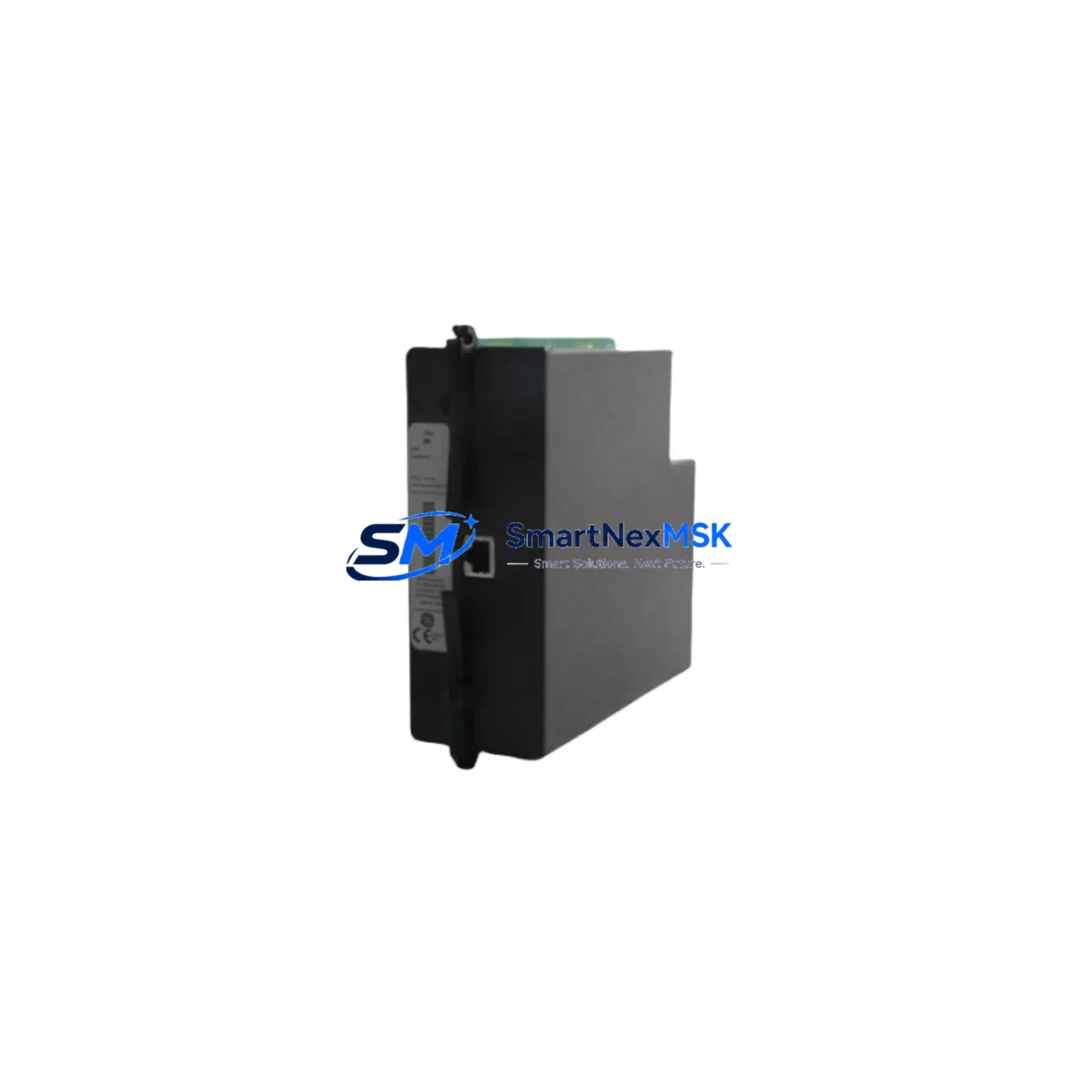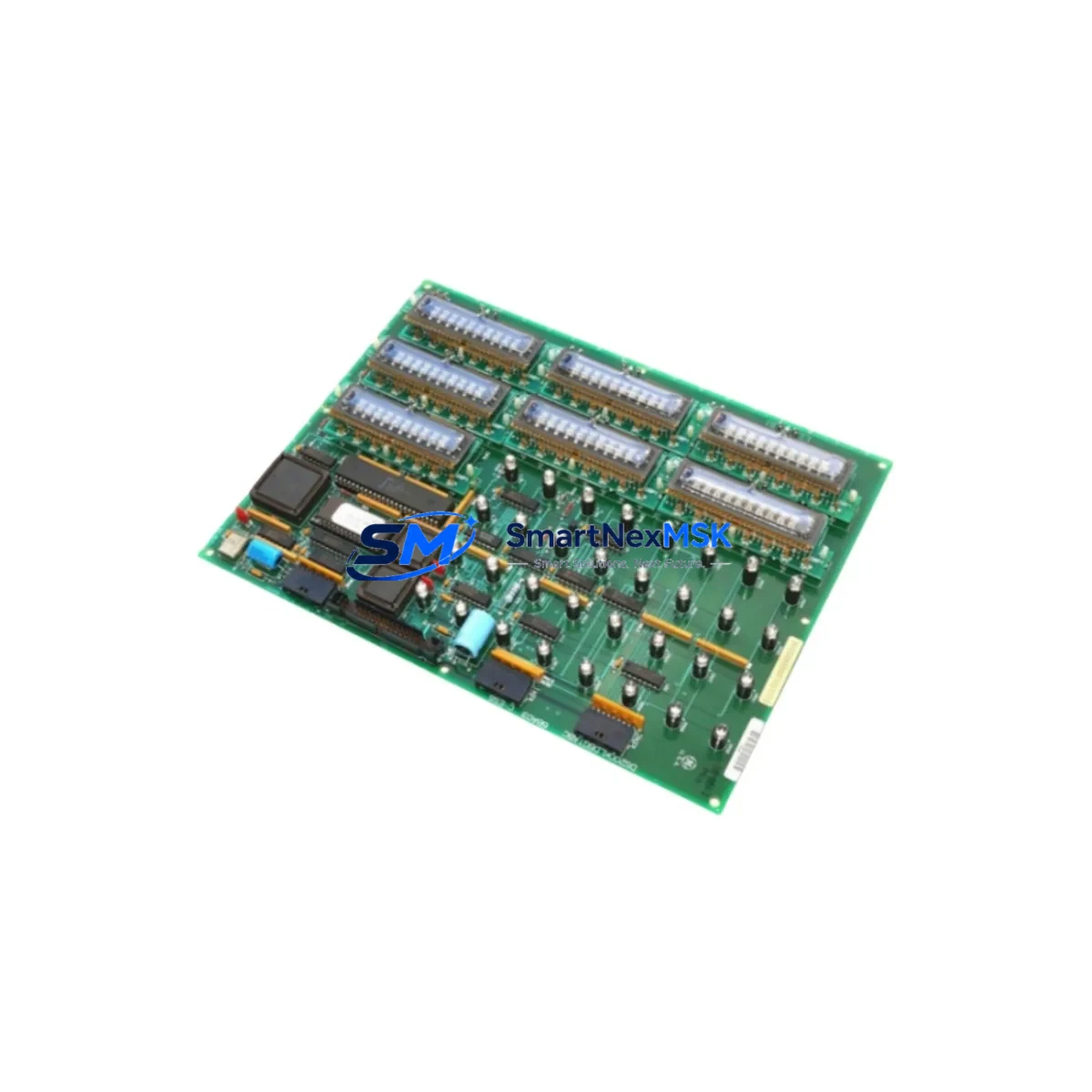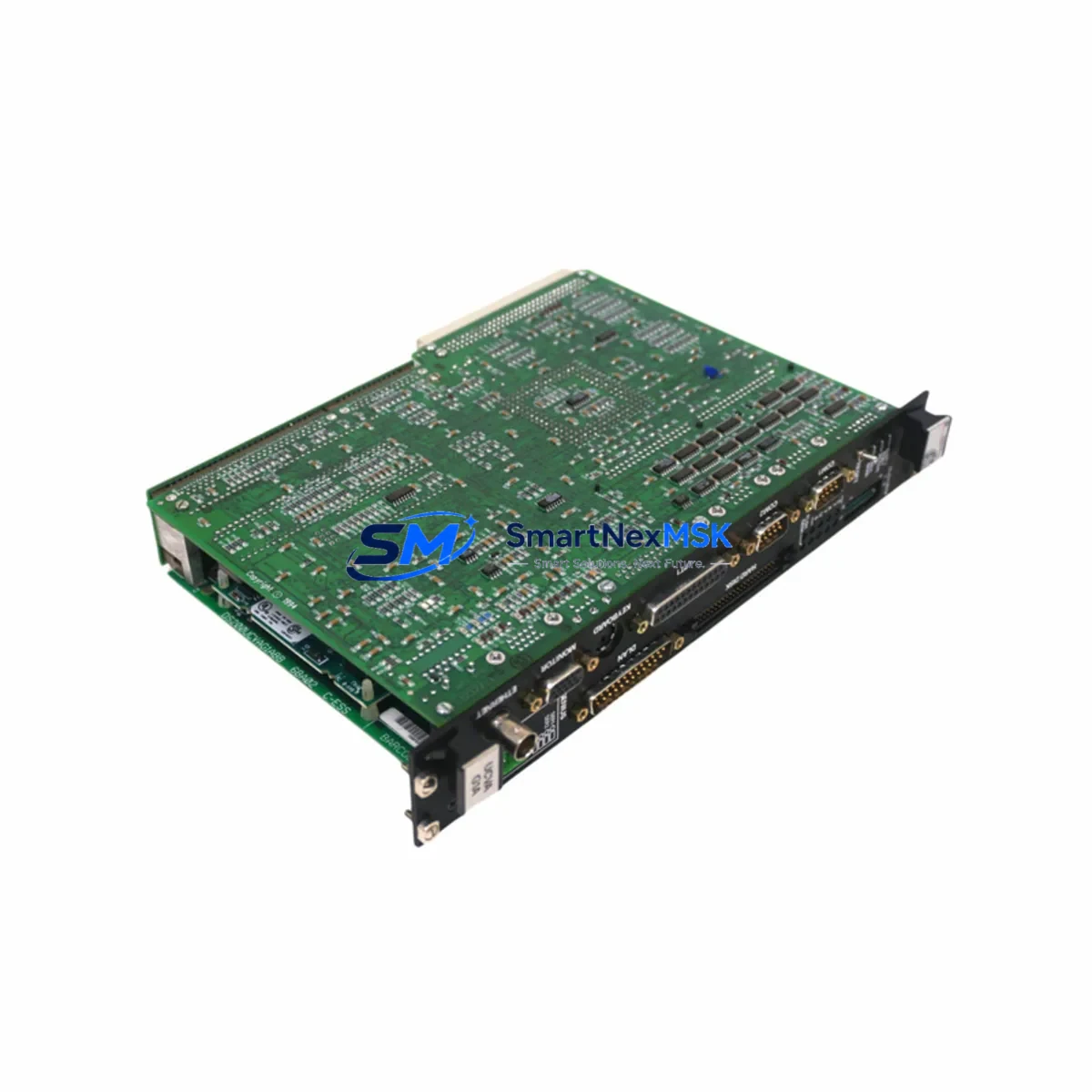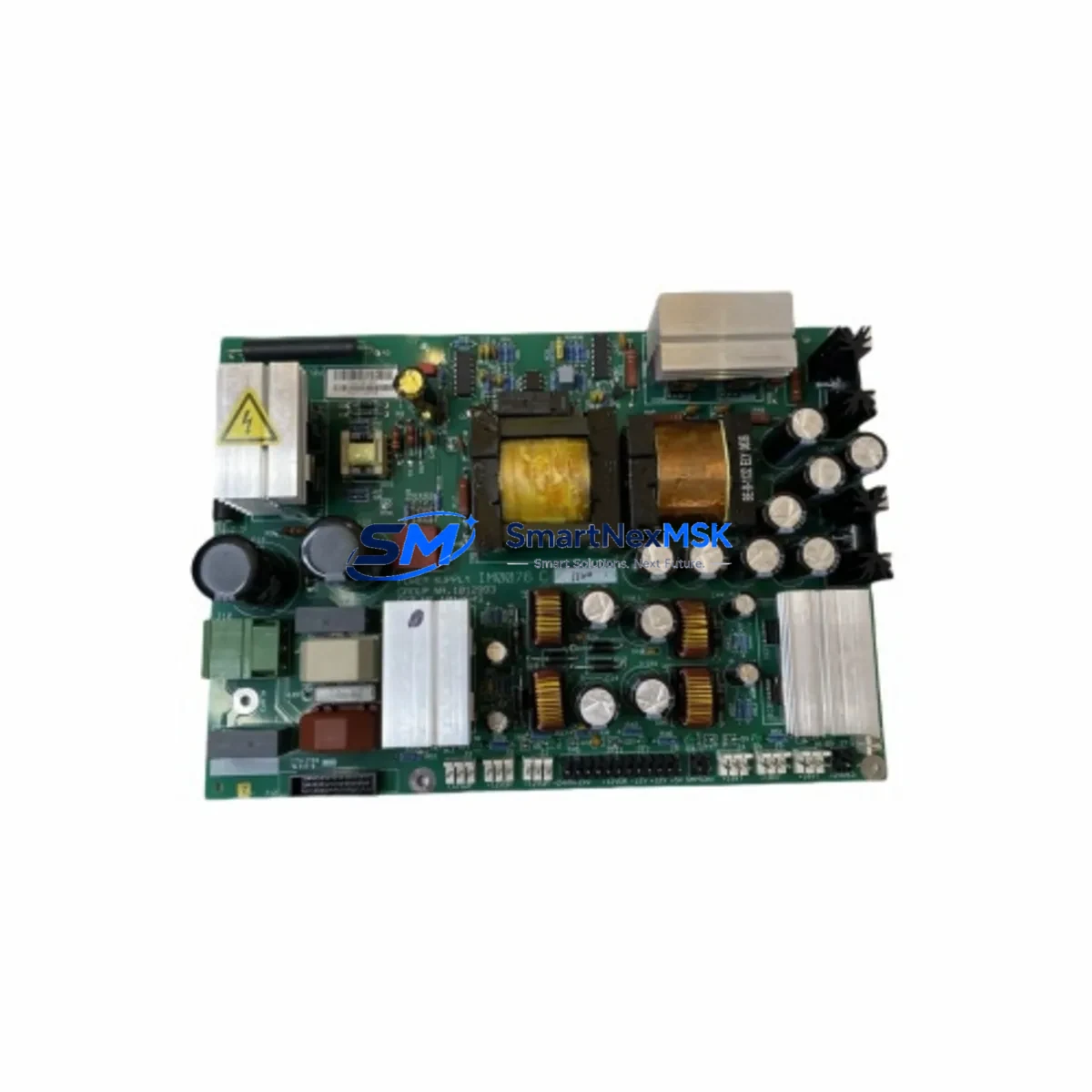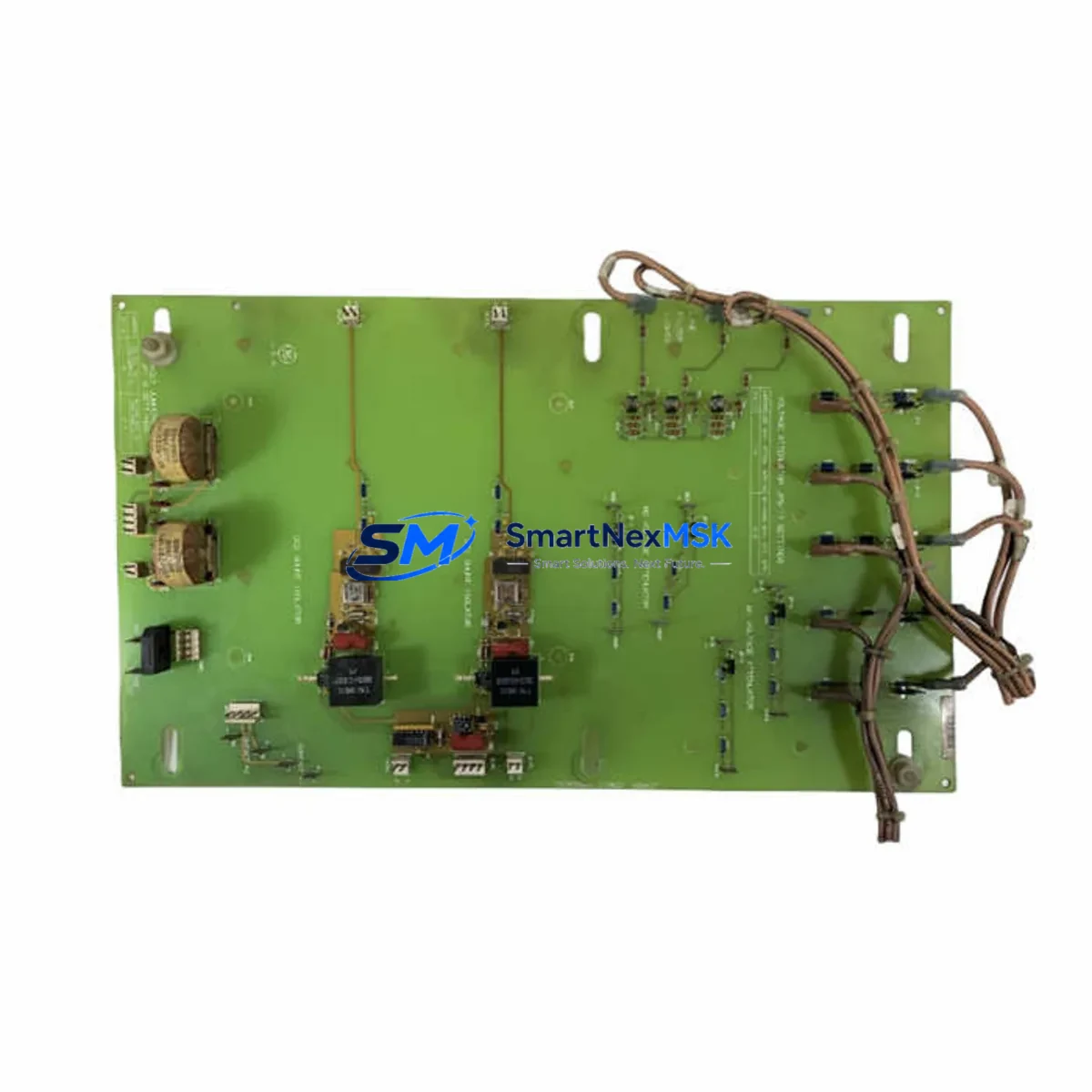
GE DS200SHVIG1BGD Retrofit-Ready Interface Board for Mark VI Control Systems
The GE DS200SHVIG1BGD is a high-integrity interface board engineered for the GE Mark VI Turbine Control System, one of the most widely deployed distributed control platforms in power generation, oil & gas, and heavy industrial environments. As legacy Mark VI installations age and OEM support windows narrow, the DS200SHVIG1BGD has become a critical retrofit component for engineers tasked with extending system life, replacing discontinued boards, and maintaining control continuity without a full DCS migration.
This board serves as a direct replacement for failed or end-of-life SHVIG1 interface assemblies within the Mark VI VCMI and VCRC controller racks. It interfaces with the Mark VI I/O terminal boards — including the DS200TCQAG1B terminal board and DS200TCEAG1B — via the standard Mark VI backplane ribbon and VME-style rack connectors. Engineers retrofitting existing cabinets should verify backplane slot assignment, I/O module addressing, and the associated DS200SDCCG3A or DS200SDCCG1A control card firmware revision before installation to ensure program compatibility.
When replacing the DS200SHVIG1BGD in a live turbine control cabinet, power sequencing is critical. The Mark VI system draws from a redundant 125 VDC or 24 VDC power supply rail depending on cabinet configuration. Confirm that the DS200PCCAG1A power supply module is within rated capacity before adding or swapping interface boards. Overloading the power rail during a hot-swap attempt is a leading cause of secondary board failures during retrofit operations.
Communication protocol compatibility is another key verification point. The DS200SHVIG1BGD operates within the Mark VI’s IONet Ethernet-based I/O communication architecture. If the retrofit involves migrating from an older Mark V platform, note that Mark V used a ARCNET-based I/O bus — a fundamentally different protocol. In such cross-generation migrations, the DS200DSPXG1B DSP controller and associated TCCA communication cards must also be evaluated for compatibility. Protocol bridging or full I/O rewiring may be required depending on the scope of the upgrade.
Terminal wiring adaptation is frequently underestimated during retrofit planning. The DS200SHVIG1BGD connects to field devices through the Mark VI terminal board layer. Technicians should document all existing wiring terminations against the original GEH-6421 or GEH-6700 wiring diagrams before disconnecting any cables. Where terminal board pinouts differ between the old and replacement assembly, a wiring adapter harness or re-termination at the DS200TBCBG1A terminal board may be necessary to maintain signal integrity for thermocouple, RTD, and discrete I/O channels.
HMI screen validation is a mandatory step following any Mark VI interface board replacement. The GE Cimplicity or ToolboxST HMI environment must be checked to confirm that all associated I/O tags, alarm setpoints, and trend displays remain correctly mapped after the board swap. In some cases, a ToolboxST re-download to the VCMI controller is required to re-establish the hardware configuration database, particularly if the replacement board carries a different firmware build than the original.
For sites operating redundant Mark VI controllers in a TMR (Triple Modular Redundant) configuration, the DS200SHVIG1BGD replacement must be coordinated across all three control paths. Replacing only one board in a TMR rack without verifying the other two paths can introduce a latent single-point failure. Always perform a full I/O diagnostic scan using the Mark VI diagnostic software after installation to confirm all three voting paths are active and in agreement.
Upgrade Compatibility Table
| Parameter | DS200SHVIG1BGD Specification |
|---|---|
| Compatible Platform | GE Mark VI Turbine Control System |
| Compatible Controllers | VCMI, VCRC, VTUR, VPRO |
| Backplane Interface | Mark VI VME-style rack connector |
| Communication Protocol | IONet (Ethernet-based I/O bus) |
| Power Requirement | 24 VDC / 125 VDC (cabinet dependent) |
| Replaces / Upgrades | DS200SHVIG1A, DS200SHVIG1BGD variants |
| Terminal Board Compatibility | DS200TCQAG1B, DS200TCEAG1B, DS200TBCBG1A |
| Installation Type | Direct board swap; slot address verification required |
| Commissioning Tool | GE ToolboxST / Cimplicity HMI |
| Warranty | 12 Months — covers functional failure under normal operating conditions |
Retrofit Planning for Existing Automation Systems
A successful DS200SHVIG1BGD retrofit begins with a thorough site survey of the existing Mark VI cabinet. Identify all installed boards by part number and revision level, including the DS200SDCCG3A control card, DS200PCCAG1A power supply, DS200TCQAG1B terminal boards, and any installed DS200DSPXG1B DSP modules. Cross-reference each component against the current GE Mark VI hardware compatibility matrix to identify any revision conflicts before ordering replacement parts.
For I/O expansion projects running alongside the board replacement, the DS200IOCAG1B I/O controller and associated analog and discrete I/O modules should be pre-staged and tested on a bench rack before installation in the live cabinet. This reduces the risk of introducing configuration errors into a running turbine control system. Where the retrofit also involves adding new I/O points, confirm that the VCMI controller’s I/O map has available address space and that the ToolboxST application program has been updated to include the new I/O declarations before the cutover window.
Programming cable access is another practical consideration. The Mark VI programming interface uses a standard Ethernet connection to the VCMI controller’s service port. Ensure that the engineering workstation running ToolboxST has the correct software version installed and that the project file matches the installed firmware revision on the target controller. A firmware mismatch between the workstation project and the controller will prevent a successful download and can extend the planned maintenance window significantly.
Downtime Control During System Migration
Minimizing unplanned downtime during a Mark VI interface board replacement requires a structured pre-outage preparation protocol. Before the maintenance window opens, export a full backup of the ToolboxST project, including all I/O configurations, alarm setpoints, control logic blocks, and HMI tag assignments. Store this backup on an isolated engineering workstation — not on the plant network — to protect against accidental overwrite during the cutover.
During the board swap, maintain field device power where possible to preserve sensor signal continuity. For thermocouple and RTD inputs routed through the DS200TCEAG1B terminal board, signal loss during the swap will trigger process alarms in the Cimplicity HMI. Pre-acknowledge these expected alarms with the control room operator before beginning work to avoid confusion with genuine process upsets. After the new DS200SHVIG1BGD is seated and the rack is powered, perform a full I/O scan from ToolboxST to verify all channel assignments before releasing the unit back to automatic control.
For TMR-configured systems, a phased replacement approach — replacing one control path at a time while the remaining two paths maintain voting — is the recommended strategy for zero-unplanned-downtime retrofits. This approach requires careful coordination between the field technician and the control room operator but allows the turbine to remain online throughout the maintenance activity.
Retrofit Support FAQ
Q1: Is the DS200SHVIG1BGD a direct drop-in replacement for earlier SHVIG1 revisions?
In most Mark VI installations, yes. The BGD revision is backward compatible with earlier SHVIG1 board revisions at the backplane and terminal board interface level. However, firmware revision alignment between the replacement board and the installed VCMI controller should be verified using ToolboxST before installation. If a firmware mismatch is detected, a controller re-download may be required after the board swap.
Q2: What wiring changes are required when replacing the DS200SHVIG1BGD?
In a like-for-like replacement, no field wiring changes are required at the terminal board layer. All existing terminations at the DS200TCQAG1B or DS200TCEAG1B terminal boards remain in place. If the replacement is part of a broader I/O expansion or cabinet upgrade, additional wiring to new terminal boards may be required, and a full wiring audit against the GEH-6421 wiring diagram is recommended before energizing the new assembly.
Q3: How is the replacement board tested before shipment?
Each DS200SHVIG1BGD unit supplied by SMARTNEXMSK undergoes functional power-on testing and I/O channel verification prior to shipment. Units are shipped with a test report confirming operational status. The 12-month warranty covers functional failure under normal operating conditions from the date of receipt.
Q4: Can this board be used in a Mark V to Mark VI migration project?
The DS200SHVIG1BGD is a Mark VI native component and is not directly compatible with Mark V hardware. Mark V to Mark VI migrations require a full I/O rewiring exercise and a new ToolboxST application program, as the two platforms use different backplane architectures and communication protocols (ARCNET vs. IONet). SMARTNEXMSK can supply both Mark VI interface boards and associated terminal boards to support a phased migration project.
© 2026 SMARTNEXMSK. All rights reserved.
Original Source: https://smartnexmsk.com
Contact: [email protected] | +86 18259474341