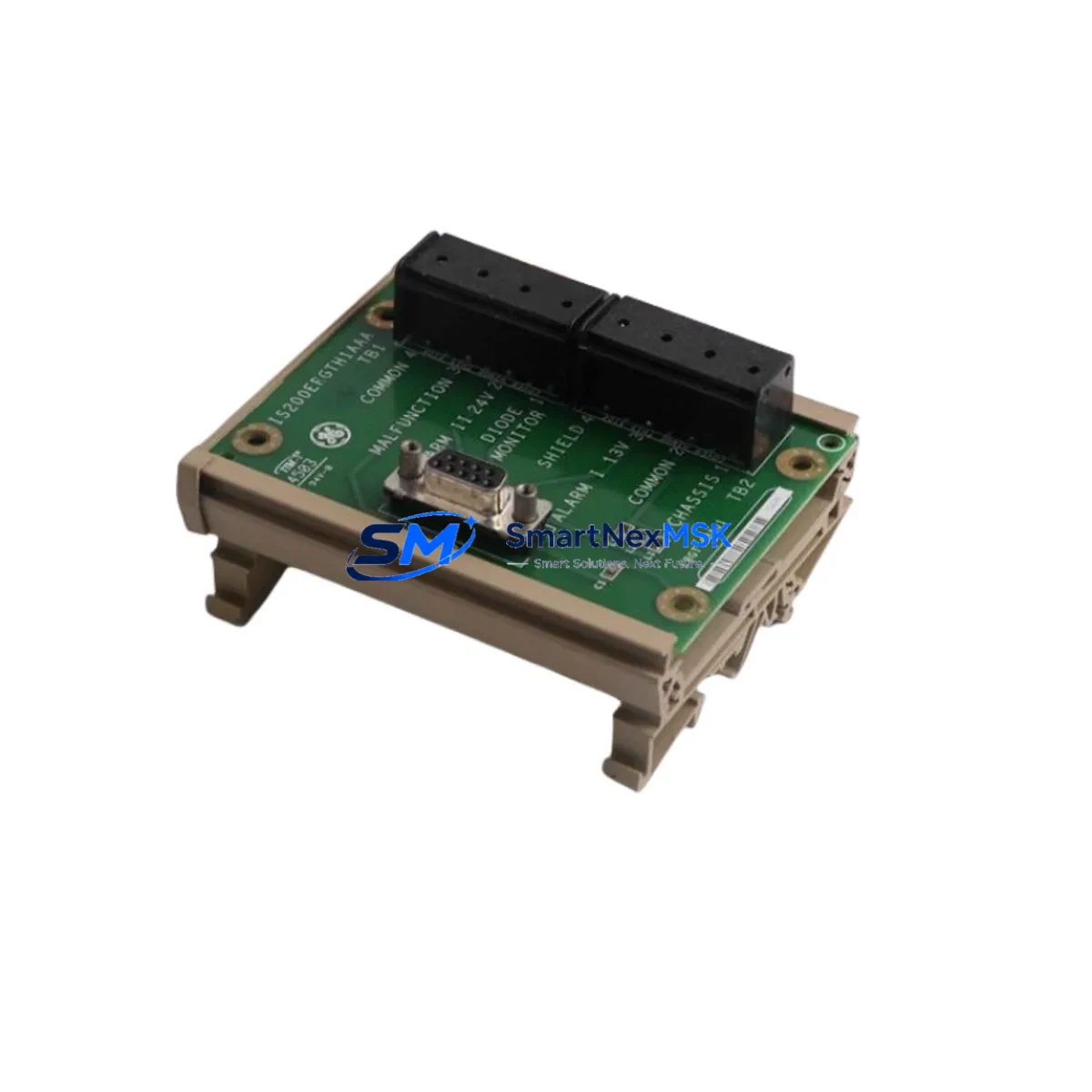
GE Fanuc AOR16G A03B-0819-C161 Retrofit-Ready Digital Output Module for FANUC I/O Link Control Systems
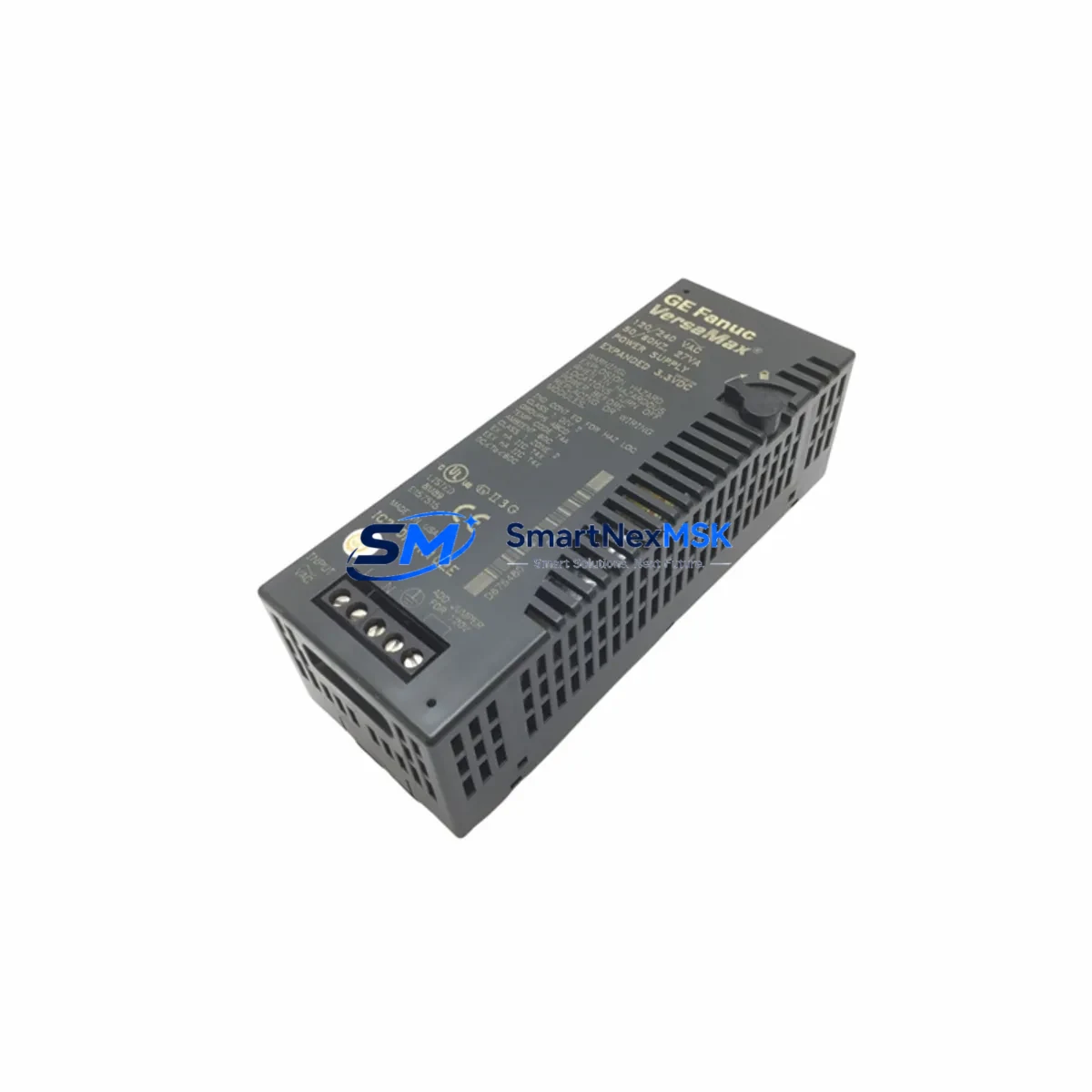
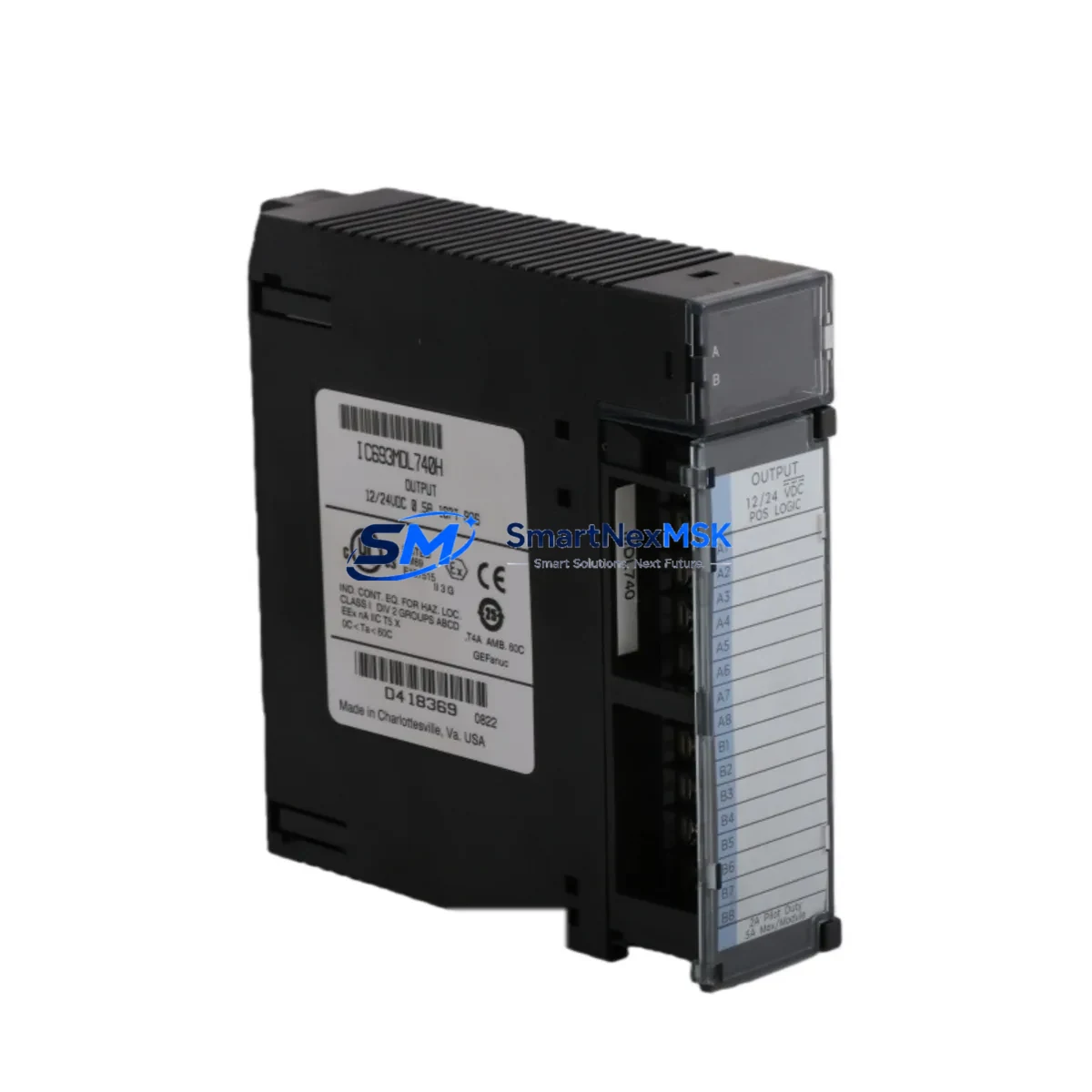
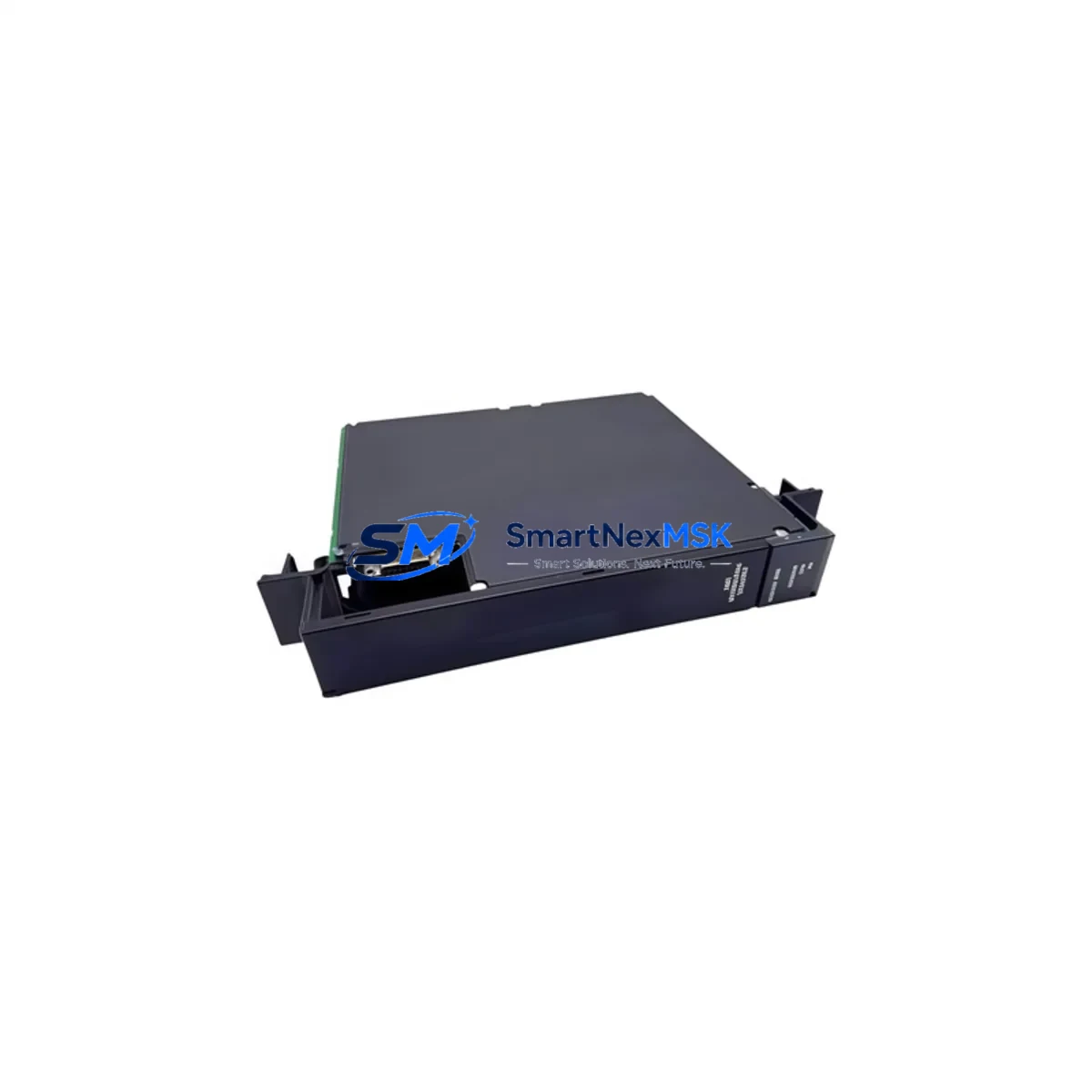
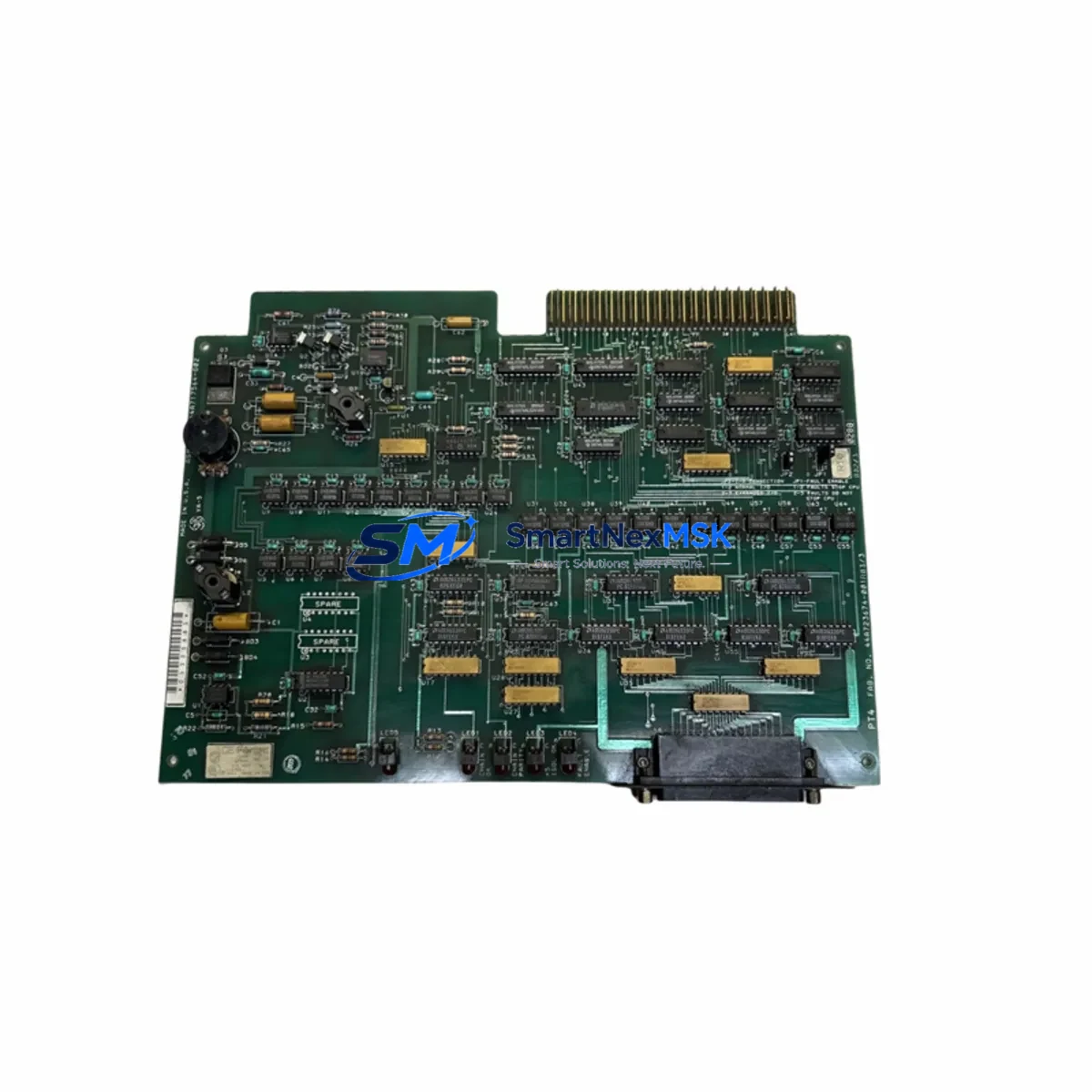
The GE Fanuc AOR16G (A03B-0819-C161) is a 16-point transistor digital output module engineered for FANUC I/O Link distributed I/O architectures. As legacy FANUC CNC and PLC control systems approach end-of-life, the AOR16G remains one of the most sought-after retrofit components for engineers tasked with maintaining production continuity on existing machine tool lines, transfer lines, and automated assembly systems. SMARTNEXMSK maintains verified stock of this module, fully tested and backed by a 12-month warranty, to support your planned or emergency retrofit projects.
Upgrade Compatibility Table
| Parameter | AOR16G A03B-0819-C161 | Retrofit Notes |
|---|---|---|
| Output Points | 16 × Transistor DO | Verify load current per channel vs. field device specs |
| Communication Interface | FANUC I/O Link (serial) | Compatible with I/O Link master on Series 0, 15, 16, 18, 21 CNCs and Series 90-30 PLC via I/O Link adapter |
| Backplane / Rack | FANUC I/O Link slave unit — no dedicated backplane required | Confirm cable routing and I/O Link address assignment before installation |
| Terminal Wiring | Screw-terminal connector block | Map existing field wiring to new terminal layout; retain original wiring diagram |
| Power Supply Requirement | 24 VDC field power | Verify PSU capacity — account for inrush current when replacing multiple DO modules simultaneously |
| Module Address | Set via rotary switch on unit | Match address to original module; update PMC ladder if address changes |
| Replacement Compatibility | Direct drop-in for AOR16G variants in same I/O Link chain | Cross-reference with A03B-0819-C160 (AOR08G) if point count differs |
| Commissioning | PMC ladder verification + I/O diagnostic screen check | Use FANUC LADDER-III or FAPT LADDER to verify output map before live run |
| Warranty | 12-Month Warranty — covers functional failure under normal operating conditions. Each unit ships after bench test and output verification. | |
Retrofit Planning for Existing Automation Systems
A successful retrofit of the AOR16G A03B-0819-C161 begins well before the module arrives on-site. Engineers should audit the full I/O Link chain, identifying every slave unit in the network — including companion modules such as the AID32G (A03B-0819-C101) 32-point digital input module and the AOR32G (A03B-0819-C162) 32-point digital output module — to understand the total I/O map and confirm that the replacement module’s address and point allocation align with the existing PMC program.
Power supply capacity is a critical checkpoint. Many aging control cabinets run FANUC A16B-1310-0030 or equivalent 24 VDC PSU units that were sized for the original load. Adding or replacing output modules without recalculating total current draw — especially when field devices include solenoid valves, relay coils, or indicator lamps — can cause voltage sag and intermittent faults. Confirm that the PSU’s rated output current comfortably covers the combined load of all DO channels at maximum simultaneous activation.
Terminal wiring adaptation is the next practical step. The AOR16G uses a standard screw-terminal connector block. Before disconnecting the original module, photograph or document the existing wiring layout and cross-reference it against the machine’s electrical schematic. If the original schematic is unavailable — common in older Japanese machine tool installations — use a continuity tester to trace each output channel to its field device before removal. This prevents miswiring during reinstallation and reduces commissioning time significantly.
For systems where the I/O Link chain also includes communication modules such as the A20B-2002-0520 I/O Link interface board or a FANUC Series 16i/18i/21i CNC controller acting as the I/O Link master, verify that the firmware version on the master supports the slave unit count in the updated chain. In some legacy configurations, adding or readdressing slave units requires a parameter update on the CNC side — specifically in the I/O Link slave assignment parameters — before the new module will be recognized at power-up.
If the retrofit scope extends to upgrading the HMI, note that FANUC Series 0i-MF or Series 30i/31i/32i CNC platforms with updated HMI screens may reference PMC addresses differently from the original Series 0 or Series 15 installations. Coordinate with the HMI programmer to ensure that output status displays, alarm messages, and operator panel signal mappings reflect the new I/O address structure after the AOR16G is installed.
For control cabinet upgrades that involve replacing the main controller alongside the I/O modules, the FANUC A02B-0309-B520 Series 0i-MF control unit is a common migration target from older Series 0 systems. In such cases, the I/O Link slave chain — including the AOR16G — can typically be retained as-is, provided the I/O Link master parameters are correctly configured on the new controller. This approach preserves the existing field wiring investment and minimizes the scope of electrical rework.
Programming cable access is essential during commissioning. A FANUC A02B-0120-K842 RS-232 programming cable or a USB-to-RS-232 adapter compatible with FANUC LADDER-III software allows engineers to monitor PMC ladder execution in real time, verify that output coils are energizing correctly, and force individual outputs for field device testing without running the full machine cycle. This capability is particularly valuable when commissioning replacement modules in multi-axis machining centers or transfer lines where a full dry run is not immediately possible.
Downtime Control During System Migration
Minimizing unplanned downtime is the primary concern in any I/O module replacement project. The AOR16G A03B-0819-C161 is designed as a direct functional replacement, which means the physical swap — disconnecting the terminal block, removing the failed module, seating the replacement, and reconnecting the wiring — can typically be completed within 30 to 60 minutes by a qualified automation technician.
To protect the original program logic, back up the full PMC ladder program and all CNC parameters to a memory card or PC before beginning any hardware work. FANUC CNCs support parameter backup via the SRAM backup function accessible from the system maintenance screen. This backup captures the PMC ladder, macro programs, tool offset data, and pitch error compensation tables — all of which must be preserved across the module swap to ensure the machine returns to its pre-fault operating state.
Where production schedules permit only a narrow maintenance window, pre-stage the replacement AOR16G at the machine before the scheduled downtime begins. Confirm the module address setting on the rotary switch matches the original unit, and have the terminal wiring diagram ready for reference. With preparation complete, the actual swap can be executed within the maintenance window without delays caused by address misconfiguration or wiring uncertainty.
After reinstallation, use the FANUC I/O diagnostic screen (accessible via the PMC monitor function) to verify that all 16 output channels are recognized by the controller and that the I/O Link communication status shows no alarms. Force each output channel individually to confirm field device response before returning the machine to automatic operation. This structured commissioning sequence ensures control continuity and prevents nuisance alarms caused by unverified output states at machine restart.
Retrofit Support FAQ
Q1: Is the AOR16G A03B-0819-C161 a direct replacement for all AOR16G variants?
A: The A03B-0819-C161 is the standard AOR16G variant for FANUC I/O Link systems. It is functionally interchangeable with other AOR16G units sharing the same I/O Link interface and 16-point transistor output configuration. Always verify the module address switch setting and terminal wiring layout against the original unit before installation. If your application uses the 8-point variant (AOR08G, A03B-0819-C160), the point count and address map will differ and must be accounted for in the PMC program.
Q2: What commissioning steps are required after installing the replacement module?
A: After physical installation and wiring reconnection, power up the controller and check the I/O Link communication status on the CNC diagnostic screen. Confirm the module is recognized at the correct slave address. Use the PMC monitor to verify output coil states, then force each of the 16 output channels individually to confirm field device response. Clear any I/O Link alarms before returning the machine to automatic mode. Document the commissioning results for maintenance records.
Q3: Can this module be used in a system being upgraded from FANUC Series 0 to Series 0i?
A: Yes. The FANUC I/O Link protocol is consistent across Series 0, Series 0i, Series 16i, Series 18i, and Series 21i platforms. The AOR16G A03B-0819-C161 can remain in service as part of the I/O Link slave chain when the CNC controller is upgraded, provided the I/O Link master parameters on the new controller are configured to recognize the existing slave unit count and address assignments. No hardware modification to the AOR16G is required.
Q4: What does the 12-month warranty cover, and how is the module tested before shipment?
A: Every AOR16G A03B-0819-C161 shipped by SMARTNEXMSK undergoes bench testing that includes power-on verification, output channel activation testing across all 16 points, and I/O Link communication handshake confirmation. The 12-month warranty covers functional failure under normal operating conditions and excludes damage caused by incorrect installation, overvoltage, or physical impact. Warranty claims are supported by our technical team at [email protected].
© 2026 SMARTNEXMSK. All rights reserved.
Original Source: https://smartnexmsk.com
Contact: [email protected] | +86 18259474341