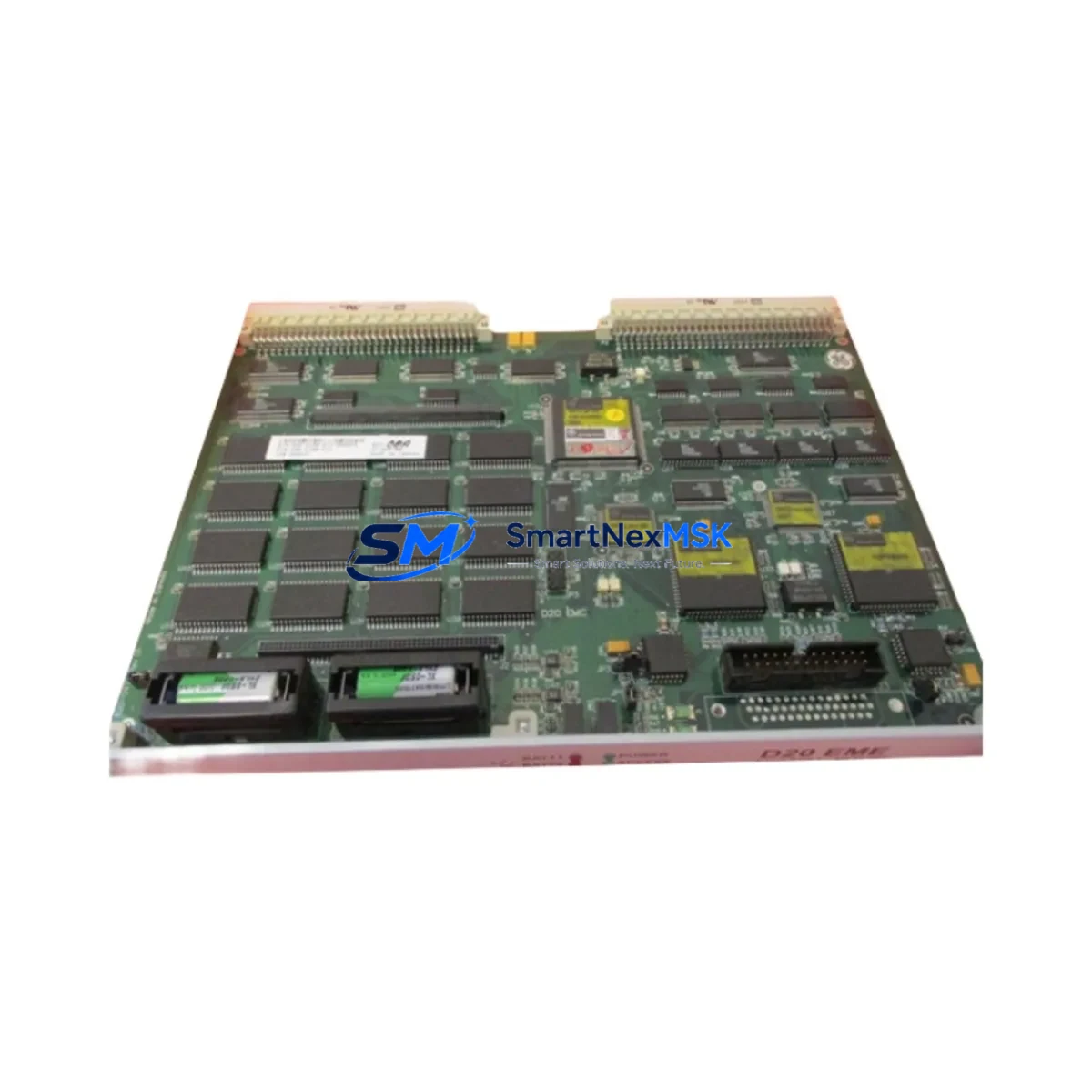
GE WESDAC D20EME Maintenance-Ready Spare for D20 Automation
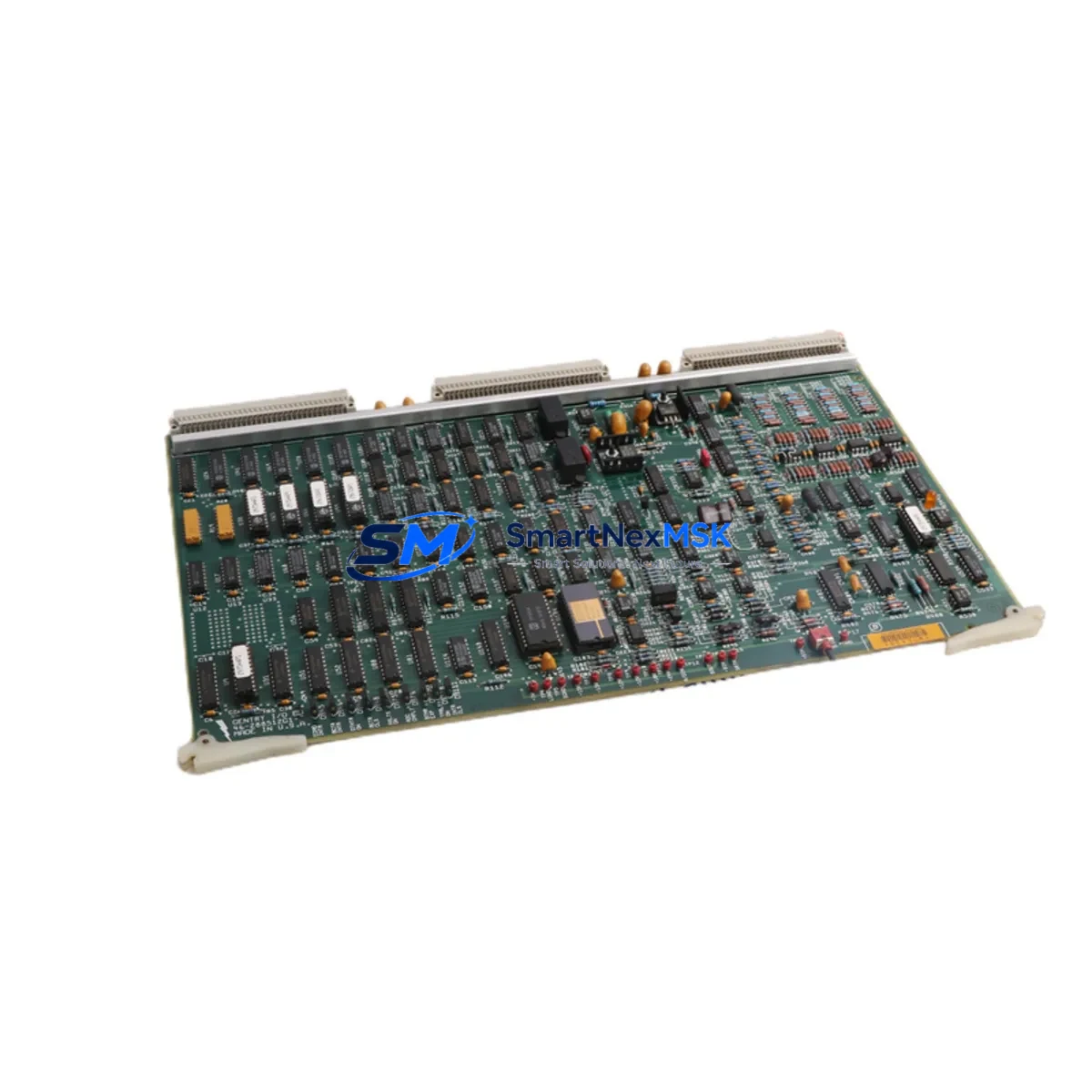
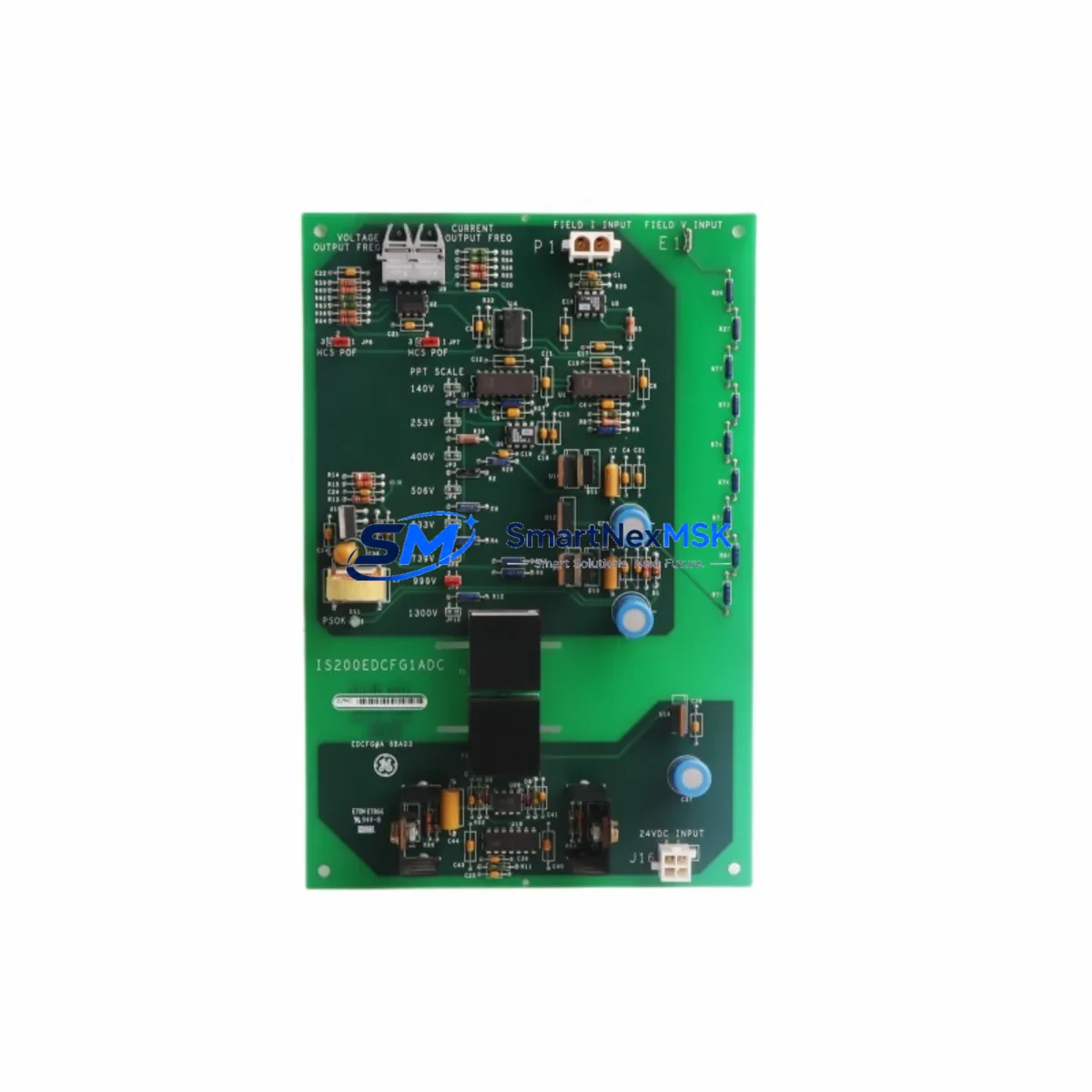
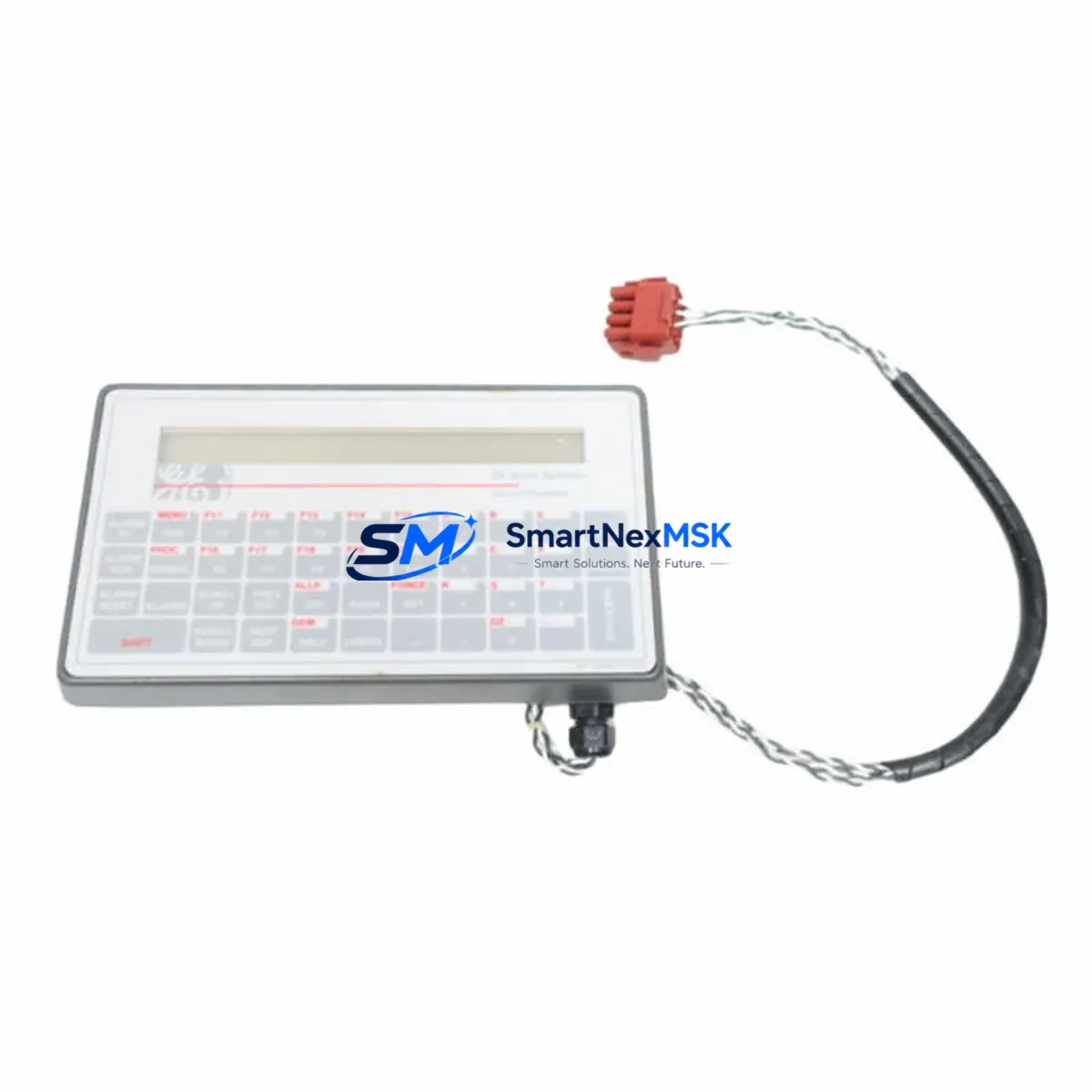
The GE WESDAC D20EME is an original RTU (Remote Terminal Unit) module designed for the GE D20 Series substation automation and SCADA control platform. For maintenance engineers managing aging substation infrastructure, this module represents a critical spare that directly impacts system uptime, data acquisition continuity, and protection relay communication. Whether you are executing a planned outage replacement, responding to an unscheduled fault, or building a strategic spare parts inventory for long-term system support, the D20EME delivers the original-specification performance required to restore operations without reconfiguration risk.
The D20 Series platform has been widely deployed across electrical utilities, transmission substations, and industrial power distribution systems globally. As the platform matures, sourcing verified original spare modules becomes increasingly important. The WESDAC D20EME supports the communication and data acquisition backbone of the D20 chassis, making it one of the highest-priority spares in any D20-based control cabinet.
Spare Maintenance Table
| Parameter | Specification / Detail |
|---|---|
| Part Number / SKU | WESDAC D20EME |
| Brand | General Electric (GE) |
| Series | GE D20 RTU / WESDAC Platform |
| Module Type | RTU Communication & Data Acquisition Module |
| Application | Substation Automation, SCADA, Protection Relay Integration |
| Compatibility | GE D20 Series Chassis; D20ME, D20MX, D20E platforms |
| Communication Protocols | DNP3, IEC 60870-5-101/104, Modbus (platform-dependent) |
| Installation | Rack-mount, D20 backplane slot insertion |
| Operating Environment | Industrial substation; -40°C to +70°C (typical RTU range) |
| Power Supply | Supplied via D20 backplane (24VDC / 48VDC system) |
| Origin | United States |
| Condition | Original Spare — New or Refurbished-to-Spec |
| Pre-shipment Testing | Function-verified before dispatch |
| Warranty | 12 Months |
| Lead Time | In-stock; ships within 1–3 business days |
Maintenance Planning for Continuous Operation
When replacing the WESDAC D20EME in a live substation or industrial control environment, a disciplined maintenance approach requires inspecting and verifying all interdependent components within the same control cabinet and communication loop. Maintenance engineers should treat this replacement as an opportunity for a broader system health check.
Begin with the D20 backplane and chassis — verify that the backplane bus connectors show no signs of oxidation, mechanical wear, or intermittent contact that could cause the new module to report false communication errors. The D20 power supply module (typically a 24VDC or 48VDC rail-mounted unit) should be load-tested to confirm it can sustain the full chassis draw after the new module is seated; a marginal power supply is a common root cause of RTU module failures that goes undetected until a replacement module is installed.
Next, inspect the serial communication cables and RS-232/RS-485 wiring connecting the D20EME to downstream protection relays and IEDs. Cable insulation degradation, loose terminal connections, and ground loops are frequent contributors to communication faults in aging substation environments. If the system uses fiber optic communication converters for long-distance relay links, verify the SFP modules and fiber patch cords for signal integrity before commissioning the replacement RTU module.
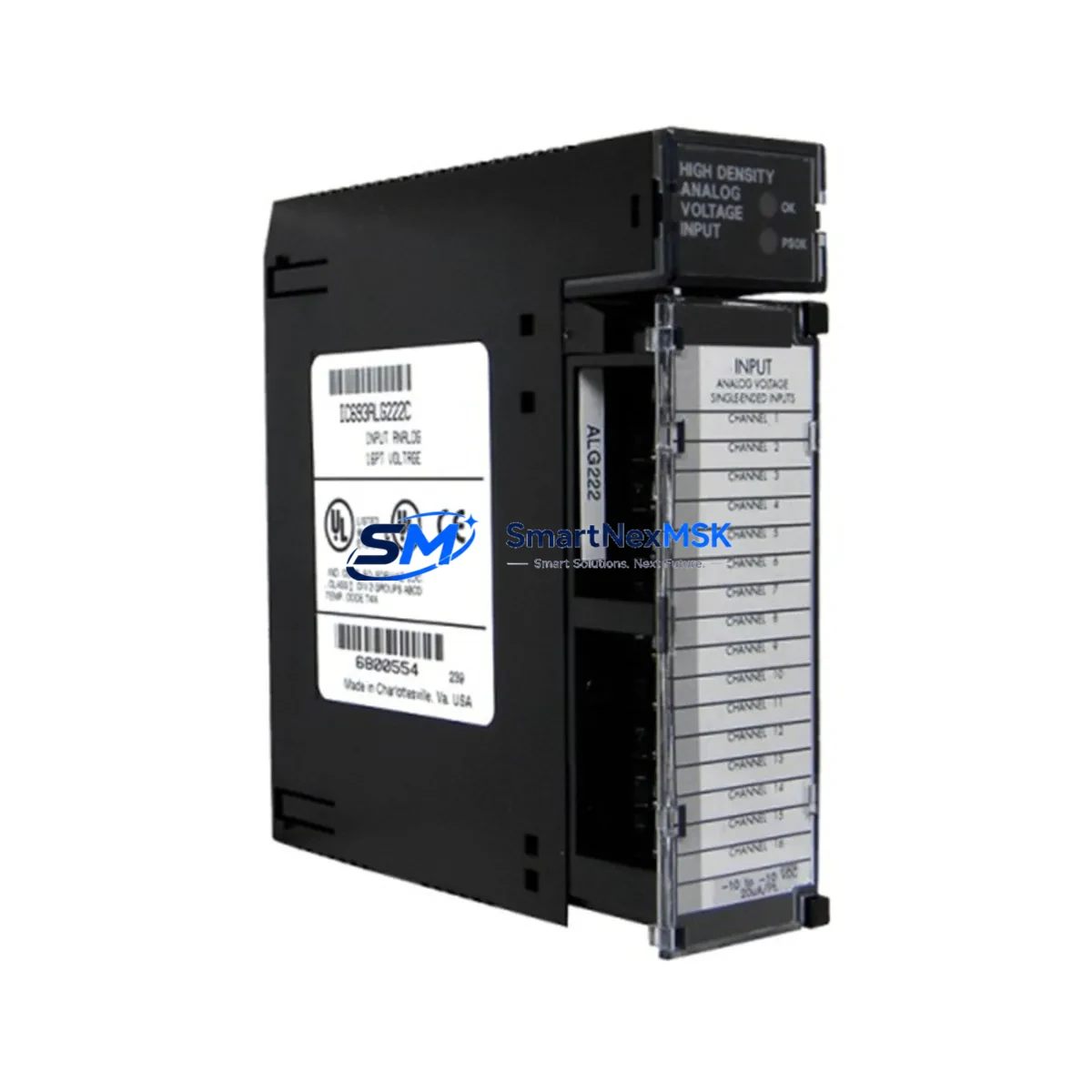
For sites running DNP3 or IEC 60870-5-104 over Ethernet, confirm that the D20 Ethernet communication module (such as the D20EMX network card or equivalent) is operating within normal latency and packet-loss thresholds. A degraded network module can mask itself as an RTU module fault. Similarly, the D20 I/O modules — including digital input, digital output, and analog input cards installed in adjacent chassis slots — should be verified for correct status reporting after the D20EME is replaced, as a module swap can sometimes expose pre-existing I/O wiring faults that were previously masked.
Procurement engineers building a strategic spare parts list around the D20 platform should also consider stocking the D20 CPU/processor module, D20 analog output modules, and WESDAC configuration software licenses to support full system recovery scenarios. For sites with aging GE Multilin protection relays integrated into the same SCADA loop, maintaining compatible relay firmware versions and spare relay modules ensures end-to-end communication integrity is preserved during any RTU maintenance event.
Finally, review the UPS and DC power distribution panel feeding the D20 cabinet. Battery condition, fuse ratings, and surge protection devices should be inspected as part of any planned RTU module replacement to prevent recurrence of the original fault condition.
Site Replacement Workflow
Step 1 — Pre-replacement verification: Document the current D20EME configuration using WESDAC configuration software. Export the RTU database, point list, and communication settings before powering down the module slot. This ensures zero-loss restoration if the replacement module requires re-programming.
Step 2 — Safe isolation: Follow your site’s lockout/tagout (LOTO) procedure for the D20 chassis slot. Notify the SCADA control center of the planned communication interruption to prevent false alarm escalation during the replacement window.
Step 3 — Physical replacement: Remove the faulty D20EME by releasing the module ejector levers. Inspect the backplane connector pins for damage before inserting the replacement WESDAC D20EME. Seat the module firmly and verify the locking mechanism is engaged.
Step 4 — Configuration restore: Power up the slot and load the previously exported RTU configuration. Verify all DNP3 or IEC 60870 point mappings are correctly restored. Perform a communication test with the upstream SCADA master station to confirm data acquisition is active.
Step 5 — Functional sign-off: Confirm all digital inputs, analog inputs, and control outputs are reporting correctly. Log the replacement in the site maintenance register with the new module serial number and warranty start date.
This workflow minimizes downtime to a single planned maintenance window and eliminates the risk of configuration loss or communication parameter mismatch that can extend unplanned outages by hours.
Spare Parts Support FAQ
Q1: What is the warranty coverage for the WESDAC D20EME spare module?
All D20EME modules supplied by SMARTNEXMSK carry a 12-month warranty covering manufacturing defects and functional failures under normal operating conditions. Warranty support includes technical diagnosis, replacement dispatch, and return material authorization (RMA) processing.
Q2: How do I verify compatibility between the D20EME and my existing D20 chassis revision?
Compatibility is determined by the D20 chassis hardware revision and the WESDAC firmware version running on your system. Provide your chassis model number (D20ME, D20MX, or D20E variant) and current firmware version when placing your order. Our technical team will confirm compatibility before shipment.
Q3: Is the D20EME tested before shipment?
Yes. Every module undergoes functional verification testing prior to dispatch. Test records are available upon request and accompany the shipment documentation for site acceptance records.
Q4: Can you support long-term or blanket spare parts orders for D20 platform maintenance contracts?
Yes. SMARTNEXMSK supports scheduled spare parts programs for utilities and industrial operators managing multi-site D20 deployments. Contact our team to discuss inventory reservation, lead time commitments, and volume pricing for annual maintenance contracts.
© 2026 SMARTNEXMSK. All rights reserved.
Original Source: https://smartnexmsk.com
Contact: [email protected] | +86 18259474341