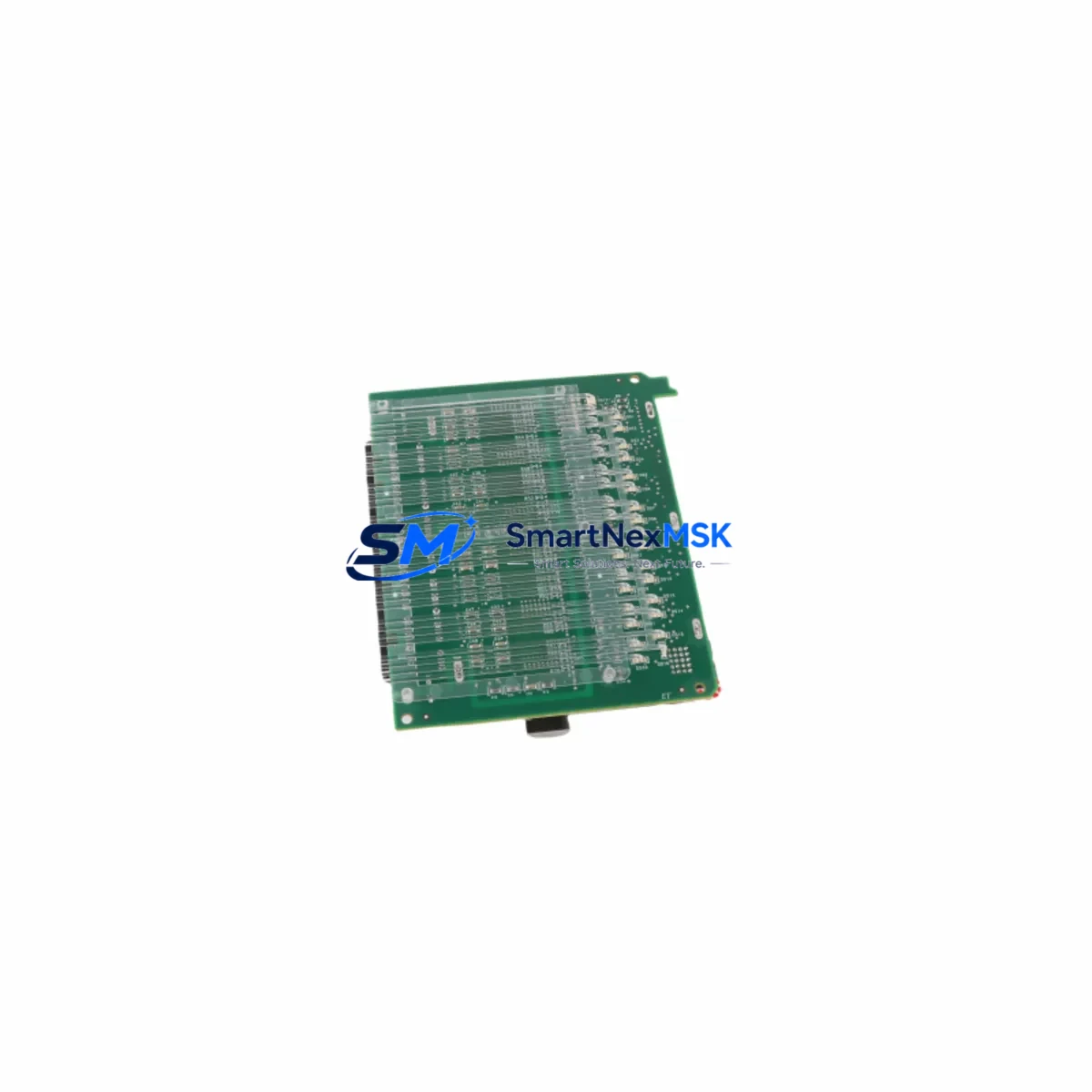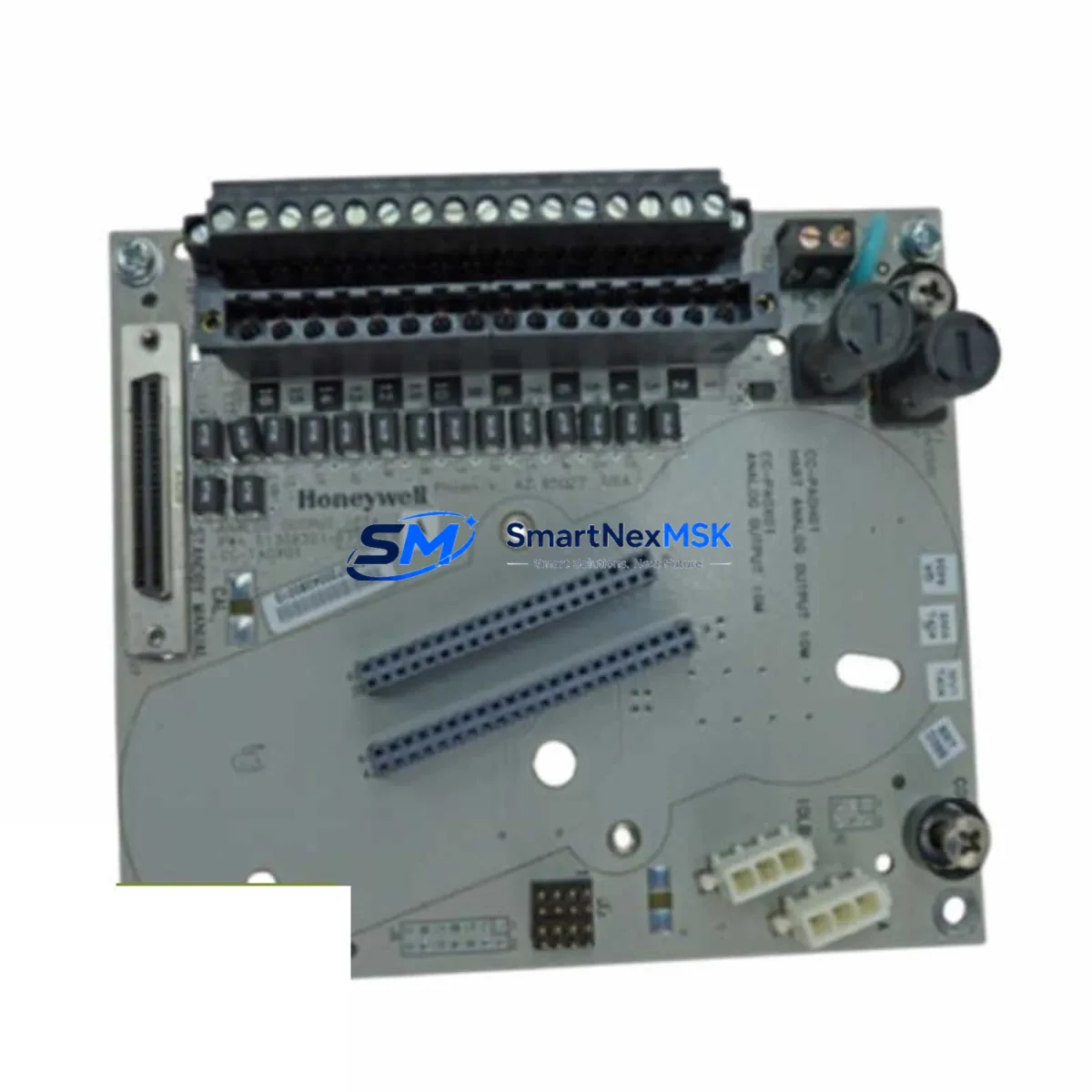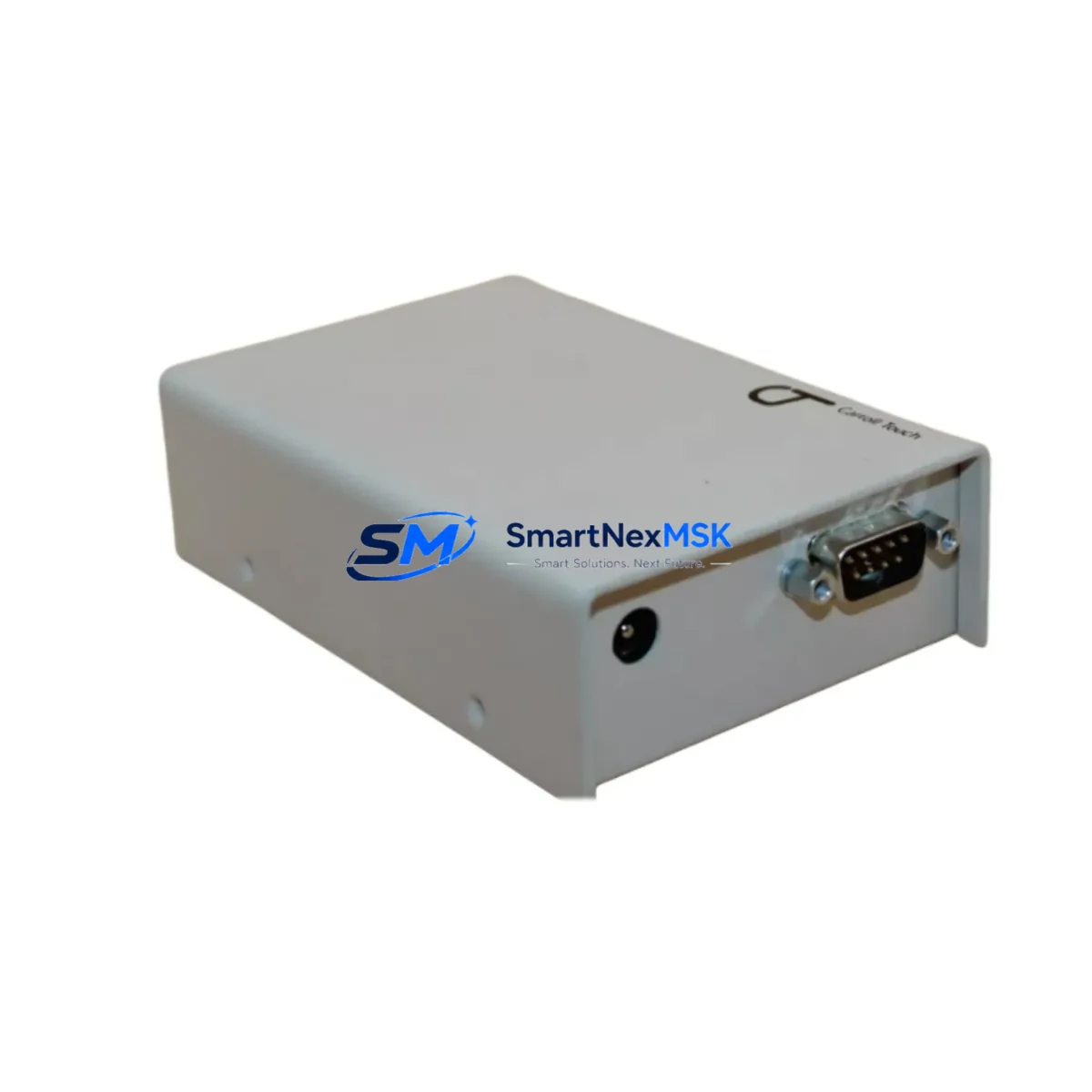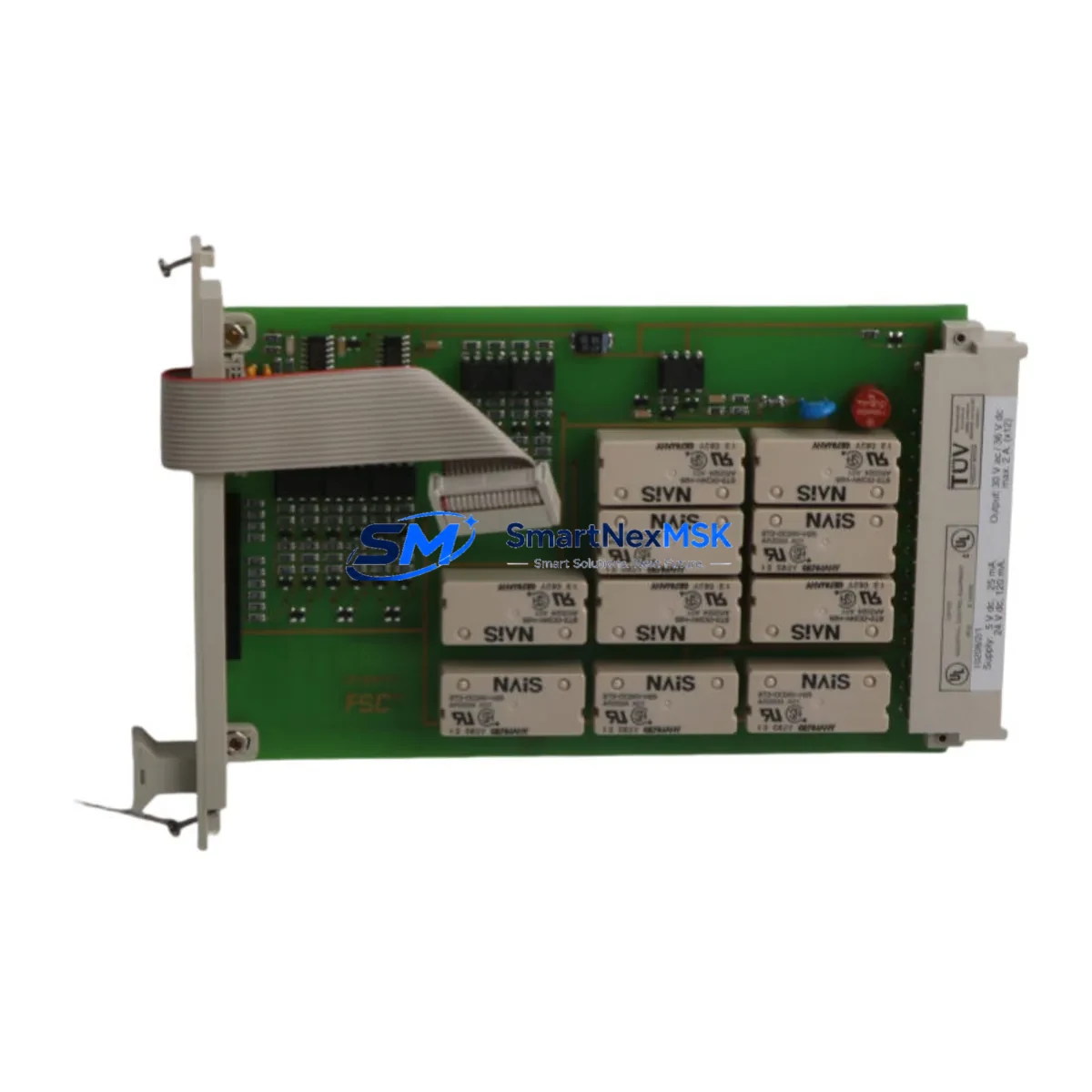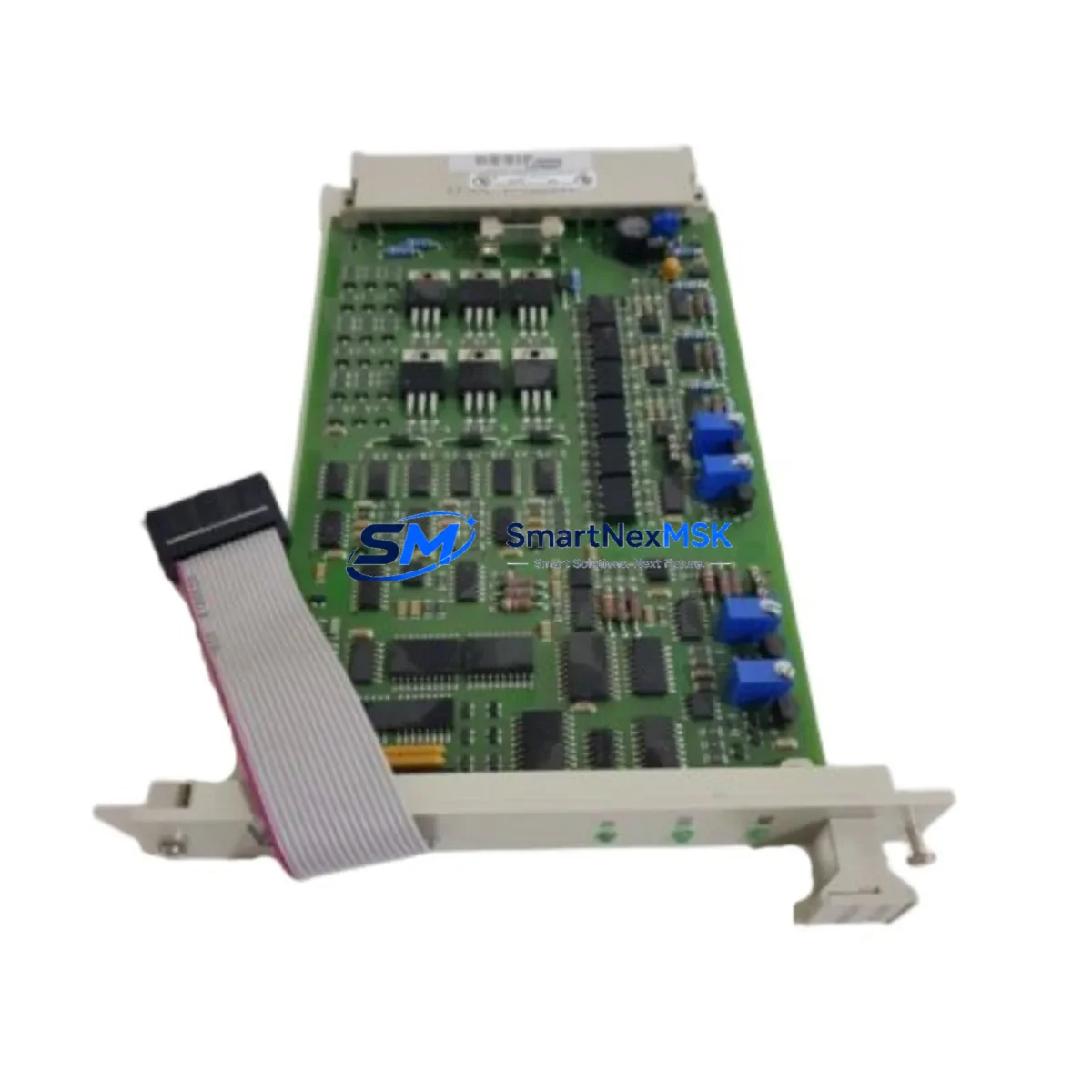
Honeywell 10302/2/1 Retrofit-Ready Watchdog Repeater for Legacy Control Systems
The Honeywell 10302/2/1 Watchdog Repeater Module is a proven, retrofit-ready safety relay component designed to serve as a direct replacement or upgrade solution within Honeywell’s legacy safety and process control architectures. Whether you are modernizing an aging distributed control system (DCS), restoring a discontinued safety loop, or expanding an existing control cabinet, the 10302/2/1 delivers the signal integrity, watchdog timing, and relay output characteristics required for seamless integration into your existing panel layout.
Industrial facilities operating Honeywell Safety Manager, FSC (Fail-Safe Controller), or TDC 3000 platforms frequently encounter the challenge of sourcing discontinued watchdog and repeater modules. The 10302/2/1 addresses this directly — it is stocked, tested, and shipped with a 12-month warranty, making it a reliable choice for both emergency breakdown recovery and planned system upgrades.
Upgrade Compatibility Table
| Parameter | Details |
|---|---|
| SKU / Part Number | 10302/2/1 |
| Brand | Honeywell |
| Module Type | Watchdog Repeater / Safety Relay Module |
| Compatible Platforms | Honeywell FSC, Safety Manager, TDC 3000, HC900 |
| Mounting / Installation | DIN rail or backplane slot mount (verify rack type before installation) |
| Communication Compatibility | Hardwired safety loop; compatible with HART-enabled field devices in adjacent I/O channels |
| Replacement Recommendation | Direct replacement for discontinued 10302/2/1 variants; verify terminal wiring map before swap |
| Commissioning Notes | Confirm watchdog timeout parameters in FSC configuration tool; re-validate safety function after replacement |
| Origin | Germany (DE) |
| Warranty | 12 Months — covers functional defects under normal operating conditions |
Retrofit Planning for Existing Automation Systems
Successful integration of the Honeywell 10302/2/1 into a legacy control system requires careful pre-installation planning. Before removing the failed or obsolete module, engineers should document the existing terminal wiring using the original I/O wiring diagram and cross-reference it against the 10302/2/1 terminal block layout. In most FSC-based safety cabinets, the watchdog repeater occupies a dedicated slot on the Honeywell FSC Main Processor Rack or an expansion chassis — confirm the backplane interface type and slot address before proceeding.
Power supply capacity is a critical verification step. The control cabinet’s Honeywell PS-24VDC power supply module must provide sufficient current headroom to support the 10302/2/1 alongside co-installed modules such as the Honeywell 10305/2/1 Digital Input Module and 10306/2/1 Digital Output Module. Overloaded power rails are a common root cause of intermittent watchdog faults in aging systems.
For systems migrating from TDC 3000 to a modern Safety Manager architecture, the 10302/2/1 can serve as a bridging component during phased migration. During this period, the Honeywell 10001/2/1 FSC Communication Module and Honeywell CC-PAIH01 Analog Input Module are frequently co-installed to maintain signal continuity across both legacy and new I/O subsystems. If the plant uses Profibus DP for field device communication, verify that the Honeywell FSC Profibus Gateway is configured to recognize the updated module address after replacement.
HMI screen updates are often overlooked during module swaps. If the watchdog repeater’s status is mapped to a Honeywell HMIWeb Display Builder faceplate or a third-party SCADA tag, the tag address must be re-validated post-replacement to ensure alarm annunciation and status indication remain accurate. Similarly, if the system uses a Honeywell FTE (Fault Tolerant Ethernet) network for controller-to-controller communication, confirm that the network heartbeat and watchdog timeout settings are consistent with the new module’s timing parameters.
For I/O expansion projects, the 10302/2/1 is commonly deployed alongside Honeywell 10302/3/1 Watchdog Repeater variants and Honeywell 10310/2/1 Relay Output Modules to build redundant safety loops. Always verify module address assignments in the FSC configuration database before energizing the updated rack.
Downtime Control During System Migration
Minimizing unplanned downtime is the primary operational concern when replacing a watchdog repeater in a live safety system. The recommended approach is a hot-standby swap procedure: where the FSC architecture supports redundant processor configurations, the standby controller can be held in a safe state while the primary watchdog module is replaced, preserving the original program logic and I/O scan cycle without a full system shutdown.
Prior to the swap, export and archive the current FSC application program using the Honeywell Safety Builder or FSC Engineering Tool. This backup ensures that if the replacement module requires a firmware-level re-initialization, the original logic — including interlock sequences, cause-and-effect matrices, and watchdog timeout values — can be restored within minutes rather than hours.
For systems that cannot support hot-swap, schedule the replacement during a planned maintenance window and prepare a pre-tested spare 10302/2/1 unit. Our units are pre-shipment tested against functional specifications before dispatch, reducing on-site commissioning time. After installation, perform a full watchdog function test: simulate a processor fault condition and verify that the repeater correctly propagates the watchdog signal to downstream relay outputs and triggers the expected safe-state response in the field.
Maintain field control continuity by keeping the Honeywell HC900 Hybrid Controller or equivalent supervisory controller in manual override mode during the swap window. Restore automatic control only after the watchdog function test is complete and all HMI alarm states have been cleared and acknowledged.
Retrofit Support FAQ
Q1: Is the Honeywell 10302/2/1 a direct drop-in replacement for the original discontinued module?
In most FSC and Safety Manager installations, yes — the 10302/2/1 maintains the same form factor, terminal assignment, and backplane interface as the original production version. However, we recommend verifying the revision suffix on your existing module label and confirming terminal wiring against the original I/O schedule before installation.
Q2: What commissioning steps are required after replacing the watchdog repeater?
After physical installation, re-confirm the module slot address in the FSC configuration tool, perform a watchdog timeout test, validate all downstream relay outputs, and check HMI tag mapping for any status or alarm points associated with the watchdog channel. A full safety function test per your site’s SIL validation procedure is recommended before returning the system to automatic operation.
Q3: Can this module be used in systems with mixed Profibus and hardwired I/O architectures?
Yes. The 10302/2/1 operates on the hardwired safety loop layer and is independent of the fieldbus communication layer. It can coexist in cabinets that also host Profibus DP, HART, or Modbus RTU communication modules without interference, provided power supply capacity is adequate.
Q4: What does the 12-month warranty cover, and what is the shipping lead time?
The 12-month warranty covers all functional defects under normal operating conditions from the date of shipment. Units are pre-tested before dispatch. Standard lead time is 3–7 business days for in-stock units, with expedited options available for emergency breakdown situations. Contact our team for current stock confirmation and urgent order processing.
© 2026 SMARTNEXMSK. All rights reserved.
Original Source: https://smartnexmsk.com
Contact: [email protected] | +86 18259474341