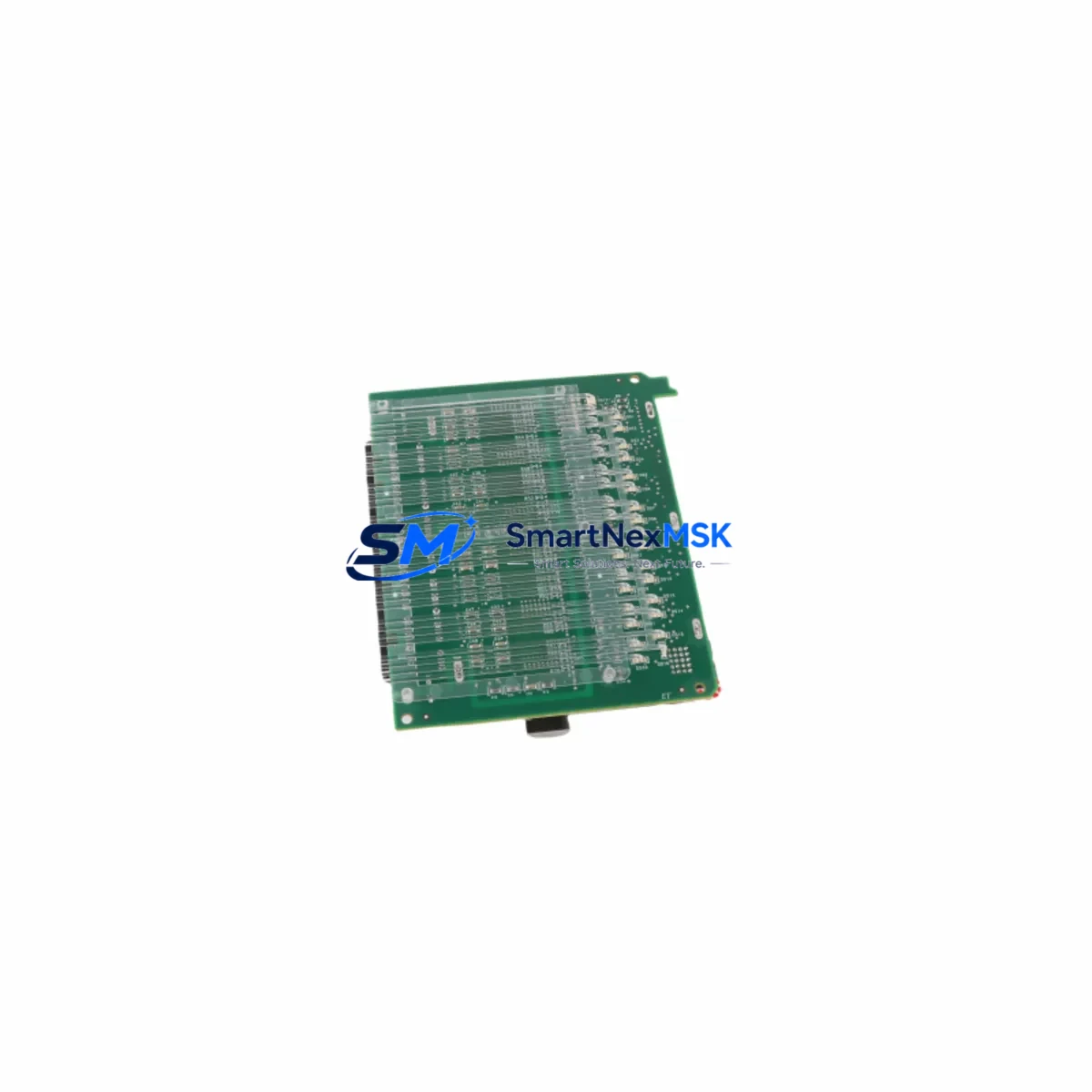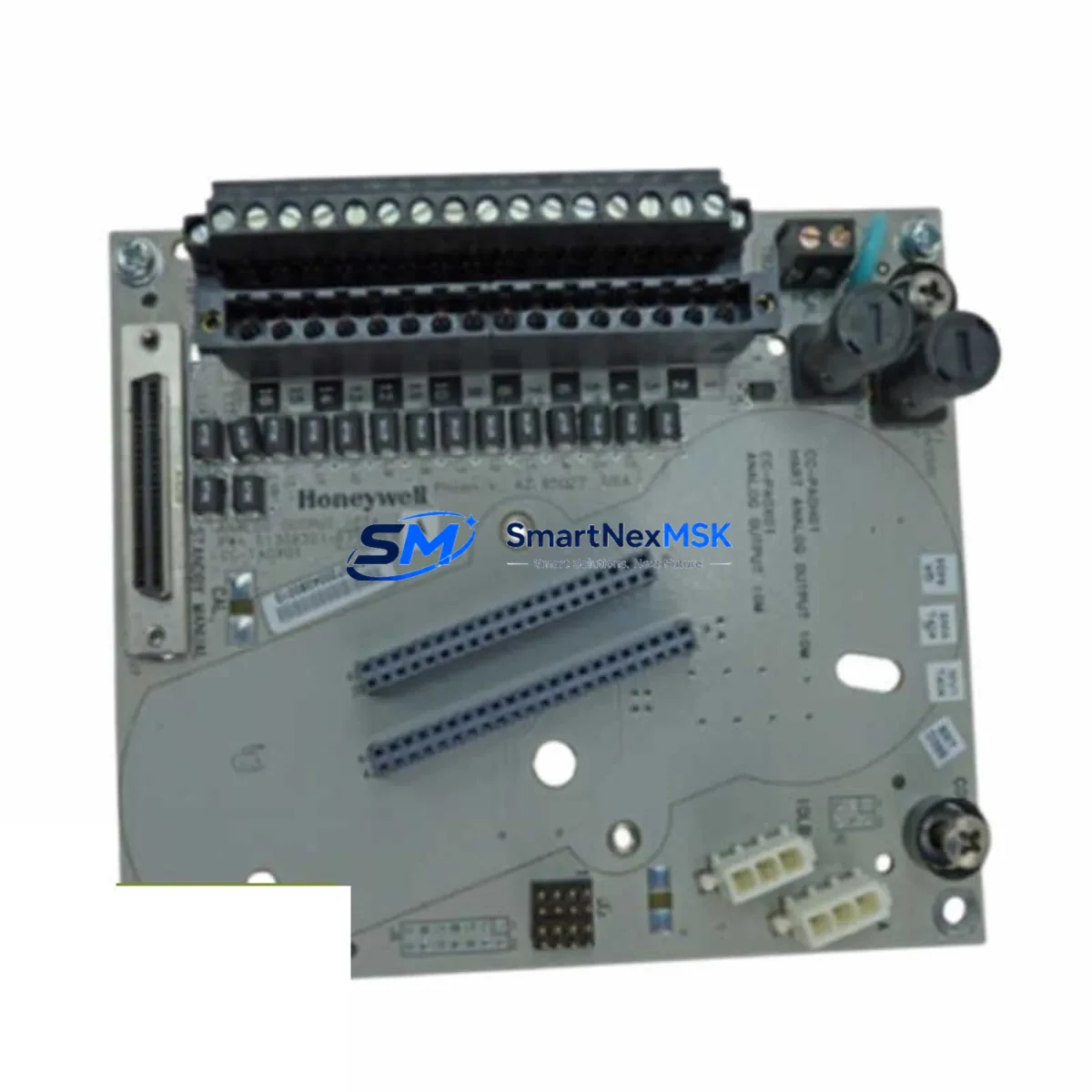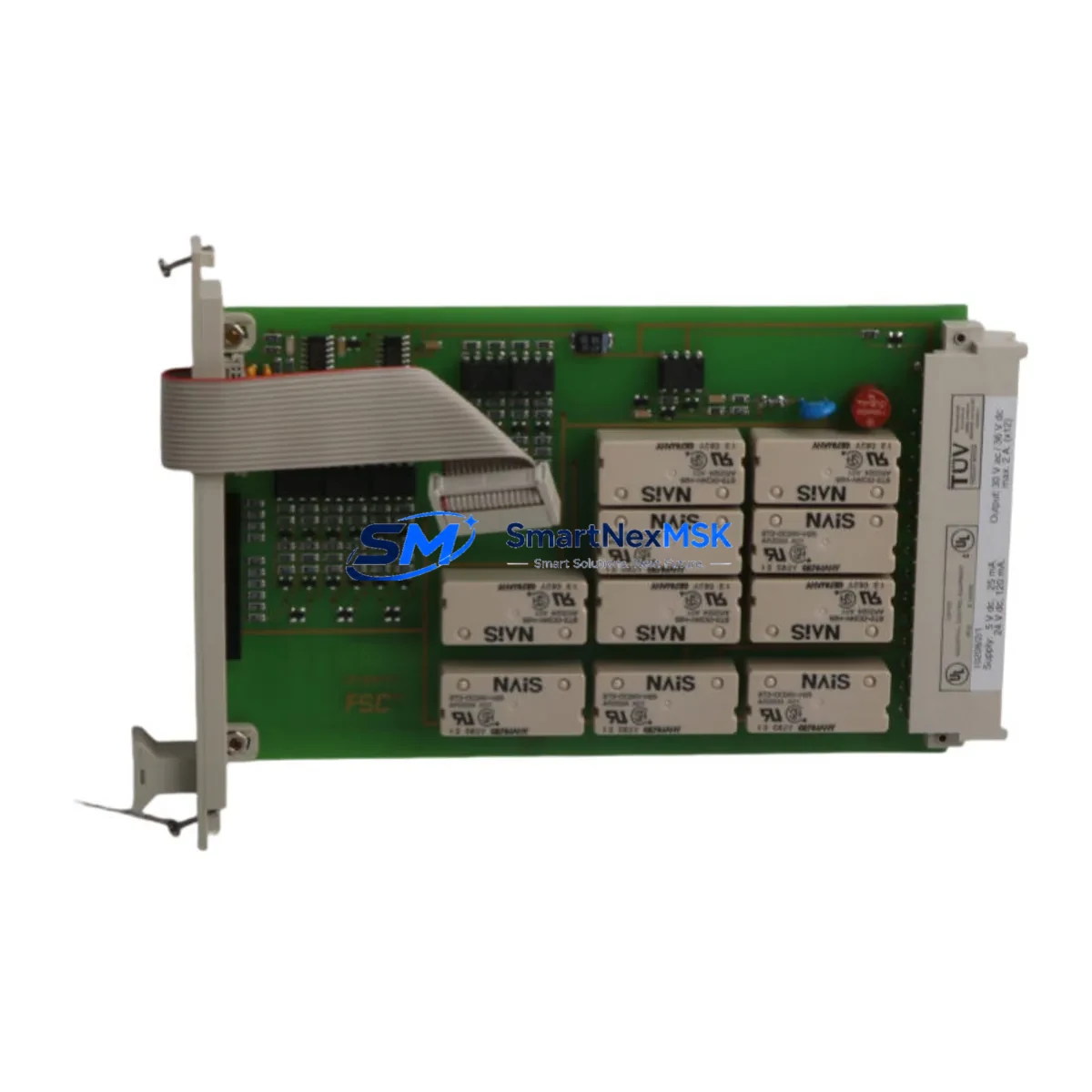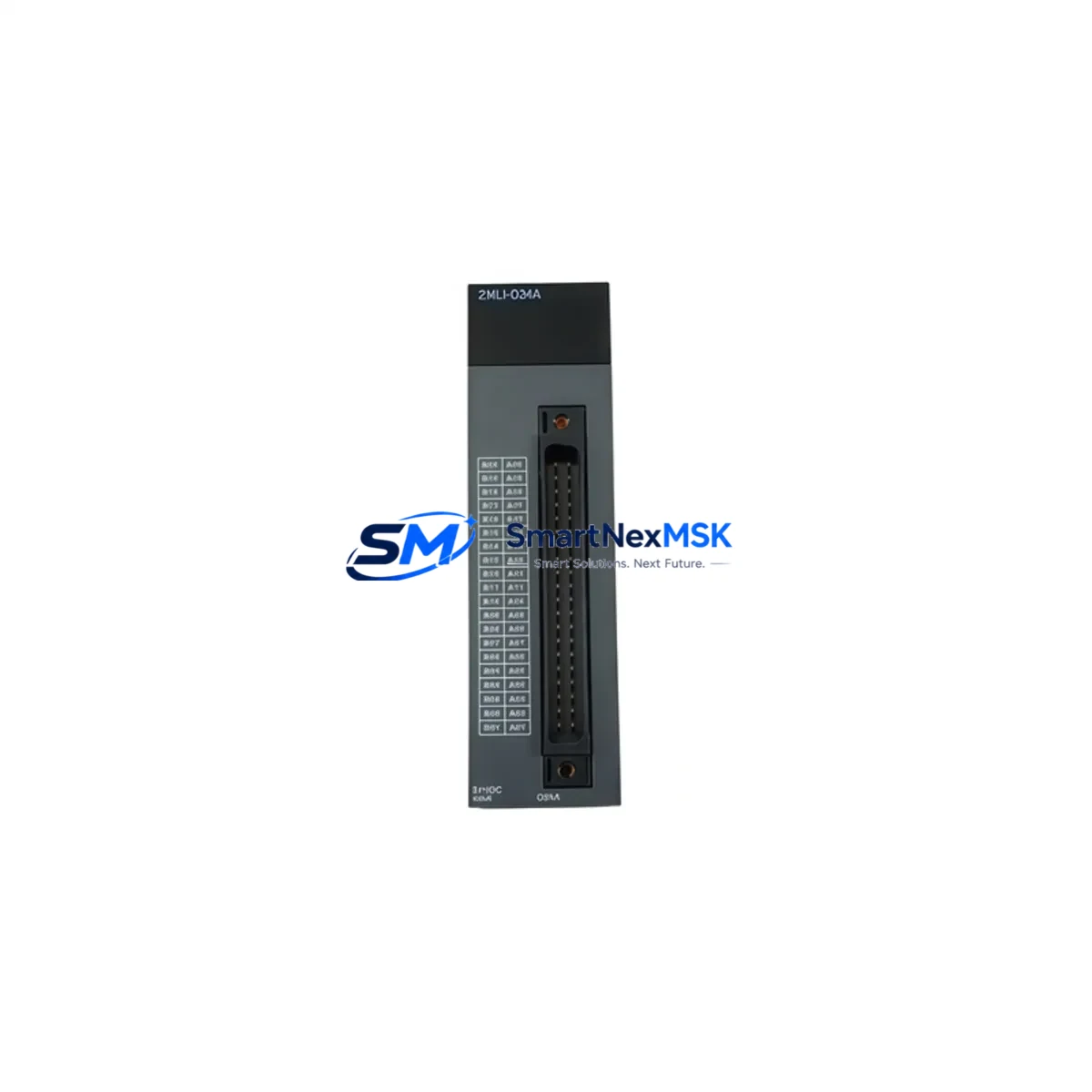
Honeywell 2MLI-D24B Retrofit-Ready Digital Input Module for TDC-3000 Control Systems
The Honeywell 2MLI-D24B is a 24VDC digital input module engineered for seamless integration into TDC-3000 distributed control system architectures. As legacy TDC-3000 installations approach end-of-life and original spare parts become increasingly scarce, the 2MLI-D24B serves as a verified drop-in replacement that preserves existing wiring infrastructure, backplane slot assignments, and I/O addressing — dramatically reducing retrofit risk and unplanned downtime on operating production lines.
Whether you are managing a refinery control room upgrade, a chemical plant DCS migration, or a power generation facility modernization, the 2MLI-D24B delivers the electrical and functional compatibility required to restore system integrity without rewriting control logic or reconfiguring HMI display pages. Its 24-channel digital input architecture accepts field-level discrete signals from limit switches, proximity sensors, solenoid feedback contacts, and motor run/stop status — all within the standard TDC-3000 module footprint.
Upgrade Compatibility Table
| Parameter | Details |
|---|---|
| SKU / Part Number | 2MLI-D24B |
| Brand | Honeywell |
| Series | TDC-3000 DCS |
| Module Type | 24VDC Digital Input Module |
| Input Channels | 24 discrete digital inputs |
| Input Voltage | 24 VDC nominal |
| Backplane Interface | TDC-3000 standard card cage slot |
| Communication Compatibility | LCN / UCN / Data Hiway (TDC-3000 native) |
| Wiring Compatibility | Direct terminal block replacement; no rewiring required |
| Installation Requirement | Standard TDC-3000 card cage; no mechanical modification |
| Replacement Recommendation | Verified drop-in for discontinued 2MLI-D24B OEM units |
| Commissioning Notes | Confirm module address via UCN node configuration; validate I/O point database entries in TPS/TDC console |
| Warranty | 12 months from date of shipment |
Retrofit Planning for Existing Automation Systems
Successful integration of the 2MLI-D24B into an operating TDC-3000 system begins well before the module arrives on site. Engineers should first audit the existing card cage to confirm available slot positions and verify that the power supply module — typically a Honeywell PM-IOLINK or equivalent IOP power conditioner — can support the additional load of the replacement digital input card. Power budget calculations must account for all co-resident modules in the same cage, including analog output modules, digital output modules, and any communication interface cards sharing the same backplane rail.
Terminal block wiring should be documented and photographed prior to removal of the legacy module. The 2MLI-D24B uses the same 40-pin field termination assembly (FTA) connector standard as the original TDC-3000 digital input cards, meaning field cables can be transferred directly without re-termination. However, technicians should inspect each conductor for insulation degradation, particularly in installations exceeding 15 years of service, and replace any suspect wiring before reconnecting to the new module.
Module address configuration is a critical step. In TDC-3000 environments, each I/O module is assigned a physical slot address that maps to a logical point tag in the Universal Control Network (UCN) database. Before powering the replacement 2MLI-D24B, confirm that the slot address DIP switches or jumper settings match the original module configuration. Mismatched addresses will cause the TPS (Total Plant Solution) console to report the module as unrecognized, triggering system alarms and potentially forcing a manual override of associated control loops.
Once the module is seated and powered, the commissioning sequence should include a point-by-point I/O verification using the TPS Engineering Console or a compatible Honeywell configuration tool. Each of the 24 input channels should be exercised from the field — actuating limit switches, toggling motor contactors, or applying a test signal — and the corresponding point status confirmed in the process display. HMI faceplate graphics and group displays that reference the replaced module’s point tags should be reviewed to ensure no display anomalies or stale data conditions exist.
For plants running parallel communication paths over the Local Control Network (LCN) or Data Hiway, verify that the replacement module does not introduce any network timing conflicts. In multi-drop configurations where several I/O modules share a single communication segment alongside Honeywell HPM (High-Performance Process Manager) controllers or AM (Application Modules), a brief network diagnostic scan is recommended after module insertion to confirm clean data transmission across all nodes.
Downtime Control During System Migration
Minimizing production interruption during a TDC-3000 digital input module replacement requires a structured hot-swap or controlled-outage strategy. Where the process permits, isolate only the specific I/O group associated with the 2MLI-D24B rather than shutting down the entire DCS cabinet. Many TDC-3000 card cages support individual slot power isolation, allowing the defective or end-of-life module to be removed and replaced while adjacent modules remain in service.
Before initiating the swap, place all control loops referencing the affected digital input points into manual mode at the TPS console. This prevents automatic control actions from responding to the momentary loss of input signal during module removal. Document the last known state of each input point — open or closed — so that operators can manually replicate field conditions in the control room during the transition window.
After the 2MLI-D24B is installed and I/O verification is complete, return each control loop to automatic mode sequentially rather than simultaneously. This staged restoration approach allows operators to confirm stable process response at each step before proceeding, protecting both equipment and personnel from unexpected control actions caused by transient signal conditions during system re-energization. Total controlled replacement time for an experienced team is typically 45 to 90 minutes, keeping production impact well within a planned maintenance window.
Retrofit Support FAQ
Q: Is the 2MLI-D24B a direct replacement for the original Honeywell TDC-3000 digital input module?
A: Yes. The 2MLI-D24B is dimensionally and electrically compatible with the original TDC-3000 digital input card. It uses the same backplane connector, the same FTA wiring interface, and the same 24VDC input specification, making it a verified drop-in replacement without hardware modification.
Q: Do I need to reconfigure my TPS database or HMI graphics after installing the 2MLI-D24B?
A: In most cases, no. If the replacement module is configured with the same slot address as the original, all existing point tags, control logic references, and HMI display links remain valid. A point-by-point I/O check is recommended to confirm data integrity, but no database rebuild is required.
Q: What pre-shipment testing is performed on the 2MLI-D24B?
A: Each unit undergoes functional verification prior to shipment, including input channel continuity checks, power consumption measurement, and backplane interface validation. Units are shipped with a test report and are covered by a 12-month warranty from the date of delivery.
Q: What if my existing wiring uses a non-standard termination or the FTA is damaged?
A: If the field termination assembly is damaged or uses a non-standard connector, a compatible Honeywell FTA replacement should be sourced alongside the 2MLI-D24B. Contact our technical team at [email protected] with your existing FTA part number and we will confirm compatibility before shipment.
© 2026 SMARTNEXMSK. All rights reserved.
Original Source: https://smartnexmsk.com
Contact: [email protected] | +86 18259474341