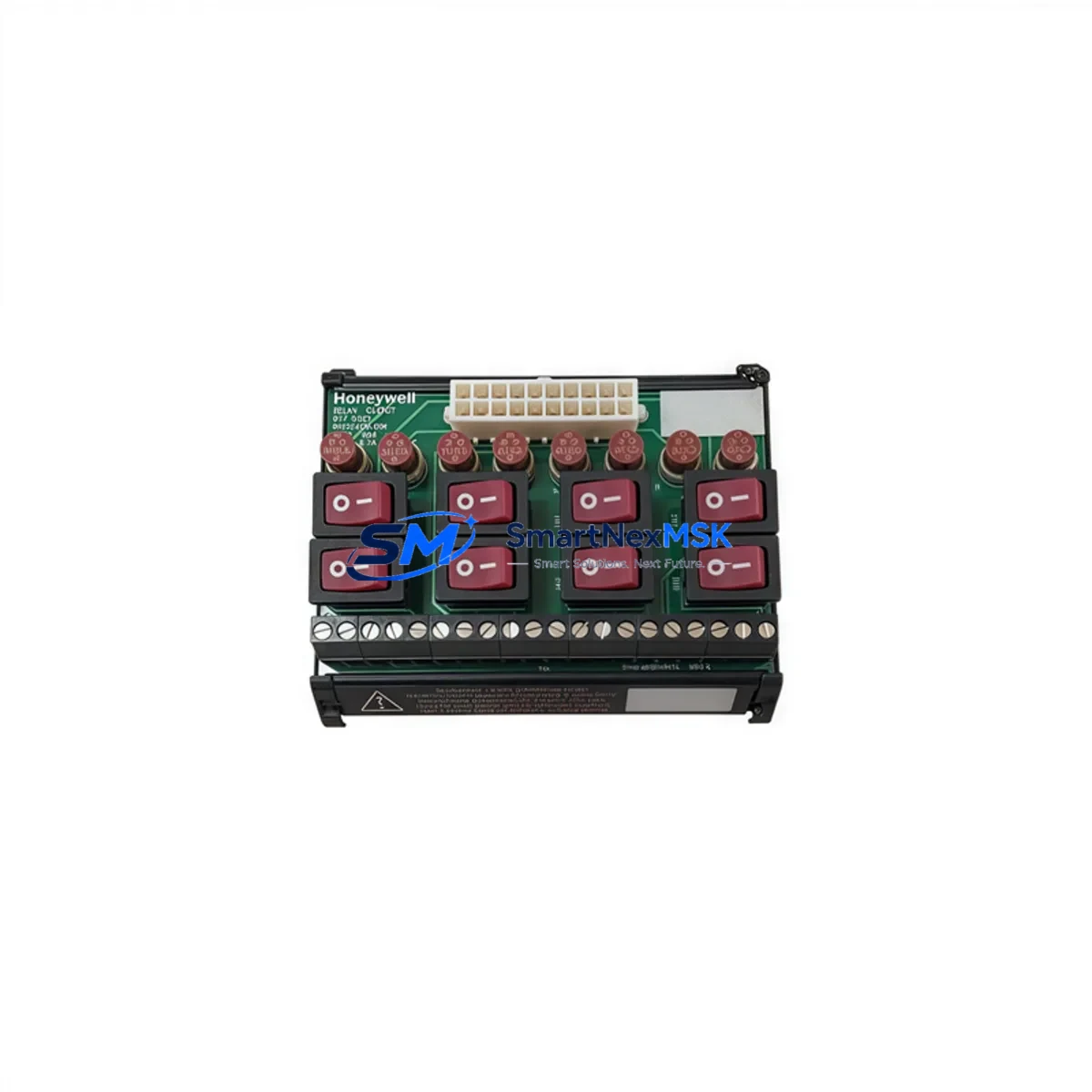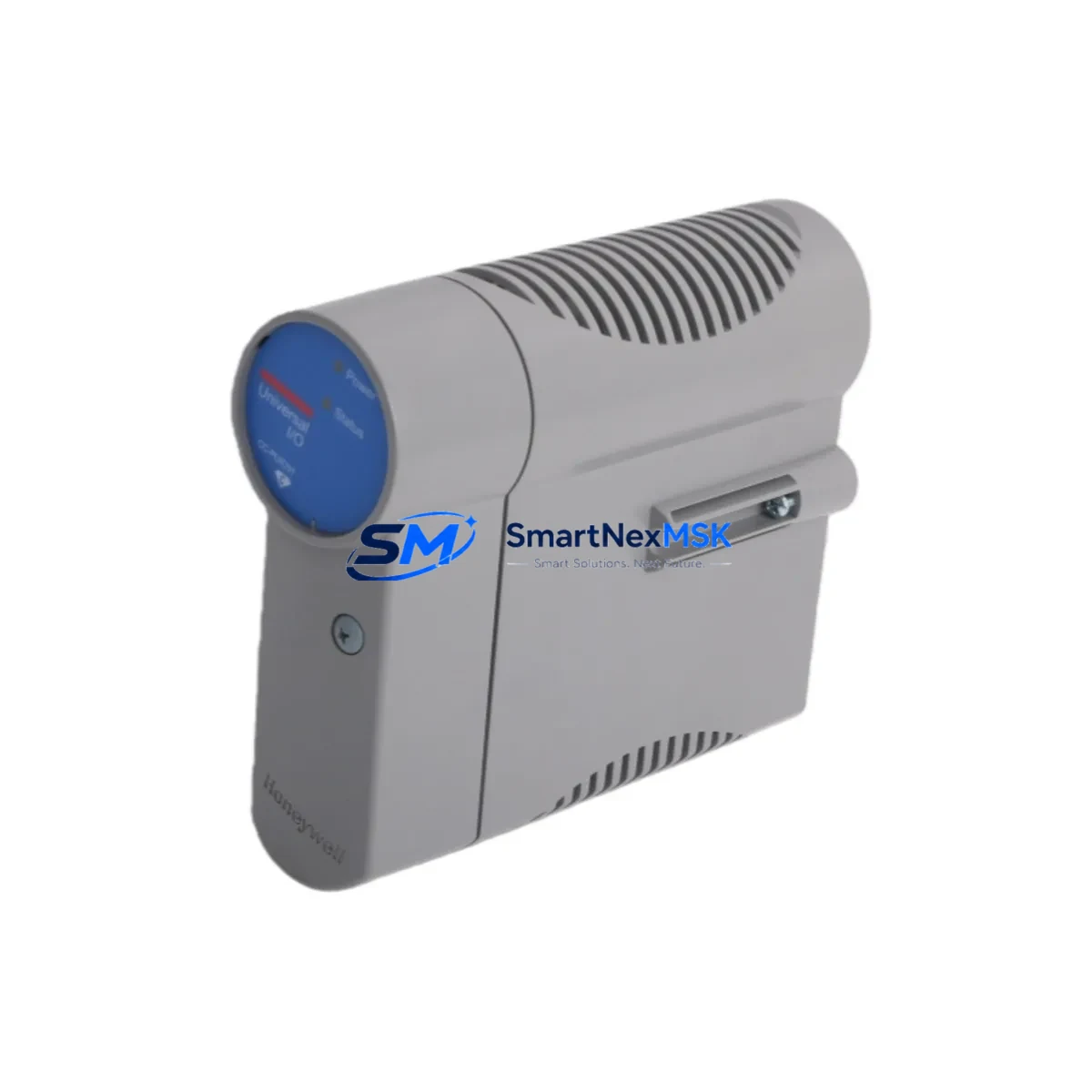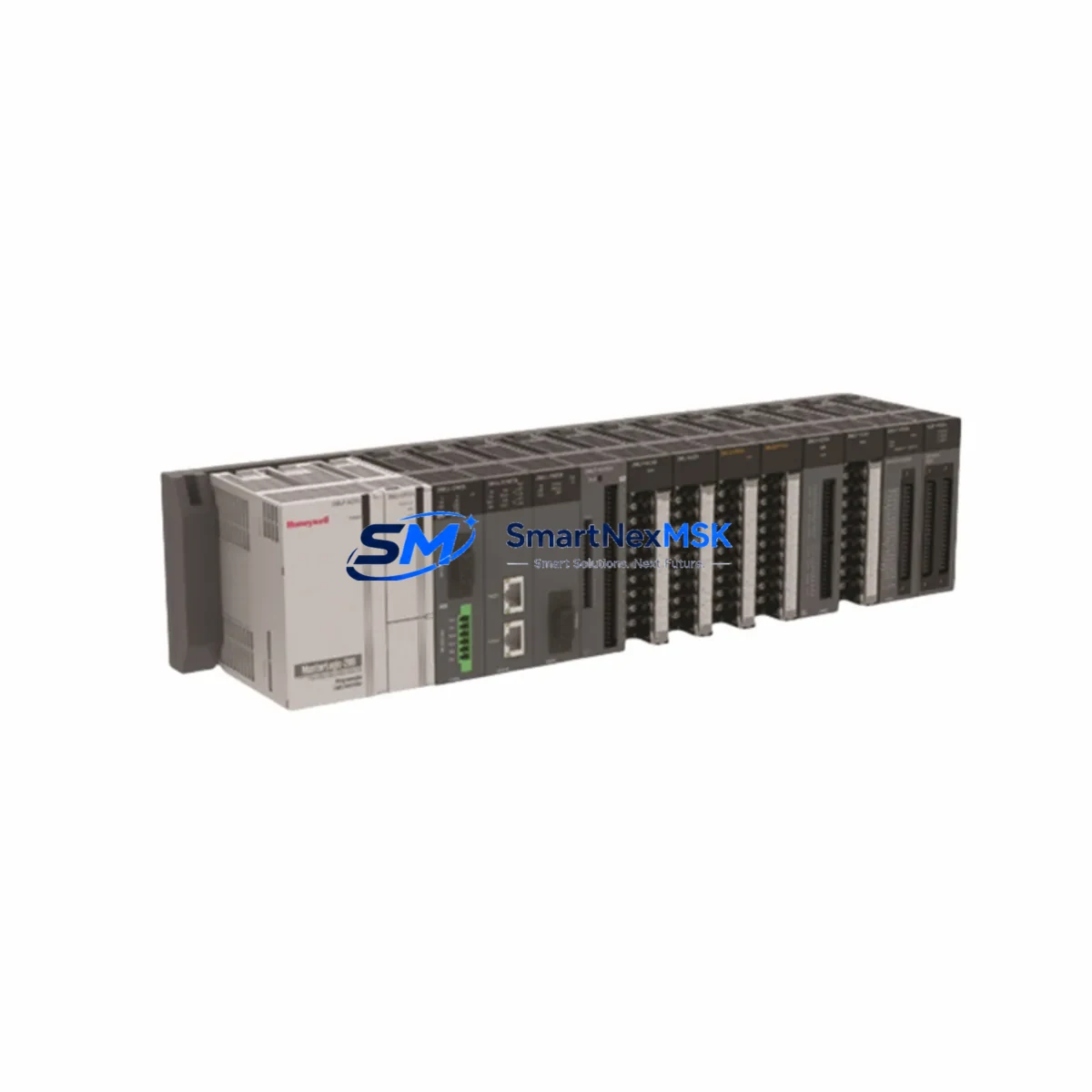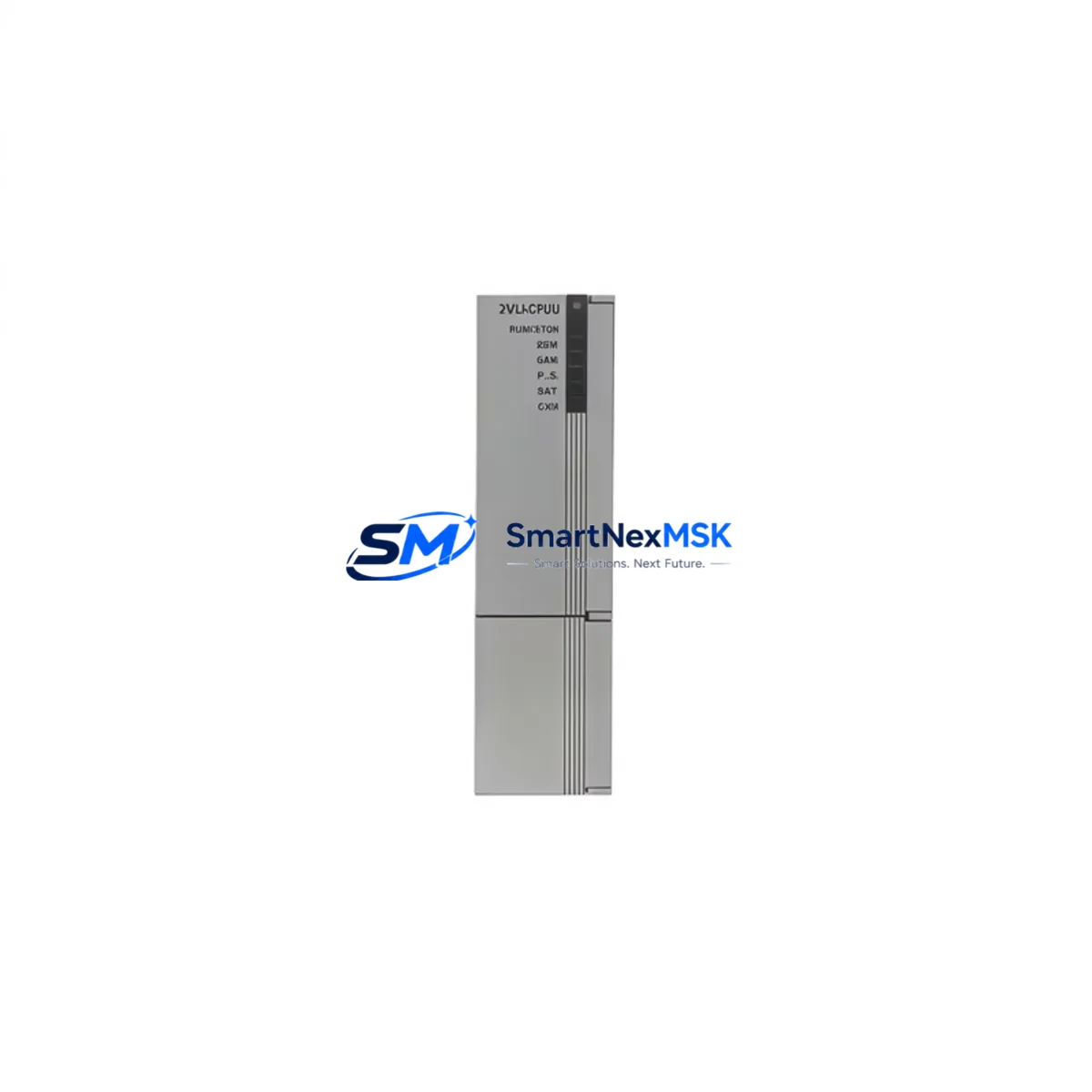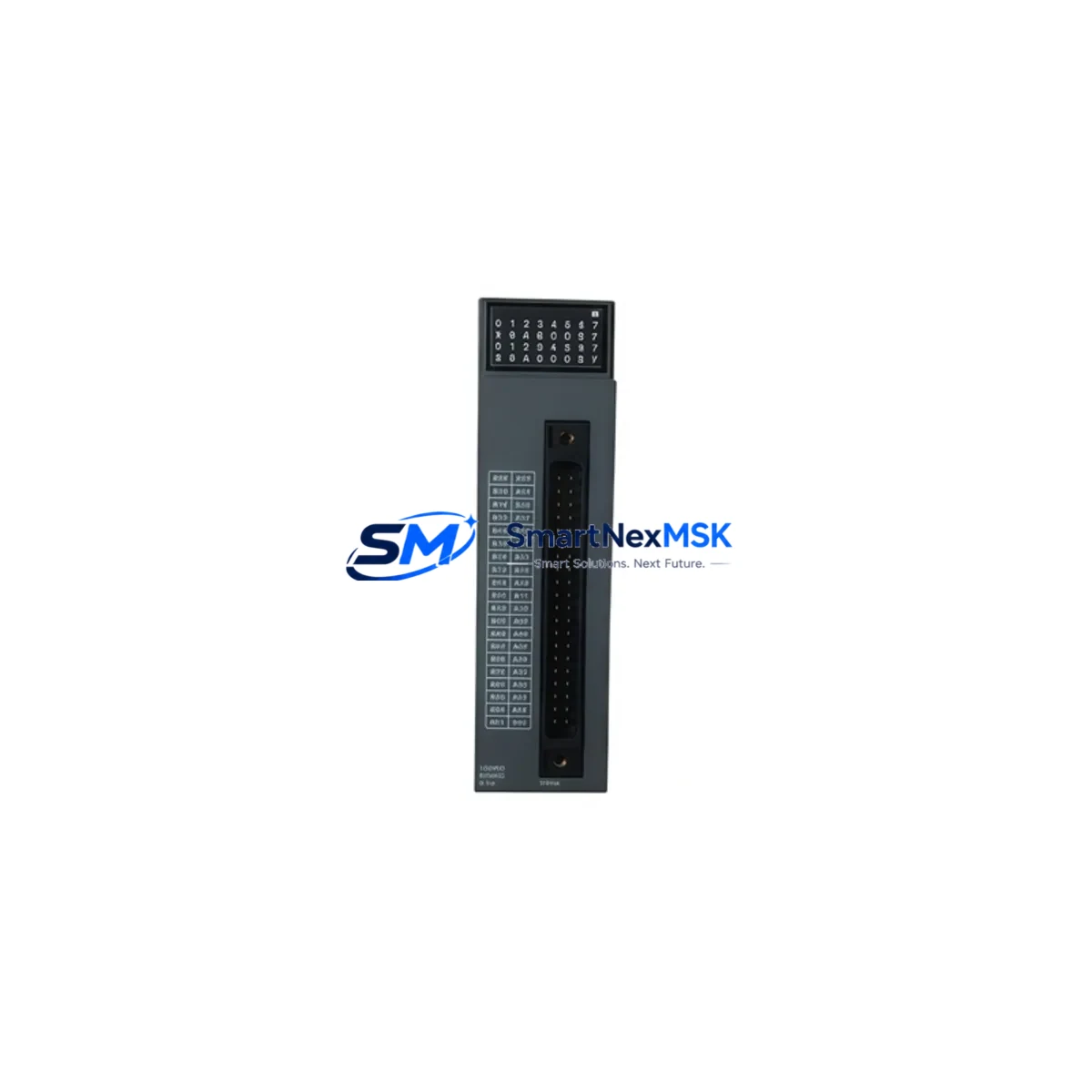
Honeywell 2MLQ-TR4A-CC Retrofit-Ready Digital Output for TPS Control Systems
The Honeywell 2MLQ-TR4A-CC is a high-reliability digital output module engineered for seamless integration into TPS (TotalPlant Solution) distributed control system architectures. As legacy TPS installations approach end-of-life or require capacity expansion, the 2MLQ-TR4A-CC serves as a verified retrofit-ready replacement that preserves existing field wiring, backplane slot assignments, and controller logic without requiring a full system overhaul. Whether you are replacing a failed module on an active production line, upgrading a control cabinet to extend operational life, or migrating I/O infrastructure ahead of a broader DCS modernization project, this module delivers the compatibility and performance your engineering team demands.
Sourced directly from authorized distribution channels and subject to full functional testing prior to shipment, each unit is backed by a 12-month warranty covering manufacturing defects and operational failures under normal industrial service conditions. Stock is maintained in Xiamen for rapid dispatch to domestic and international customers.
Upgrade Compatibility Table
| Parameter | Details |
|---|---|
| Compatible Platform | Honeywell TPS (TotalPlant Solution) DCS |
| Module Type | Digital Output (DO) |
| Backplane Interface | Standard TPS I/O Link backplane slot — direct drop-in replacement |
| Field Wiring | Existing terminal block wiring retained; no re-termination required in most configurations |
| Communication Compatibility | Compatible with TPS I/O Link protocol; no firmware changes required |
| Module Address | Address inherited from slot position; verify via Universal Control Network (UCN) configuration |
| Controller Compatibility | Compatible with HPM (High-Performance Process Manager) and APM (Advanced Process Manager) controllers |
| HMI Integration | No HMI screen rebuild required; existing GUS/Station displays remain valid |
| Installation Requirement | Hot-swap capable in most TPS rack configurations; confirm with site safety procedure |
| Replacement Recommendation | Direct replacement for failed or end-of-life 2MLQ-TR4A-CC units; no logic modification needed |
| Commissioning Focus | Verify output channel continuity, loop check against field devices, and UCN node status post-insertion |
| Warranty | 12 months from shipment date, covering manufacturing defects under normal operating conditions |
Retrofit Planning for Existing Automation Systems
Successful retrofit of the 2MLQ-TR4A-CC into an operating TPS system begins well before the module arrives on site. Engineering teams should start by auditing the existing I/O rack configuration, confirming available backplane slots within the affected cabinet, and reviewing the current HPM or APM controller load to ensure the additional digital output channel capacity does not exceed the process manager’s I/O budget.
Field wiring connected to the existing terminal assembly — typically routed through a Honeywell FTA (Field Termination Assembly) such as the MC-TDOY22 or MC-TDOY23 series — should be documented and verified against the as-built loop drawings before any module swap is initiated. The FTA remains in place during the replacement, which eliminates the need to disturb field cable terminations and significantly reduces the risk of wiring errors during commissioning.
Power supply capacity within the control cabinet must be confirmed prior to adding or replacing modules. TPS racks draw regulated 24 VDC from dedicated power conditioners, and the site power budget should account for the full I/O complement including any newly installed modules. If the cabinet houses a Honeywell Power Supply Module alongside existing analog input modules, digital input modules, and communication interface modules, the aggregate current draw must remain within the rated capacity of the installed power conditioner.
For sites running the TPS UCN (Universal Control Network) backbone, the network node configuration stored in the Network Interface Module (NIM) should be reviewed to confirm that the replacement module’s slot address is correctly mapped. In most standard TPS configurations, the module address is determined by physical slot position on the I/O Link backplane, so a direct slot-for-slot replacement will inherit the existing address automatically — but this should always be verified in the UCN database before returning the loop to automatic control.
Where the retrofit is part of a broader migration from TPS to a newer Experion PKS platform, the 2MLQ-TR4A-CC can serve as an interim solution to stabilize the existing TPS infrastructure while the Experion C300 controllers and EHPM migration are planned and staged. This phased approach allows production to continue uninterrupted while the new control architecture is validated in parallel. During this transition period, the existing GUS operator stations and Application Modules continue to function normally, protecting the investment in existing HMI configuration and alarm management logic.
For I/O expansion projects, the 2MLQ-TR4A-CC can be added to available slots within existing TPS I/O racks, provided the rack’s I/O Link capacity and power budget support the addition. Expansion should be coordinated with a review of the associated FTA wiring infrastructure and any marshalling cabinet layouts to ensure field cables can be routed cleanly to the new termination points.
Downtime Control During System Migration
Minimizing unplanned downtime during a module replacement or system migration is the primary operational concern for any industrial site running continuous or batch processes. The 2MLQ-TR4A-CC supports hot-swap replacement in most TPS rack configurations, allowing the failed or end-of-life module to be removed and the replacement inserted without powering down the entire I/O rack — subject to site-specific safety procedures and the process state of the connected field devices.
Before initiating the swap, the affected output channels should be placed in manual mode at the operator station to prevent unintended field device actuation during the module exchange. The existing control logic, including PID loops, sequence logic, and interlock configurations stored in the HPM or APM controller, remains fully intact throughout the module replacement process. No program download or controller restart is required for a direct module swap in the same slot position.
Post-installation, the commissioning sequence should include a channel-by-channel output verification against the connected field devices — confirming that each digital output drives the correct actuator, valve, or relay — followed by a loop check sign-off and return of the affected channels to automatic control. The UCN node status for the replaced module should be confirmed as healthy in the system status display before the loop is released.
For sites where hot-swap is not permitted due to process safety requirements, a planned maintenance window should be scheduled during a low-production period. In this scenario, the replacement module can be pre-staged and tested on a bench using a portable TPS I/O tester or a spare rack, reducing the time the production loop remains in manual to the minimum required for the physical swap and loop check.
Maintaining a small buffer stock of critical replacement modules — including digital output modules, analog input modules, and communication interface modules — at the site spare parts store is the most effective strategy for controlling unplanned downtime. SMARTNEXMSK maintains ready stock of the 2MLQ-TR4A-CC and related TPS components to support emergency dispatch requirements.
Retrofit Support FAQ
Q: Is the 2MLQ-TR4A-CC a direct drop-in replacement for the original Honeywell TPS digital output module in the same slot?
A: Yes. The 2MLQ-TR4A-CC is designed as a direct slot-compatible replacement within the TPS I/O rack. The module inherits the slot address from the backplane position, and the existing FTA field wiring remains connected without modification. Verify the UCN node status after insertion to confirm the module is recognized by the controller.
Q: What commissioning steps are required after installing the replacement module?
A: After insertion, confirm the module status LED indicates normal operation, verify the UCN node is online in the system status display, perform a channel-by-channel output check against the connected field devices, and return the affected loops from manual to automatic control. No controller program download is required for a same-slot replacement.
Q: How is wiring compatibility verified before the replacement module arrives on site?
A: Review the existing loop drawings and FTA wiring documentation for the affected I/O channels. The 2MLQ-TR4A-CC uses the same FTA interface as the original module, so existing field cable terminations at the FTA remain valid. Confirm the FTA model number against the module’s compatibility list if any uncertainty exists.
Q: What does the 12-month warranty cover, and what is the process for a warranty claim?
A: The 12-month warranty covers manufacturing defects and operational failures under normal industrial service conditions from the date of shipment. Each unit undergoes functional testing prior to dispatch. To initiate a warranty claim, contact [email protected] with the order reference, module serial number, and a description of the observed fault. Replacement or repair will be arranged promptly.
© 2026 SMARTNEXMSK. All rights reserved.
Original Source: https://smartnexmsk.com
Contact: [email protected] | +86 18259474341