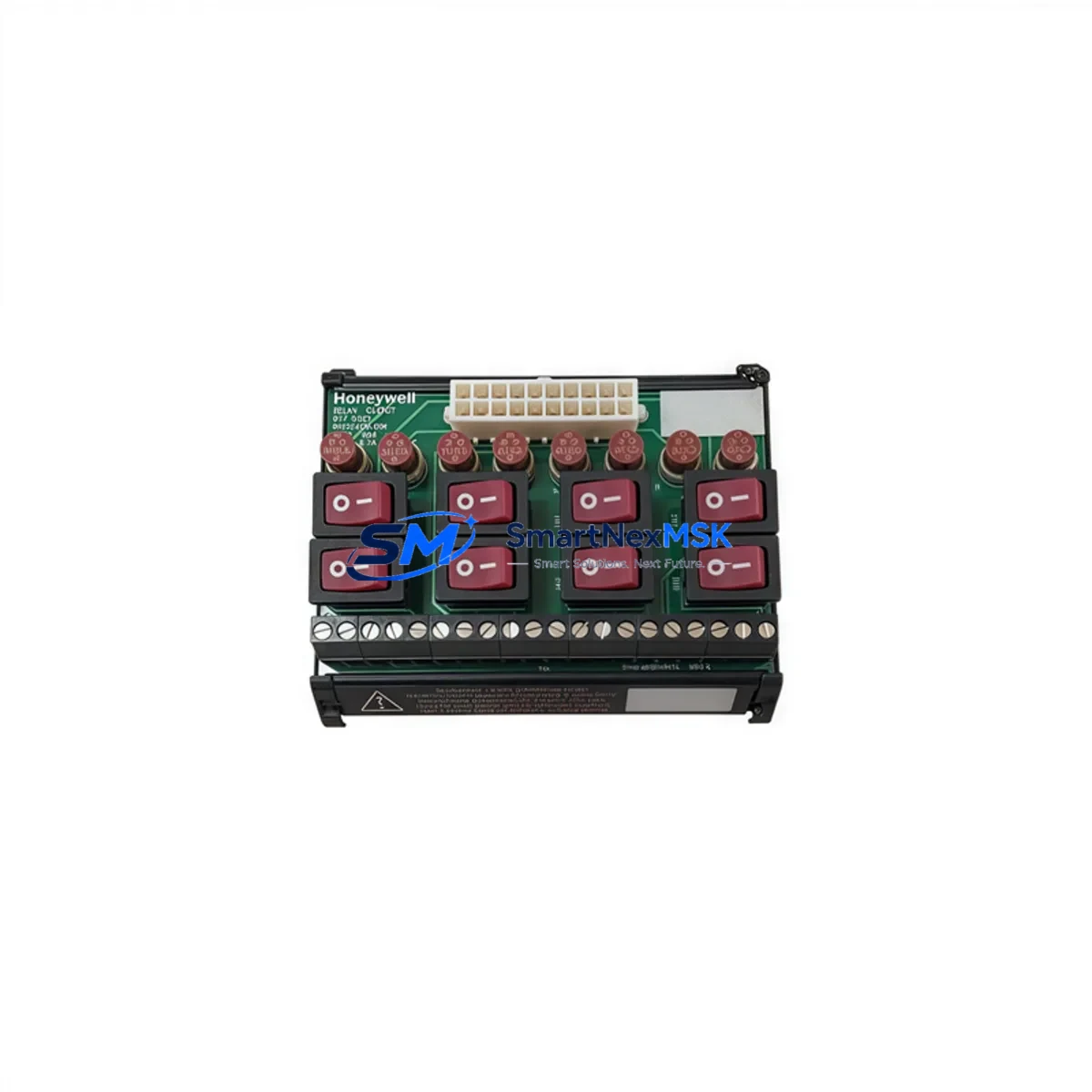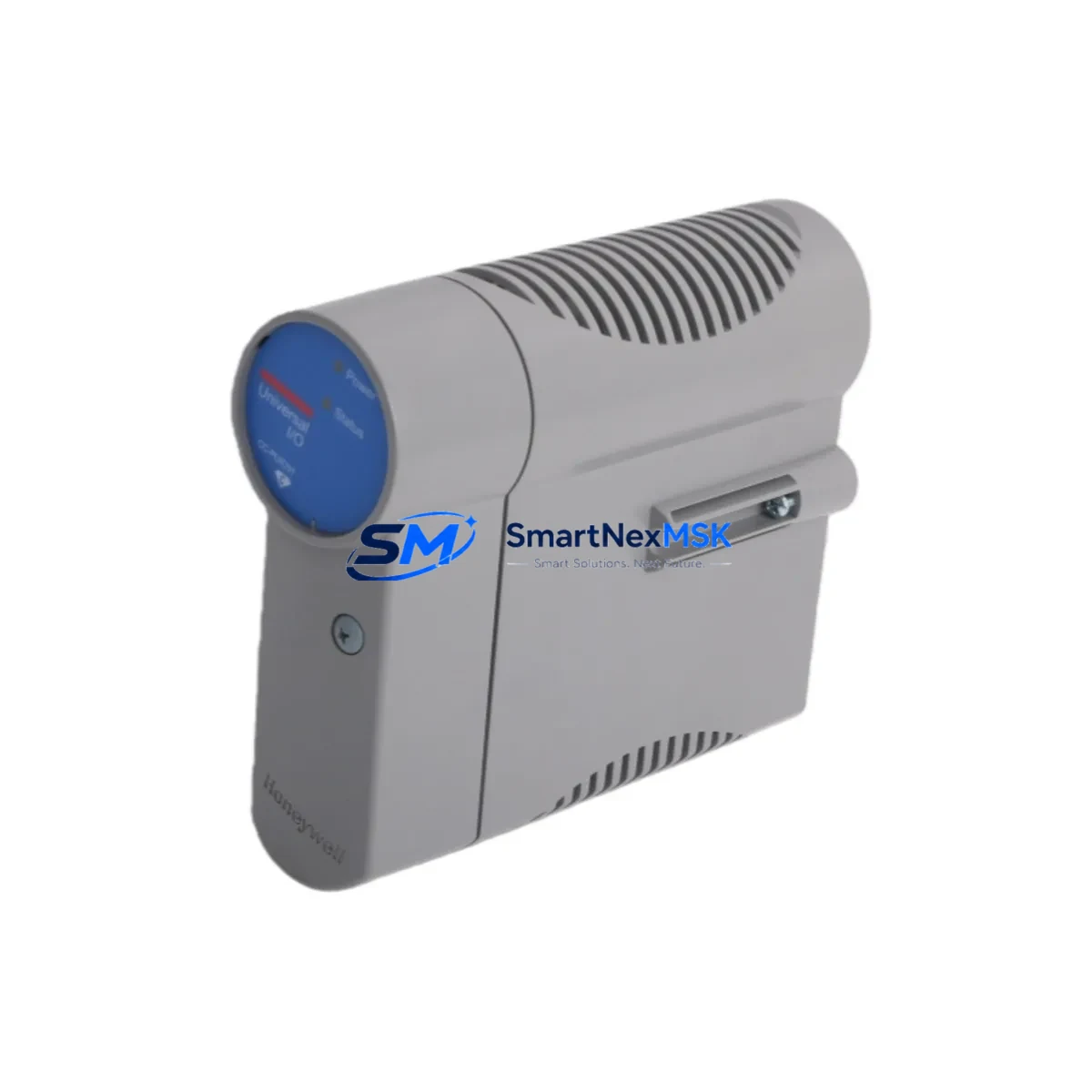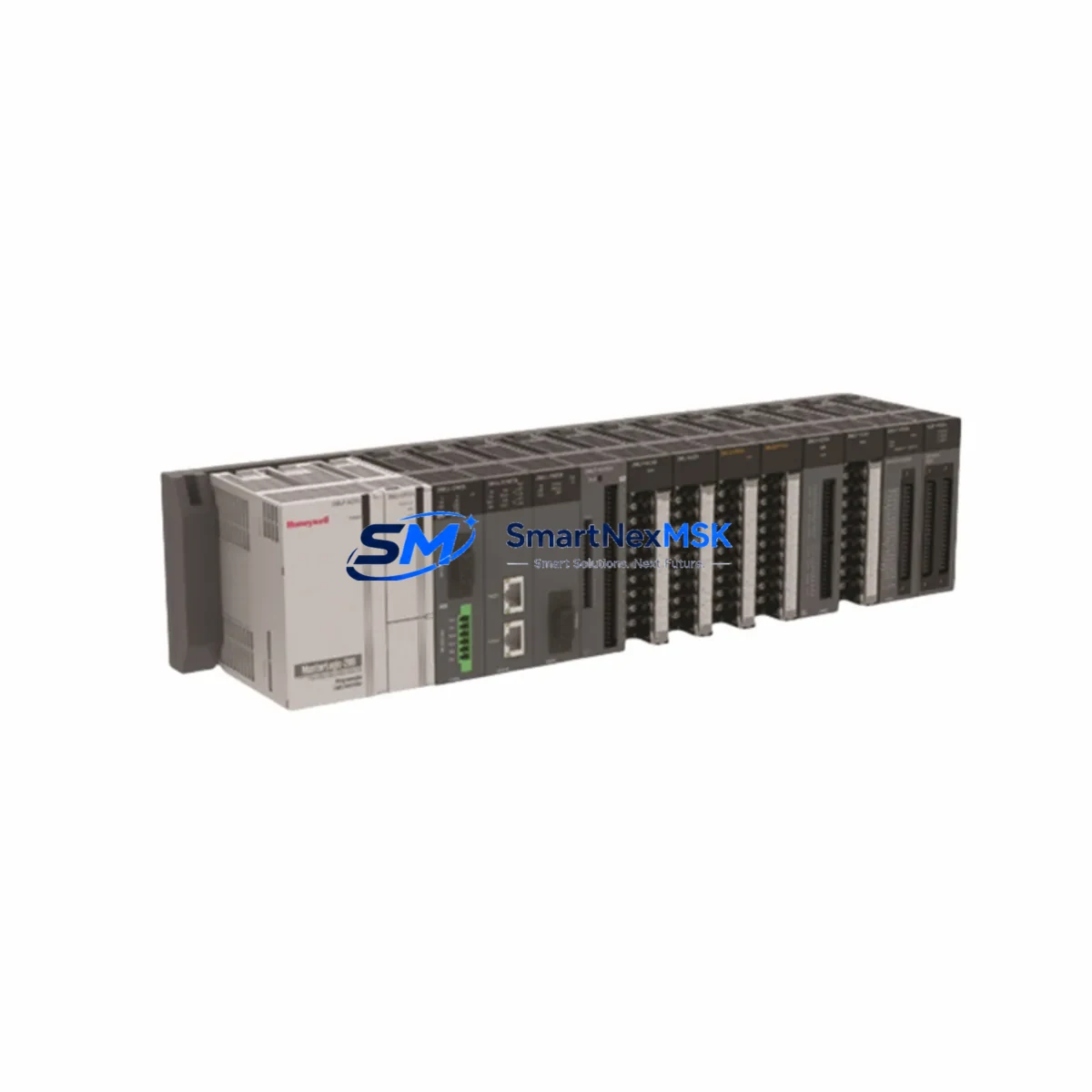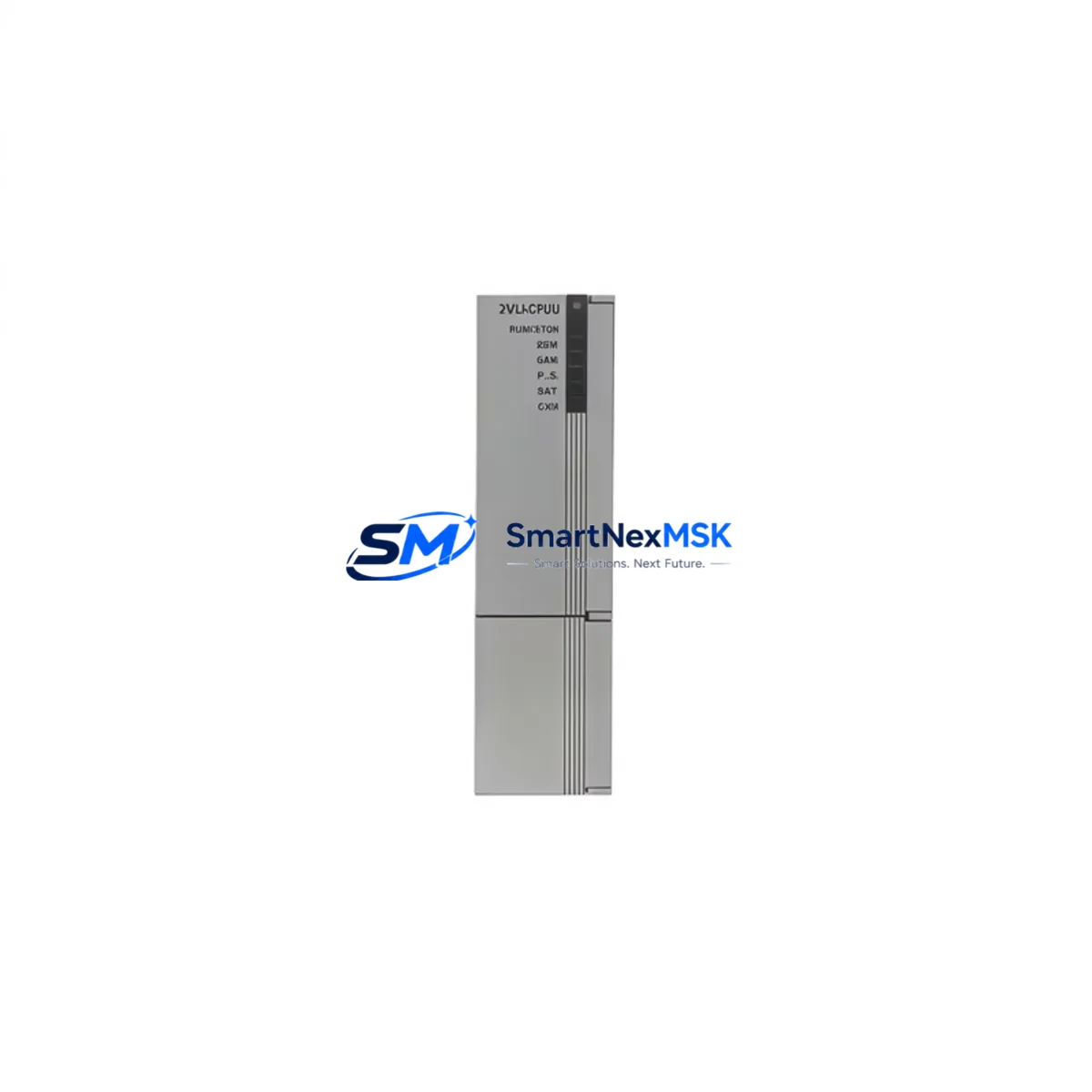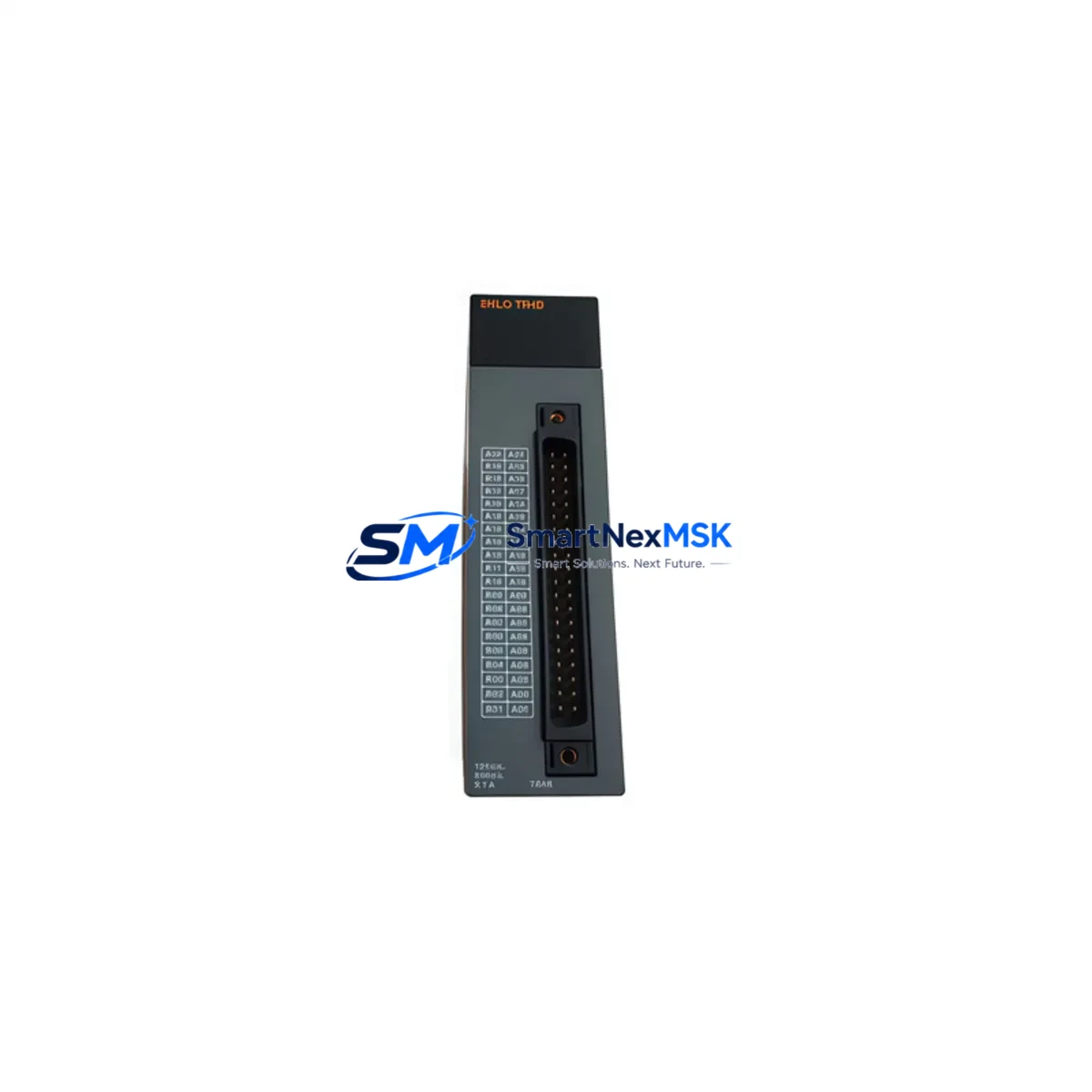
Honeywell 2MLQ-TR4B Retrofit-Ready Output Module for TDC 3000 Control Systems
The Honeywell 2MLQ-TR4B is a 4-Channel Transistor Output Module engineered for the TDC 3000 Distributed Control System platform. As legacy TDC 3000 installations continue to operate across refineries, chemical plants, and power generation facilities worldwide, sourcing verified replacement modules has become a critical challenge for maintenance engineers and automation managers. The 2MLQ-TR4B addresses this challenge directly — offering a drop-in compatible solution that preserves existing wiring, backplane addressing, and control logic without requiring a full system migration.
Whether you are replacing a failed module in an emergency shutdown scenario, building a strategic spare-parts inventory, or executing a phased modernization of an aging control cabinet, the 2MLQ-TR4B delivers the electrical and functional compatibility required for seamless integration into your existing TDC 3000 architecture. Each unit is sourced, inspected, and dispatch-tested before shipment, backed by a 12-month warranty covering manufacturing defects and functional failures under normal operating conditions.
Upgrade Compatibility Table
| Parameter | Details |
|---|---|
| Module SKU | 2MLQ-TR4B |
| Platform Compatibility | Honeywell TDC 3000 DCS |
| Output Type | 4-Channel Transistor (Digital Output) |
| Backplane Interface | TDC 3000 standard card slot — direct plug-in replacement |
| Terminal Wiring | Compatible with existing field wiring; no rewiring required |
| Module Addressing | Retains original slot address; no software reconfiguration required |
| Communication Compatibility | LCN (Local Control Network) and UCN (Universal Control Network) compatible |
| Replacement Recommendation | Direct swap for failed or end-of-life 2MLQ-TR4B units |
| Commissioning Notes | Verify output channel mapping in HM (History Module) and confirm DO block assignments in AM (Application Module) before energizing |
| Warranty | 12 Months — covers manufacturing defects and functional failures |
| Origin | China (CN) |
| Shipping | Fast global dispatch from Xiamen; DHL / FedEx / TNT available |
Retrofit Planning for Existing Automation Systems
A successful retrofit of the 2MLQ-TR4B within a live TDC 3000 environment requires careful pre-work across hardware, software, and field instrumentation layers. Before pulling the existing module, engineers should document the current slot assignment within the Honeywell PM (Process Manager) or HPM (High-Performance Process Manager) chassis. The 2MLQ-TR4B occupies a standard I/O slot and interfaces with the backplane via the TDC 3000 card cage — confirm that the cage and backplane connectors are free of corrosion or mechanical damage before insertion.
On the field wiring side, the module’s terminal block layout is consistent with the original design, meaning existing cable looms connected to solenoid valves, motor starters, or discrete actuators can remain in place. However, it is good practice to verify terminal torque and insulation resistance before re-energizing. If the control cabinet also houses a Honeywell MU-TDPR03 Power Distribution Module or similar 24 VDC bus supply, confirm that the available current budget accommodates the 2MLQ-TR4B’s load requirements alongside other active modules such as the Honeywell 2MLI-TR4B Transistor Input Module and any co-located 2MXA-TR4B Analog Output Modules.
For systems that also rely on serial communication links, verify that the Honeywell NIM (Network Interface Module) or HG (Highway Gateway) configuration remains undisturbed during the swap. In multi-drop LCN topologies, a brief network health check using the Honeywell Universal Station (US) or GUS (Global User Station) console is recommended after module insertion to confirm that the replaced slot is recognized and reporting correctly. If your facility is running a parallel migration toward the Honeywell Experion PKS platform, the 2MLQ-TR4B can serve as a stable interim solution while the new Experion C300 Controller and associated CHARM I/O infrastructure is staged and validated.
HMI screen updates are typically not required for a like-for-like module replacement, as the DO block tag assignments and faceplate configurations in the Honeywell HM (History Module) remain intact. However, if the replacement is part of a broader I/O expansion — for example, adding a Honeywell 2MLI-TR8B 8-Channel Input Module to an adjacent slot — then corresponding CL (Control Language) program modifications and display builder updates should be planned and tested in a shadow environment before live deployment.
Downtime Control During System Migration
Minimizing unplanned downtime is the primary concern when replacing output modules in a live process control environment. For the 2MLQ-TR4B, the recommended approach is a hot-standby swap procedure where the replacement module is pre-staged, address-verified, and bench-tested before the maintenance window opens. In TDC 3000 systems with redundant PM or HPM configurations, the affected I/O point can often be placed in manual mode at the operator console, allowing the field device to hold its last commanded state while the module is physically exchanged.
Prior to removal, capture a full snapshot of the current DO block states using the Universal Station or GUS console. This snapshot serves as the reference baseline for post-swap verification. After inserting the 2MLQ-TR4B, allow the module to complete its self-diagnostic cycle — typically indicated by the module’s status LED transitioning from fault to normal — before releasing the affected channels back to automatic control. The entire swap sequence, from module removal to return-to-auto, can typically be completed within a 15–30 minute maintenance window when pre-work is thorough.
For facilities that cannot tolerate any interruption to output signals, a temporary hardwired bypass using a portable relay panel can maintain field device states during the exchange. This approach is particularly relevant for critical interlock outputs connected to emergency shutdown valves or fire-and-gas systems, where even a momentary loss of signal could trigger a process trip. Coordinating with the safety instrumented system (SIS) team before any output module work in these zones is strongly advised.
Retrofit Support FAQ
Q1: Is the 2MLQ-TR4B a direct drop-in replacement for the original Honeywell module?
Yes. The 2MLQ-TR4B is designed as a direct functional and mechanical replacement for the original Honeywell TDC 3000 transistor output module of the same part number. It uses the same backplane connector, occupies the same card slot, and requires no changes to field wiring, module addressing, or control program logic.
Q2: What commissioning steps are required after installation?
After physical installation, perform a module status check at the operator console to confirm the slot is recognized. Verify that all DO block assignments are intact and that output channel states match pre-swap records. Cycle each output channel through a test sequence to confirm field device response before returning to automatic control. No software downloads or address reconfiguration are required for a like-for-like replacement.
Q3: How is the module tested before shipment?
Each 2MLQ-TR4B unit undergoes a functional dispatch test covering output channel switching, backplane communication integrity, and power consumption verification. Units that fail any test parameter are quarantined and not shipped. A test report is available upon request for customers requiring documented quality evidence for their maintenance records.
Q4: What does the 12-month warranty cover?
The 12-month warranty covers manufacturing defects, component failures, and functional non-conformance under normal operating conditions as specified in the Honeywell TDC 3000 hardware documentation. Warranty claims are supported by SMARTNEXMSK’s technical team, with replacement or repair options available. Physical damage caused by incorrect installation, overvoltage, or environmental exposure outside rated conditions is excluded from warranty coverage.
© 2026 SMARTNEXMSK. All rights reserved.
Original Source: https://smartnexmsk.com
Contact: [email protected] | +86 18259474341