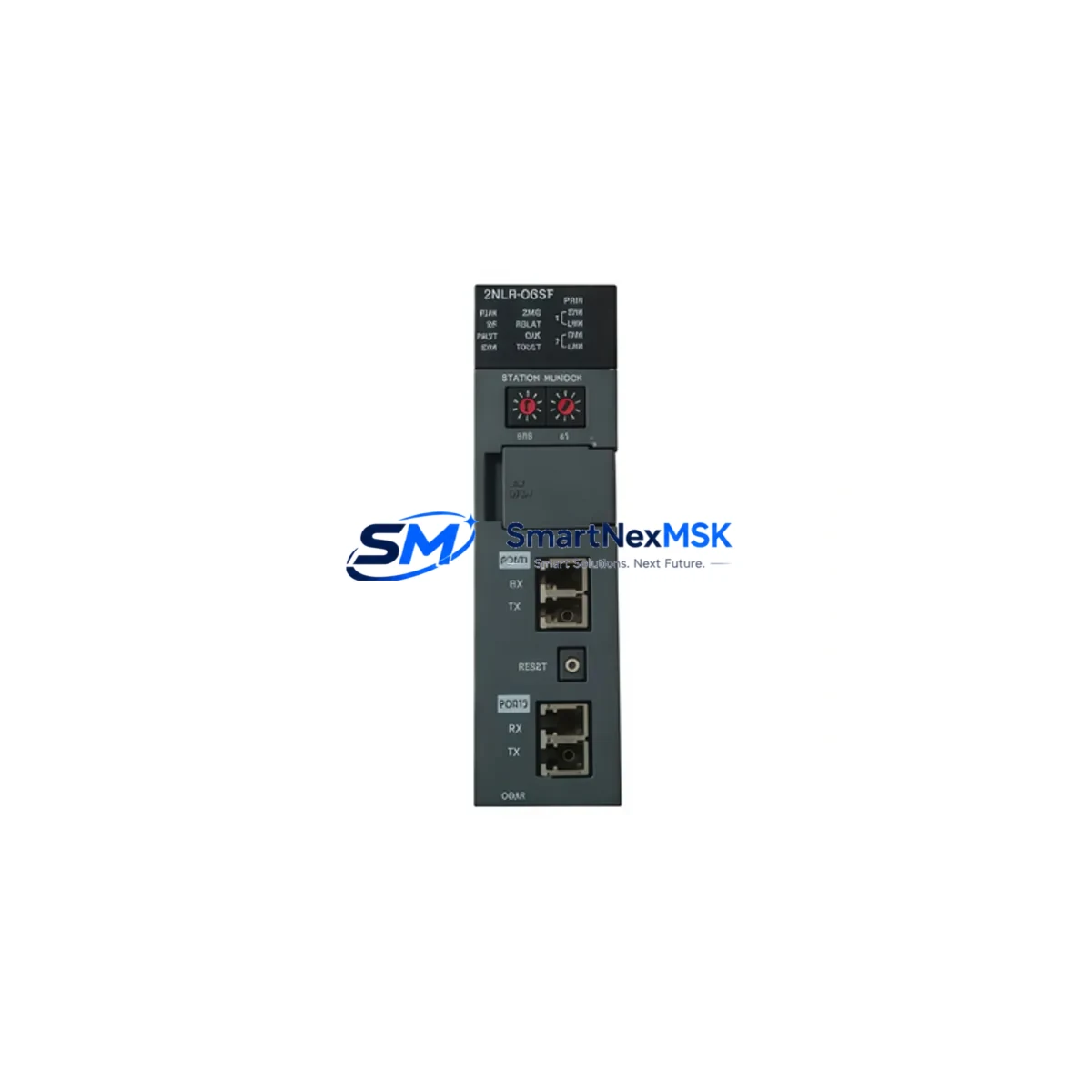
Honeywell 2MLR-DBSFS Maintenance-Ready Spare TDC 3000: Spare Replacement & Industrial Downtime Risk Control
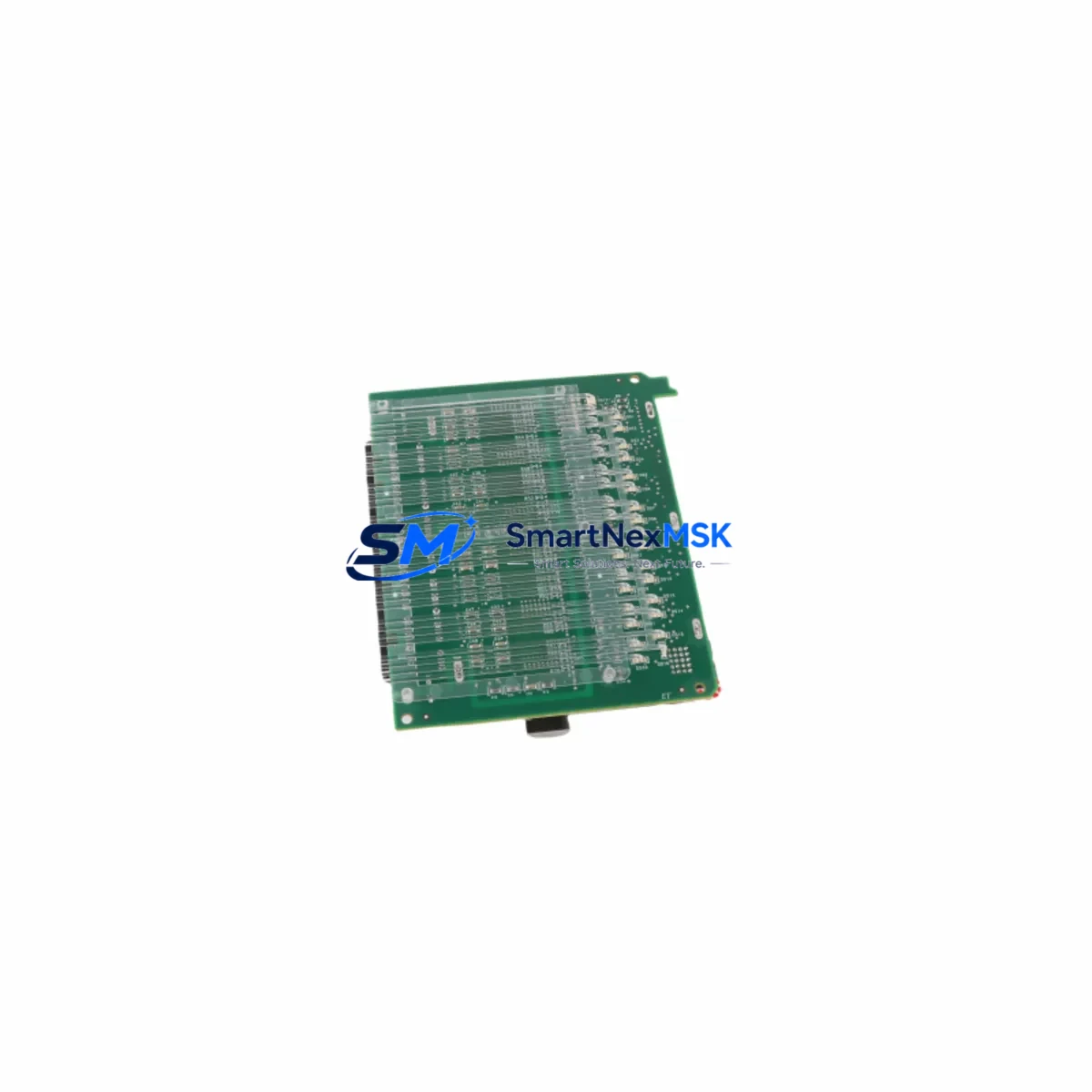
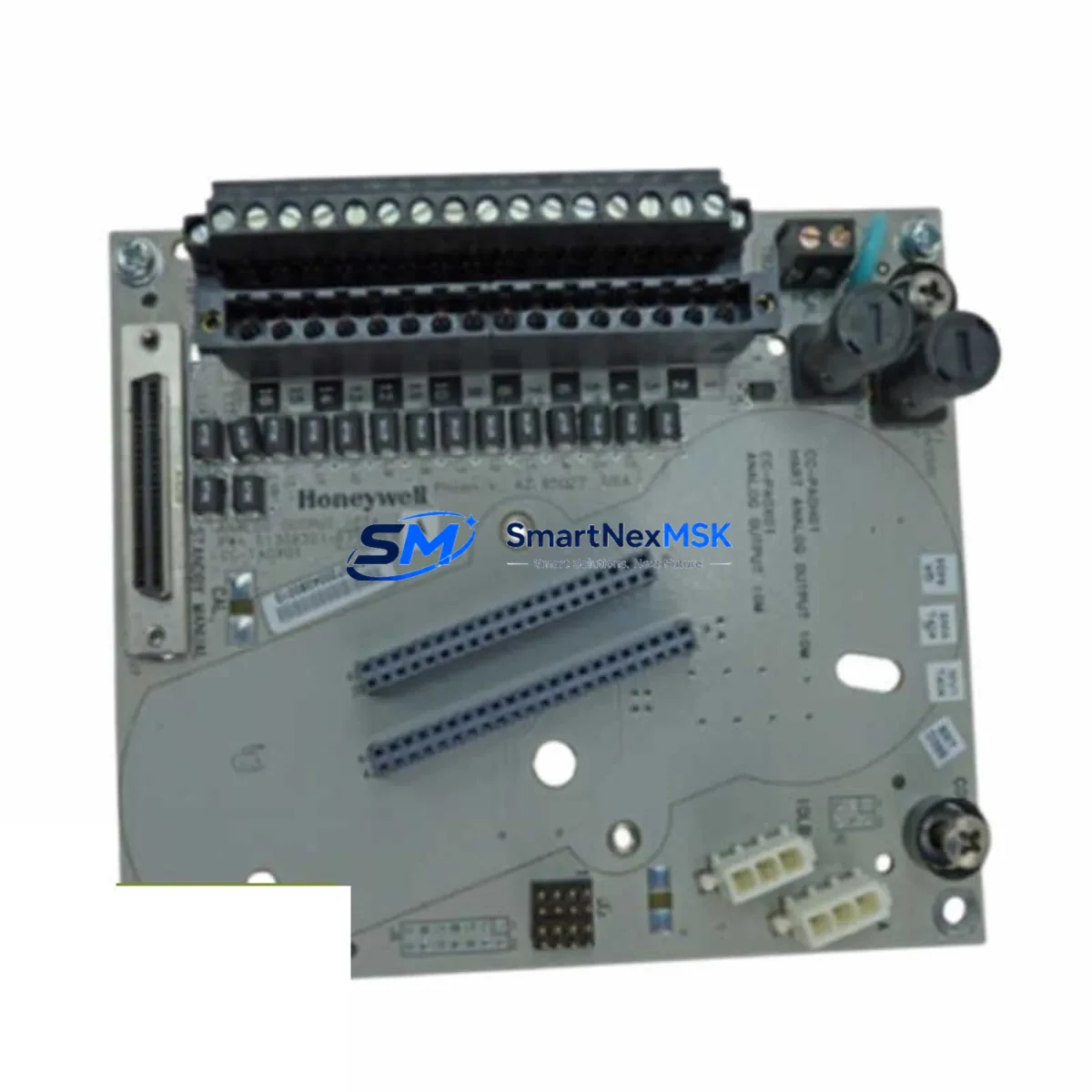
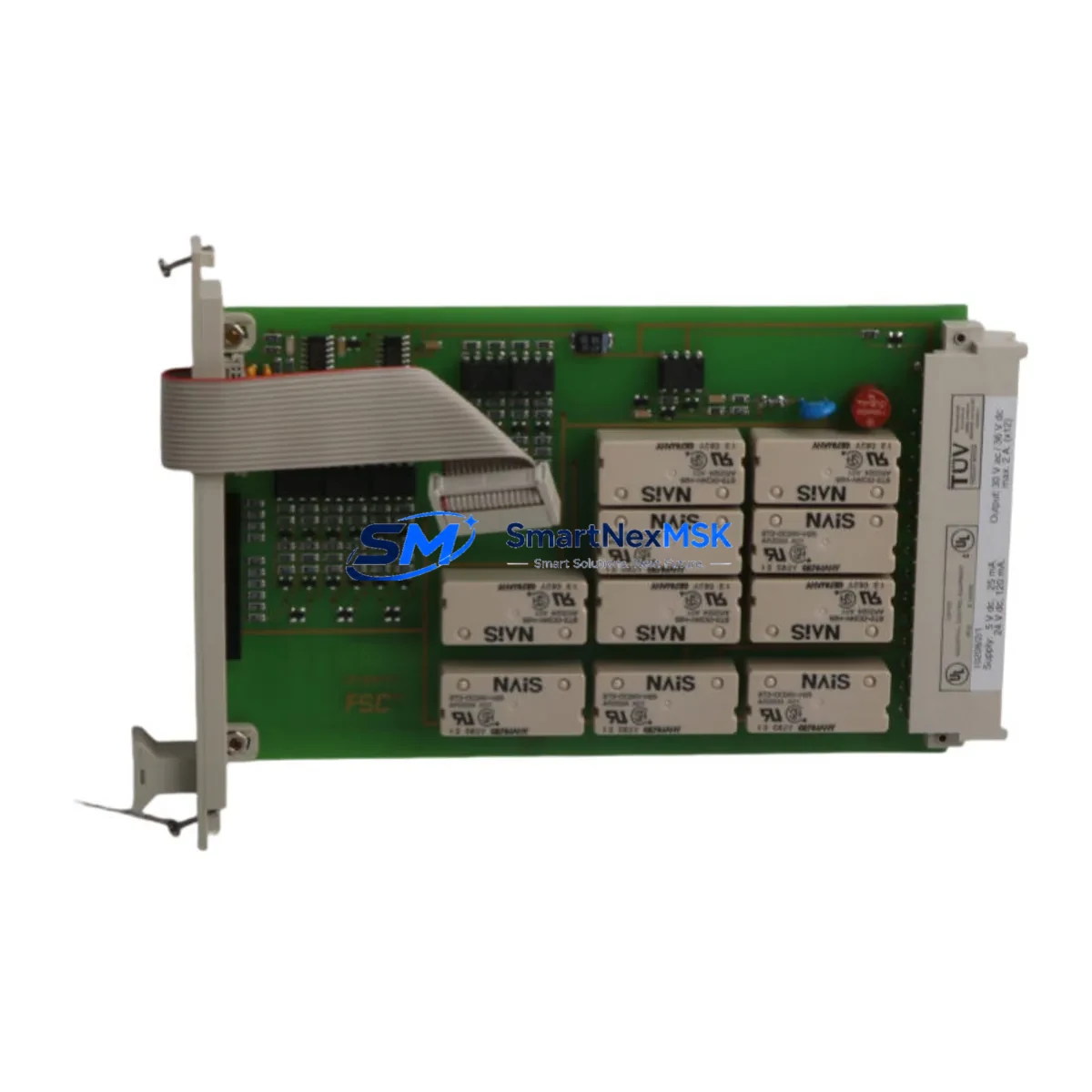
The Honeywell 2MLR-DBSFS is an original spare module designed for the TDC 3000 Distributed Control System (DCS) platform — one of the most widely deployed process automation architectures in refining, petrochemical, and continuous manufacturing environments. When this module fails or degrades, the consequences extend beyond a single I/O channel: the entire control loop dependent on its signal conditioning and driver output is at risk. Maintaining a verified, tested replacement unit in your spare parts inventory is the most reliable strategy to minimize unplanned downtime and protect production continuity.
This unit ships fully tested and verified against original Honeywell factory specifications. Each 2MLR-DBSFS is inspected for electrical integrity, connector condition, and firmware compatibility before dispatch. A 12-month warranty is included with every shipment, covering manufacturing defects and functional failures under normal operating conditions. Our supply chain supports long-term procurement for facilities managing aging TDC 3000 infrastructure, including systems that have been in continuous service for 15–30 years.
For maintenance engineers responsible for TDC 3000 cabinet upkeep, the 2MLR-DBSFS replacement procedure is straightforward when the correct spare is on hand. The module slots into the standard TDC 3000 backplane without requiring system shutdown in hot-swap-capable configurations. Procurement engineers sourcing this part should confirm the revision level and firmware version compatibility with their site’s current TDC 3000 release to avoid integration issues during emergency replacement.
Spare Maintenance Table
| Parameter | Specification |
|---|---|
| Part Number / SKU | 2MLR-DBSFS |
| Brand | Honeywell |
| Series / Platform | TDC 3000 DCS |
| Module Type | DCS Expansion Driver Module |
| Origin | United States |
| Compatibility | Honeywell TDC 3000 standard backplane; compatible with LCN, UCN, and HPM subsystems (verify revision) |
| Installation | Card-slot insertion into TDC 3000 card cage; follow Honeywell PM/TDC 3000 hardware manual |
| Operating Environment | Industrial control room / DCS cabinet; 0–60°C, humidity per TDC 3000 environmental spec |
| Condition | Original spare; tested before shipment |
| Warranty | 12 months from date of shipment |
| Maintenance Recommendation | Inspect connector pins and backplane contacts during scheduled PM; replace if signal drift or communication fault is logged |
| Lead Time | Contact sales for current stock availability |
Maintenance Planning for Continuous Operation
Replacing the 2MLR-DBSFS in a live TDC 3000 system is rarely an isolated task. Experienced maintenance engineers know that a module fault in this position often signals stress on adjacent components sharing the same power rail, backplane segment, or I/O loop. A thorough site replacement workflow should include inspection of the following related components:
- TDC 3000 Power Supply Module (e.g., MC-PDPY22 or equivalent) — Verify output voltage stability before installing the replacement 2MLR-DBSFS. A degraded power supply is a common root cause of repeated module failures.
- Backplane / Card Cage Assembly — Inspect backplane connector pins for oxidation, bent contacts, or carbon tracking. A faulty backplane will damage a new spare within weeks.
- HPM High-Performance Process Manager I/O Cards — If the 2MLR-DBSFS interfaces with HPM I/O, verify that adjacent analog input (AI) and analog output (AO) cards are within calibration tolerance and show no fault LEDs.
- LCN Local Control Network Interface Module — Communication faults on the LCN can mimic module hardware failures. Confirm LCN node status in the Universal Station before concluding the 2MLR-DBSFS is the root cause.
- UCN Universal Control Network Coax / Fiber Tap — Inspect UCN physical layer connections. Signal degradation at the network tap can cause intermittent module communication errors that appear as hardware faults.
- Honeywell AM/HPM Fuse and Protection Assembly — Check field-side fuses and surge protection components on the associated I/O termination assembly. Blown fuses or failed MOVs are frequently overlooked during emergency replacements.
- Signal Isolator / Barrier (e.g., Zener barrier or galvanic isolator for HART loops) — If the 2MLR-DBSFS drives field instruments in hazardous areas, inspect the associated intrinsic safety barriers or galvanic isolators for degradation.
- Termination Panel / Terminal Block Assembly — Verify field wiring terminations for loose connections, corrosion, or incorrect wire routing that may have contributed to the original module fault.
- Honeywell Universal Station (US) or GUS Operator Interface — After replacement, confirm that the module appears correctly in the system configuration display and that all associated control loops return to AUTO without alarm.
- Honeywell History Module (HM) or AM Application Module — Review historical trend data for the affected loops to identify whether the failure was sudden or preceded by gradual signal degradation, informing future PM intervals.
Stocking one or two verified 2MLR-DBSFS units alongside the above components in your on-site spare parts cabinet is the most cost-effective insurance against extended TDC 3000 downtime. For facilities with multiple TDC 3000 cabinets, a standardized spare parts list covering power, I/O, communication, and driver modules reduces mean time to repair (MTTR) significantly.
Site Replacement Workflow
When the 2MLR-DBSFS must be replaced on-site, follow this sequence to minimize downtime and ensure system stability:
- Fault Confirmation — Log the fault code from the TDC 3000 system console. Distinguish between a hard module failure and a communication or configuration fault before pulling the card.
- Safety Isolation — Follow your site’s LOTO (Lockout/Tagout) procedure for the affected cabinet section. Confirm field-side loop status with the control room operator before proceeding.
- Module Extraction — Release the card ejector levers and extract the 2MLR-DBSFS carefully. Inspect the backplane connector on the extracted module for damage or contamination.
- Spare Insertion — Insert the replacement 2MLR-DBSFS into the same slot. Ensure the card seats fully and the ejector levers lock. Do not force the card if resistance is felt — inspect the backplane connector first.
- System Verification — Monitor the TDC 3000 system display for module recognition. Confirm that the replacement module initializes correctly and that associated control loops return to normal operation.
- Loop Test — Perform a functional loop test on all I/O channels associated with the replaced module. Document results in the site maintenance log.
- Spare Replenishment — Initiate a purchase order for a replacement spare unit immediately after consuming your on-site stock. Do not allow your spare parts cabinet to remain depleted.
This workflow applies equally to planned maintenance replacements and emergency fault recovery. The key difference is preparation: planned replacements allow for pre-staging the spare, notifying operations, and scheduling the work during a low-production window. Emergency replacements demand that the spare is already on the shelf, tested, and ready to install.
Spare Parts Support FAQ
Q1: Is the 2MLR-DBSFS compatible with all TDC 3000 system revisions?
The 2MLR-DBSFS is designed for the Honeywell TDC 3000 platform. Compatibility with specific system revisions depends on your site’s current TDC 3000 software release and hardware configuration. We recommend confirming the module revision level with your site’s Honeywell system documentation or contacting our technical team before ordering. We supply revision-matched units where required.
Q2: How is each unit tested before shipment?
Every 2MLR-DBSFS unit undergoes electrical continuity testing, connector inspection, and functional verification against original Honeywell specifications before dispatch. Units that do not pass inspection are not shipped. A test report is available upon request for critical applications.
Q3: What does the 12-month warranty cover?
The 12-month warranty covers manufacturing defects and functional failures under normal operating conditions from the date of shipment. It does not cover damage resulting from incorrect installation, overvoltage events, or physical mishandling. Warranty claims are processed promptly — contact [email protected] with your order reference and fault description.
Q4: Can you support long-term or blanket purchase orders for TDC 3000 spare parts?
Yes. We support long-term supply agreements for facilities managing aging TDC 3000 infrastructure. Blanket orders, scheduled releases, and consignment stock arrangements are available for qualified accounts. Contact our procurement team to discuss your site’s annual spare parts requirements and establish a supply plan that eliminates emergency sourcing delays.
© 2026 SMARTNEXMSK. All rights reserved.
Original Source: https://smartnexmsk.com
Contact: [email protected] | +86 18259474341