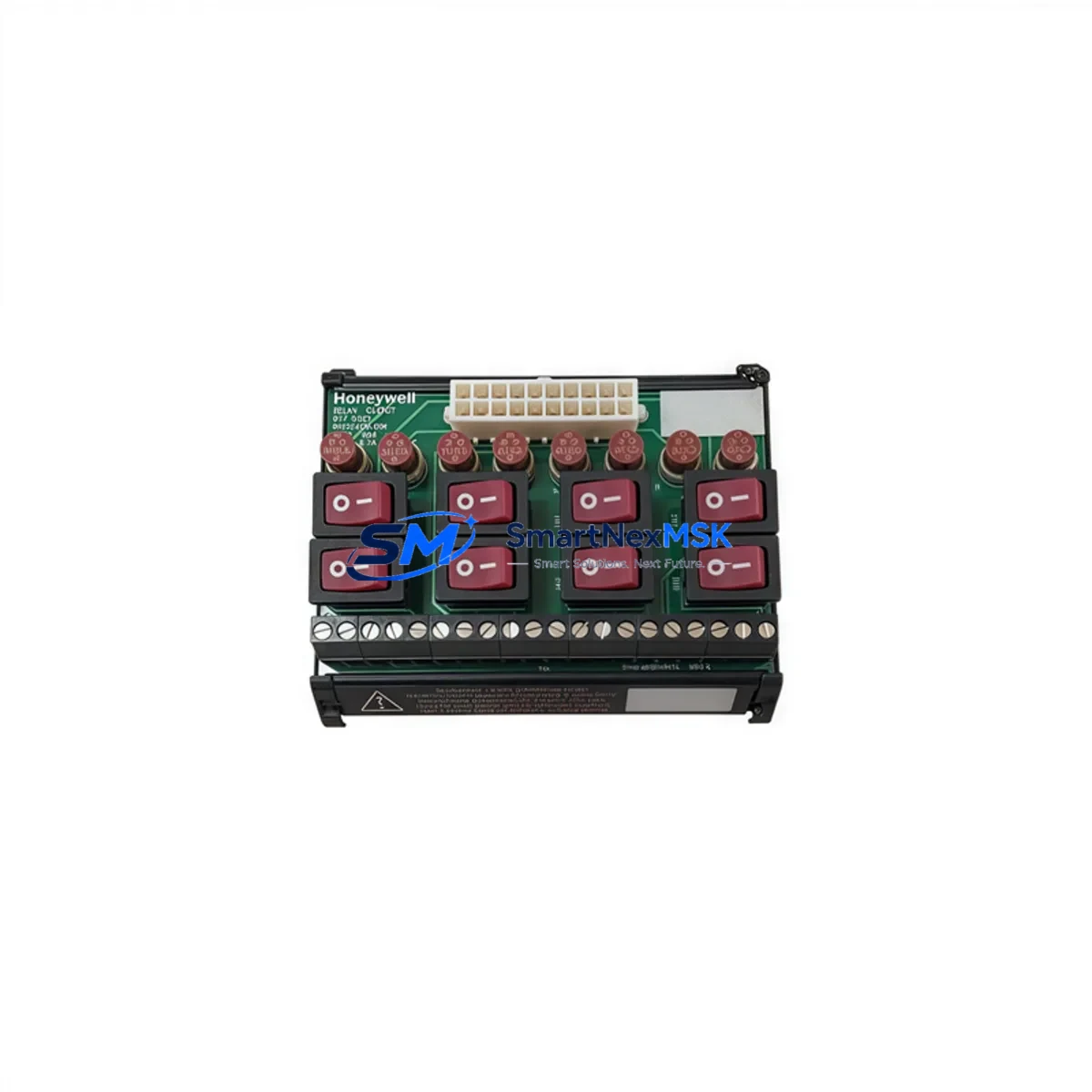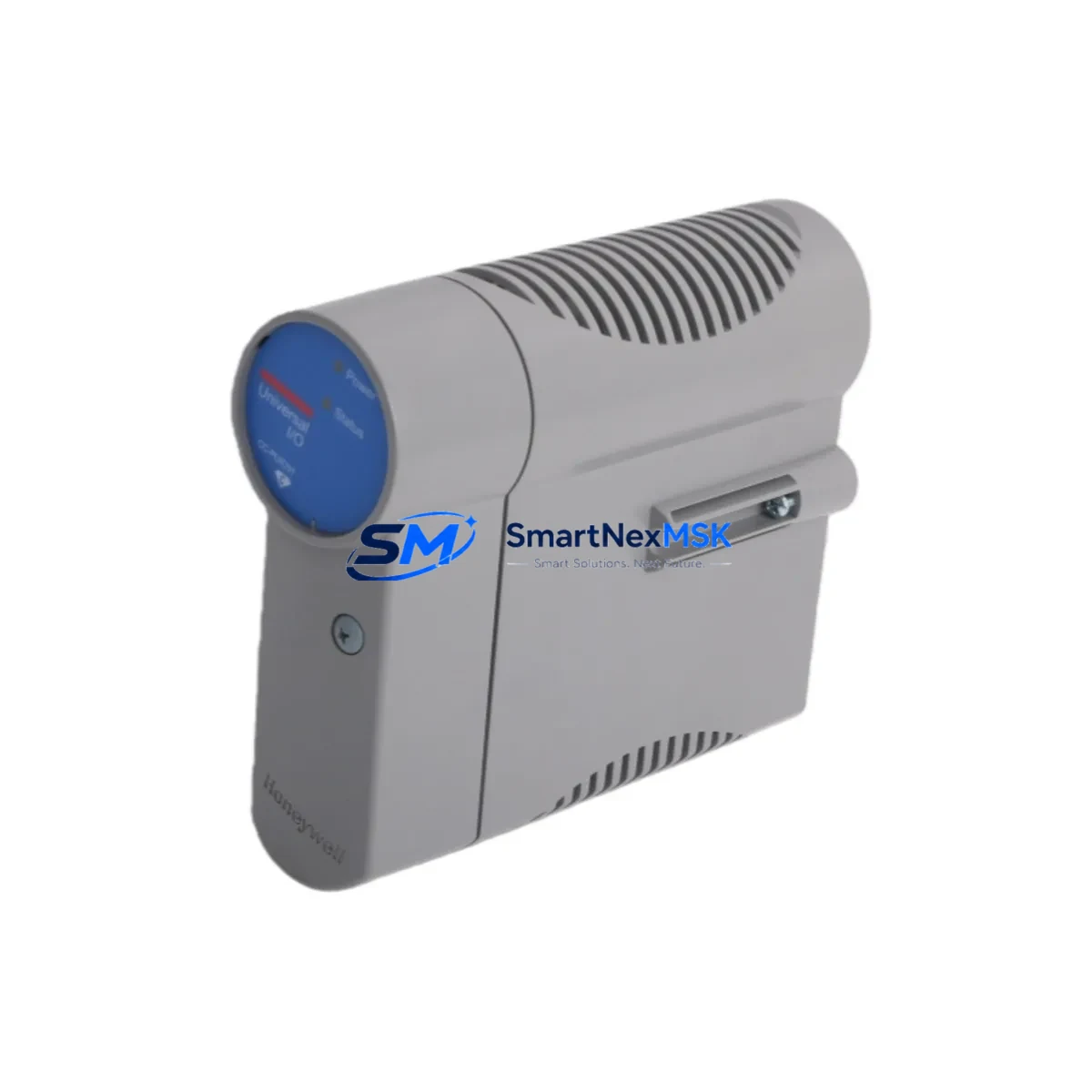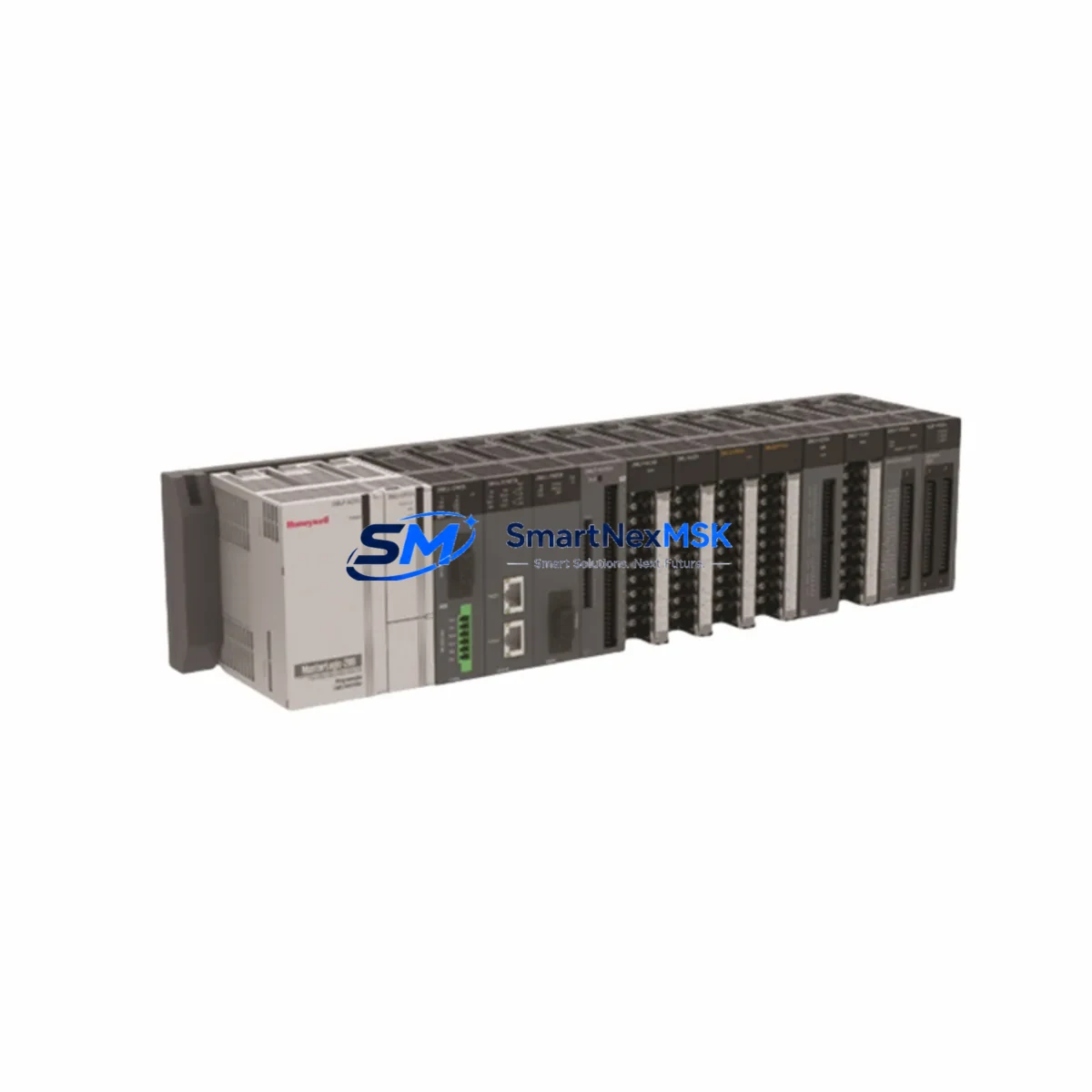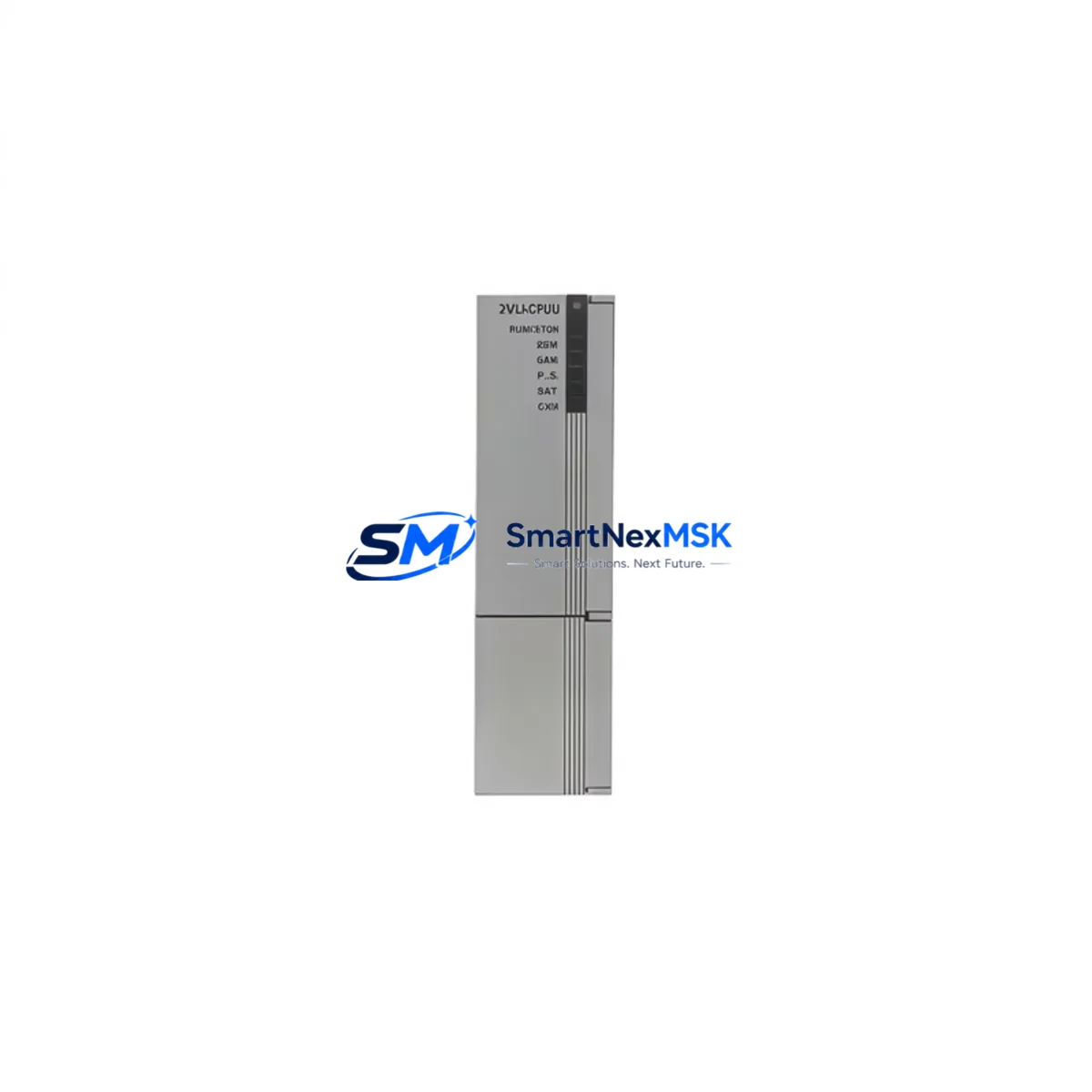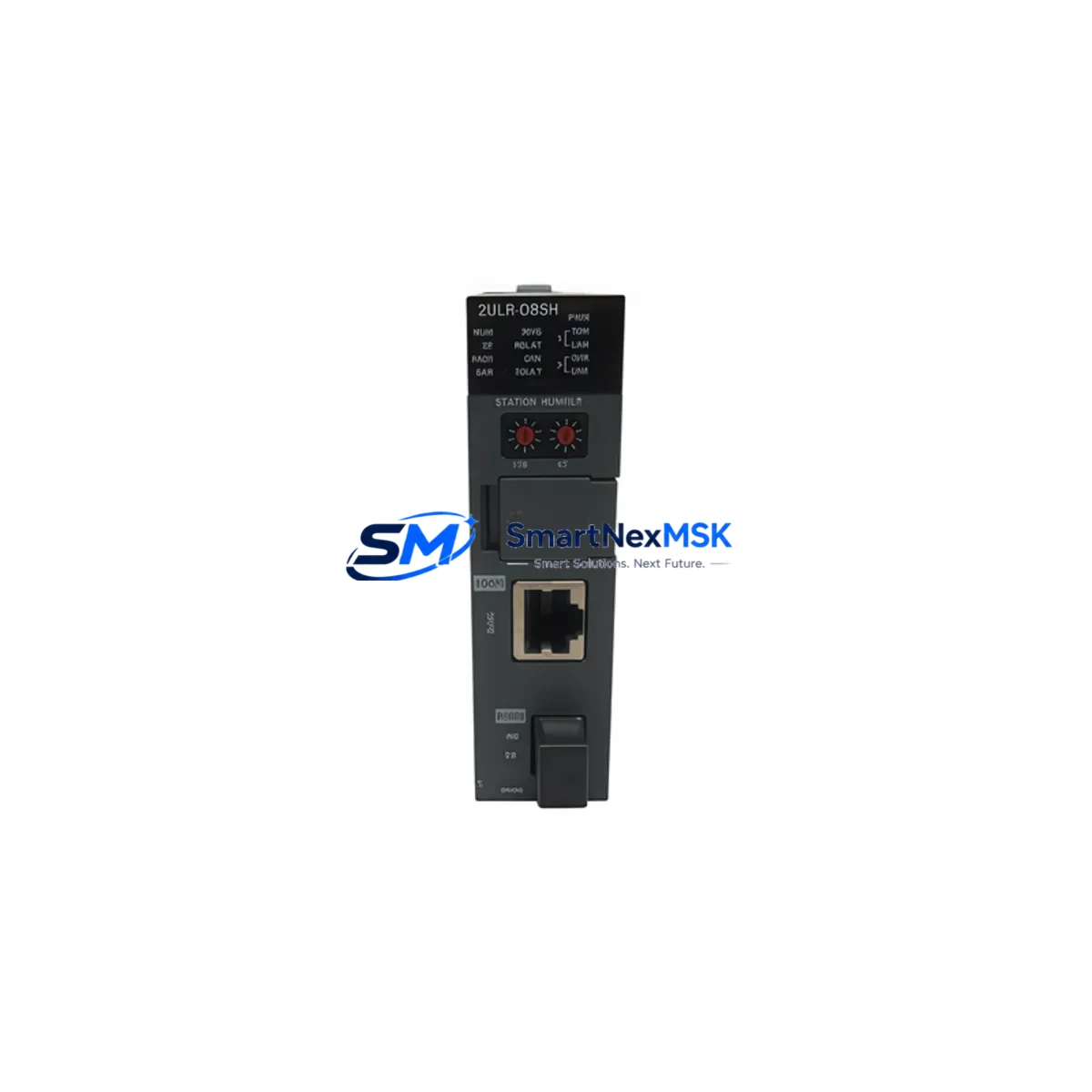
Honeywell 2MLR-DBSH Retrofit-Ready Driver for TDC 3000 Control Systems
The Honeywell 2MLR-DBSH is a DCS driver module engineered for seamless integration into legacy TDC 3000 distributed control system architectures. As industrial facilities face the challenge of maintaining aging automation infrastructure, the 2MLR-DBSH provides a proven, wiring-compatible upgrade path that eliminates the need for full panel redesign. Whether you are replacing a failed unit on an active production line, modernizing a control cabinet during a planned shutdown, or building a spare-parts inventory for long-term system continuity, the 2MLR-DBSH delivers the reliability and compatibility that TDC 3000 environments demand.
Sourced from verified supply channels and subject to pre-shipment functional testing, each unit is backed by a 12-month warranty covering manufacturing defects and operational failures under normal service conditions. Stock is maintained to support urgent replacement orders with short lead times, reducing unplanned downtime exposure for critical process control applications.
Upgrade Compatibility Table
| Parameter | Details |
|---|---|
| Compatible Platform | Honeywell TDC 3000 DCS |
| Module Type | DCS Driver Module (Expansion) |
| Backplane Interface | TDC 3000 standard card cage backplane connector |
| Installation Requirement | Direct card-slot insertion; no hardware modification required |
| Terminal Wiring | Compatible with existing field wiring terminations; verify terminal block pinout before installation |
| Communication Compatibility | LCN (Local Control Network) and UCN (Universal Control Network) compatible per TDC 3000 architecture |
| Replacement Recommendation | Direct replacement for discontinued 2MLR-DBSH; verify firmware revision with site engineer |
| Commissioning Notes | Module address assignment via DIP switch or software configuration; confirm with existing node map |
| Pre-Shipment Testing | Functional burn-in test performed on each unit prior to dispatch |
| Warranty | 12 months from date of shipment; covers manufacturing defects and operational failure under normal use |
Retrofit Planning for Existing Automation Systems
Successful integration of the 2MLR-DBSH into an existing TDC 3000 system requires careful pre-installation planning. Begin by auditing the current card cage configuration, confirming available slot positions and verifying that the backplane power rail can support the additional module load. The TDC 3000 Power Supply Module (PSM) should be assessed for remaining capacity before adding any expansion driver; in systems running near rated load, a supplementary Honeywell HPM Power Supply may be required to maintain stable bus voltage across all installed modules.
Terminal wiring compatibility is a critical checkpoint. The 2MLR-DBSH uses the standard TDC 3000 field termination assembly, but engineers should cross-reference the existing I/O termination panel drawings against the module’s pinout specification. In retrofit scenarios where the original Honeywell FTA (Field Termination Assembly) has been modified or replaced with a third-party equivalent, a full point-to-point continuity check is recommended before energizing the module.
Module address configuration must align with the existing node map maintained in the Honeywell Universal Station (US) or Global User Station (GUS) engineering database. Duplicate node addresses will cause communication conflicts on the LCN highway, potentially disrupting adjacent Honeywell HPM (High-Performance Process Manager) controllers and connected AM (Application Module) nodes. Confirm the address assignment with the site DCS engineer and update the system database accordingly before bringing the module online.
For systems that include Honeywell Data Hiway Gateway (DHG) or legacy Hiway Interface Module (HIM) components, verify that the addition of the 2MLR-DBSH does not exceed the maximum node count supported by the installed LCN configuration. In larger TDC 3000 installations with multiple card cages interconnected via the LCN highway, a network traffic analysis may be warranted to confirm that the new driver module does not introduce latency into time-critical control loops.
Where the retrofit scope extends to communication protocol migration — for example, transitioning field devices from HART to Foundation Fieldbus or Profibus — the 2MLR-DBSH should be evaluated alongside the Honeywell Series C I/O or FIM (Fieldbus Interface Module) to determine the most efficient upgrade path. In many brownfield projects, the 2MLR-DBSH serves as a bridging solution, maintaining continuity of existing analog and discrete I/O while the broader protocol migration is staged across planned maintenance windows.
Programming compatibility should be confirmed with the site’s Honeywell Control Language (CL) or Function Block application. In most cases, the 2MLR-DBSH replacement does not require changes to the control strategy database, but any firmware revision differences between the outgoing and incoming module should be reviewed against the site’s validated configuration baseline. HMI screen assignments linked to the replaced module’s tag database should also be verified in the Universal Station display builder to ensure alarm and trend displays remain correctly mapped after the swap.
Downtime Control During System Migration
Minimizing production interruption during a TDC 3000 driver module replacement requires a structured hot-swap or controlled-shutdown procedure. Where the system architecture permits, place the affected control loops in manual mode at the Honeywell Universal Station before removing the 2MLR-DBSH. This preserves the last known output state on field actuators and prevents uncontrolled process excursions during the module exchange.
Before powering down the card cage slot, export a backup of the current module configuration and node database from the engineering workstation. This backup serves as the restoration baseline if the replacement module requires re-commissioning. After installing the new 2MLR-DBSH, allow the module to complete its self-diagnostic boot sequence — typically indicated by the status LED transitioning from fault to normal — before transferring control loops back to automatic mode.
For facilities operating continuous processes where even brief interruptions carry significant cost, a pre-staged replacement strategy is recommended: configure and bench-test the new 2MLR-DBSH against a replica of the site’s node map before the scheduled maintenance window. This approach compresses the on-site installation time to a physical swap and verification sequence, typically achievable within a single shift. Maintaining a documented commissioning checklist — covering power-up sequence, LED status verification, LCN communication confirmation, I/O point checkout, and HMI display validation — ensures that no step is omitted under time pressure.
Post-installation, monitor the module’s diagnostic status via the Honeywell system management display for a minimum of one full process cycle before returning the system to unattended operation. Log the replacement event in the site’s maintenance management system with the new module’s serial number and firmware revision for traceability and warranty record purposes.
Retrofit Support FAQ
Q: Is the 2MLR-DBSH a direct drop-in replacement for the original discontinued unit?
A: Yes. The 2MLR-DBSH is designed as a form-fit-function replacement for the original Honeywell TDC 3000 driver module of the same part number. Physical dimensions, backplane connector pinout, and field termination wiring are compatible with the standard TDC 3000 card cage. Verify the firmware revision level with your site engineer if the system is running a specific validated software baseline.
Q: What pre-shipment testing is performed, and how is it documented?
A: Each 2MLR-DBSH unit undergoes a functional burn-in test prior to dispatch. A test report confirming pass status is available upon request and accompanies the shipment documentation. Units are shipped in anti-static packaging with individual serial number labeling for traceability.
Q: How do I confirm wiring compatibility with my existing field termination assembly?
A: Cross-reference the 2MLR-DBSH terminal pinout specification against your site’s existing FTA wiring drawings. In standard TDC 3000 installations using Honeywell-supplied FTAs, wiring is directly compatible. If the FTA has been modified or replaced, perform a point-to-point continuity check before energizing. Contact our technical support team with your FTA part number for a compatibility confirmation.
Q: What does the 12-month warranty cover, and how is a claim initiated?
A: The 12-month warranty covers manufacturing defects and operational failures occurring under normal operating conditions within the specified environmental and electrical ratings of the module. It does not cover damage resulting from incorrect installation, overvoltage events, or physical mishandling. To initiate a warranty claim, contact [email protected] with the unit serial number, purchase order reference, and a description of the observed fault. Replacement or repair will be arranged within the warranty terms.
© 2026 SMARTNEXMSK. All rights reserved.
Original Source: https://smartnexmsk.com
Contact: [email protected] | +86 18259474341