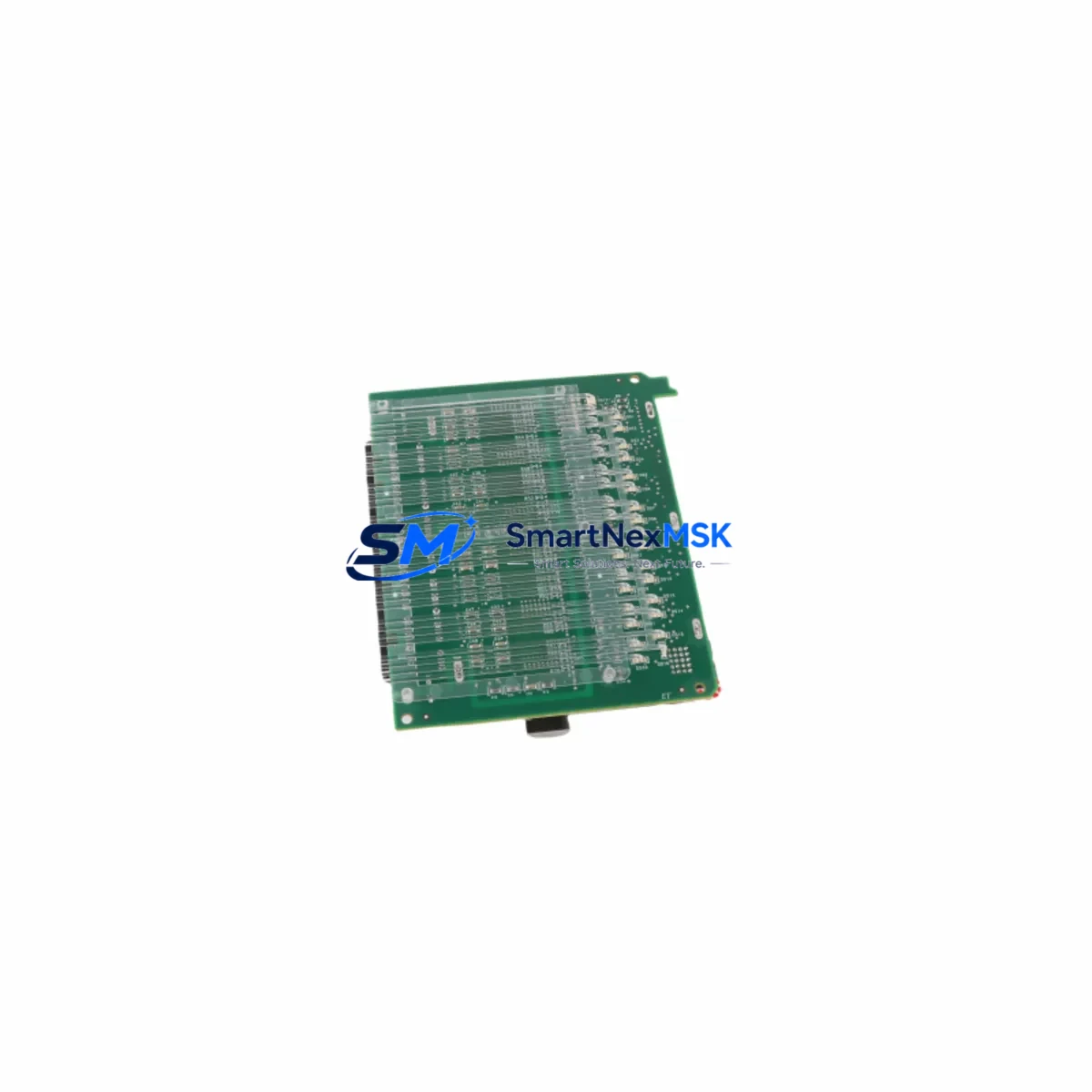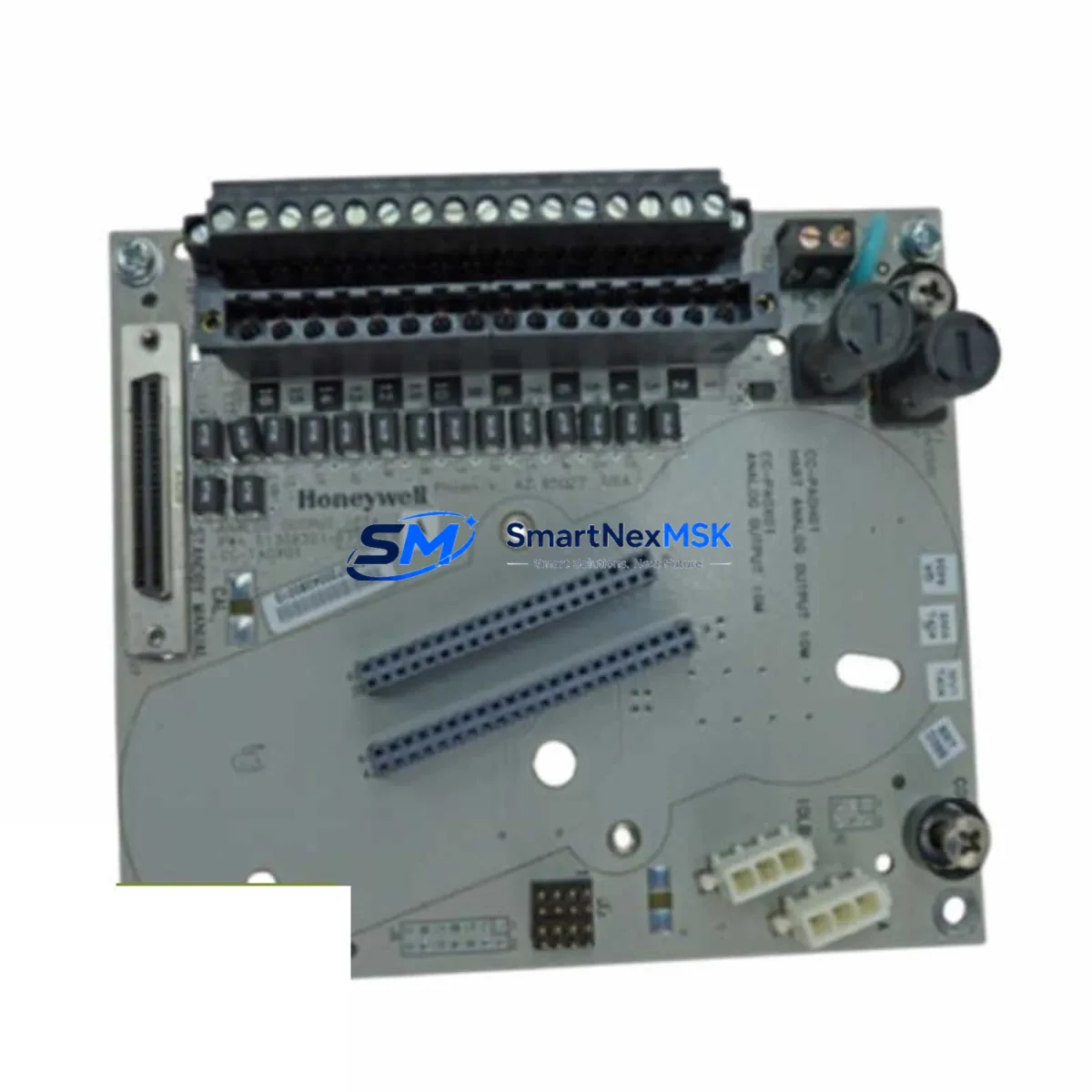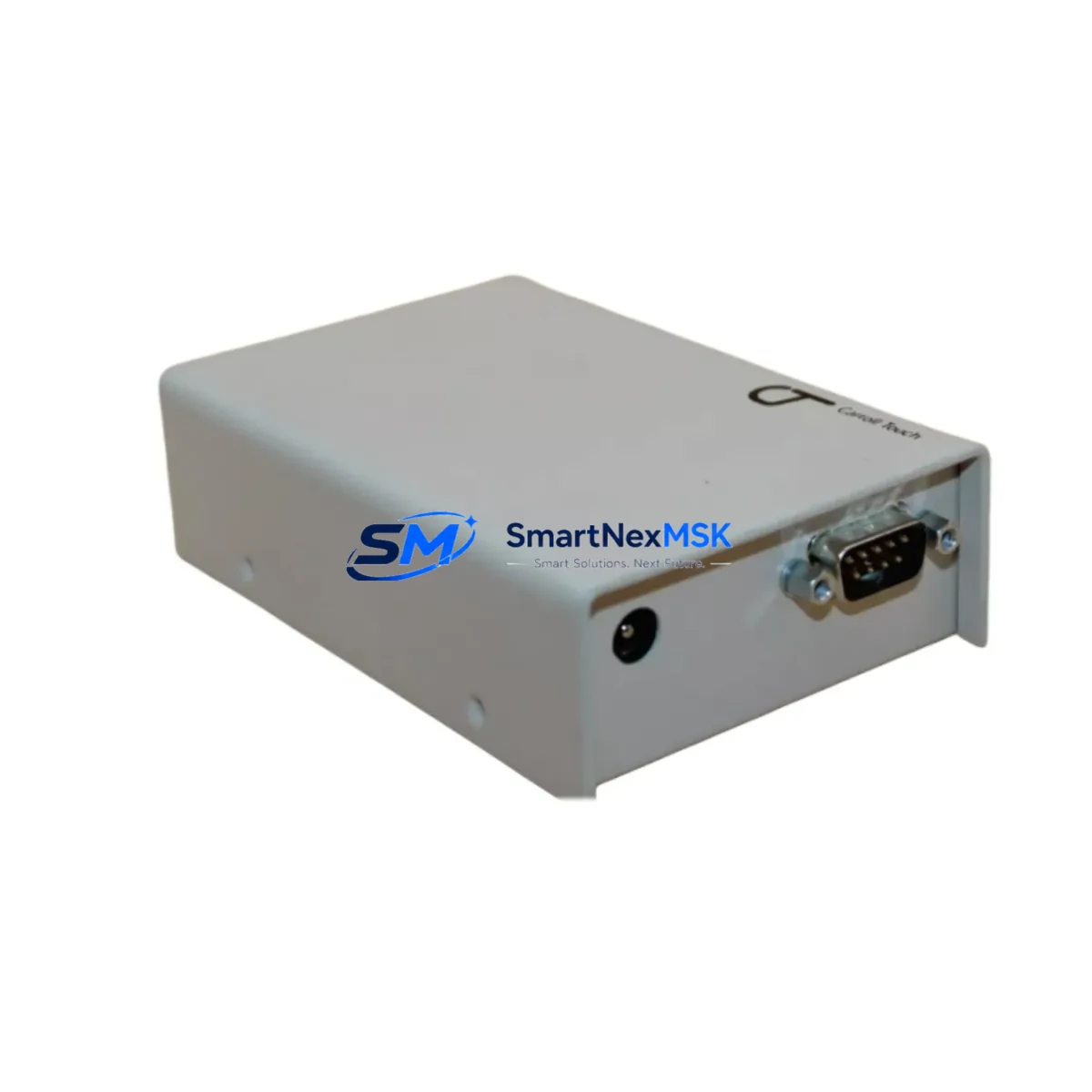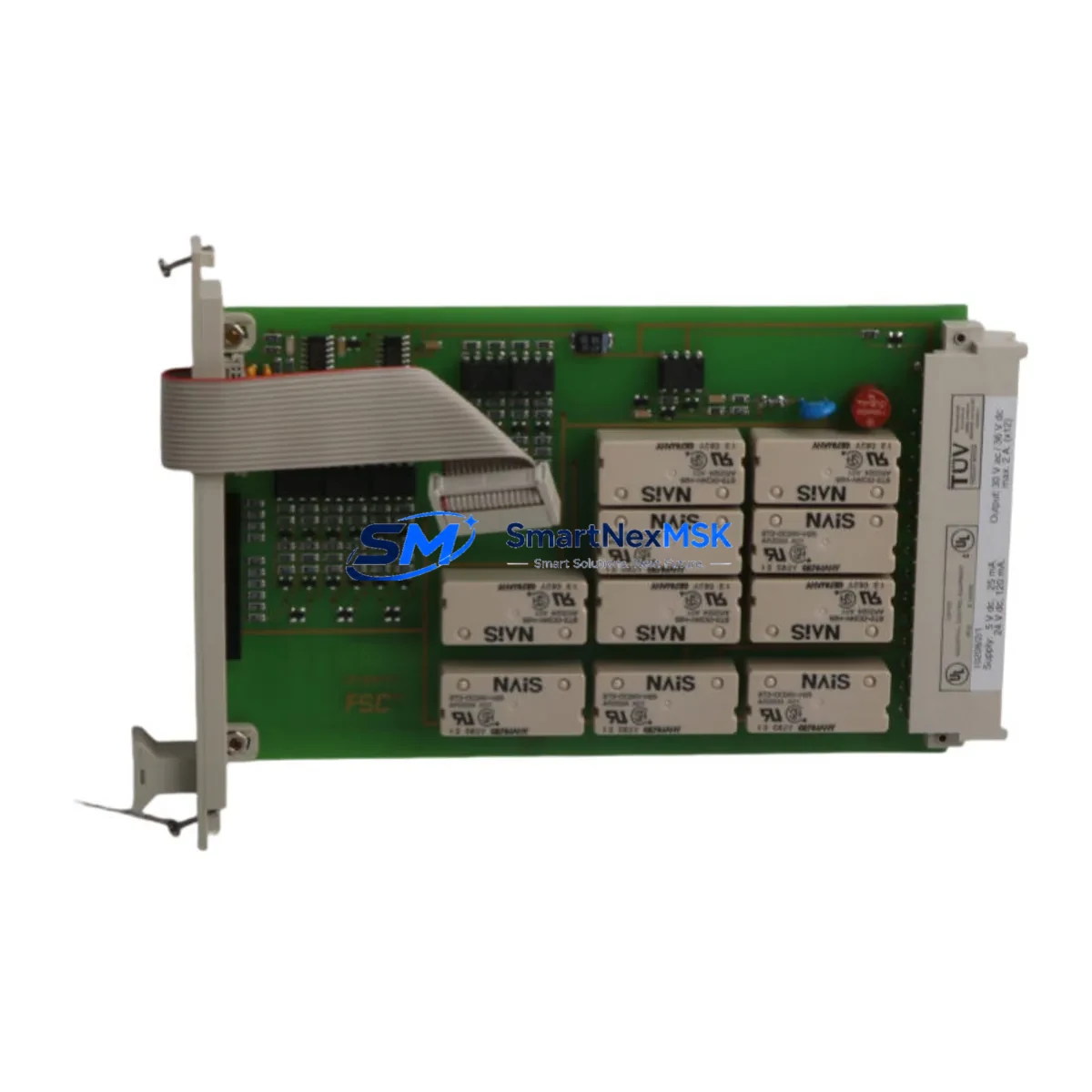
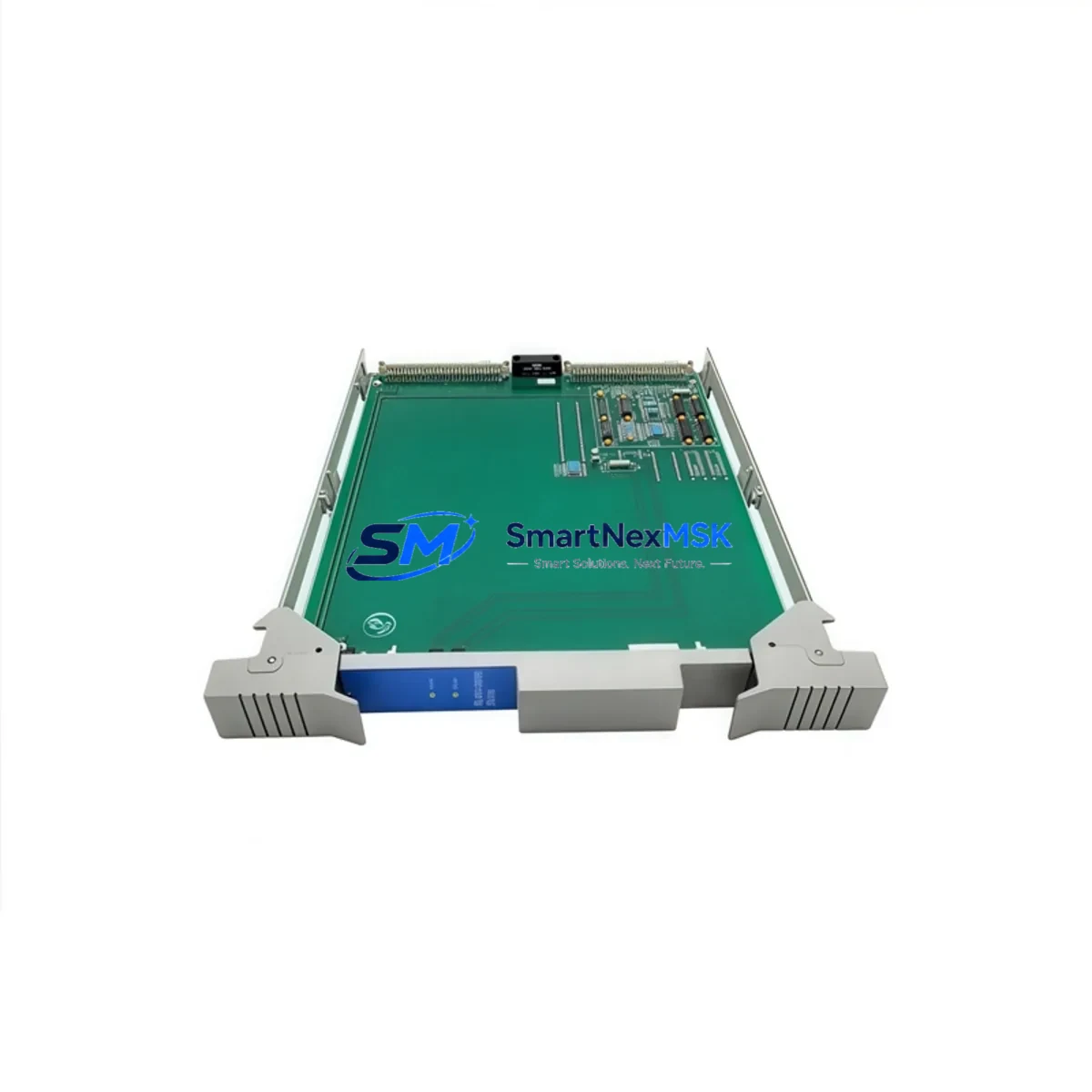
Honeywell 51304501-100 Safety-Enhanced Redundancy Driver for Harsh Industrial Sites
In continuous-process industries where a single point of control failure can cascade into a full-plant shutdown, the Honeywell 51304501-100 Redundancy Driver Module stands as a critical line of defense within the TDC 3000 Distributed Control System architecture. Designed to manage hot-standby failover between primary and backup control paths, this module ensures that process continuity is maintained even when a primary controller or communication path experiences a fault. For maintenance engineers operating in petrochemical complexes, power generation facilities, metallurgical plants, or water treatment stations, the 51304501-100 is not simply a spare part — it is a safety-critical component whose reliable operation directly determines whether a facility can sustain production through adverse conditions.
The 51304501-100 operates within the TDC 3000 Local Control Network (LCN) and Highway Gateway environment, coordinating redundancy switching between paired process modules. Its internal logic continuously monitors the health status of the primary module and executes bumpless transfer to the standby unit within milliseconds when a fault is detected. This sub-second switchover capability is essential in applications where process variables such as reactor temperature, column pressure, or turbine speed cannot tolerate even brief control interruptions. The module’s ruggedized design accommodates the electromagnetic interference levels typical of heavy industrial environments, including variable-frequency drive noise, high-voltage bus proximity, and radio-frequency emissions from portable maintenance equipment.
When planning a control cabinet inspection or scheduled turnaround that involves the 51304501-100, maintenance teams should treat the redundancy driver as part of a broader system health assessment. The module interfaces directly with the TDC 3000 Process Manager (PM) and Extended Controller (EC) cards, and any degradation in the PM’s backplane connectors or the EC’s internal power rails can mask or trigger false redundancy events. It is therefore standard practice to simultaneously inspect the associated 51304493-150 communication module, which handles LCN data exchange, and to verify that the 51401288-100 power supply module is delivering stable, within-spec DC voltage to the redundancy subsystem. Voltage ripple or transient spikes from an aging power supply are among the most common root causes of spurious redundancy switchovers in TDC 3000 installations.
Signal integrity across the redundancy path also depends on the condition of the LCN coaxial cable segments and their associated 51190494-100 LCN tap units. Corroded tap connections or impedance mismatches introduced by cable aging can cause the 51304501-100 to misinterpret communication latency as a primary module fault, triggering unnecessary switchovers that accumulate wear on both the primary and standby paths. During any inspection involving the redundancy driver, technicians should use a network analyzer to verify LCN signal levels at each tap point and replace any tap units showing insertion loss outside the specified range.
For facilities managing aging TDC 3000 infrastructure, the 51304501-100 is frequently paired with the 51304485-100 Hiway Gateway module and the 51309276-175 Universal Station interface cards as part of a coordinated life-extension strategy. Replacing the redundancy driver while leaving degraded gateway or interface hardware in place defeats the purpose of the upgrade, since a healthy redundancy driver cannot compensate for communication failures originating upstream or downstream in the control hierarchy. A holistic spare parts strategy should therefore include buffer stock of the 51304501-100 alongside the associated gateway and interface modules to enable rapid, complete restoration of redundancy capability following any fault event.
From a procurement perspective, the 51304501-100 is a long-lead item in the open market due to Honeywell’s discontinuation of active manufacturing support for legacy TDC 3000 hardware. Facilities that rely on this module for safety-critical redundancy should maintain a minimum of one verified spare unit on-site, with a second unit held at a regional warehouse or sourced through a qualified industrial automation distributor. Each unit supplied by SMARTNEXMSK undergoes pre-shipment functional verification, including redundancy switching simulation and communication path integrity testing, before dispatch. All units are covered by a 12-month warranty against manufacturing defects and functional failure under normal operating conditions.
Safety Reliability Table
| Parameter | Specification |
|---|---|
| Part Number | 51304501-100 |
| Brand / Manufacturer | Honeywell |
| Series / Platform | TDC 3000 DCS |
| Module Function | Hot-Standby Redundancy Driver — primary/backup failover control |
| Switchover Time | Bumpless transfer, <100 ms typical |
| Network Interface | Local Control Network (LCN), TDC 3000 Highway |
| EMI / RFI Tolerance | Ruggedized for heavy industrial environments |
| Operating Temperature | 0°C to 60°C (32°F to 140°F) |
| Humidity Range | 5% to 95% RH, non-condensing |
| Power Requirement | Supplied via TDC 3000 backplane (5 VDC / 24 VDC) |
| Compatibility | TDC 3000 Process Manager, Extended Controller, Hiway Gateway |
| Condition | Original Honeywell hardware, functionally tested |
| Pre-Shipment Testing | Redundancy switching simulation, communication path verification |
| Warranty | 12-Month Warranty — defect and functional failure coverage |
| Lead Time | In stock — ships within 3–5 business days |
| Origin | USA (Honeywell manufactured) |
Control Cabinet Protection Strategy
A TDC 3000 control cabinet housing the 51304501-100 Redundancy Driver Module is a complex ecosystem of interdependent hardware, and its safety performance depends on the coordinated health of every component in the redundancy chain. When commissioning or inspecting a cabinet that includes this module, engineers should begin with the power distribution layer: the 51401288-100 power supply module must be verified for output voltage stability under full load, as any deviation beyond ±2% can compromise the redundancy driver’s internal logic. Inline fuse holders and terminal blocks on the 24 VDC distribution rail should be inspected for signs of thermal stress or contact oxidation, which can introduce resistance that mimics a power fault.
Moving to the communication layer, the 51304493-150 LCN communication module and its associated coaxial cable infrastructure form the data backbone over which the 51304501-100 monitors primary module health. Any degradation in the 51190494-100 LCN tap units — including loose center-pin connections or cracked dielectric — will introduce signal reflections that the redundancy driver may interpret as communication faults. Signal isolators installed on analog I/O loops feeding the Process Manager should also be checked, as ground loops introduced through poorly isolated field wiring can couple noise into the backplane and affect redundancy logic stability.
On the I/O side, the 51304516-150 Analog Input module and associated 51304441-150 Analog Output module should be inspected for channel drift or calibration offset, since a redundancy switchover that occurs during a process upset may expose latent I/O errors that were masked by the primary controller’s compensation algorithms. Relay output modules in the same cabinet should be tested for contact integrity, particularly on interlock circuits where a welded or open contact could prevent a safe shutdown following a redundancy event. The 51309276-175 Universal Station interface cards, if present, should be verified for firmware compatibility with the current LCN software revision to prevent communication handshake failures after a switchover.
Critical Industrial Safety Applications
The Honeywell 51304501-100 Redundancy Driver Module is deployed across a wide range of safety-critical industrial environments where control continuity is non-negotiable. In petrochemical refineries, it protects distillation column control loops where a loss of temperature or pressure regulation can trigger emergency depressurization or flare events. In combined-cycle power plants, the module maintains redundancy across turbine governor control paths, ensuring that load-following commands are executed without interruption during grid frequency transients. Metallurgical facilities operating electric arc furnaces rely on TDC 3000 redundancy architecture to maintain electrode positioning control, where a control interruption lasting more than a few seconds can result in electrode damage and unplanned furnace downtime.
Water treatment and desalination plants operating under continuous-flow mandates use the 51304501-100 to protect chemical dosing and filtration control loops, where a control failure could compromise effluent quality and trigger regulatory non-compliance events. In mining operations, the module is found in conveyor system control cabinets and crusher automation panels, where its hot-standby capability prevents ore processing interruptions that would propagate through the entire beneficiation chain. Port and terminal automation systems managing ship-to-shore crane operations and bulk material handling also benefit from TDC 3000 redundancy architecture, where the 51304501-100 ensures that crane positioning and load management commands remain active even during a primary controller fault.
Across all these applications, the common requirement is a redundancy driver that can be sourced reliably, verified before installation, and supported with a warranty that covers the full commissioning and initial operating period. SMARTNEXMSK maintains inventory of the 51304501-100 specifically to serve facilities operating legacy TDC 3000 systems in these demanding environments, providing a dependable supply chain for a component that is no longer available through standard Honeywell distribution channels.
Safety and Quality FAQ
Q1: What does the 12-month warranty cover for the 51304501-100?
The 12-month warranty covers all manufacturing defects and functional failures under normal operating conditions, including redundancy switching failures, communication interface faults, and backplane connector defects. It does not cover damage resulting from incorrect installation, overvoltage events beyond the module’s rated tolerance, or physical damage incurred after delivery. Warranty claims are processed with priority turnaround to minimize site downtime.
Q2: How is the 51304501-100 tested before shipment?
Each unit undergoes a pre-shipment functional verification protocol that includes redundancy switching simulation — confirming that the module correctly detects a primary path fault and executes bumpless transfer to the standby path — as well as LCN communication path integrity testing and backplane connector inspection. Units that do not pass all test criteria are quarantined and not dispatched.
Q3: Is the 51304501-100 compatible with all TDC 3000 system revisions?
The 51304501-100 is compatible with TDC 3000 systems running standard LCN architecture, including installations with Process Manager, Extended Controller, and Hiway Gateway configurations. Compatibility with specific firmware revisions of the LCN software should be verified against the Honeywell TDC 3000 hardware compatibility matrix for your system version. Our technical team can assist with compatibility confirmation prior to purchase.
Q4: What is the long-term supply outlook for the 51304501-100?
Honeywell has discontinued active manufacturing of TDC 3000 hardware, making the 51304501-100 a market-sourced component available only through specialist industrial automation distributors. SMARTNEXMSK maintains a dedicated inventory of verified units to support facilities with ongoing TDC 3000 operations. We recommend that sites with critical redundancy dependencies maintain at least one on-site spare and engage with us for a long-term supply agreement to ensure availability when needed.
© 2026 SMARTNEXMSK. All rights reserved.
Original Source: https://smartnexmsk.com
Contact: [email protected] | +86 18259474341