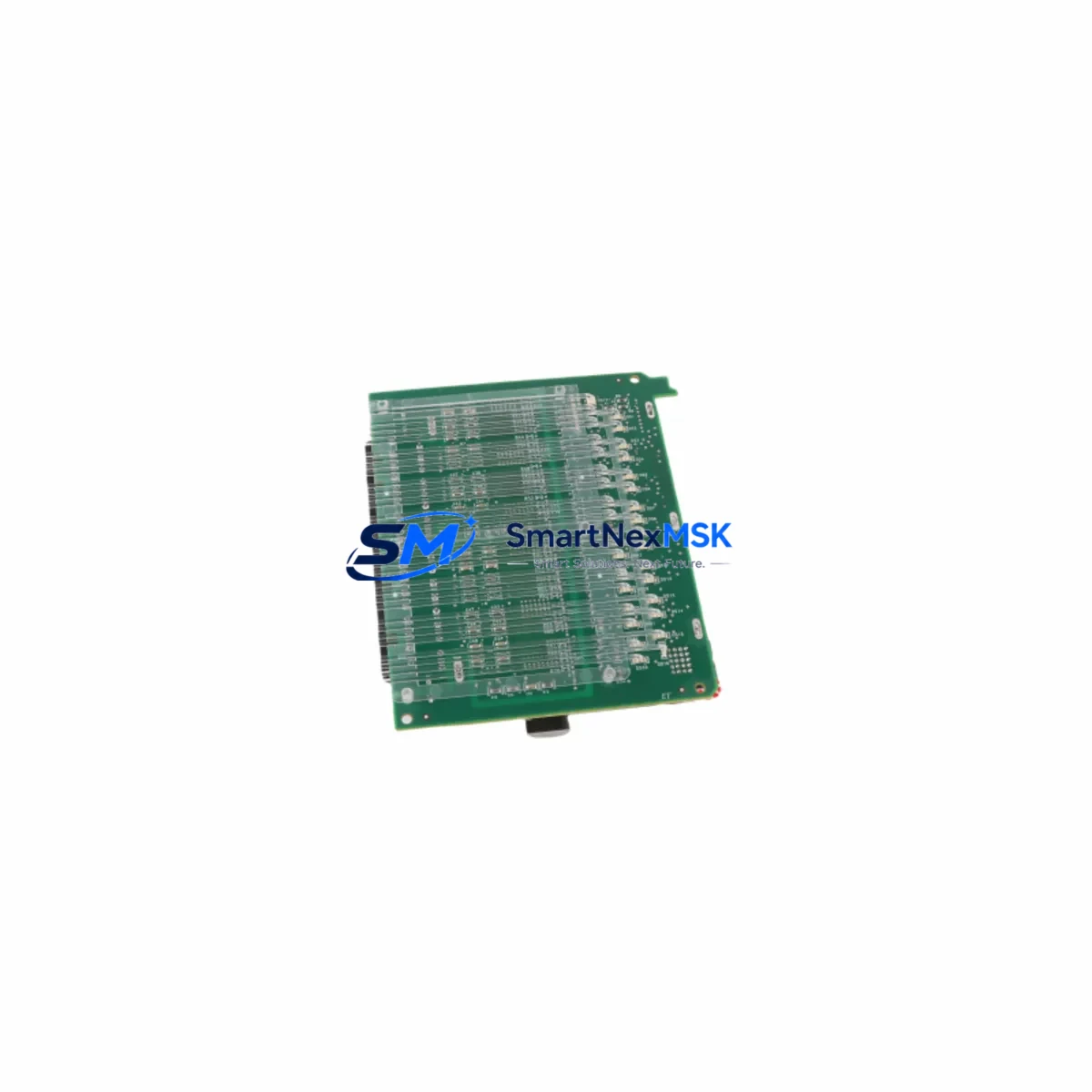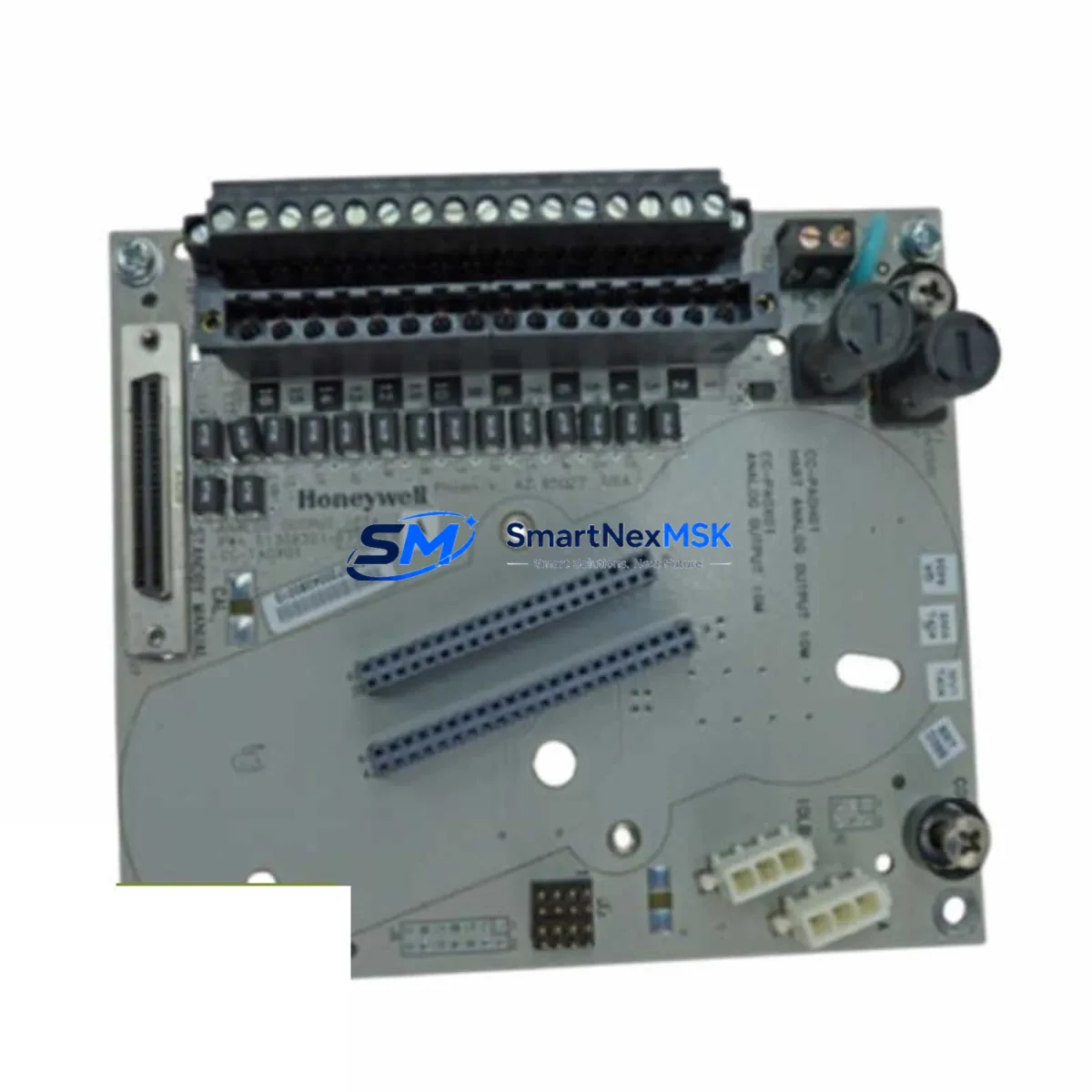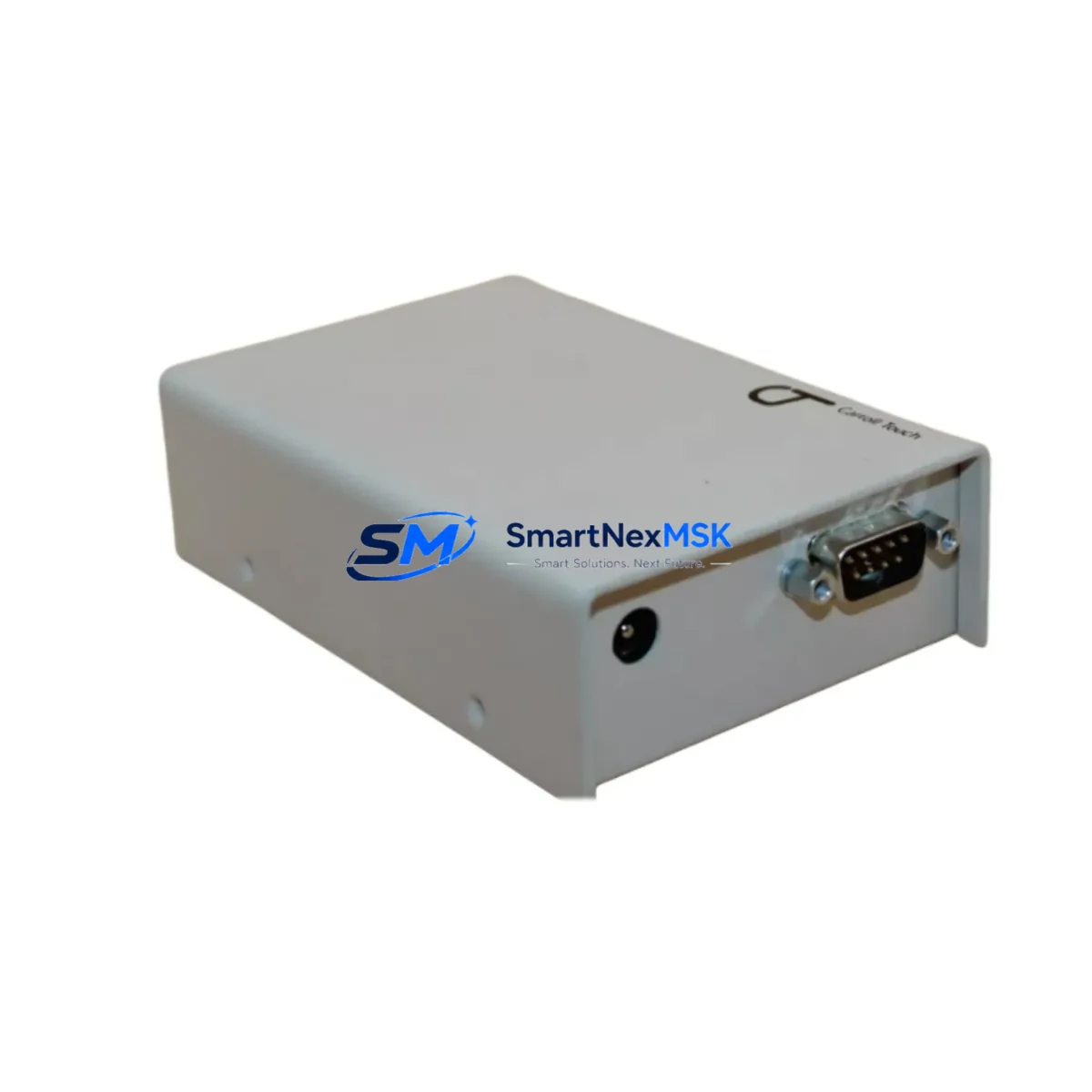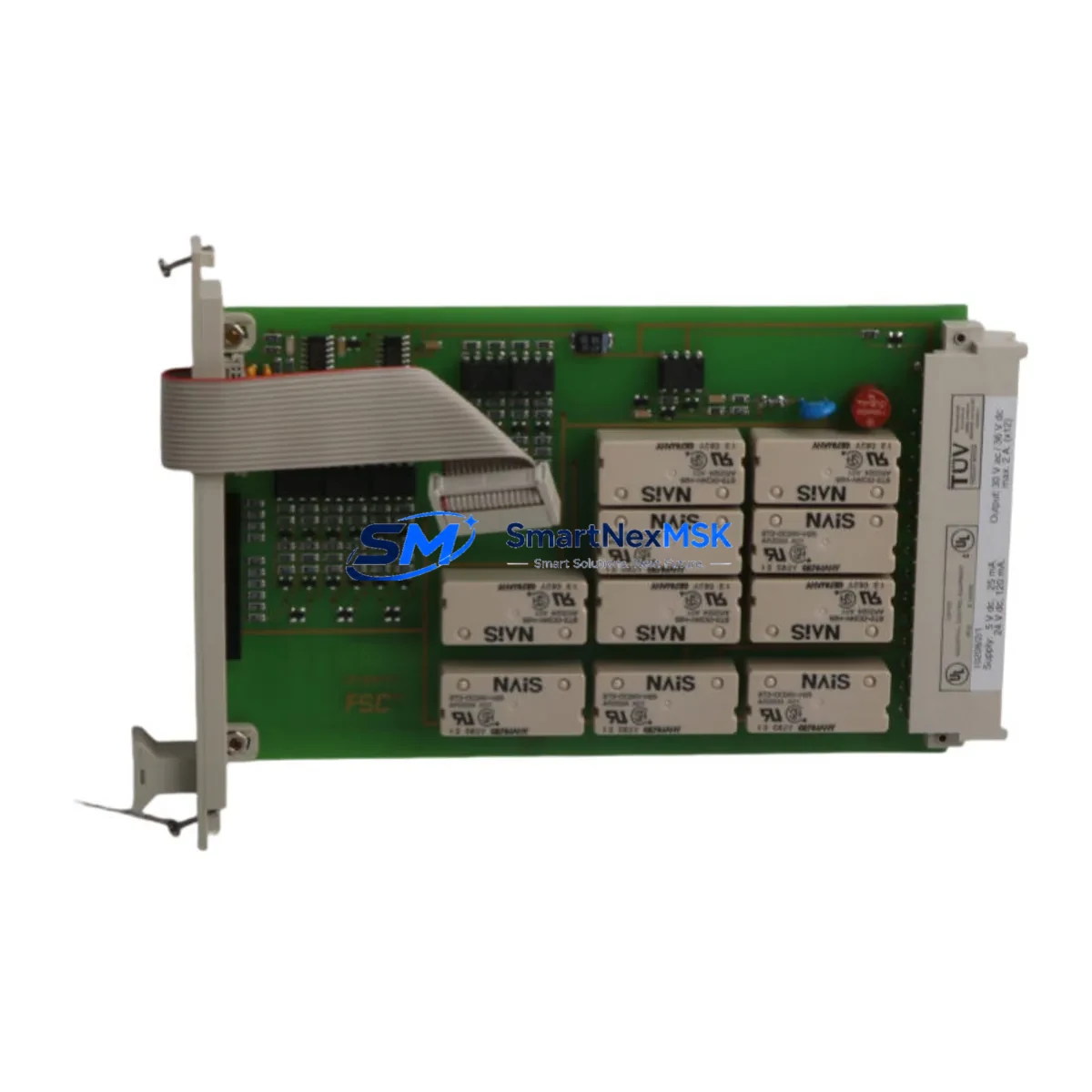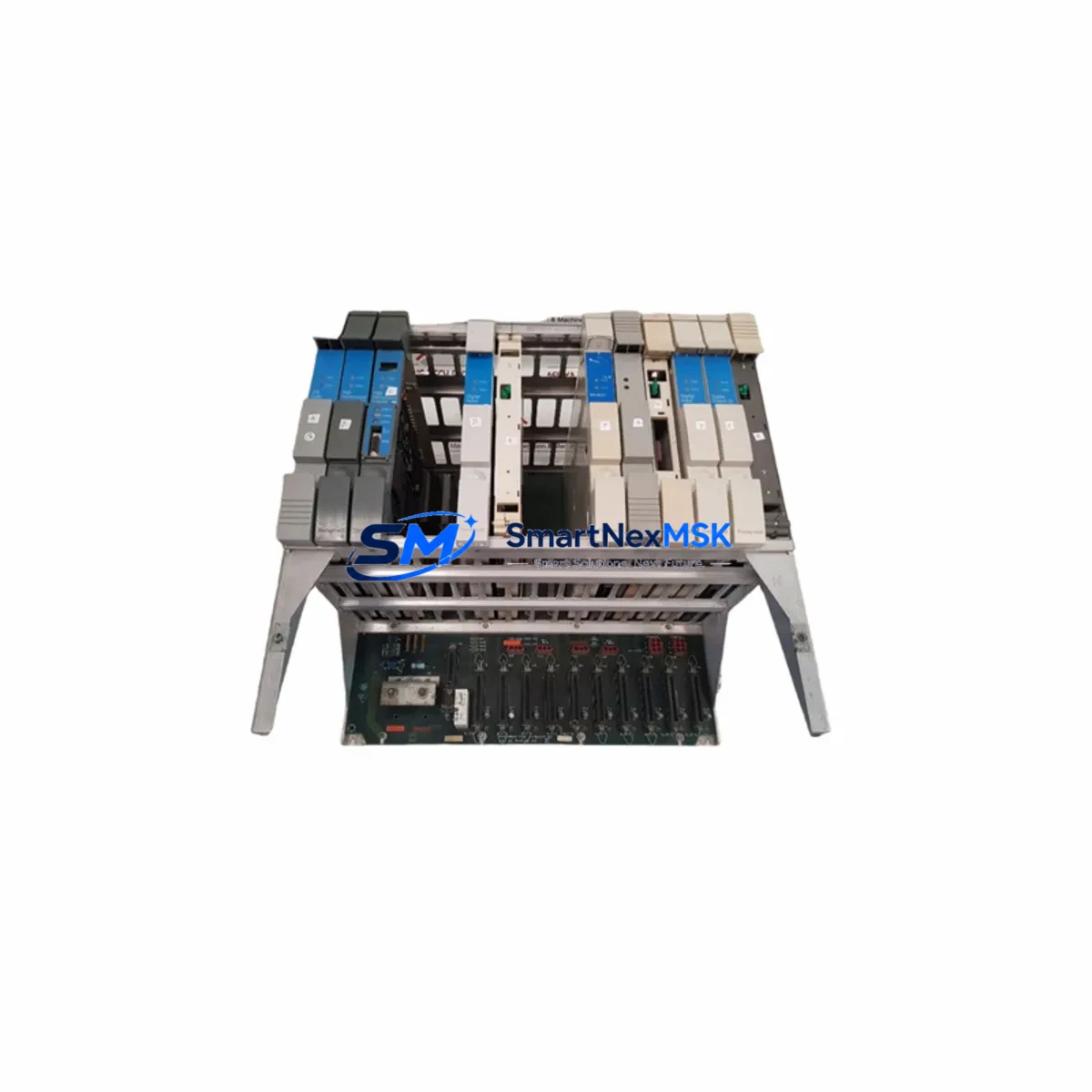
Honeywell 51401547-100 Retrofit-Ready DCS Module for TDC-3000 Control Systems
The Honeywell 51401547-100 is a proven DCS control module engineered for seamless integration into legacy TDC-3000 distributed control system architectures. As industrial facilities face increasing pressure to extend the operational life of aging automation infrastructure while managing capital expenditure, this module delivers a cost-effective, drop-in compatible solution for control cabinet upgrades, I/O expansion, and system restoration projects. Whether you are replacing a failed unit on an active production line or executing a planned migration away from discontinued hardware, the 51401547-100 provides the reliability and compatibility your engineering team demands.
Sourced from verified inventory channels and subjected to pre-shipment functional testing, each unit is backed by a 12-month warranty covering manufacturing defects and operational failures under normal service conditions. Global logistics support ensures delivery to refineries, chemical plants, power generation facilities, and discrete manufacturing sites across Asia-Pacific, the Middle East, Europe, and the Americas.
Upgrade Compatibility Table
| Parameter | Details |
|---|---|
| SKU / Part Number | 51401547-100 |
| Brand | Honeywell |
| Compatible Platform | TDC-3000 Distributed Control System |
| Backplane Interface | TDC-3000 standard card cage / UCN backplane |
| Installation Requirement | Direct card-slot insertion; no mechanical modification required |
| Communication Compatibility | UCN (Universal Control Network), LCN (Local Control Network) |
| Replacement Recommendation | Direct drop-in for failed or end-of-life 51401547-100 units |
| Commissioning Notes | Verify module address assignment, confirm I/O channel mapping, validate HMI tag references before hot-swap or cold-start |
| Pre-Shipment Testing | Functional burn-in test performed on every unit |
| Warranty | 12 months from date of shipment |
| Country of Origin | United States |
| Weight | 2.0 kg (approx.) |
Retrofit Planning for Existing Automation Systems
A successful retrofit of the Honeywell 51401547-100 into an operating TDC-3000 environment requires systematic pre-installation planning. Engineers should begin by auditing the existing card cage configuration, confirming available slot positions within the Honeywell MC-PAIH03 or equivalent process manager chassis, and verifying that the backplane bus is free of faults before insertion.
Power budget verification is a critical first step. The TDC-3000 power supply modules — such as the Honeywell 51109684-100 power supply — must have sufficient headroom to support the additional module load. Overloaded power rails are a common cause of intermittent faults during retrofit commissioning and should be measured under full-load conditions prior to any hardware change.
Terminal wiring adaptation is frequently required when replacing older I/O modules. Field wiring connected to the original module’s marshalling cabinet must be verified against the 51401547-100 terminal assignment drawing. In many TDC-3000 installations, the Honeywell 51304485-100 termination assembly or equivalent field termination panel provides the interface between field cables and the module’s I/O connector, and its condition should be inspected before reuse.
Module address configuration must be completed before the unit is powered. In TDC-3000 systems, module addresses are typically set via DIP switches or jumper blocks on the card itself. Confirm the address against the existing system database to prevent conflicts with other nodes on the UCN network. Address conflicts can cause communication failures across multiple controllers and should be resolved before the module is brought online.
Program compatibility should be validated using the Honeywell Engineering Workstation (EWS) or equivalent configuration tool. Control strategies, PID loop parameters, and alarm setpoints stored in the existing controller — such as the Honeywell HPM (High-Performance Process Manager) — must be reviewed to confirm that I/O channel assignments remain consistent after the module swap. Any remapping of analog input or output channels will require corresponding updates to the control database.
HMI screen validation is equally important. Operator displays built on the Honeywell GUS (Global User Station) or legacy US (Universal Station) reference specific tag names and I/O point addresses. After module replacement, each affected display should be tested in simulation mode to confirm that process values, alarm states, and control faceplate functions are rendering correctly before returning the loop to automatic control.
Communication link integrity must be confirmed across the UCN and LCN segments. Use the TDC-3000 network diagnostic utilities to verify that the replaced module is visible on the network, that its node status is healthy, and that data highway traffic is not disrupted. In systems where a Honeywell NIM (Network Interface Module) bridges the UCN to a higher-level LCN segment, confirm that the NIM’s routing tables are unaffected by the module change.
For facilities undertaking broader migration from TDC-3000 to Experion PKS or a third-party DCS platform, the 51401547-100 can serve as a bridge component — maintaining process stability in the legacy system while migration engineering proceeds in parallel. In such projects, Honeywell C300 controllers and associated CHARM I/O modules are commonly deployed in the new system while the TDC-3000 hardware continues to operate critical loops, reducing the risk of simultaneous cutover across the entire plant.
Downtime Control During System Migration
Minimizing unplanned downtime is the primary operational concern during any DCS module replacement. For the Honeywell 51401547-100, the recommended approach is a staged hot-swap procedure where the process loop is first transferred to manual control at the operator station, the failed module is extracted from the card cage, the replacement unit is inserted and addressed, and the loop is returned to automatic control only after communication and I/O health checks are confirmed.
Before any physical intervention, the existing control program logic should be exported and archived from the Honeywell Engineering Workstation. This backup protects against accidental database corruption during the swap and provides a recovery baseline if the replacement module requires re-initialization. In facilities where the TDC-3000 historian — such as the Honeywell PHD (Process Historian Database) — is active, confirm that data collection for the affected tags is suspended and resumed cleanly to avoid gaps in the process record.
For planned maintenance windows, a parallel commissioning approach is recommended: configure and test the replacement 51401547-100 on a bench or in a spare slot before the scheduled outage, so that the live swap can be completed within a single shift. This approach, combined with pre-verified wiring adapters and a confirmed module address, typically reduces the active intervention window to under two hours for a single-module replacement in a standard TDC-3000 card cage.
Post-installation, a structured loop check covering all I/O channels, alarm thresholds, and interlock logic should be completed before the unit is released to operations. Document the replacement in the plant’s maintenance management system, including the new module’s serial number, installation date, and test results, to support future warranty claims and audit compliance.
Retrofit Support FAQ
Q1: Is the Honeywell 51401547-100 a direct replacement for the original part, or are there wiring or configuration changes required?
The 51401547-100 is designed as a direct drop-in replacement for the same part number within TDC-3000 card cage installations. In most cases, no wiring changes are required if the original termination assembly and field cables are intact. However, engineers should verify the module address setting and confirm I/O channel mapping in the control database before returning the loop to automatic operation. Minor configuration updates may be needed if the original module’s database entry was customized.
Q2: What commissioning steps are required after installing the replacement module?
After physical installation, confirm the module address via DIP switch or jumper configuration, power up the card cage, and verify that the module appears as a healthy node on the UCN network using TDC-3000 diagnostic tools. Perform a full I/O channel check, validate HMI tag references on the operator station, and test all associated alarm and interlock functions before releasing the loop to automatic control. A signed loop check record should be completed and filed in the plant maintenance system.
Q3: Has the unit been tested before shipment, and what does the 12-month warranty cover?
Yes. Every Honeywell 51401547-100 unit supplied by SMARTNEXMSK undergoes a functional burn-in test prior to shipment to verify electrical integrity and basic operational performance. The 12-month warranty covers manufacturing defects and operational failures arising under normal service conditions from the date of shipment. It does not cover damage resulting from incorrect installation, overvoltage events, or physical mishandling. Warranty claims are supported by our technical team at [email protected].
Q4: Can this module be used in a migration project from TDC-3000 to a modern DCS platform?
Yes. The 51401547-100 is frequently used as a stabilization component during phased migration projects, allowing critical process loops to remain on the TDC-3000 platform while new hardware — such as Honeywell Experion PKS controllers or third-party DCS equipment — is commissioned in parallel. This approach reduces the risk of simultaneous cutover and allows engineering teams to validate the new system against live process data before final switchover. Our team can advise on migration sequencing and compatible hardware based on your specific plant configuration.
© 2026 SMARTNEXMSK. All rights reserved.
Original Source: https://smartnexmsk.com
Contact: [email protected] | +86 18259474341