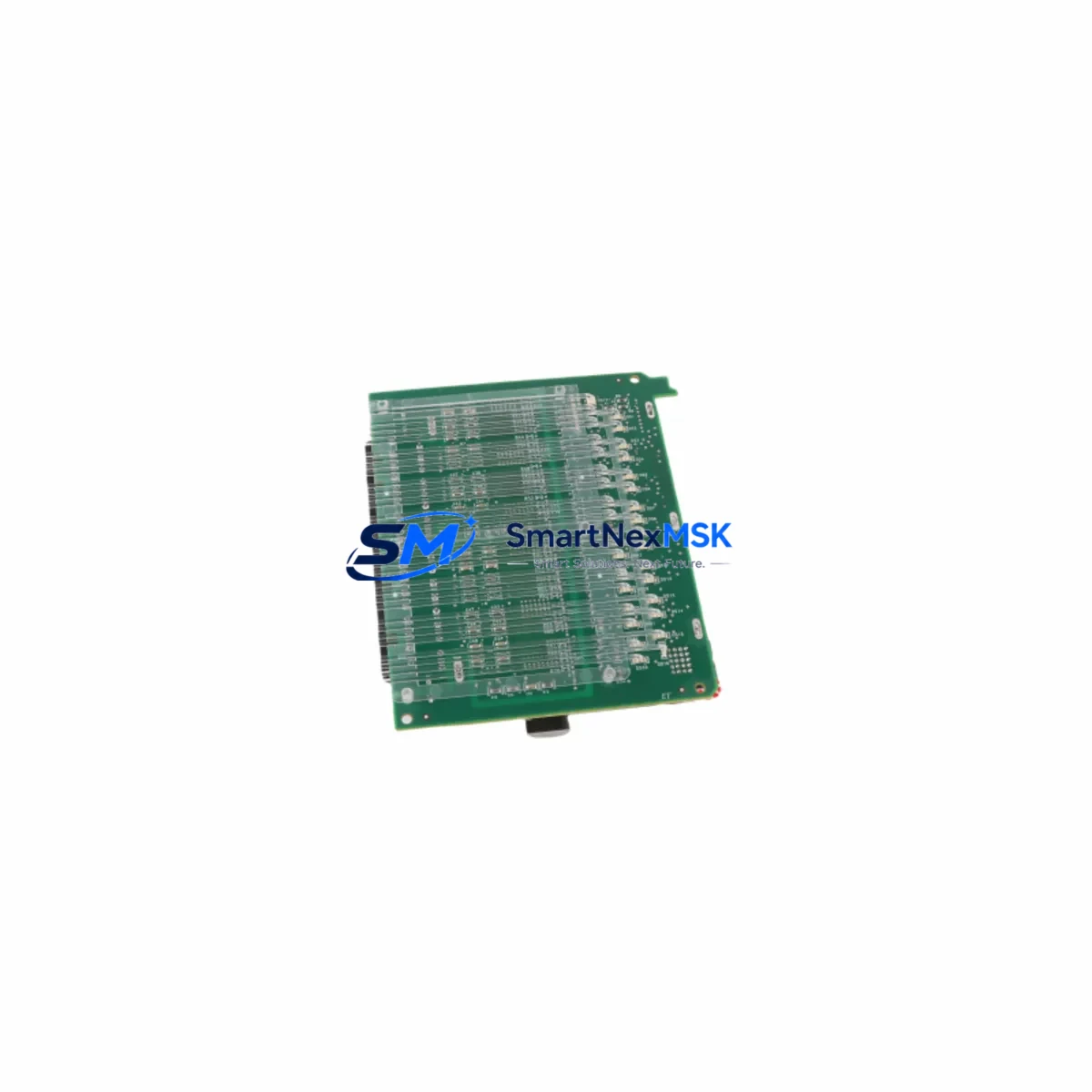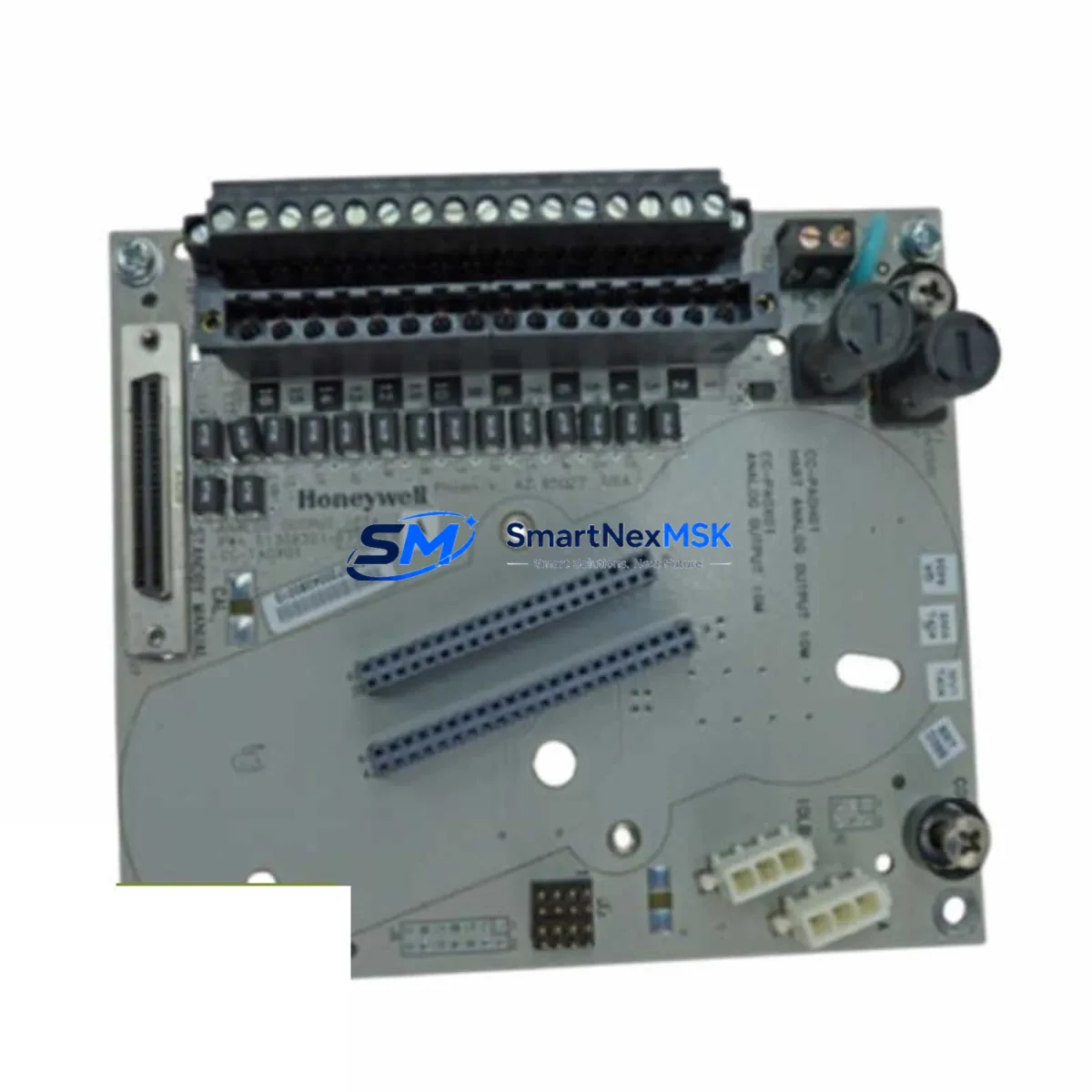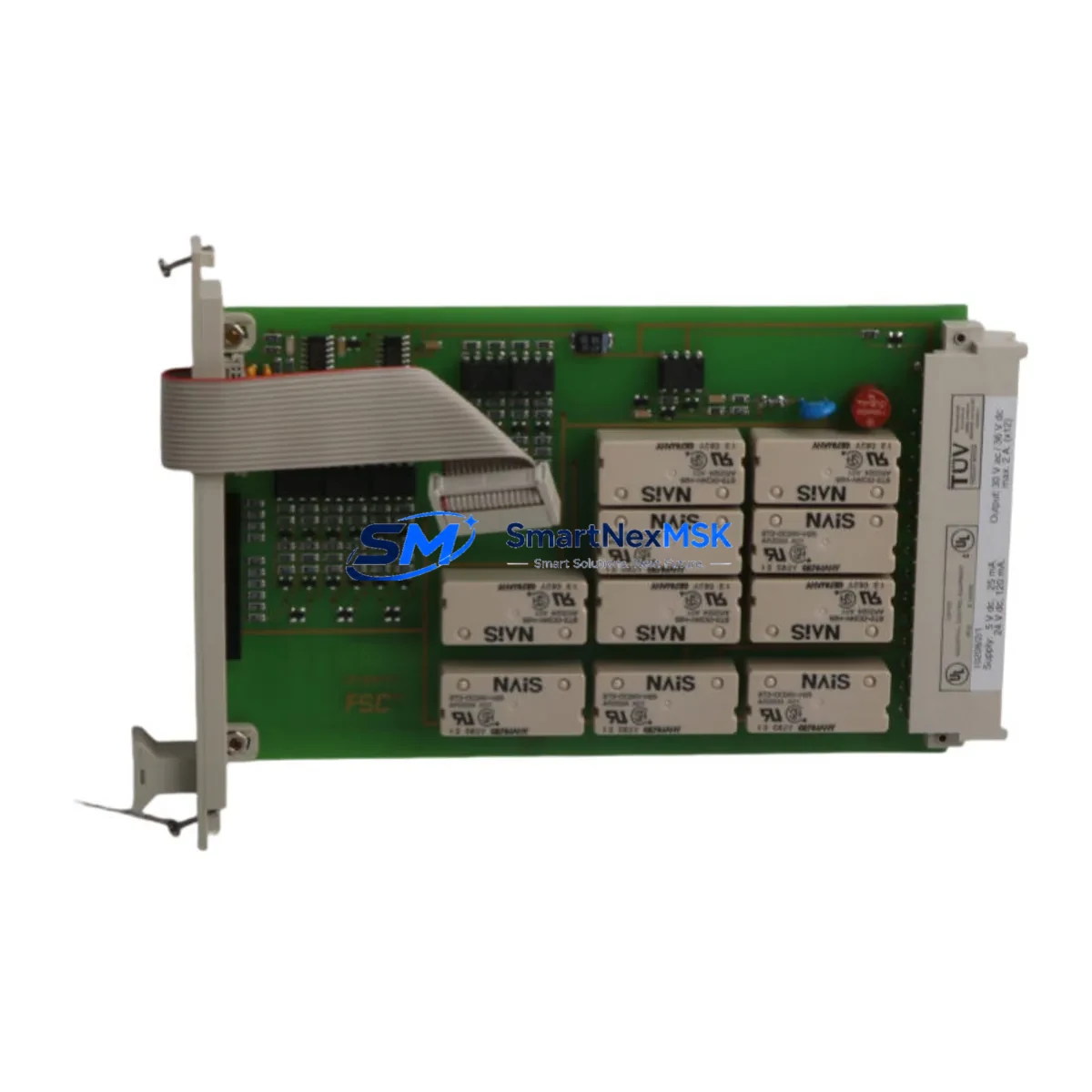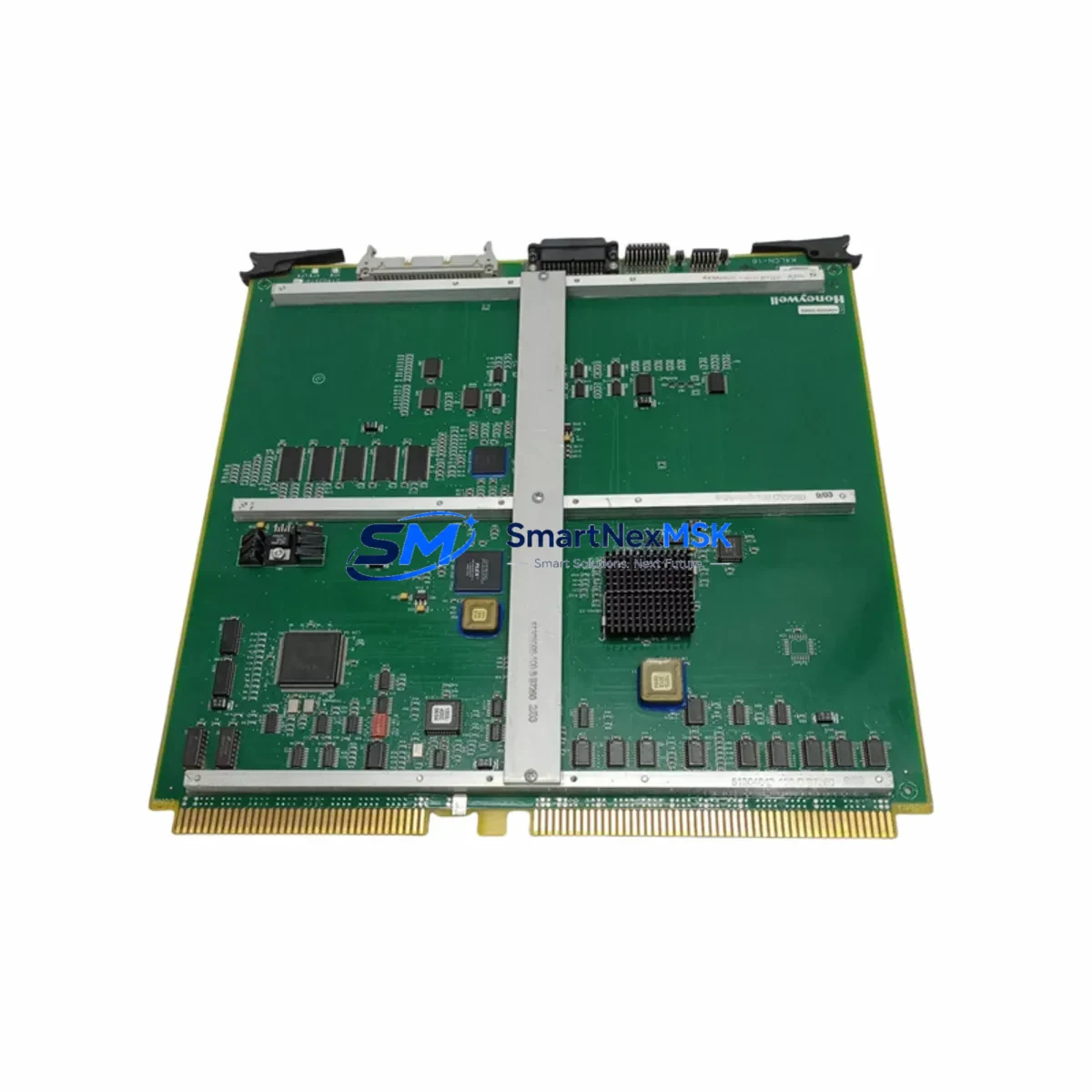
Honeywell 51403519-160 K4LCN-16 Spare for TDC 3000 Automation
The Honeywell 51403519-160 K4LCN-16 is a Local Control Network (LCN) Memory Processor Module designed for the Honeywell TDC 3000 Distributed Control System — one of the most widely deployed DCS platforms in refining, petrochemical, power generation, and continuous process industries. As a maintenance-ready original spare, this module supports rapid slot-for-slot replacement in existing LCN node cabinets, enabling maintenance teams to restore full DCS functionality with minimal downtime exposure.
For facilities operating legacy TDC 3000 infrastructure, the K4LCN-16 remains a critical component in sustaining LCN node performance. Its role in memory management and inter-node communication makes it a high-priority item on any planned maintenance BOM or emergency spare shelf. Procurement engineers sourcing this module should verify firmware revision compatibility with the target node’s existing LCN configuration before installation.
This unit is sourced as an original Honeywell spare, subject to full functional testing prior to dispatch, and covered by a 12-month warranty. Fast international shipping is available with export documentation support for cross-border procurement.
Spare Maintenance Table
| Parameter | Specification / Detail |
|---|---|
| Part Number | 51403519-160 |
| Model | K4LCN-16 |
| Brand | Honeywell |
| Series | TDC 3000 / LCN (Local Control Network) |
| Module Type | LCN Memory Processor Module |
| Product Category | DCS Memory Processor Module |
| Compatible System | Honeywell TDC 3000 DCS — LCN Node Cabinet |
| Installation | Slot-for-slot replacement in LCN node chassis |
| Operating Environment | Industrial control room / DCS cabinet (climate-controlled) |
| Origin | United States (Original Honeywell) |
| Condition | Original spare — functionally tested before shipment |
| Warranty | 12 Months |
| Shipping | International express with export documentation |
| Maintenance Role | LCN node memory management, inter-node communication support |
| Replacement Scenario | Planned overhaul, emergency swap, system life extension |
Maintenance Planning for Continuous Operation
When scheduling a replacement of the 51403519-160 K4LCN-16 in a TDC 3000 LCN node, a thorough cabinet inspection is essential to prevent cascading failures. Maintenance engineers should simultaneously inspect the LCN Interface Module (LIM) and Highway Gateway (HG) modules within the same node, as these components share the LCN communication bus and are subject to similar aging profiles.
Power integrity is a common root cause of memory processor faults. Before installing the replacement K4LCN-16, verify the output voltage and ripple of the Honeywell 51109944-175 or equivalent LCN power supply module serving the node chassis. A degraded power supply can cause repeated module failures and should be treated as a co-replacement candidate during any planned outage.
I/O integrity checks should cover the Process Manager I/O Link (PMIO) cards connected downstream of the LCN node. Faulty I/O cards can generate spurious LCN traffic that stresses the memory processor. Inspect 51304485-100 series analog input cards and 51304516-100 series digital output cards for signs of corrosion, loose terminations, or field wiring faults.
Communication continuity across the LCN should be validated using the Honeywell Network Interface Module (NIM) diagnostics. If the facility uses a Universal Control Network (UCN) gateway, inspect the UCN interface cards for firmware currency and connector integrity. For plants with Application Module (AM) or History Module (HM) nodes on the same LCN segment, confirm that node addresses and LCN cable termination resistors are correctly configured after the swap.
Terminal blocks and field wiring within the LCN cabinet should be inspected for torque compliance and insulation condition. Loose terminations on Honeywell 51196887-100 series terminal assemblies are a frequent source of intermittent faults that are misdiagnosed as processor failures. A complete cabinet inspection during the planned outage window maximizes the value of the maintenance event and reduces the probability of a repeat callout.
Site Replacement Workflow
Step 1 — Pre-Replacement Verification: Confirm the target node’s LCN address, firmware revision, and memory configuration against the as-built DCS documentation. Cross-reference the replacement 51403519-160 K4LCN-16 firmware label with the site’s approved revision list. If a firmware mismatch is identified, contact your DCS support team before proceeding.
Step 2 — System State Capture: Use the Honeywell Engineer’s Console or Universal Station (US) to capture a full node status snapshot and export current LCN configuration data. This provides a rollback baseline and confirms which process loops are served by the target node.
Step 3 — Controlled Shutdown: Place affected process loops in manual or cascade-hold mode at the operator station. Coordinate with the control room to confirm all loops are stable before initiating the node shutdown sequence. Avoid hot-swapping the K4LCN-16 without confirming the node supports live replacement in your specific TDC 3000 revision.
Step 4 — Module Exchange: Remove the faulty K4LCN-16 using the module extraction handle. Inspect the backplane connector for bent pins or contamination. Insert the replacement module firmly until the locking tabs engage. Restore node power and monitor LCN status indicators for normal boot sequence completion.
Step 5 — Post-Replacement Validation: Confirm node re-registration on the LCN segment via the Engineer’s Console. Perform loop checks on all I/O points served by the restored node. Return process loops to automatic control in a staged sequence, monitoring for alarm activity. Document the replacement in the site maintenance management system (CMMS).
This workflow minimizes unplanned downtime, preserves system compatibility, and ensures the replacement event is fully traceable for regulatory and audit purposes.
Spare Parts Support FAQ
Q1: Is the 51403519-160 K4LCN-16 compatible with all TDC 3000 LCN node revisions?
The K4LCN-16 is designed for the Honeywell TDC 3000 LCN architecture. Compatibility depends on the specific LCN node revision and firmware level deployed at your site. We recommend providing your node’s existing module revision and LCN software version when ordering so our technical team can confirm compatibility before shipment.
Q2: What testing is performed before shipment?
Every 51403519-160 K4LCN-16 unit undergoes functional verification prior to dispatch, including power-on self-test confirmation and visual inspection of the PCB, connectors, and firmware label. Units are packed in anti-static ESD-safe packaging with a test report included. All units are covered by a 12-month warranty from the date of shipment.
Q3: Can this module be used as a long-term inventory spare for aging TDC 3000 systems?
Yes. For facilities committed to extending the operational life of their TDC 3000 DCS, maintaining a stocked K4LCN-16 spare is a recognized best practice. As Honeywell has transitioned support focus to newer platforms, original spare availability on the open market is declining. Procuring verified original spares now reduces the risk of extended downtime due to parts unavailability during future fault events.
Q4: What is the lead time and do you support urgent or emergency orders?
Standard orders are processed and shipped within 1–3 business days. For emergency breakdown situations, expedited shipping options are available with same-day dispatch for in-stock units. Contact our team directly at [email protected] or +86 18259474341 to confirm stock status and arrange priority fulfillment.
© 2026 SMARTNEXMSK. All rights reserved.
Original Source: https://smartnexmsk.com
Contact: [email protected] | +86 18259474341