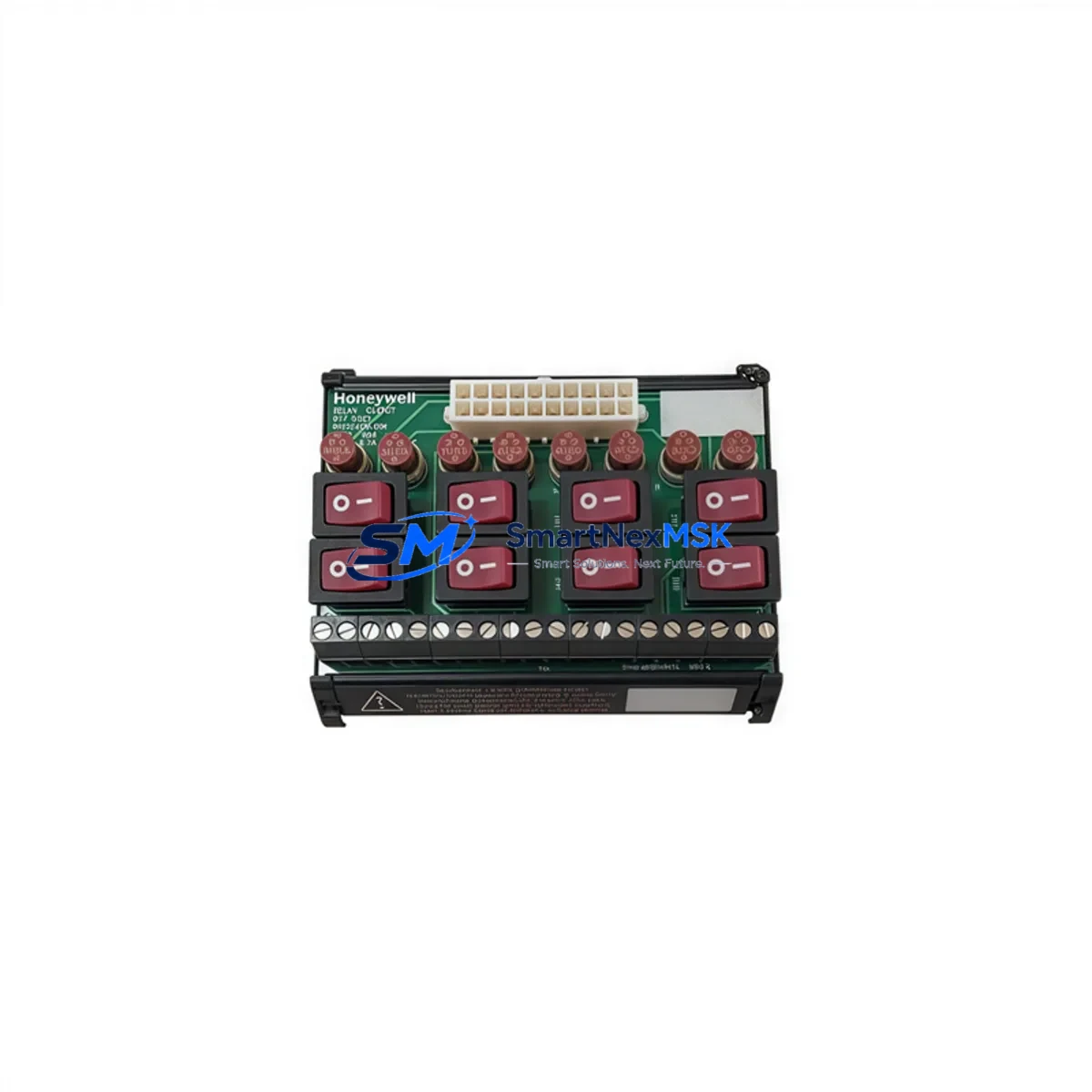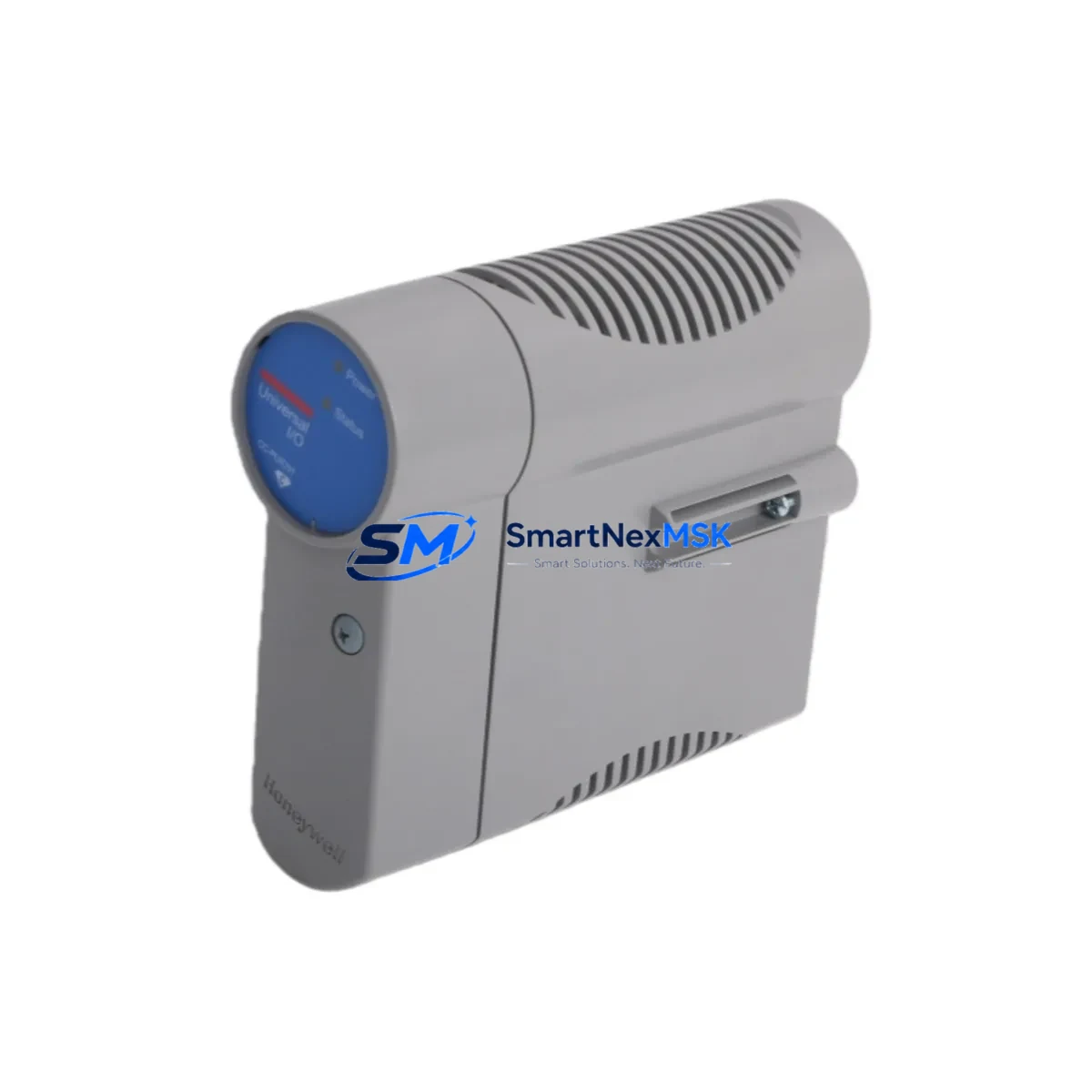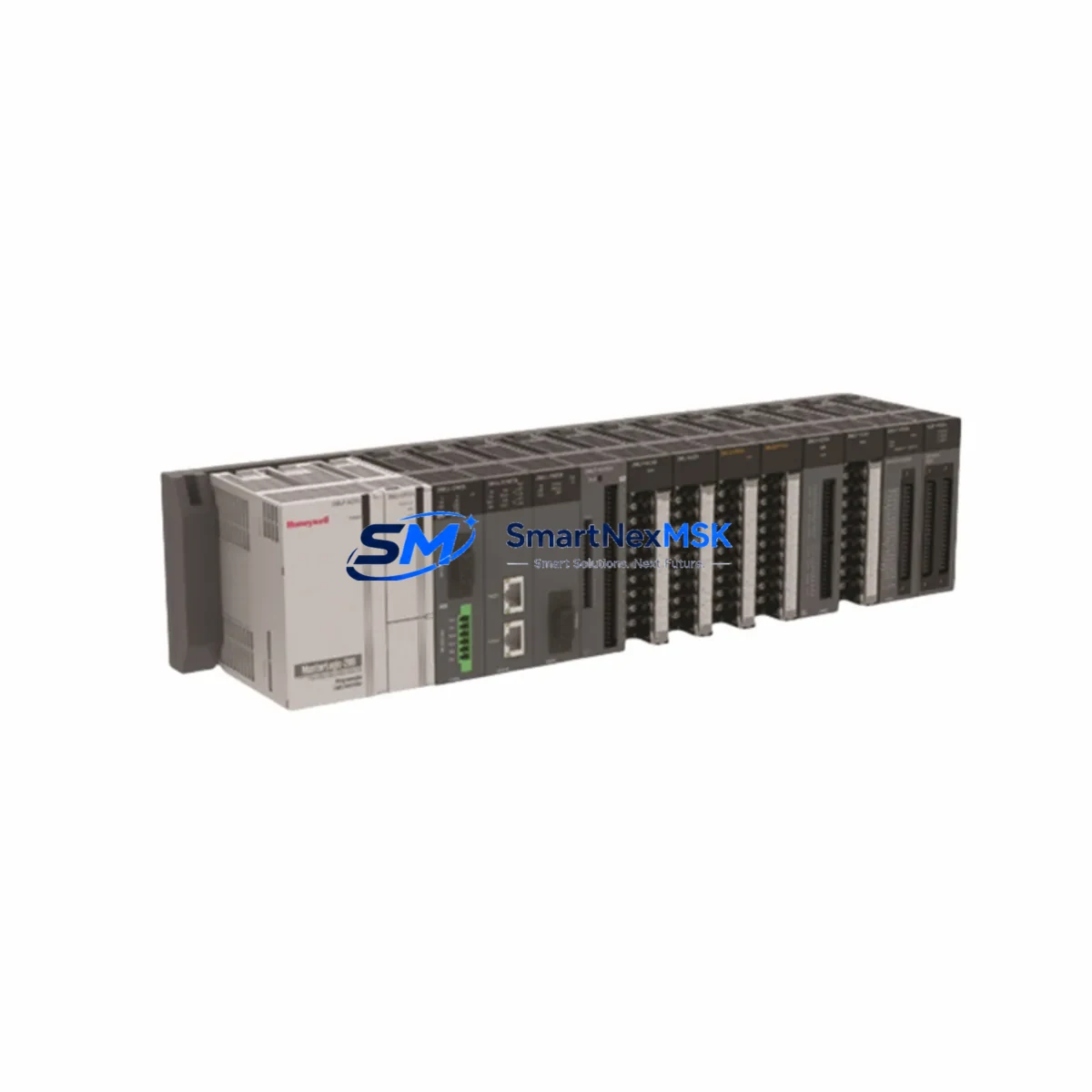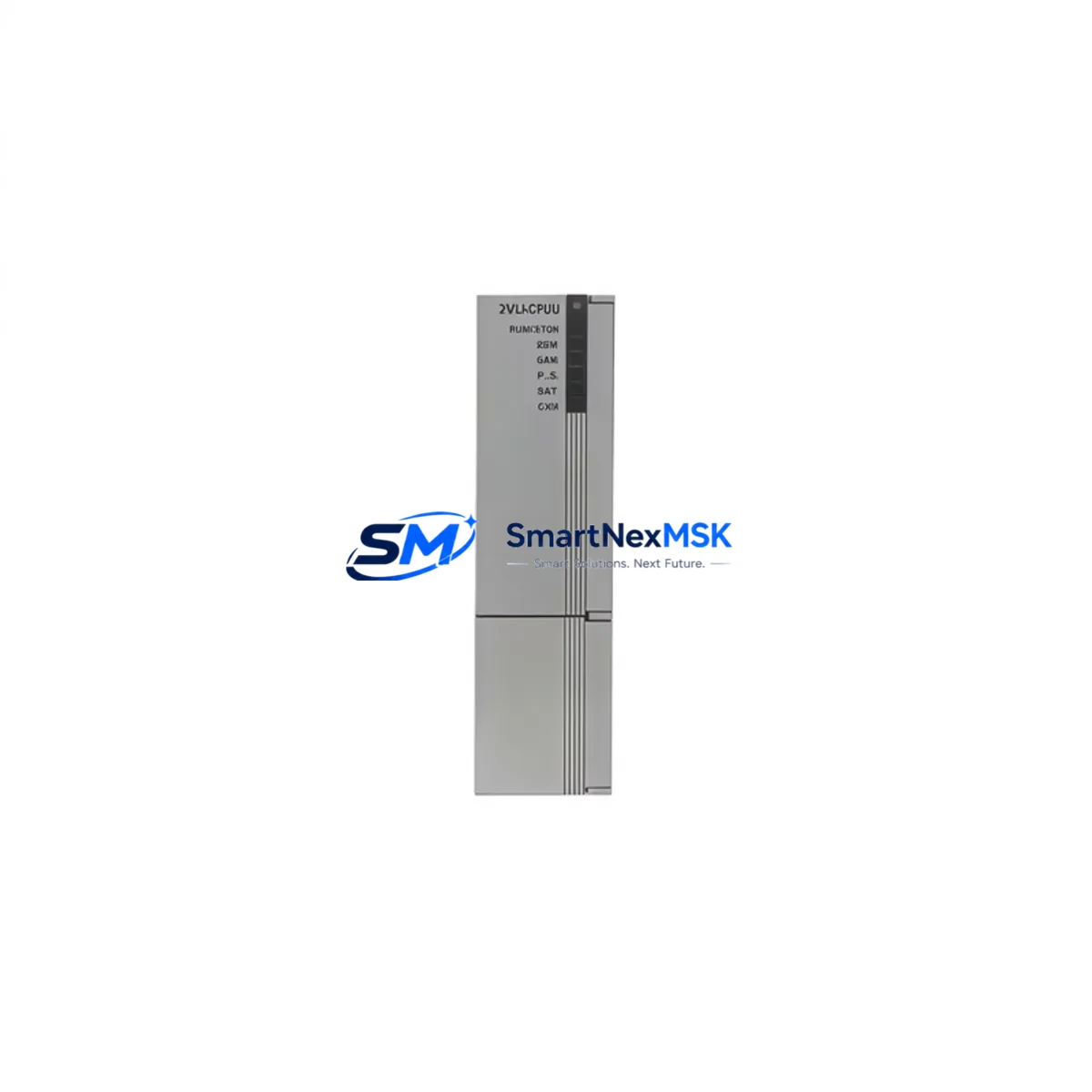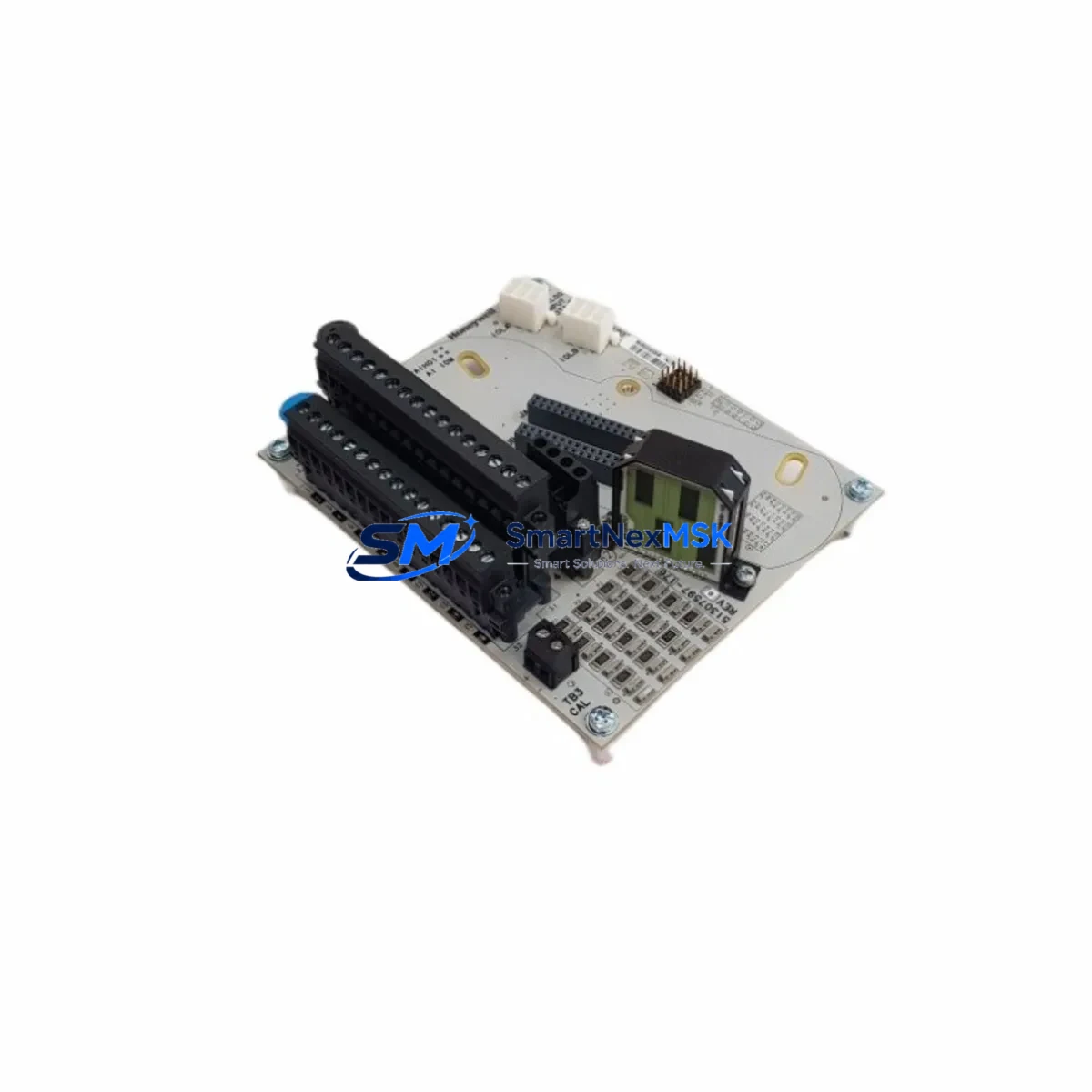
Honeywell DC-TAIX01 51307597-176: Retrofit-Ready Analog Input Module for TPS/TDC 3000 Control Systems
The Honeywell DC-TAIX01 (Part No. 51307597-176) is a high-reliability analog input module engineered for seamless integration into Honeywell TotalPlant Solution (TPS) and TDC 3000 distributed control system architectures. As legacy DCS platforms approach end-of-life and original spare parts become increasingly scarce, the DC-TAIX01 serves as a verified drop-in replacement that preserves existing field wiring, backplane connections, and control logic — dramatically reducing retrofit risk and unplanned downtime.
This module is purpose-built for industrial environments where control continuity is non-negotiable. Whether you are executing a planned upgrade of an aging refinery control system, replacing a failed card in a petrochemical plant, or modernizing a power generation facility’s I/O infrastructure, the DC-TAIX01 delivers the signal accuracy, channel density, and protocol compatibility required for mission-critical analog input acquisition.
Upgrade Compatibility Table
| Parameter | DC-TAIX01 (51307597-176) | Notes / Retrofit Guidance |
|---|---|---|
| Compatible Platform | Honeywell TPS / TDC 3000 | Direct slot-compatible replacement |
| Module Type | Analog Input (AI) | Supports 4–20 mA and thermocouple/RTD inputs depending on configuration |
| Backplane Interface | TPS IOP Backplane | No backplane modification required; verify slot address assignment |
| Field Wiring | Compatible with existing terminal blocks | Zero rewiring required in standard replacement scenarios |
| Communication Protocol | Honeywell UCN / FTA Bus | Confirm FTA (Field Termination Assembly) model matches existing installation |
| Power Requirement | Supplied via backplane | Verify IOP power supply capacity before hot-swap; check PM module loading |
| Installation Type | Card cage / IOP chassis mount | Confirm chassis model (e.g., PW921 series) for physical fit |
| Replacement Scope | Direct 1:1 module swap | No firmware re-flash required in most TPS environments |
| Commissioning | Address configuration via UCN node settings | Verify module address in GUS/Station before powering on |
| Warranty | 12-Month Warranty | Covers manufacturing defects; includes pre-shipment functional test |
Retrofit Planning for Existing Automation Systems
A successful DC-TAIX01 retrofit begins well before the module arrives on-site. Engineers should start by auditing the existing TPS or TDC 3000 cabinet layout, documenting the current IOP chassis slot assignments, and confirming which Field Termination Assembly (FTA) is paired with the failed or aging analog input card. In most installations, the DC-TAIX01 shares its FTA footprint with the original module, meaning the MC-TAIX03 or equivalent FTA remains in place and field signal cables require no reconnection.
Power budget verification is a critical pre-installation step. The IOP chassis power module — often a Honeywell PM-series card such as the PM921 — must have sufficient headroom to support the replacement module without triggering an overload fault. In aging systems where multiple modules have been added over the years, the available power margin may be tighter than the original design assumed. A current draw audit of all installed IOP cards is strongly recommended before the swap.
For sites running Honeywell’s Universal Control Network (UCN), the replacement module must be assigned the correct UCN node address before it is inserted into the chassis. This address is typically configured via DIP switches or jumpers on the module itself and must match the address previously held by the failed card. Failure to set the correct address will result in the module appearing as an unknown device on the UCN, preventing the Application Module (AM) or History Module (HM) from recognizing the new hardware.
In parallel, the control database should be backed up from the Application Module before any physical work begins. If the site uses a Honeywell GUS (Global User Station) or a legacy Universal Station (US), operators should confirm that the associated control strategy — including PID loops, alarm limits, and engineering unit scaling — is intact and will automatically re-associate with the replacement module once it comes online. In most TPS environments, the control logic resides in the AM rather than the I/O module itself, so program compatibility is maintained without modification.
Sites that have partially migrated toward Honeywell Experion PKS should note that the DC-TAIX01 can coexist in hybrid architectures where legacy TPS I/O is retained alongside newer C300 controllers and EHPM (Experion Hybrid Process Manager) nodes. In these configurations, the existing UCN infrastructure — including the NIM (Network Interface Module) and associated coaxial trunk cabling — continues to serve the legacy I/O, while Experion handles supervisory functions. The DC-TAIX01 replacement does not require any changes to the Experion server configuration in this scenario.
Additional components commonly involved in a DC-TAIX01 retrofit include the MC-TAIX03 Field Termination Assembly, the IOP chassis backplane, UCN coaxial tap assemblies, the PM921 power module, and in some cases the AM (Application Module) if a simultaneous controller upgrade is planned. Sites performing a broader I/O expansion may also need to evaluate the MC-PDIY22 digital input module or the MC-PAOY22 analog output module to complete a full channel complement refresh.
Downtime Control During System Migration
Minimizing production interruption during a DC-TAIX01 swap requires a structured hot-swap or controlled-outage procedure. For TPS systems that support online module replacement, the preferred approach is to place the affected control loops in manual mode at the operator station before removing the failed card. This ensures that the downstream final control elements — valves, drives, or dampers — hold their last commanded position while the module is exchanged, preventing uncontrolled process excursions.
Once the replacement DC-TAIX01 is seated in the IOP chassis and the UCN node address is confirmed, the module will typically perform a self-diagnostic sequence lasting 30–90 seconds. During this period, the GUS or Universal Station will display the module as initializing. Operators should monitor the UCN status display and wait for the module to report a healthy status before returning loops to automatic control.
To further protect original program logic, a full database export from the Application Module should be archived to a removable medium or engineering workstation before the maintenance window begins. This snapshot preserves all tuning parameters, alarm configurations, and interlock logic, providing a recovery baseline in the unlikely event that the replacement module triggers an unexpected database inconsistency.
For sites where a controlled outage is unavoidable, pre-staging the replacement module — including address configuration and a bench-level power-on test — reduces the actual in-cabinet work time to under 15 minutes in most cases. All DC-TAIX01 units supplied by SMARTNEXMSK are pre-tested prior to shipment, with functional verification records available upon request, further reducing the risk of a second outage caused by a defective replacement part.
Retrofit Support FAQ
Q1: Is the DC-TAIX01 (51307597-176) a direct replacement for the original Honeywell analog input module in my TPS system?
Yes. The DC-TAIX01 with part number 51307597-176 is designed as a slot-compatible replacement for the corresponding analog input position in TPS and TDC 3000 IOP chassis. In standard configurations, no field wiring changes, backplane modifications, or control database edits are required. Confirm the FTA model and UCN node address assignment before installation.
Q2: How do I verify wiring and terminal compatibility before swapping the module?
Reference the existing FTA label and the original system engineering drawings to confirm the Field Termination Assembly model. The DC-TAIX01 is paired with specific FTA variants; mismatching the FTA will result in incorrect signal conditioning. If original drawings are unavailable, our technical team can assist in identifying the correct FTA based on your chassis model and channel configuration.
Q3: What commissioning steps are required after installing the replacement module?
After physical installation, verify the UCN node address via the module’s address switches, confirm the module appears healthy on the GUS or Universal Station UCN status display, and perform a channel-by-channel signal verification against known process values before returning loops to automatic. For sites with Experion PKS integration, no additional server-side configuration is typically required.
Q4: What does the 12-month warranty cover, and is pre-shipment testing performed?
All DC-TAIX01 modules supplied by SMARTNEXMSK carry a 12-month warranty covering manufacturing defects and functional failures under normal operating conditions. Each unit undergoes a pre-shipment functional test to verify power-on behavior, channel integrity, and communication readiness. Test records are available upon request. Warranty claims are processed directly through our technical support team with a target response time of one business day.
© 2026 SMARTNEXMSK. All rights reserved.
Original Source: https://smartnexmsk.com
Contact: [email protected] | +86 18259474341