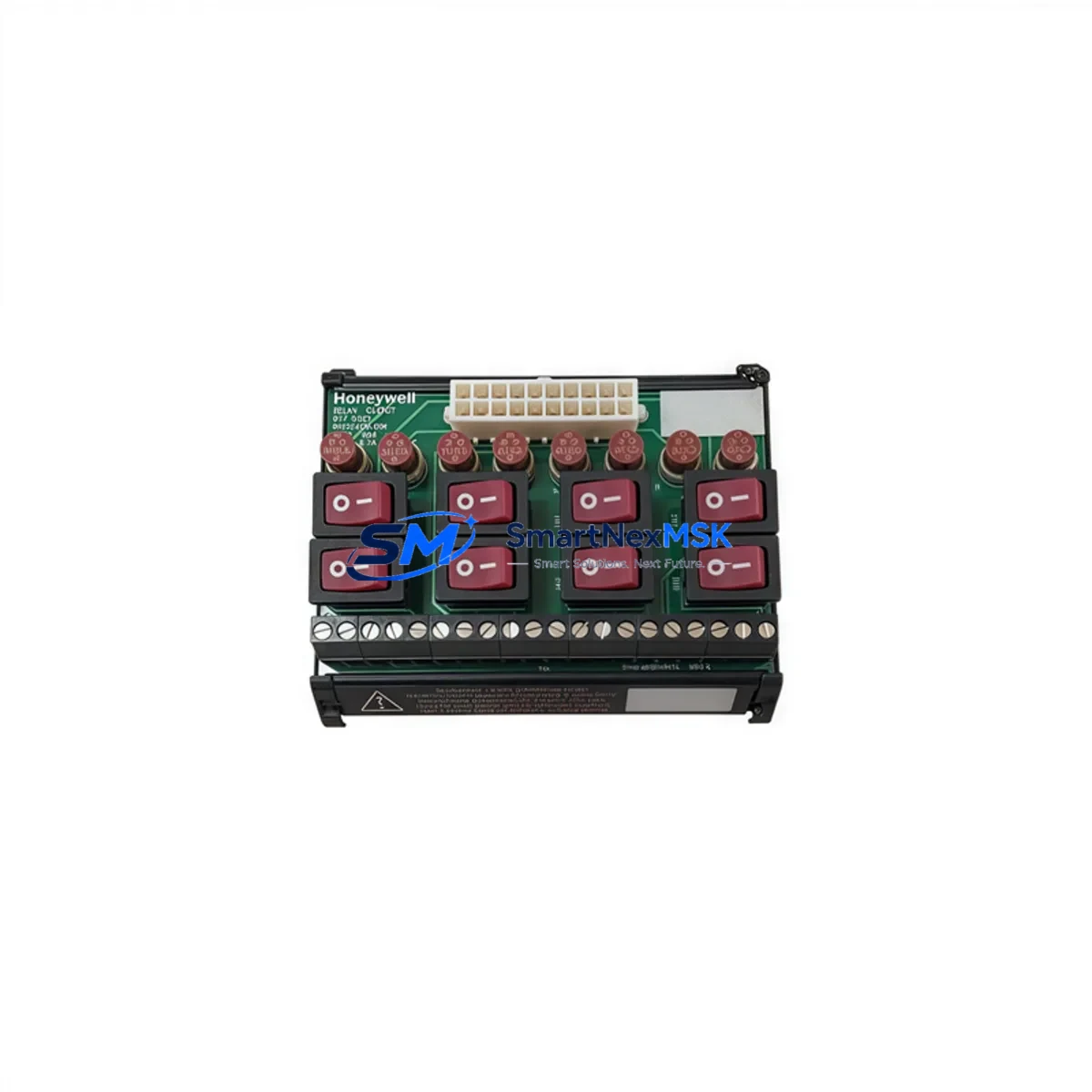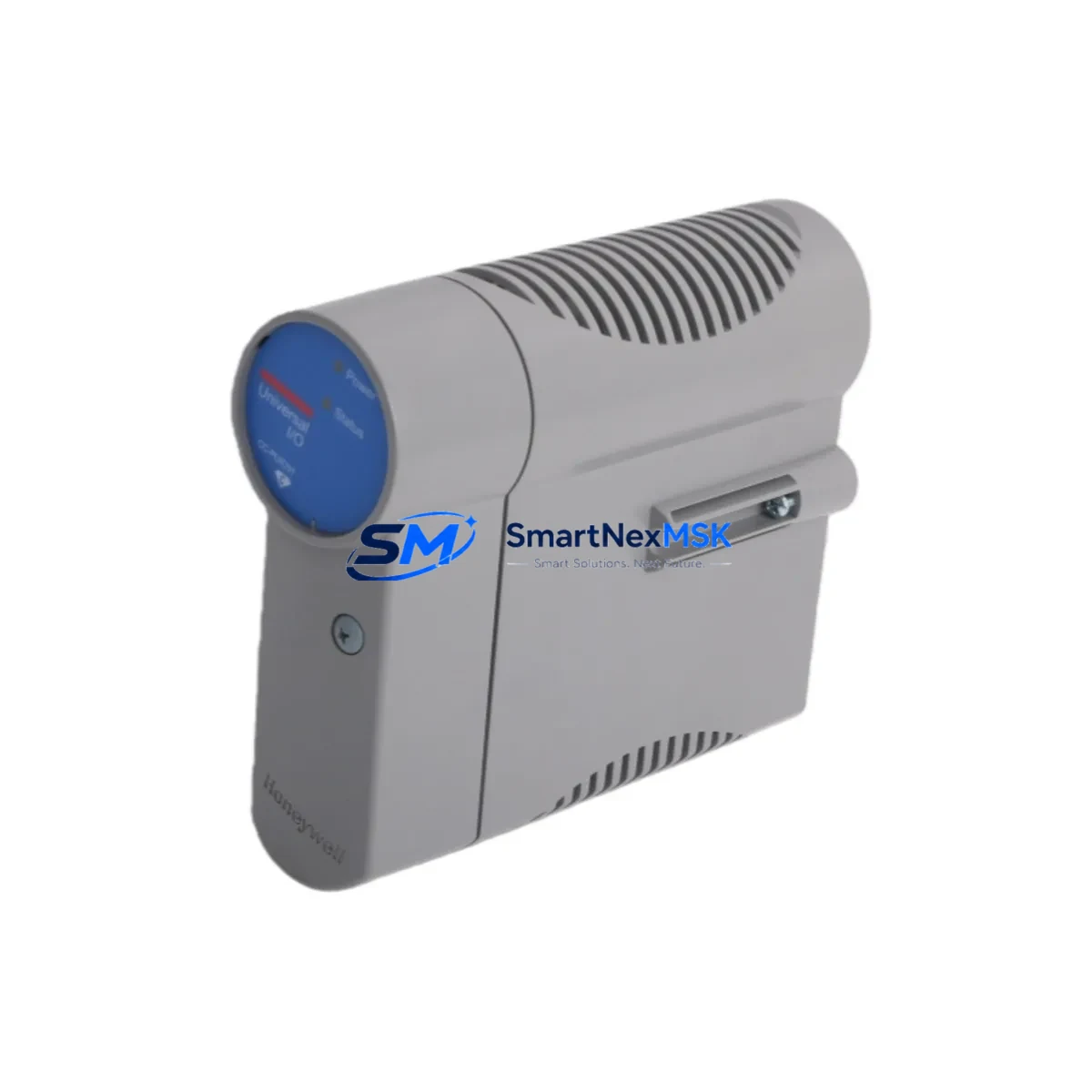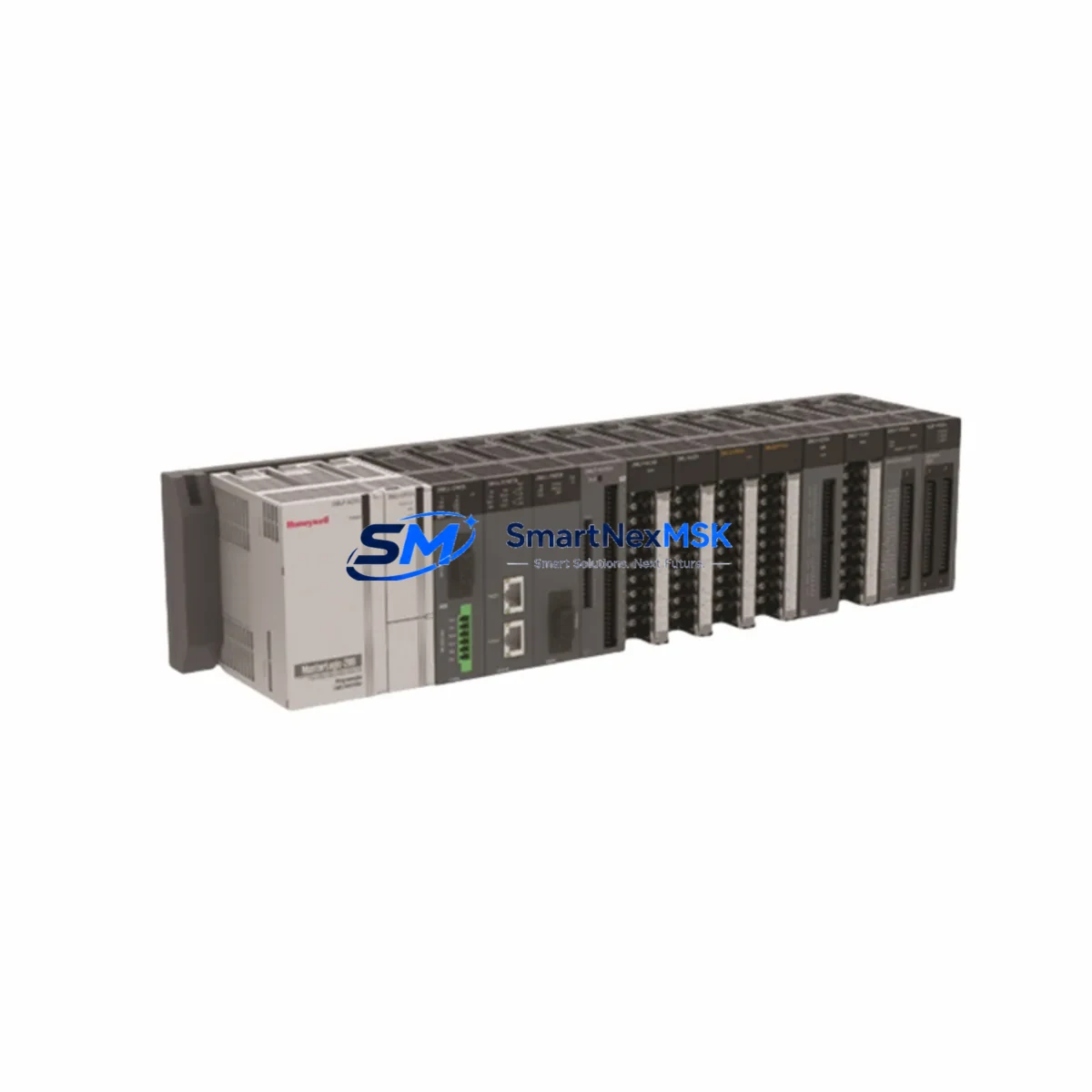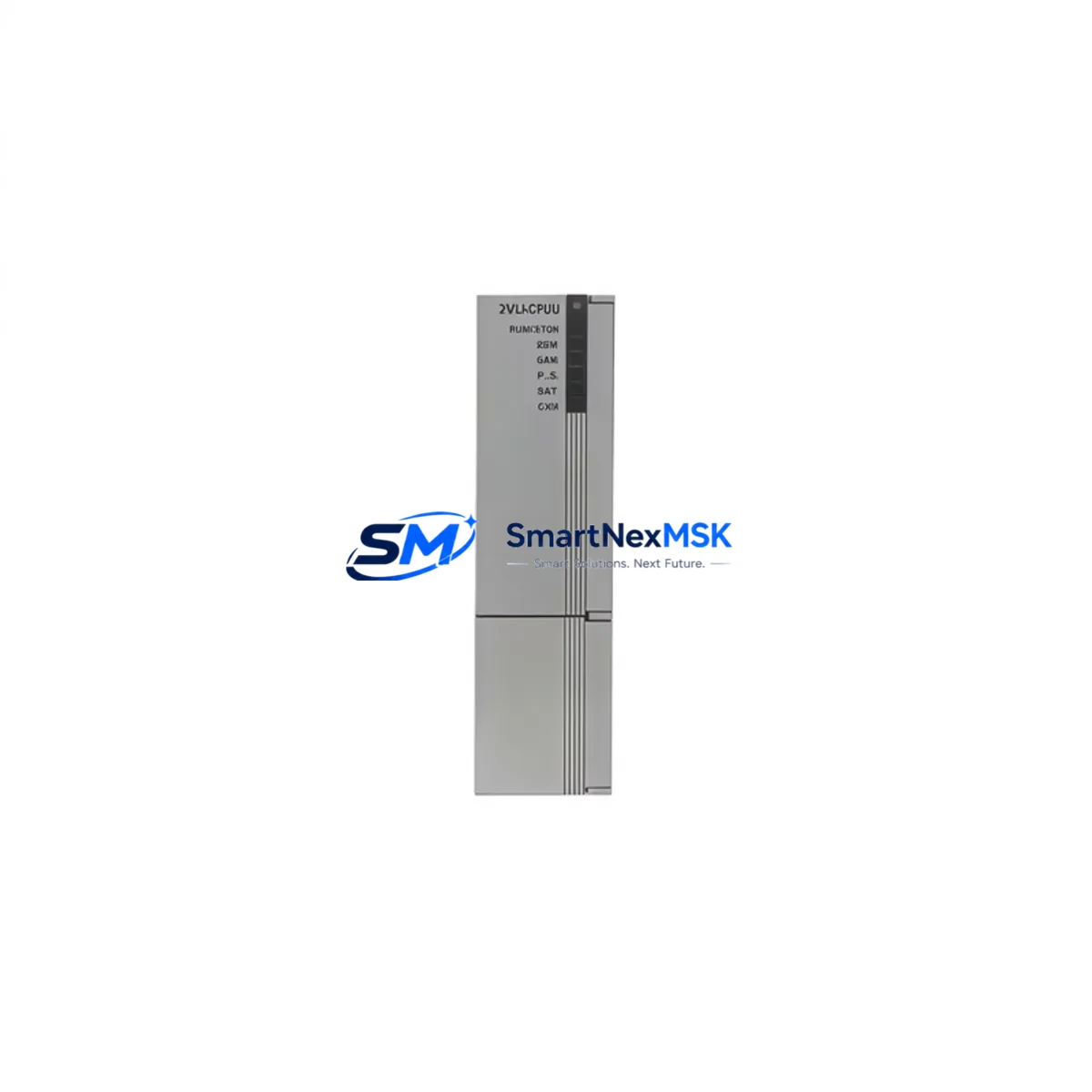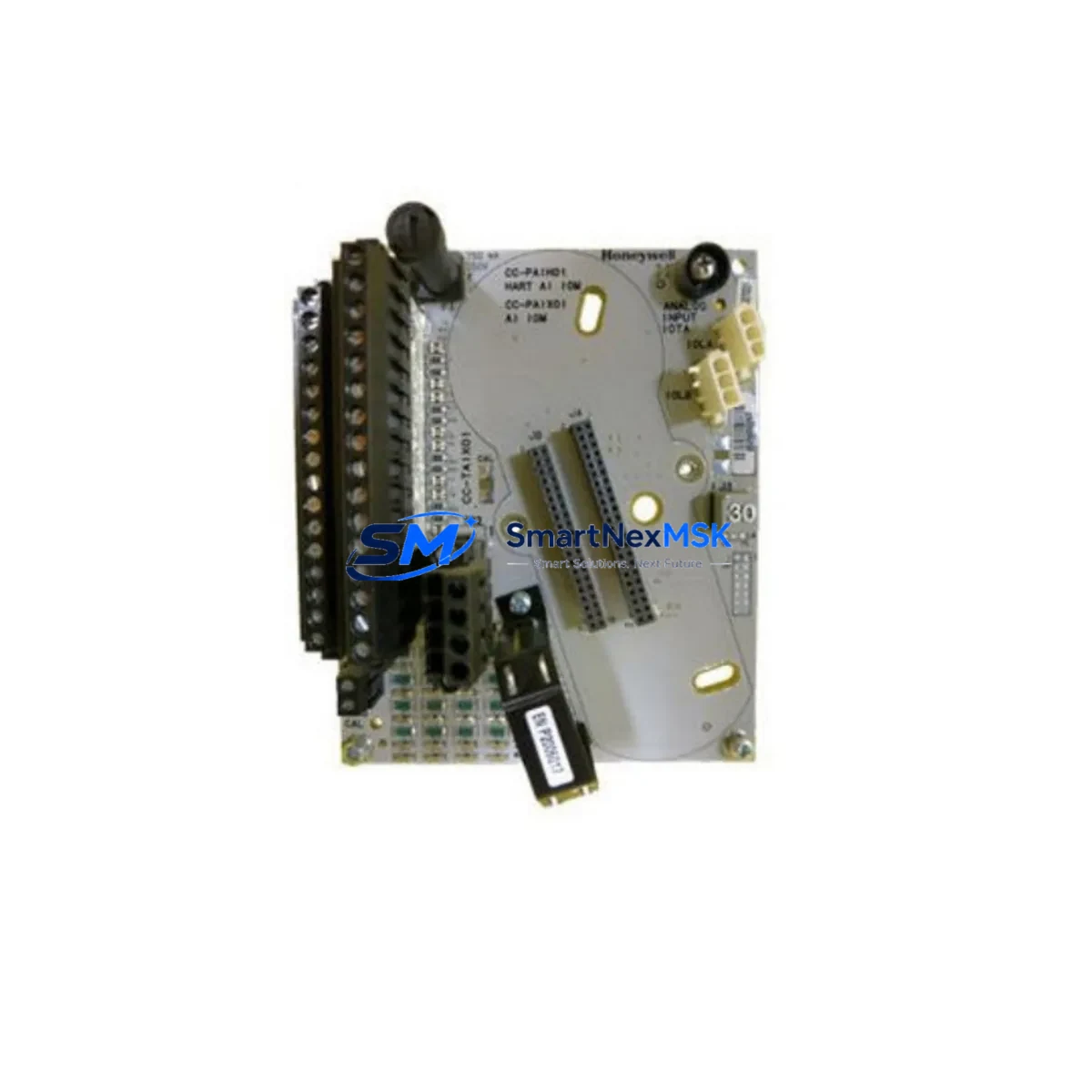
Honeywell DC-TAON01 Retrofit-Ready Analog Output IOTA for TPS Control Systems
The Honeywell DC-TAON01 is a field-proven Analog Output IOTA (Input/Output Termination Assembly) designed for the TotalPlant Solution (TPS) and PlantScape Distributed Control System platforms. As legacy TPS installations approach end-of-life and original spare parts become increasingly scarce, the DC-TAON01 has become one of the most sought-after retrofit components for engineers tasked with sustaining continuous process operations without a full system migration. SMARTNEXMSK maintains verified stock of the DC-TAON01, fully tested and backed by a 12-month warranty, ready for immediate dispatch to global destinations.
The DC-TAON01 serves as the termination backbone for analog output field wiring within the TPS I/O subsystem. It interfaces directly with the Honeywell MC-TAON02 analog output module, providing the physical terminal block connections between the DCS controller and field instruments such as control valves, positioners, and variable-speed drives. When the original IOTA is damaged, corroded, or simply unavailable through standard channels, the DC-TAON01 is the correct drop-in replacement — preserving existing field wiring, terminal numbering, and backplane slot assignments without requiring re-engineering of the marshalling cabinet.
Upgrade Compatibility Table
| Parameter | DC-TAON01 Specification | Retrofit Notes |
|---|---|---|
| Compatible DCS Platform | Honeywell TPS, PlantScape | Verify firmware revision of paired FIM/HPM before installation |
| Paired Output Module | MC-TAON02 Analog Output Module | IOTA and module must be matched; do not mix with MC-TAON03 without engineering review |
| Signal Type | 4–20 mA analog output, 2-wire loop | Confirm field loop impedance ≤ 750 Ω before commissioning |
| Channel Count | 8 channels per IOTA | Map existing terminal assignments to new IOTA before wiring transfer |
| Backplane Interface | TPS I/O Link backplane connector | Inspect backplane pins for oxidation; clean with contact cleaner prior to seating |
| Power Requirement | Supplied via backplane (no external PSU required) | Verify rack power supply (e.g., MC-PSIM11) capacity before adding modules |
| Installation Format | DIN-rail / rack-mount per TPS I/O chassis | Slot position must match original address assignment in UCN/FIM configuration |
| Communication Compatibility | TPS UCN (Universal Control Network) | No protocol conversion required; native UCN addressing preserved |
| Replacement Scope | Direct drop-in for original DC-TAON01 | No software re-configuration required if slot address is unchanged |
| Warranty | 12 Months | Covers manufacturing defects; includes pre-shipment functional test report |
Retrofit Planning for Existing Automation Systems
A successful DC-TAON01 retrofit begins well before the module arrives on site. Engineers should start by auditing the existing TPS I/O chassis to confirm the rack model, available slot positions, and the current revision of the Honeywell MC-TAON02 analog output module seated in the target slot. The IOTA and its paired output module must be compatible revisions — mismatched hardware can cause channel faults or prevent the FIM (Field Interface Module) from recognizing the I/O point during startup.
Power budget verification is a critical pre-installation step. The TPS I/O chassis relies on a dedicated rack power supply — commonly the Honeywell MC-PSIM11 or equivalent — to distribute 24 VDC across all installed modules. Before adding or replacing any IOTA, calculate the total current draw of all modules in the rack and confirm the power supply has sufficient headroom. Overloaded rack supplies are a common root cause of intermittent module faults in aging TPS installations.
Terminal wiring transfer is the most time-sensitive step during a live-system replacement. Each of the eight analog output channels on the DC-TAON01 connects to a field instrument — typically a control valve positioner or a variable-frequency drive reference input. Before disconnecting any wiring, photograph or document the existing terminal assignments against the loop drawings. If the plant uses a Honeywell MC-TDID12 or similar digital input IOTA in adjacent slots, confirm that the marshalling scheme does not share common terminals across IOTA boundaries.
For sites running the TPS Universal Control Network (UCN), the module address is stored in the FIM configuration database. Replacing the DC-TAON01 in the same physical slot preserves the UCN node address and I/O point tag assignments, meaning no changes are required in the Honeywell Station Manager or the associated GUS (Global User Station) HMI displays. However, if the slot position changes for any reason — such as a rack consolidation during a broader control cabinet upgrade — the FIM must be reconfigured and all affected HMI faceplates referencing those analog output tags must be updated accordingly.
Sites that are simultaneously upgrading from TPS to Honeywell Experion PKS should note that the DC-TAON01 is not natively compatible with the Experion C300 controller I/O subsystem. In a phased migration, the TPS I/O can be retained temporarily using a Honeywell FTEB (FTE Bridge) or equivalent gateway, allowing the DC-TAON01 to continue serving field instruments while the Experion backbone is commissioned. This approach is widely used to reduce migration risk and avoid simultaneous cutover of all field I/O.
For sites that require communication protocol migration — for example, from UCN to FOUNDATION Fieldbus or HART — the DC-TAON01 analog output IOTA supports HART pass-through when paired with HART-capable output modules. Confirm with the site’s instrument engineer whether HART device descriptors (DDs) are loaded in the FIM before enabling HART communication on any channel. Adjacent modules such as the Honeywell MC-TAIH02 HART analog input IOTA may also require firmware updates during the same maintenance window.
Finally, for control cabinets undergoing a full I/O expansion — adding new analog output loops to an existing TPS rack — the DC-TAON01 can be installed in any open slot, provided the FIM’s I/O point count license has not been exceeded. Coordinate with the site’s DCS administrator to confirm available license capacity before ordering additional IOTAs. Companion components such as the Honeywell MC-PAIH03 analog input module and the Honeywell MC-TDOD08 digital output IOTA are frequently ordered alongside the DC-TAON01 during I/O expansion projects.
Downtime Control During System Migration
Minimizing unplanned downtime is the primary concern for any engineer replacing a DC-TAON01 in an operating process plant. The recommended approach is a hot-standby swap during a scheduled maintenance window: pre-stage the replacement IOTA in the control room, prepare all tools and documentation, and limit the actual field wiring transfer to the shortest possible window — typically 15 to 30 minutes per IOTA for an experienced technician.
Before initiating the swap, place all eight analog output channels associated with the DC-TAON01 into manual mode at the GUS operator station. This freezes the output signal at the last commanded value, preventing process upsets when the IOTA is physically disconnected. Confirm with the field operator that all associated control valves are in a safe, stable position before proceeding.
The original program logic stored in the TPS FIM or HPM (High-Performance Process Manager) is not affected by an IOTA replacement — the control strategy, PID tuning parameters, and interlock logic remain intact in the controller’s non-volatile memory. This is a key advantage of the DC-TAON01 drop-in replacement approach: no program download, no database restore, and no re-commissioning of the control strategy is required. After the new IOTA is seated and field wiring is reconnected, the FIM will automatically re-establish communication with the module within seconds of power restoration.
Post-installation verification should include a channel-by-channel output check: command each analog output to a known value (e.g., 4 mA, 12 mA, 20 mA) from the GUS and confirm the corresponding field instrument responds correctly. For valve positioners, this means verifying travel at 0%, 50%, and 100% command. Document the results in the site’s maintenance management system before returning the loops to automatic control. SMARTNEXMSK provides a pre-shipment functional test report with every DC-TAON01, confirming that all eight channels meet Honeywell’s original output accuracy specification.
Retrofit Support FAQ
Q1: Is the DC-TAON01 a direct replacement for the original Honeywell part, or does it require any modification?
The DC-TAON01 supplied by SMARTNEXMSK is an original Honeywell manufactured component, not a third-party substitute. It is a direct drop-in replacement for the original DC-TAON01 IOTA. No mechanical modification, wiring adaptation, or software reconfiguration is required when replacing a failed unit in the same rack slot. The module is pre-tested before shipment and includes a functional test report.
Q2: What commissioning steps are required after installing the DC-TAON01?
After seating the IOTA and reconnecting field wiring, restore power to the rack and observe the FIM status display. The module should appear as “OK” within 10–30 seconds. Perform a full channel output verification from the GUS operator station, commanding each of the eight channels through the 4–20 mA range and confirming field instrument response. Return all loops to automatic mode only after verification is complete. No FIM database changes are required if the slot address is unchanged.
Q3: Can the DC-TAON01 be used in a mixed TPS/Experion PKS environment during a phased migration?
Yes. During a phased migration from TPS to Experion PKS, the DC-TAON01 can continue to operate under TPS FIM control while the Experion backbone is being commissioned in parallel. The IOTA remains fully functional within the TPS UCN architecture until the cutover date. Coordinate with your Honeywell system integrator to confirm the FTE Bridge or gateway configuration supports concurrent operation of both platforms during the transition period.
Q4: What does the 12-month warranty cover, and what is the return process?
The 12-month warranty covers all manufacturing defects and functional failures under normal operating conditions. Each unit is tested prior to shipment and accompanied by a test report. In the event of a warranty claim, contact SMARTNEXMSK at [email protected] with the order reference and a description of the fault. A replacement unit will be dispatched upon confirmation, and the defective unit should be returned in its original packaging. Warranty does not cover damage resulting from incorrect installation, overvoltage, or physical impact.
© 2026 SMARTNEXMSK. All rights reserved.
Original Source: https://smartnexmsk.com
Contact: [email protected] | +86 18259474341