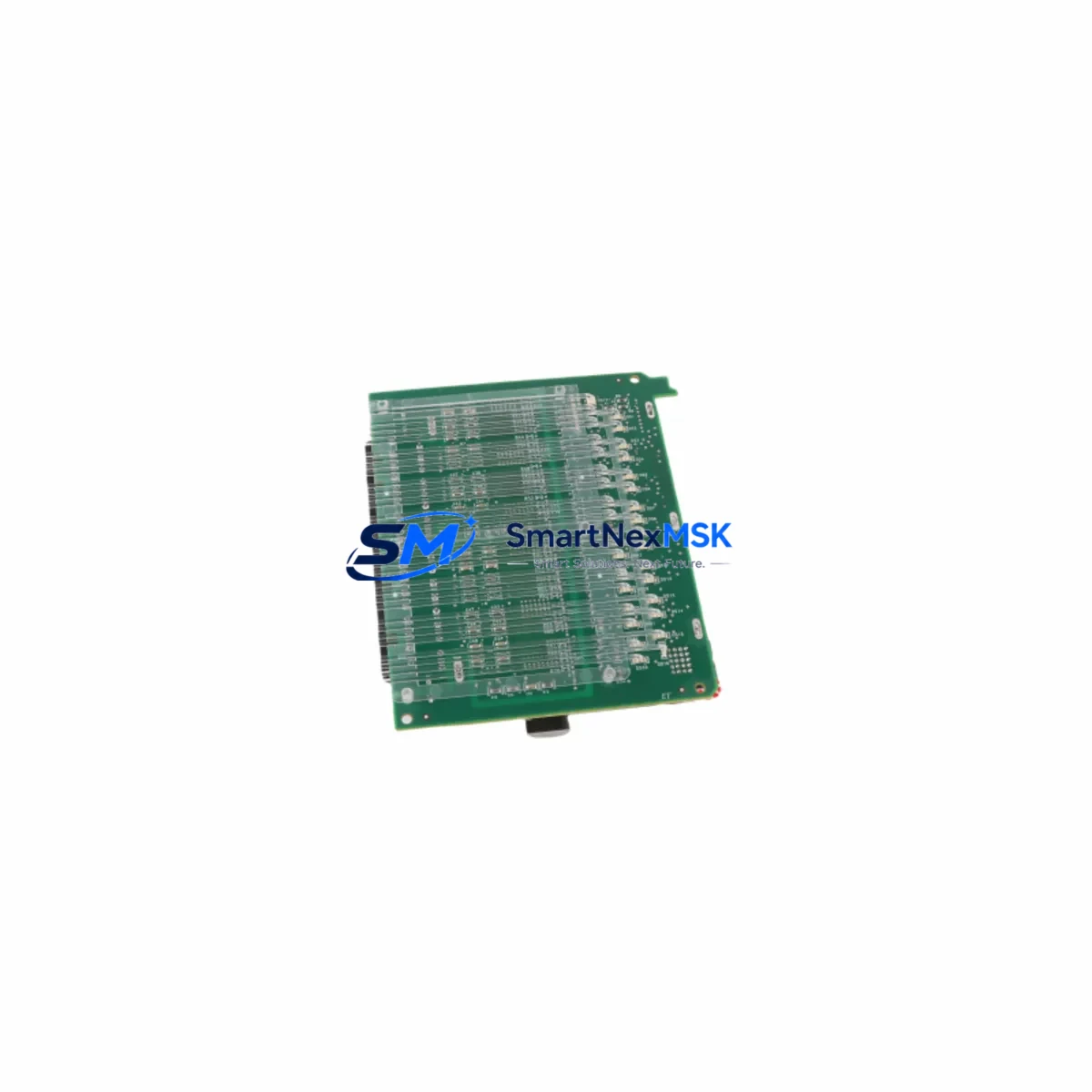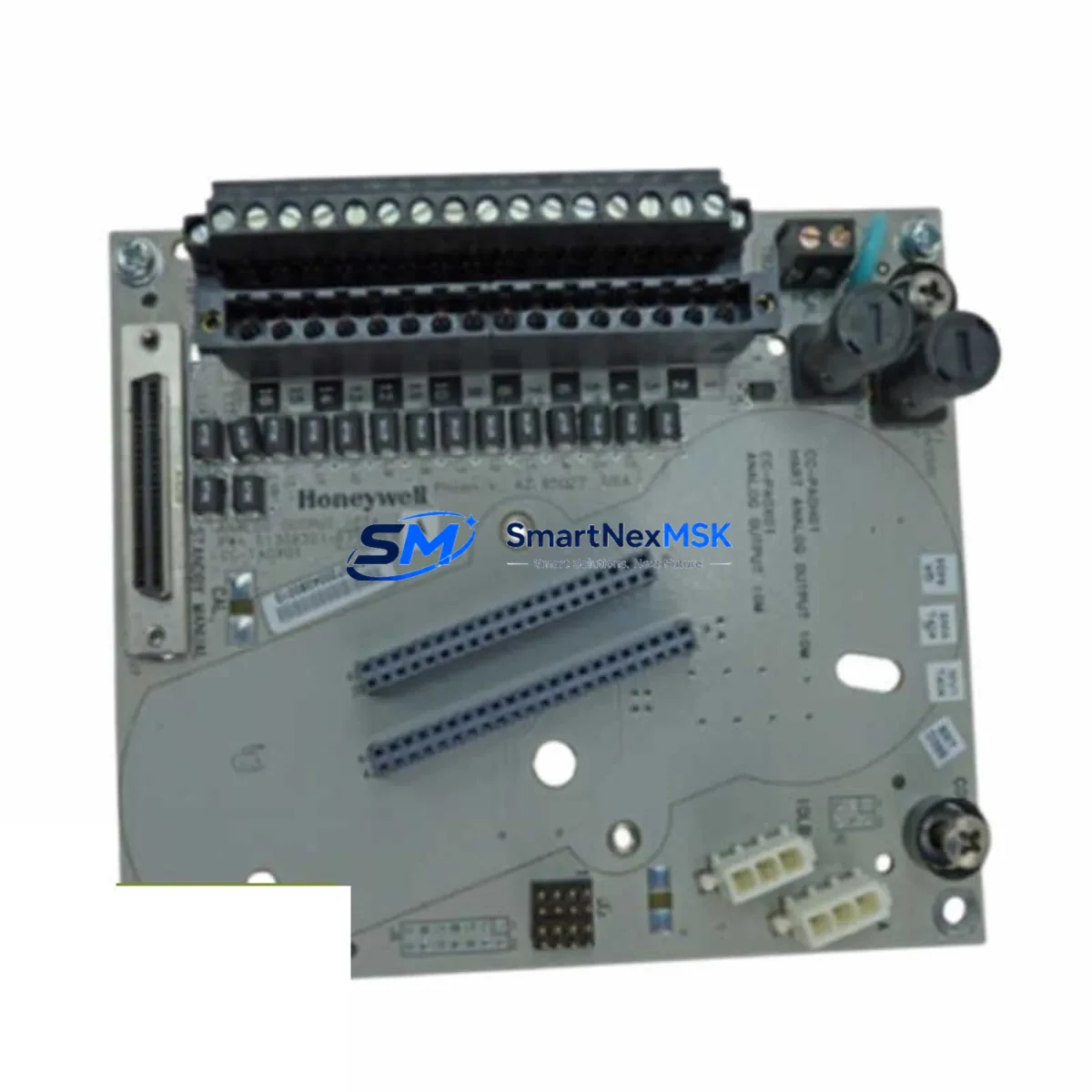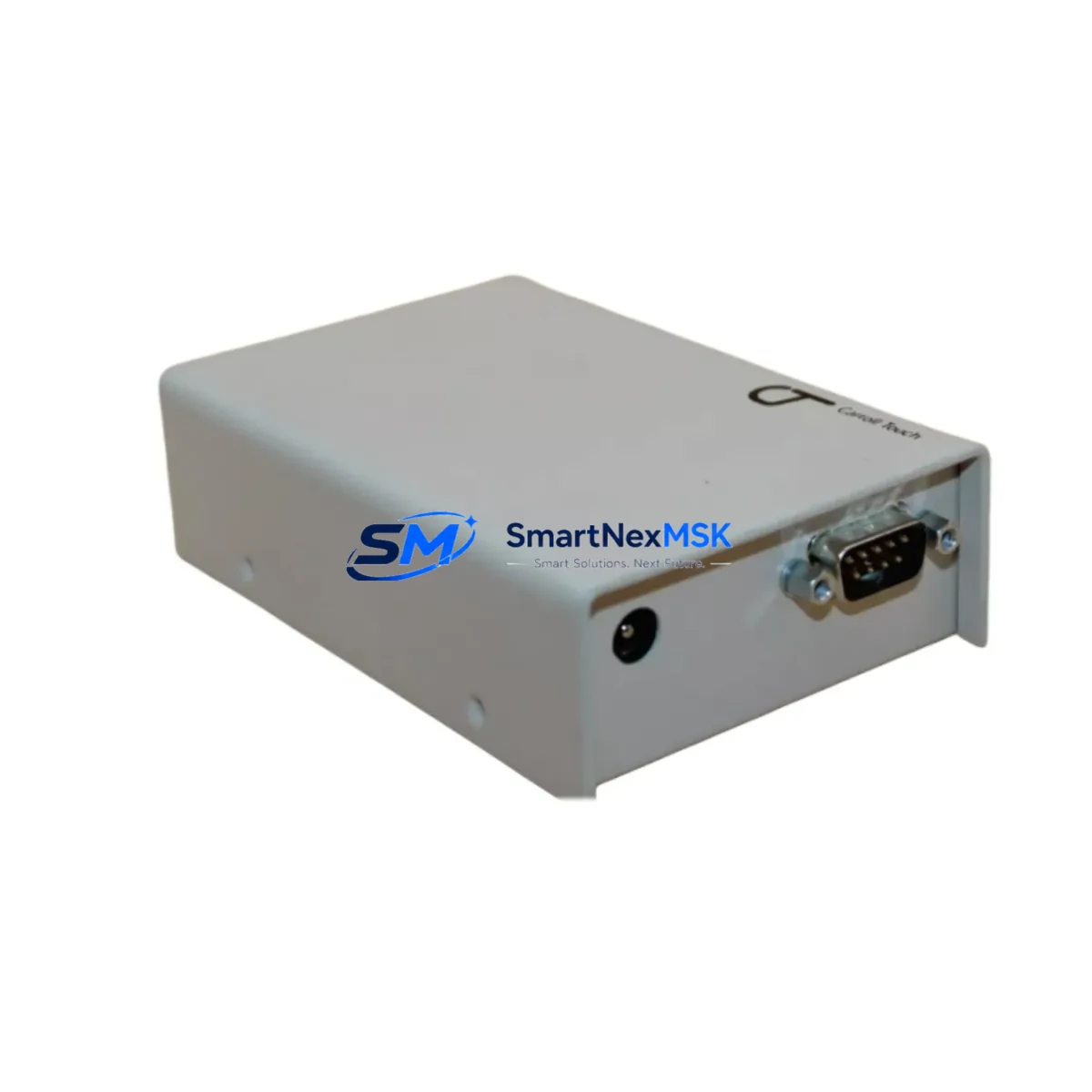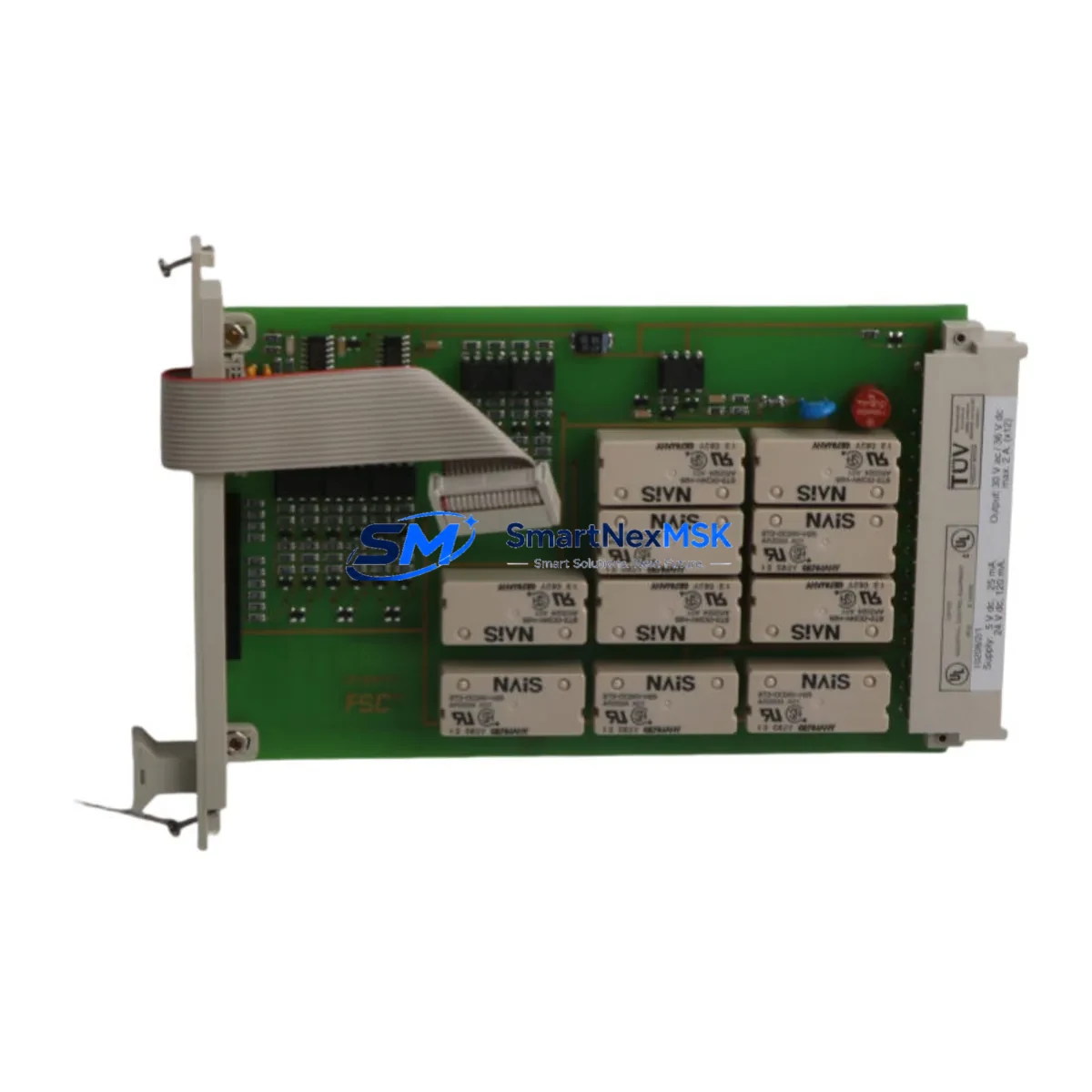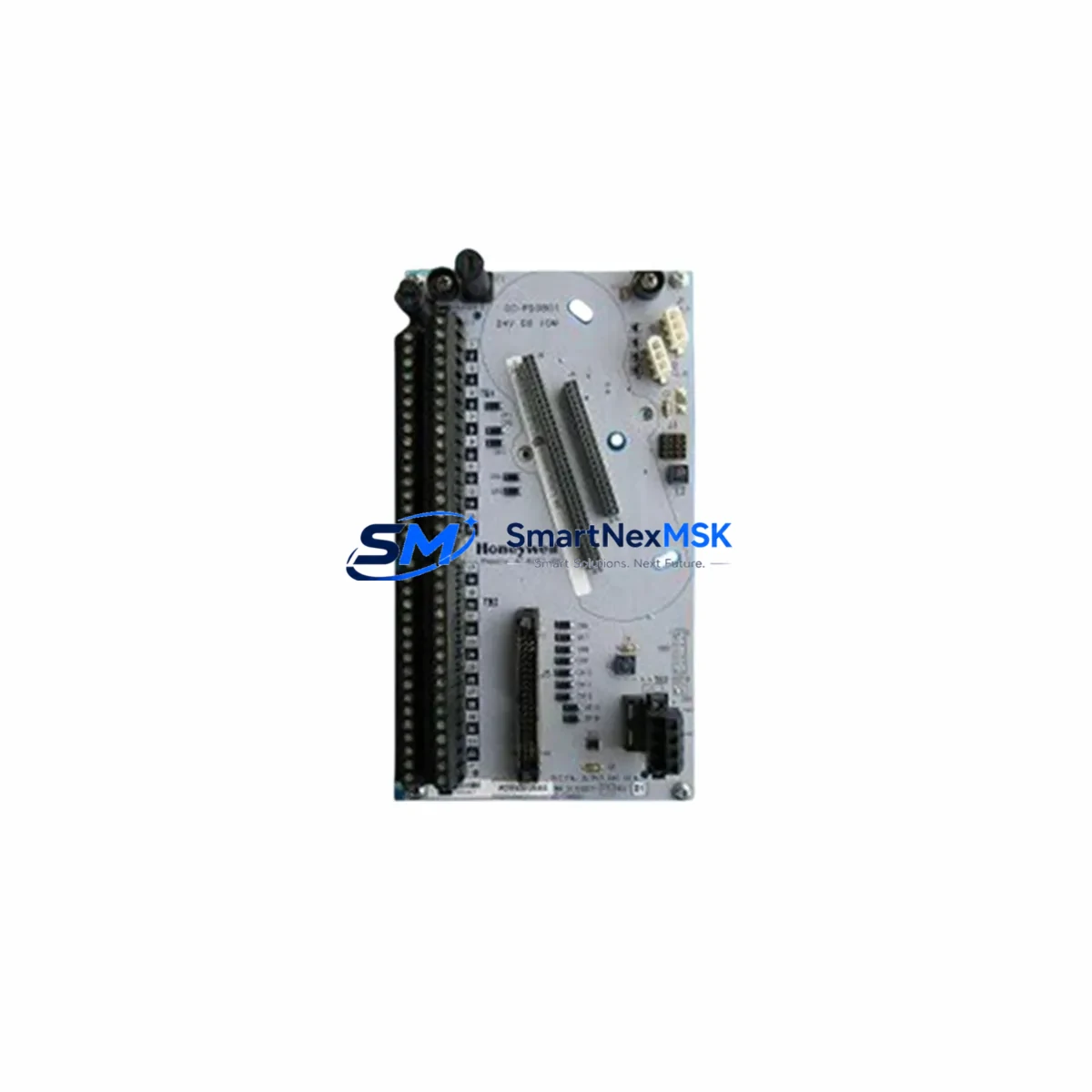
Honeywell DC-TDIL01 51307780-176 Retrofit-Ready Digital Input Module for TDC 3000 Control Systems
The Honeywell DC-TDIL01 (P/N 51307780-176) is a proven digital input module engineered for the TDC 3000 Local Control Network (LCN) architecture. As legacy Honeywell TDC 3000 systems approach end-of-support milestones, plant engineers and automation integrators increasingly rely on verified, tested replacement modules to sustain production continuity without committing to a full DCS migration. This module provides a direct, retrofit-ready solution for facilities operating TDC 3000-based control cabinets across refining, petrochemical, power generation, and continuous process industries.
SMARTNEXMSK maintains verified inventory of the DC-TDIL01 51307780-176, sourced from decommissioned systems and factory-surplus channels, with each unit subject to functional bench testing prior to dispatch. All units ship with a 12-month warranty covering manufacturing defects and functional failure under normal operating conditions.
Upgrade Compatibility Table
| Parameter | DC-TDIL01 (51307780-176) | Retrofit Notes |
|---|---|---|
| Platform Compatibility | Honeywell TDC 3000 LCN | Direct slot replacement; no firmware change required |
| Backplane Interface | LCN card cage backplane | Verify cage revision; compatible with standard LCN card cages |
| Input Type | Digital Input (DI), 24 VDC nominal | Confirm field wiring voltage before insertion |
| Terminal Wiring | Screw-terminal field termination assembly | Retain original FTA; re-use existing field cable looms |
| Communication Protocol | LCN proprietary bus | No protocol migration required for like-for-like swap |
| Module Address | Slot-addressed via LCN node configuration | Confirm node address in UCN/LCN configuration database before power-up |
| Installation Requirement | Hot-swap capable (verify with site SOP) | Follow site lockout/tagout procedure; confirm with DCS engineer |
| Replacement Candidates | Worn, failed, or EOL DC-TDIL01 units | Cross-reference P/N 51307780-176 before ordering |
| Warranty | 12 months from shipment date — covers functional failure under normal operating conditions | |
Retrofit Planning for Existing Automation Systems
Replacing a digital input module in a live TDC 3000 environment requires careful pre-work across multiple system layers. Before the DC-TDIL01 51307780-176 is physically installed, the site automation team should audit the LCN card cage for available slot positions and confirm that the existing Field Termination Assembly (FTA) — typically a Honeywell 51304754-150 or equivalent — is undamaged and correctly wired. The FTA carries all field signal connections and should not be disturbed during the module swap.
Power budget verification is a critical pre-installation step. The LCN card cage power supply — often a Honeywell MC-PDPY22 or equivalent 24 VDC redundant power module — must have sufficient headroom to support the additional DI channel load. If the cage is near capacity, a power supply audit or supplementary DC power distribution module may be required before the retrofit proceeds.
For sites running parallel I/O expansion projects, the DC-TDIL01 is frequently deployed alongside Honeywell DC-TDOL01 digital output modules and DC-TAIX11 analog input modules within the same LCN node. Coordinating the replacement of multiple I/O modules in a single maintenance window reduces cumulative downtime and simplifies the post-installation loop check schedule.
Where the retrofit is part of a broader migration from TDC 3000 to a newer Honeywell Experion PKS platform, the DC-TDIL01 may serve as an interim solution while Honeywell PMIO or Series C I/O modules are being commissioned on the new controller backbone. In such hybrid configurations, the LCN and Experion networks may coexist temporarily, connected via a Honeywell LCN/UCN gateway or Application Module (AM), allowing operators to maintain HMI visibility across both platforms during the transition period.
HMI continuity is another key consideration. If the plant runs Honeywell GUS (Global User Station) or a third-party SCADA overlay, the DI point database must be verified to ensure that the replacement module’s channel assignments match the existing tag list. Any discrepancy between the physical module slot address and the HMI tag configuration will result in alarm suppression or false-state indications until corrected in the LCN Configuration Database (CDB).
For sites where the TDC 3000 communicates with field devices via HART protocol overlaid on 4–20 mA loops, the digital input channels on the DC-TDIL01 handle discrete status signals independently of the HART layer. Ensure that any HART multiplexer or Honeywell STT350 Smart Transmitter connected to adjacent analog channels is not affected by the module swap procedure.
Programming compatibility is generally maintained in a like-for-like DC-TDIL01 replacement, as the TDC 3000 LCN architecture addresses modules by slot position rather than by firmware version. However, if the replacement unit carries a different hardware revision suffix, the site DCS engineer should verify compatibility against the installed LCN Node Processor (NP) firmware level before energizing the module.
Downtime Control During System Migration
Minimizing unplanned downtime during a DC-TDIL01 replacement begins with a structured pre-outage checklist. The recommended approach is to perform a forced manual override on all DI channels served by the module under replacement, locking their last-known states in the control logic before the physical swap. This prevents spurious trips or interlock activations during the brief period when the module is unpowered.
Where the TDC 3000 node supports hot-swap operation — confirmed by the site’s DCS maintenance SOP — the DC-TDIL01 can be replaced without a full node shutdown. The replacement module should be pre-configured with the correct slot address and verified against the CDB before insertion. Upon seating, the LCN node will automatically re-initialize the module and restore channel states from the last valid scan cycle.
For sites that cannot tolerate even momentary I/O interruption, a shadow I/O strategy using a temporary Honeywell HC900 or ControlEdge controller with a parallel DI wiring harness can maintain field signal monitoring while the primary LCN module is swapped. This approach is particularly effective in safety-critical applications where DI channels feed into Emergency Shutdown (ESD) logic or fire-and-gas detection circuits.
Post-installation, a structured loop check covering all channels on the replacement DC-TDIL01 should be completed before releasing the module to normal service. This includes verifying signal state at the FTA terminal, confirming correct indication on the GUS or SCADA display, and checking alarm setpoint integrity in the LCN CDB. Total commissioning time for a single module replacement is typically 2–4 hours for an experienced TDC 3000 maintenance team.
Retrofit Support FAQ
Q1: Is the DC-TDIL01 51307780-176 a direct drop-in replacement for a failed unit in my TDC 3000 LCN cage?
Yes. The DC-TDIL01 51307780-176 is a slot-compatible replacement for existing DC-TDIL01 units in standard Honeywell TDC 3000 LCN card cages. No firmware modification or backplane adapter is required for a like-for-like swap. Confirm the hardware revision suffix against your installed base if your site runs a specific LCN Node Processor firmware version.
Q2: What wiring changes are needed when installing the replacement module?
In most cases, no field wiring changes are required. The DC-TDIL01 interfaces with the field via the existing Field Termination Assembly (FTA). Retain the original FTA and field cable looms. Inspect FTA terminal screws for corrosion or loose connections before re-energizing, and re-torque to specification as part of the installation procedure.
Q3: How is each unit tested before shipment?
Every DC-TDIL01 51307780-176 unit dispatched by SMARTNEXMSK undergoes functional bench testing to verify channel integrity, backplane communication, and power consumption within specification. Units that fail any test parameter are quarantined and not offered for sale. A test report is available upon request for critical applications.
Q4: What does the 12-month warranty cover?
The 12-month warranty covers functional failure of the module under normal operating conditions, including backplane communication faults, channel failure, and power regulation defects. It does not cover damage resulting from incorrect installation, overvoltage events, or physical mishandling. Warranty claims are processed within 5 business days of receipt of the returned unit.
© 2026 SMARTNEXMSK. All rights reserved.
Original Source: https://smartnexmsk.com
Contact: [email protected] | +86 18259474341