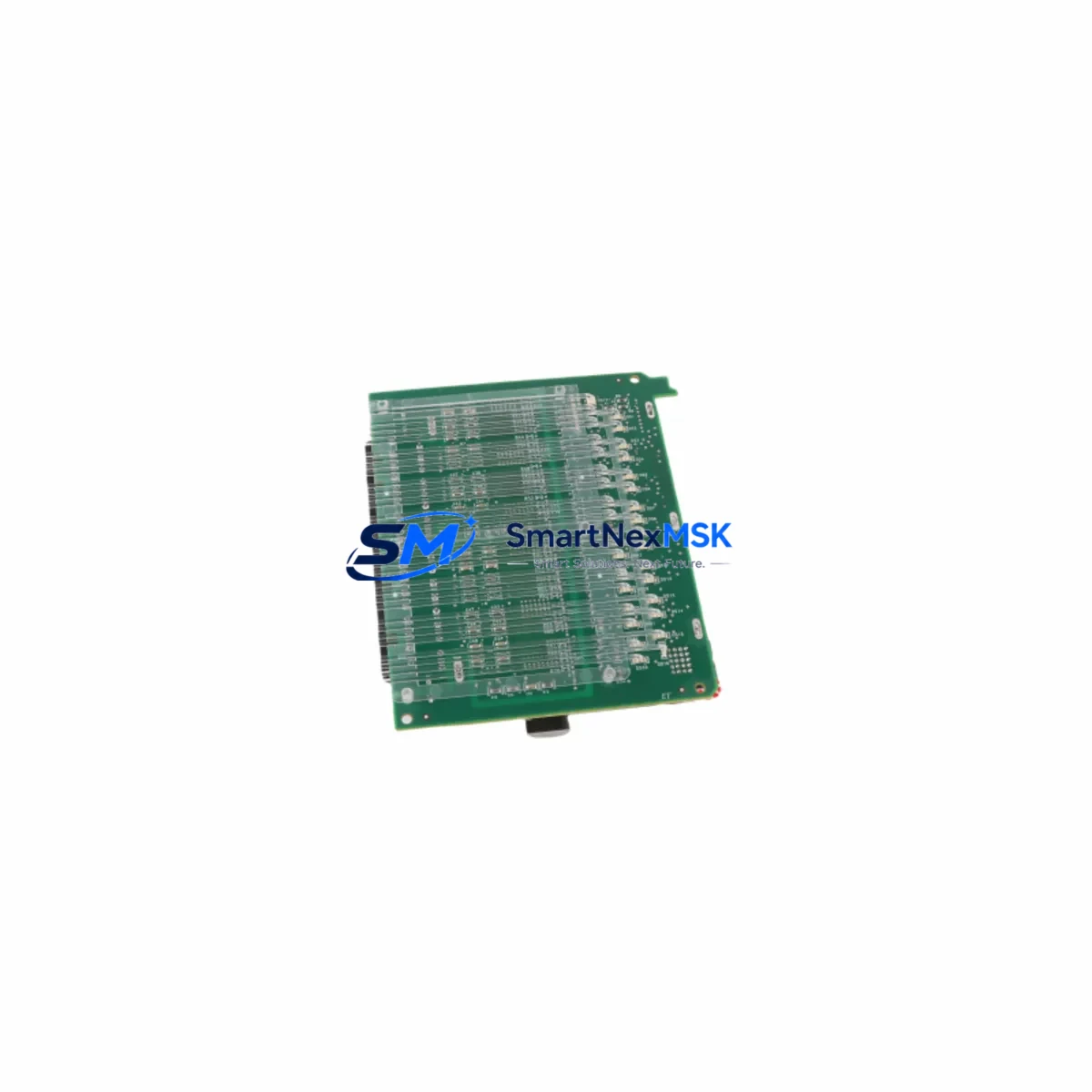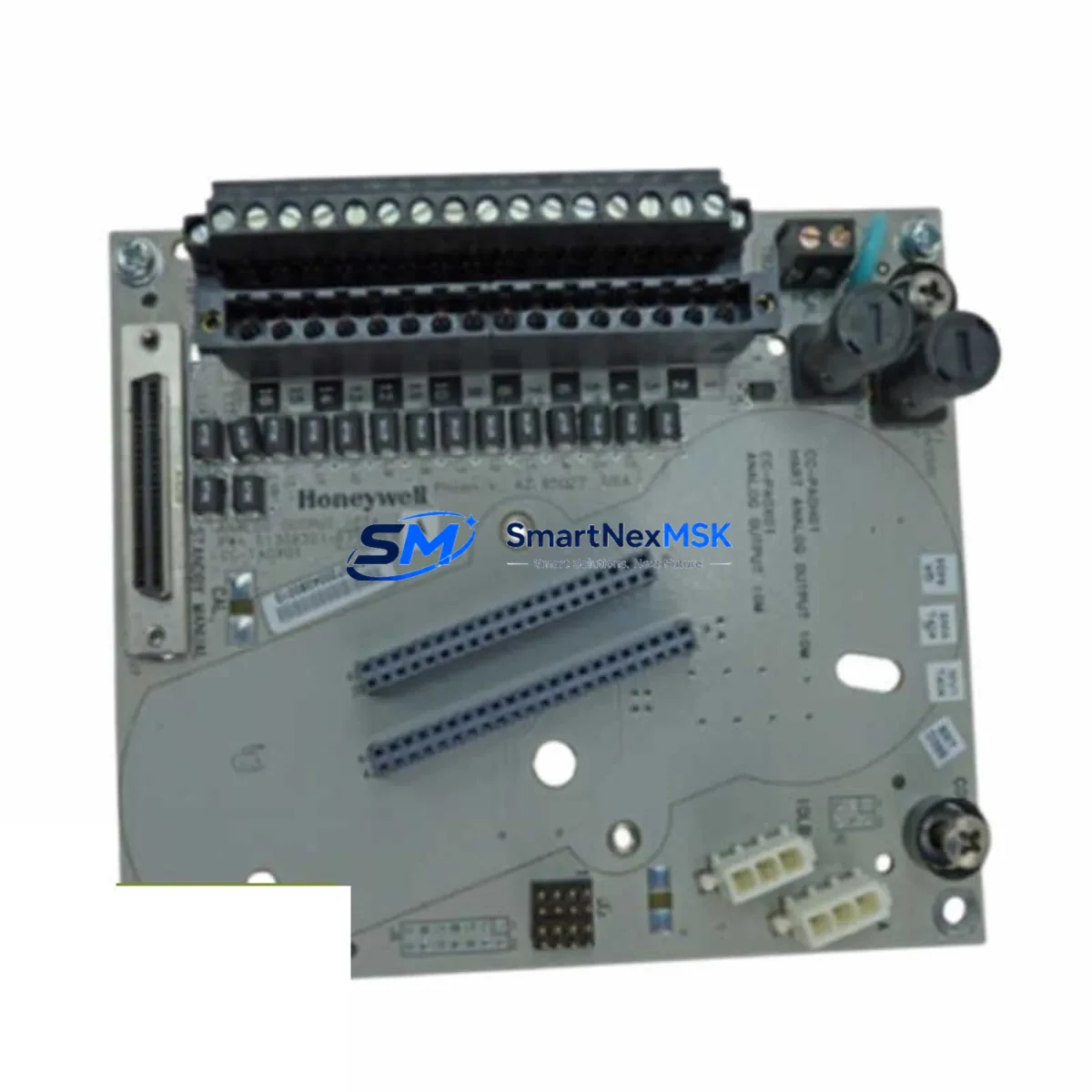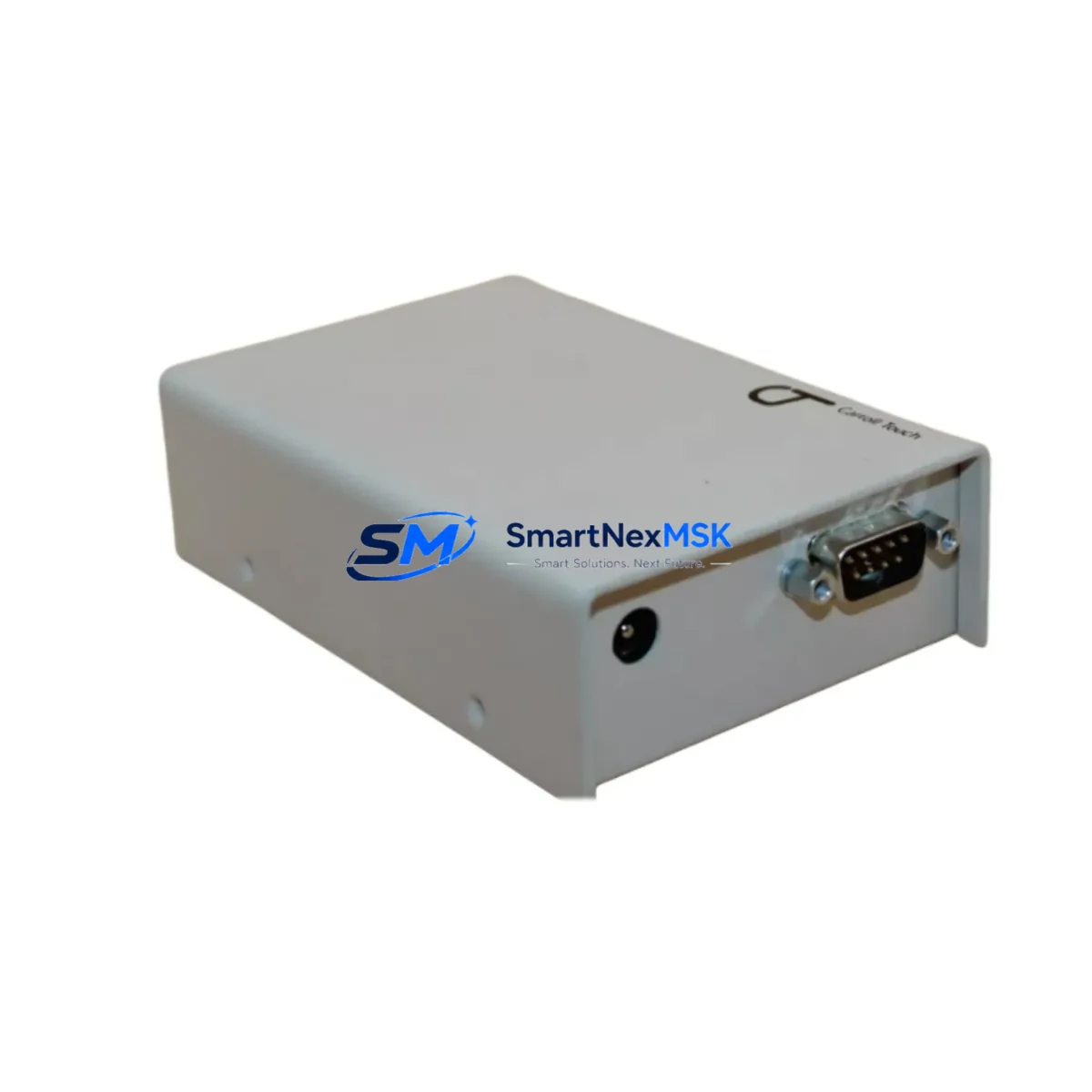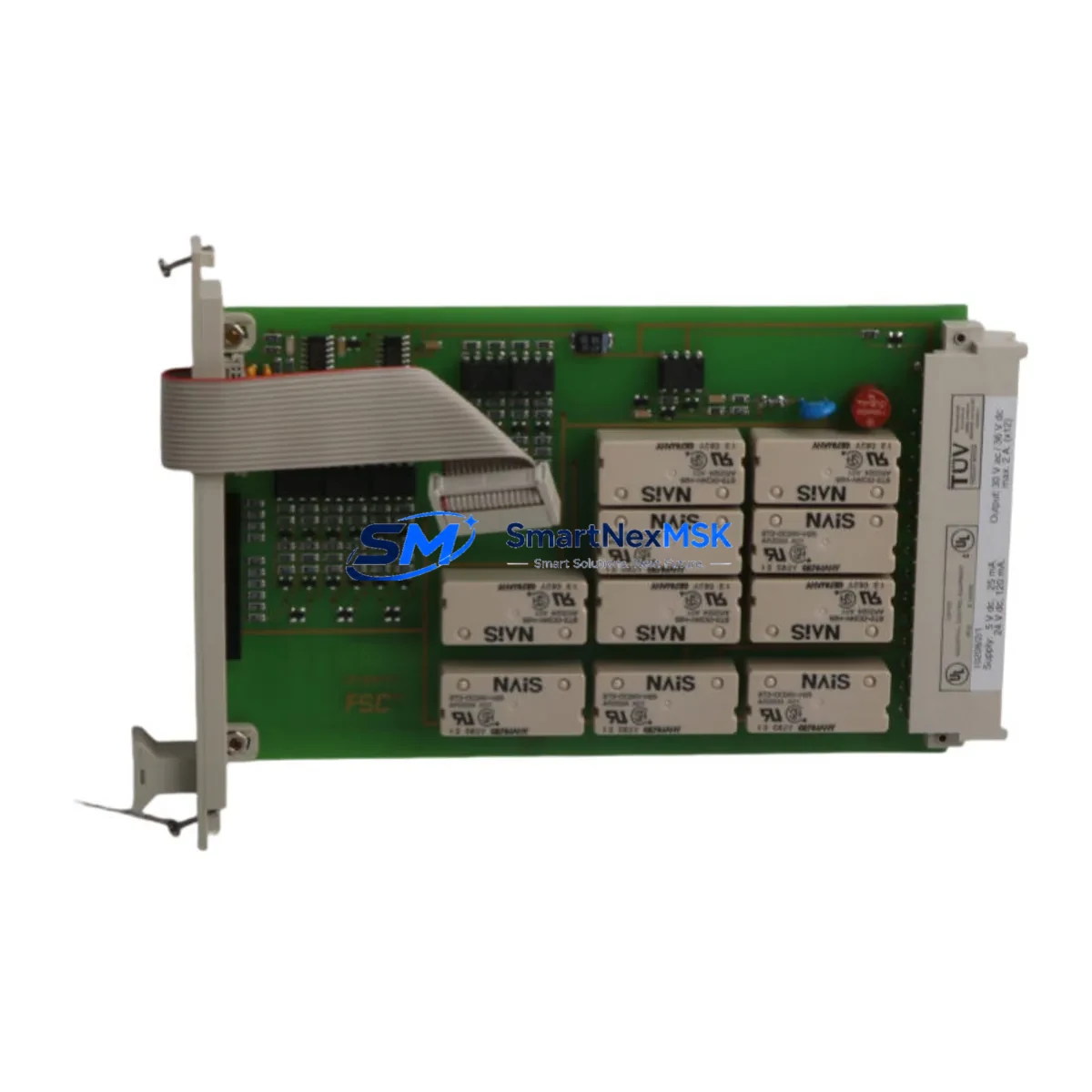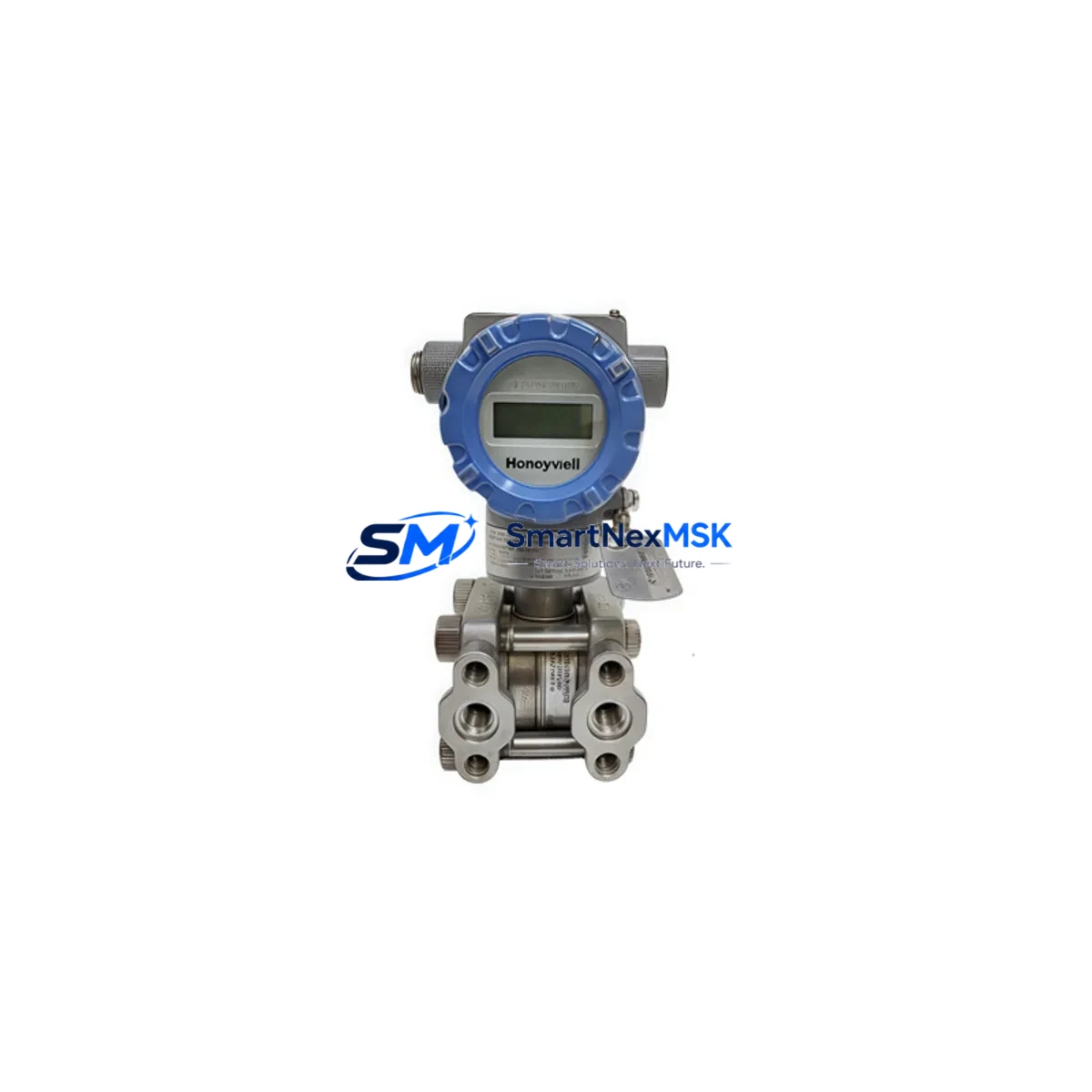
Honeywell HC-SDS720 Retrofit-Ready DCS Software for TDC-3000 Control Systems
The Honeywell HC-SDS720 is a retrofit-ready DCS Software Media Kit engineered for seamless compatibility with the Honeywell TDC-3000 Continuous Software Distribution (CSD) platform. As legacy TDC-3000 installations approach end-of-support milestones, the HC-SDS720 provides a validated upgrade path that preserves existing control logic, minimizes engineering rework, and reduces unplanned downtime during system migration. Whether you are replacing a failed CSD unit, upgrading a control cabinet, or migrating from an obsolete software revision, the HC-SDS720 delivers the reliability and backward compatibility that industrial automation engineers demand.
Sourced from verified supply channels and pre-tested prior to shipment, every HC-SDS720 unit is backed by a 12-month warranty covering hardware defects and software media integrity. Our inventory is maintained to support urgent replacement orders, with same-day processing available for in-stock units. Global logistics coverage ensures delivery to refinery, chemical, power generation, and manufacturing sites worldwide.
Upgrade Compatibility Table
| Parameter | Details |
|---|---|
| SKU | HC-SDS720 |
| Brand | Honeywell |
| Compatible Platform | TDC-3000 (LCN / UCN / HPM / AM) |
| Replaces / Upgrades | CSD R720 and earlier CSD revisions |
| Installation Interface | TDC-3000 Universal Station (US) / Application Module (AM) |
| Communication Compatibility | LCN (Local Control Network), UCN (Universal Control Network) |
| Backplane / Rack Fit | Standard TDC-3000 card cage — no mechanical modification required |
| Address Configuration | Module address set via existing node configuration; no re-addressing required for direct replacement |
| Program Compatibility | Preserves existing CL (Control Language) and SFC logic; full re-download recommended post-installation |
| HMI Screen Impact | Existing GUS / Universal Station displays remain functional; verify faceplate tag assignments post-upgrade |
| Commissioning Requirement | Cold restart of affected node; LCN network health check recommended |
| Warranty | 12 months from date of shipment |
| Pre-Shipment Testing | Functional verification completed on all units prior to dispatch |
| Origin | United States |
Retrofit Planning for Existing Automation Systems
Integrating the HC-SDS720 into an active TDC-3000 environment requires careful pre-migration planning to protect production continuity. Before initiating the replacement, engineers should audit the existing CSD revision level and confirm that the target node’s Honeywell AM (Application Module) or HPM (High-Performance Process Manager) firmware is compatible with the R720 software baseline. In most retrofit scenarios, the HC-SDS720 is installed alongside a broader system refresh that may include replacement of the Honeywell MC-TAIH12 analog input termination assembly, updated MC-TAMR05 relay output modules, or reconfiguration of the Honeywell CC-PAIH01 HART analog input FTA where field wiring terminations have aged beyond service life.
Power supply integrity is a critical pre-check. The TDC-3000 card cage relies on dedicated Honeywell PS-0625 or PS-0650 power supply modules to maintain stable voltage rails for all installed cards. Before inserting the HC-SDS720, verify that the power supply output is within specification and that no other modules in the same cage are drawing excess current. Backplane connector condition should also be inspected — oxidized or damaged backplane pins are a common cause of intermittent software load failures in aging TDC-3000 installations.
Communication link verification is equally important. The TDC-3000 LCN uses a coaxial token-passing network; any degradation in the Honeywell NIM (Network Interface Module) or LCN cable plant can cause the newly installed HC-SDS720 node to fail its network join sequence. If the site is also migrating from TDC-3000 to Experion PKS, the HC-SDS720 can serve as an interim software baseline while the Honeywell C300 Controller and associated IOTA (I/O Termination Assembly) infrastructure is staged in parallel. This phased approach allows engineering teams to validate new Experion control strategies against the live TDC-3000 process without a hard cutover.
For sites retaining the TDC-3000 architecture long-term, the HC-SDS720 upgrade is often paired with replacement of the Honeywell US (Universal Station) keyboard and display assemblies, refresh of the Honeywell HG (Hiway Gateway) for legacy data highway connectivity, and re-termination of field I/O through updated FTA (Field Termination Assembly) panels. Documenting all terminal block assignments, module slot addresses, and tag-to-I/O mappings before beginning the retrofit is essential to ensure a clean restoration if the upgrade requires rollback.
Downtime Control During System Migration
Minimizing production impact during a TDC-3000 CSD upgrade requires a structured migration methodology. The recommended approach is to perform the HC-SDS720 installation during a planned maintenance window, with all affected control loops placed in manual mode and field operators stationed at critical control points. Before powering down the target node, a full checkpoint save of the existing CSD database should be executed and archived to a secure backup location — this preserves all tuning parameters, alarm limits, and control strategy configurations that will be reloaded after the upgrade.
Once the HC-SDS720 media is loaded and the node completes its cold restart, the LCN network join sequence should be monitored from the Universal Station console. A successful join is confirmed when the node appears in the LCN status display with no fault indicators. The control database is then downloaded from the AM or HPM, and each control loop should be individually verified in manual mode before returning to automatic. HMI faceplate displays on the GUS or Universal Station should be checked for correct tag resolution and alarm state accuracy before handing control back to the operations team.
For sites where continuous operation is mandatory, a hot-standby node strategy can be employed: a pre-loaded spare node running the HC-SDS720 software is kept synchronized with the active node, allowing a rapid switchover with minimal process disruption. This approach is particularly effective in refinery and chemical plant environments where even brief control interruptions carry significant safety and economic consequences. Maintaining a tested, pre-configured HC-SDS720 spare in the control room inventory is the most reliable insurance against unplanned CSD failures in aging TDC-3000 systems.
Retrofit Support FAQ
Q1: Is the HC-SDS720 a direct drop-in replacement for earlier CSD revisions on TDC-3000?
Yes. The HC-SDS720 is designed as a backward-compatible upgrade for TDC-3000 CSD installations running earlier software revisions. No changes to the card cage slot assignment or LCN node address are required for a direct replacement. A full database download and cold restart of the affected node is recommended after installation to ensure all control strategies are correctly loaded from the current checkpoint.
Q2: What wiring or termination changes are needed when installing the HC-SDS720?
The HC-SDS720 is a software media kit and does not require field wiring modifications. However, if the retrofit is part of a broader system upgrade that includes new I/O modules or updated FTA panels, terminal block assignments should be verified against the existing loop drawings before energizing the new hardware. Backplane connector condition in the TDC-3000 card cage should also be inspected prior to installation.
Q3: How is compatibility with existing HMI displays and control strategies verified?
After the HC-SDS720 node completes its LCN join and database download, each GUS or Universal Station faceplate should be checked for correct tag resolution, alarm state, and trend data continuity. Control Language (CL) and SFC programs loaded from the existing checkpoint are fully compatible with the R720 software baseline. Any custom display modifications should be re-validated against the upgraded node before returning loops to automatic control.
Q4: What does the 12-month warranty cover, and how is a warranty claim processed?
The 12-month warranty covers manufacturing defects and software media integrity from the date of shipment. All units undergo functional verification testing prior to dispatch. In the event of a warranty claim, contact our technical support team with the unit serial number and a description of the fault. Replacement units are dispatched on a priority basis to minimize site downtime, and failed units are returned for root-cause analysis upon receipt.
© 2026 SMARTNEXMSK. All rights reserved.
Original Source: https://smartnexmsk.com
Contact: [email protected] | +86 18259474341