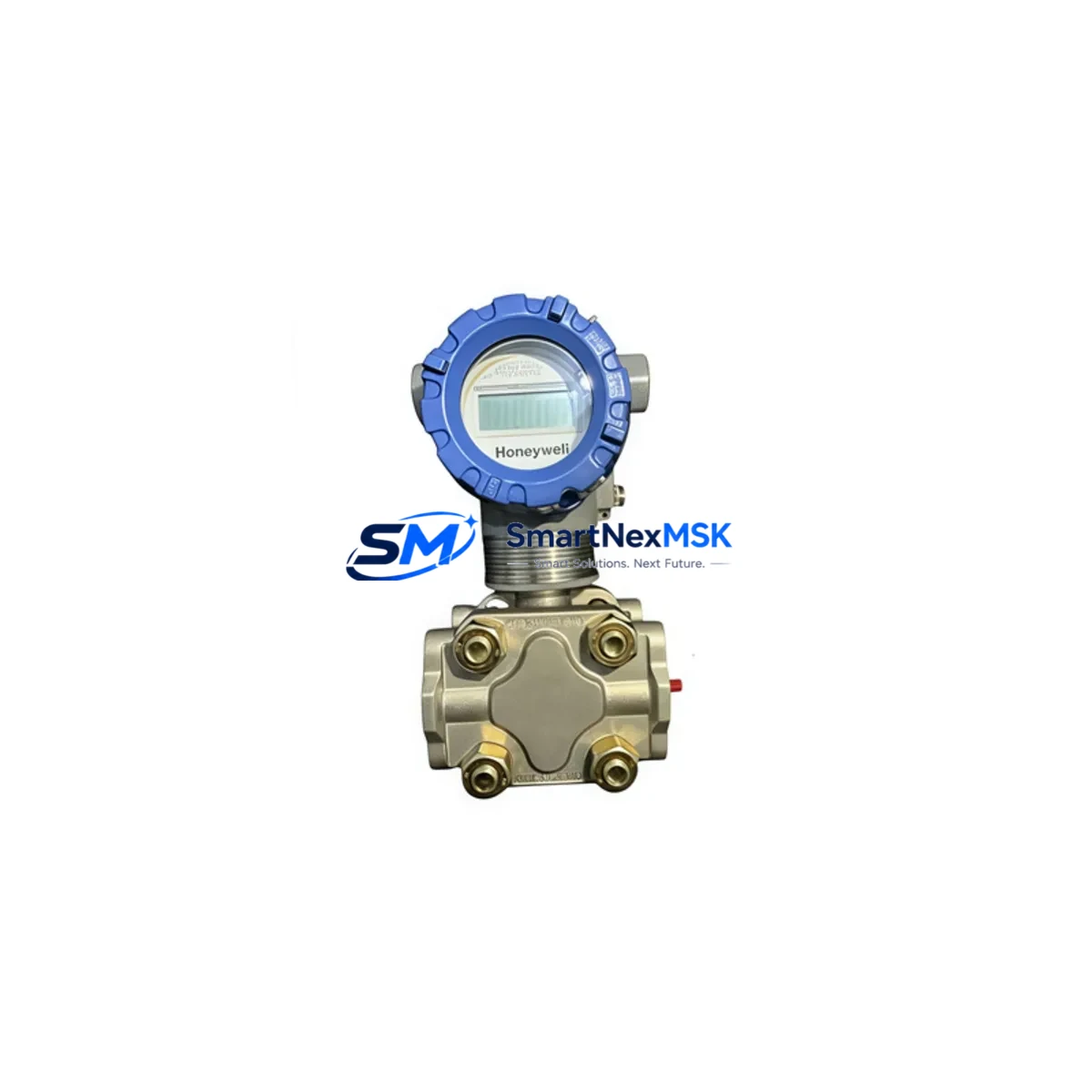
Honeywell HC-SDS730 Maintenance-Ready Spare for Experion PKS Automation
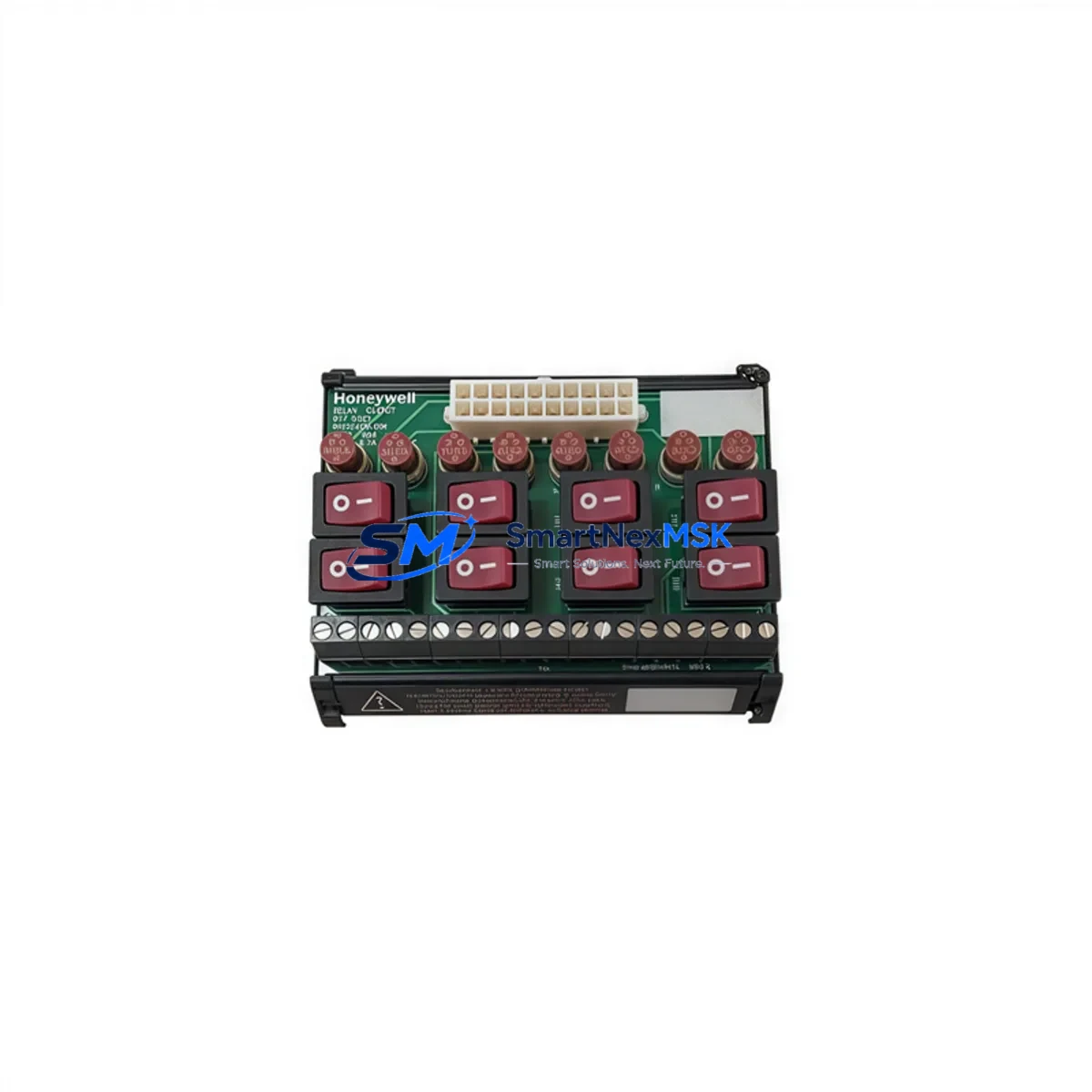
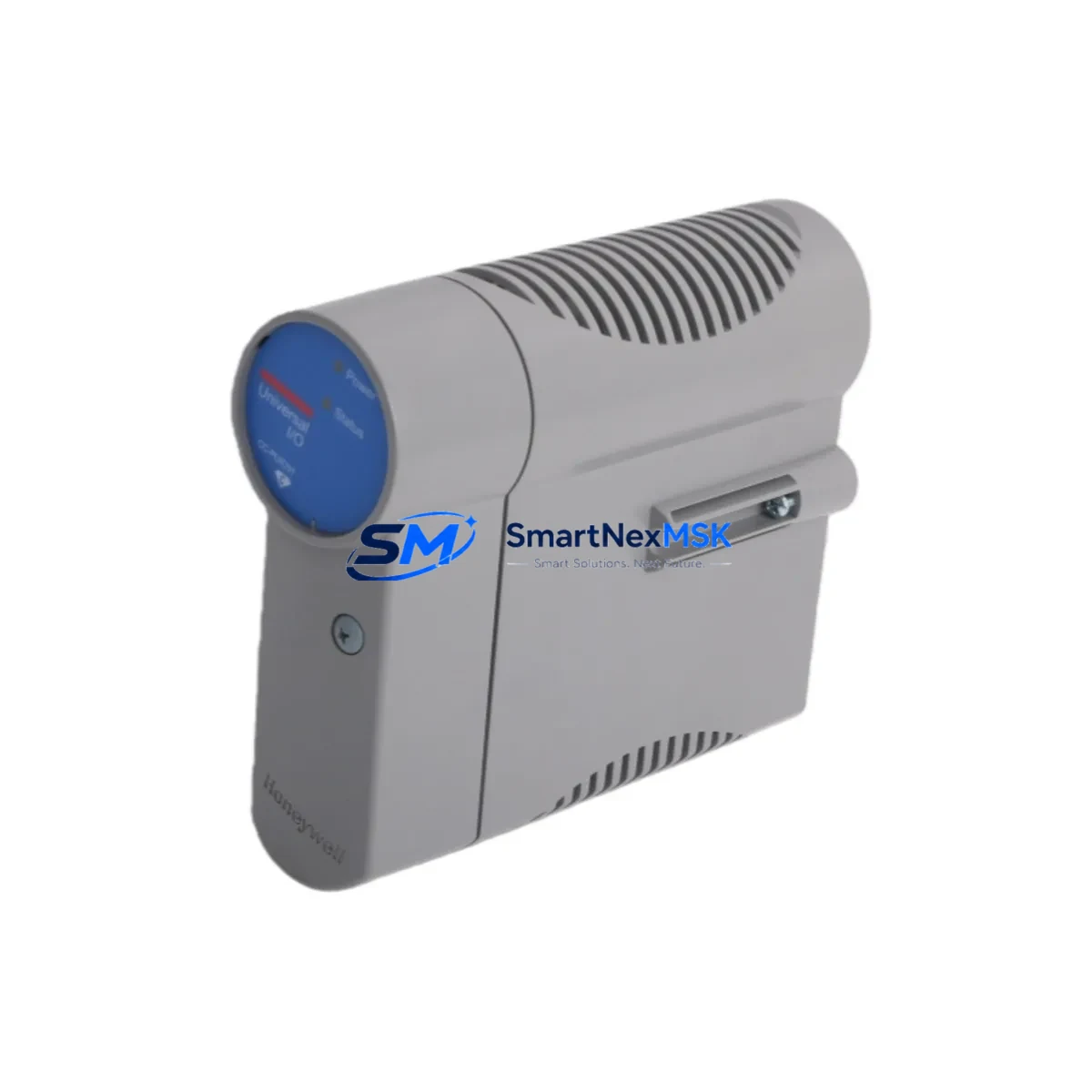
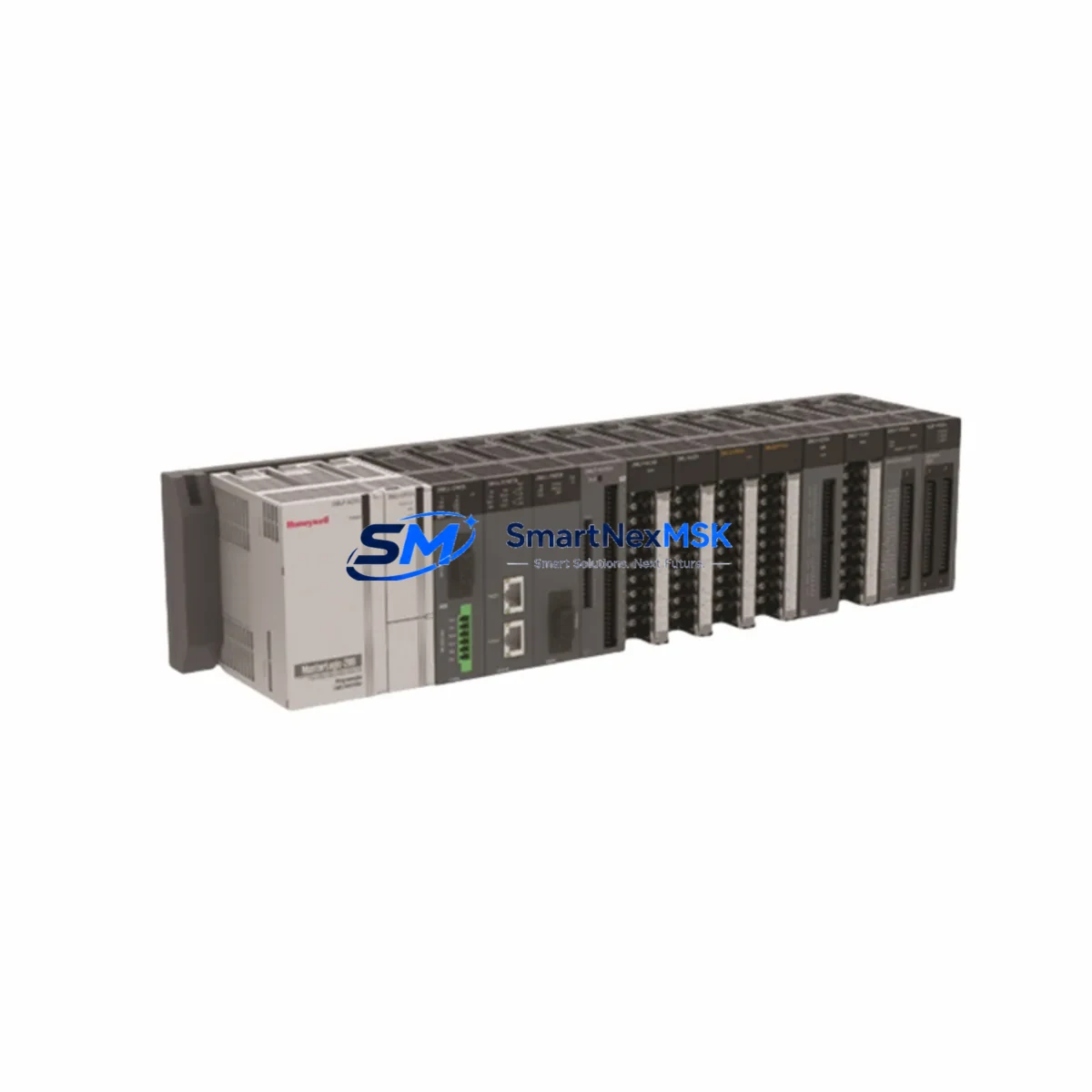
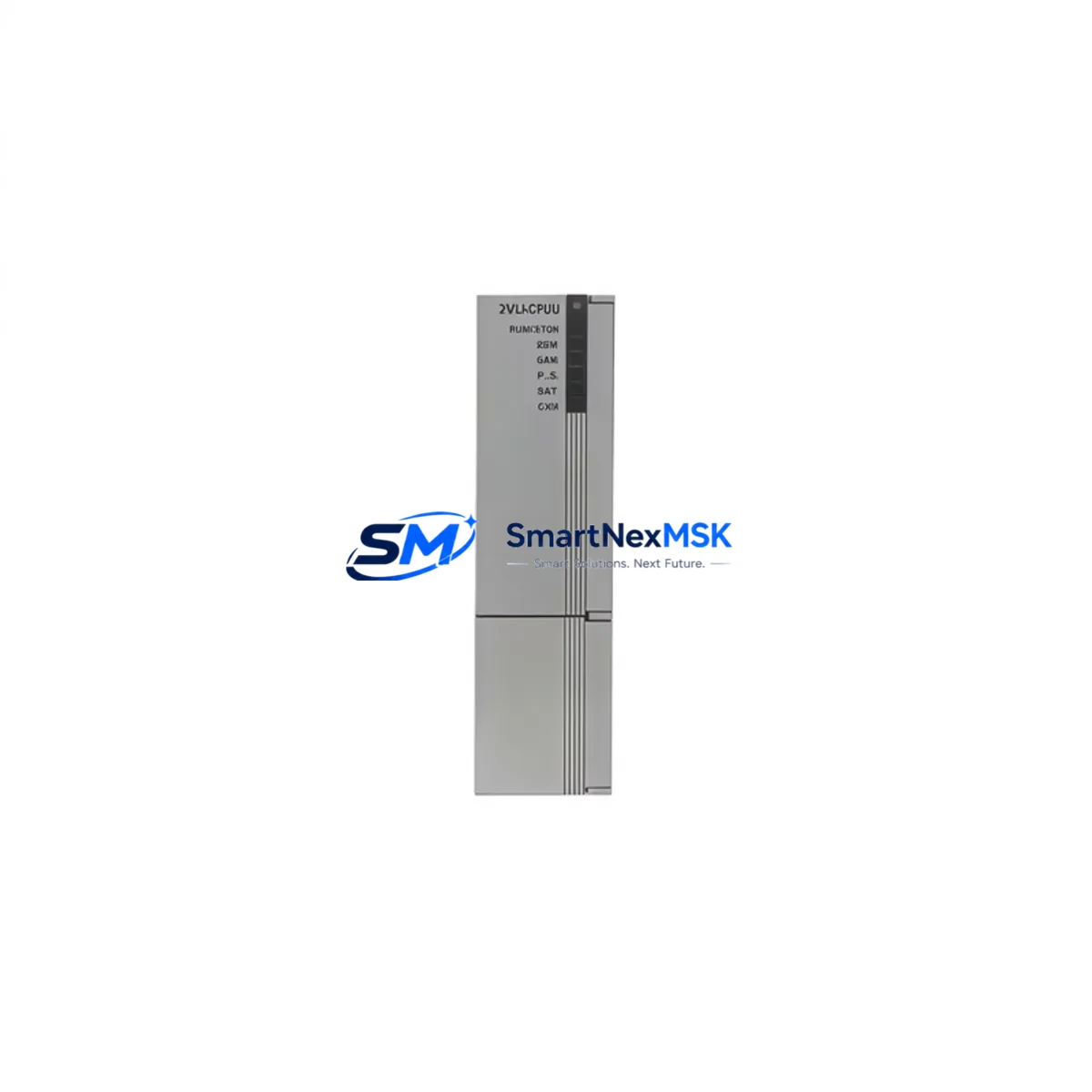
The Honeywell HC-SDS730 is an original signal distribution module designed for use within the Experion PKS distributed control system architecture. For maintenance engineers managing continuous process operations — refinery units, chemical reactors, power generation assets, or large-scale utilities — the HC-SDS730 represents a critical node in the field signal routing chain. Unplanned failure of this module can interrupt I/O communication between field instruments and the controller, triggering process shutdowns and costly unplanned downtime.
Sourcing a verified original HC-SDS730 spare in advance is the most effective strategy to minimize mean time to repair (MTTR). This unit ships fully tested, with each module verified for signal integrity, channel isolation, and connector condition prior to dispatch. A 12-month warranty is included with every shipment, covering manufacturing defects and functional failures under normal operating conditions.
Whether you are building a critical spare inventory for a greenfield DCS installation, replacing an end-of-life module in an aging Experion PKS cabinet, or responding to an emergency fault condition, the HC-SDS730 is available for immediate dispatch with full documentation support.
Spare Maintenance Table
| Parameter | Specification / Detail |
|---|---|
| Part Number | HC-SDS730 |
| Brand | Honeywell |
| Series | Experion PKS (Process Knowledge System) |
| Module Type | Signal Distribution Module |
| Product Condition | Original New / Tested Surplus |
| Compatibility | Honeywell Experion PKS C200, C300 Controller Series; Series C I/O Cabinets |
| Signal Channels | Multi-channel field signal distribution (analog/discrete per system configuration) |
| Mounting | DIN rail / backplane slot mount (cabinet-specific) |
| Operating Temperature | 0°C to 60°C (standard industrial enclosure) |
| Application Environment | Process industries: oil & gas, refining, chemicals, power, pulp & paper |
| Maintenance Recommendation | Inspect signal connectors and terminal blocks every 12 months; replace on first sign of channel drift or isolation failure |
| Warranty | 12 Months — covers manufacturing defects and functional failure under normal use |
| Pre-shipment Testing | Full functional test performed; signal integrity and channel isolation verified |
| Lead Time | In stock — same-day or next-business-day dispatch available |
| Origin | USA (Honeywell OEM) |
Maintenance Planning for Continuous Operation
When scheduling a planned replacement of the HC-SDS730 in an Experion PKS cabinet, maintenance engineers should treat the module swap as part of a broader cabinet inspection rather than an isolated task. Signal distribution modules sit at the intersection of field wiring and controller I/O, meaning that a degraded HC-SDS730 can mask faults in adjacent components or introduce intermittent signal errors that are difficult to trace.
During the same maintenance window, it is best practice to inspect the HC-SCMB02 or equivalent Series C main backplane for signs of corrosion or connector wear, as backplane integrity directly affects module seating and signal continuity. The HC-TDIL16D discrete input terminal assembly and HC-TDOL8D discrete output terminal assembly should be checked for loose field wiring terminations, which are a common source of spurious alarms after module replacement.
Power distribution within the cabinet should also be verified. The HC-PWRM02 power module and associated 24 VDC bus fuses should be load-tested to confirm stable supply voltage before the new HC-SDS730 is commissioned. Voltage sags during module hot-swap can corrupt configuration data in adjacent I/O modules.
For systems using HC-FIOM01 fiber optic interface modules or HC-IOLM02 I/O link modules to extend the I/O network across cabinet boundaries, verify that the optical link budget and cable continuity are within specification. A marginal fiber link will cause intermittent communication faults that are often misdiagnosed as module failures.
If the Experion PKS node includes a C300 Controller with redundant configuration, confirm that the redundancy switchover function is healthy before taking the primary I/O path offline for the HC-SDS730 replacement. Redundancy health can be verified from the Experion Station HMI without requiring physical access to the controller chassis.
Finally, review the terminal block and field cable labeling in the affected I/O loop. Mislabeled or undocumented field wiring is one of the most common causes of extended downtime during module replacement, particularly in older installations where as-built drawings may not reflect field modifications.
Site Replacement Workflow
Step 1 — Pre-replacement verification: Confirm the HC-SDS730 part number against the cabinet label and Experion PKS hardware configuration report. Cross-check the module slot address in the Experion Configuration Studio to ensure the replacement module will be recognized automatically upon insertion.
Step 2 — System state preparation: Where process conditions permit, place the affected I/O channels in manual control mode at the Experion Station HMI before removing the faulty module. This prevents spurious control actions during the swap interval.
Step 3 — Physical replacement: Remove the faulty HC-SDS730 by releasing the module locking mechanism and sliding it clear of the backplane connector. Inspect the backplane connector pins for damage or contamination before inserting the replacement unit. Seat the new module firmly and verify the locking tab engages.
Step 4 — Post-replacement commissioning: Monitor the Experion Station for module online status and I/O channel health alarms. Verify that all field signals are reading correctly against known process values before returning the affected loops to automatic control.
Step 5 — Documentation update: Record the replacement date, new module serial number, and any observations in the plant maintenance management system (CMMS). Update the spare parts inventory to trigger reorder of a replacement HC-SDS730 for the critical spare stock.
This workflow is applicable to both planned maintenance replacements and emergency fault recovery scenarios. The HC-SDS730’s plug-in backplane design supports rapid replacement without requiring special tools, making it well-suited to time-critical shutdown recovery situations.
Spare Parts Support FAQ
Q1: What is the expected service life of the HC-SDS730, and when should I plan for proactive replacement?
Honeywell Experion PKS hardware is designed for long service life in industrial environments, but signal distribution modules in high-cycle or high-vibration applications may show connector wear or channel drift after 10–15 years of continuous service. Proactive replacement is recommended when diagnostic data from Experion Station shows increasing channel error counts, or when the module is identified on Honeywell’s end-of-life notification list for the installed firmware revision.
Q2: How do I verify compatibility between a replacement HC-SDS730 and my existing Experion PKS system version?
Compatibility is determined by the Experion PKS release version and the Series C I/O hardware revision level installed in your cabinets. The HC-SDS730 is compatible across the C200 and C300 controller generations. For specific firmware compatibility queries, the module’s hardware revision label should be cross-referenced against the Honeywell Experion PKS Hardware Planning Guide for your installed release.
Q3: What pre-shipment testing is performed on the HC-SDS730 before dispatch?
Every HC-SDS730 unit undergoes a full functional test prior to shipment, including signal channel continuity verification, channel-to-channel isolation measurement, and backplane connector inspection. Test records are available upon request. The 12-month warranty covers any functional failure attributable to the module itself under normal operating conditions.
Q4: Can I hold multiple HC-SDS730 units in long-term spare stock, and what storage conditions are required?
Yes. The HC-SDS730 is well-suited to long-term spare stock holding. Modules should be stored in their original anti-static packaging in a dry, temperature-controlled environment (10°C to 40°C, relative humidity below 85% non-condensing). Avoid storage near strong electromagnetic fields or corrosive atmospheres. Modules held in proper storage conditions retain full functionality and remain covered under the 12-month warranty from the date of shipment.
© 2026 SMARTNEXMSK. All rights reserved.
Original Source: https://smartnexmsk.com
Contact: [email protected] | +86 18259474341