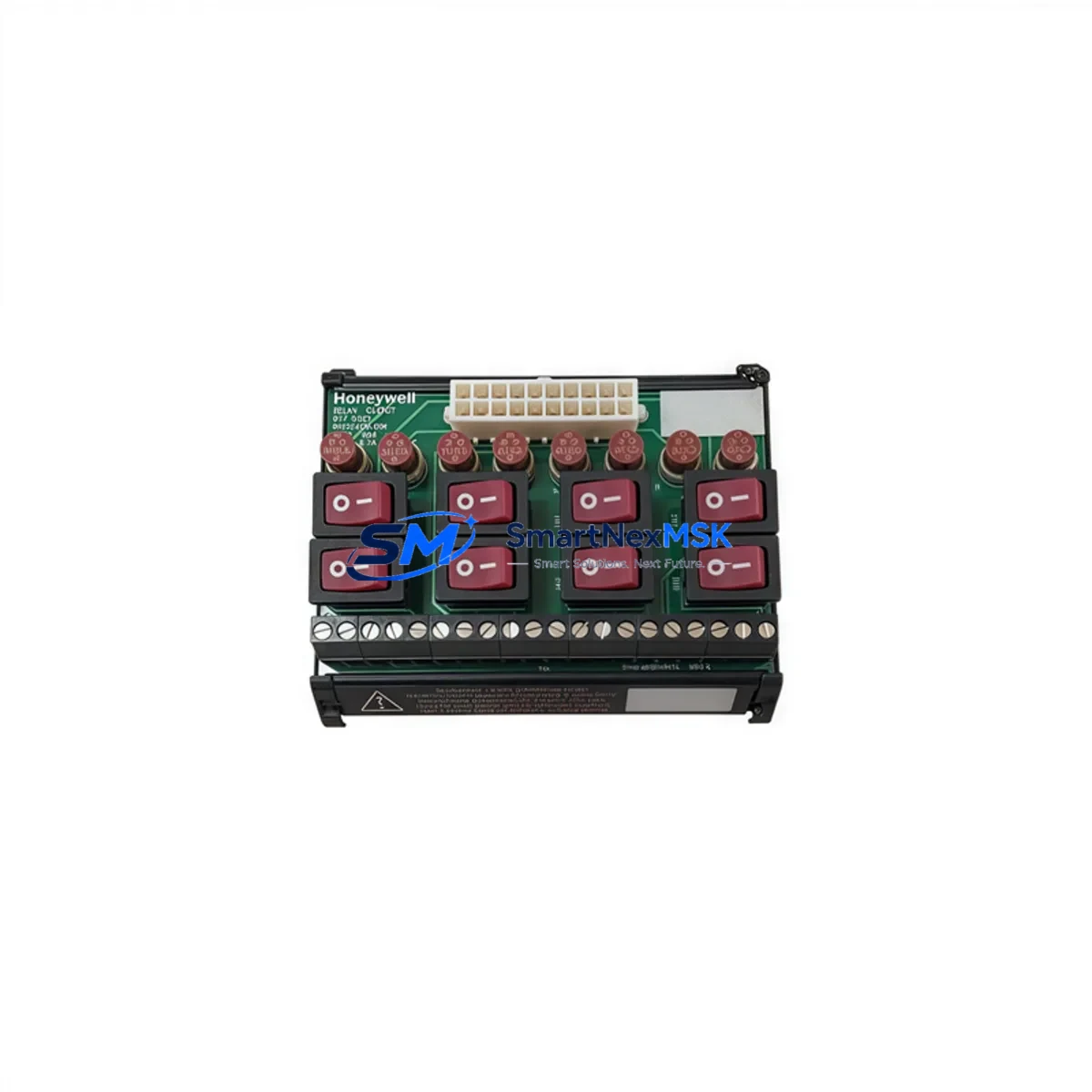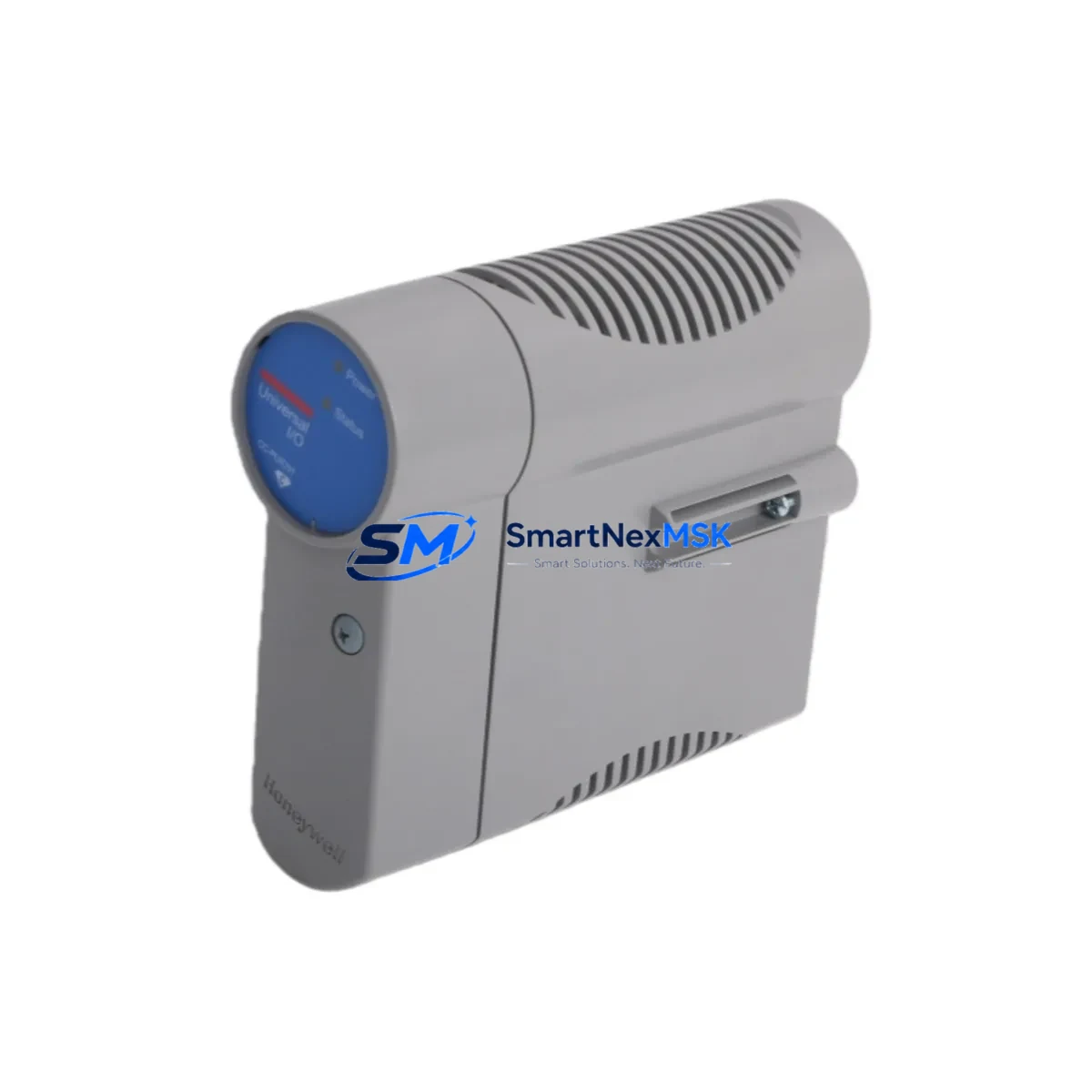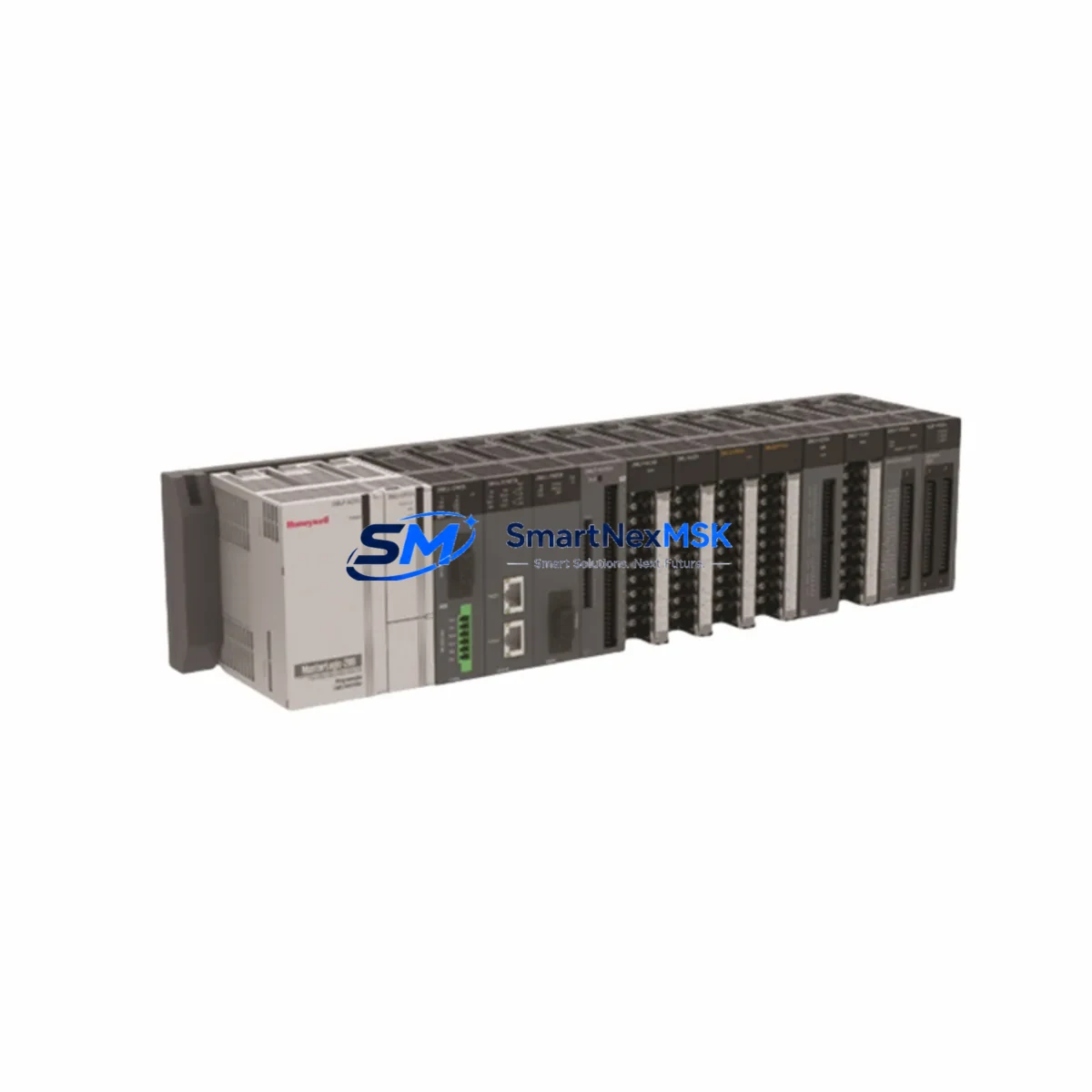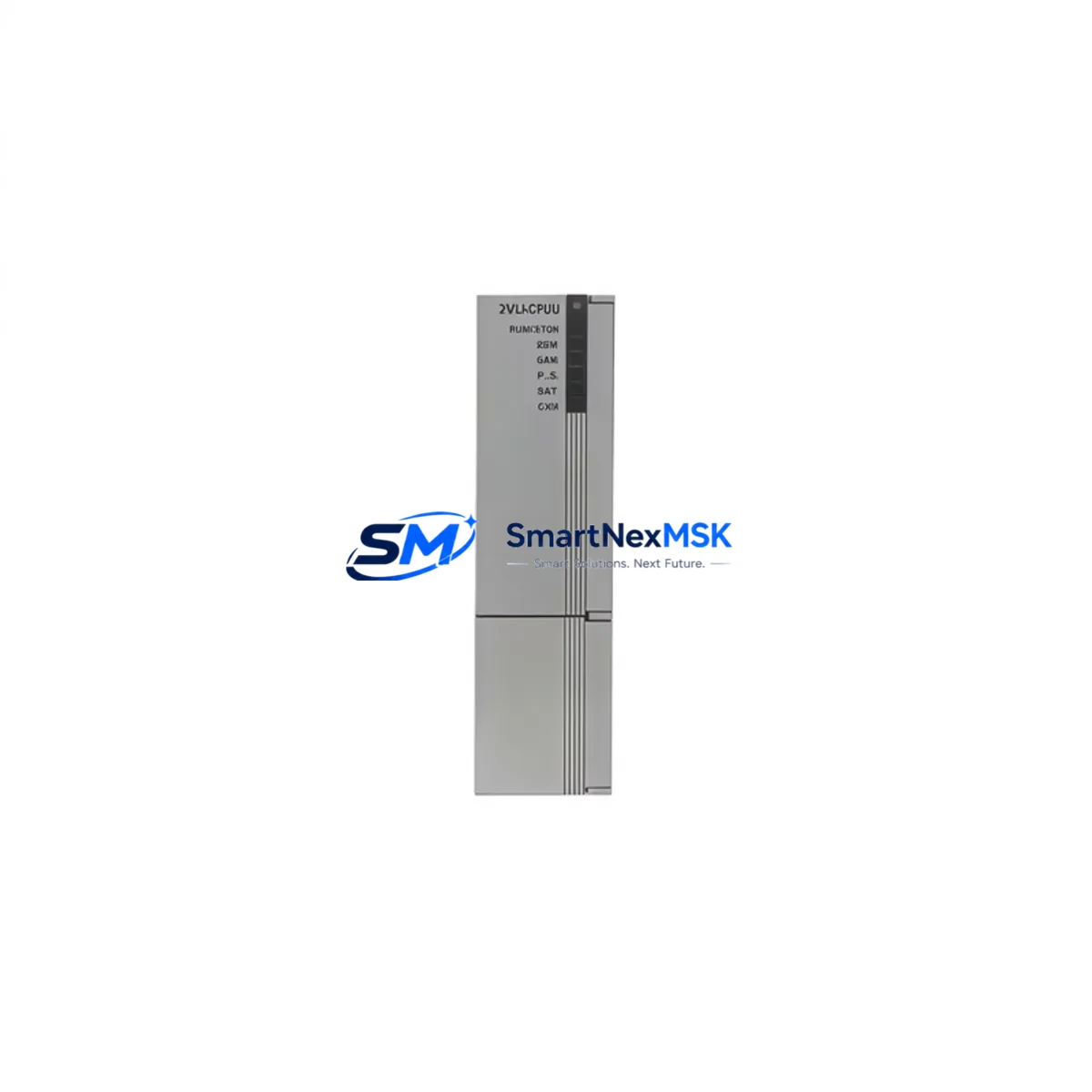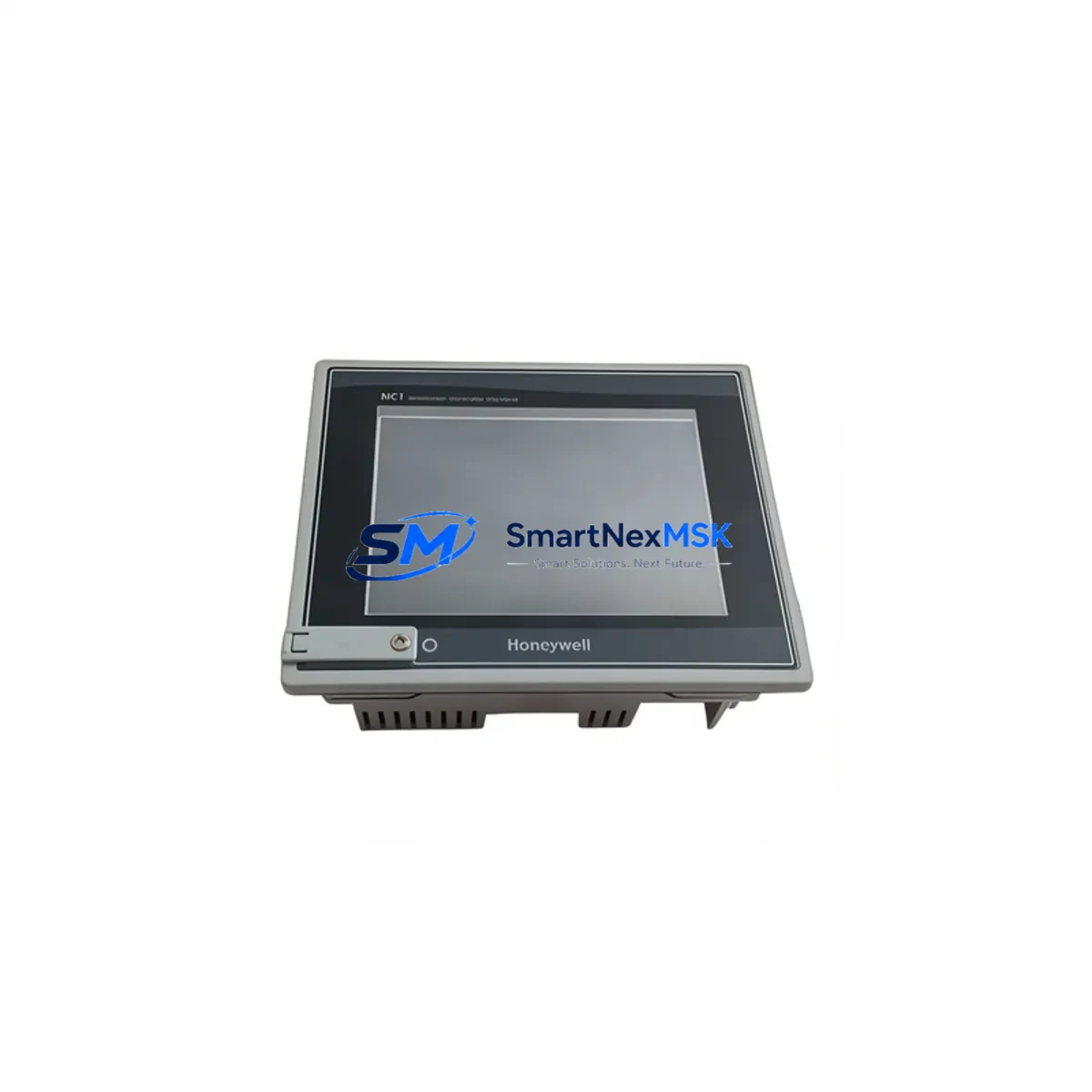
Honeywell HCiRP-10D Retrofit-Ready Controller Interface for Experion PKS Control Systems
The Honeywell HCiRP-10D is a high-reliability Controller Interface Module engineered for seamless integration into Honeywell Experion PKS and legacy TDC 3000 distributed control system architectures. As aging TDC 3000 platforms approach end-of-support milestones and spare parts become increasingly scarce, the HCiRP-10D provides a proven, drop-in compatible upgrade path that preserves existing UCN and LCN network infrastructure, minimizes rewiring effort, and protects the integrity of established control logic.
Designed for industrial environments where uptime is non-negotiable, the HCiRP-10D supports direct backplane installation into standard Honeywell card file assemblies. Its compatibility with the Universal Control Network (UCN) and Local Control Network (LCN) means that engineers can replace failed or end-of-life interface modules without modifying network topology, reconfiguring communication parameters, or rewriting application programs in Honeywell’s Control Builder or HPM configuration tools.
Upgrade Compatibility Table
| Parameter | HCiRP-10D Specification | Retrofit Notes |
|---|---|---|
| Compatible Platforms | Experion PKS, TDC 3000, TPS | Verify firmware revision of host controller before installation |
| Network Interface | UCN / LCN | No network reconfiguration required for like-for-like swap |
| Backplane / Card File | Standard Honeywell card file slot | Confirm card file model (e.g., MC-PAIH03, MC-TAIH72) for slot compatibility |
| Terminal Wiring | Existing field termination assembly (FTA) compatible | No rewiring required; verify FTA model matches I/O type |
| Module Address | Configurable via DIP switch / software | Record original module address before removal; replicate on replacement unit |
| Communication Protocol | Honeywell proprietary UCN/LCN | No protocol migration needed; compatible with existing HPM and AM nodes |
| Power Supply Requirement | 24 VDC (from card file backplane) | Verify power supply module (e.g., MC-PSIM11) capacity before adding modules |
| HMI / SCADA Compatibility | Experion Station, GUS, TPS Console | HMI display points remain valid; no screen rebuild required |
| Outgoing Test Standard | Full functional burn-in test | Each unit tested under load prior to shipment |
| Warranty | 12 Months | Covers manufacturing defects and functional failure under normal operating conditions |
Retrofit Planning for Existing Automation Systems
Successful integration of the HCiRP-10D into an operating plant begins well before the module arrives on site. A structured retrofit plan should account for the full scope of the control cabinet, not just the failed card. In a typical TDC 3000 or Experion PKS cabinet, the HCiRP-10D shares the card file with components such as the Honeywell MC-PSIM11 Power Supply Module, MC-TAIH72 Analog Input Termination Assembly, and MC-PAIH03 Analog Input/Output Module. Before pulling the defective interface card, engineers should confirm that the card file’s power budget can support the replacement module, particularly if additional I/O expansion is planned at the same time.
Wiring continuity is the next critical checkpoint. The HCiRP-10D connects to field devices through Honeywell Field Termination Assemblies (FTAs). In most retrofit scenarios, the existing FTA cabling remains intact, but terminal block labeling should be verified against the original loop drawings to prevent mis-termination during reinstallation. If the plant is simultaneously migrating from a legacy Honeywell AM (Application Module) to a newer C300 Controller node on the Experion PKS platform, the I/O addressing scheme may require adjustment in the Control Builder database.
Communication link integrity must be validated before the system is returned to automatic control. The UCN coaxial cable segments connecting the HCiRP-10D to the Honeywell HPM (High-Performance Process Manager) should be inspected for impedance continuity, and the LCN fiber or coax segments linking to the Honeywell NIM (Network Interface Module) should be tested for signal quality. Where plants are also upgrading their operator interface from a legacy Honeywell GUS (Global User Station) to a modern Experion Station running on Windows Server, the HMI tag database should be exported and validated before the cutover window opens.
For sites performing a phased migration — keeping part of the TDC 3000 system live while commissioning new Experion PKS nodes — the HCiRP-10D can serve as a bridging interface, maintaining UCN connectivity to legacy Honeywell PM (Process Manager) nodes while the new control strategy is being built and tested offline. This approach is particularly effective in continuous process industries where a full system shutdown is not operationally feasible. Programming cables such as the Honeywell MC-KFBS01 configuration cable are recommended for on-site parameter verification and address confirmation during the commissioning phase.
Downtime Control During System Migration
Minimizing unplanned downtime during a DCS module replacement requires a disciplined sequence of pre-outage, outage, and post-outage activities. Before the maintenance window opens, the control engineer should export a full backup of the Experion PKS or TDC 3000 database, including all loop configurations, alarm setpoints, and interlock logic. This backup serves as the recovery baseline if the replacement module requires re-initialization or if a configuration discrepancy is discovered during commissioning.
During the outage window, the HCiRP-10D should be installed with the card file de-energized. After physical installation, the card file power is restored and the module’s self-diagnostic LEDs are observed for normal startup indication. The module address — previously recorded from the failed unit — is confirmed via the front-panel DIP switches or through the Experion Configuration Studio. Once the module reports online status on the UCN/LCN network, the associated I/O points are verified in the operator station by checking live process values against field instrument readings.
To protect original program logic throughout the migration, no changes should be made to the Control Builder application database during the hardware swap. The existing control strategy, including PID loops, sequence logic, and safety interlocks, remains resident in the Honeywell HPM or C300 Controller and is unaffected by the interface module replacement. This architecture ensures that the plant can return to automatic control within the planned maintenance window, with full continuity of the control narrative and alarm management system.
Retrofit Support FAQ
Q1: Is the HCiRP-10D a direct drop-in replacement for the original Honeywell interface module in TDC 3000 systems?
A: Yes. The HCiRP-10D is designed as a form-fit-function replacement for compatible Honeywell TDC 3000 and Experion PKS controller interface positions. The module occupies the same card file slot, uses the same backplane connector, and communicates over the existing UCN/LCN network without requiring network reconfiguration. Customers should confirm the card file model and firmware revision of the host controller to ensure full compatibility before ordering.
Q2: What wiring changes are required when installing the HCiRP-10D?
A: In a standard like-for-like replacement, no field wiring changes are required. The HCiRP-10D interfaces with the existing Field Termination Assembly (FTA), and all field cable terminations remain at the FTA terminal blocks. Engineers should verify that the FTA model is appropriate for the I/O type being served and that terminal labeling matches the original loop drawings. If the retrofit also involves I/O expansion, additional FTA panels and termination wiring may be required.
Q3: How is the module address configured, and does it affect the existing control program?
A: The module address is set via DIP switches on the module face or through software configuration in Experion Configuration Studio, depending on the platform revision. The address must match the original module’s configured address in the Control Builder database. Provided the address is correctly replicated, the existing control program — including all loop configurations, alarm setpoints, and interlock logic — remains fully intact and does not require modification.
Q4: What does the 12-month warranty cover, and what is the outgoing test standard?
A: Every HCiRP-10D unit undergoes a full functional burn-in test prior to shipment, verifying communication integrity, I/O channel performance, and power consumption within specification. The 12-month warranty covers manufacturing defects and functional failure under normal operating conditions from the date of shipment. Warranty claims are supported by our technical team, and replacement units are dispatched with priority to minimize any impact on plant operations.
© 2026 SMARTNEXMSK. All rights reserved.
Original Source: https://smartnexmsk.com
Contact: [email protected] | +86 18259474341