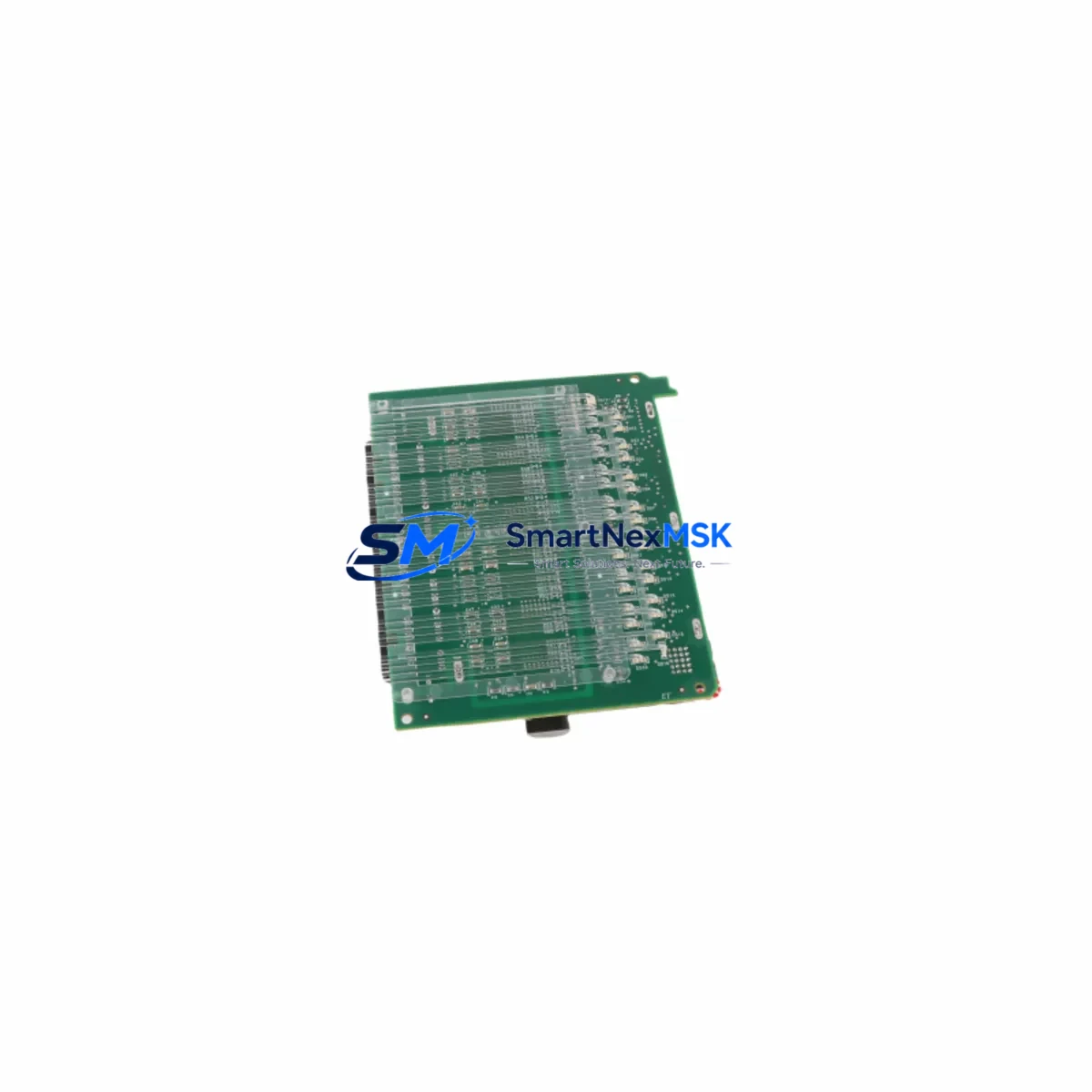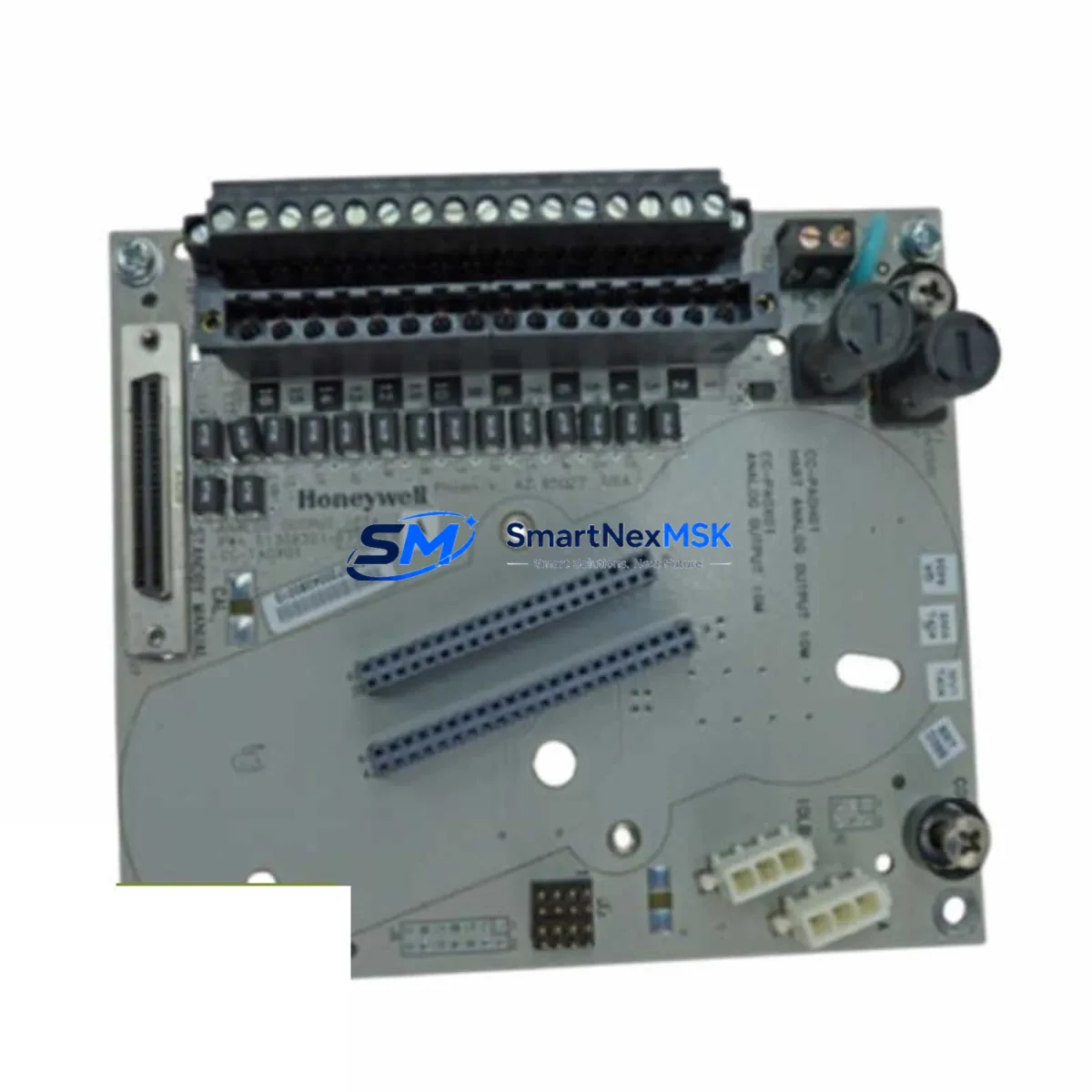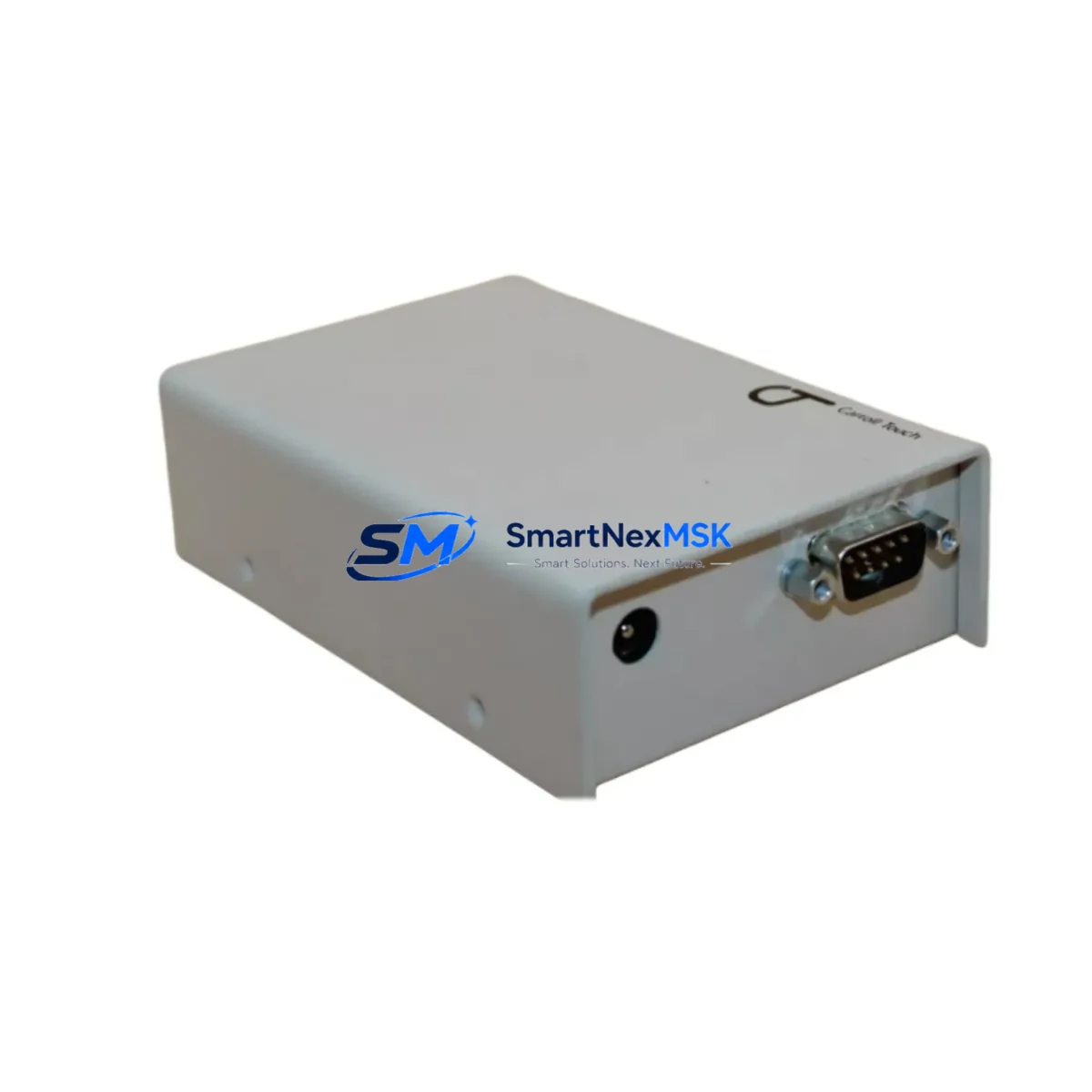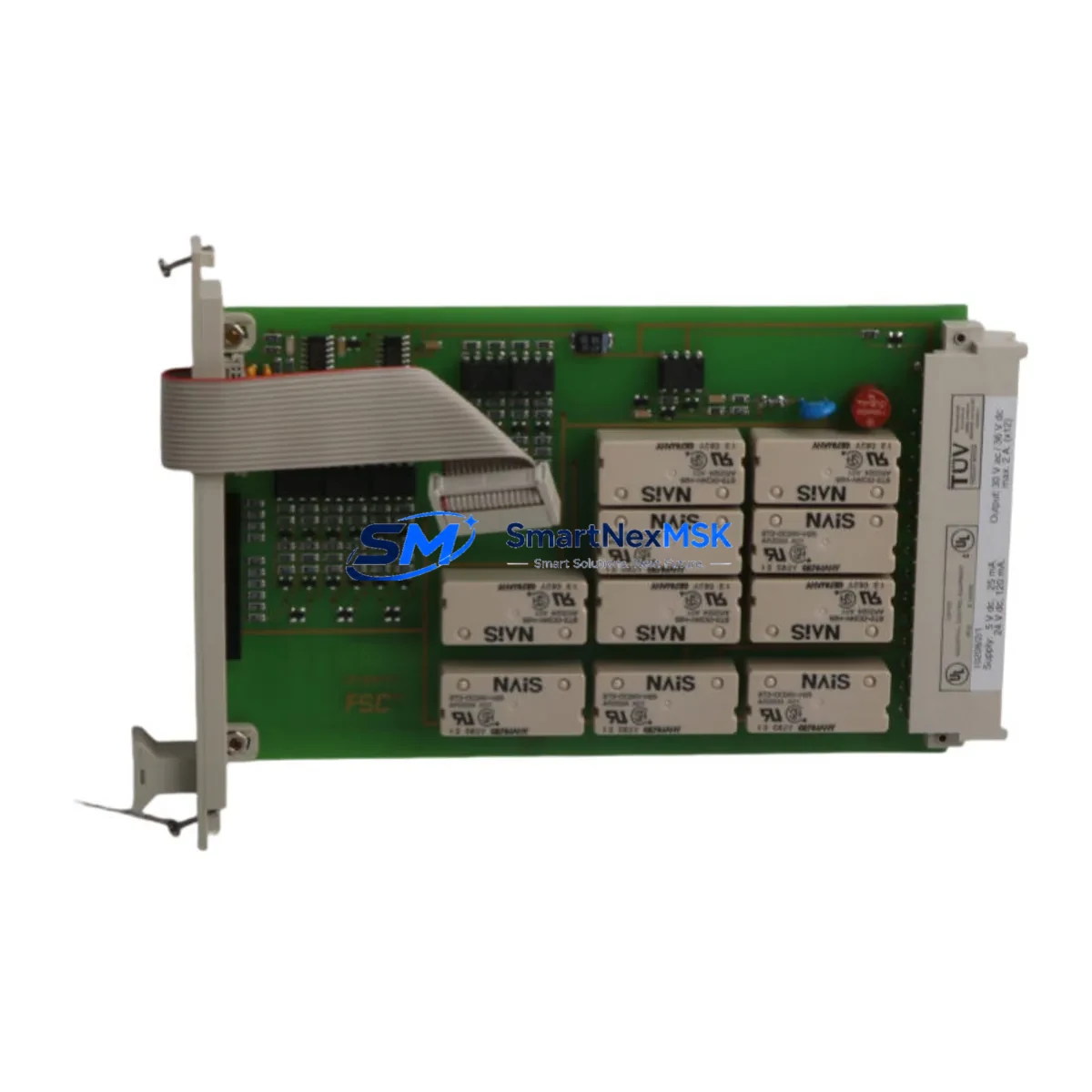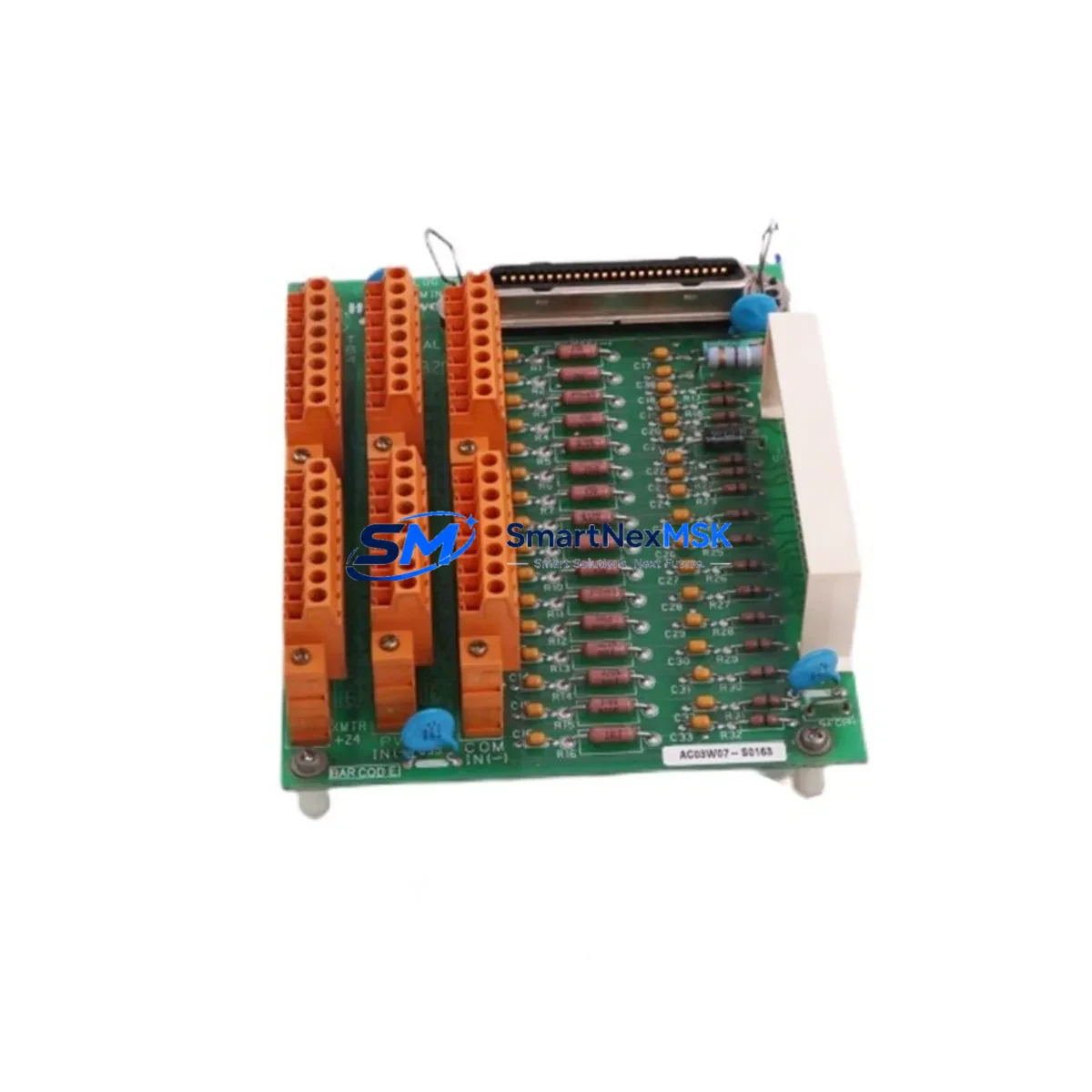
Honeywell MC-TAIH14 51305887-150 Retrofit-Ready Battery Backup for TPS Control Systems
The Honeywell MC-TAIH14 51305887-150 is a DCS battery backup module engineered for seamless integration into legacy TotalPlant Solution (TPS) and TDC 3000 distributed control system architectures. As original Honeywell TPS hardware reaches end-of-life and spare parts become increasingly scarce, the MC-TAIH14 51305887-150 provides a verified drop-in replacement path that preserves existing cabinet layouts, backplane wiring, and control logic without requiring a full platform migration.
This module is specifically designed to maintain uninterrupted power delivery to critical DCS nodes during mains supply interruptions. In a TPS control cabinet, the battery backup subsystem is the last line of defense against uncontrolled shutdowns that can corrupt controller memory, disrupt HART or RS-485 field device communication, and trigger costly process upsets. The MC-TAIH14 51305887-150 integrates directly with the existing MC-PSIM11 power supply infrastructure and is fully compatible with the standard TPS card file backplane, eliminating the need for additional mounting adapters or wiring harness modifications.
Before installing the MC-TAIH14 51305887-150 as a replacement for a failed or end-of-life battery module, engineers should verify the following: total power budget of the card file, terminal block torque specifications on the power distribution rail, backplane slot addressing if the host controller uses module-position-based I/O mapping, and the current firmware revision of the MC-IOLM11 or similar I/O link modules sharing the same cabinet. In systems where the C200 Controller or C300 Controller is installed alongside legacy TPS nodes, confirming that the battery backup capacity meets the combined load of both platforms is essential prior to commissioning.
Upgrade Compatibility Table
| Parameter | MC-TAIH14 51305887-150 | Notes |
|---|---|---|
| Compatible Platform | TPS / TDC 3000 | Verified for standard TPS card file installations |
| Backplane Interface | Standard TPS card file slot | No adapter required; direct drop-in fit |
| Power Input | Compatible with MC-PSIM11 power supply | Verify total cabinet power budget before installation |
| Communication Compatibility | HART, RS-485, RS-232 field bus environments | No protocol reconfiguration required |
| Installation Requirement | Match terminal block wiring per original layout | Refer to Honeywell TPS wiring diagram |
| Replacement Recommendation | Direct replacement for MC-TAIH14 series | Confirm part suffix -150 matches original |
| Commissioning Focus | Power-on self-test, charge cycle verification | Allow full charge cycle before live operation |
| Warranty | 12-Month Warranty | Covered from date of shipment; includes functional test report |
Retrofit Planning for Existing Automation Systems
A successful retrofit of the MC-TAIH14 51305887-150 into an operating TPS system requires a structured pre-installation audit. Begin by documenting the existing cabinet configuration: identify all installed modules including the MC-TDID12 digital input modules, MC-TAOX15 analog output modules, and any MC-TSTM12 termination assemblies currently wired to field devices. This documentation ensures that the battery backup replacement does not inadvertently affect adjacent module addressing or I/O channel assignments.
Power sequencing is a critical consideration. The TPS architecture relies on the MC-PSIM11 power supply module to distribute regulated voltage across the card file. When replacing the battery backup module, the power supply must be evaluated for remaining capacity headroom, particularly in cabinets that have been expanded with additional MC-PAIH22 analog input modules or MC-PDIY22 digital I/O modules over the system’s operational lifetime. Overloading the power rail during the transition period is a common cause of unexpected controller resets.
For sites running Experion PKS alongside legacy TPS nodes, the retrofit plan should also account for the ESVT (Experion Server) communication link status. If the TPS node communicates upstream via a LCN (Local Control Network) interface card, verify that the LCN node address and network token-passing configuration remain intact after the battery module swap. HMI screens connected to the TPS historian should be monitored during the first 24 hours post-installation to confirm that all tag values are updating correctly and no communication timeouts are logged.
Field wiring adaptation is straightforward for this module: the terminal block layout of the MC-TAIH14 51305887-150 matches the original Honeywell specification, so no re-termination of field cables is required. However, it is recommended to inspect the condition of existing terminal screws and cable ferrules, particularly in high-humidity or high-vibration environments, and replace any corroded connections before reinstalling the module. A programming cable connected to the local engineering workstation should remain active throughout the swap to allow real-time monitoring of controller diagnostics.
Downtime Control During System Migration
Minimizing process downtime during a battery backup module replacement is achievable with proper preparation. The recommended approach is a hot-standby swap procedure where the replacement MC-TAIH14 51305887-150 is pre-charged and function-tested off-line before being brought to the installation site. This eliminates the charge cycle wait time that would otherwise extend the maintenance window.
Prior to removing the failed module, export a full controller checkpoint from the C200 or TPS node controller to a portable engineering station. This preserves all ladder logic, function block configurations, and PID tuning parameters in the event of an unexpected controller reset during the swap. If the system uses a redundant controller pair, initiate a controlled switchover to the secondary controller before beginning work on the primary cabinet, ensuring continuous process control throughout the maintenance activity.
Field device communication continuity should be maintained by keeping the HART multiplexer or RS-485 segment active on an independent power source during the module exchange. Once the MC-TAIH14 51305887-150 is seated and the cabinet power is restored, perform a systematic verification: check all I/O channel statuses on the HMI, confirm that the battery charge indicator is active, and review the system event log for any fault codes generated during the transition. A full functional test under normal operating load should be completed before returning the system to automatic control mode.
Retrofit Support FAQ
Q1: Is the MC-TAIH14 51305887-150 a direct replacement for the original Honeywell TPS battery backup module?
Yes. The MC-TAIH14 51305887-150 is a verified drop-in replacement for the original Honeywell TPS battery backup module. It uses the same backplane connector, terminal block layout, and power interface as the original, requiring no mechanical or electrical modifications to the existing cabinet.
Q2: What commissioning steps are required after installation?
After seating the module, allow a full battery charge cycle to complete before returning the system to normal operation. Verify the charge status indicator, review the system event log for any fault codes, and confirm that all downstream I/O modules and communication links are operating normally. A functional test report is included with each unit shipped.
Q3: Can this module be used in cabinets that have been upgraded with Experion PKS components?
Yes, provided the cabinet power budget is sufficient to support both the legacy TPS modules and any added Experion PKS components. Verify the MC-PSIM11 power supply capacity and confirm that the LCN or FTE network interface configuration has not been altered in a way that affects the battery backup module’s slot addressing.
Q4: What warranty coverage is provided?
Each MC-TAIH14 51305887-150 unit is covered by a 12-month warranty from the date of shipment. Coverage includes manufacturing defects and functional failures under normal operating conditions. A pre-shipment functional test report is provided with every order to confirm the module meets Honeywell performance specifications before delivery.
© 2026 SMARTNEXMSK. All rights reserved.
Original Source: https://smartnexmsk.com
Contact: [email protected] | +86 18259474341