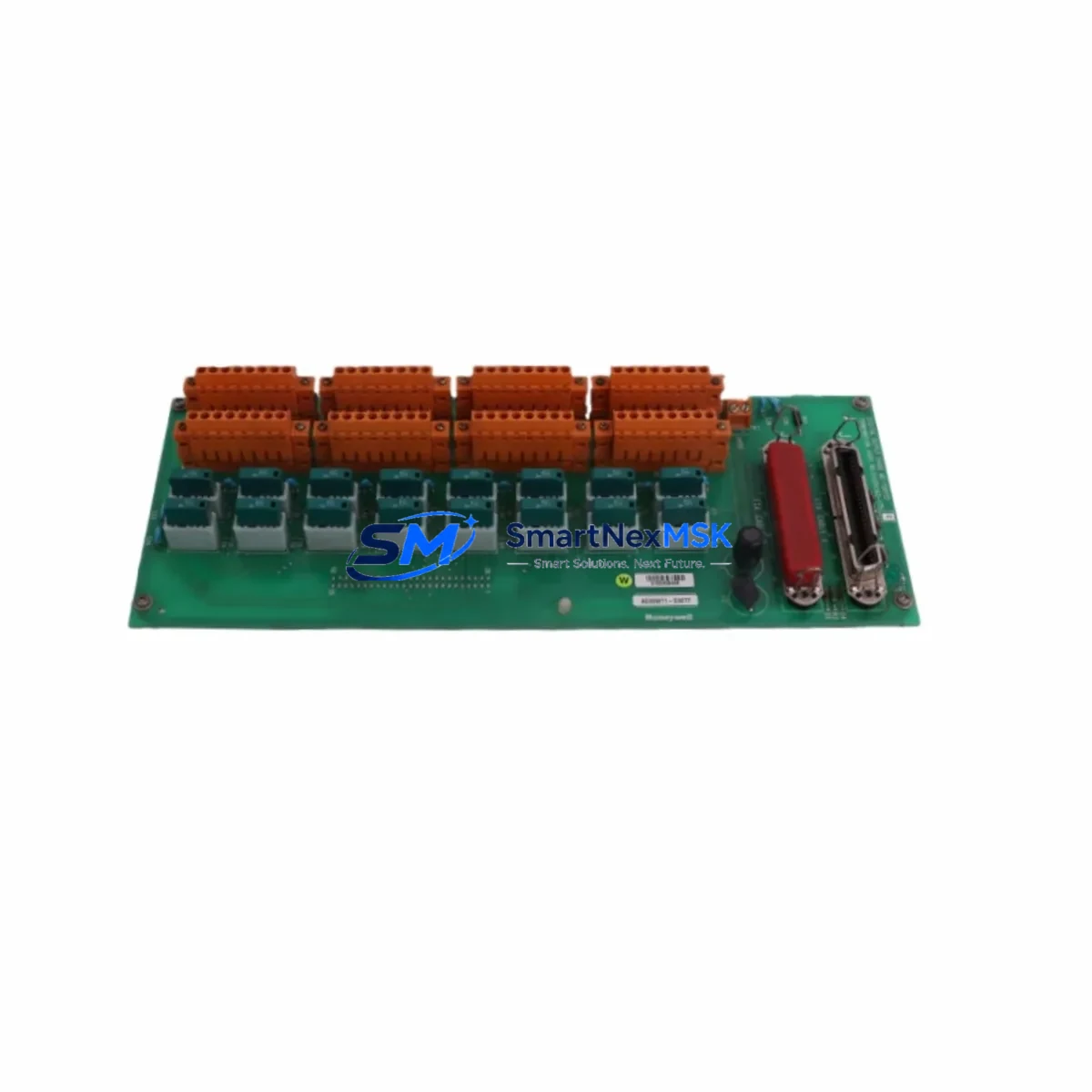
Honeywell MC-TAOY22 51204172-175 Spare TPS Automation: Spare Replacement & Industrial Downtime Risk Control
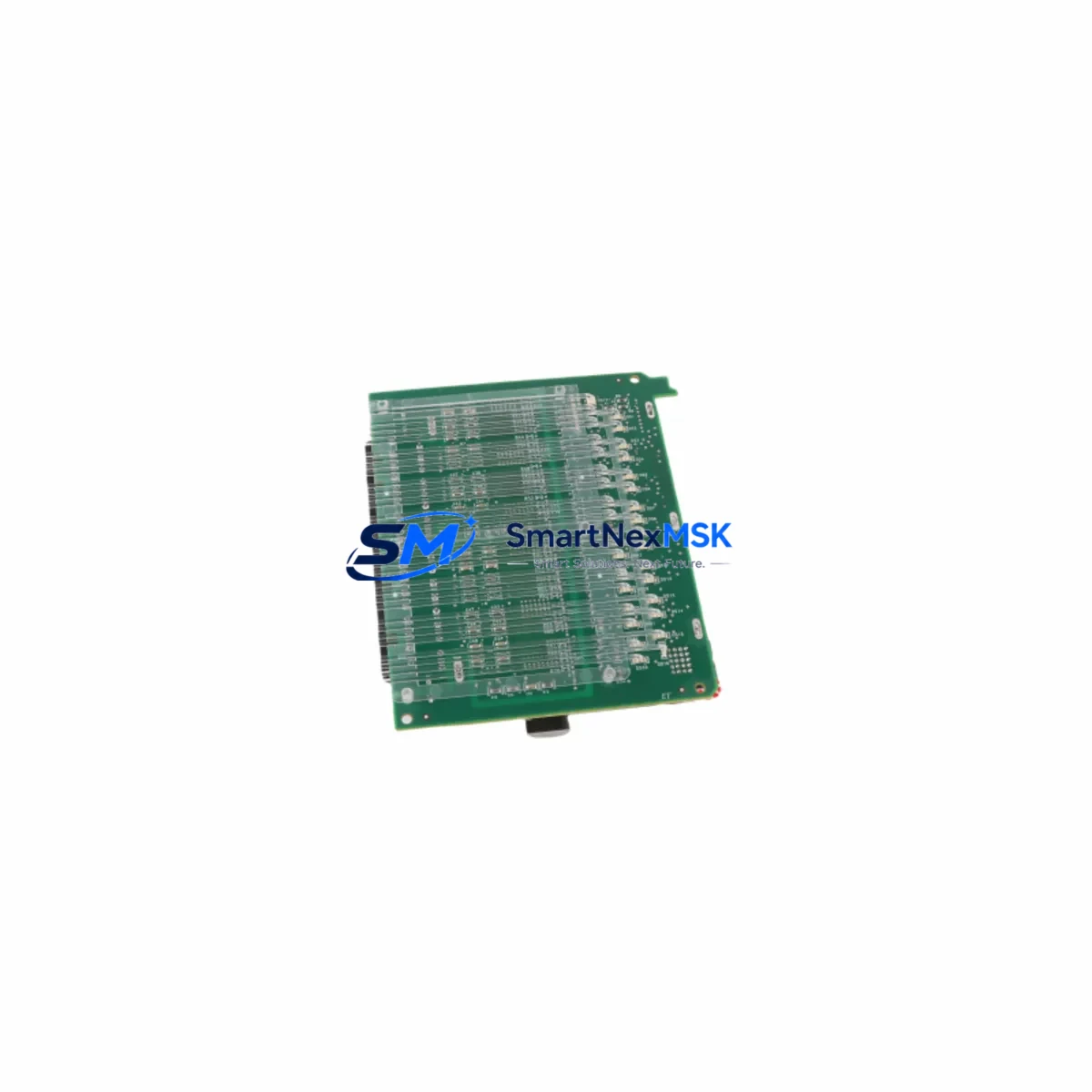
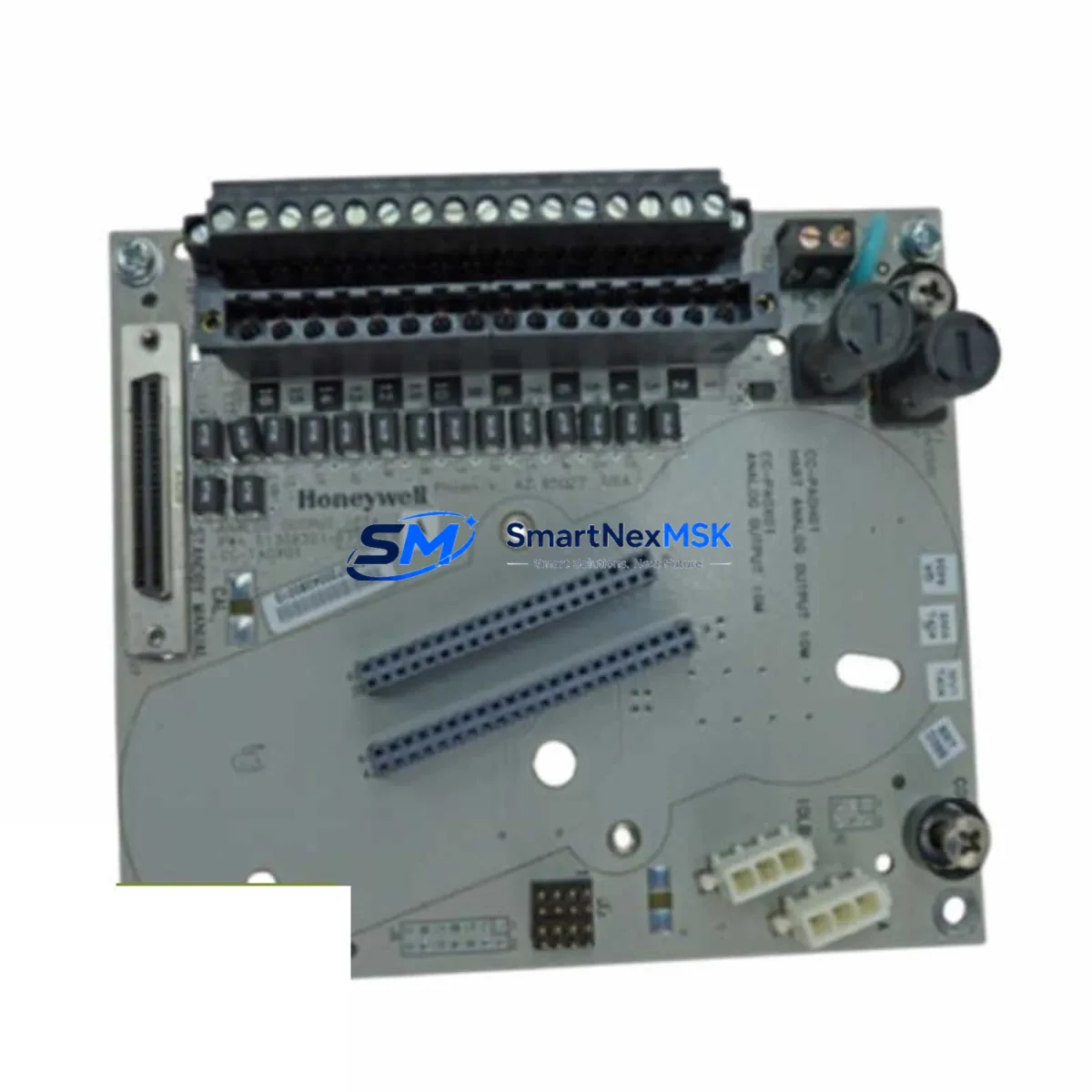
The Honeywell MC-TAOY22 (Part No. 51204172-175) is an original analog output module designed for the TotalPlant Solution (TPS) Distributed Control System platform. As a critical field interface component, it provides precision 4–20 mA analog output signals to final control elements such as control valves, variable frequency drives, and positioners. In process industries — including refining, petrochemical, power generation, and continuous manufacturing — the failure of a single analog output channel can cascade into unplanned shutdowns, production loss, and safety incidents. Maintaining a verified spare of the MC-TAOY22 in your site inventory is a fundamental element of any proactive maintenance strategy.
This listing supplies a genuine, tested Honeywell MC-TAOY22 module sourced from authorized channels. Each unit undergoes functional verification prior to shipment and is backed by a 12-month warranty, giving maintenance engineers and procurement teams confidence in both quality and long-term supply continuity.
Spare Maintenance Table
| Parameter | Specification |
|---|---|
| Part Number | 51204172-175 |
| Model | MC-TAOY22 |
| Brand | Honeywell |
| Series / Platform | TotalPlant Solution (TPS) DCS |
| Module Type | Analog Output Module |
| Output Signal | 4–20 mA (current loop) |
| Output Channels | 2 channels (per standard TPS AO IOP configuration) |
| Communication | TPS I/O Link Bus |
| Power Supply | Supplied via TPS I/O Processor (IOP) backplane |
| Mounting | TPS I/O Processor (IOP) card cage / backplane slot |
| Operating Temperature | 0°C to 60°C (32°F to 140°F) |
| Compatibility | Honeywell TPS / TDC 3000 DCS platforms |
| Origin | USA |
| Condition | Original, tested before shipment |
| Warranty | 12 months |
| Application | Process control, valve positioner output, VFD speed reference |
| Maintenance Recommendation | Inspect field wiring terminals, verify loop calibration, check IOP backplane seating annually |
Maintenance Planning for Continuous Operation
When a maintenance or reliability engineer schedules replacement of the MC-TAOY22, the scope of inspection should extend beyond the module itself. The TPS DCS architecture integrates multiple interdependent components within the same I/O cabinet, and a thorough site replacement workflow demands a systematic review of the surrounding hardware.
Begin with the Honeywell IOP (I/O Processor) that hosts the MC-TAOY22. The IOP manages communication between the field I/O modules and the control network; a degraded IOP can cause intermittent faults that are misdiagnosed as module failures. Inspect the IOP firmware revision and verify backplane connector integrity before condemning the analog output module.
Next, evaluate the MC-TAIX11 or MC-TAIX22 analog input modules in the same card cage. In closed-loop control strategies, the analog output and analog input modules operate as a matched pair — a drift in the input module’s calibration will produce erroneous control action even after the output module is replaced. Calibration records for both should be reviewed simultaneously.
The field termination assembly (FTA) connected to the MC-TAOY22 is a frequent source of latent faults. Inspect the FTA terminal blocks, fuse holders, and field wiring for corrosion, loose terminations, or insulation breakdown. In humid or chemically aggressive environments, FTA degradation often precedes module failure. Honeywell’s MC-TAOY22-compatible FTA panels (such as the 51304453-150 series) should be part of the same inspection cycle.
Review the 24 VDC power supply modules feeding the I/O cabinet. Honeywell TPS cabinets typically use redundant power supply units; a failing secondary supply may not trigger an alarm until the primary unit also degrades, at which point the entire cabinet loses power. Verify output voltage, ripple, and load capacity during the same maintenance window.
For control loops driving smart valve positioners (such as Honeywell SVI II or Fisher DVC series), confirm that the 4–20 mA loop calibration is re-verified after module swap. Positioner zero and span adjustments may be required if the replacement module’s output trim differs from the original.
In systems where the TPS DCS communicates with a Honeywell HMIWeb or Station HMI, verify that the analog output tag database reflects the correct engineering units and alarm limits after the module replacement. Configuration mismatches between the IOP and the HMI can cause spurious alarms or masked process deviations.
Also inspect signal isolators and loop-powered barriers installed between the MC-TAOY22 output and intrinsically safe field devices. Zener barriers and galvanic isolators have finite service lives and are often overlooked during module-level maintenance. A degraded isolator can load the 4–20 mA loop and cause output accuracy errors that appear to originate from the module.
Finally, review the communication cables and I/O link connectors between the IOP and the process control network (PCN). Loose or oxidized connectors on the I/O link bus are a known cause of intermittent module communication faults in aging TPS installations. Cleaning and re-seating these connectors during a planned outage is a low-cost, high-value preventive action.
Site Replacement Workflow
Step 1 — Pre-Replacement Verification: Confirm the replacement MC-TAOY22 part number (51204172-175) matches the installed module exactly. Cross-reference the TPS hardware configuration database to verify slot assignment, IOP address, and channel mapping. Do not substitute with a different revision unless Honeywell’s compatibility matrix confirms interchangeability.
Step 2 — Loop Isolation: Place the affected control loop(s) in manual mode at the DCS operator station before removing the module. Notify the process operator and confirm that downstream final control elements are in a safe state. For critical loops, coordinate with the operations team to establish a temporary manual bypass if required.
Step 3 — Module Removal: Power down the IOP slot if hot-swap is not supported for this configuration. Disconnect the FTA field wiring carefully, labeling each terminal. Remove the MC-TAOY22 from the backplane by releasing the card ejector levers. Inspect the backplane connector pins for damage or contamination.
Step 4 — Replacement Installation: Insert the new MC-TAOY22 into the correct backplane slot. Reconnect the FTA field wiring per the original termination schedule. Power up the IOP and verify that the module is recognized by the TPS system without fault codes.
Step 5 — Loop Calibration and Functional Test: Perform a loop calibration check by commanding 4 mA (0%), 12 mA (50%), and 20 mA (100%) output values from the DCS and verifying the corresponding signal at the field device. Document the as-found and as-left calibration data in the site maintenance management system (CMMS).
Step 6 — Return to Automatic: After successful functional testing, return the control loop to automatic mode. Monitor the loop for a minimum of 30 minutes to confirm stable operation before closing the work order.
This structured workflow minimizes mean time to repair (MTTR), reduces the risk of re-work, and ensures that the replacement is fully documented for regulatory and audit purposes — a critical requirement in industries operating under IEC 61511, ISA-84, or similar functional safety standards.
Spare Parts Support FAQ
Q1: What is the shelf life of the MC-TAOY22 spare module, and how should it be stored?
The MC-TAOY22 can be stored for 3–5 years under controlled conditions: temperature 15–25°C, relative humidity below 60% non-condensing, and protected from electrostatic discharge (ESD) using anti-static packaging. Inspect the module annually for any signs of corrosion on connector pins. Our 12-month warranty begins from the date of shipment, not from the date of installation, so we recommend procuring spares within your planned maintenance cycle.
Q2: How do I verify compatibility between the replacement MC-TAOY22 and my existing TPS system revision?
Compatibility is determined by the TPS hardware revision level and the IOP firmware version installed at your site. The part number 51204172-175 is the standard production revision for TPS analog output applications. Before ordering, provide your IOP model number and TPS system software revision; our technical team will confirm compatibility. We also recommend cross-referencing Honeywell’s TPS Hardware Planning Guide for your specific platform generation.
Q3: What testing is performed before shipment, and what documentation is provided?
Each MC-TAOY22 unit undergoes a functional output test verifying 4–20 mA linearity across both channels, backplane connector integrity check, and visual inspection for physical damage. A test report is available upon request. The module is shipped in ESD-safe packaging with a 12-month warranty certificate. Expedited shipping options are available for emergency breakdown situations requiring same-day or next-day dispatch.
Q4: Can the MC-TAOY22 be used as a long-term replacement for discontinued or obsolete TPS hardware?
Yes. The Honeywell TPS platform, while mature, remains operational at hundreds of process facilities worldwide. We maintain ongoing stock of MC-TAOY22 and related TPS I/O modules to support long-term asset life extension programs. For sites planning a DCS migration, we can also advise on phased replacement strategies that allow continued TPS operation during the transition period, reducing capital expenditure and operational risk.
© 2026 SMARTNEXMSK. All rights reserved.
Original Source: https://smartnexmsk.com
Contact: [email protected] | +86 18259474341