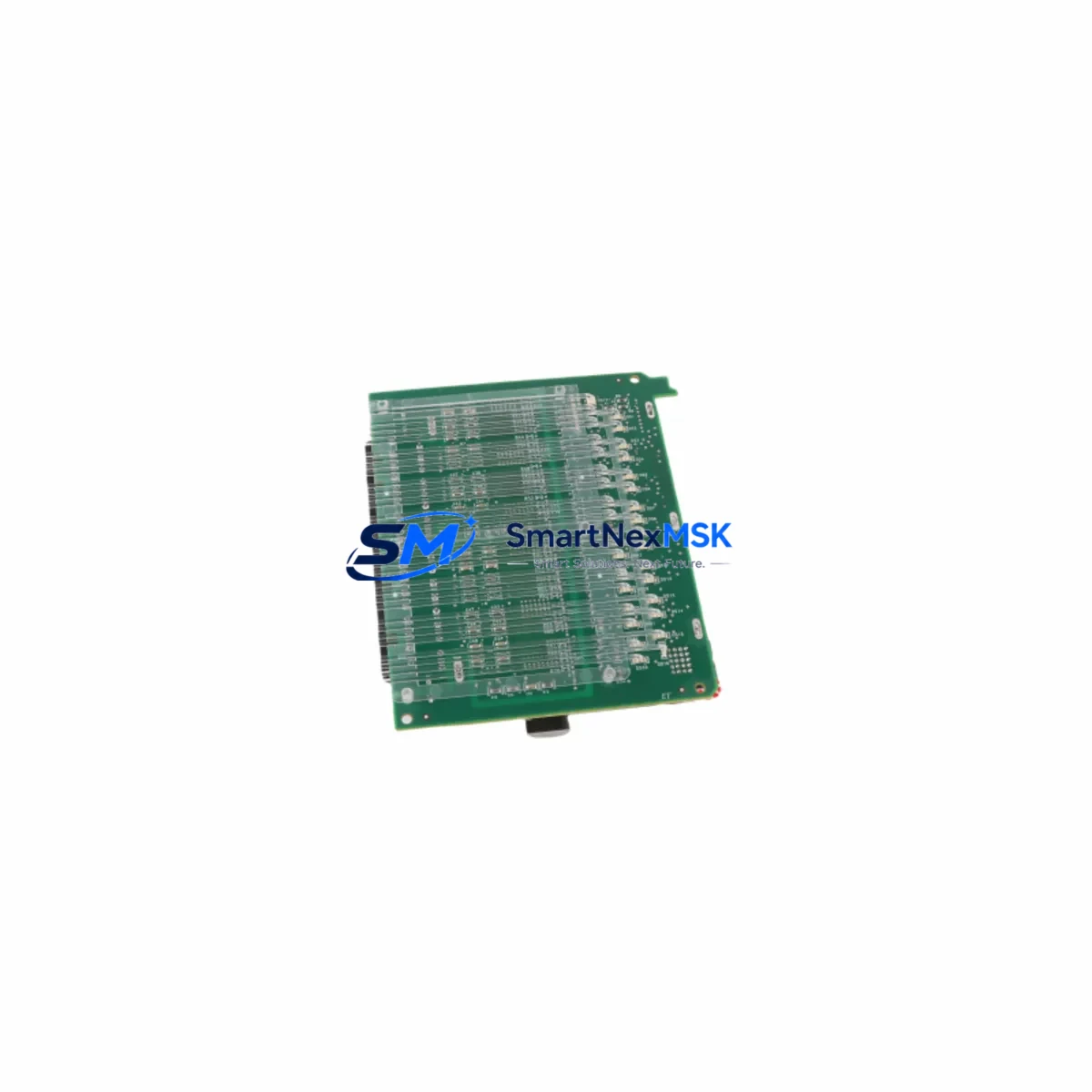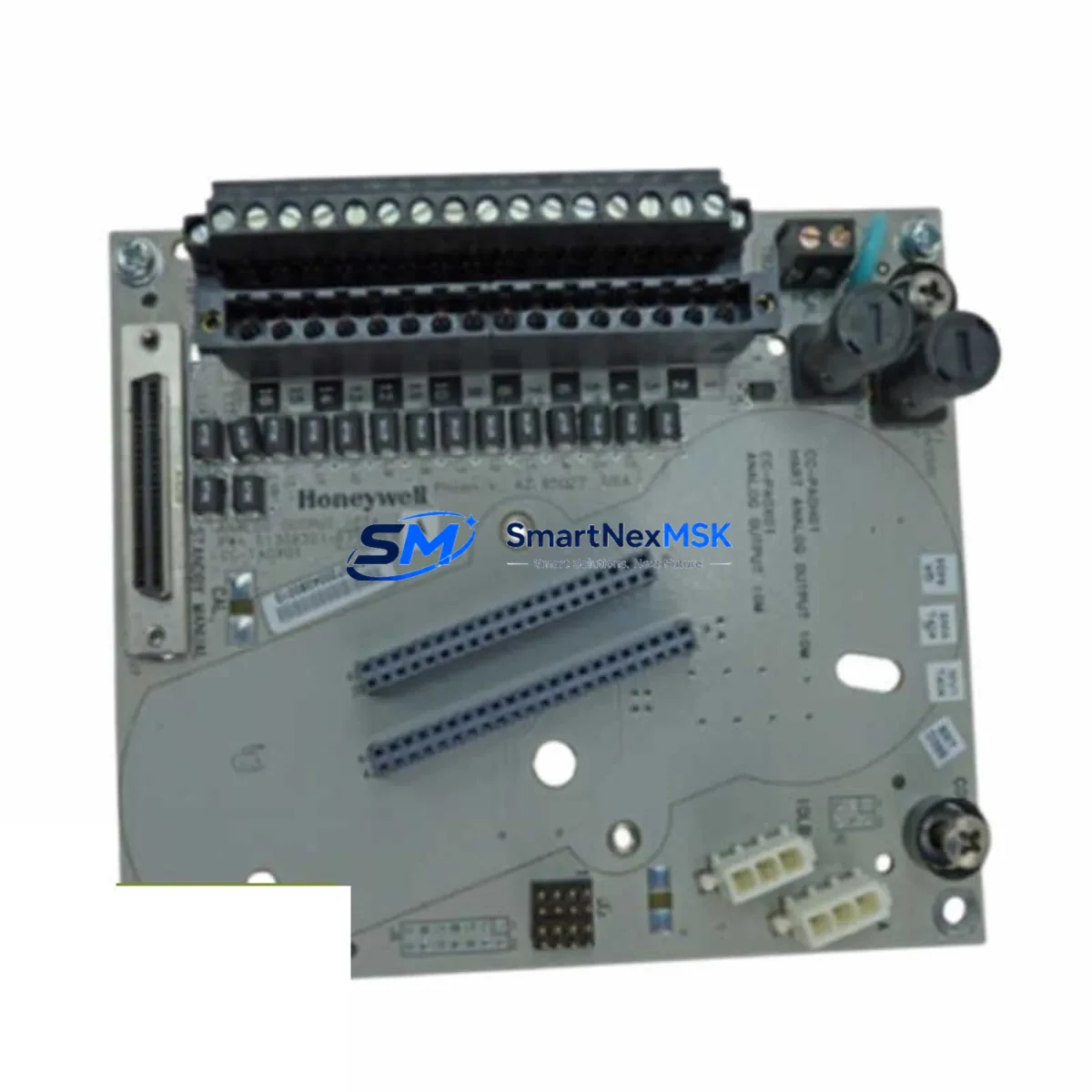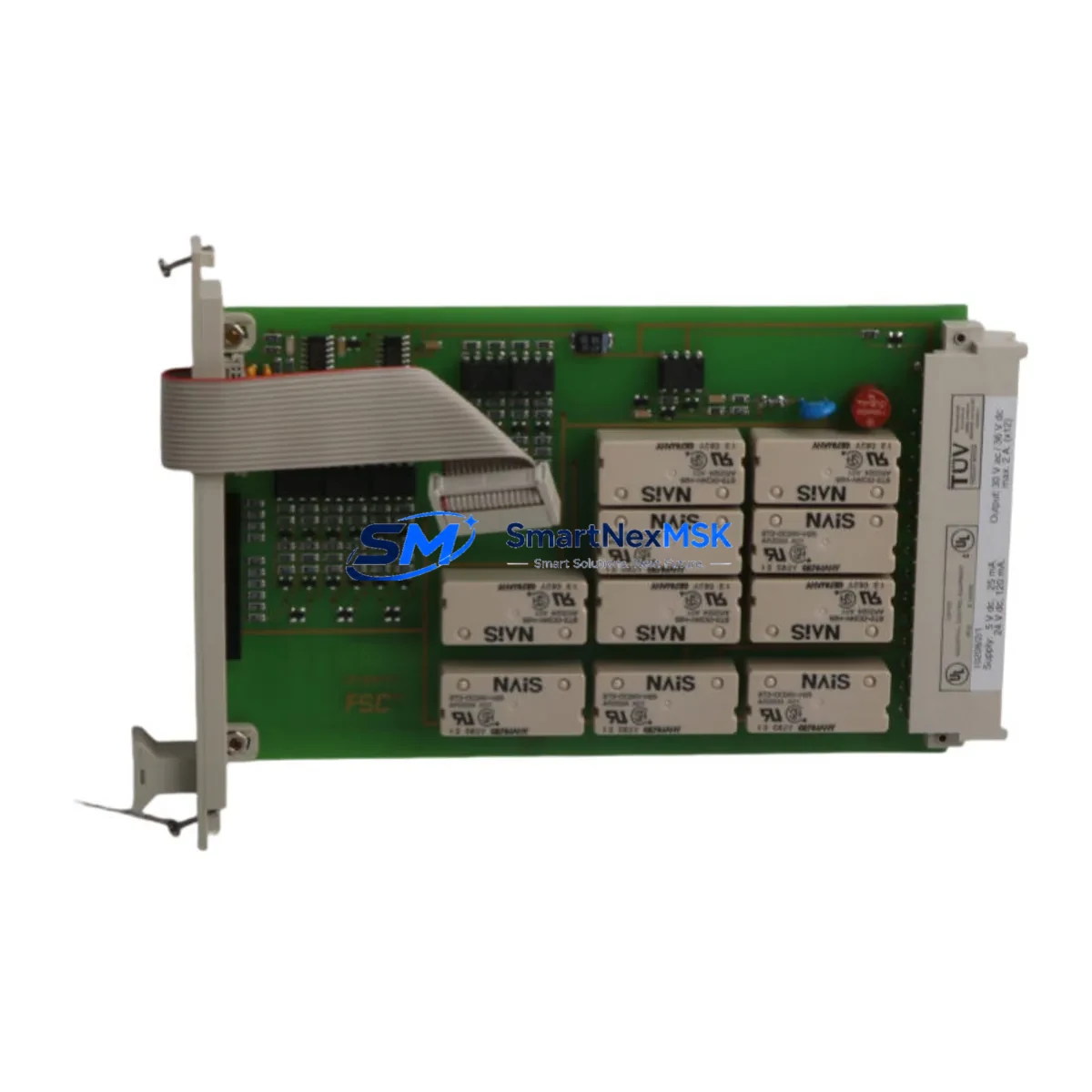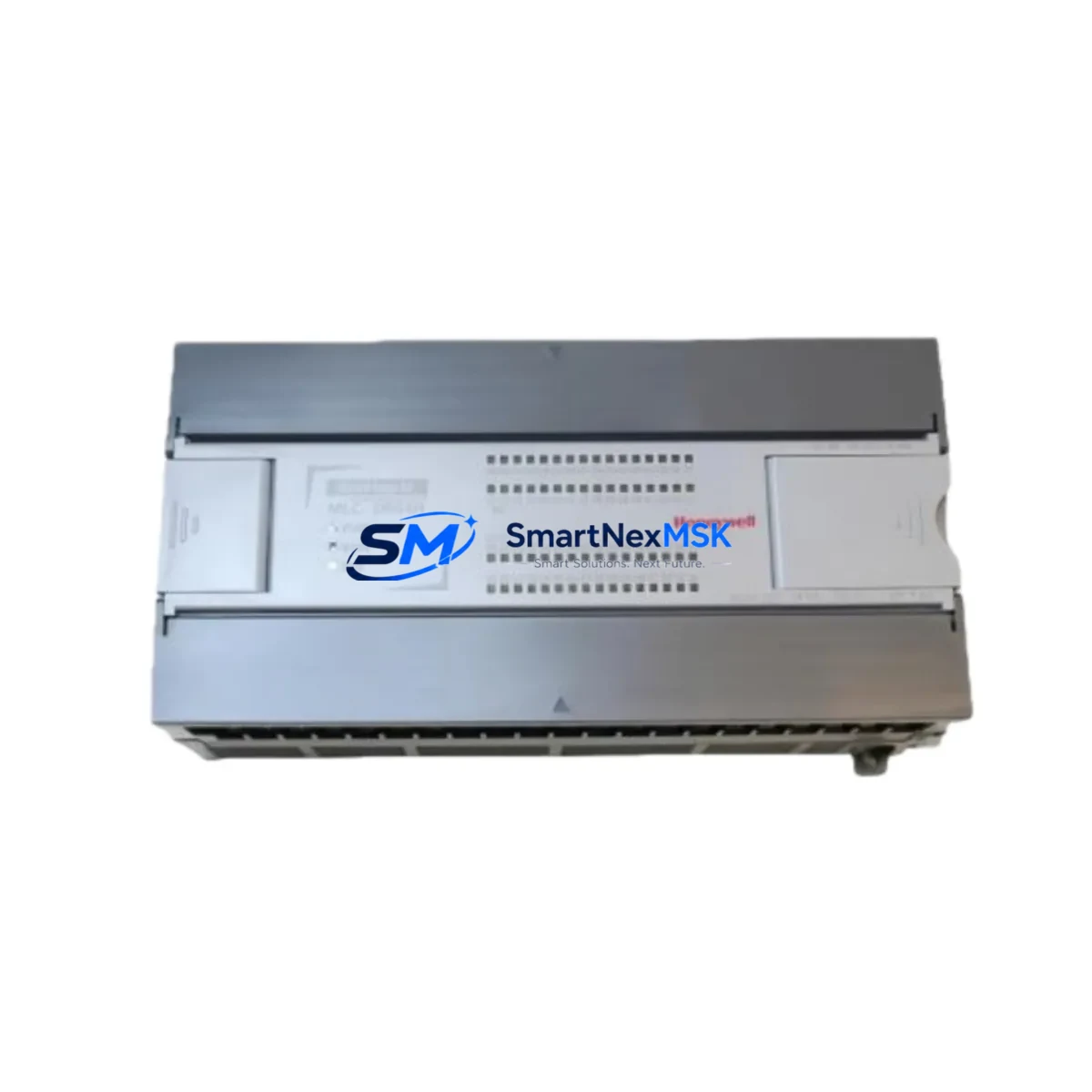
Honeywell MLC-DR32H Retrofit-Ready Relay DO Module for MLC Series Control Systems
The Honeywell MLC-DR32H is a 32-channel Relay Digital Output Module engineered for the Honeywell MLC Series distributed control platform. As legacy MLC installations age and original spare parts become increasingly scarce, the MLC-DR32H serves as the definitive retrofit-ready replacement for end-of-life relay output modules across a wide range of industrial control cabinets, process automation panels, and hybrid DCS/PLC architectures.
Whether you are managing a planned system upgrade, responding to an unplanned module failure, or executing a phased migration from an older Honeywell platform, the MLC-DR32H delivers the electrical compatibility, mechanical form factor, and firmware alignment required to restore full output functionality with minimal engineering rework. This module is fully tested prior to shipment, backed by a 12-month warranty, and available from verified stock in Xiamen, China.
Upgrade Compatibility Table
| Parameter | MLC-DR32H Specification | Retrofit Notes |
|---|---|---|
| Output Channels | 32 Relay Digital Outputs | Direct channel-for-channel replacement for legacy 32-ch DO modules |
| Output Type | Relay (dry contact) | Compatible with existing field wiring; no rewiring required in most cases |
| Backplane Interface | MLC Series backplane connector | Verify backplane revision; MLC-BP08 and MLC-BP16 racks confirmed compatible |
| Module Addressing | Slot-based auto-addressing | No DIP switch reconfiguration required; slot position determines I/O address |
| Communication Protocol | MLC internal bus | No protocol migration needed; compatible with existing MLC controller firmware |
| Power Consumption | Refer to datasheet | Verify rack power supply (MLC-PS24 or equivalent) capacity before installation |
| Terminal Wiring | Standard MLC terminal block pitch | Existing field cables connect directly; confirm terminal torque spec |
| HMI Compatibility | Transparent to HMI layer | No HMI screen updates required; I/O tags remain unchanged |
| Program Compatibility | Full | Existing controller logic and I/O mapping require no modification |
| Warranty | 12 Months | Covers manufacturing defects; includes pre-shipment functional test report |
Retrofit Planning for Existing Automation Systems
A successful MLC-DR32H retrofit begins well before the module arrives on site. Engineers responsible for the upgrade should start by auditing the existing control cabinet to confirm the installed rack type — typically an MLC-BP08 (8-slot) or MLC-BP16 (16-slot) backplane — and verifying that the rack power supply, such as the MLC-PS24 24VDC power module, has sufficient headroom to support the replacement DO module without exceeding rated current capacity.
Terminal block wiring should be documented before removal of the legacy module. In most MLC installations, the relay output wiring connects through a dedicated terminal assembly that mates directly with the MLC-DR32H, eliminating the need for field rewiring. However, engineers should confirm terminal pitch compatibility and re-torque all connections after installation to prevent intermittent contact faults under vibration.
The MLC controller — whether an MLC-C200 or MLC-C300 series controller module — communicates with the MLC-DR32H via the internal MLC backplane bus. Because the MLC-DR32H uses slot-based auto-addressing, the replacement module inherits the I/O address of the slot it occupies. This means the existing controller program, including all rung logic, output coil references, and force tables, requires no modification. Engineers should nonetheless perform a full I/O force test after installation to confirm each relay channel responds correctly before returning the system to automatic mode.
For installations that also involve communication infrastructure upgrades — for example, migrating from a legacy serial link to an Ethernet-based supervisory network — the MLC-DR32H retrofit can be staged independently of the communication layer change. The module operates transparently beneath the controller, so upgrades to an MLC-ETH Ethernet communication module or a Honeywell ControlEdge gateway can proceed in a separate maintenance window without affecting the DO module swap.
Where the retrofit scope extends beyond a single module replacement to a broader I/O expansion — for example, adding new output points to support additional actuators or solenoid valves — engineers should evaluate whether the existing rack has available slots. If not, an additional MLC-BP08 expansion rack with a corresponding MLC-RIO remote I/O adapter may be required to extend the I/O bus. Analog output requirements in the same cabinet can be addressed with the MLC-DA08H analog output module, which shares the same backplane and power infrastructure.
HMI screens connected to the MLC system — whether running on a Honeywell Station or a third-party SCADA platform via OPC — do not require updates following an MLC-DR32H swap, as the I/O tag database and address mapping remain unchanged. This significantly reduces the engineering effort and validation time associated with the retrofit.
All MLC-DR32H units supplied by SMARTNEXMSK are functionally tested prior to shipment. A test report confirming relay actuation on all 32 channels is available upon request. Units are packaged in anti-static protective enclosures and shipped with original-style labeling to facilitate installation documentation and asset management.
Downtime Control During System Migration
Minimizing production downtime during an MLC-DR32H module replacement requires a structured hot-swap or cold-swap procedure depending on the rack design and process criticality. For non-redundant MLC installations, the recommended approach is to schedule the swap during a planned maintenance window, pre-stage the replacement module, and prepare a rollback plan in case of unexpected behavior.
Before powering down the affected rack section, engineers should use the MLC controller’s diagnostic tools to force all relay outputs to their safe state — typically de-energized — and confirm that downstream actuators, motor starters, and solenoid valves have responded correctly. This protects both personnel and process equipment during the module exchange.
Once the MLC-DR32H is seated in the rack and the terminal block is reconnected, power can be restored to the rack. The controller will automatically recognize the module in its slot and resume normal scan cycle operation. Engineers should monitor the controller’s I/O status display to confirm all 32 channels report healthy status before releasing the system to automatic control.
For installations where continuous output availability is critical, a parallel wiring strategy — temporarily routing critical outputs through a bypass relay panel — can maintain field device control during the module exchange. This approach is particularly valuable in water treatment, chemical dosing, and conveyor control applications where even brief output interruptions have process consequences.
SMARTNEXMSK maintains ready stock of the MLC-DR32H to support emergency replacement scenarios. Express shipment from Xiamen is available for urgent orders, with typical lead times of 3–7 business days to most international destinations. Contact [email protected] or call +86 18259474341 to confirm availability and arrange expedited dispatch.
Retrofit Support FAQ
Q1: Is the MLC-DR32H a direct drop-in replacement for the original Honeywell MLC relay output module?
Yes. The MLC-DR32H is designed as a form-fit-function replacement for the original MLC Series 32-channel relay digital output module. It uses the same backplane connector, the same terminal block interface, and the same slot-based I/O addressing scheme. No changes to the controller program, HMI configuration, or field wiring are required in standard retrofit scenarios.
Q2: What pre-installation checks should be completed before fitting the MLC-DR32H?
Engineers should verify rack power supply capacity, confirm backplane slot availability, document existing terminal wiring, and review the controller’s I/O force table to ensure all outputs are in a safe state before removal of the legacy module. A pre-installation checklist is available from SMARTNEXMSK upon request.
Q3: Does the MLC-DR32H support the same communication protocols as the original module?
Yes. The MLC-DR32H communicates exclusively via the MLC internal backplane bus and is fully transparent to the controller’s communication stack. Whether the MLC system uses a serial supervisory link, an MLC-ETH Ethernet module, or a Honeywell ControlEdge integration, the DO module replacement has no impact on the communication layer.
Q4: What does the 12-month warranty cover, and is a test report included?
The 12-month warranty covers all manufacturing defects and relay contact failures under normal operating conditions. Each MLC-DR32H unit undergoes a pre-shipment functional test in which all 32 relay channels are actuated and verified. A test report is included with the shipment and is also available in digital format upon request. Warranty claims are handled directly by SMARTNEXMSK with a target response time of 48 hours.
© 2026 SMARTNEXMSK. All rights reserved.
Original Source: https://smartnexmsk.com
Contact: [email protected] | +86 18259474341