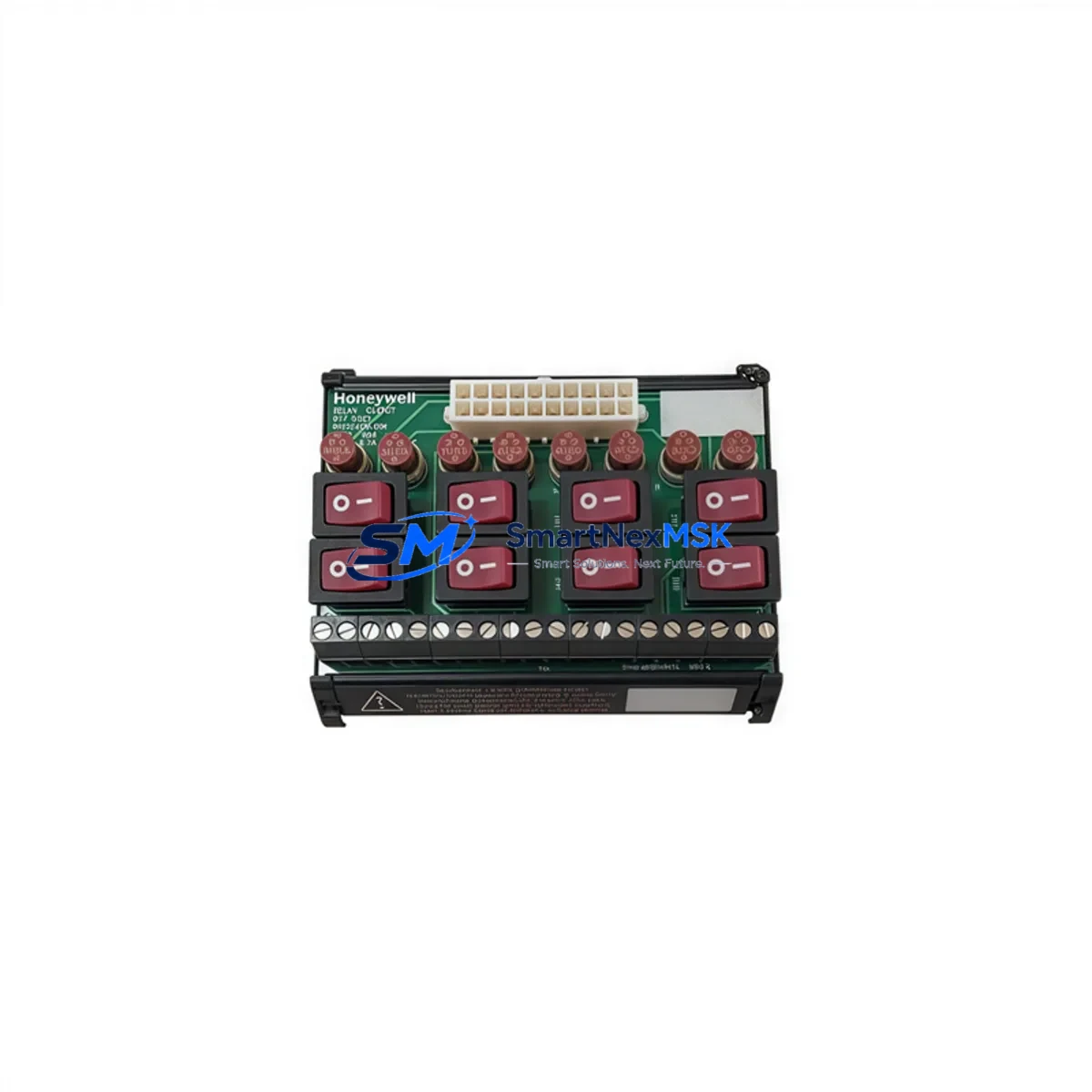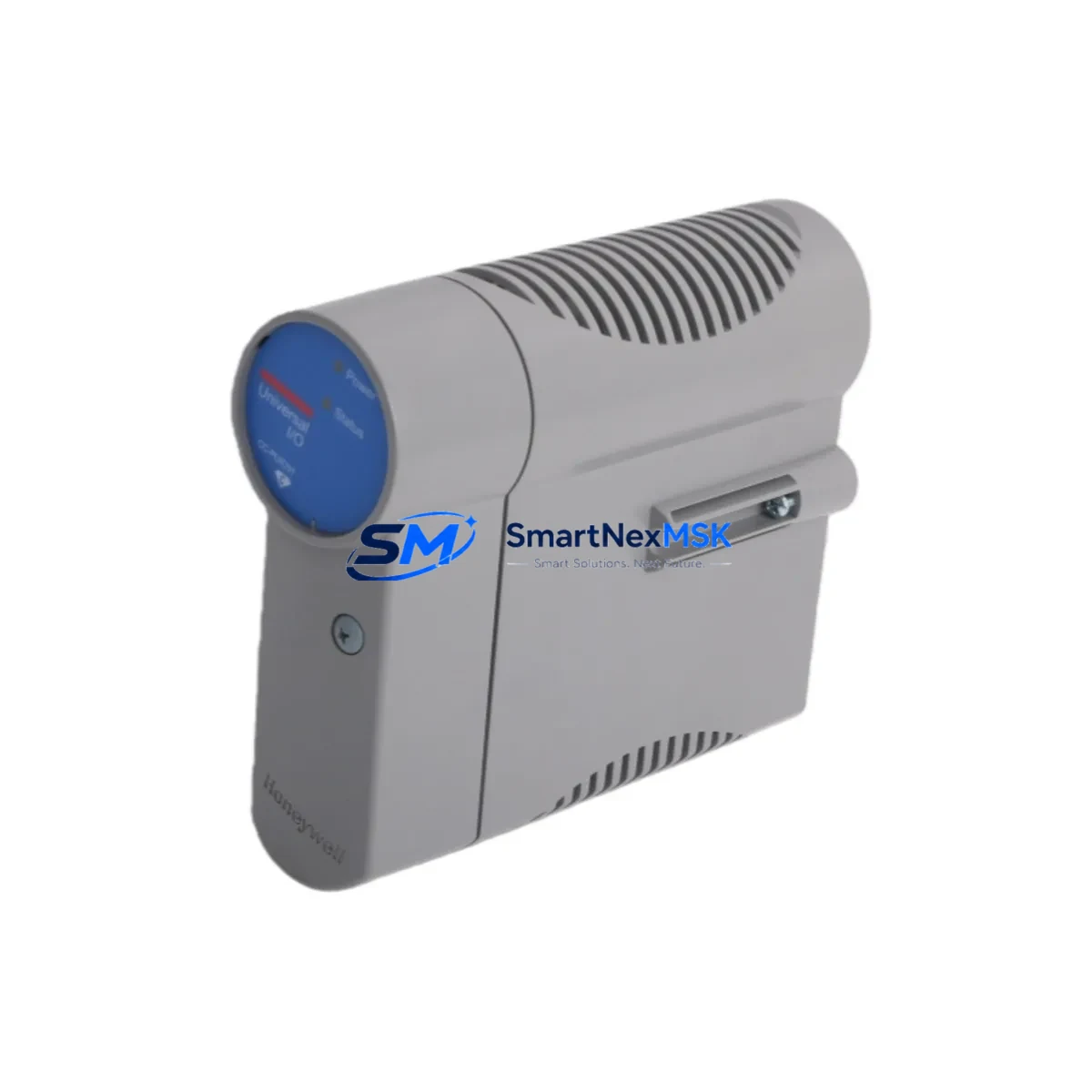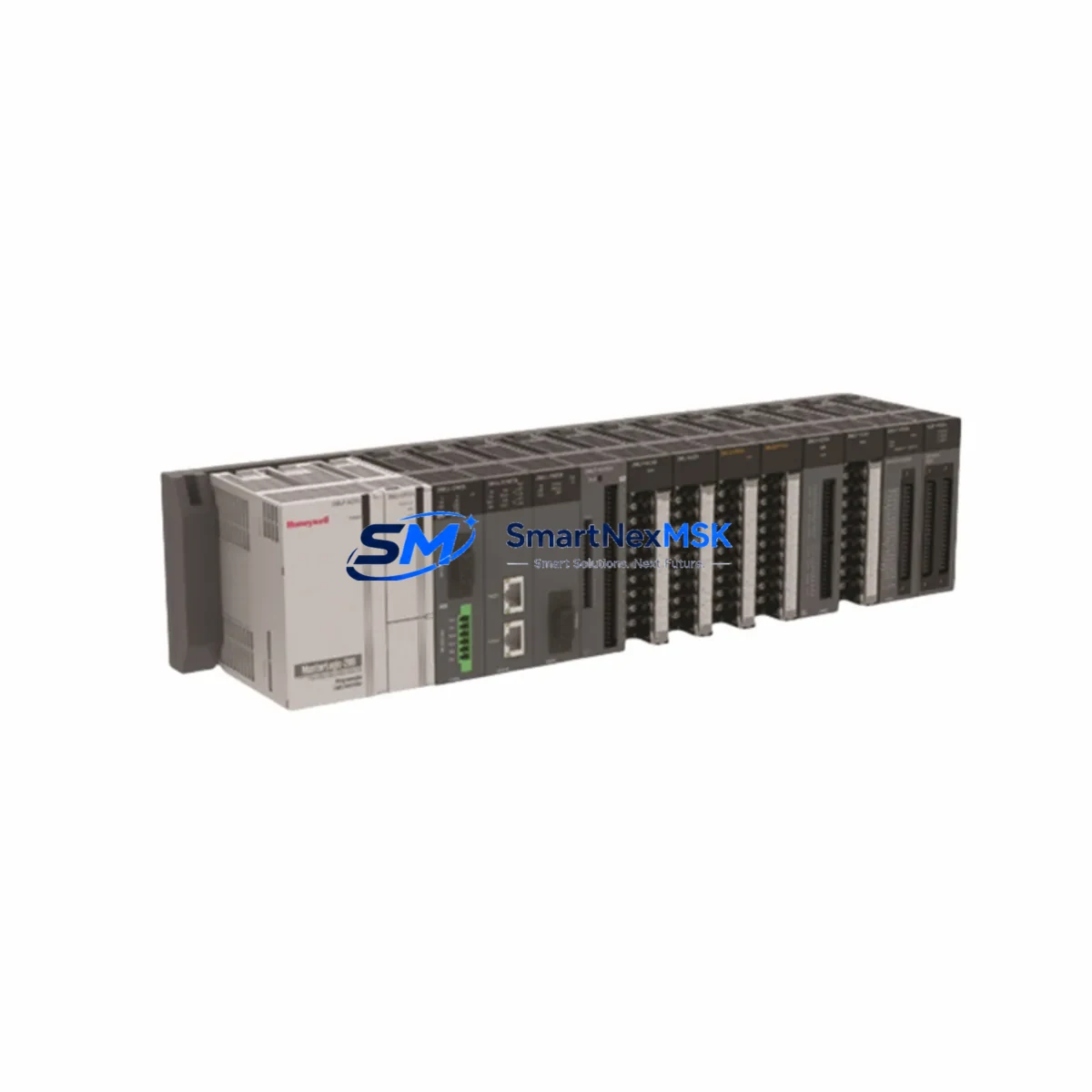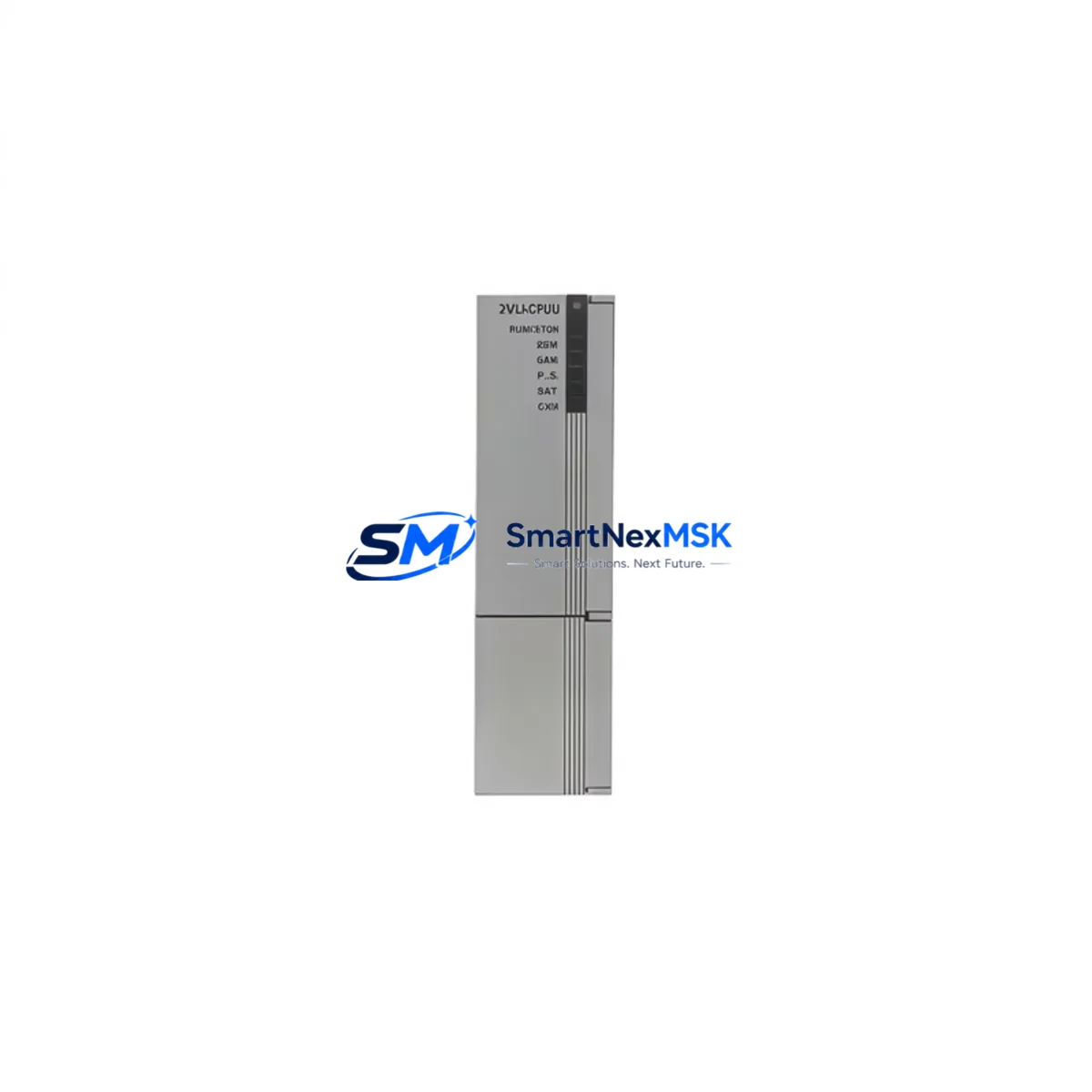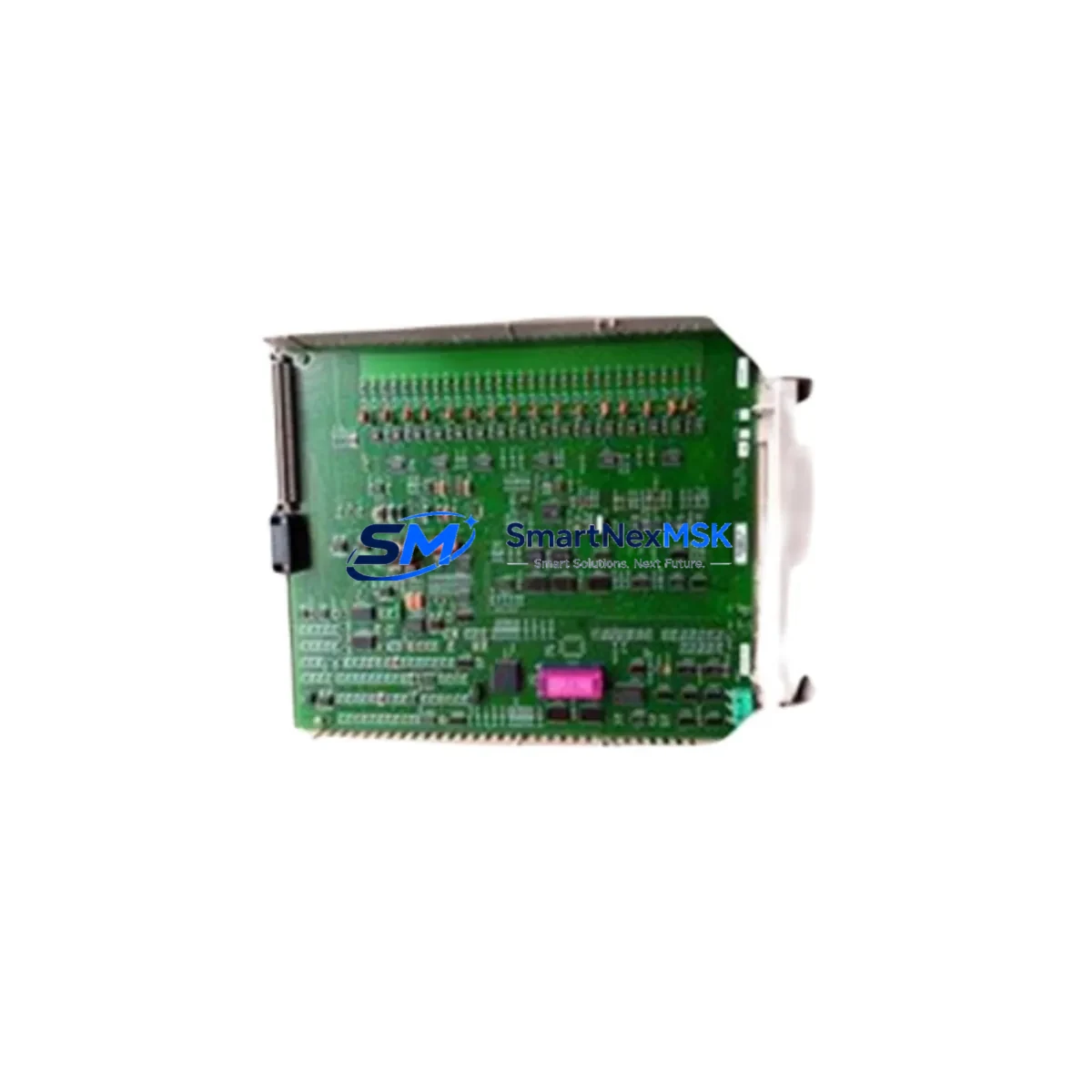
Honeywell TC-FTEB01 51403483-100 Retrofit-Ready FTE Bridge for Experion PKS Control Systems
The Honeywell TC-FTEB01 (Part No. 51403483-100) is a Fault-Tolerant Ethernet (FTE) Bridge Module designed for seamless integration within Honeywell Experion PKS distributed control system architectures. As legacy DCS installations age and original spare parts become increasingly scarce, the TC-FTEB01 has emerged as a critical retrofit component for engineers tasked with modernizing control infrastructure without full system replacement. This module enables smooth migration from older network topologies while preserving existing process logic, HMI configurations, and field wiring — dramatically reducing both project risk and unplanned downtime.
Whether you are replacing a failed unit in an operating refinery, upgrading a pharmaceutical batch control system, or consolidating redundant network paths in a power generation facility, the TC-FTEB01 delivers the communication reliability and protocol compatibility that Experion PKS environments demand. It supports the FTE dual-ring Ethernet architecture that underpins Honeywell’s fault-tolerant control strategy, ensuring that a single cable or switch failure does not interrupt process control continuity.
Upgrade Compatibility Table
| Parameter | Details |
|---|---|
| SKU / Part Number | TC-FTEB01 / 51403483-100 |
| Compatible Platform | Honeywell Experion PKS (C200, C300, ACE, ACES) |
| Network Architecture | Fault-Tolerant Ethernet (FTE) Dual-Ring |
| Backplane Interface | Standard Experion PKS chassis slot (Series C) |
| Communication Protocol | FTE / Industrial Ethernet (IEEE 802.3) |
| Power Supply Requirement | Supplied via chassis backplane (verify chassis PSU capacity before installation) |
| Replaces / Supersedes | Earlier FTE bridge revisions; consult Honeywell revision history for exact cross-reference |
| Installation Requirement | Hot-swap capable in redundant configurations; cold-swap recommended for single-path systems |
| Commissioning Note | Module address assignment via Experion Configuration Studio; verify node ID before power-up |
| Warranty | 12 Months — covers manufacturing defects, functional failure under normal operating conditions |
Retrofit Planning for Existing Automation Systems
Successful retrofit of the TC-FTEB01 into an existing Experion PKS installation requires careful pre-engineering. Before ordering, site engineers should audit the current chassis configuration — particularly the number of occupied slots, the revision level of the C300 Controller or C200 Controller already installed, and the available power budget on the chassis power supply module (e.g., MC-PDOX02 or equivalent redundant PSU pair). Insufficient power headroom is one of the most common causes of post-retrofit instability and must be calculated against all installed I/O modules before the new FTE bridge is energized.
Wiring and terminal adaptation is equally important. In older Experion installations, field termination assemblies (FTAs) may be connected via LLMUX or legacy serial links rather than FTE. Migrating these segments to FTE requires verifying that each remote I/O cabinet — often housing CIOM-A or FIM4 fiber interface modules — is compatible with the updated network path. Where fiber runs are involved, confirm that existing multimode fiber patch panels and managed Ethernet switches support the FTE ring topology before commissioning the TC-FTEB01.
Module address configuration is performed through Honeywell’s Experion Configuration Studio. Engineers must assign a unique FTE node address to the replacement module and ensure it does not conflict with existing nodes on the FTE ring. After address assignment, the Experion server’s redundancy manager should be checked to confirm that the new bridge is recognized as a valid ring participant. In redundant controller pairs — such as dual C300 controllers operating in lock-step — both primary and secondary FTE paths must be validated independently before returning the loop to automatic control.
HMI continuity is another key consideration. Experion Station displays and Honeywell’s HMIWeb Display Builder screens reference controller tags by name, not by physical module address. Provided the tag database is preserved and the replacement TC-FTEB01 is assigned the correct node identity, operator displays should resume normal function without screen rebuilding. However, it is good practice to perform a full HMI point check — verifying analog input trends, discrete alarm states, and faceplate communications — before signing off on the retrofit.
For sites running Honeywell’s Safety Manager or Safety Builder alongside the Experion PKS process controller, confirm that the FTE bridge replacement does not interrupt the safety network segment. Safety-rated communication links must remain isolated from standard process FTE rings per IEC 61511 partitioning requirements. Consult the site’s functional safety assessment before proceeding with any FTE topology changes in safety-instrumented system (SIS) zones.
Downtime Control During System Migration
Minimizing production interruption during FTE bridge replacement is achievable with disciplined pre-staging and a structured cutover plan. Begin by downloading and archiving the current Experion PKS control database — including all C300 or C200 controller configurations, loop tuning parameters, and alarm setpoints — before any hardware is disturbed. This backup serves as the recovery baseline if the retrofit encounters unexpected compatibility issues.
Where the system architecture permits, leverage Experion’s redundant FTE ring to perform a live ring segment swap: isolate the failed or end-of-life TC-FTEB01 from one ring path while the secondary path maintains process control, replace the module, restore the primary ring, and verify ring integrity before releasing the secondary path. This approach can reduce effective process downtime to under five minutes in well-prepared installations.
For single-path or non-redundant FTE configurations, schedule the cutover during a planned maintenance window. Pre-stage the replacement TC-FTEB01 with its node address pre-configured offline using a portable Experion engineering workstation. Upon power-down, swap the module, restore power, and allow the Experion server to re-establish communication — typically within 60–90 seconds for a correctly addressed replacement. Retain the original program logic on the controller’s non-volatile memory; the FTE bridge replacement does not affect controller memory or program execution state.
Post-cutover, conduct a structured loop check covering all FTE-connected I/O points, verify that historian data collection has resumed, and confirm that any third-party SCADA or MES systems communicating via OPC-DA or OPC-UA to the Experion server have re-established their data subscriptions. Document the as-built configuration change in the site’s management of change (MOC) system before returning the unit to full production service.
Retrofit Support FAQ
Q1: Is the TC-FTEB01 (51403483-100) a direct drop-in replacement for earlier FTE bridge revisions?
In most Experion PKS Series C installations, yes. The TC-FTEB01 is backward-compatible with standard chassis backplane pinouts used across C200 and C300 controller generations. However, always verify the chassis firmware revision and Experion server software version against Honeywell’s compatibility matrix before installation, as very early Experion R100/R200 releases may require a firmware update prior to recognizing the replacement module.
Q2: What wiring changes are required when replacing a failed FTE bridge?
The TC-FTEB01 connects to the FTE network via standard RJ-45 Ethernet ports on the front face of the module — no field wiring termination is required at the module itself. Ensure that the existing Cat5e or Cat6 patch cables connecting to the FTE managed switches are undamaged and properly seated. If the original module was connected via fiber media converters, verify that the converter’s SFP or fixed-fiber interface remains compatible with the replacement module’s Ethernet port speed (100 Mbps full-duplex standard).
Q3: How is the replacement module tested before shipment?
Each TC-FTEB01 unit supplied by SMARTNEXMSK undergoes functional power-on testing and communication verification prior to dispatch. Units are inspected for physical integrity, connector condition, and firmware revision. A test report is available upon request. All units are covered by a 12-month warranty from the date of shipment, covering manufacturing defects and functional failure under normal operating conditions.
Q4: Can this module be used in a Honeywell Safety Manager or SIS environment?
The TC-FTEB01 is a process control FTE bridge and is not certified for use as a safety-rated communication component within a Safety Instrumented System (SIS). It must not be installed in safety network segments governed by IEC 61511 or SIL-rated loop requirements. For safety system communication needs, consult Honeywell’s Safety Manager product line and applicable safety-rated network components.
© 2026 SMARTNEXMSK. All rights reserved.
Original Source: https://smartnexmsk.com
Contact: [email protected] | +86 18259474341