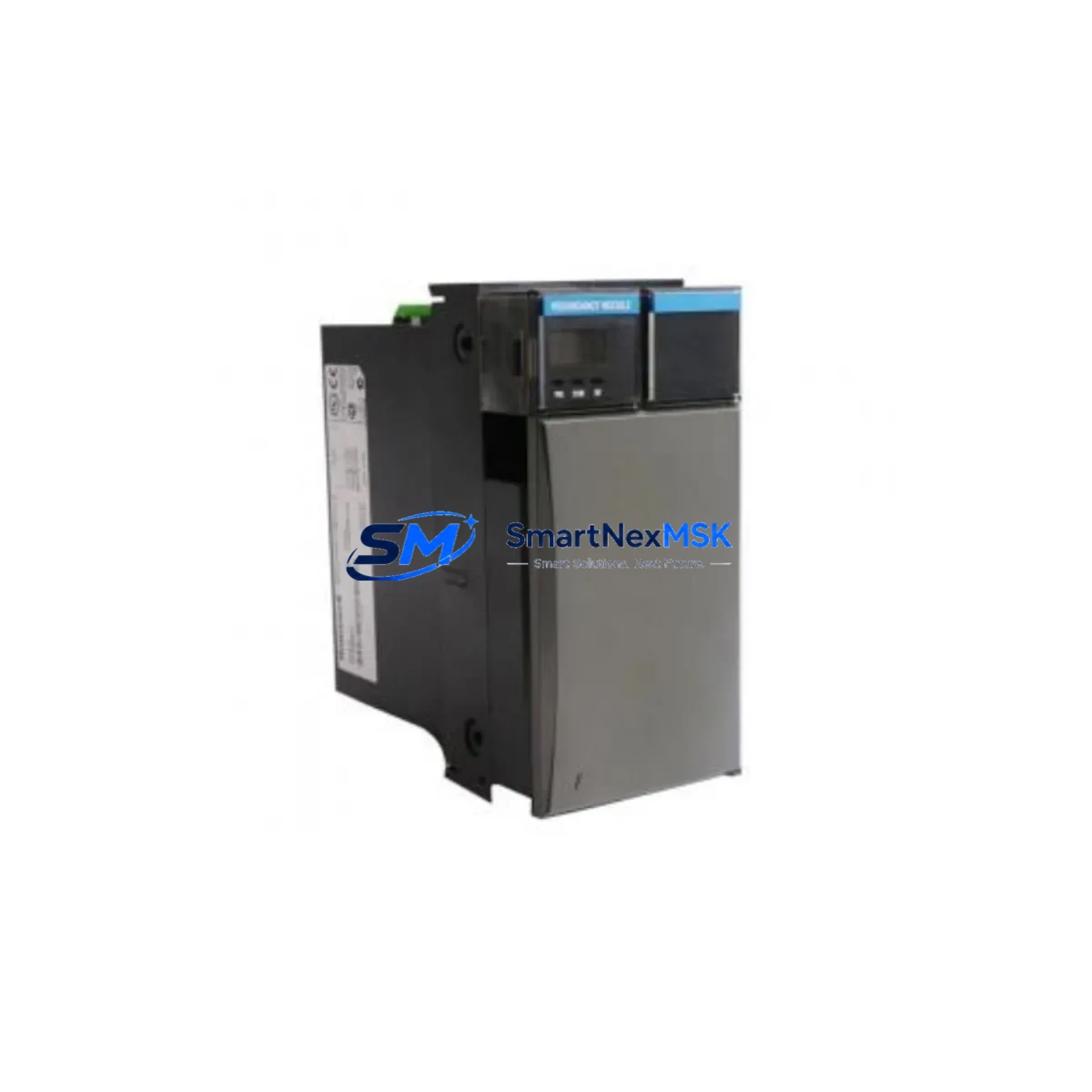
Honeywell TC-MUX021 Spare for TDC 3000 Automation: Spare Replacement & Industrial Downtime Risk Control
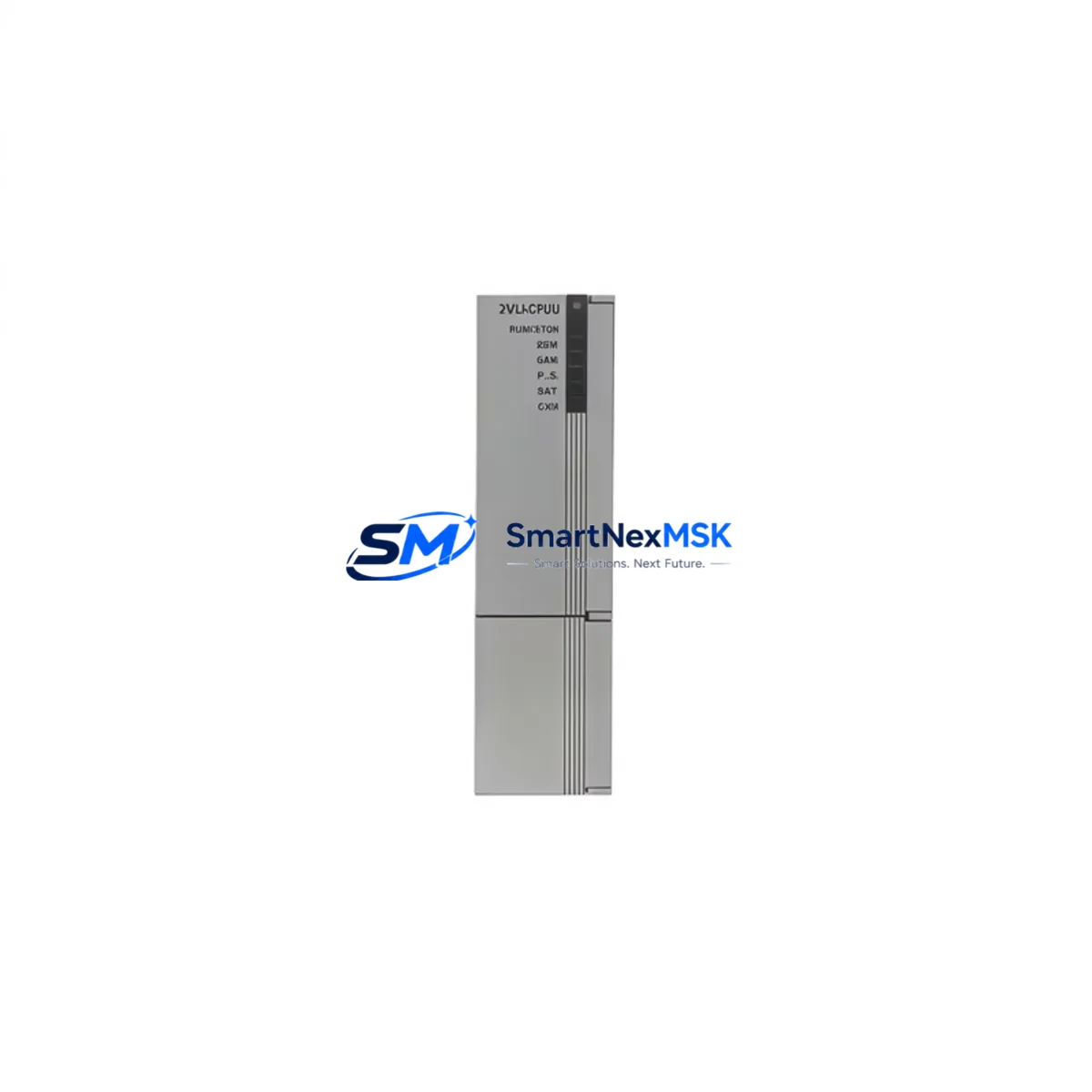
The Honeywell TC-MUX021 is an original DCS Serial Interface Module designed for use within the TDC 3000 distributed control system architecture. As a critical communication bridge between field devices and the process control network, the TC-MUX021 manages serial data multiplexing across multiple I/O channels. When this module fails or degrades, the consequences extend beyond a single loop — entire process segments can lose visibility, triggering unplanned shutdowns and costly production interruptions. Maintaining a verified spare TC-MUX021 in your parts inventory is a fundamental element of any proactive maintenance strategy for TDC 3000-based control systems.
This listing provides an original, tested TC-MUX021 module sourced for industrial maintenance and emergency replacement applications. Each unit undergoes functional verification prior to shipment and is backed by a 12-month warranty, giving maintenance engineers and procurement teams confidence in both quality and long-term supply continuity.
Spare Maintenance Table
| Parameter | Specification / Detail |
|---|---|
| Part Number / SKU | TC-MUX021 |
| Manufacturer | Honeywell |
| Series / Platform | TDC 3000 DCS |
| Module Function | Serial Interface / Data Multiplexer |
| Communication Interface | Serial (RS-232 / RS-422 compatible, TDC 3000 bus) |
| Mounting | TDC 3000 standard backplane / card cage |
| Power Supply Compatibility | TDC 3000 system bus power (5 VDC / 24 VDC via backplane) |
| Operating Temperature | 0°C to 60°C (industrial control room environment) |
| Application Environment | Process industries: refining, petrochemical, power generation, pulp & paper |
| Compatibility | Honeywell TDC 3000 LCN / UCN / HPM / AM systems |
| Condition | Original, functionally tested before shipment |
| Warranty | 12 Months |
| Lead Time | In stock — ships within 3–5 business days |
| Origin | USA |
Maintenance Planning for Continuous Operation
When a TC-MUX021 serial interface module is scheduled for replacement — whether during a planned turnaround or in response to a fault alarm — experienced maintenance engineers know that the module itself is rarely the only component that requires attention. A thorough inspection of the surrounding system is essential to prevent repeat failures and ensure a clean restoration of control.
Begin by verifying the TDC 3000 backplane and card cage for signs of corrosion, loose connectors, or damaged bus traces that may have contributed to the module failure. The Honeywell TC-FPCXX series power conditioner modules supplying the card cage should be checked for output voltage stability — an unstable 5 VDC or 24 VDC rail is a common root cause of serial interface degradation. If the TC-MUX021 is part of a High-Performance Process Manager (HPM) or Advanced Process Manager (APM) subsystem, inspect the associated I/O Link modules and FTA (Field Termination Assembly) wiring for continuity and insulation integrity.
On the field side, review the serial field device terminations — particularly RS-422 twisted-pair cables connecting to smart transmitters, valve positioners, or analyzers. Damaged shielding or improper termination resistors can cause persistent communication errors that a new TC-MUX021 alone will not resolve. For systems using Honeywell TC-CCR013 or TC-CCR014 coaxial cables on the Local Control Network (LCN), inspect cable connectors and verify signal integrity with a network analyzer before declaring the replacement successful.
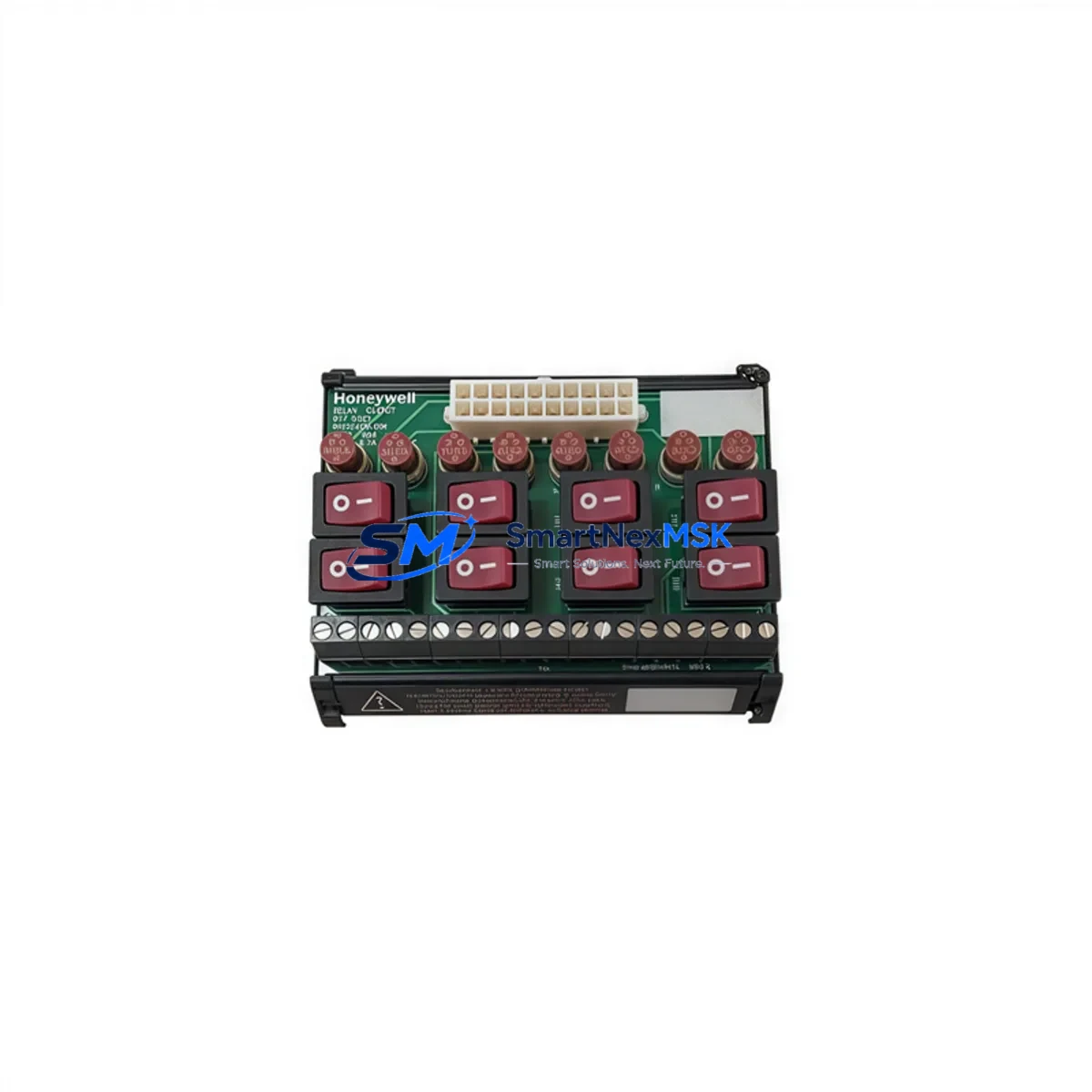
In control cabinets housing TDC 3000 nodes, also inspect relay output modules, analog input/output cards, and terminal blocks for signs of thermal stress or loose wiring. If the plant uses Honeywell TC-IOLI01 or TC-IOLI16 I/O Link Interface modules, confirm their firmware revision is compatible with the replacement TC-MUX021. For facilities running Experion PKS alongside legacy TDC 3000 infrastructure, verify that the C200 or C300 controller communication paths remain unaffected after the module swap.
Finally, document the replacement in your CMMS and update the spare parts register. Maintaining a minimum stock of one TC-MUX021 per TDC 3000 node cluster — alongside critical companions such as power supply modules, I/O cards, and LCN interface boards — is a recognized best practice for aging DCS systems where OEM support has been reduced or discontinued.
Site Replacement Workflow
Step 1 — Pre-Replacement Verification: Confirm the TC-MUX021 part number against the installed module label and the system’s hardware configuration database. Cross-reference with the TDC 3000 Hardware Manual to verify slot assignment and jumper settings required for your specific node configuration.
Step 2 — Safe Isolation: Place the affected control loop in manual mode at the operator station. Notify the control room supervisor and follow your site’s Management of Change (MOC) procedure. De-energize the card cage slot using the appropriate isolation procedure — do not hot-swap unless your system configuration explicitly supports it.
Step 3 — Module Removal and Inspection: Remove the failed TC-MUX021 and inspect the backplane connector for bent pins or contamination. Clean the slot with approved electronics-grade contact cleaner if necessary.
Step 4 — Replacement Installation: Insert the new TC-MUX021, ensuring the module is fully seated and the ejector levers are locked. Restore power to the slot and observe the module’s status LEDs for normal initialization sequence.
Step 5 — System Verification: From the operator station or engineering workstation, confirm that the module appears online in the system status display. Verify all serial communication channels are active and that field device data is being received correctly. Run a loop check on critical I/O points before returning the loop to automatic control.
Step 6 — Documentation: Record the replacement in the maintenance log with the new module’s serial number, installation date, and any observations. Update the spare parts inventory to trigger reorder of a replacement TC-MUX021 for future use.
Spare Parts Support FAQ
Q1: Is this TC-MUX021 a direct drop-in replacement for the installed module in my TDC 3000 system?
Yes. The TC-MUX021 is an original Honeywell module and is a direct replacement for the same part number installed in TDC 3000 systems. No firmware changes or hardware modifications are required for standard slot-for-slot replacement. If your system uses a customized configuration, verify jumper settings against your site’s hardware documentation before installation.
Q2: What pre-shipment testing is performed on this module?
Each TC-MUX021 unit is functionally tested prior to shipment to verify power-up behavior, communication interface integrity, and module identification. Units that do not pass functional verification are not listed for sale. A 12-month warranty covers defects in materials and workmanship from the date of delivery.
Q3: How should I manage TC-MUX021 inventory for a plant with multiple TDC 3000 nodes?
For plants operating three or more TDC 3000 nodes, industry practice recommends maintaining a minimum of one TC-MUX021 spare per node cluster, with a plant-wide minimum of two units. Given that TDC 3000 is a mature platform with reduced OEM production, lead times for new units can be unpredictable. Stocking verified spares locally eliminates procurement risk during emergency shutdowns.
Q4: Can this module support legacy TDC 3000 systems that have been partially migrated to Experion PKS?
Yes. The TC-MUX021 operates within the original TDC 3000 hardware architecture and is not affected by Experion PKS migration at the supervisory level. As long as the TDC 3000 LCN and card cage infrastructure remains in service, the TC-MUX021 will function as designed. Consult your Honeywell system integrator if you are planning a full migration that would retire the TDC 3000 hardware layer.
© 2026 SMARTNEXMSK. All rights reserved.
Original Source: https://smartnexmsk.com
Contact: [email protected] | +86 18259474341