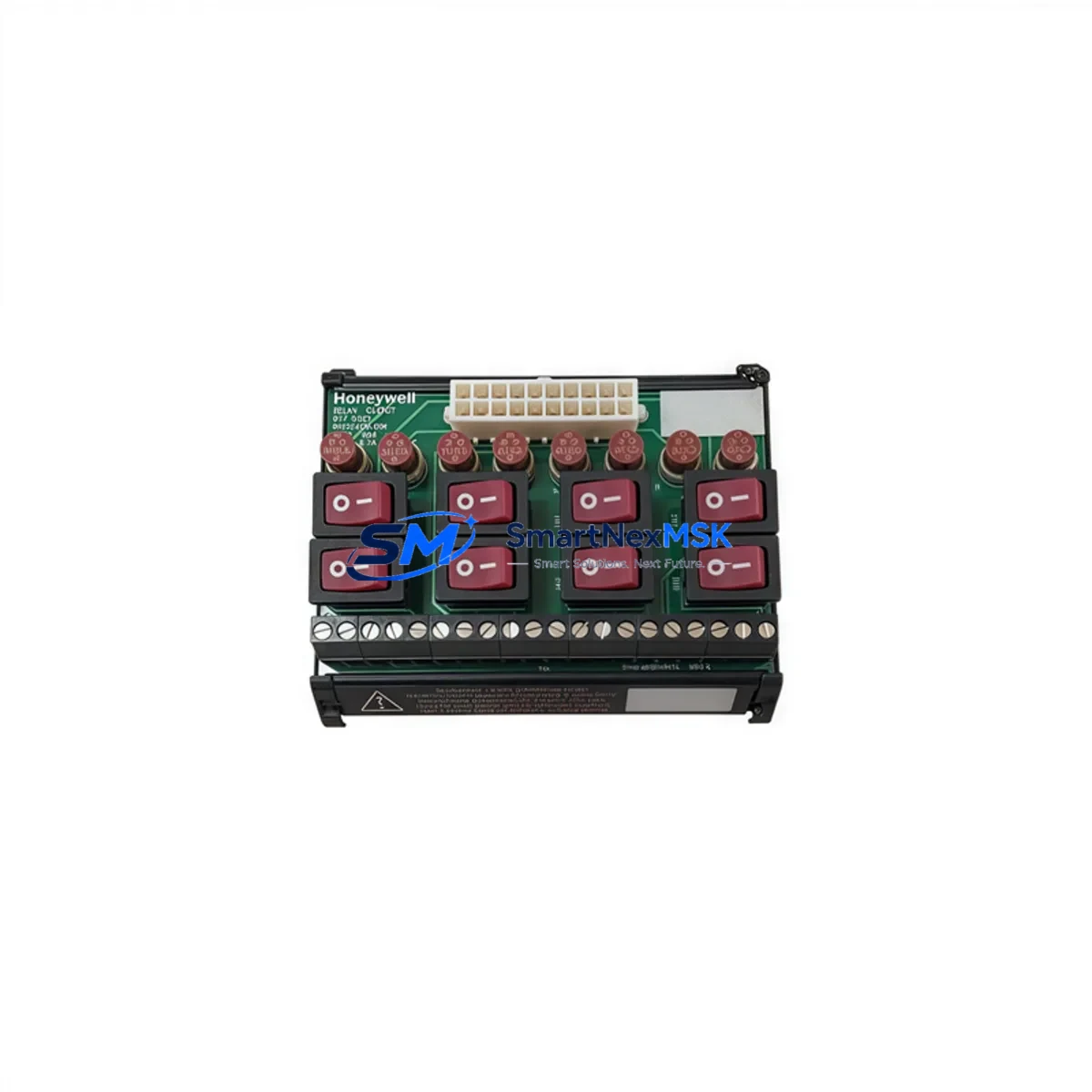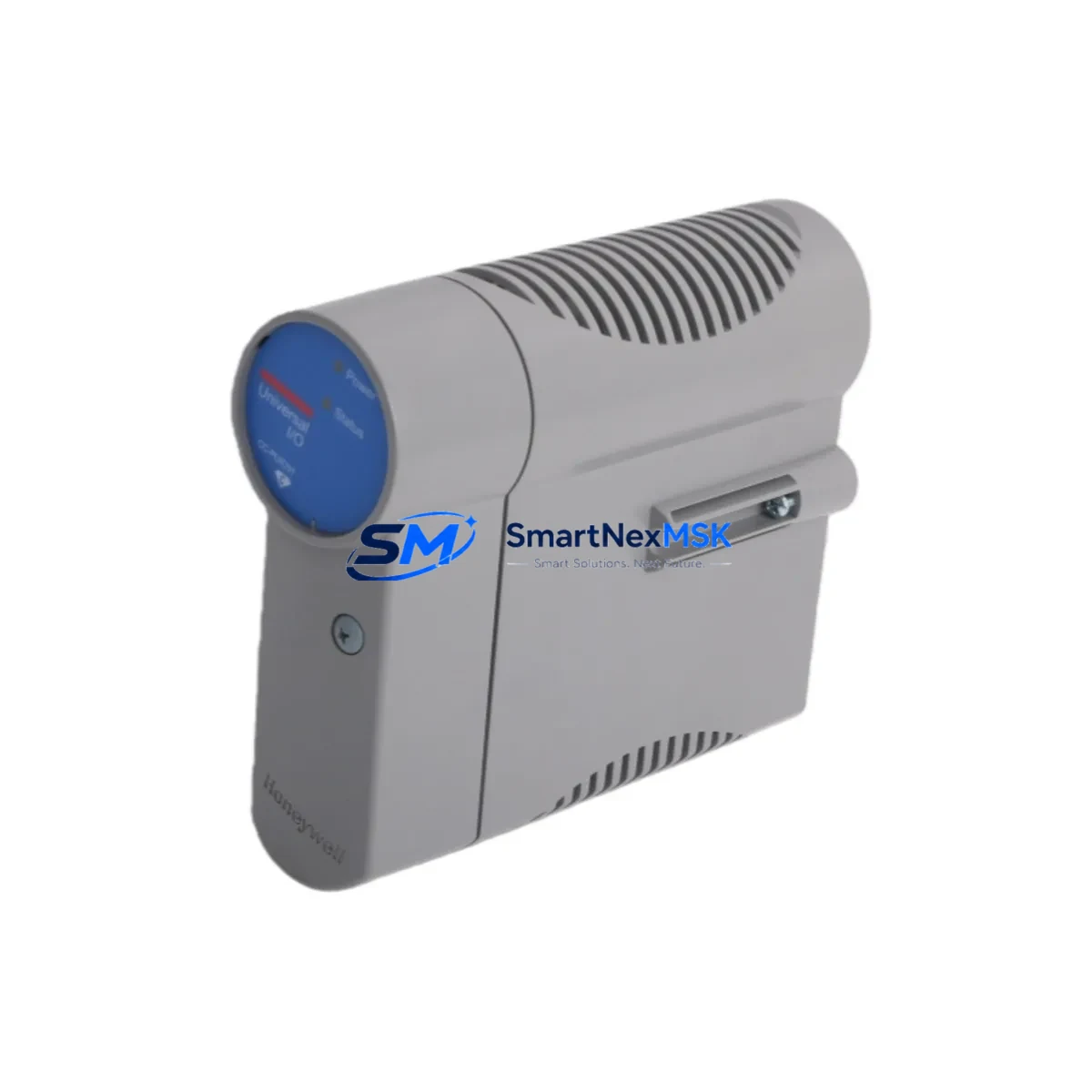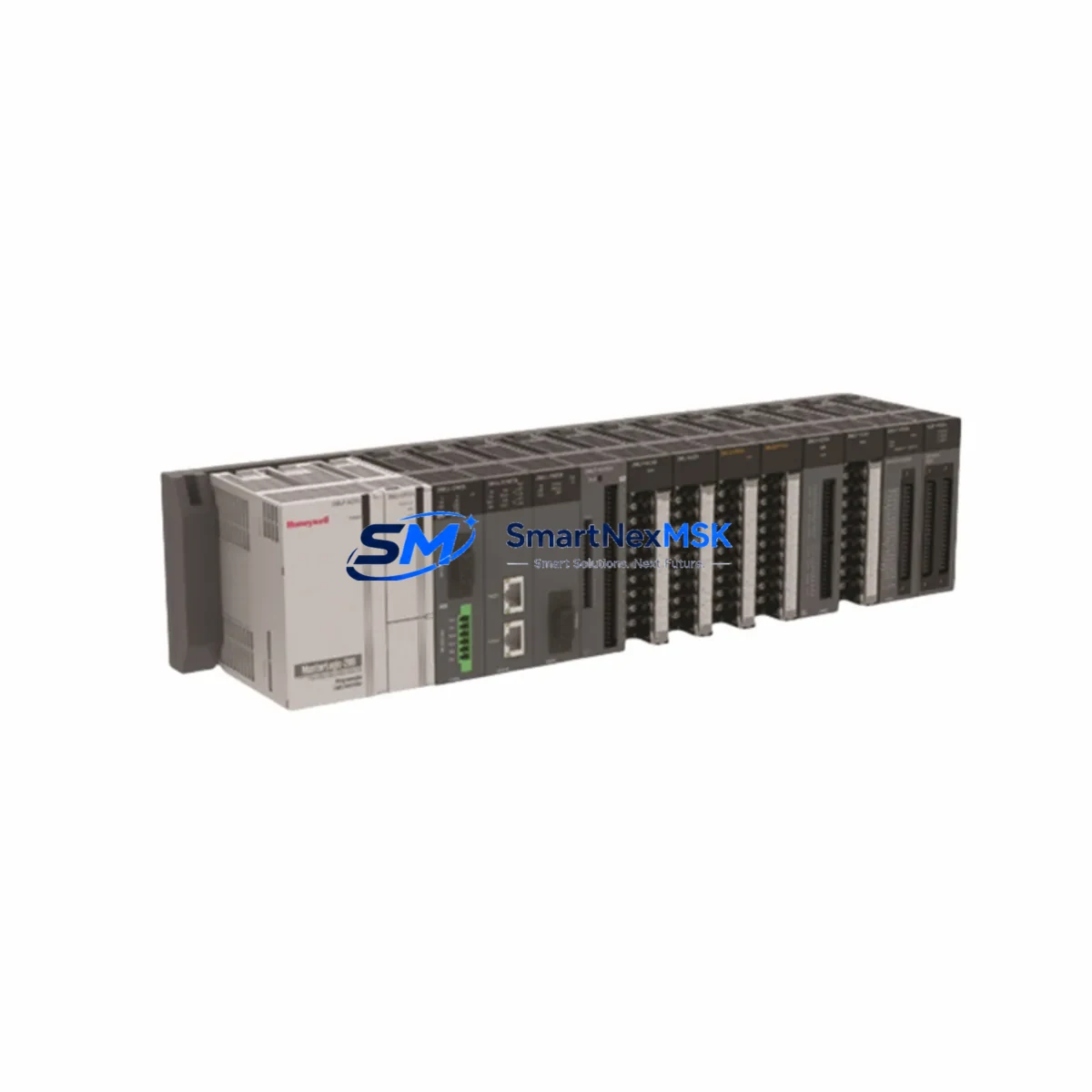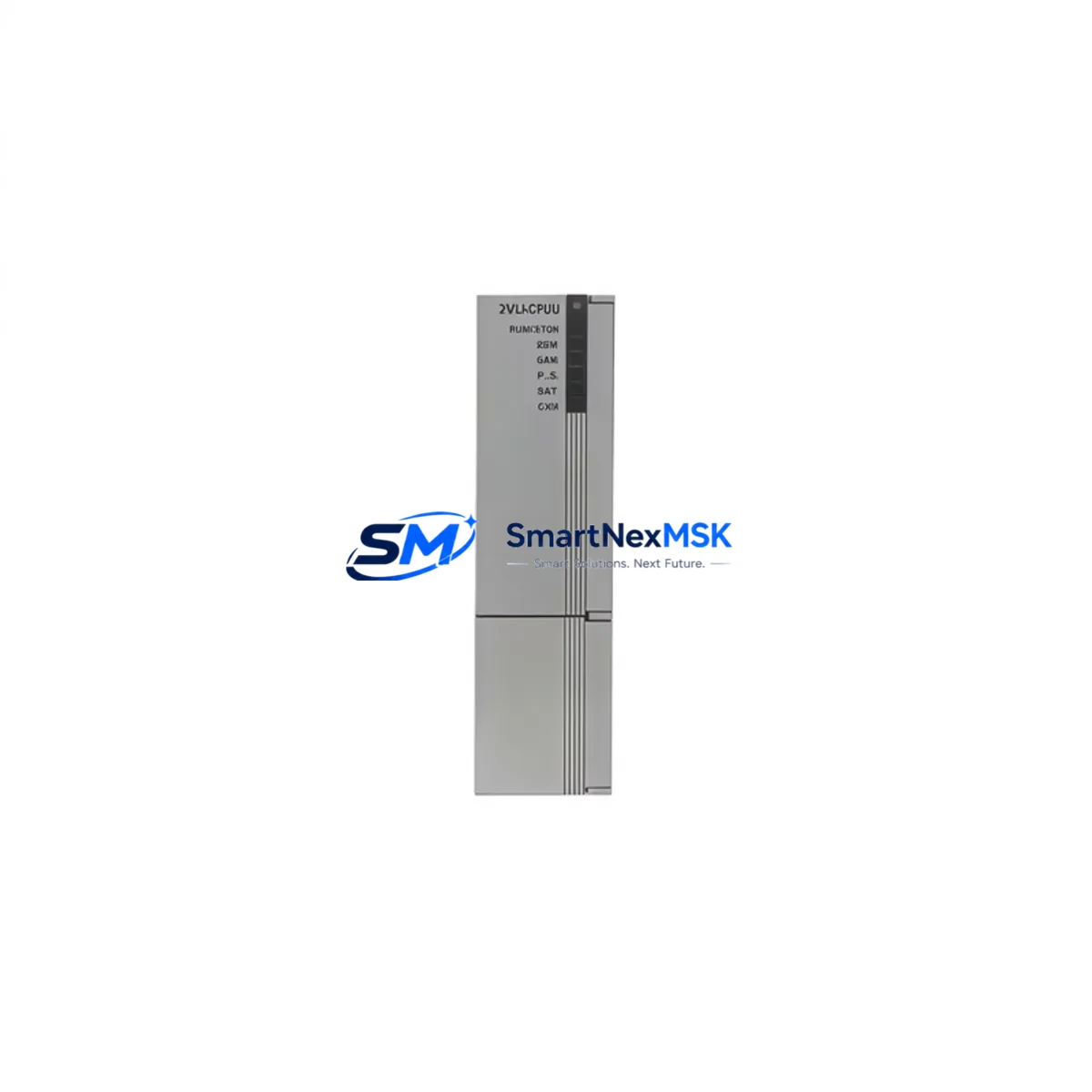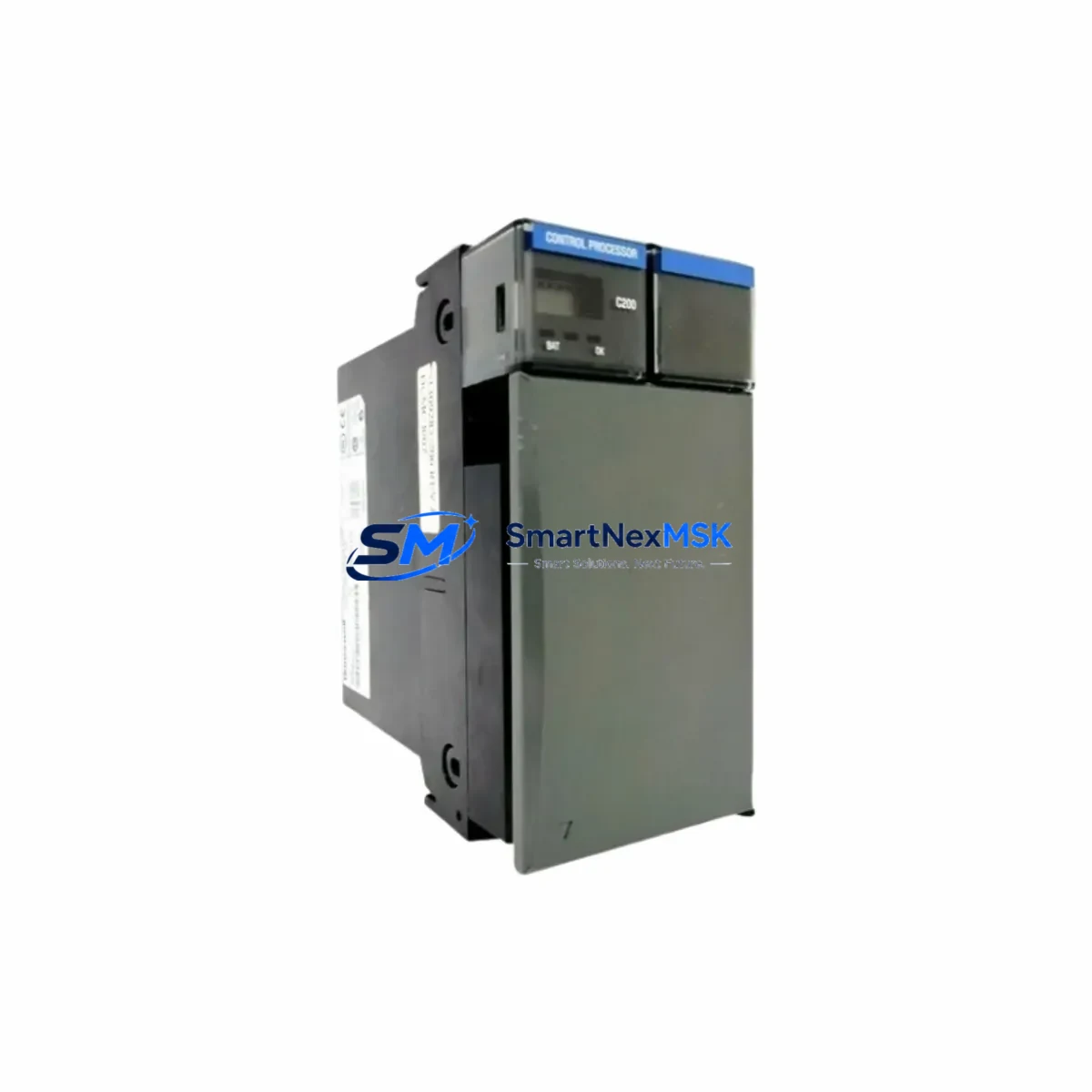
Honeywell TC-RPSCA1 TC-RPSC04 Spare C300 Automation: Maintenance-Ready Redundant Power Supply for Experion PKS DCS
The Honeywell TC-RPSCA1 / TC-RPSC04 is a redundant power supply module designed for the C300 Controller platform within the Experion PKS Distributed Control System (DCS). For maintenance engineers and spare parts procurement teams managing continuous-process facilities — refineries, chemical plants, power generation stations, and pulp & paper mills — this module represents a critical line of defense against unplanned downtime. Keeping a verified, tested spare on the shelf is not optional; it is a fundamental element of any serious maintenance strategy for Honeywell-based control architectures.
The TC-RPSCA1 and TC-RPSC04 are functionally interchangeable redundant power supply assemblies that provide conditioned, regulated DC power to the C300 Controller chassis. In a redundant configuration, the system automatically switches to the backup supply upon primary failure — a seamless transition that protects process continuity. However, when the backup unit itself has aged, been subjected to thermal cycling, or has accumulated operating hours beyond its design life, the redundancy advantage is lost. Proactive replacement of this module during planned turnarounds is the correct maintenance posture.
Spare Maintenance Table
| Parameter | Specification / Detail |
|---|---|
| Part Numbers | TC-RPSCA1 / TC-RPSC04 |
| Brand | Honeywell Process Solutions |
| Series / Platform | C300 Controller — Experion PKS DCS |
| Module Function | Redundant Power Supply for C300 Controller Chassis |
| Output Voltage | 24 VDC regulated (nominal) |
| Input Voltage Range | 85–264 VAC, 47–63 Hz (universal input) |
| Redundancy Mode | Hot-standby, automatic failover |
| Mounting | C300 Controller chassis backplane slot |
| Operating Temperature | 0°C to 60°C (32°F to 140°F) |
| Relative Humidity | 5% to 95% non-condensing |
| Compatibility | Honeywell C300 Controller, Experion PKS R310 and above |
| Condition | Original spare — new or fully tested refurbished |
| Warranty | 12 Months from date of shipment |
| Pre-shipment Testing | Functional power-on and load test performed |
| Lead Time | In stock — ships within 1–3 business days |
| Origin | United States |
Maintenance Planning for Continuous Operation
When a maintenance engineer schedules a C300 power supply replacement, the scope of inspection should extend well beyond the TC-RPSCA1 / TC-RPSC04 module itself. The C300 Controller chassis houses multiple interdependent components, and a thorough inspection during the same maintenance window maximizes the value of the planned outage and reduces the probability of a follow-on failure.
Begin with the C300 Controller module (TC-CCR013 or TC-CCR014) — the CPU card that the power supply feeds. Verify firmware revision, check for fault LEDs, and confirm that the controller is operating in primary/secondary redundant mode as expected. A power supply swap is an ideal opportunity to inspect the controller’s battery-backed RAM and confirm configuration integrity.
Next, inspect the IOTA (I/O Termination Assembly) and associated FIM (Field Interface Module) cards. These modules — such as the TC-FIM8 series — interface directly with field instruments and are sensitive to power quality. Any ripple or transient introduced by a degraded power supply can manifest as spurious I/O faults or signal drift. Confirm that all FIM status LEDs are green and that field wiring terminations are tight and corrosion-free.
The C300 chassis backplane itself warrants visual inspection for burn marks, connector oxidation, or physical damage to the card-edge connectors. A compromised backplane can cause intermittent faults that are difficult to diagnose remotely and may outlast a new power supply installation.
For facilities running Experion PKS with SCNM (Series C Network Module) or EHPM (Experion Hybrid Parallel Module) communication infrastructure, verify that the network switches and fiber patch panels serving the C300 node are functioning correctly. A power event that triggers a TC-RPSCA1 failure may also have stressed the network infrastructure.
Do not overlook the 24 VDC field power distribution fuses and terminal blocks in the marshalling cabinet. Fuse holders from brands such as Phoenix Contact or Weidmüller should be inspected for heat discoloration, and any blown fuses should be investigated for root cause before replacement. Similarly, signal isolators and loop-powered transmitter barriers — particularly Zener barriers or galvanic isolators used in IS (intrinsically safe) circuits — should be verified for correct operation after any power disturbance.
If the facility uses Honeywell Safety Manager (SM) modules or FSC (Fail-Safe Controller) components in the same control room, cross-check their power supply status as well. A common-mode power event may have affected multiple cabinets simultaneously.
Finally, review the UPS (Uninterruptible Power Supply) feeding the control room. Many TC-RPSCA1 failures are preceded by UPS battery degradation or transfer switch faults. Confirming UPS battery health and transfer test results is a low-cost step that protects the entire investment in the C300 infrastructure.
Site Replacement Workflow
Replacing the TC-RPSCA1 / TC-RPSC04 in a live C300 system is a hot-swap procedure when redundancy is intact, but it must be executed with discipline to avoid introducing a single point of failure during the swap window.
Step 1 — Pre-replacement verification: Confirm in Experion Station that the C300 controller is in redundant mode and that the standby power supply is reporting healthy. Do not proceed if the system is already running on a single supply.
Step 2 — Spare verification: Inspect the replacement TC-RPSCA1 / TC-RPSC04 for physical damage, verify the part number label, and confirm the pre-shipment test certificate is included. Our units are powered on and load-tested before dispatch.
Step 3 — Removal: Loosen the captive screws on the faulty module, slide it out of the chassis slot, and immediately inspect the backplane connector for bent pins or debris.
Step 4 — Installation: Seat the replacement module firmly, tighten captive screws to the specified torque, and observe the front-panel LEDs. The module should indicate power-good within 10 seconds of insertion.
Step 5 — System confirmation: In Experion Station, verify that the C300 controller returns to full redundant status. Check the system event log for any fault codes generated during the swap. Clear acknowledged faults and document the replacement in the site maintenance log.
This workflow applies equally to facilities migrating from older TC-RPSC04 assemblies to the current TC-RPSCA1 revision. The modules are backward-compatible within the C300 chassis, and no firmware changes are required on the controller side.
Spare Parts Support FAQ
Q1: What is the recommended spare parts inventory strategy for the TC-RPSCA1 / TC-RPSC04?
For facilities with a single C300 node, maintaining one spare TC-RPSCA1 on the shelf is the minimum recommendation. Facilities with multiple C300 nodes or critical continuous processes should consider a 1:4 or 1:6 ratio of spares to installed units. Power supply modules have a finite MTBF and should be proactively replaced on a 7–10 year cycle regardless of apparent condition.
Q2: How do I verify compatibility before installation?
Confirm that your C300 chassis is running Experion PKS R310 or later. The TC-RPSCA1 and TC-RPSC04 are compatible with all standard C300 Controller chassis variants. If you are unsure of your revision level, the chassis label and Experion Station system summary screen will display the installed hardware revision. Contact our technical team with your chassis serial number for confirmation before ordering.
Q3: What testing is performed before shipment?
Every TC-RPSCA1 / TC-RPSC04 unit we supply undergoes a functional power-on test and a resistive load test to verify output voltage regulation and ripple within specification. Units that fail any test parameter are quarantined and not shipped. A test record is available upon request.
Q4: What does the 12-month warranty cover?
Our 12-month warranty covers defects in materials and workmanship from the date of shipment. If a unit fails under normal operating conditions within the warranty period, we will replace it at no charge, including return freight. The warranty does not cover damage caused by incorrect installation, overvoltage events, or physical mishandling. Our long-term supply commitment means we maintain stock continuity for legacy Honeywell C300 components even as the platform matures.
© 2026 SMARTNEXMSK. All rights reserved.
Original Source: https://smartnexmsk.com
Contact: [email protected] | +86 18259474341