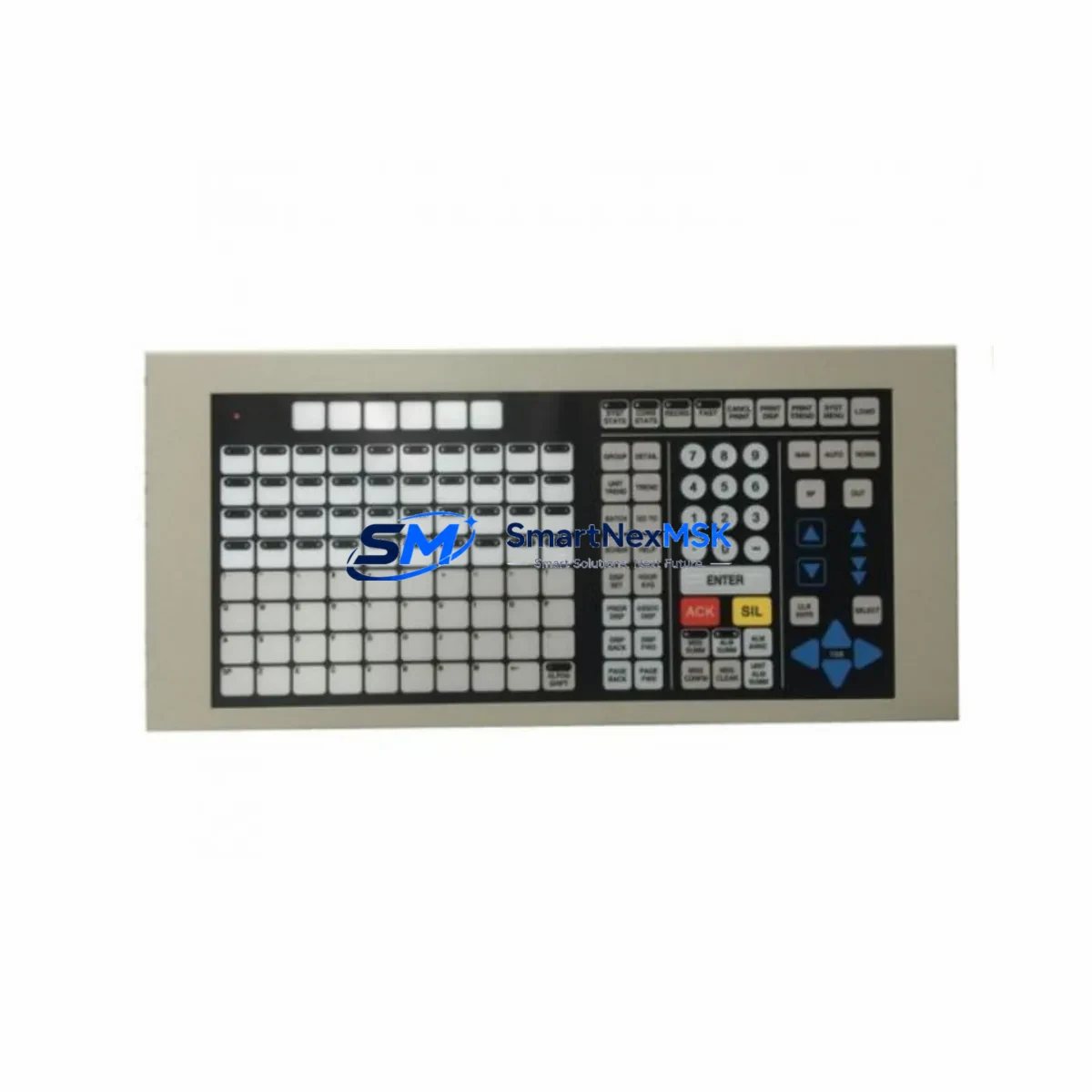
Honeywell TP-DSOEP1-100 Maintenance-Ready Spare for TDC 3000 Automation
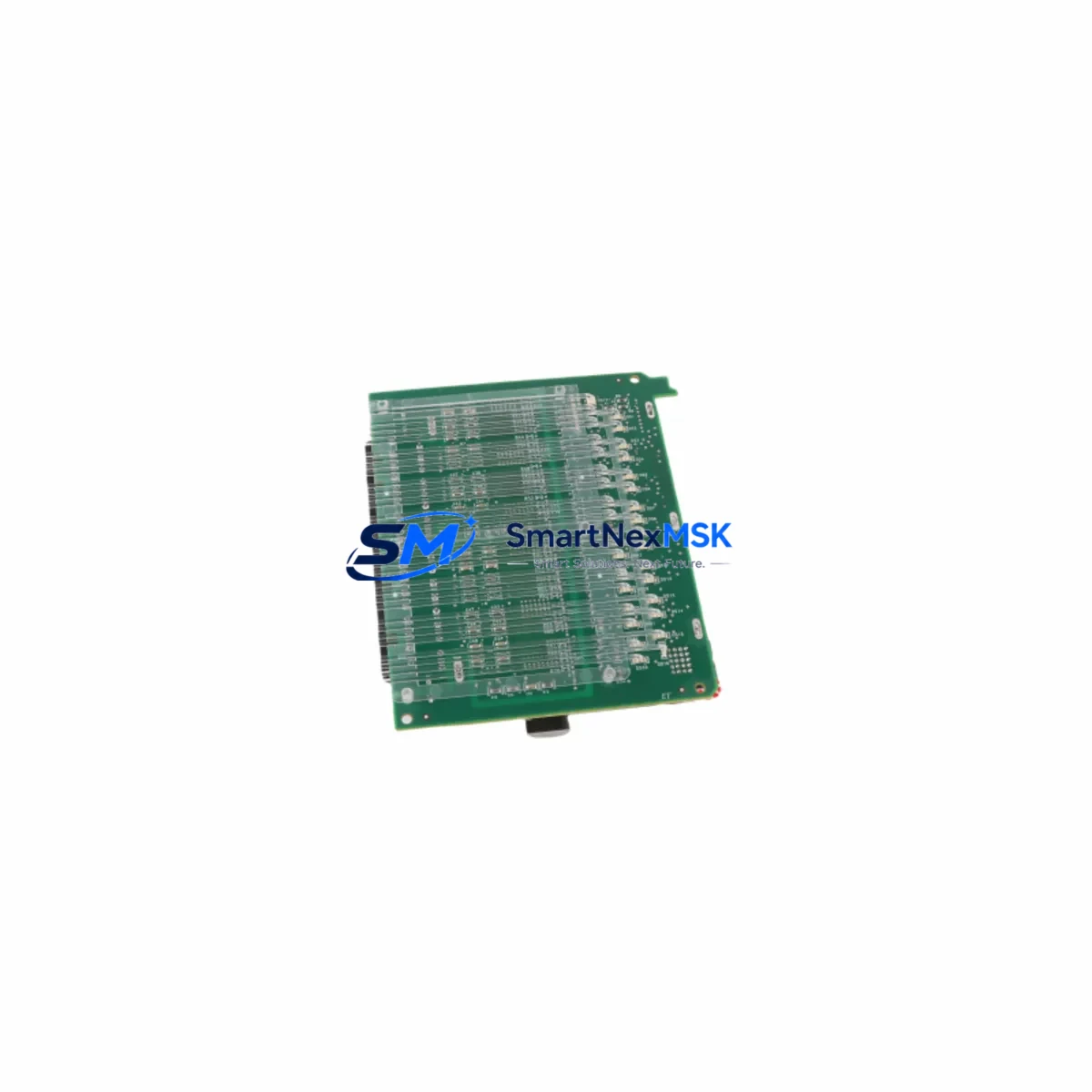
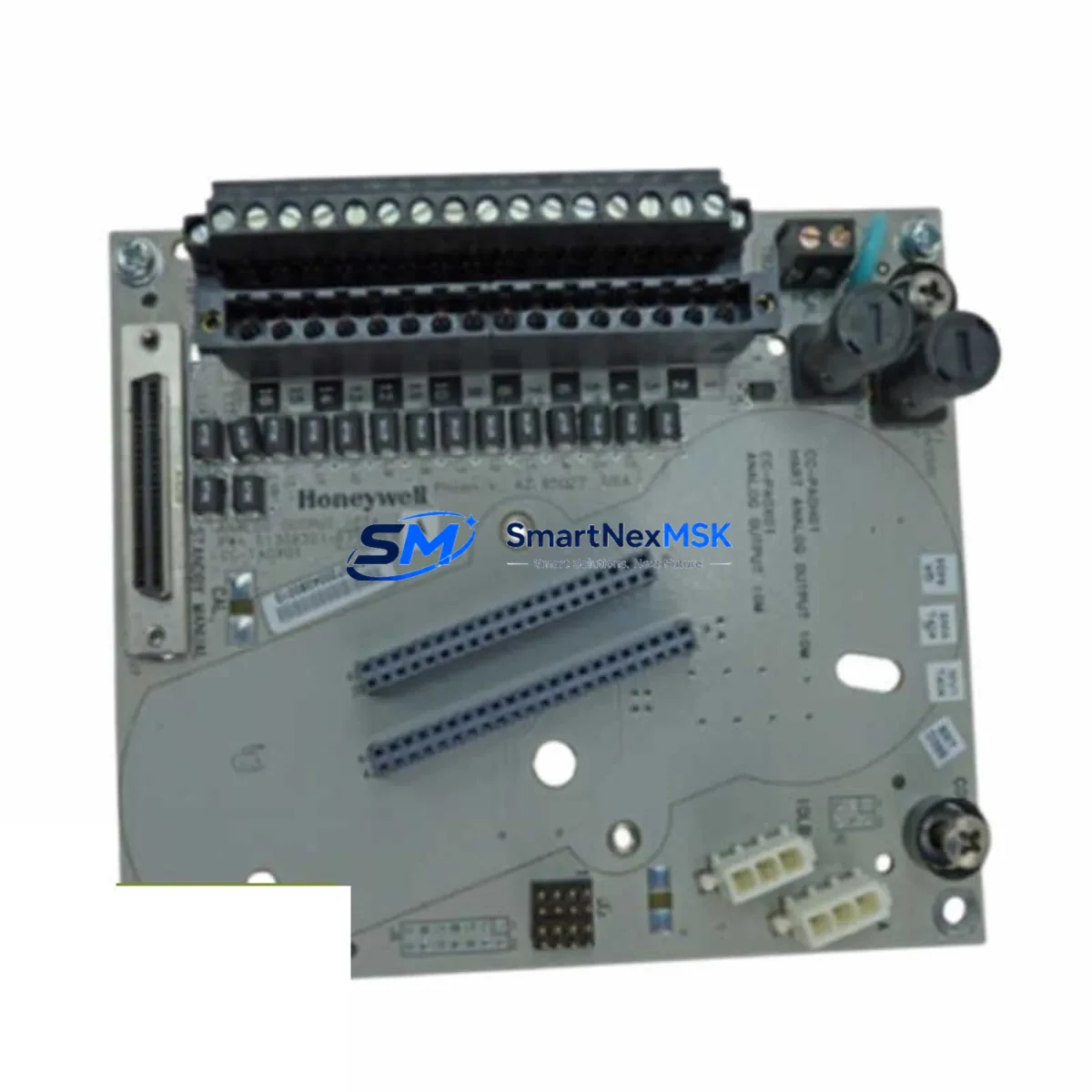
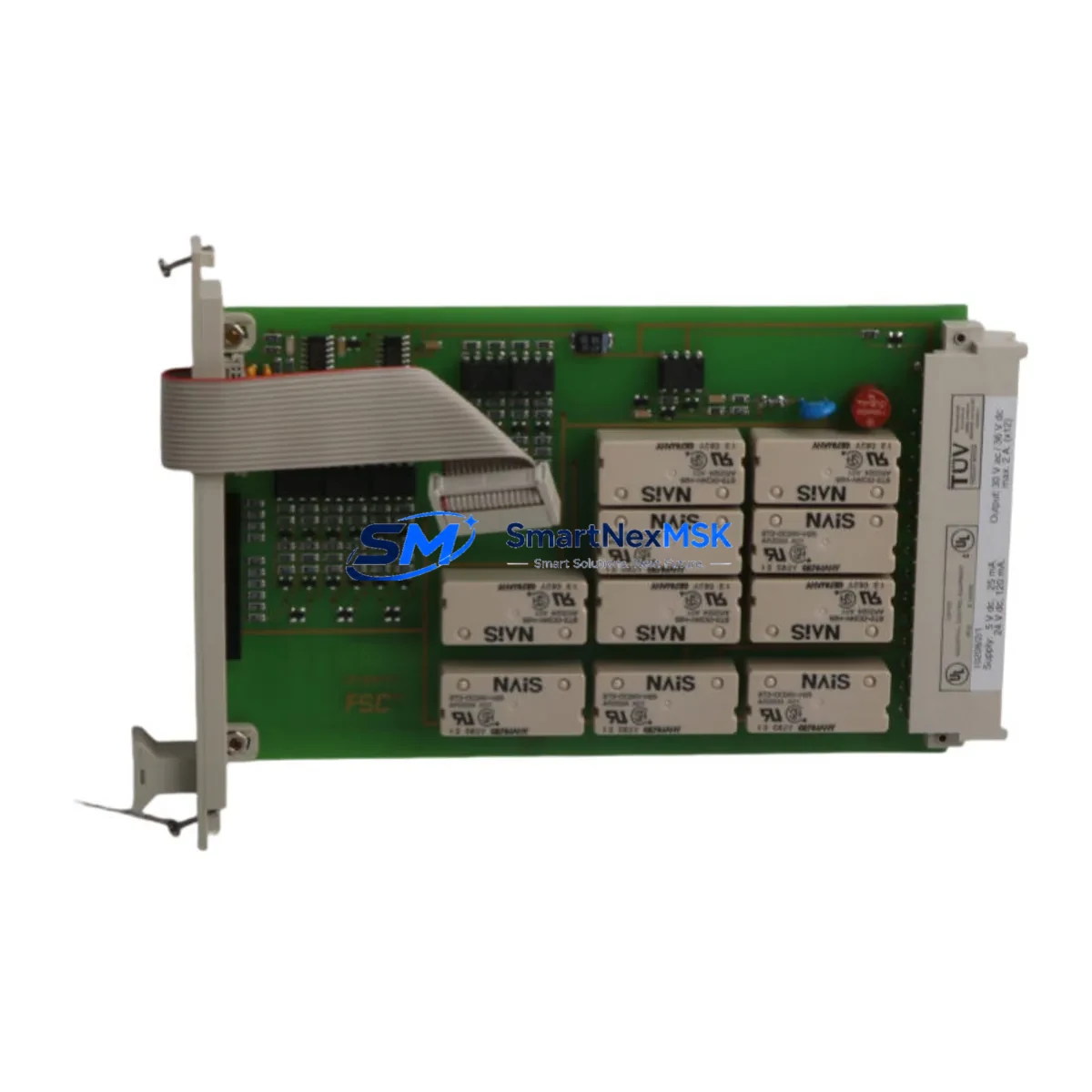
The Honeywell TP-DSOEP1-100 (alternate part number 51402497-200) is an original operator interface module engineered for the Honeywell TDC 3000 Distributed Control System. As the primary human-machine interface component within the TDC 3000 architecture, this operator station panel enables process operators to monitor, command, and interact with the control system in real time. For maintenance engineers managing aging TDC 3000 installations across refining, petrochemical, power generation, and continuous manufacturing facilities, maintaining a verified spare of the TP-DSOEP1-100 is a fundamental element of any credible downtime-prevention strategy.
Operator interface failures in DCS environments are among the most disruptive events a control room can face. Unlike I/O module faults that affect only a single loop or field device, a failed operator station can render an entire process section unmonitorable — forcing operators to rely on field instrumentation alone or initiate a controlled shutdown. The TP-DSOEP1-100 addresses this risk directly: sourced as an original Honeywell component, it is fully compatible with the TDC 3000 Universal Station and Global User Station environments, requiring no firmware patching or hardware modification for drop-in replacement.
Procurement engineers sourcing this module should note that the TDC 3000 platform, while mature, remains in active service at hundreds of facilities worldwide. Honeywell’s lifecycle support for TDC 3000 hardware has transitioned to a managed-availability model, making third-party stocking of original spare parts — such as the TP-DSOEP1-100 — increasingly important for long-term plant reliability. Each unit we supply undergoes pre-shipment functional verification and is backed by a 12-month warranty, providing procurement teams with the documentation and assurance required for maintenance budgeting and audit compliance.
Spare Maintenance Table
| Parameter | Specification |
|---|---|
| Part Number | TP-DSOEP1-100 |
| Alternate Part Number | 51402497-200 |
| Manufacturer | Honeywell |
| Series / Platform | TDC 3000 DCS |
| Module Type | DCS Operator Interface / Operator Keyboard Panel |
| Compatible Systems | TDC 3000 Universal Station (US), Global User Station (GUS) |
| Interface Standard | Honeywell proprietary TDC 3000 backplane / LCN bus |
| Power Supply Requirement | Via TDC 3000 operator station chassis (typically 24 VDC internal) |
| Operating Temperature | 0°C to 50°C (control room environment) |
| Mounting | Integrated operator console / panel mount per TDC 3000 station design |
| Weight | 350 g (approx.) |
| Origin | United States |
| Condition | Original Honeywell — New or Reconditioned to OEM Standard |
| Pre-Shipment Test | Functional verification performed before dispatch |
| Warranty | 12 Months |
| Lead Time | In-stock units ship within 3–5 business days |
Maintenance Planning for Continuous Operation
When a TP-DSOEP1-100 operator interface requires replacement, experienced maintenance engineers treat the event as a trigger for a broader control room inspection rather than an isolated swap. The TDC 3000 operator station is an integrated assembly: the keyboard panel interfaces with the Universal Station (US) or Global User Station (GUS) processor board, communicates over the Local Control Network (LCN), and depends on a stable TDC 3000 chassis power supply module — typically a dedicated 24 VDC supply — for consistent operation. A degraded power rail is a common root cause of premature operator interface failures and should be measured and logged during any planned replacement activity.
Beyond the power supply, the LCN coaxial cable and LCN tap/terminator assemblies connecting the operator station to the network backbone deserve close inspection. Oxidized connectors or marginal terminations can cause intermittent communication faults that manifest as operator station freezes or display anomalies — symptoms often misattributed to the interface panel itself. Replacing the TP-DSOEP1-100 without verifying LCN signal integrity may result in repeat failures within months.
Maintenance teams should also audit the TDC 3000 History Module (HM) and Application Module (AM) health during the same maintenance window. These modules share the LCN infrastructure and their performance directly affects what the operator station can display and command. If the facility also operates a Honeywell PHD / Uniformance Process Historian interface, confirming data collection continuity through the replacement window is essential for regulatory and process audit purposes.
For facilities running hybrid environments — where TDC 3000 coexists with newer Experion PKS C300 controllers or Safety Manager SC nodes — the operator station replacement should be coordinated with the DCS system administrator to ensure that station-specific display configurations, custom faceplates, and alarm setpoints stored locally are backed up before the swap. Inspecting the operator station flat-panel display module and associated video interface card during the same visit reduces future unplanned downtime.
Procurement engineers building a TDC 3000 spare parts inventory should consider stocking the TP-DSOEP1-100 alongside complementary items such as the Honeywell 51401642-150 LCN Interface Module, TDC 3000 chassis power supply units, 51304453-150 AM/HM processor boards, LCN terminator assemblies, and operator station flat-panel display modules to ensure that a single component failure never cascades into an extended outage. Long-term supply continuity for original TDC 3000 hardware is a documented challenge; establishing a verified supplier relationship now — with tested, warranted stock — is the most cost-effective risk mitigation available.
Site Replacement Workflow
Step 1 — Pre-replacement backup: Before removing the TP-DSOEP1-100, coordinate with the DCS system administrator to export station-specific configuration files, custom display pages, and alarm acknowledgment settings. On TDC 3000 systems, station personality data may reside on the History Module or Application Module; confirm the backup path with your site’s TDC 3000 system documentation.
Step 2 — Power isolation: Follow your site’s lockout/tagout (LOTO) procedure for the operator station chassis. Verify that the TDC 3000 power supply module output is de-energized before disconnecting the keyboard panel. Physically confirm zero voltage at the chassis power terminals — do not rely solely on software shutdown.
Step 3 — LCN integrity check: Before installing the replacement TP-DSOEP1-100, inspect the LCN tap connection at the operator station drop point. Clean connector contacts with approved contact cleaner and verify that the LCN terminator (if this is an end-of-bus station) is correctly seated. A marginal LCN connection is the leading cause of post-replacement communication faults.
Step 4 — Module installation: Install the TP-DSOEP1-100 per the Honeywell TDC 3000 operator station hardware installation guide. Confirm that all panel connectors are fully seated and that chassis retaining hardware is secured to the specified torque.
Step 5 — Power-on and system recognition: Restore power to the chassis and observe the station initialization sequence. The TDC 3000 system should recognize the operator interface within the normal boot cycle. If the station fails to appear on the LCN, re-check the LCN tap and verify that the station node address is correctly configured per your site’s LCN node map.
Step 6 — Functional verification: Confirm that all operator functions — process display navigation, setpoint entry, alarm acknowledgment, and trend display — operate correctly. Verify that historian data collection resumes without gaps. Document the replacement in your CMMS with the new module’s serial number and warranty expiry date.
Spare Parts Support FAQ
Q1: Is the TP-DSOEP1-100 still available as a new original Honeywell part?
Honeywell TDC 3000 hardware has transitioned to managed-availability status. We source original TP-DSOEP1-100 units — both new-old-stock and OEM-reconditioned — through verified supply channels. Each unit is functionally tested before shipment and covered by a 12-month warranty. Contact us to confirm current stock availability and lead time.
Q2: Will the TP-DSOEP1-100 work as a direct replacement without reconfiguration?
In standard TDC 3000 Universal Station and Global User Station configurations, the TP-DSOEP1-100 is a direct hardware replacement. Station-specific display configurations and custom faceplates are typically stored on the History Module or Application Module rather than on the keyboard panel itself, so they are preserved through the swap. Confirm your site’s configuration storage architecture with your TDC 3000 system documentation before replacement.
Q3: What pre-shipment testing is performed on the TP-DSOEP1-100?
Every unit undergoes functional verification on a TDC 3000-compatible test bench prior to dispatch. We verify operator interface communication, key matrix response, and panel power integrity. A test report is available upon request for quality assurance and incoming inspection purposes.
Q4: What is your long-term supply commitment for TDC 3000 spare parts?
We maintain dedicated inventory of TDC 3000 critical spares — including operator interface panels, LCN interface modules, power supply units, and processor boards — to support facilities committed to extending TDC 3000 system life. Blanket order arrangements and priority stock reservation are available for customers with documented annual maintenance requirements. All parts are supplied with a 12-month warranty and full traceability documentation.
© 2026 SMARTNEXMSK. All rights reserved.
Original Source: https://smartnexmsk.com
Contact: [email protected] | +86 18259474341