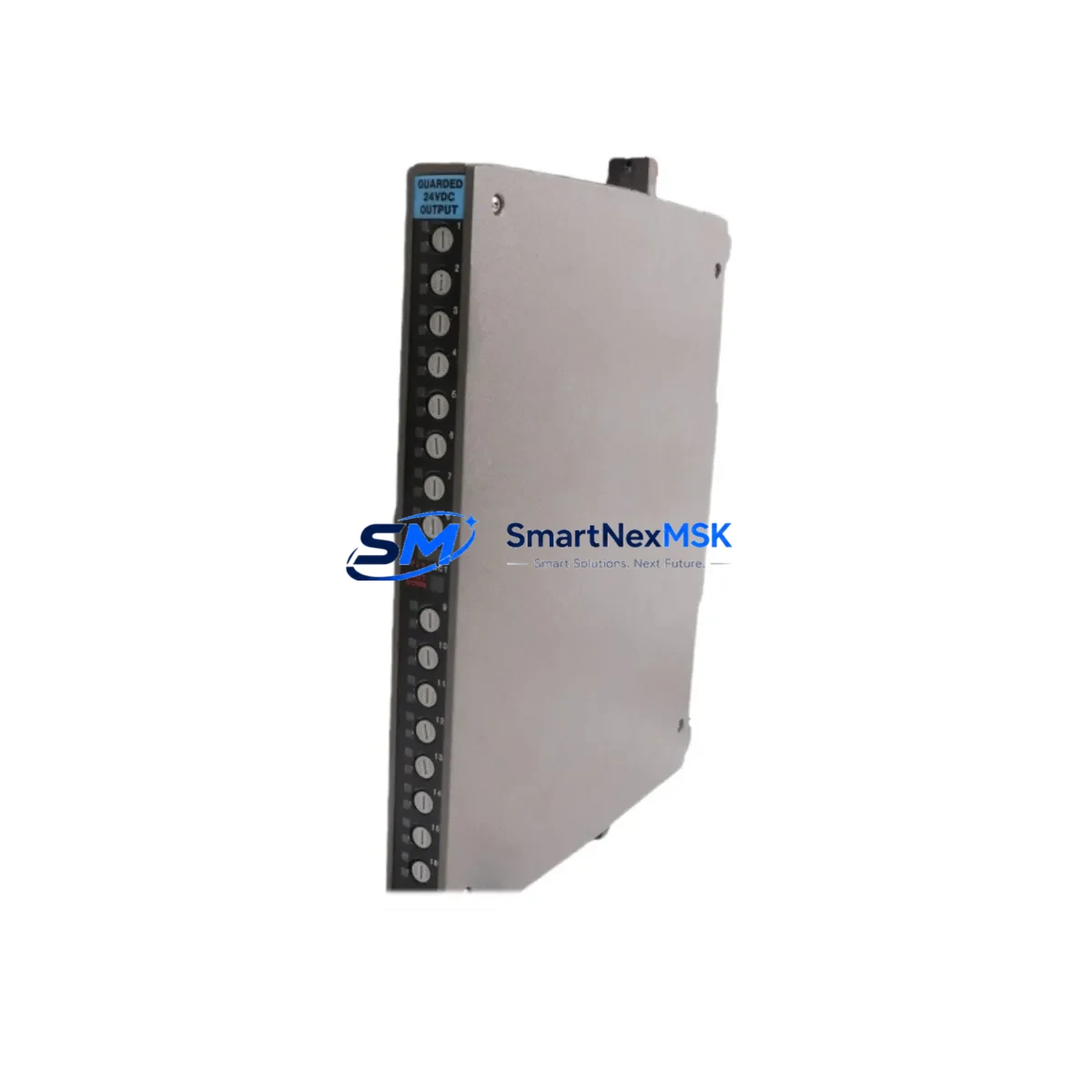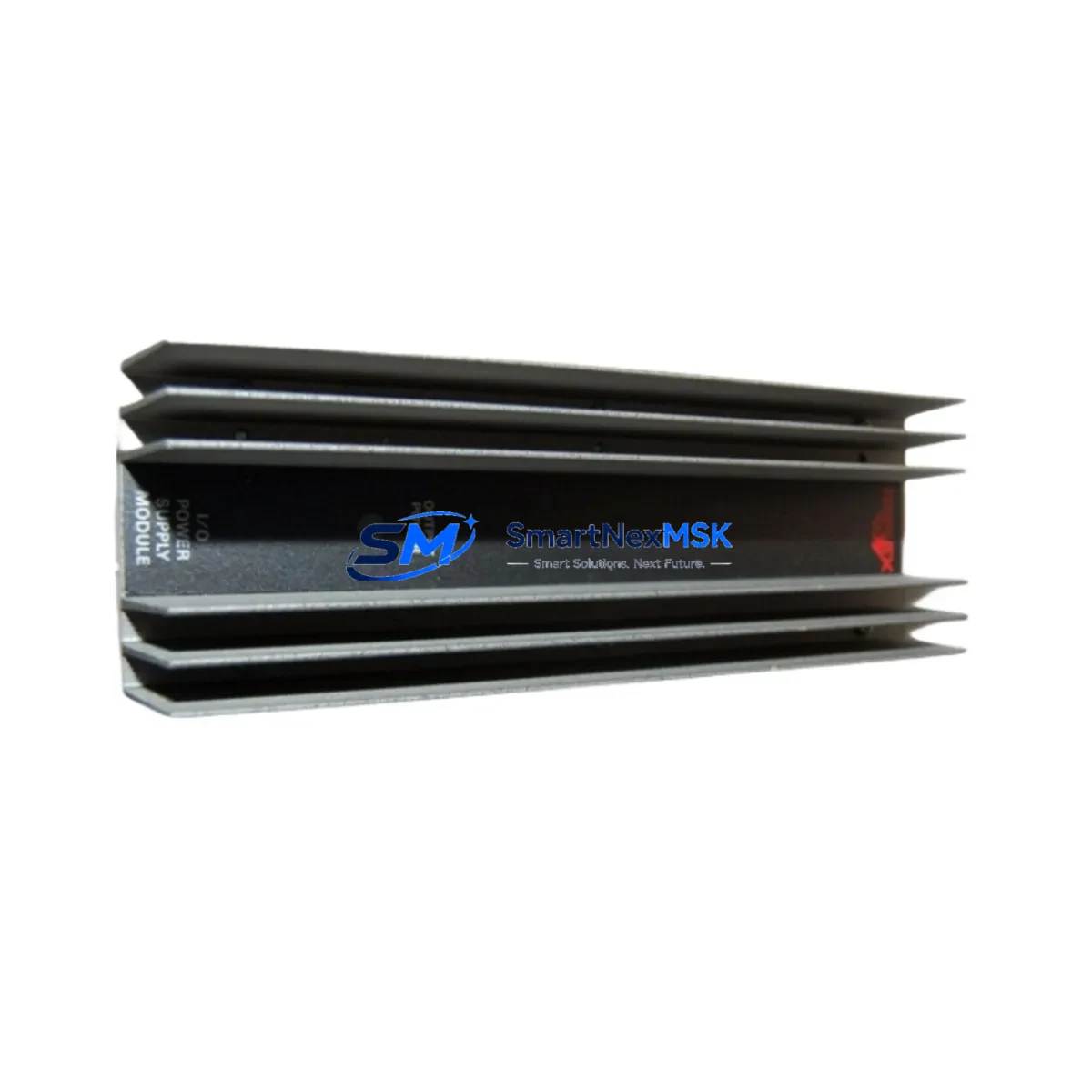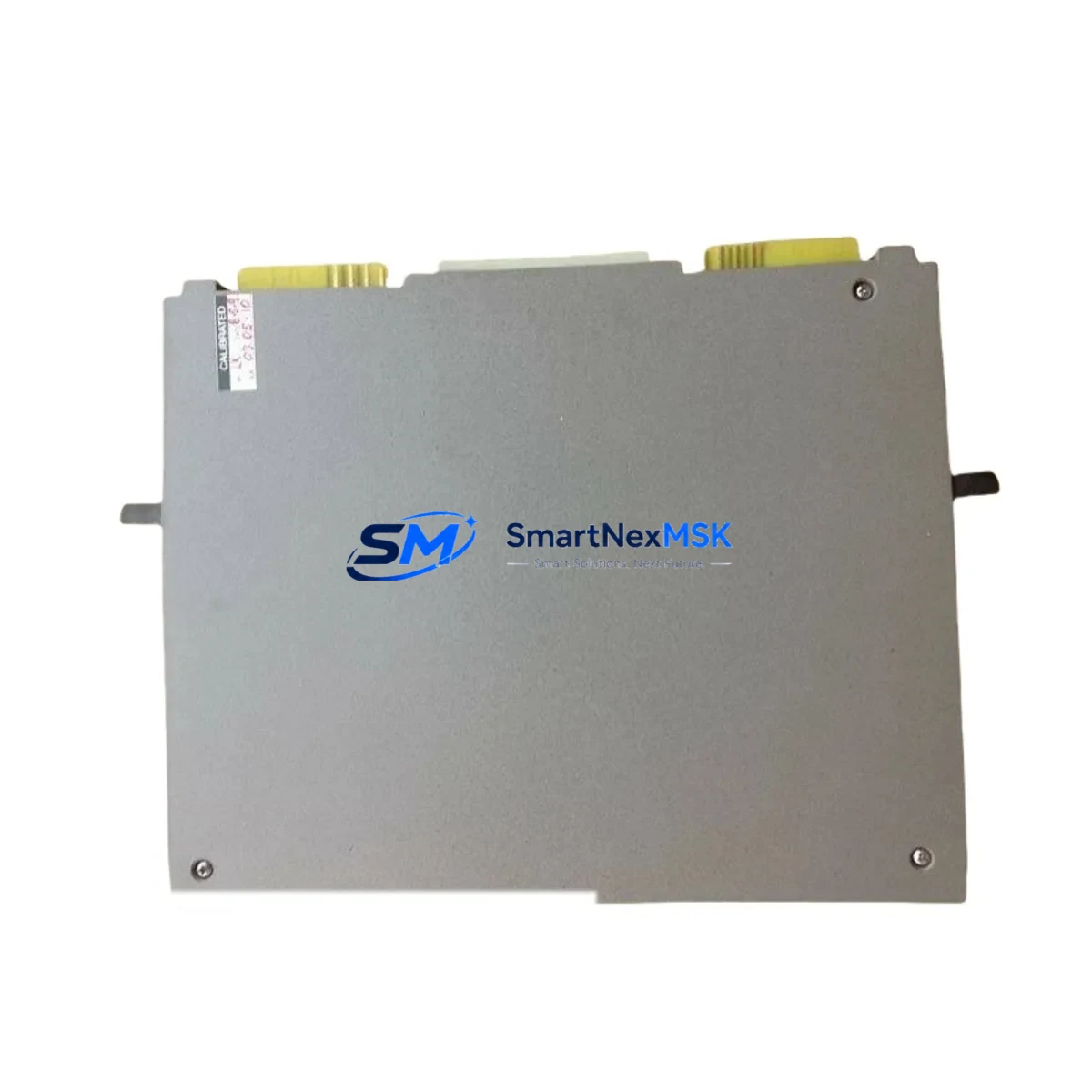
ICS T3491 Retrofit-Ready Multiplexed I/O for Regent DCS: Compatible Modernization and Smooth Legacy System Upgrade
The ICS T3491 Multiplexed I/O Module is a proven retrofit solution for facilities operating legacy Regent Distributed Control Systems (DCS). As original Regent DCS hardware reaches end-of-life and spare parts become increasingly scarce, the T3491 provides a reliable, specification-matched replacement that preserves existing wiring infrastructure, rack geometry, and communication architecture — minimizing engineering rework and unplanned downtime during system modernization.
Designed for industrial environments where control continuity is non-negotiable, the T3491 supports direct substitution in Regent DCS control cabinets without requiring backplane redesign or full controller replacement. Engineers and maintenance teams working on aging process control systems — including those in power generation, water treatment, chemical processing, and discrete manufacturing — will find the T3491 a dependable bridge between legacy Regent hardware and modern operational requirements.
Upgrade Compatibility Table
| Parameter | Details |
|---|---|
| SKU / Part Number | T3491 |
| Manufacturer | ICS (Industrial Control Services) |
| Compatible Platform | Regent DCS |
| Module Type | Multiplexed I/O Module |
| Backplane Interface | Regent DCS standard rack backplane |
| Installation Requirement | Direct rack-mount; no backplane modification required |
| Communication Compatibility | Regent DCS native communication protocol |
| Wiring Compatibility | Existing field terminal wiring retained; no re-termination required in standard replacement scenarios |
| Replacement Recommendation | Drop-in replacement for original Regent T3491 and functionally equivalent discontinued variants |
| Commissioning Notes | Verify module address configuration, I/O channel mapping, and HMI tag assignments prior to live switchover |
| Origin | China (CN) |
| Warranty | 12 Months |
Retrofit Planning for Existing Automation Systems
Successful integration of the T3491 into a Regent DCS retrofit project requires a structured pre-installation review. Before removing the failed or obsolete module, engineers should document the existing module address settings — typically configured via DIP switches or jumper blocks on the original Regent I/O modules — and replicate these settings on the T3491 to ensure the controller recognizes the replacement without requiring program modifications.
Field wiring connected to the original terminal blocks should be photographed and labeled before disconnection. In most Regent DCS cabinet configurations, the T3491 interfaces with the same 40-pin or equivalent backplane connector used across the Regent I/O family, allowing the module to seat directly into the existing rack without adapter hardware. However, engineers should confirm rack slot compatibility against the Regent DCS rack assembly — including the Regent 9101 or equivalent main rack — before ordering.
Power supply capacity is a critical verification step. The Regent DCS power supply module — such as the Regent T3401 or T3402 series — must be confirmed to provide adequate current headroom for the T3491 alongside other installed modules. Overloaded power rails are a common cause of intermittent faults during retrofit commissioning and should be assessed before energizing the replacement module.
Communication link integrity must also be validated. In Regent DCS architectures, the I/O modules communicate with the main controller — typically the Regent T3110 or equivalent processor module — via the backplane data bus. After installing the T3491, the communication link status should be verified through the Regent engineering workstation or equivalent DCS configuration tool before transferring control from manual to automatic mode.
For facilities also upgrading HMI infrastructure, the T3491 retrofit is often performed in parallel with HMI panel replacement or SCADA migration. In these cases, I/O tag databases exported from the legacy Regent DCS configuration must be cross-referenced against the new HMI tag structure to prevent mismapped signals. Operators should confirm that all analog input scaling, digital output interlock logic, and alarm setpoints are correctly transferred to the new HMI environment before decommissioning the original Regent operator station.
Projects involving communication protocol migration — for example, transitioning from legacy Regent proprietary bus to Modbus RTU, PROFIBUS DP, or Ethernet/IP — may require an additional protocol gateway or communication bridge module installed in the control cabinet. In such configurations, the T3491 continues to serve as the field I/O interface while the gateway handles protocol translation between the Regent backplane and the new control network. Typical gateway options used in Regent DCS migration projects include DIN-rail-mounted Modbus-to-Ethernet converters and PROFIBUS DP master interface cards compatible with the Regent rack form factor.
I/O expansion requirements should also be assessed during the retrofit planning phase. If the existing Regent DCS rack is fully populated and additional I/O points are needed, a supplementary Regent-compatible I/O expansion rack — or a modern remote I/O station connected via the upgraded communication network — may be required. The T3491 supports the standard Regent I/O addressing scheme, making it straightforward to integrate into expanded rack configurations without controller program restructuring.
Finally, all replacement modules supplied by SMARTNEXMSK undergo pre-shipment functional testing to verify channel integrity, backplane communication, and power consumption within specification. Each T3491 unit ships with a test report and is covered by a 12-month warranty from the date of delivery, providing procurement teams with documented quality assurance for maintenance records and audit compliance.
Downtime Control During System Migration
Minimizing production interruption during a Regent DCS I/O module replacement requires careful sequencing of the switchover procedure. The recommended approach is to perform the physical module swap during a planned maintenance window, with the process placed in manual control mode at the field level — using local control stations or manual bypass valves — before the Regent DCS rack is de-energized.
Prior to shutdown, a full backup of the Regent DCS controller program — including all function block configurations, I/O assignments, PID tuning parameters, and interlock logic — should be saved to the engineering workstation. This backup serves as the recovery baseline if the replacement module requires re-commissioning or if unexpected compatibility issues arise during startup.
After installing the T3491 and restoring rack power, the module should be allowed to complete its self-diagnostic cycle before the controller is switched from program mode to run mode. Engineers should monitor the Regent DCS diagnostic display or engineering software for any fault codes indicating address conflicts, communication errors, or power supply alarms. Resolving these conditions before returning the process to automatic control prevents nuisance trips and protects downstream equipment.
For critical process loops — such as temperature control, pressure regulation, or flow metering — a staged return to automatic control is recommended: transfer one loop at a time from manual to automatic, verifying correct signal response and controller output before proceeding to the next loop. This approach isolates any residual commissioning issues to individual control loops rather than allowing a single fault to affect the entire process unit.
SMARTNEXMSK maintains in-stock inventory of the T3491 and related Regent DCS components to support emergency replacement scenarios where extended lead times are not acceptable. Same-day dispatch is available for confirmed orders placed before the daily shipping cutoff, supporting maintenance teams operating under tight outage windows.
Retrofit Support FAQ
Q1: Is the T3491 a direct drop-in replacement for the original Regent DCS I/O module of the same part number?
A: Yes. The T3491 is designed to match the original Regent DCS T3491 in form, fit, and function. It uses the same backplane connector, rack mounting dimensions, and I/O addressing scheme as the original module. In most installations, no wiring changes or program modifications are required. Engineers should verify DIP switch or jumper address settings match the original module configuration before installation.
Q2: What commissioning steps are required after installing the T3491?
A: After seating the module in the Regent DCS rack and restoring power, confirm the module address matches the original configuration, verify the backplane communication link is established (indicated by the module status LED or engineering software diagnostics), and perform a channel-by-channel I/O verification against the existing field wiring schedule. For analog channels, confirm input scaling and output range settings are consistent with the original module configuration before returning loops to automatic control.
Q3: Does the T3491 support wiring reuse from the original Regent DCS installation?
A: In standard replacement scenarios, existing field wiring connected to the original Regent terminal assembly can be reused without modification. Engineers should inspect terminal block condition and wire insulation integrity as part of the replacement procedure, particularly in installations where the original wiring has been in service for more than ten years. If the terminal block assembly is separate from the module, confirm compatibility with the T3491 terminal interface before finalizing the installation plan.
Q4: What warranty and quality assurance does SMARTNEXMSK provide for the T3491?
A: Every T3491 unit supplied by SMARTNEXMSK is covered by a 12-month warranty from the date of delivery. Prior to shipment, each module undergoes functional testing to verify I/O channel performance, backplane communication integrity, and power consumption within the original specification. A test report is included with each shipment. For warranty claims or technical support, contact the SMARTNEXMSK technical team directly.
© 2026 SMARTNEXMSK. All rights reserved.
Original Source: https://smartnexmsk.com
Contact: [email protected] | +86 18259474341