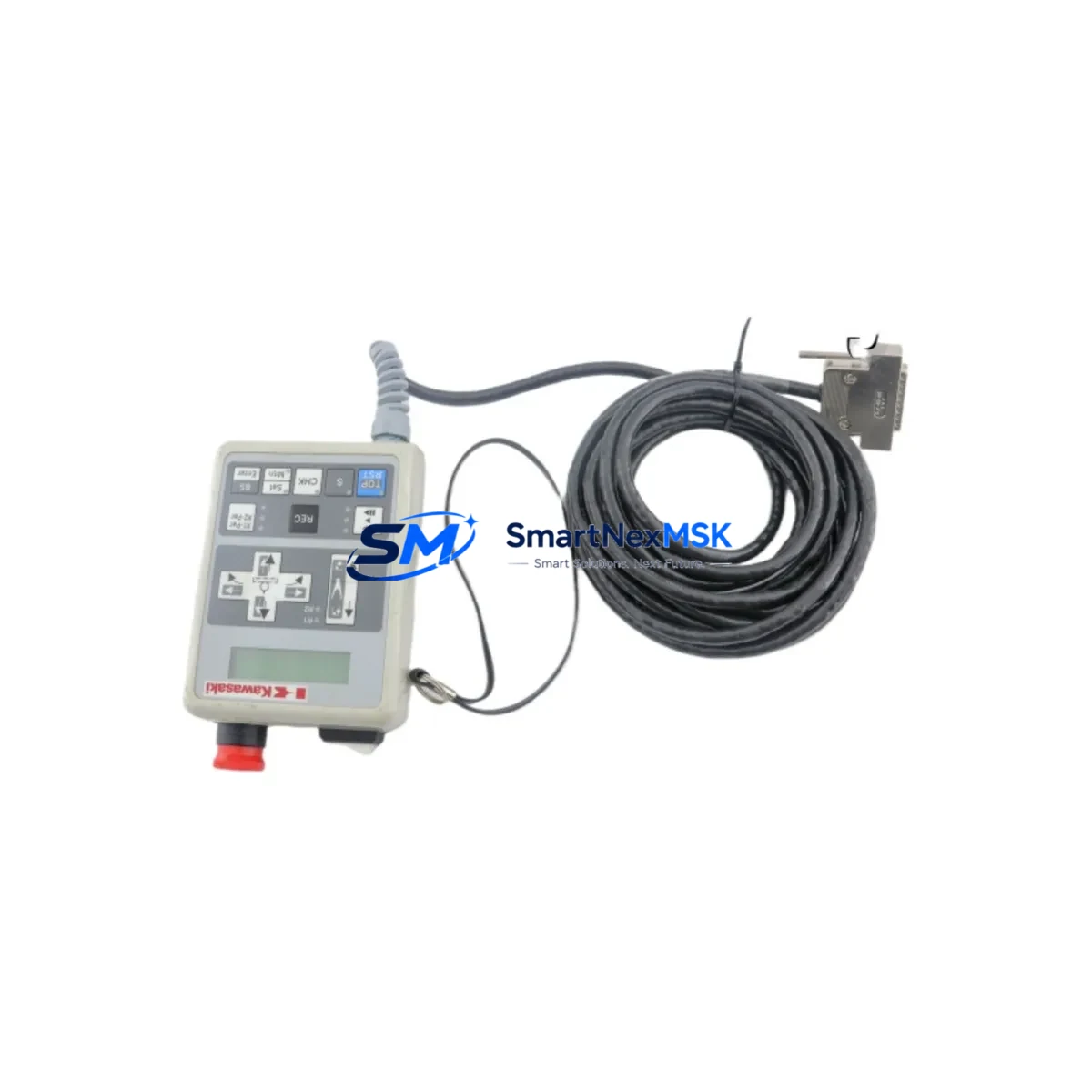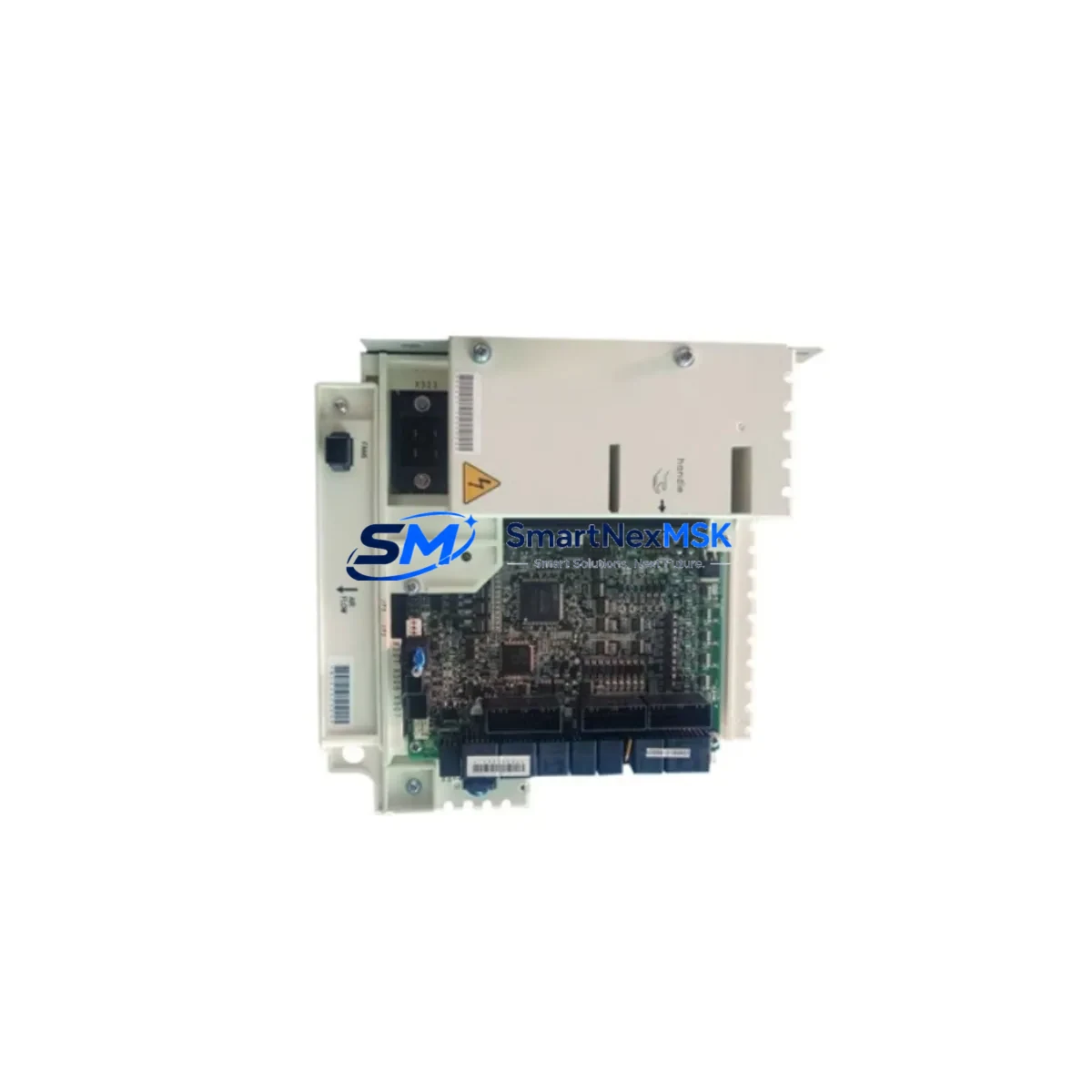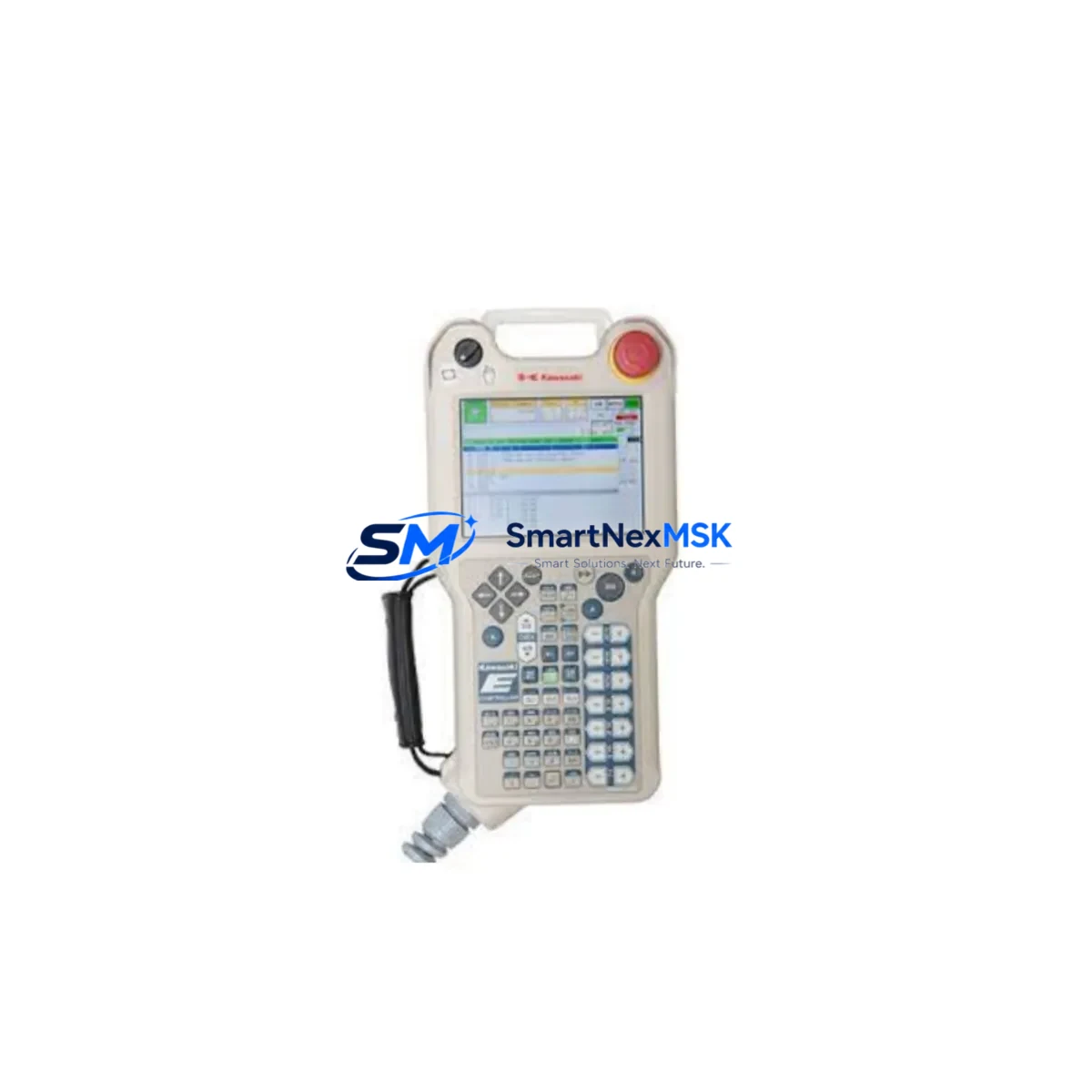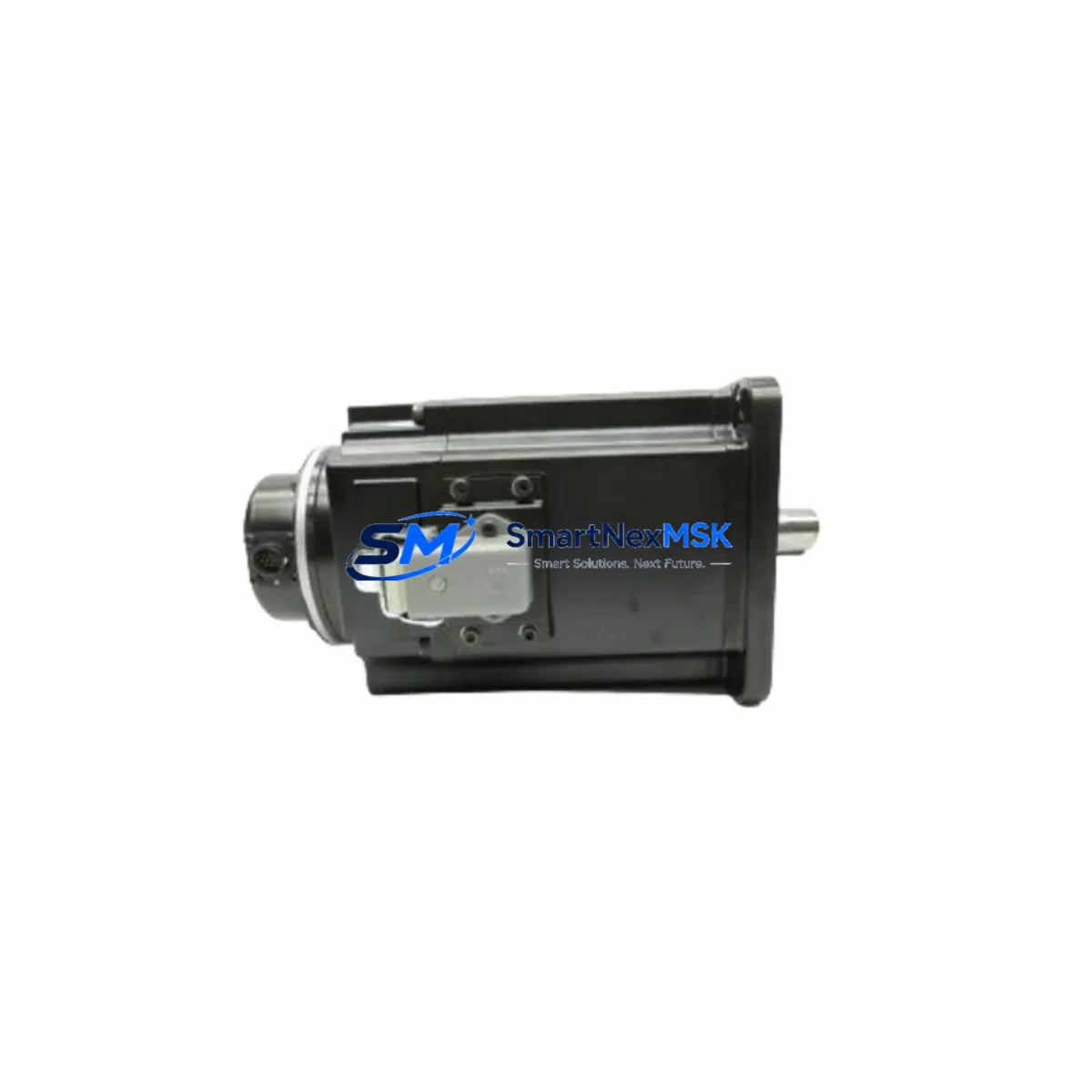
KAWASAKI AVR50630-0033 Maintenance-Ready Spare R2AA Servo
Unplanned servo motor failure is one of the most disruptive events in an automated production line. When a KAWASAKI AVR50630-0033 trips offline — whether from encoder fault, winding insulation breakdown, bearing seizure, or drive overcurrent — every minute of downtime translates directly into lost throughput and escalating recovery costs. This listing provides a maintenance-ready, original-specification replacement unit for the KAWASAKI R2AA Series AC servo motor, part number AVR50630-0033 (cross-reference: 50632-1066, model code R2AA13200LCPKZ), sourced to support rapid site restoration, planned overhaul cycles, and strategic spare parts inventory programs.
The R2AA Series is a high-performance AC servo motor family widely deployed across KAWASAKI robotic arms, precision CNC axes, automated assembly stations, and multi-axis motion control platforms. The AVR50630-0033 variant is characterized by its compact frame, incremental or absolute encoder interface, and compatibility with KAWASAKI’s dedicated servo drive amplifiers. Maintenance engineers familiar with this series will recognize the importance of keeping at least one verified spare on the shelf — particularly in facilities where the servo axis controls a critical process step with no manual bypass.
Each unit supplied through SMARTNEXMSK undergoes pre-shipment electrical verification covering winding resistance balance, insulation resistance (megger test), encoder signal integrity, and mechanical shaft runout. Units are packed in anti-static, shock-absorbing packaging with full documentation. Delivery lead time is optimized for emergency procurement scenarios, and a 12-month warranty covers manufacturing defects and premature failure under normal operating conditions.
Spare Maintenance Table
| Parameter | Specification / Detail |
|---|---|
| Part Number | AVR50630-0033 |
| Cross Reference | 50632-1066 / R2AA13200LCPKZ |
| Brand | KAWASAKI |
| Series | R2AA Series AC Servo Motor |
| Motor Type | AC Servo Motor (Brushless) |
| Encoder Interface | Incremental / Absolute (series-dependent) |
| Drive Compatibility | KAWASAKI R Series Servo Amplifier / Drive Unit |
| Country of Origin | Japan |
| Mounting | Flange mount, standard IEC/JIS servo frame |
| Application Environment | Industrial automation, robotics, CNC, assembly lines |
| Ambient Temperature | 0°C to +40°C (operating); -20°C to +65°C (storage) |
| Protection Class | IP65 (shaft seal end); IP54 (body, application-dependent) |
| Pre-Shipment Testing | Winding resistance, insulation resistance, encoder signal, shaft runout |
| Warranty | 12 Months from date of shipment |
| Condition | New / Original Specification |
| Lead Time | In-stock units: 3–7 business days international; emergency dispatch available |
Maintenance Planning for Continuous Operation
Replacing the AVR50630-0033 in isolation is rarely sufficient for a thorough corrective or preventive maintenance event. Experienced maintenance engineers treat a servo motor replacement as an opportunity to audit the entire drive chain and associated control infrastructure. When this unit is removed from service, the following components and assemblies should be inspected or replaced concurrently to prevent repeat failures and maximize the value of the planned downtime window.
The KAWASAKI R Series servo drive amplifier paired with this motor should be checked for DC bus capacitor condition, IGBT thermal performance, and regenerative resistor integrity — a degraded drive is a common root cause of premature motor failure. The encoder feedback cable (typically a shielded multi-core cable with D-sub or circular connector) should be inspected for chafing, connector pin corrosion, and shield continuity; encoder cable faults are a leading cause of position error alarms on R2AA axes. The power cable assembly connecting the drive output to the motor terminals should be checked for insulation integrity and connector seating, particularly in high-cycle or high-vibration installations.
At the control cabinet level, the servo axis circuit breaker and fusing should be verified for correct rating and trip-free condition. The 24VDC control power supply module feeding the drive enable and brake release circuits should be load-tested, as marginal power supplies cause intermittent enable faults that are often misdiagnosed as motor problems. If the axis uses a safety relay or STO (Safe Torque Off) module, its output contacts and wiring should be confirmed functional before recommissioning. The terminal block strip on the servo drive I/O connector should be inspected for loose screws and oxidized contacts, especially in humid or vibration-prone environments.
For systems integrated into a broader PLC or motion controller architecture, the communication link between the PLC CPU and the servo drive — whether EtherCAT, MECHATROLINK, PROFIBUS, or analog ±10V — should be verified for signal integrity and parameter consistency after motor replacement. If the installation includes a brake resistor unit for deceleration energy dissipation, its resistance value and thermal condition should be confirmed. Finally, the motor mounting flange, coupling, and load-side bearing should be inspected for misalignment, which is a primary contributor to premature motor bearing failure in servo applications.
Site Replacement Workflow
The AVR50630-0033 is a direct form-fit-function replacement for worn, damaged, or end-of-life units within the KAWASAKI R2AA Series. The replacement workflow below is designed to minimize total downtime and ensure safe, verified recommissioning.
Step 1 — Isolation and Lockout: De-energize the servo drive and confirm DC bus discharge (typically >5 minutes after AC isolation). Apply LOTO (Lockout/Tagout) per site safety procedures. Release the motor brake manually if required for shaft access.
Step 2 — Documentation: Photograph the existing cable routing, connector orientation, and motor mounting position before disassembly. Record the current drive parameter set (servo gain, encoder resolution, electronic gear ratio) from the drive keypad or commissioning software.
Step 3 — Removal: Disconnect the power cable and encoder cable. Remove the motor mounting bolts and carefully extract the motor, noting the coupling or gearbox interface condition.
Step 4 — Inspection: Inspect the motor mounting face, coupling bore, and load-side shaft for wear or damage. Clean the mounting surface. Verify the replacement unit’s nameplate data matches the removed unit’s specifications.
Step 5 — Installation: Mount the replacement AVR50630-0033, torque fasteners to specification, and reconnect power and encoder cables. Verify cable shield grounding at the drive end.
Step 6 — Commissioning: Restore power and confirm drive parameter settings. Perform a low-speed jog test to verify encoder direction and feedback integrity. Run a full-speed no-load test before returning the axis to production. Document the replacement in the site maintenance log.
This workflow applies equally to planned overhaul replacements and emergency breakdown scenarios. For facilities operating legacy KAWASAKI robotic or CNC systems where the original motor model is discontinued, the AVR50630-0033 provides a verified, long-term supply solution that extends system service life without requiring drive or controller upgrades.
Spare Parts Support FAQ
Q1: What is the warranty coverage for the AVR50630-0033 supplied by SMARTNEXMSK?
All units carry a 12-month warranty from the date of shipment, covering manufacturing defects and premature failure under normal operating conditions. Warranty claims are supported by our technical team with replacement dispatch or credit resolution within agreed lead times.
Q2: How do I verify compatibility before ordering if my existing motor nameplate is damaged or unreadable?
Provide the KAWASAKI robot or machine model number, the axis designation, and any visible drive amplifier part numbers. Our engineering support team will cross-reference against KAWASAKI R2AA Series documentation to confirm the correct replacement SKU before order confirmation.
Q3: Can this unit replace motors with different encoder types within the R2AA Series?
The R2AA Series includes variants with incremental and absolute encoders. The AVR50630-0033 (R2AA13200LCPKZ) must be matched to the correct encoder type for your drive configuration. If your drive is configured for absolute feedback, substituting an incremental encoder variant will require drive parameter changes and potentially a homing procedure update. Confirm encoder type compatibility before installation.
Q4: What pre-shipment testing is performed, and can I request a test report?
Each unit undergoes winding resistance balance measurement, insulation resistance (500VDC megger), encoder signal output verification, and mechanical shaft runout check. Test reports are available on request for quality-critical procurement. Contact [email protected] with your order reference to request documentation.
© 2026 SMARTNEXMSK. All rights reserved.
Original Source: https://smartnexmsk.com
Contact: [email protected] | +86 18259474341