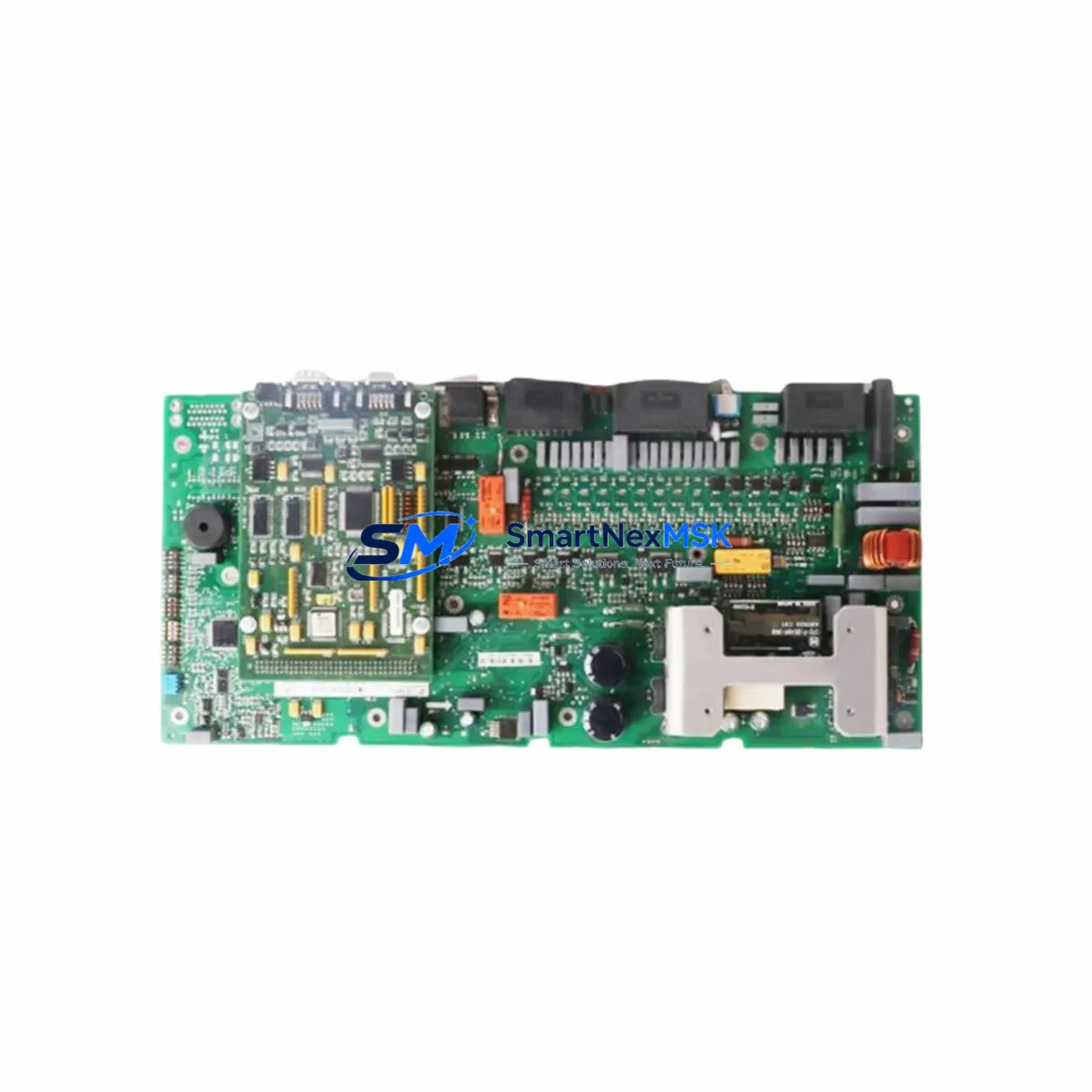
METSO IOP331 Retrofit-Ready Digital I/O for DNA Control Systems: Seamless Compatibility and Legacy System Upgrade
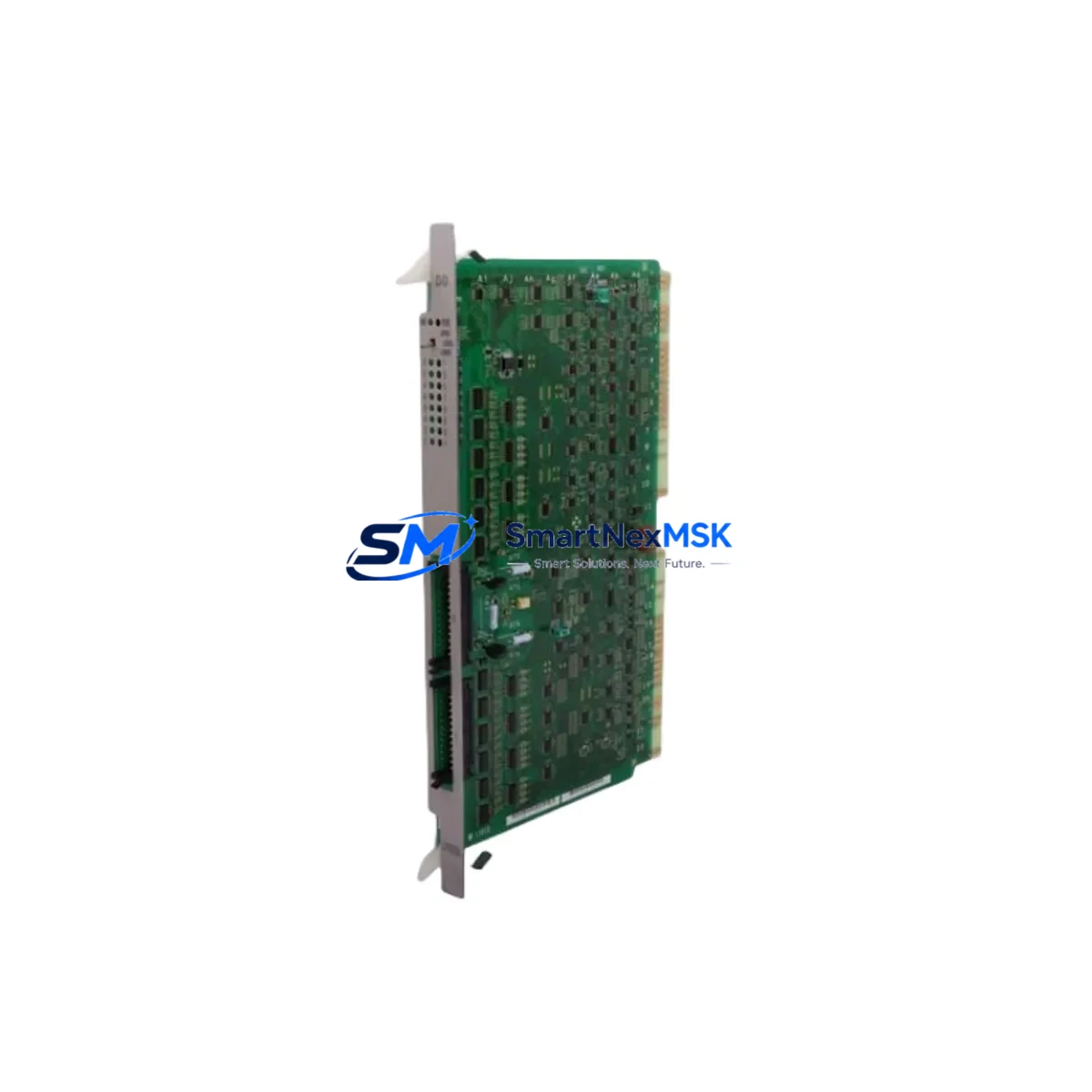
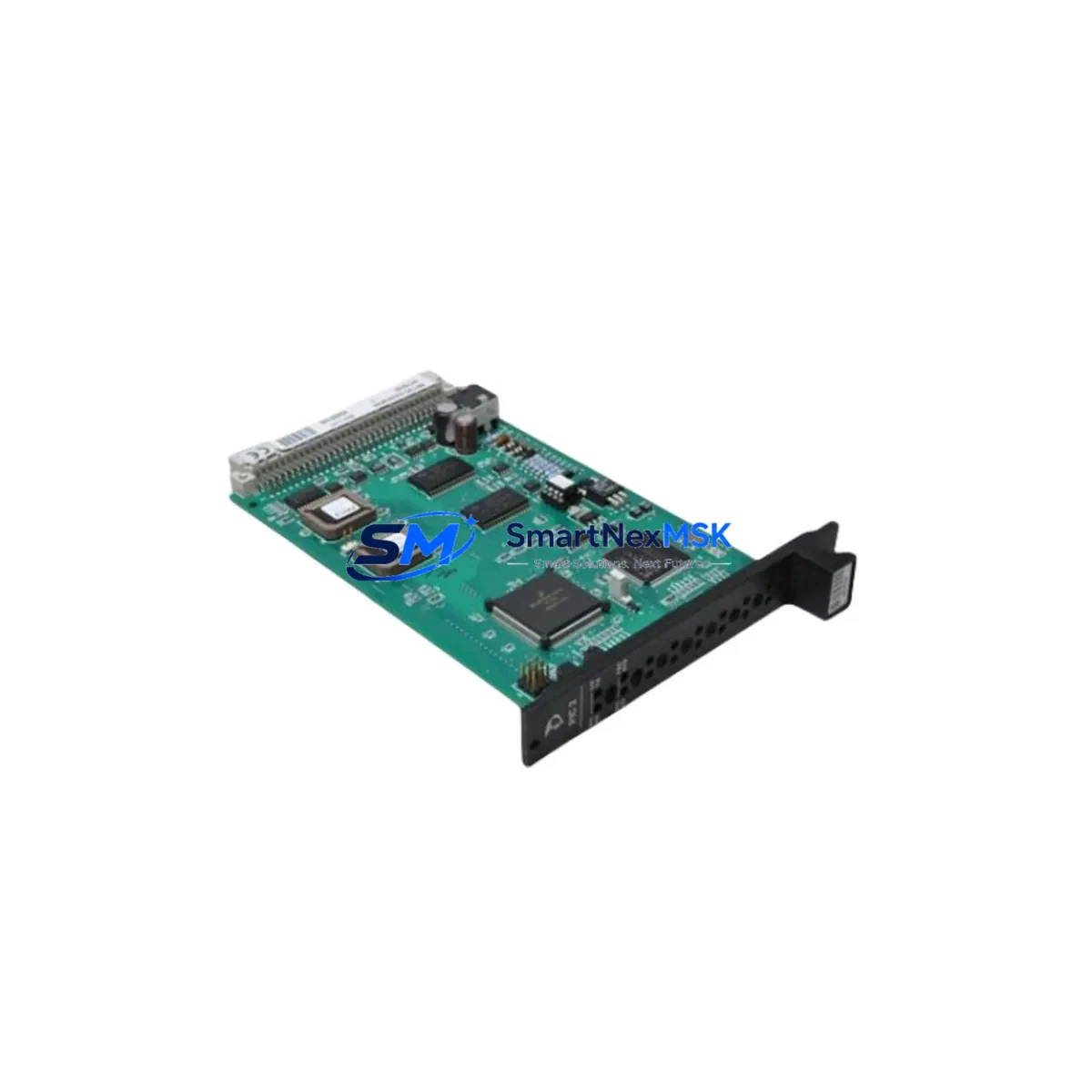
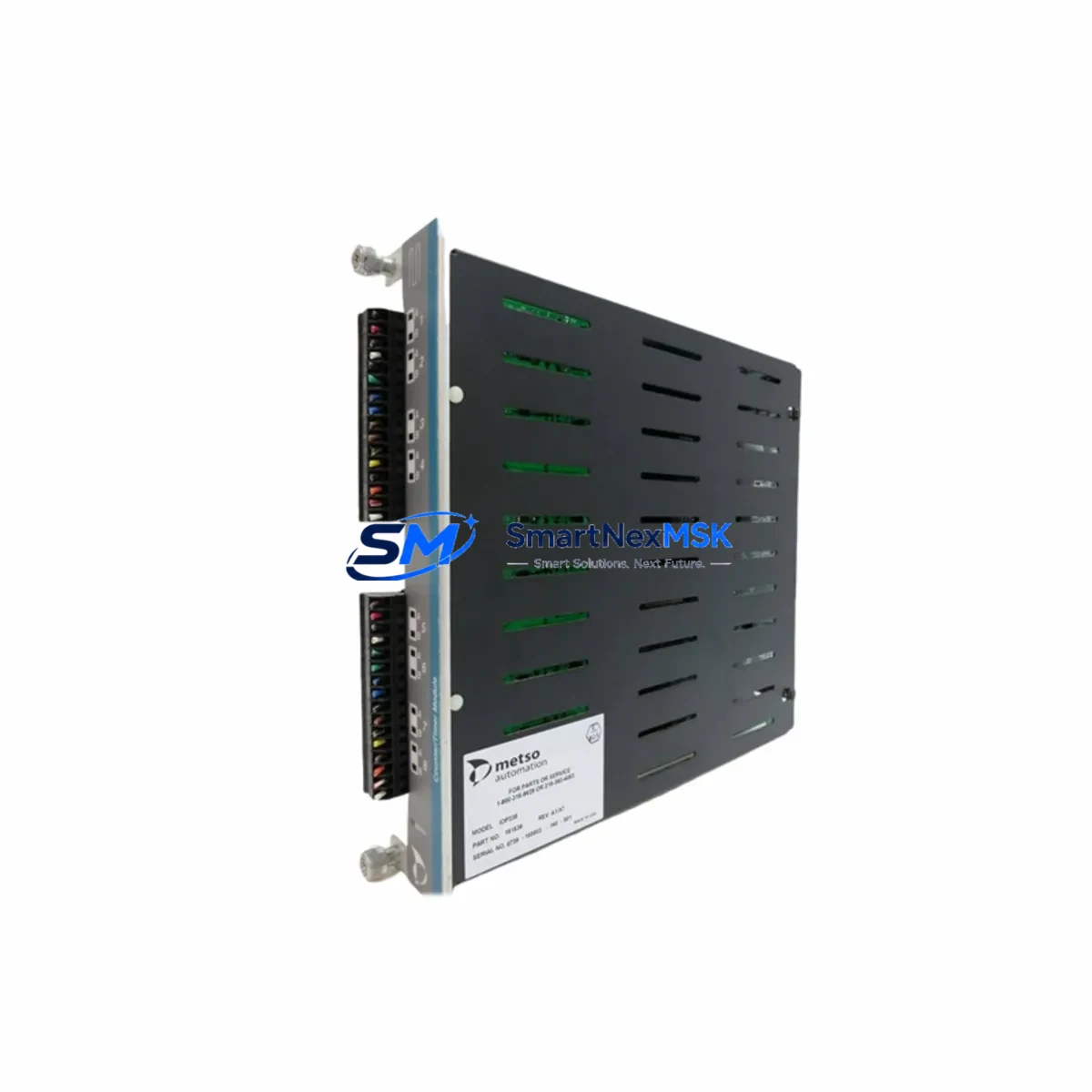
The METSO IOP331 is a 32-channel Digital I/O module engineered for the METSO DNA Distributed Control System (DCS) platform. As process plants and manufacturing facilities face increasing pressure to extend the service life of existing control infrastructure while maintaining operational reliability, the IOP331 has become a critical component in legacy system modernization projects. Whether you are replacing a failed module in an aging DNA cabinet, upgrading a discontinued I/O tier, or migrating from an earlier METSO MAX or Damatic XD platform, the IOP331 delivers the electrical compatibility, backplane interface integrity, and firmware alignment required for a controlled, low-risk retrofit.
Procurement engineers and automation integrators sourcing the IOP331 as a spare or replacement part should confirm the following before installation: the module’s 24 VDC field power supply capacity, terminal block wiring assignments (sourcing vs. sinking configuration), backplane slot addressing within the DNA I/O cabinet, and the module’s node address as configured in the DNA Engineering Workstation. Mismatched node addressing is the most common cause of communication failure during module swap-outs and must be verified against the existing DNA system database before the replacement module is powered on.
Upgrade Compatibility Table
| Parameter | Detail |
|---|---|
| SKU / Part Number | IOP331 |
| Brand / Manufacturer | METSO |
| Compatible Platform | METSO DNA DCS (all generations) |
| Common Replacement For | IOP321, IOP311, earlier Damatic XD I/O modules |
| Channel Count | 32 Digital I/O (configurable input/output) |
| Field Voltage | 24 VDC nominal |
| Backplane Interface | DNA I/O Bus (proprietary METSO backplane) |
| Communication Protocol | DNA internal bus; compatible with PROFIBUS DP via DNA gateway modules |
| Installation Requirement | DNA I/O cabinet with compatible backplane carrier; node address configuration via DNA Engineering Workstation |
| Commissioning Note | Verify module address, I/O assignment, and signal list against DNA database before hot-swap or cold-start |
| Warranty | 12 Months from date of shipment |
| Condition | New / Surplus New / Tested Refurbished (specify at order) |
Retrofit Planning for Existing Automation Systems
A successful IOP331 retrofit begins well before the module arrives on site. In a typical DNA DCS environment, the I/O subsystem is tightly integrated with the DNA Application Controller (DAC), the DNA Operator Station (DOS), and the DNA Engineering Workstation (DEW). Before initiating a module replacement, the project team should export the current DNA database, back up all application logic, and document the existing I/O signal list associated with the target slot.
In many retrofit scenarios, the IOP331 is installed alongside or in place of earlier-generation modules such as the IOP321 or IOP311, which share the same backplane form factor but differ in channel density and diagnostic capability. When upgrading from IOP311 to IOP331, engineers must update the DNA module type definition in the engineering database and re-download the I/O configuration to the relevant DAC controller node. Failure to update the module type will result in the DNA system reporting a hardware mismatch alarm, even if the physical wiring is correct.
For plants migrating from the older METSO MAX DCS or Damatic XD platform to the DNA architecture, the IOP331 is typically deployed as part of a phased migration strategy. In this context, the module is installed in new DNA I/O cabinets while the legacy MAX I/O racks remain in service on parallel loops. The DNA FCI (Field Communication Interface) module handles the backplane communication between the IOP331 and the DAC, and its firmware version must be compatible with the IOP331 hardware revision. Always cross-reference the DNA System Release Notes for the specific firmware pairing before ordering.
Terminal wiring for the IOP331 uses a 40-pin front connector. When replacing a module in an existing cabinet, the field cable assembly can typically be reused without rewiring, provided the terminal block pinout matches the replacement module’s wiring diagram. However, if the original installation used a METSO IOP terminal block adapter or marshalling panel, verify that the adapter model is compatible with the IOP331’s connector type. In some older DNA cabinets, the terminal block adapter for the IOP321 is not mechanically interchangeable with the IOP331 without a bracket modification.
For systems requiring I/O expansion beyond the existing cabinet capacity, the IOP331 can be deployed in additional DNA I/O extension cabinets connected via the DNA I/O bus extension cable. In larger plant-wide upgrades, this approach is often combined with the addition of a DNA Application Controller (DAC) node and a DNA Ethernet Switch to extend the control network. HMI screens on the DNA Operator Station will require graphic updates to reflect any new I/O points added during the expansion, and the DNA historian configuration should be updated to include new signal tags.
For PROFIBUS DP integration projects, the IOP331 can be connected to third-party field devices through a METSO DNA PROFIBUS DP Gateway module. This is common in retrofit projects where legacy pneumatic valve positioners are being replaced with PROFIBUS-enabled smart positioners, or where a HART multiplexer is being added to enable remote valve diagnostics without replacing existing 4–20 mA field wiring. The PROFIBUS segment configuration, including station addresses and baud rate, must be defined in the DNA Engineering Workstation and downloaded to the gateway module before commissioning.
Downtime Control During System Migration
Minimizing unplanned downtime is the primary operational constraint in any DCS module replacement or retrofit project. For the IOP331, the recommended approach is a pre-tested cold-swap procedure: the replacement module is bench-tested against a known-good DNA test rack before it is brought to the plant floor, confirming that the module powers up correctly, communicates with the DAC, and passes the DNA self-diagnostic routine.
On the day of the swap, the affected I/O loops should be placed in manual control at the DNA Operator Station before the module is removed. For critical process loops — such as burner management, compressor surge control, or reactor feed — a formal Management of Change (MOC) procedure and a dedicated field operator should be in place to monitor the process manually during the changeover window. The IOP331 replacement itself typically takes 15–30 minutes for an experienced technician, including module removal, installation, node address verification, and DNA database download. After the module is online, each I/O channel should be individually verified against the signal list before the loops are returned to automatic control.
For plants that cannot tolerate any interruption to the control loop, a hot-standby configuration using a redundant DAC and mirrored I/O is the preferred architecture. In this configuration, the IOP331 in the standby cabinet takes over seamlessly when the primary module is removed, and the replacement can be performed without placing any loops in manual. Confirm with your METSO system integrator whether your existing DNA architecture supports this redundancy mode before planning a zero-downtime swap.
All IOP331 units supplied by SMARTNEXMSK are subject to pre-shipment functional testing, including power-on self-test, channel continuity verification, and communication bus check. Each unit ships with a test report and is covered by a 12-month warranty from the date of shipment.
Retrofit Support FAQ
Q1: Can the IOP331 directly replace an IOP321 or IOP311 without hardware modification?
In most cases, yes — the IOP331 shares the same backplane slot form factor as the IOP321 and IOP311. However, the DNA engineering database must be updated to reflect the new module type, and the terminal block adapter must be verified for mechanical compatibility. A firmware check on the FCI module is also recommended before installation.
Q2: What commissioning steps are required after installing a replacement IOP331?
After physical installation, the technician must: (1) verify the module node address matches the DNA database entry for that slot; (2) download the I/O configuration from the DNA Engineering Workstation to the DAC; (3) confirm that the DNA system reports the module as healthy with no hardware mismatch alarms; and (4) perform a channel-by-channel I/O verification against the signal list before returning loops to automatic control.
Q3: Does SMARTNEXMSK provide pre-shipment testing for the IOP331?
Yes. All IOP331 units undergo functional testing prior to shipment, including power-on self-test, channel continuity check, and communication bus verification. A test report is included with each shipment. Units are covered by a 12-month warranty from the date of shipment.
Q4: What is the lead time and availability for the IOP331?
SMARTNEXMSK maintains stock of the IOP331 for immediate shipment. For urgent replacement requirements, expedited shipping is available. Contact our sales team to confirm current inventory status and delivery timeline for your specific project schedule.
© 2026 SMARTNEXMSK. All rights reserved.
Original Source: https://smartnexmsk.com
Contact: [email protected] | +86 18259474341