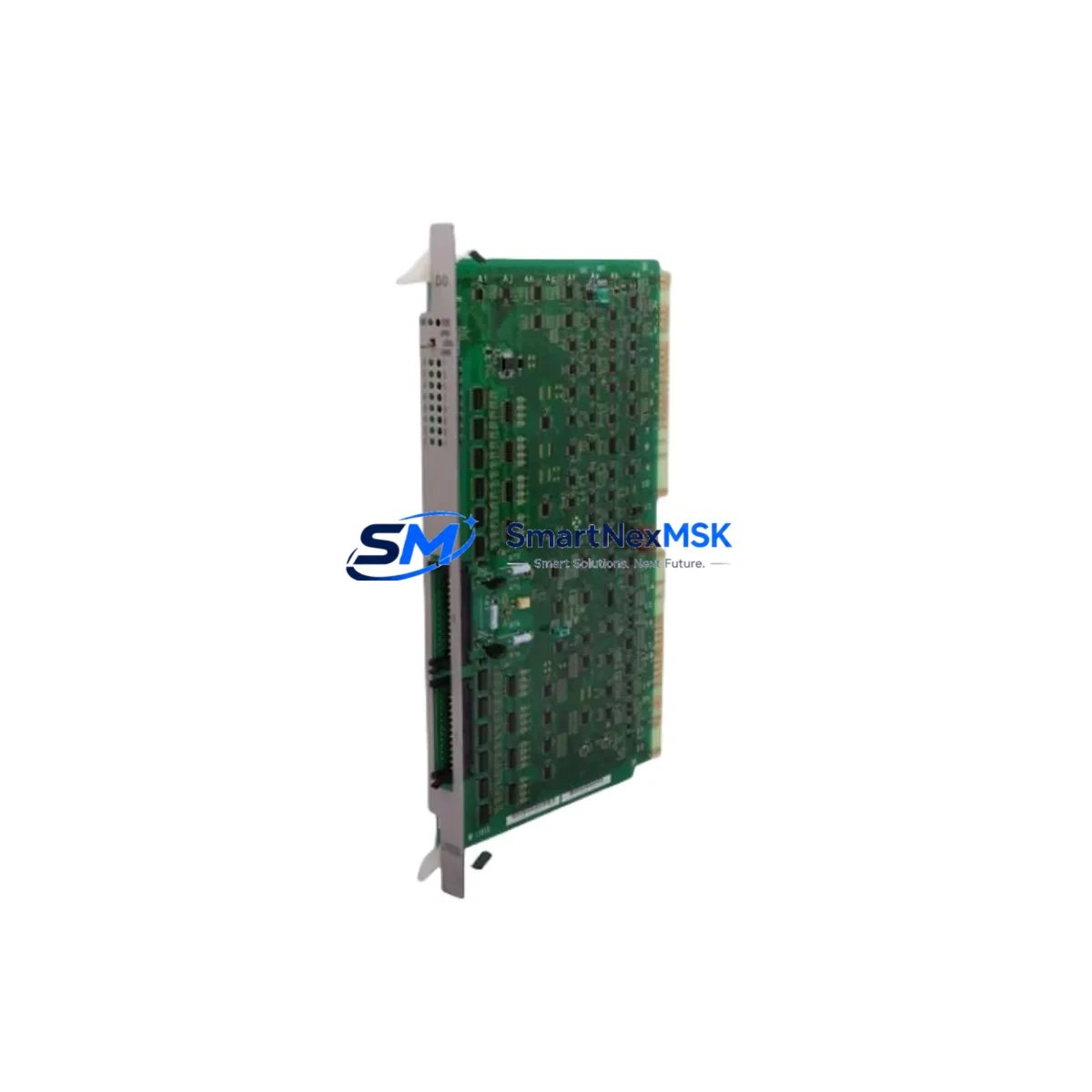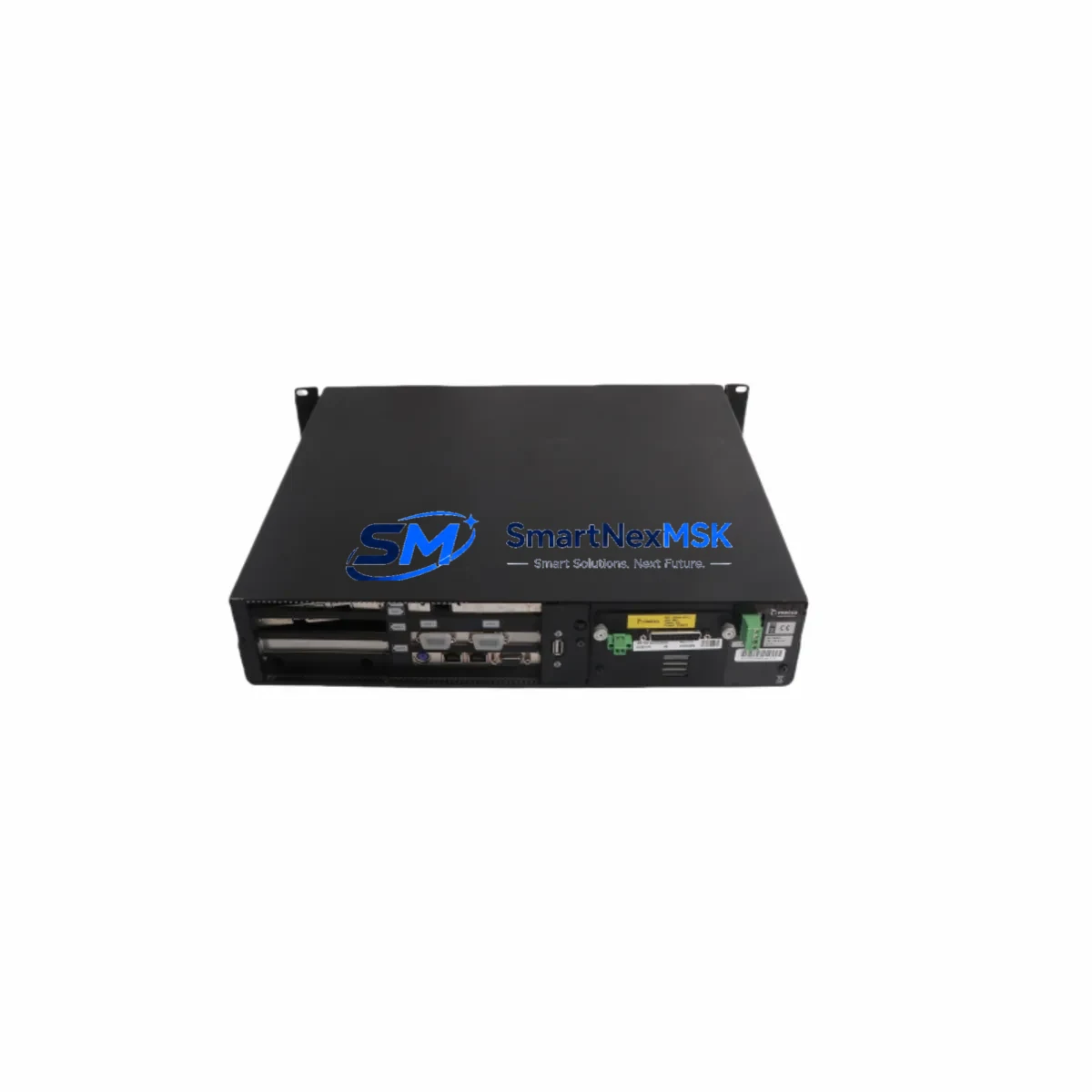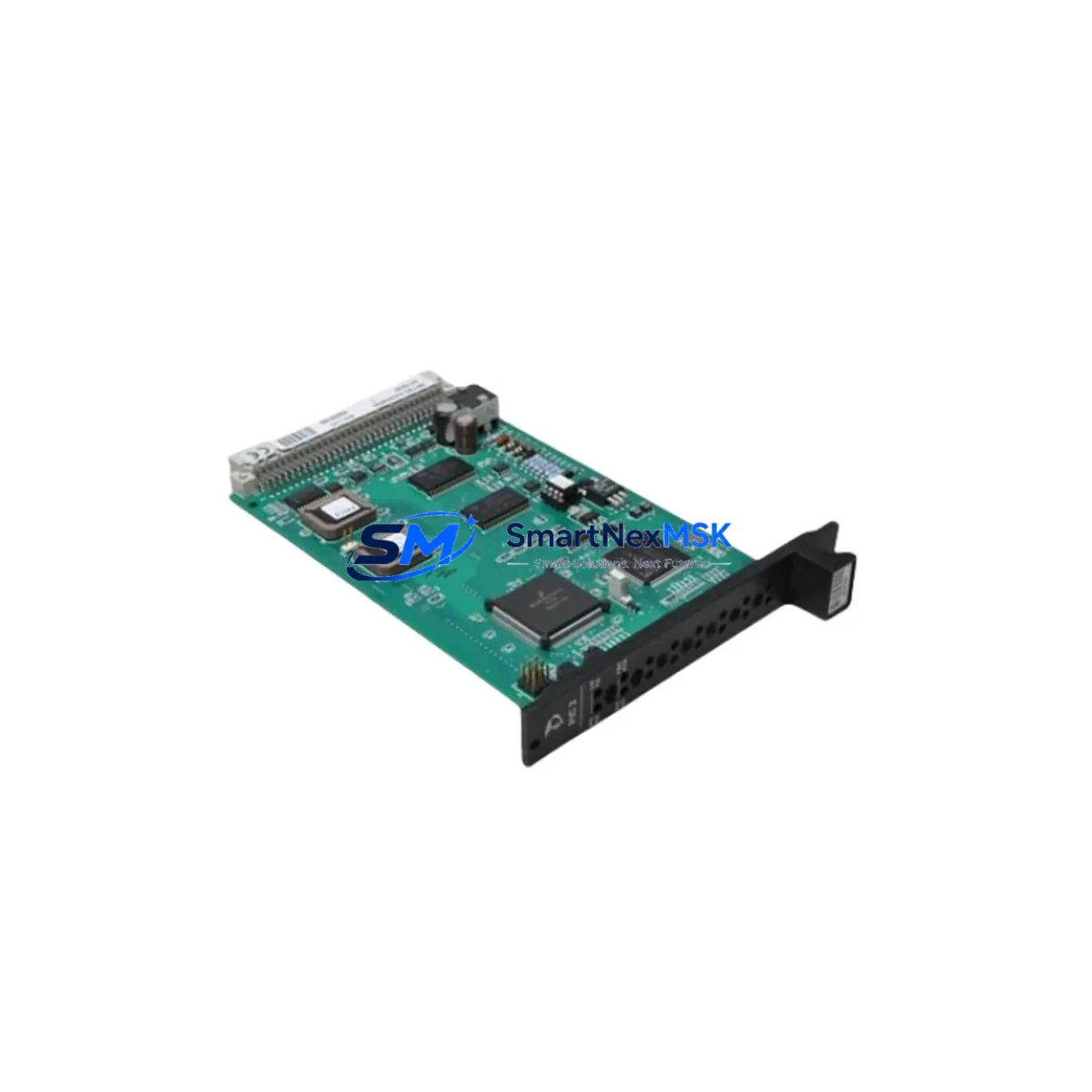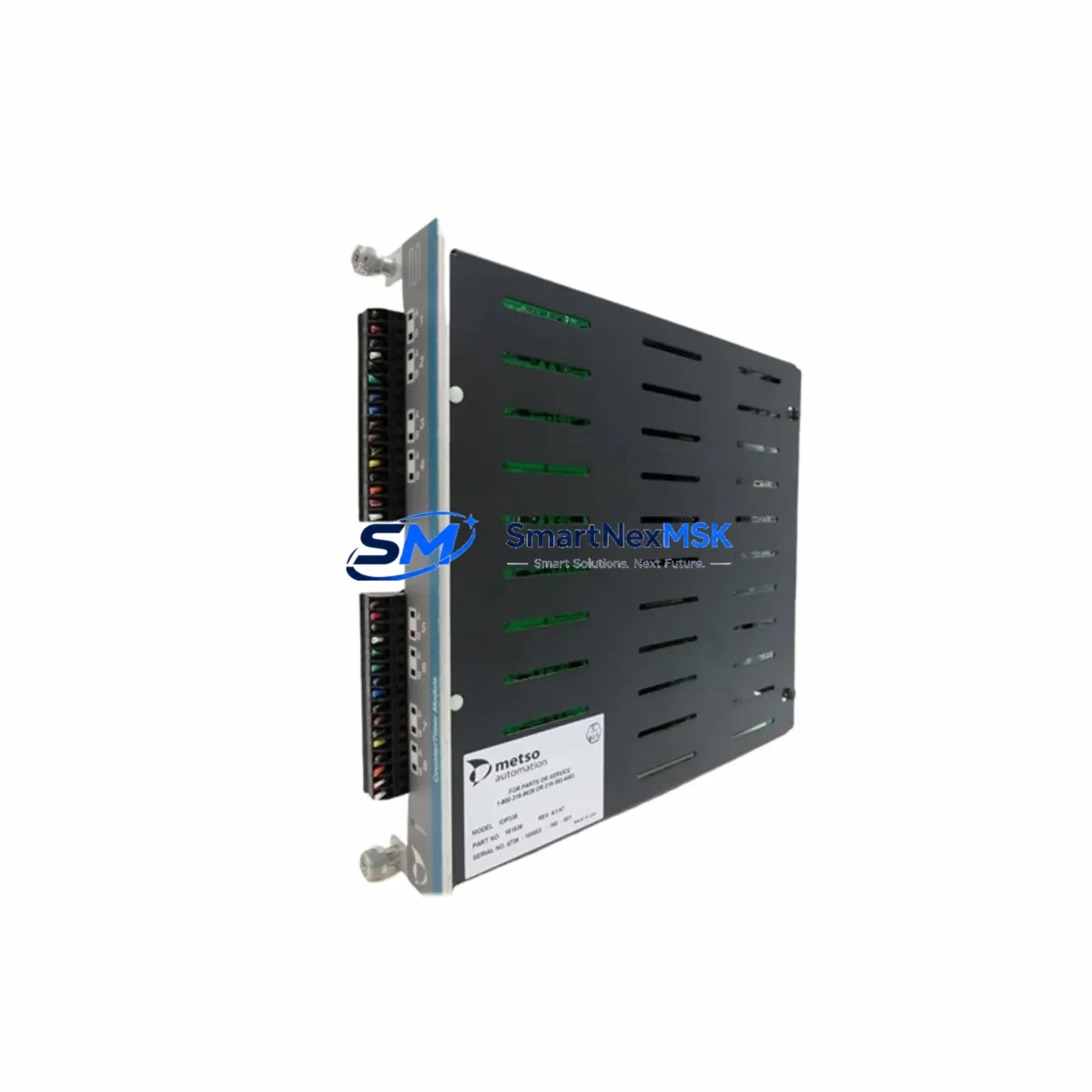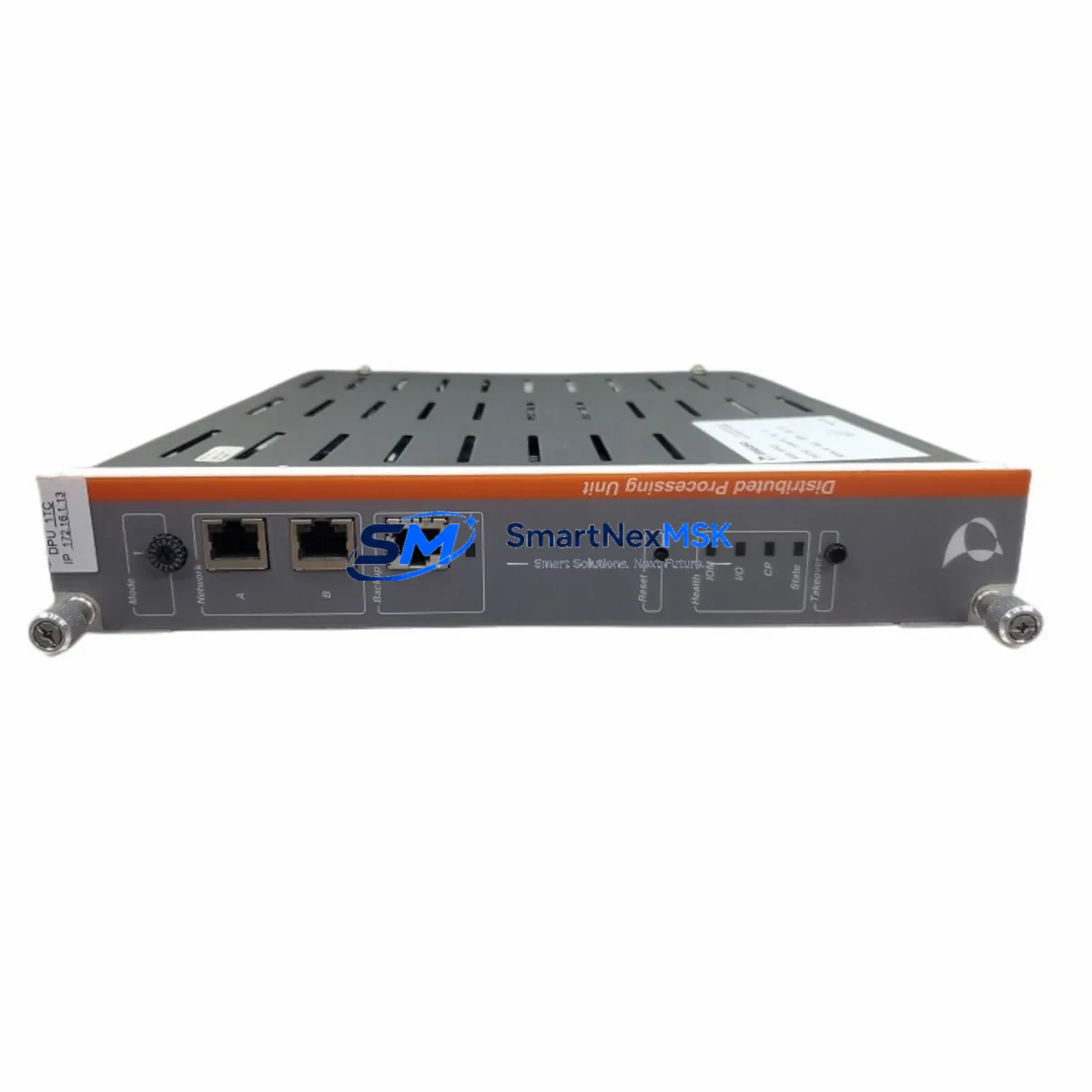
METSO PDP403 Retrofit-Ready DPU for DNA Control Systems: Seamless Compatibility Upgrade for Legacy Automation
The METSO PDP403 Distributed Processing Unit (DPU) is a critical control node within the METSO DNA automation platform, widely deployed across pulp and paper mills, power generation facilities, and process industries worldwide. As the DNA series ages and OEM support windows narrow, plant engineers and maintenance teams face increasing pressure to source verified replacement units that can be installed without rewriting control logic, reconfiguring I/O maps, or retraining operators. The PDP403 addresses this challenge directly: it is a drop-in retrofit solution engineered to restore full processing capability to existing DNA control cabinets with minimal downtime and maximum compatibility assurance.
Whether you are replacing a failed unit on an emergency basis, building a strategic spare-parts inventory, or executing a phased modernization of an aging control room, the PDP403 delivers the processing headroom, communication reliability, and firmware compatibility that DNA-based systems demand. Each unit shipped by SMARTNEXMSK undergoes pre-shipment functional verification, and all units carry a 12-month warranty covering manufacturing defects and operational failures under normal industrial conditions.
Upgrade Compatibility Table
| Parameter | Details |
|---|---|
| Compatible Platform | METSO DNA Automation System (DNA Series) |
| Module Type | Distributed Processing Unit (DPU) |
| Backplane Interface | DNA standard backplane bus; compatible with DNA rack assemblies and I/O carrier modules |
| Communication Compatibility | DNA fieldbus protocol; supports integration with PROFIBUS DP, Modbus RTU/TCP gateway modules within the DNA architecture |
| Installation Requirement | Direct slot replacement; no mechanical modification required to existing DNA control cabinet |
| Replacement Recommendation | Suitable as direct replacement for failed or end-of-life PDP403 units; verify firmware revision compatibility with site DNA system version before commissioning |
| Commissioning Focus | Module address assignment, I/O channel mapping verification, communication link test, HMI tag re-binding, and control loop functional test |
| Power Supply Requirement | Supplied via DNA backplane; verify rack power supply (e.g., DNA PSU module) capacity before installation — confirm total rack load does not exceed rated output |
| Warranty | 12 months from date of shipment — covers manufacturing defects and operational failures under normal industrial use |
| Origin | Finland (FI) |
Retrofit Planning for Existing Automation Systems
A successful PDP403 retrofit begins well before the unit arrives on site. The first step is a thorough audit of the existing DNA control cabinet: confirm the rack type and available slot positions, inspect the DNA backplane for physical damage or corrosion on the bus connectors, and document the current module address assignments for all installed DPU and I/O modules. If the cabinet also houses a DNA ACN (Application Controller Node) or a DNA DCN (Distributed Control Node), note their firmware versions — the PDP403 must operate within a compatible firmware envelope to avoid communication handshake failures at startup.
Power budget verification is non-negotiable. The DNA rack power supply module — often a dedicated PSU card installed in a fixed slot — must have sufficient headroom to support the PDP403 alongside co-installed modules such as DNA AI (Analog Input) modules, DNA AO (Analog Output) modules, DNA DI/DO (Digital I/O) modules, and any communication gateway cards. Calculate the total current draw from all occupied slots and compare against the PSU module’s rated output. If the margin is less than 15%, consider upgrading the PSU module before proceeding.
Terminal wiring on the DNA I/O carrier modules connected to the PDP403’s processing domain should be photographed and documented before any module is removed. Field signal cables — including 4–20 mA analog loops, 24 VDC digital inputs, and thermocouple or RTD wiring — must be labeled at both the terminal block and the field junction box. This documentation protects against wiring errors during reinstallation and accelerates post-retrofit loop checks.
If the plant’s DNA system communicates with a PROFIBUS DP network or a Modbus TCP/IP supervisory layer, the PDP403’s communication module slot assignments and GSD file configurations must be reviewed. In some DNA architectures, a dedicated DNA CM (Communication Module) handles the fieldbus gateway function — confirm that the CM’s configuration database references the correct DPU node address for the replacement PDP403. Similarly, if an OPC DA or OPC UA server is used to bridge DNA process data to a SCADA or historian platform, update the server’s tag address table to reflect any node address changes introduced during the retrofit.
HMI faceplate bindings are another common source of post-retrofit alarms. DNA operator stations — whether running METSO DNA Operate or a third-party HMI platform connected via OPC — reference DPU node addresses and I/O channel numbers in their graphic displays. After the PDP403 is installed and communicating, perform a systematic HMI walkthrough: verify that all analog trend displays, digital status indicators, and alarm setpoints are reading live values from the correct field instruments. Pay particular attention to any interlock logic that references signals processed by the PDP403, as these must be functionally tested before returning the loop to automatic control.
For sites using a DNA programming workstation with the DNA Engineer tool, retain a backup copy of the application program before removing the old DPU. After installing the PDP403, download the application program to the new unit and perform a cold-start sequence. Confirm that all configured function blocks initialize correctly and that the DPU’s internal diagnostics report no hardware faults. If the site uses a DNA historian or batch reporting system, verify that data logging resumes correctly after the DPU restart.
Downtime Control During System Migration
Minimizing production downtime during a PDP403 replacement requires a structured, pre-planned execution sequence. Begin by scheduling the replacement during a planned maintenance window — even a short 4-hour window is sufficient for a single DPU swap if all preparatory steps have been completed in advance. Coordinate with the process team to place affected control loops in manual mode before the DPU is powered down, ensuring that field actuators — control valves, variable-speed drives, and motor starters — hold their last commanded positions during the module exchange.
Before removing the existing PDP403, use the DNA Engineer workstation to export the current module configuration and application program to a local backup file. This backup serves as the recovery baseline if the new unit requires re-commissioning from scratch. Once the replacement PDP403 is seated in the rack and the backplane power is restored, the DNA system should automatically detect the new module and initiate a communication handshake. If the module address is pre-configured to match the original unit, the application program download can proceed immediately without requiring a full system restart.
To protect original program logic, avoid making any changes to the application program during the replacement procedure. The goal is a like-for-like hardware swap: same module address, same I/O channel assignments, same communication parameters. Any program modifications — such as adding new function blocks or changing PID tuning parameters — should be deferred to a separate, post-retrofit change management window. This discipline keeps the retrofit scope narrow and the risk of introducing new faults low.
After the PDP403 is online and communicating, return control loops to automatic mode one at a time, starting with the least critical loops and progressing to the most critical. Monitor each loop for at least one full process cycle before moving to the next. Document the time of return-to-auto for each loop in the maintenance log, and retain the pre-retrofit backup program file for a minimum of 90 days as a rollback reference.
Retrofit Support FAQ
Q1: Is the METSO PDP403 a direct drop-in replacement for an existing PDP403 in a DNA control cabinet?
A: Yes, in the vast majority of installations. The PDP403 is designed for slot-compatible installation in standard DNA rack assemblies. Before installation, verify that the firmware version of the replacement unit is compatible with the DNA system software version running at your site. SMARTNEXMSK can provide firmware version documentation upon request to support your compatibility assessment.
Q2: What commissioning steps are required after installing the PDP403?
A: The core commissioning sequence includes: (1) confirming the module address matches the original unit’s address assignment; (2) downloading the application program from the DNA Engineer workstation; (3) verifying all I/O channel communications are active and reading correct field values; (4) testing communication links to any connected fieldbus or supervisory network; and (5) performing a functional test of all control loops and interlocks before returning to automatic operation. Terminal wiring should be verified against the pre-retrofit documentation before power-up.
Q3: How does SMARTNEXMSK verify the PDP403 before shipment?
A: Every PDP403 unit undergoes a pre-shipment functional test that includes power-on self-test verification, communication port integrity check, and I/O channel continuity confirmation. Units that fail any test criterion are quarantined and not shipped. A test report is available upon request. All shipped units are covered by a 12-month warranty from the date of shipment.
Q4: What if my site’s DNA system uses a different communication protocol or a non-standard rack configuration?
A: Contact our technical team at [email protected] with your system’s DNA version, rack type, and communication architecture details. We will review your configuration and confirm compatibility before order placement. For non-standard configurations, we can also advise on any additional adapter modules or configuration steps that may be required to complete the retrofit successfully.
© 2026 SMARTNEXMSK. All rights reserved.
Original Source: https://smartnexmsk.com
Contact: [email protected] | +86 18259474341