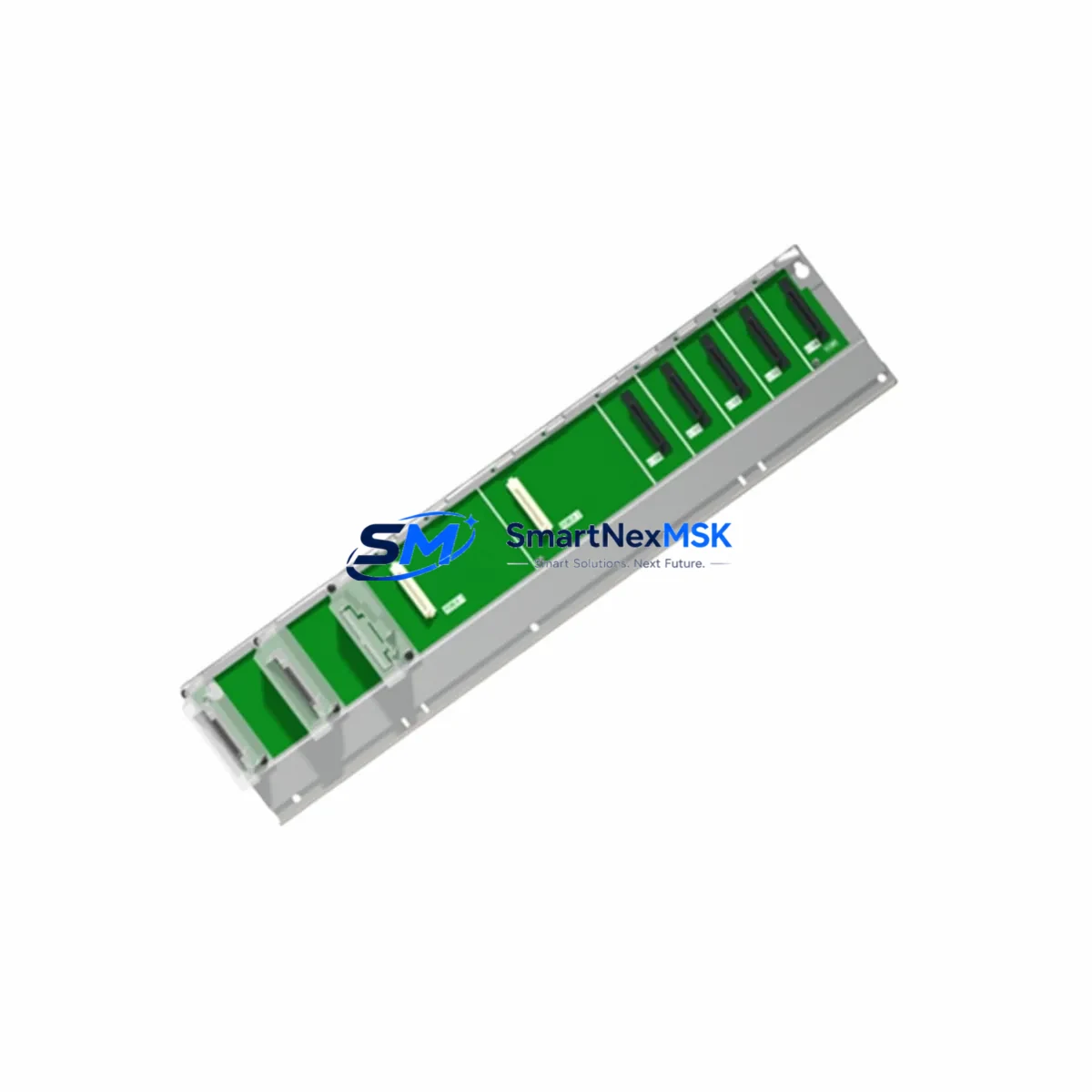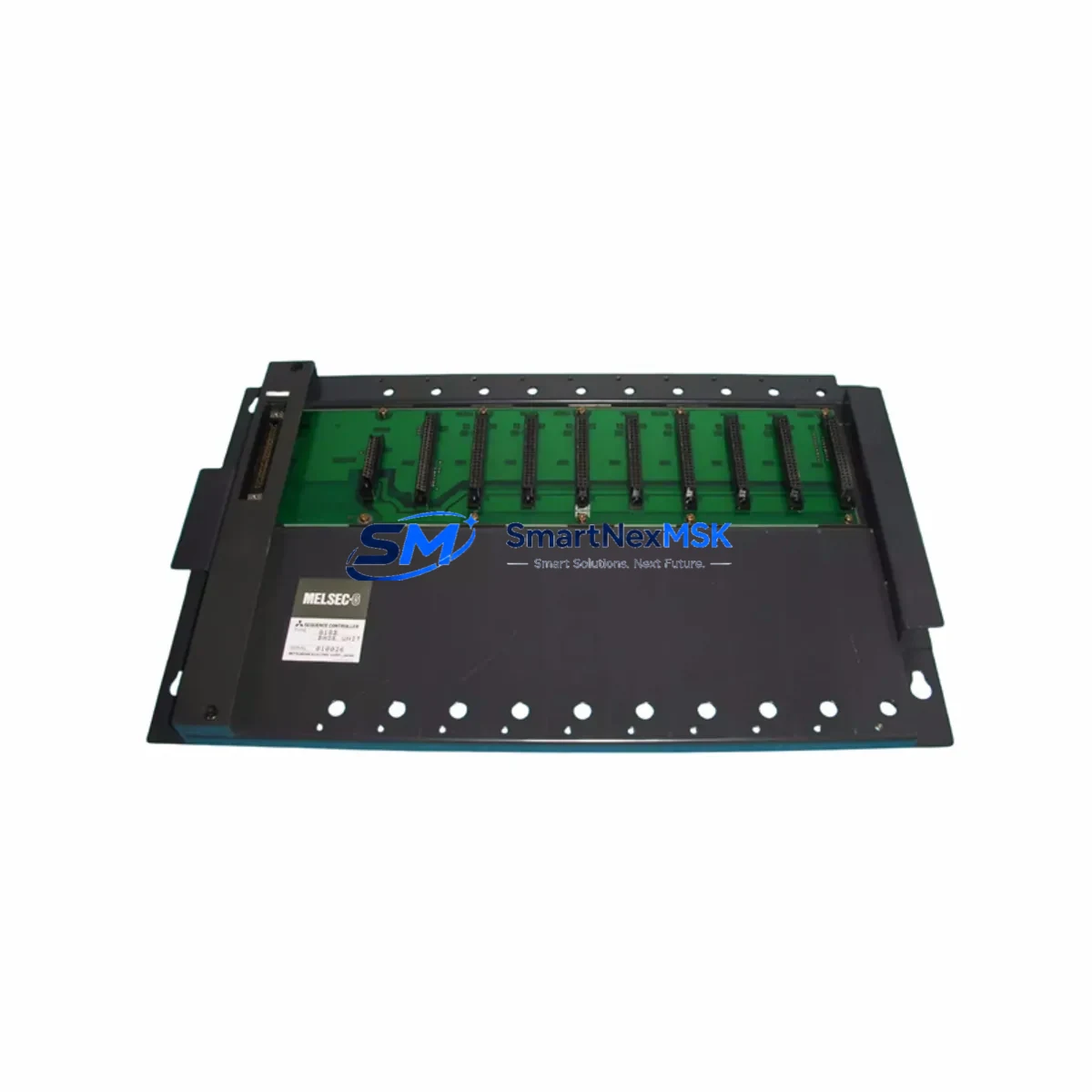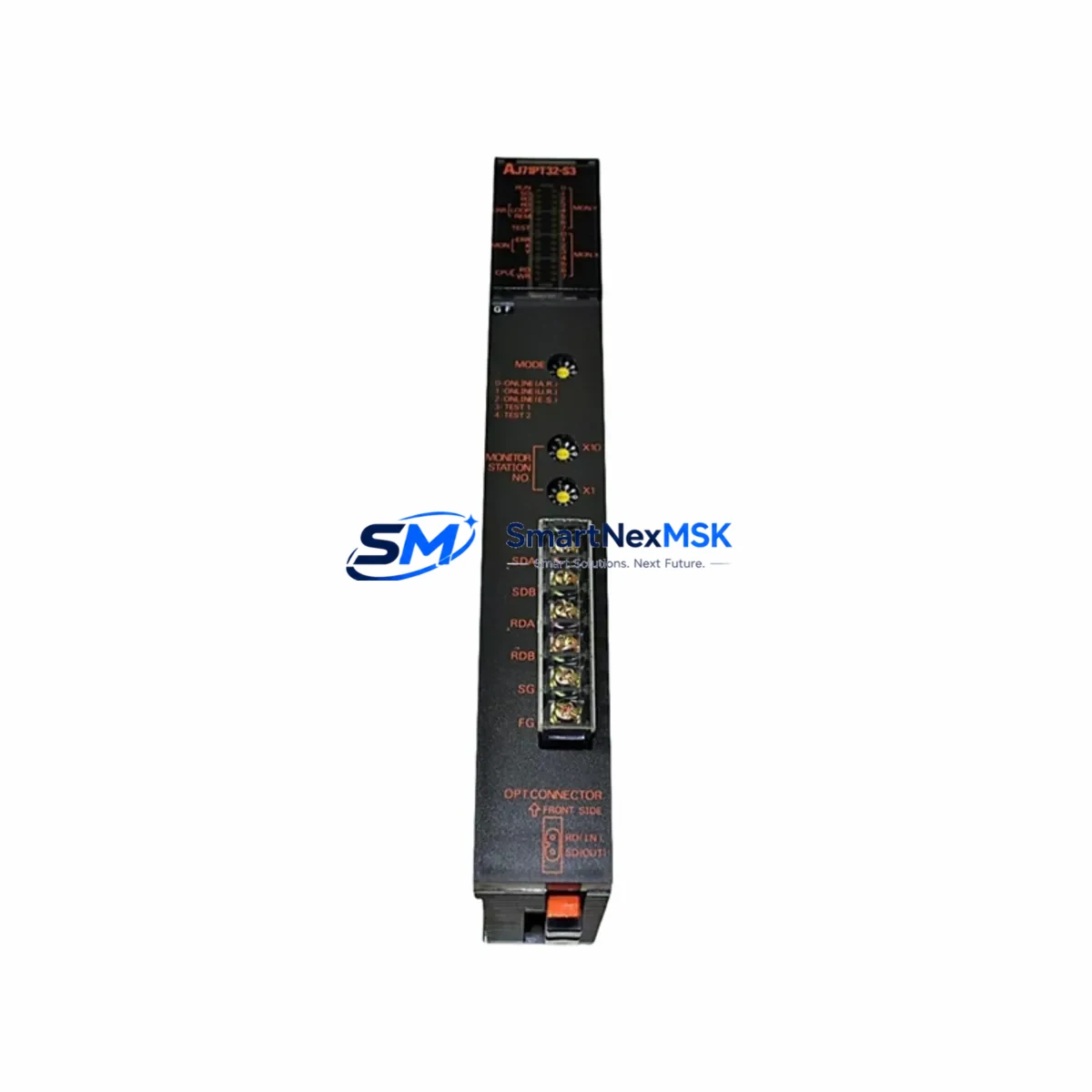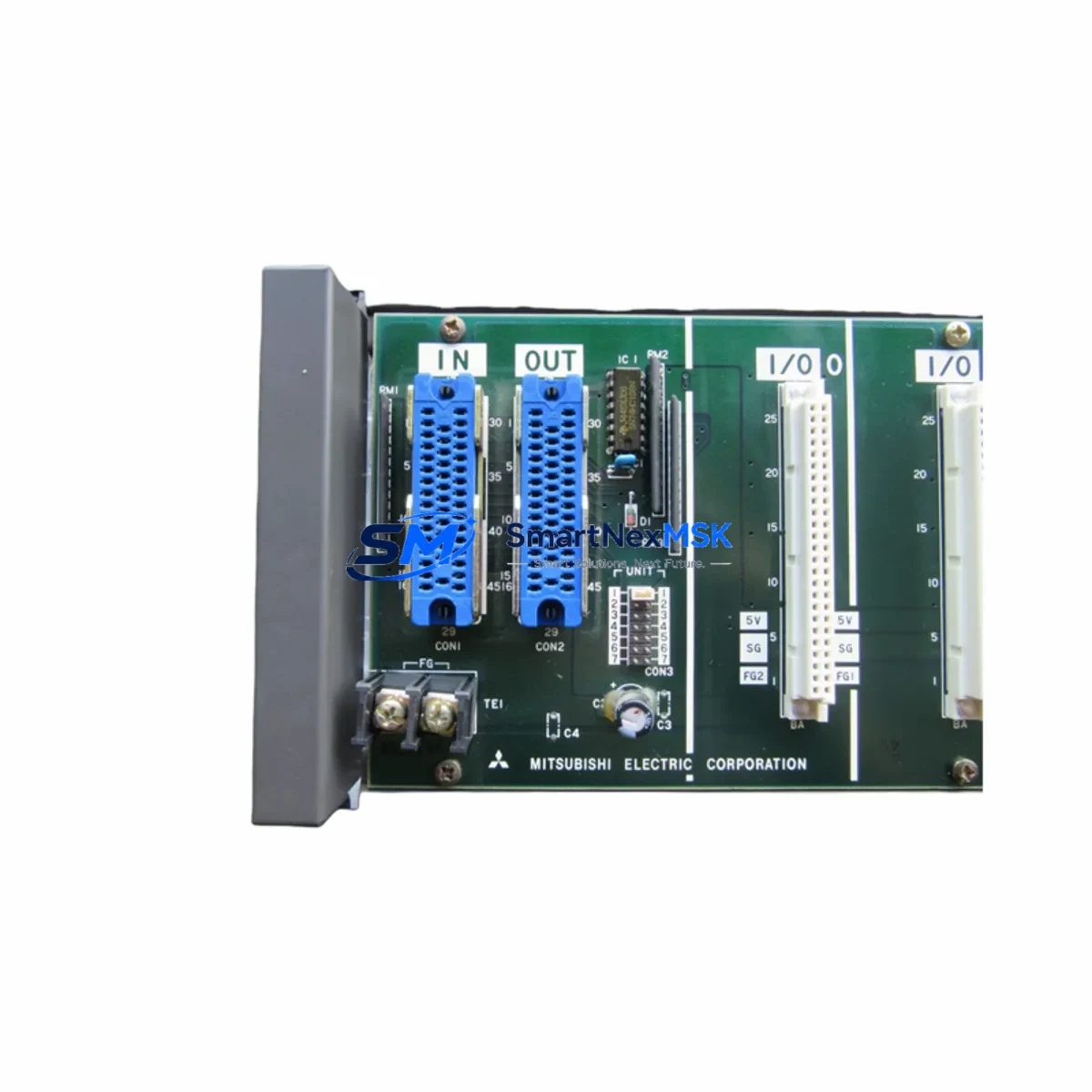
Mitsubishi Electric G62P Maintenance-Ready Spare G62P Series: Spare Replacement & Industrial Downtime Risk Control
The Mitsubishi Electric G62P is a precision photoelectric sensor engineered for demanding industrial automation environments. As a maintenance-ready original spare, the G62P is a critical component in production lines, conveyor systems, material handling equipment, and automated assembly cells where reliable object detection is non-negotiable. Unplanned sensor failure can cascade into full line stoppages — having a verified G62P spare on the shelf is the single most effective measure to minimize mean time to repair (MTTR) and restore normal operation within the same maintenance window.
For maintenance engineers managing aging Mitsubishi Electric control systems, the G62P offers a direct, plug-compatible replacement path. Its standardized mounting footprint and electrical interface ensure that field replacement requires no rewiring, no PLC parameter changes, and no recalibration of upstream logic — provided the replacement unit is a genuine original spare sourced from a traceable supply chain. Each unit shipped by SMARTNEXMSK undergoes pre-shipment functional verification covering output switching response, supply voltage tolerance, and output signal integrity before dispatch.
Procurement engineers sourcing G62P spares for planned maintenance cycles or emergency stock replenishment benefit from SMARTNEXMSK’s long-term supply commitment. We maintain buffer stock of the G62P and related G62P Series components to support both single-unit emergency orders and bulk blanket orders for multi-site maintenance programs. All units are covered by a 12-month warranty from the date of shipment, with documented test records available on request.
Spare Maintenance Table
| Parameter | Specification / Detail |
|---|---|
| Part Number / SKU | G62P |
| Brand | Mitsubishi Electric |
| Series | G62P Series |
| Product Type | Photoelectric Sensor |
| Detection Method | Photoelectric (diffuse / retro-reflective, series-dependent) |
| Supply Voltage | 12–24 VDC (nominal, verify against system spec) |
| Output Type | NPN / PNP transistor output (series-dependent) |
| Protection Rating | IP67 (dust-tight, water-resistant — suitable for wash-down environments) |
| Operating Temperature | -10°C to +55°C |
| Mounting | Standard M18 / panel-mount bracket (series-dependent) |
| Origin | Japan |
| Compatibility | G62P Series automation systems; Mitsubishi Electric PLC I/O modules |
| Application Environment | Industrial production lines, conveyor systems, assembly automation, material handling |
| Maintenance Recommendation | Inspect lens surface quarterly; verify output signal under load annually; replace proactively at 5-year intervals in high-vibration environments |
| Warranty | 12 Months from shipment date |
| Pre-Shipment Test | Output switching, supply voltage tolerance, signal integrity verified |
| Supply Availability | Long-term stock maintained; single-unit and bulk orders supported |
Maintenance Planning for Continuous Operation
When a G62P photoelectric sensor is flagged for replacement during a scheduled inspection or after a fault event, experienced maintenance engineers treat the sensor swap as an opportunity to audit the surrounding electrical circuit and control cabinet. A sensor failure is rarely an isolated event — it often signals stress on adjacent components that share the same power rail, cable duct, or I/O card.
Begin by verifying the 24VDC sensor power supply module feeding the G62P circuit. Voltage sag or ripple on the sensor supply rail is a common root cause of intermittent detection faults that are misdiagnosed as sensor failure. If the power supply is a shared rail serving multiple field devices, check the terminal block connections and DIN rail-mounted fuse holders for signs of thermal discoloration or loose terminations.
The G62P output connects directly to a Mitsubishi Electric PLC digital input module — typically a QX or FX series I/O card in legacy installations. Inspect the input channel for correct voltage threshold recognition and confirm the input filter time constant is appropriate for the G62P’s switching speed. If the PLC I/O card shows multiple channel faults, consider stocking a spare QX40 or QX41 input module alongside the G62P sensor.
In installations where the G62P output drives an intermediate relay or solid-state relay (SSR) before reaching the PLC, inspect the relay coil voltage, contact resistance, and switching cycle count. Relays in high-cycle sensor circuits often reach end-of-life before the sensor itself. Pairing a G62P replacement with a fresh MY2N or similar 24VDC relay is a best practice for high-cycle applications.
For systems using Mitsubishi Electric MELSEC communication modules (CC-Link, PROFIBUS, or Ethernet/IP), verify that the I/O node hosting the G62P channel is reporting correctly after sensor replacement. A corrupted node address or loose CC-Link termination resistor can cause the new sensor’s signal to appear absent at the controller level even when the sensor itself is functioning correctly.
Where the G62P is installed in a cabinet alongside signal isolators or signal conditioners, confirm that the isolator output range matches the PLC input card’s voltage window. Aging isolators can introduce offset drift that causes false detection states. In environments with high electromagnetic interference, adding a ferrite core filter on the sensor cable is a low-cost measure that extends sensor service life significantly.
Finally, update the HMI (Human-Machine Interface) maintenance log — whether a Mitsubishi Electric GOT series panel or a SCADA workstation — to record the replacement date, unit serial number, and post-replacement test result. This creates a traceable maintenance history that supports future predictive maintenance scheduling and spare parts budget planning.
Site Replacement Workflow
Step 1 — Isolate and de-energize: Switch off the sensor power supply at the cabinet breaker or fuse. Confirm zero voltage at the G62P connector with a calibrated multimeter before disconnecting.
Step 2 — Document the existing installation: Photograph the cable routing, connector orientation, and mounting bracket position. Note the PLC I/O address assigned to this sensor channel from the electrical drawing or HMI tag list.
Step 3 — Remove the failed unit: Disconnect the M12 or flying-lead connector. Remove the mounting bracket screws. Retain the original bracket if it is undamaged — the G62P replacement unit uses the same mounting pattern.
Step 4 — Install the replacement G62P: Mount the new unit using the original bracket. Reconnect the cable, ensuring correct polarity on the brown (V+), blue (0V), and black/white (output) conductors. Torque the connector to the manufacturer’s specified value.
Step 5 — Re-energize and verify: Restore power. Confirm the PLC input channel transitions correctly when a target object is presented and removed. Check the HMI for correct tag state. Run the machine through one complete cycle at reduced speed before returning to full production.
Step 6 — Update maintenance records: Log the replacement in the CMMS or maintenance register. Schedule the next inspection interval based on the operating environment — quarterly for high-dust or high-vibration sites, semi-annually for clean-room or light-duty applications.
This workflow applies equally to planned maintenance replacements and emergency breakdown recoveries. Having a pre-tested G62P spare on site reduces the replacement procedure to under 30 minutes in most installations, compared to 4–24 hours of production loss while waiting for emergency freight delivery.
Spare Parts Support FAQ
Q1: What is the warranty coverage for the G62P spare supplied by SMARTNEXMSK?
All G62P units are covered by a 12-month warranty from the date of shipment. The warranty covers manufacturing defects and functional failures under normal operating conditions. Each unit is pre-tested before dispatch, and test records are available on request. In the event of a warranty claim, SMARTNEXMSK provides a replacement unit or full refund after fault verification.
Q2: How do I confirm compatibility between the G62P replacement and my existing system?
Compatibility verification should be based on three parameters: supply voltage (confirm your sensor power rail is within the G62P’s rated input range), output type (NPN or PNP — must match the PLC input card’s sink/source configuration), and detection range (confirm the sensing distance is appropriate for your target material and mounting position). If you provide your existing system’s PLC model and I/O card part number, our technical team can confirm compatibility before shipment.
Q3: Can SMARTNEXMSK support bulk or blanket orders for multi-site maintenance programs?
Yes. We maintain long-term buffer stock of the G62P and related G62P Series components. Blanket purchase orders with scheduled release dates are supported, allowing procurement teams to lock in pricing and availability for annual or multi-year maintenance budgets. Contact our sales team to discuss volume pricing and delivery scheduling.
Q4: What should I check if the replacement G62P does not register correctly at the PLC after installation?
First, verify supply voltage at the sensor connector under load — not just at the cabinet terminal. Second, confirm output polarity (NPN vs PNP) matches the PLC input card configuration. Third, check the PLC input filter time setting — if it is set too long, fast-switching sensor outputs may be filtered out. Fourth, inspect the cable for continuity and insulation resistance, particularly if the cable was routed through a cable chain or conduit that may have caused abrasion. If the issue persists, contact SMARTNEXMSK with your system details for technical support.
© 2026 SMARTNEXMSK. All rights reserved.
Original Source: https://smartnexmsk.com
Contact: [email protected] | +86 18259474341