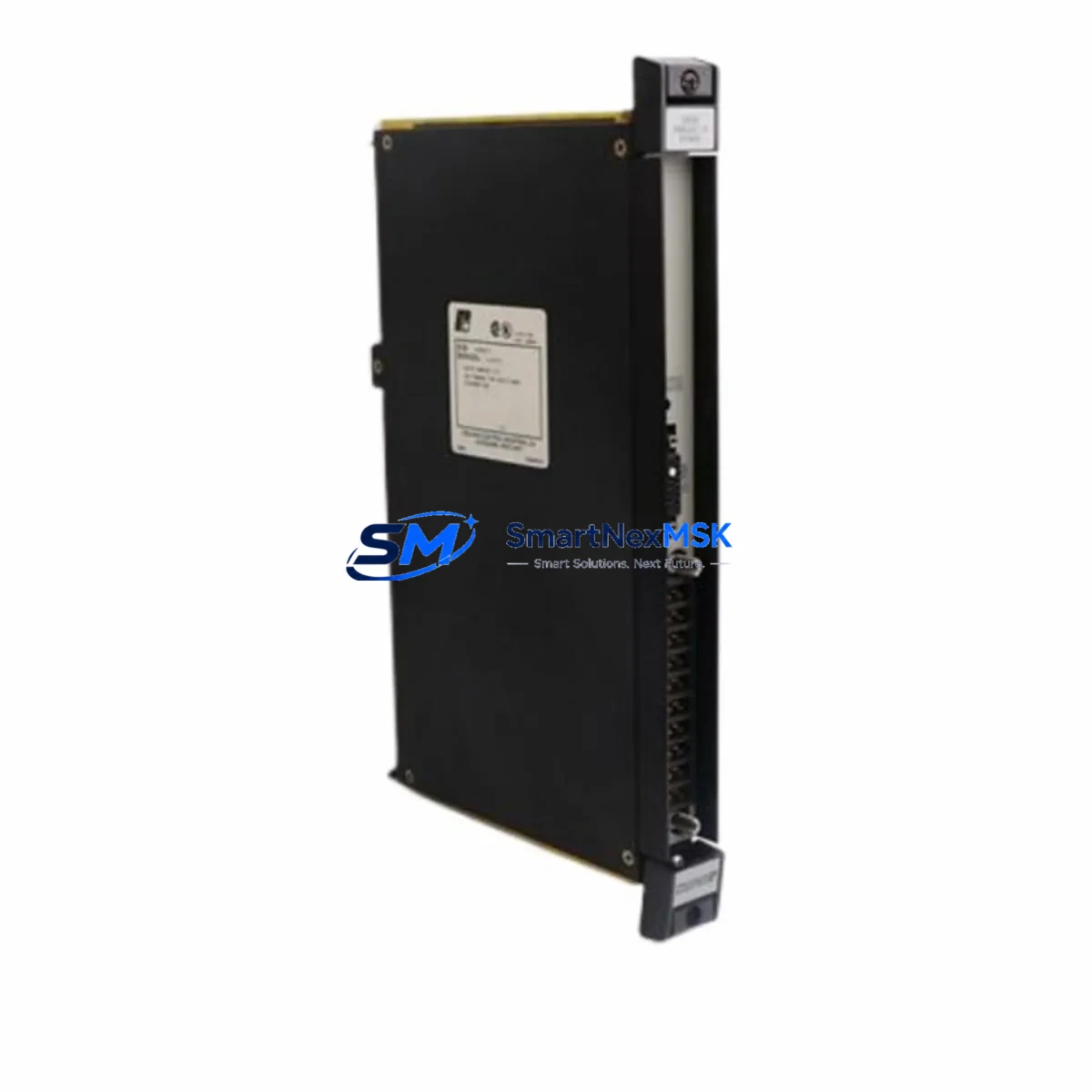
Reliance Electric 57405-D Spare for AutoMax Automation: Spare Replacement & Industrial Downtime Risk Control
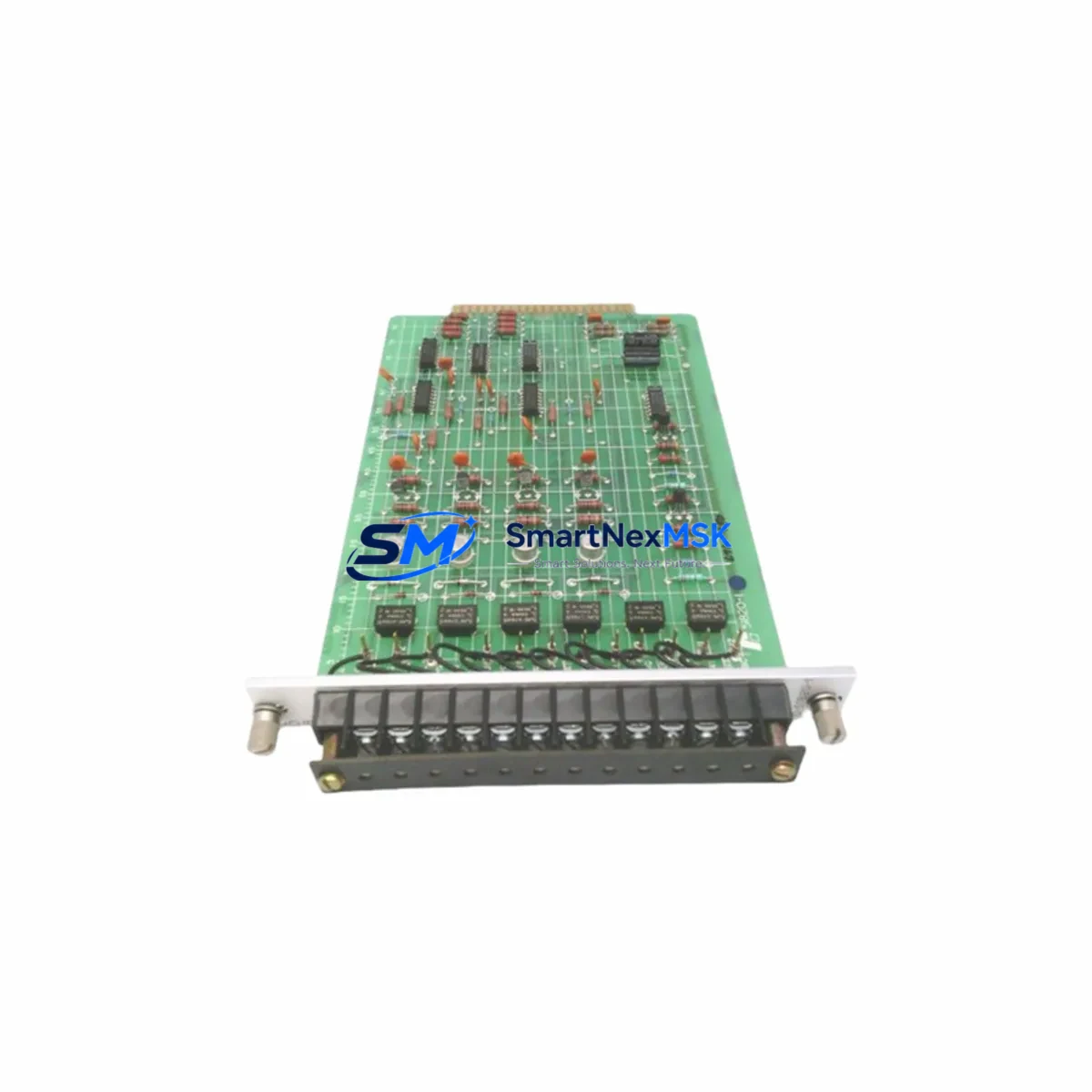
The Reliance Electric 57405-D is an original analog I/O module designed for the AutoMax distributed control platform — a system widely deployed across continuous process industries including paper mills, metals processing, cement production, and chemical plants. When a 57405-D module fails or degrades, the impact is immediate: analog signal loops go dark, process variables become unreadable, and operators lose the visibility needed to maintain safe, stable production. Sourcing a verified, tested replacement quickly is not optional — it is the difference between a controlled maintenance window and an unplanned multi-day outage.
At SMARTNEXMSK, every 57405-D unit is inspected, functionally tested, and shipped with a 12-month warranty. We maintain standing inventory of this module specifically because AutoMax systems remain in active service at facilities that cannot justify a full DCS migration. Our supply chain is built around long-lifecycle industrial components, and the 57405-D is a core part of that catalog.
Spare Maintenance Table
| Parameter | Specification / Detail |
|---|---|
| Part Number | 57405-D |
| Brand | Reliance Electric |
| Series / Platform | AutoMax Distributed Control System |
| Module Type | Analog I/O Module |
| Signal Type | Analog Input / Output (4–20 mA / 0–10 V typical) |
| Compatibility | AutoMax rack-based control cabinets; compatible with standard AutoMax backplane configurations |
| Installation | Direct rack insertion; no hardware modification required for like-for-like replacement |
| Application Environment | Industrial process control, continuous manufacturing, metals, paper, chemical, cement |
| Origin | USA (Original Reliance Electric manufacture) |
| Condition | Original spare; functionally tested prior to shipment |
| Warranty | 12 Months |
| Maintenance Recommendation | Replace at first sign of signal drift, channel failure, or diagnostic fault; keep one unit in local spare inventory |
| Weight | Approx. 800 g |
Maintenance Planning for Continuous Operation
A 57405-D replacement should never be treated as an isolated swap. Maintenance engineers and procurement teams working on AutoMax systems know that analog signal integrity depends on the health of the entire signal chain — from field instrument to controller. When pulling a 57405-D for replacement, the following components in the same control cabinet and electrical loop should be inspected concurrently to prevent repeat failures and maximize the value of the maintenance window.
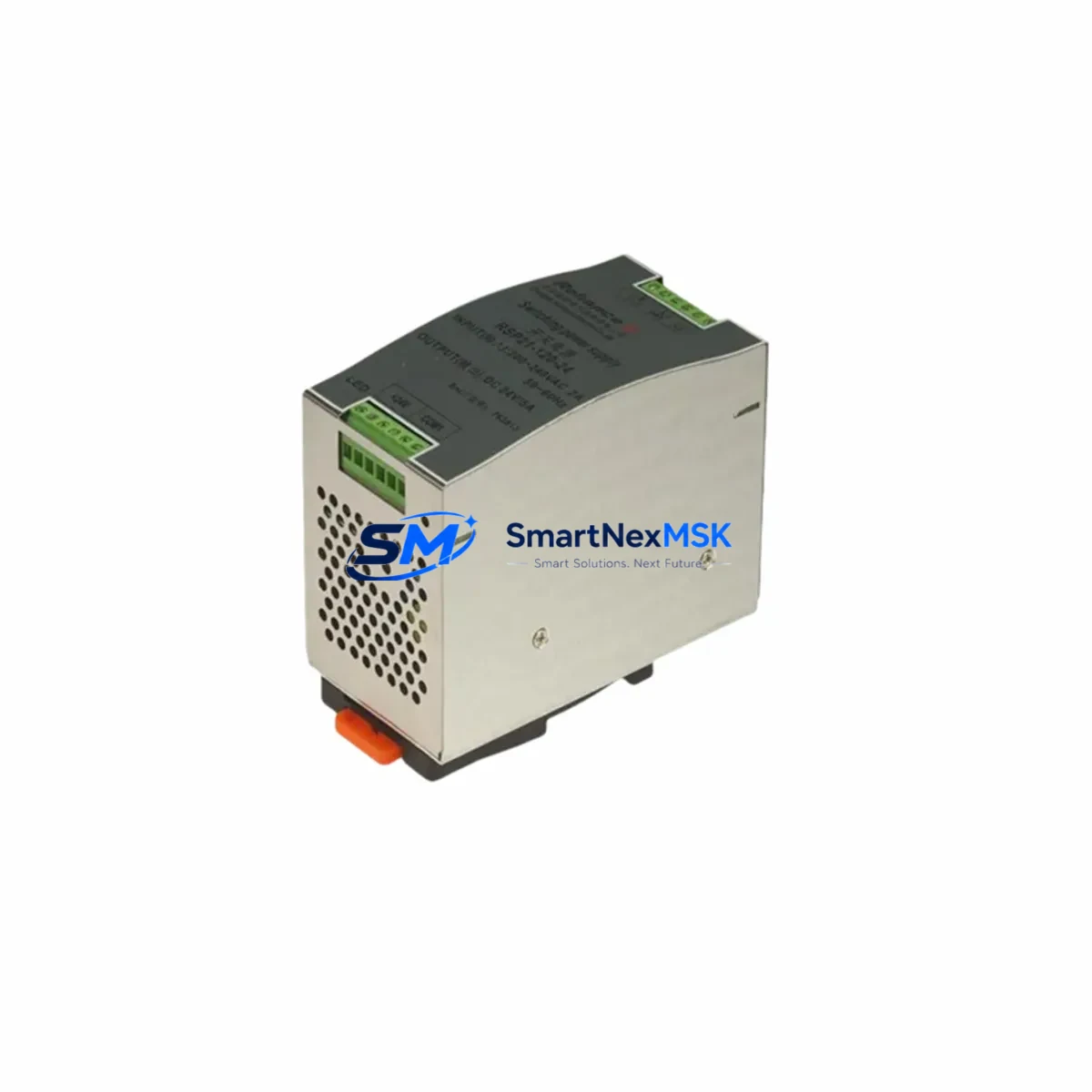
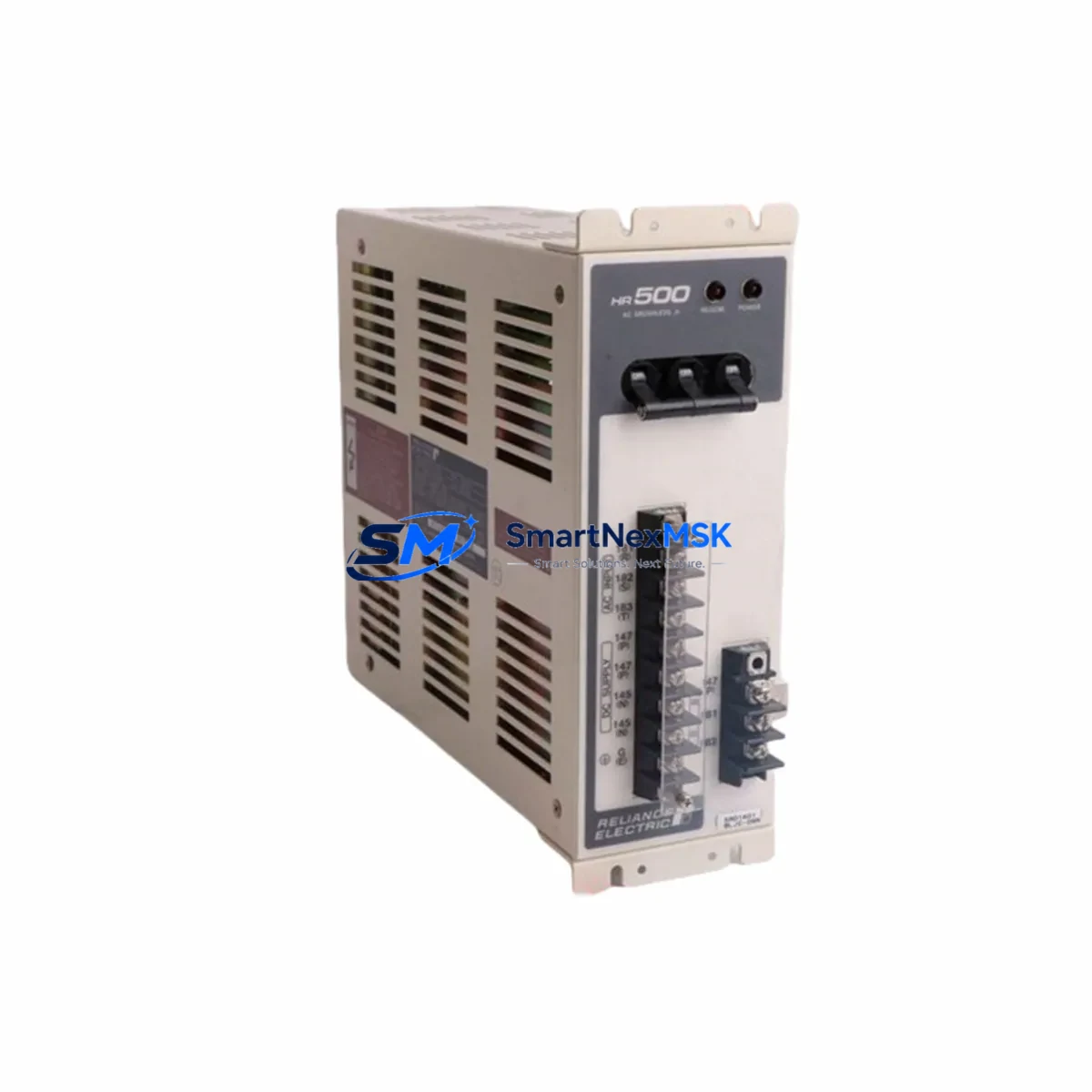
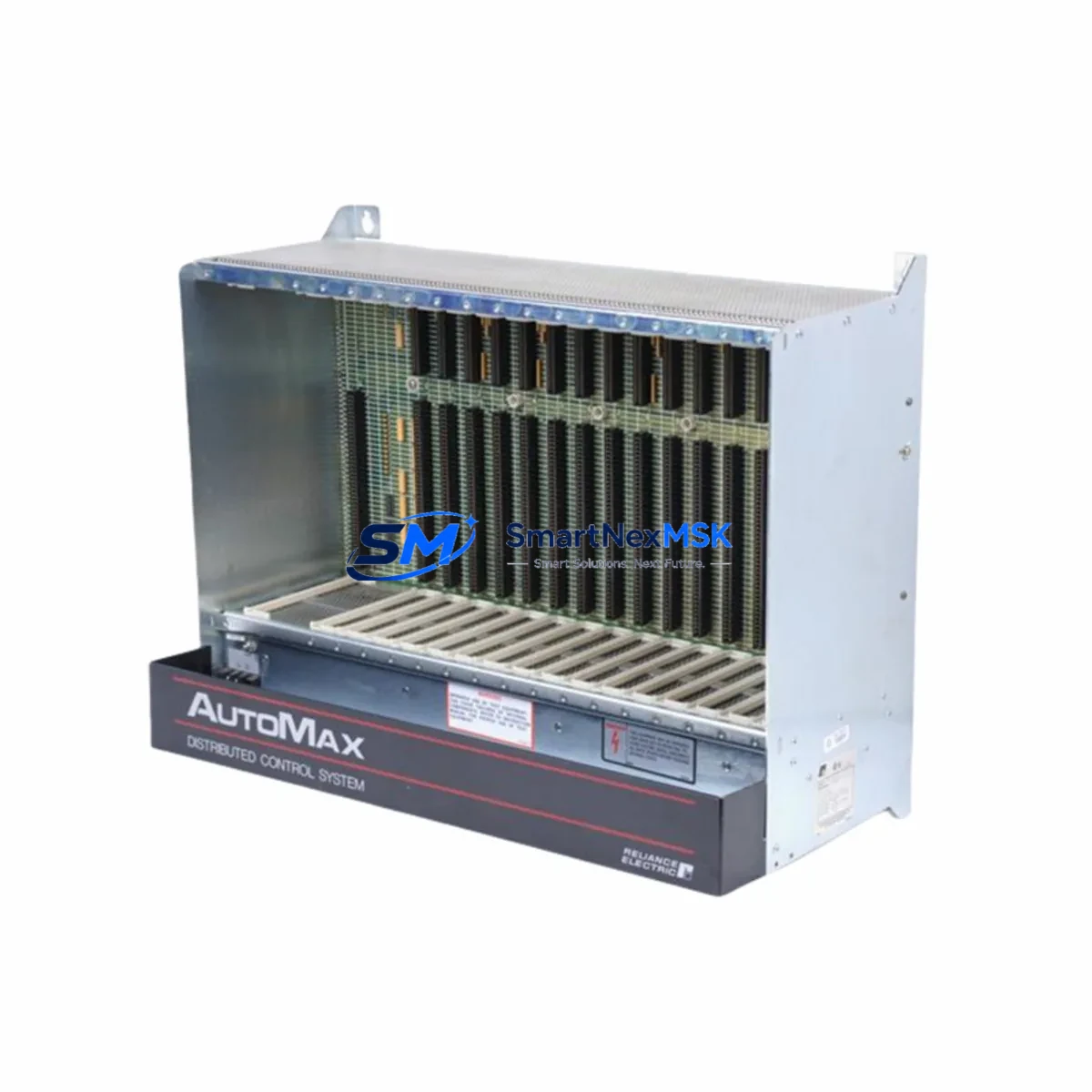
Begin with the AutoMax power supply module feeding the rack. Voltage sag or ripple on the backplane rail is a leading cause of premature analog module failure and intermittent channel faults. Verify output voltage under load before reinstalling any I/O module. Next, inspect the AutoMax backplane itself — connector pins, seating guides, and bus integrity. A damaged backplane slot will destroy a new module within weeks.
On the field wiring side, check the terminal blocks and field wiring terminations connected to the 57405-D channels. Loose terminations, corroded lugs, or undersized conductors introduce resistance that distorts 4–20 mA signals and triggers nuisance alarms. If the installation uses signal isolators or signal conditioners between the field instruments and the analog module, verify that their output ranges and loop power configurations match the 57405-D channel specifications.
For loops that include control relays or interposing relays switching based on analog thresholds, inspect relay coil resistance and contact condition. Relay contact degradation can cause false trips that are incorrectly attributed to the analog module. Similarly, review any fuse blocks or circuit protection devices on the analog loop power circuits — a blown or high-resistance fuse will cause a channel to read zero or full-scale, mimicking a module fault.
If the AutoMax system communicates process data upstream via a communications module or network interface card, confirm that the communication link remains stable after the I/O module swap. Some AutoMax configurations require a rack re-scan or configuration download after hardware changes. Finally, if the facility uses a Reliance Electric AutoMax HMI or operator workstation, verify that analog tag scaling and alarm limits are correctly mapped to the replacement module’s channel assignments before returning the loop to automatic control.
Procurement engineers should note that the 57405-D is frequently stocked alongside related AutoMax modules such as the 57405-C (earlier revision), 57401-series digital I/O modules, and 57C409 or 57C410 processor modules. Maintaining a minimum of one spare 57405-D per active AutoMax rack, combined with a documented inspection cycle for power supplies and backplane connectors, is the most cost-effective strategy for extending AutoMax system life without a full DCS replacement.
Site Replacement Workflow
Step 1 — Verify compatibility before ordering. Confirm the installed module’s full part number and revision letter against the 57405-D. AutoMax analog modules across revisions share the same form factor but may have different channel counts or signal range configurations. Cross-reference the system’s I/O configuration file or rack layout drawing.
Step 2 — Isolate the loop safely. Place the affected control loop in manual mode at the DCS or operator station. Notify operations that the analog signal will be interrupted. Follow site lockout/tagout procedures for the field instrument and any associated control valves or actuators.
Step 3 — Remove and inspect. Extract the 57405-D from the rack. Inspect the backplane connector on both the module and the rack slot for bent pins, corrosion, or debris. Do not insert the replacement module into a damaged slot.
Step 4 — Install the replacement 57405-D. Seat the module firmly until the locking tab engages. Restore power to the rack and allow the AutoMax processor to recognize the new module. If the system requires a configuration download or rack re-initialization, complete that step before returning to automatic control.
Step 5 — Verify signal integrity. Confirm that all channels on the replacement module are reading correctly against known field instrument values. Check for any active diagnostics or fault codes on the AutoMax processor. Return the loop to automatic control only after signal verification is complete.
Step 6 — Update maintenance records. Log the replacement date, module serial number, and any observations about the failed unit. If the failed 57405-D shows signs of thermal stress, moisture ingress, or physical damage, investigate the root cause before closing the work order.
Spare Parts Support FAQ
Q: Is the 57405-D still available as a new or original spare?
A: Yes. SMARTNEXMSK maintains inventory of original Reliance Electric 57405-D modules. Each unit is sourced from verified industrial supply channels, inspected upon receipt, and functionally tested before shipment. We do not supply counterfeit or remanufactured units.
Q: What warranty coverage applies to the 57405-D?
A: All 57405-D units supplied by SMARTNEXMSK carry a 12-month warranty covering functional defects under normal operating conditions. Warranty claims are supported by our technical team with replacement or refund options.
Q: How do I confirm compatibility with my AutoMax system before purchasing?
A: Provide your rack layout drawing, AutoMax system configuration file, or the full part number and revision of the installed module. Our engineering support team will confirm compatibility and advise on any configuration steps required for the replacement.
Q: What is your typical lead time and shipping process for the 57405-D?
A: In-stock units ship within 1–2 business days. Each module is tested before packaging and shipped with appropriate ESD protection. Expedited shipping options are available for emergency downtime situations. Contact us at [email protected] or +86 18259474341 for urgent requirements.
© 2026 SMARTNEXMSK. All rights reserved.
Original Source: https://smartnexmsk.com
Contact: [email protected] | +86 18259474341