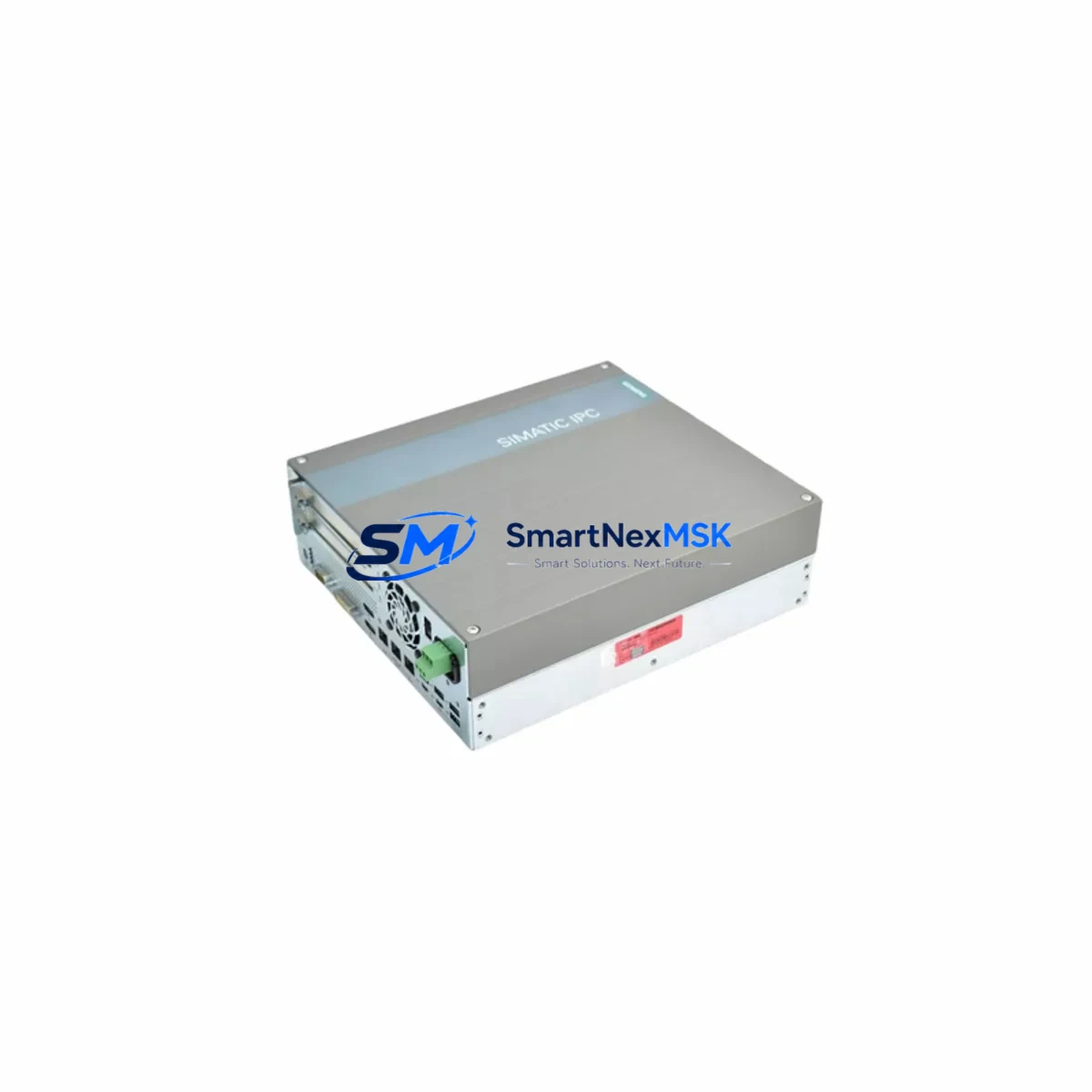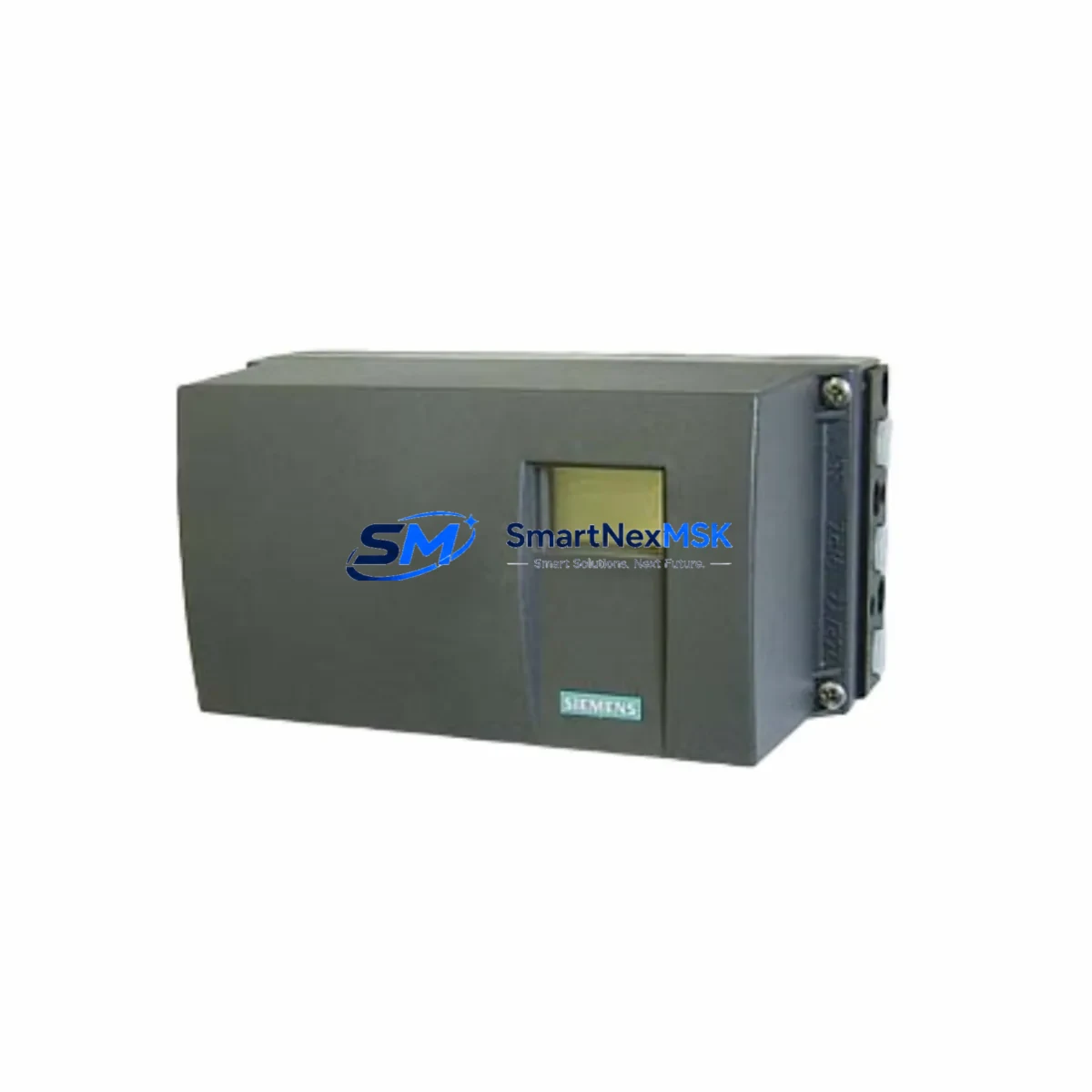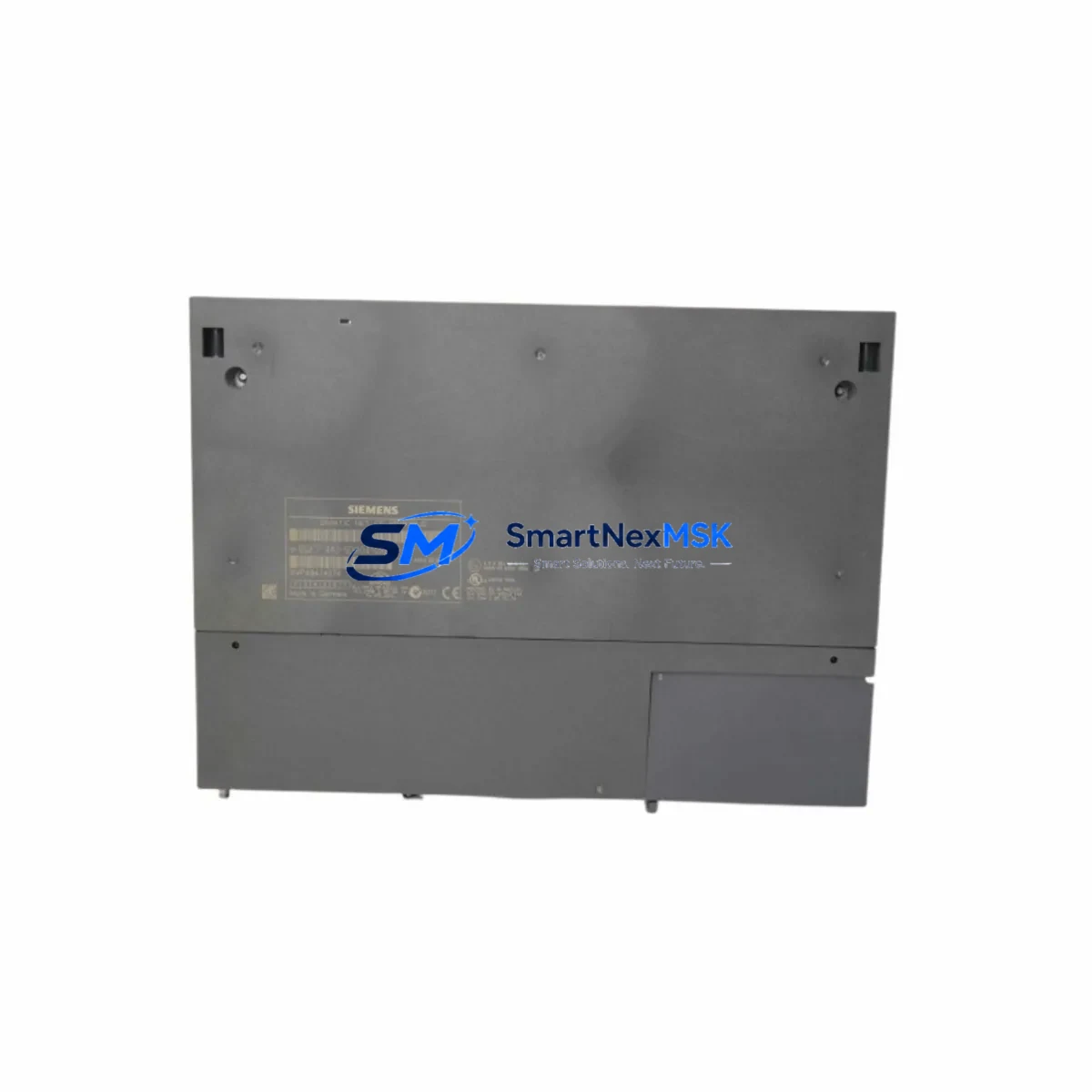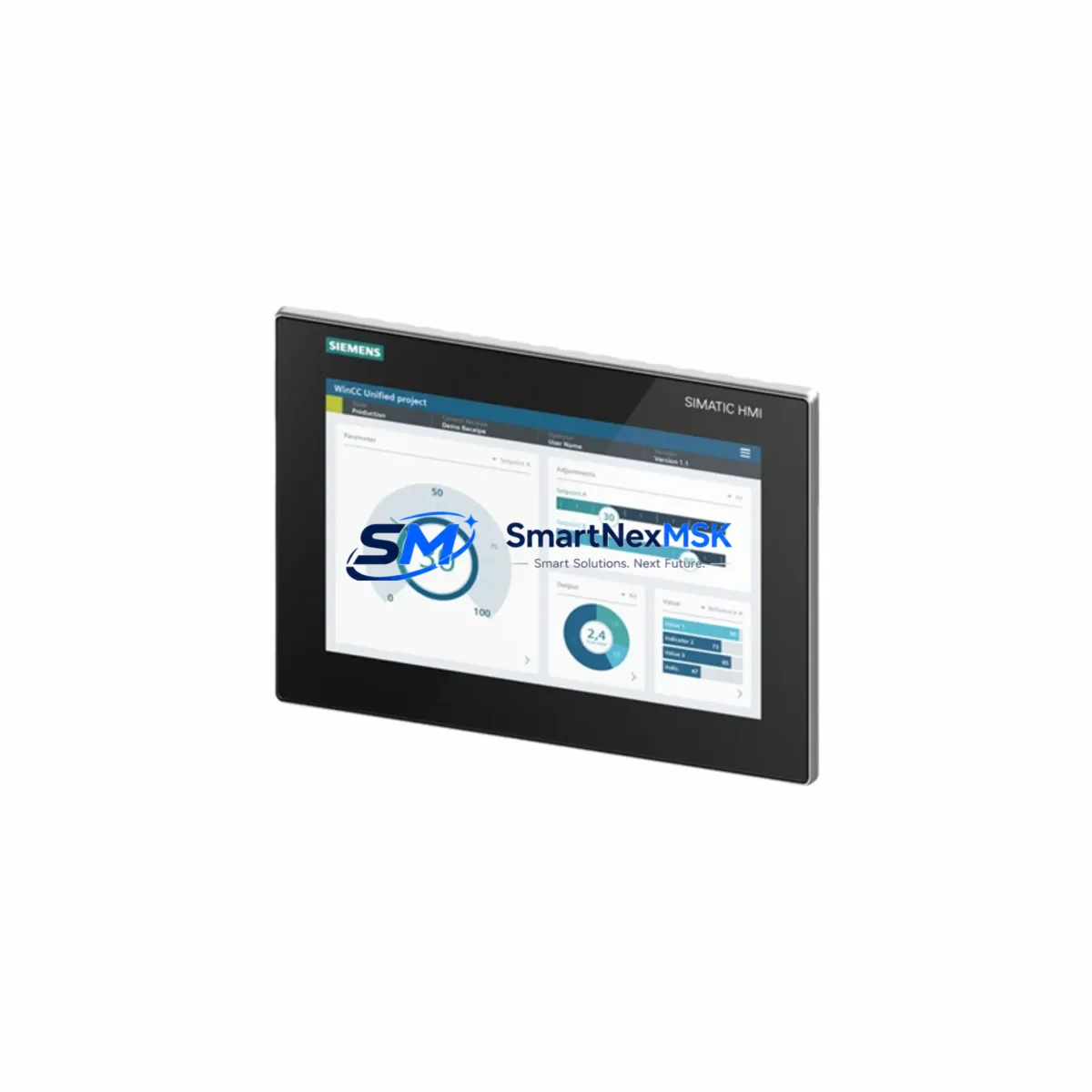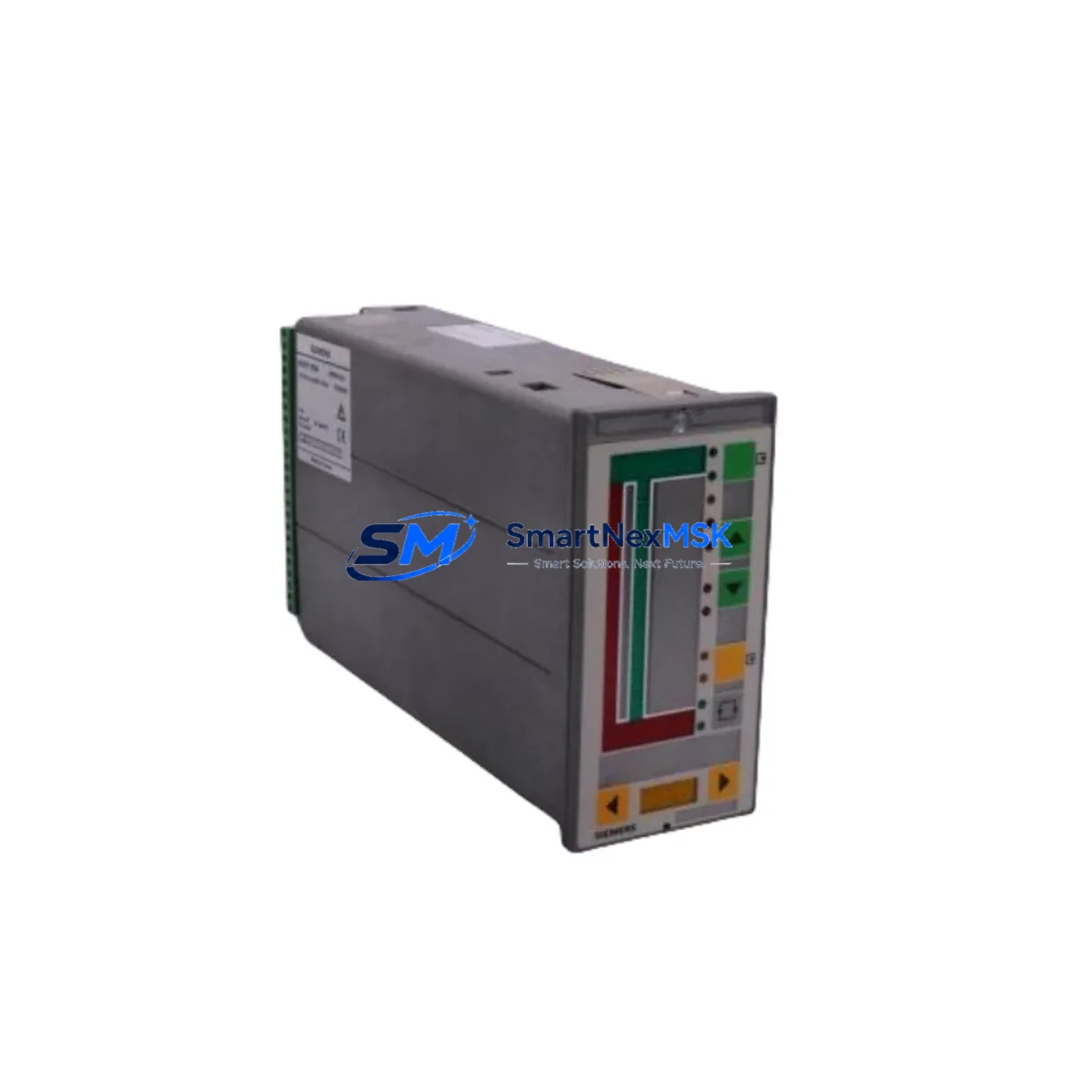
SIEMENS 353A41NNETNNA4 Maintenance-Ready Spare for 353 Series Automation
The SIEMENS 353A41NNETNNA4 is a single-loop Ethernet-enabled process controller within the SIEMENS 353 Series platform — a control architecture widely deployed across continuous process industries including chemical processing, oil & gas, water treatment, and power generation. When this controller fails or reaches end-of-life, the impact on production continuity is immediate. Sourcing a verified, original-specification replacement is the fastest path to restoring normal operation without compromising loop integrity or safety interlock logic.
This listing provides a maintenance-ready original spare unit of the 353A41NNETNNA4, functionally tested prior to shipment, supplied with a 12-month warranty, and available for B2B procurement with short lead times. Whether you are executing a planned replacement during a scheduled turnaround or responding to an unplanned trip, this unit is prepared for direct installation into your existing 353 Series control cabinet.
Spare Maintenance Table
| Parameter | Specification / Detail |
|---|---|
| Part Number / SKU | 353A41NNETNNA4 |
| Brand | SIEMENS |
| Series | 353 Series Single-Loop Process Controller |
| Product Type | Process Controller |
| Communication Interface | Ethernet (ETN) |
| Control Loops | Single-loop PID |
| Power Supply Compatibility | 24 VDC (per 353 Series platform specification) |
| Mounting | Panel / DIN rail per 353 Series enclosure standard |
| Origin | Germany (DE) |
| Compatibility | SIEMENS 353 Series control systems; direct replacement for 353A41NNETNNA4 |
| Application Environment | Industrial process control, continuous manufacturing, utilities |
| Pre-Shipment Testing | Functional test performed; unit verified operational before dispatch |
| Warranty | 12 Months from date of shipment |
| Supply Condition | Original spare, maintenance-ready |
| Lead Time | Short lead time; contact for current stock availability |
Maintenance Planning for Continuous Operation
Replacing the 353A41NNETNNA4 in a live process environment requires more than a one-for-one swap. Maintenance engineers and procurement engineers should treat this replacement as an opportunity to audit the surrounding control loop for latent faults that may have contributed to the controller failure or that could cause a repeat trip shortly after restoration.
Begin with the 24 VDC power supply module feeding the 353 Series rack. Verify output voltage under load and check for ripple or transient spikes that may have stressed the controller’s internal power regulation. A failing or aging power supply is one of the most common root causes of premature controller failure and should be replaced or load-tested before the new 353A41NNETNNA4 is commissioned. The SIEMENS SITOP PSU100S 24 VDC series is a compatible power supply class commonly paired with 353 Series installations.
Inspect all field wiring terminals and terminal blocks connected to the controller’s analog input and output channels. Loose terminations, corroded contacts, or undersized conductors introduce signal noise that degrades PID performance and can trigger nuisance alarms. Re-torque all terminals to specification and replace any discolored or brittle terminal blocks — Phoenix Contact or Weidmüller DIN rail terminal blocks are standard choices in 353 Series control cabinets.
Check the 4–20 mA analog input signal conditioners and signal isolators upstream of the controller. If the process transmitter signal passes through a signal isolator or barrier before reaching the 353A41NNETNNA4, verify that the isolator output is within calibration and that its power supply is stable. A degraded SIEMENS SITRANS signal isolator or equivalent can introduce offset errors that make the new controller appear to be malfunctioning immediately after installation.
Review the Ethernet communication module and managed network switch port to which the 353A41NNETNNA4 connects. Confirm that the switch port is operating at the correct speed and duplex setting, and that no excessive packet errors are logged. A marginal network connection can prevent the controller from communicating with the SCADA or DCS host, delaying loop commissioning after replacement. The SIEMENS SCALANCE X series industrial Ethernet switches are commonly deployed in these environments and should be inspected for port health.
Inspect any output relay modules or solid-state relay (SSR) cards driven by the controller’s discrete outputs. These components are subject to contact wear and thermal degradation and should be tested for proper switching under load before the replacement controller is placed in service. Similarly, verify the condition of any fuse holders and fuse elements — including SIEMENS 3NW or 5SE series fuse holders — in the controller’s power and signal circuits. A high-resistance fuse contact can cause intermittent supply interruptions that are difficult to diagnose after the fact.
If the 353 Series system includes a redundant controller module or hot-standby configuration, confirm that the standby unit is healthy and that the switchover logic is functioning correctly before taking the primary controller offline for replacement. This is also the appropriate time to verify that the operator HMI or local display panel — such as a SIEMENS SIMATIC HMI KTP series panel — is communicating correctly and that alarm setpoints are correctly configured for the restored loop.
Finally, if the plant uses a loop calibrator or process simulator for commissioning, prepare it in advance so that the 353A41NNETNNA4 can be loop-checked immediately after installation, minimizing the time between physical replacement and return to automatic control. Keeping a spare 353 Series I/O expansion module and a set of shielded instrumentation cables in the site spare parts kit further reduces exposure to extended downtime during future maintenance events.
Site Replacement Workflow
Step 1 — Pre-replacement documentation: Record the existing controller configuration, PID parameters, alarm setpoints, and Ethernet IP address assignment before powering down. For 353 Series controllers, configuration data can typically be uploaded to a laptop via the Ethernet port using the appropriate SIEMENS configuration tool. Retain this file as the baseline for the replacement unit. This step eliminates the risk of losing tuning parameters that have been optimized over years of operation.
Step 2 — Safe isolation: Place the control loop in manual mode at the DCS or SCADA level. Notify the operations team and obtain a permit-to-work if required by site procedures. De-energize the controller following the site lockout/tagout (LOTO) procedure. Confirm that all field devices connected to the 353A41NNETNNA4 outputs are in a safe state before proceeding.
Step 3 — Physical replacement: Remove the 353A41NNETNNA4 from its mounting position. Note the wiring arrangement and label all field cables before disconnection. Install the replacement unit and reconnect all field wiring, verifying terminal assignments against the as-built drawings. Inspect the cabinet interior for signs of moisture ingress, insulation damage, or overheating that may have contributed to the original failure.
Step 4 — Configuration restore: Download the saved configuration to the replacement 353A41NNETNNA4. Verify that the Ethernet address, loop tag, PID parameters, and alarm limits are correctly restored. Confirm communication with the host SCADA or DCS and validate that the controller appears correctly on the network topology.
Step 5 — Loop check and return to service: Perform a live loop check by simulating the process input signal and verifying the controller output response. Confirm that the HMI displays the correct process variable and that all alarms are active. Return the loop to automatic control and monitor for a minimum of 30 minutes before signing off the work order. Document the replacement in the site maintenance management system (CMMS) and update the spare parts inventory record.
Spare Parts Support FAQ
Q1: Is the 353A41NNETNNA4 a direct drop-in replacement for older 353 Series controller variants?
The 353A41NNETNNA4 is designed for the SIEMENS 353 Series platform. Compatibility with specific older variants depends on the firmware version and hardware revision of the existing system. We recommend confirming the installed base model number and firmware level before ordering. Our technical team can assist with compatibility verification prior to shipment at no additional charge.
Q2: What pre-shipment testing is performed on this unit?
Each 353A41NNETNNA4 unit undergoes functional testing before dispatch to verify power-up, Ethernet communication interface operation, and basic I/O response. Units that do not pass testing are not shipped. A test record is available upon request for quality documentation and incoming inspection purposes.
Q3: What does the 12-month warranty cover, and how are claims processed?
The 12-month warranty covers manufacturing defects and functional failures under normal operating conditions from the date of shipment. It does not cover damage resulting from incorrect installation, overvoltage events, or use outside the specified environmental ratings. Warranty claims are processed promptly with replacement or repair as the resolution path. Contact our sales team with the order reference and a description of the fault to initiate a claim.
Q4: Can you support long-term or blanket purchase orders for ongoing spare parts inventory?
Yes. We support B2B customers with scheduled delivery agreements, blanket purchase orders, and reserved stock arrangements for critical spare parts including the 353A41NNETNNA4 and related 353 Series components such as power supply modules, I/O expansion cards, and communication modules. Contact our sales team to discuss your site’s maintenance schedule and establish a supply agreement aligned with your planned outage calendar.
© 2026 SMARTNEXMSK. All rights reserved.
Original Source: https://smartnexmsk.com
Contact: [email protected] | +86 18259474341