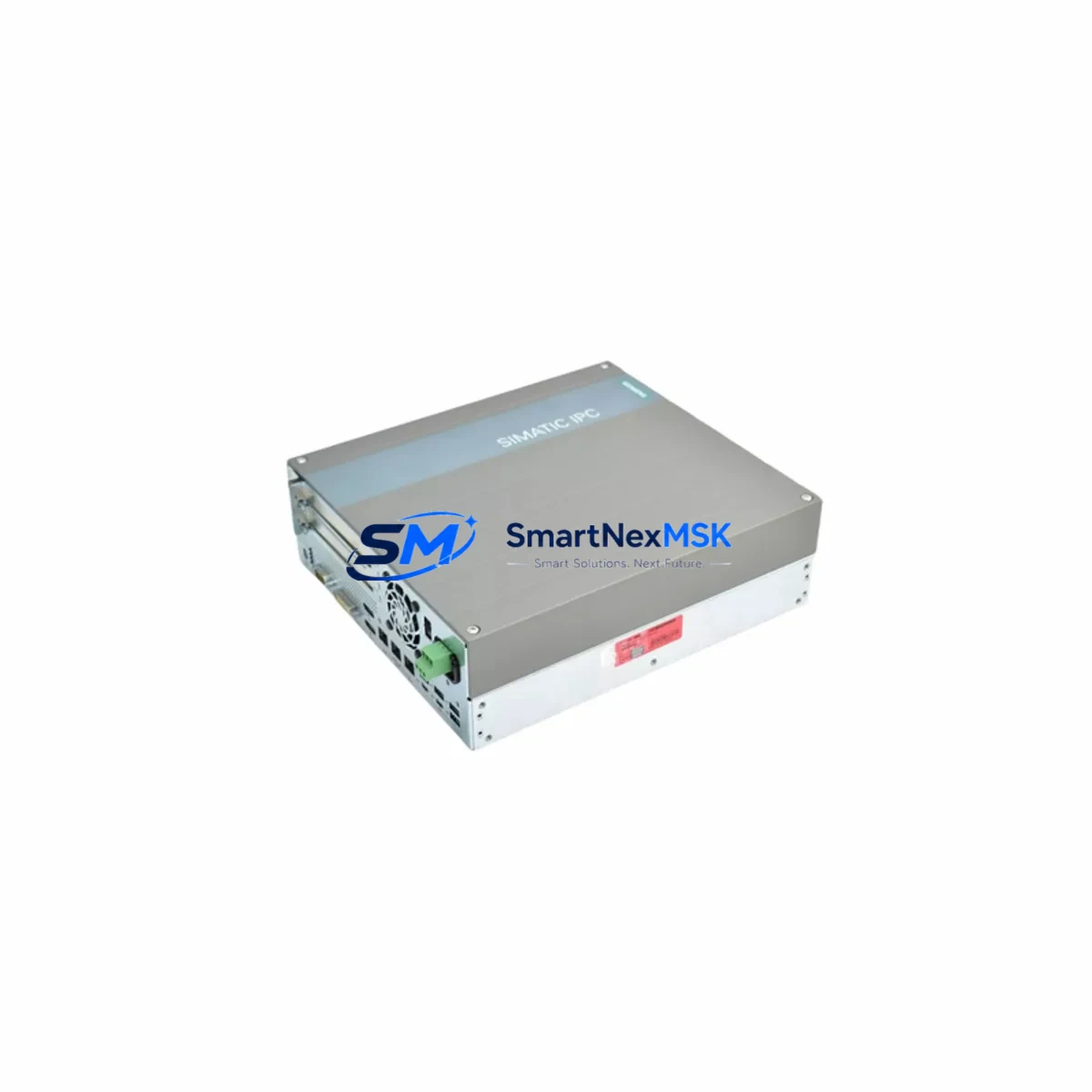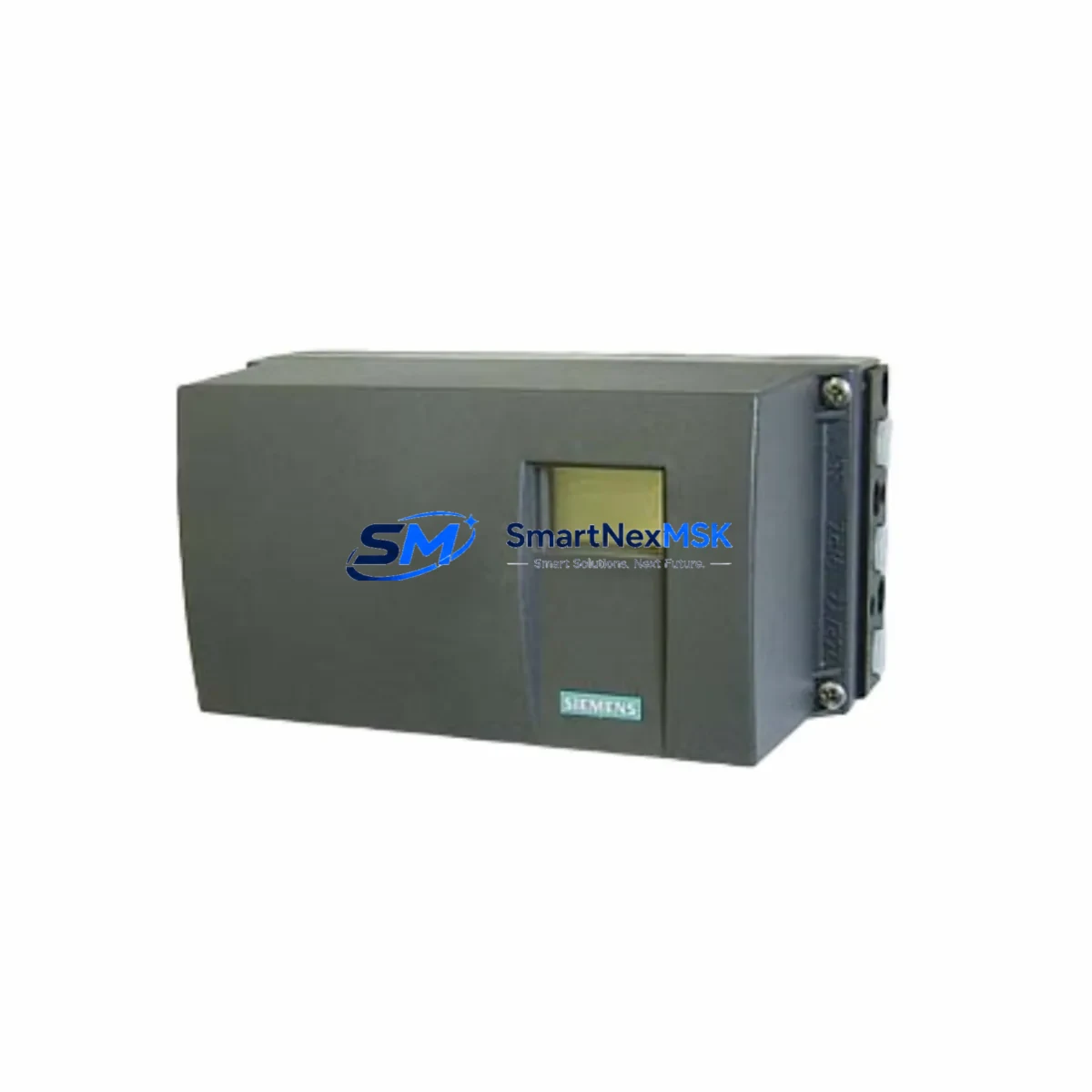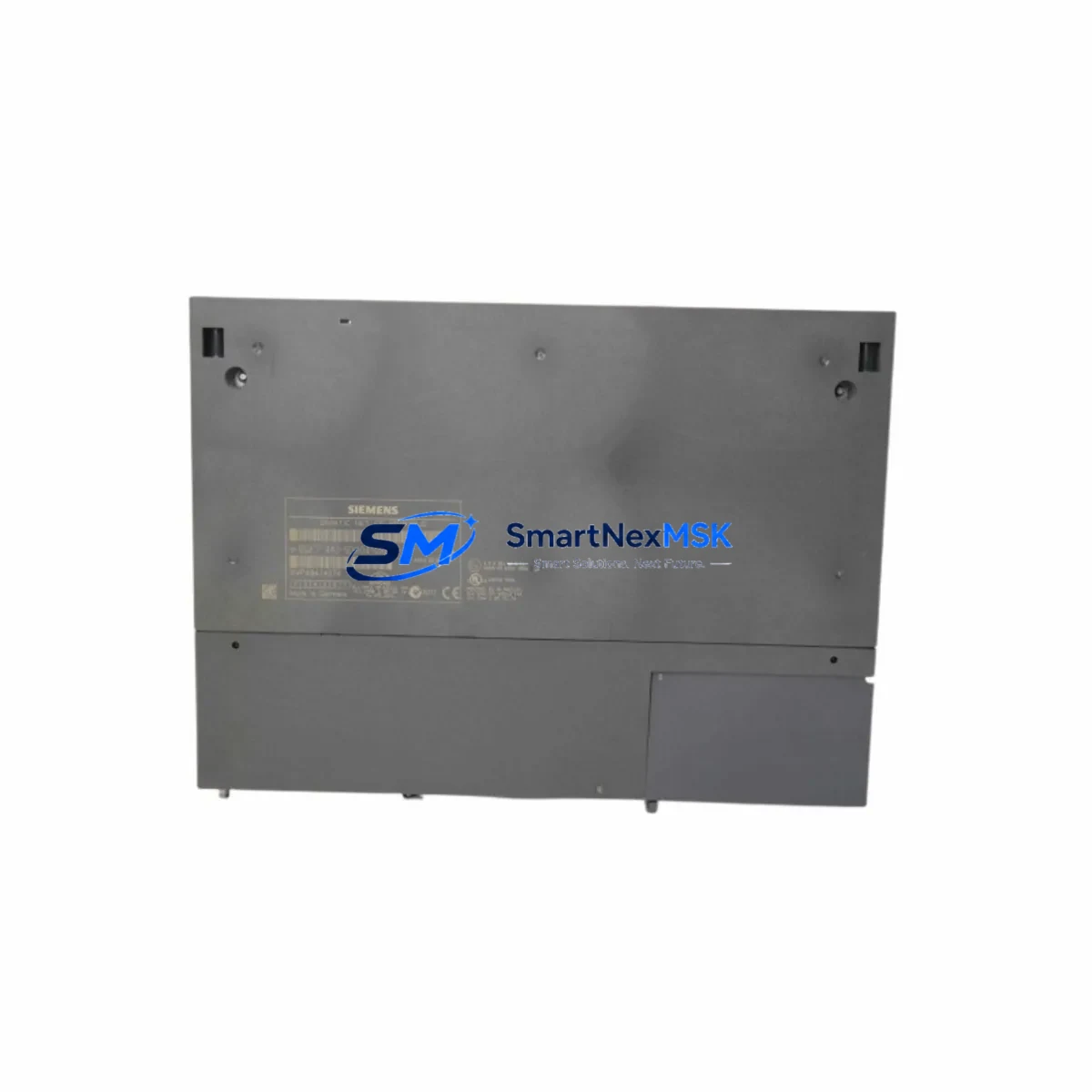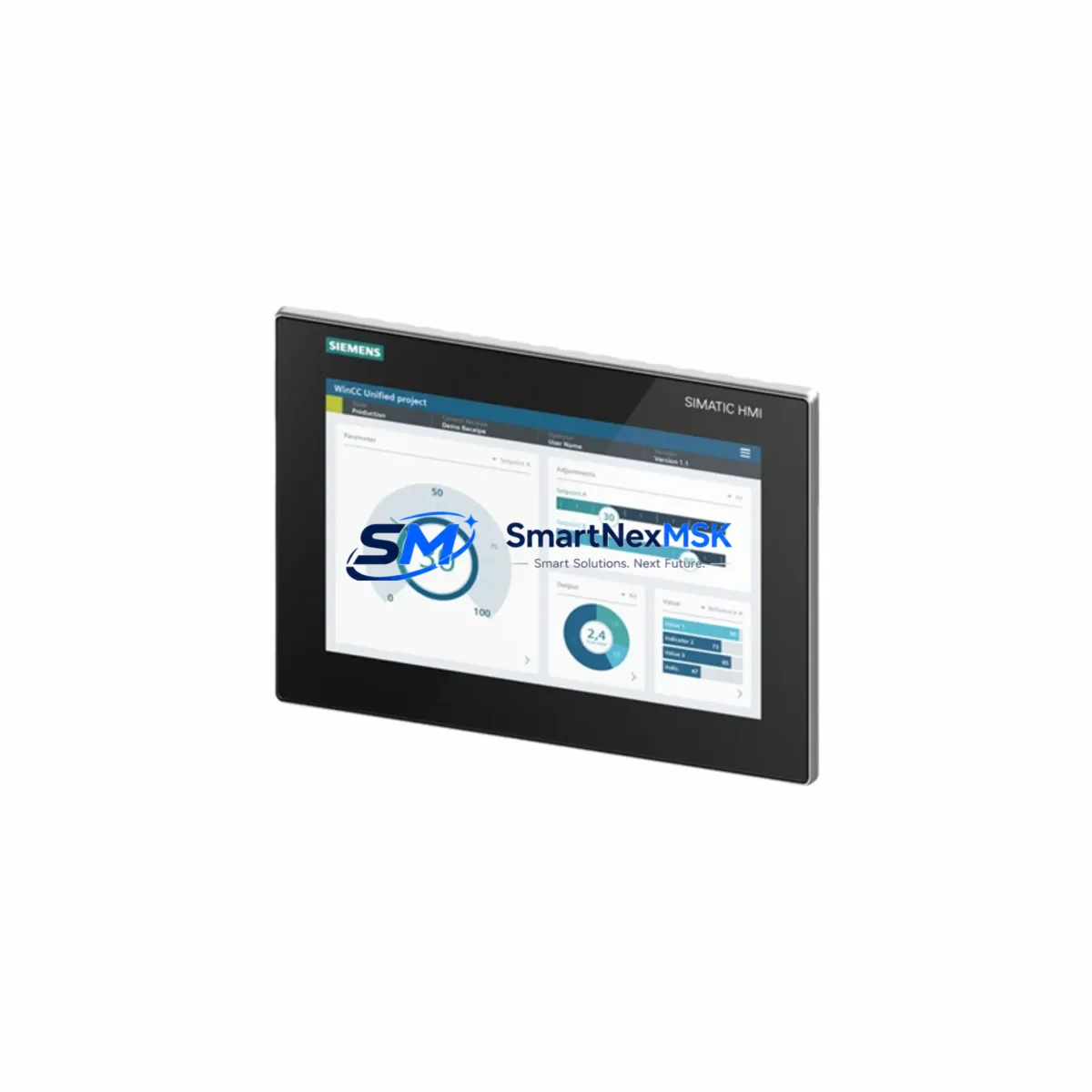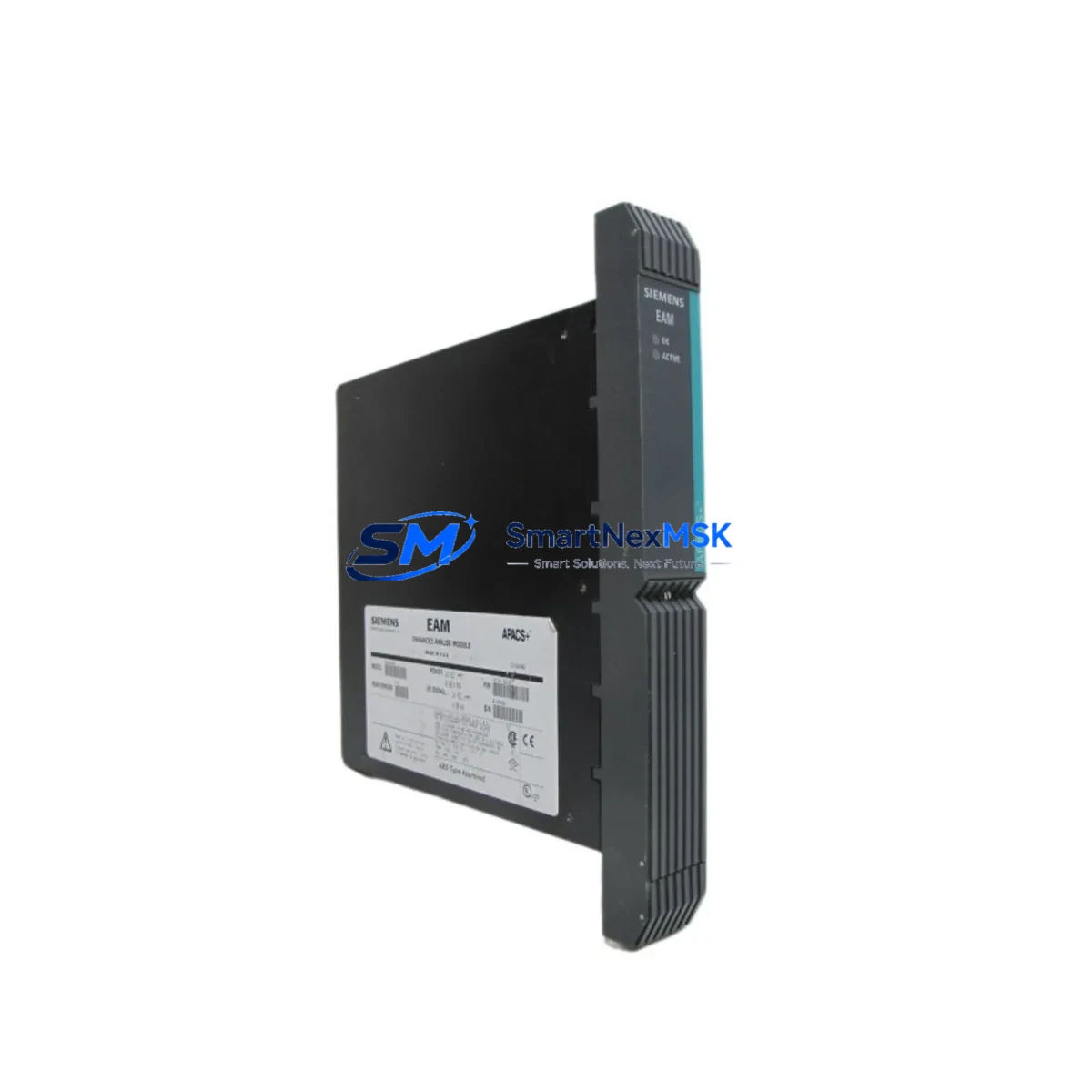
Siemens 39EAMCBN 16154-93/3 Retrofit-Ready Analog Module: Compatible Upgrade for EAM Series Control Systems
The Siemens 39EAMCBN 16154-93/3 is a retrofit-ready analog input module designed for seamless integration into legacy EAM series control systems. As original EAM series components reach end-of-life and become increasingly difficult to source, the 39EAMCBN 16154-93/3 provides a verified, drop-in compatible replacement that preserves existing wiring infrastructure, backplane slot assignments, and program logic — minimizing engineering rework and unplanned downtime during system modernization.
This module is engineered for industrial environments where control continuity is non-negotiable. Whether you are replacing a failed unit in a running production line, upgrading a control cabinet as part of a planned retrofit, or migrating from a discontinued platform to a supported architecture, the 39EAMCBN 16154-93/3 delivers the signal accuracy, channel density, and bus compatibility required for reliable analog I/O in demanding automation applications.
Each unit is sourced from verified supply channels, undergoes pre-shipment functional testing, and is backed by a 12-month warranty covering hardware defects under normal operating conditions. Stock is maintained for immediate dispatch to support urgent replacement scenarios and scheduled maintenance windows alike.
Upgrade Compatibility Table
| Parameter | Details |
|---|---|
| SKU / Part Number | 39EAMCBN 16154-93/3 |
| Brand / Manufacturer | Siemens |
| Compatible Series | EAM Series (Siemens legacy analog I/O platform) |
| Module Type | Analog Input Module (PLC / DCS compatible) |
| Backplane Interface | EAM series backplane slot — direct replacement, no adapter required |
| Terminal Wiring | Compatible with existing field wiring; verify terminal block pitch before installation |
| Communication Compatibility | Compatible with EAM series bus architecture; verify protocol mapping if migrating to PROFIBUS or PROFINET |
| Replacement Recommendation | Direct replacement for discontinued EAM analog modules; confirm module address assignment in PLC configuration |
| Commissioning Notes | Verify channel scaling, engineering unit ranges, and alarm setpoints after installation; re-download program if required |
| Warranty | 12 months from date of shipment — hardware defects under normal operating conditions |
| Origin | Germany |
| Pre-Shipment Testing | Functional test performed on every unit prior to dispatch |
Retrofit Planning for Existing Automation Systems
Successful integration of the 39EAMCBN 16154-93/3 into an existing control system requires a structured retrofit assessment. Begin by auditing the current control cabinet layout: identify the rack or chassis model hosting the EAM series modules, confirm available backplane slots, and document the power supply capacity. Siemens EAM series racks typically share a common 24 VDC bus; verify that the existing Siemens PS307 or equivalent power supply module can support the additional current draw of the replacement analog module without exceeding rated output.
Terminal wiring is a critical checkpoint. The 39EAMCBN 16154-93/3 uses the same terminal block layout as the original EAM analog modules, but field engineers should verify wire gauge compatibility and confirm that shielded cable grounding is maintained at the cabinet entry point. For multi-channel installations, label each field wire before disconnection to prevent cross-wiring errors during reinstallation.
Module address configuration must be verified in the PLC project before the new module is powered. In Siemens STEP 7 or TIA Portal environments, the hardware configuration (HW Config) must reflect the correct slot address for the 39EAMCBN 16154-93/3. If the system uses a Siemens S7-300 or S7-400 CPU, confirm that the analog input addresses assigned in the symbol table match the physical slot position. For systems migrating toward S7-1500 architecture, a full hardware reconfiguration in TIA Portal V16 or later is recommended.
Where the control system includes a Siemens ET 200M distributed I/O station or IM 153 interface module, confirm that the EAM analog module is correctly mapped within the PROFIBUS DP network configuration. If the retrofit involves a protocol migration from PROFIBUS DP to PROFINET IO, additional gateway hardware such as a Siemens IE/PB Link PN IO may be required to bridge legacy field devices to the new network backbone.
HMI screens connected to the analog channels — whether running on a Siemens TP700 Comfort Panel, MP377, or a SCADA system via OPC DA/UA — should be reviewed to confirm that tag addresses and scaling factors remain valid after the module swap. Analog input scaling (4–20 mA or 0–10 V) must be re-verified in both the PLC program and the HMI tag database to prevent process value misrepresentation on operator displays.
For systems that include Siemens FM 355 or FM 356 closed-loop control modules operating in conjunction with analog input data from the EAM series, confirm that PID setpoints and process variable sources are correctly re-linked after the retrofit. Similarly, if the control system interfaces with a Siemens SIMATIC NET CP 343-1 or CP 443-1 communications processor for Ethernet connectivity, verify that the analog data is correctly routed through the network configuration after any hardware changes.
Finally, ensure that a Siemens PC Adapter USB or MPI/PROFIBUS programming cable is available on-site for direct CPU connection during commissioning. This allows engineers to perform online monitoring of analog input values in real time, confirm channel-by-channel signal integrity, and force test values if required during pre-production validation.
Downtime Control During System Migration
Minimizing production downtime during an analog module replacement requires advance preparation and a disciplined changeover sequence. Before the maintenance window begins, create a full backup of the PLC program using STEP 7 or TIA Portal, and export the current hardware configuration to a local archive. This ensures that the original program logic, symbol table, and network configuration can be restored within minutes if an unexpected issue arises during the swap.
Where process conditions allow, place the affected control loops in manual mode before removing the existing EAM analog module. This prevents the PLC from generating spurious output commands based on invalid analog input readings during the module changeover. For critical loops — such as temperature, pressure, or flow control — coordinate with the process team to confirm safe manual setpoints before proceeding.
The physical module swap should be performed with the rack powered down where possible. After seating the 39EAMCBN 16154-93/3 in the correct backplane slot, restore power and allow the CPU to complete its startup diagnostic cycle. Monitor the CPU diagnostic buffer and module status LEDs to confirm that the new analog module is recognized without hardware faults. If the CPU reports a configuration mismatch, re-download the hardware configuration from the programming device to resolve the discrepancy.
Once the module is online, perform a channel-by-channel signal verification using a calibrated signal source (4–20 mA loop calibrator or 0–10 V reference) to confirm that each analog input channel reads correctly within the expected engineering unit range. Document the as-found and as-left readings for each channel as part of the commissioning record. Return all control loops to automatic mode only after signal verification is complete and process values are confirmed stable.
With proper preparation, a single analog module replacement using the 39EAMCBN 16154-93/3 can typically be completed within a two-to-four hour maintenance window, preserving the original program logic and minimizing the impact on production continuity.
Retrofit Support FAQ
Q: Is the 39EAMCBN 16154-93/3 a direct drop-in replacement for the original EAM series analog module?
A: Yes. The 39EAMCBN 16154-93/3 is designed as a direct replacement for discontinued EAM series analog modules. It uses the same backplane connector and terminal block layout, allowing installation in the existing slot without mechanical modification. Module address assignment in the PLC hardware configuration should be verified before powering the system.
Q: What commissioning steps are required after installing the replacement module?
A: After physical installation, verify the module address in the PLC hardware configuration (STEP 7 HW Config or TIA Portal), re-download the configuration if required, and perform a channel-by-channel signal test using a calibrated source. Confirm that analog scaling, engineering unit ranges, and alarm setpoints are correct before returning control loops to automatic mode.
Q: Can this module be used in a system migrating from PROFIBUS DP to PROFINET IO?
A: The 39EAMCBN 16154-93/3 is compatible with EAM series backplane bus architecture. For systems migrating to PROFINET IO, a gateway device such as a Siemens IE/PB Link PN IO is required to bridge the legacy PROFIBUS segment. The analog module itself does not require replacement for protocol migration — only the network interface layer needs to be updated.
Q: What does the 12-month warranty cover, and how is it claimed?
A: The 12-month warranty covers hardware defects arising under normal operating conditions from the date of shipment. It does not cover damage resulting from incorrect installation, overvoltage, or environmental conditions outside the module’s rated specifications. To initiate a warranty claim, contact [email protected] with the order reference, a description of the fault, and photographic evidence of the defect. Replacement or repair will be arranged promptly.
© 2026 SMARTNEXMSK. All rights reserved.
Original Source: https://smartnexmsk.com
Contact: [email protected] | +86 18259474341