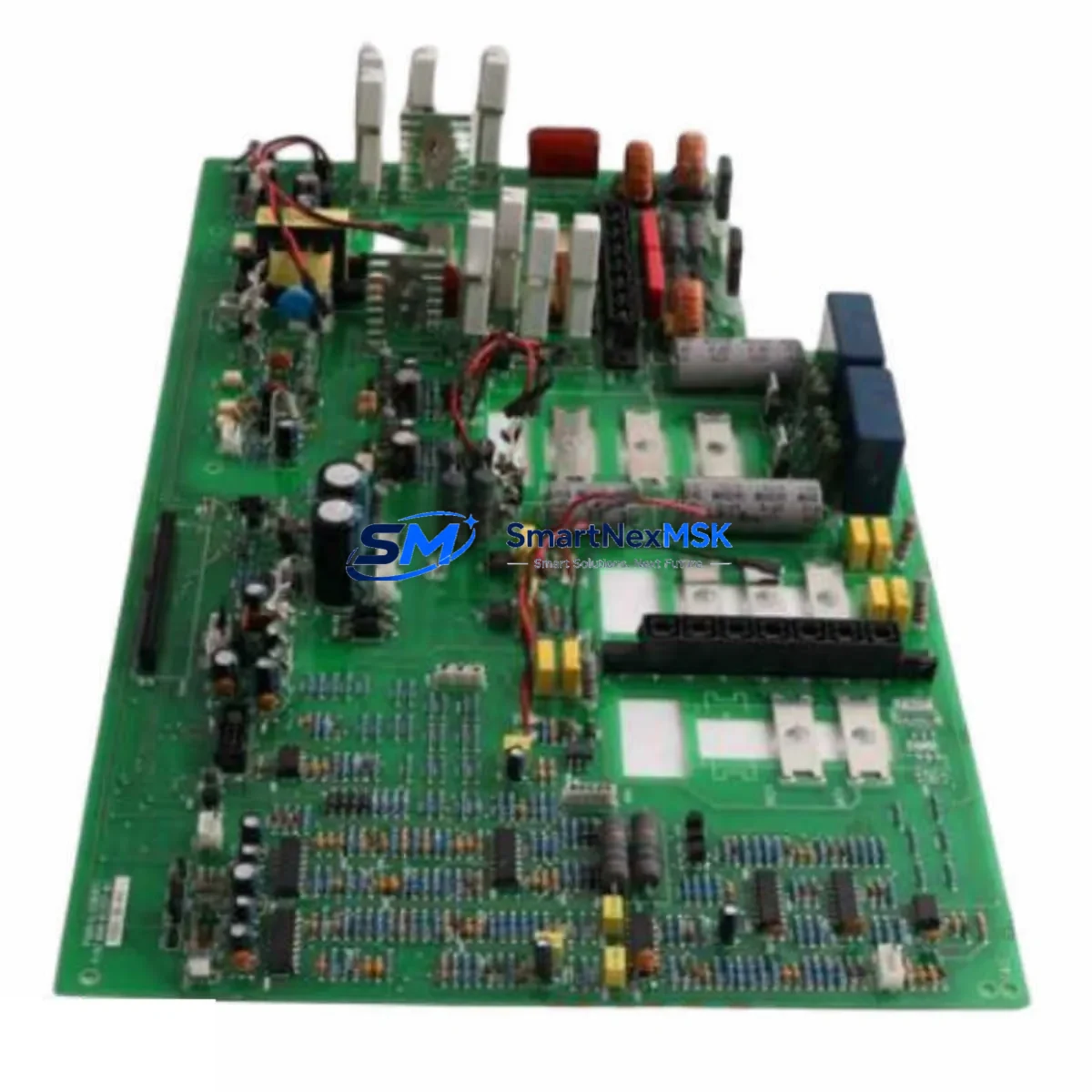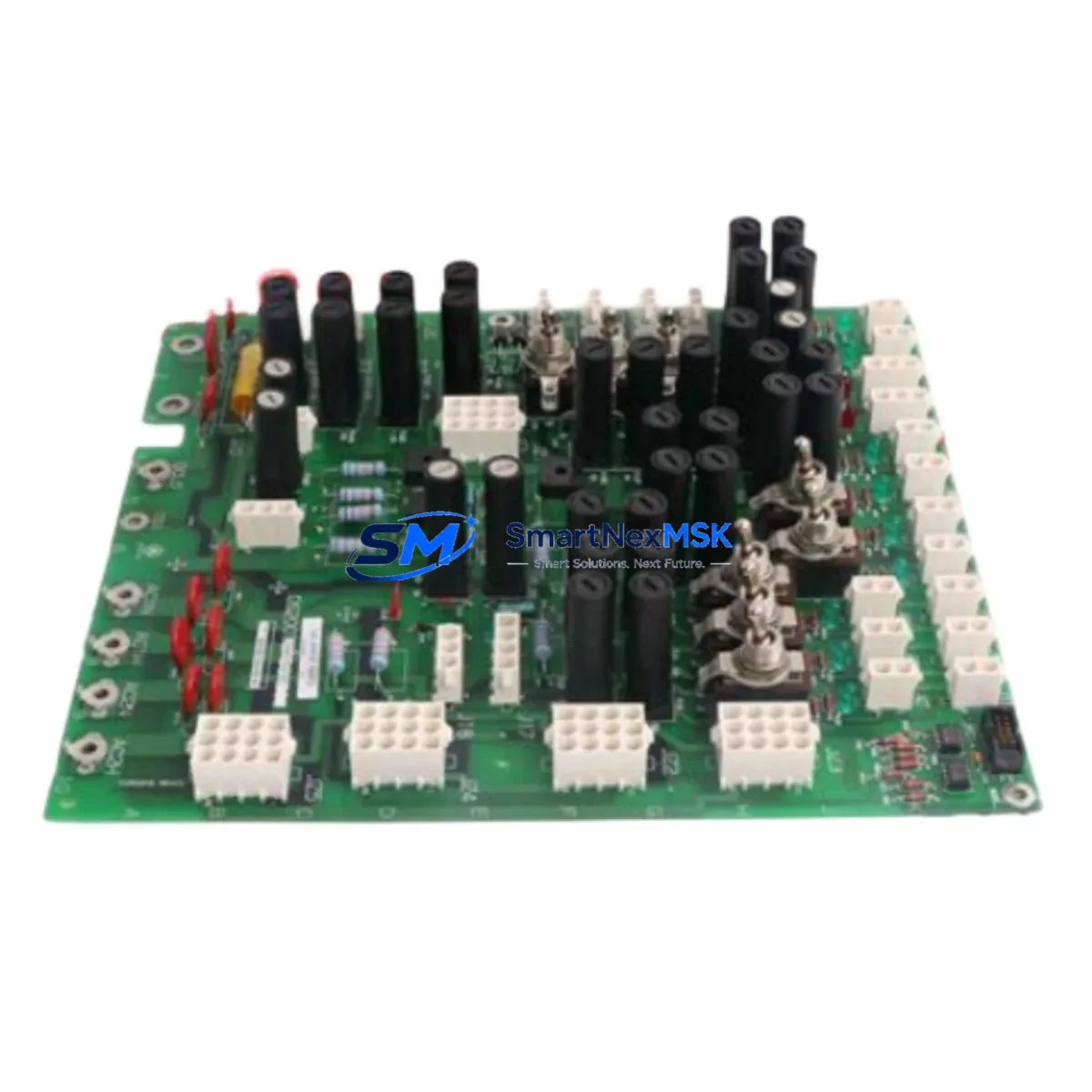
TEL SC2720P3200 Retrofit-Ready Sequence Controller Board: Compatible Upgrade for SC2720 Control Systems
The TEL SC2720P3200 is a retrofit-ready sequence controller board engineered for direct replacement and smooth modernization of legacy SC2720 series control systems manufactured by Tokyo Electron Limited (TEL). Whether your facility is managing a planned system upgrade, recovering from an unplanned failure, or executing a phased migration away from discontinued automation hardware, the SC2720P3200 delivers verified drop-in compatibility, reduced commissioning time, and a 12-month warranty backed by in-stock inventory ready for immediate dispatch from Xiamen.
Industrial automation engineers and maintenance teams working on semiconductor equipment, process control panels, and legacy TEL-based control cabinets will find the SC2720P3200 to be a reliable, specification-matched replacement that preserves existing wiring harnesses, backplane interfaces, and program logic without requiring full system redesign. This board is sourced, inspected, and tested prior to shipment to ensure functional integrity under production conditions.
Upgrade Compatibility Table
| Parameter | Details |
|---|---|
| Replaced Model | TEL SC2720 Series Sequence Controller Board |
| Replacement SKU | TEL SC2720P3200 (SC2720 SC2720P3200) |
| Backplane Interface | Compatible with SC2720 series rack and backplane connector layout |
| Installation Requirement | Direct board swap; no mechanical modification required |
| Wiring Compatibility | Terminal block and connector pinout matches original SC2720 wiring harness |
| Communication Protocol | Compatible with existing SC2720 series communication links |
| Program Compatibility | Supports existing sequence logic; verify firmware revision before swap |
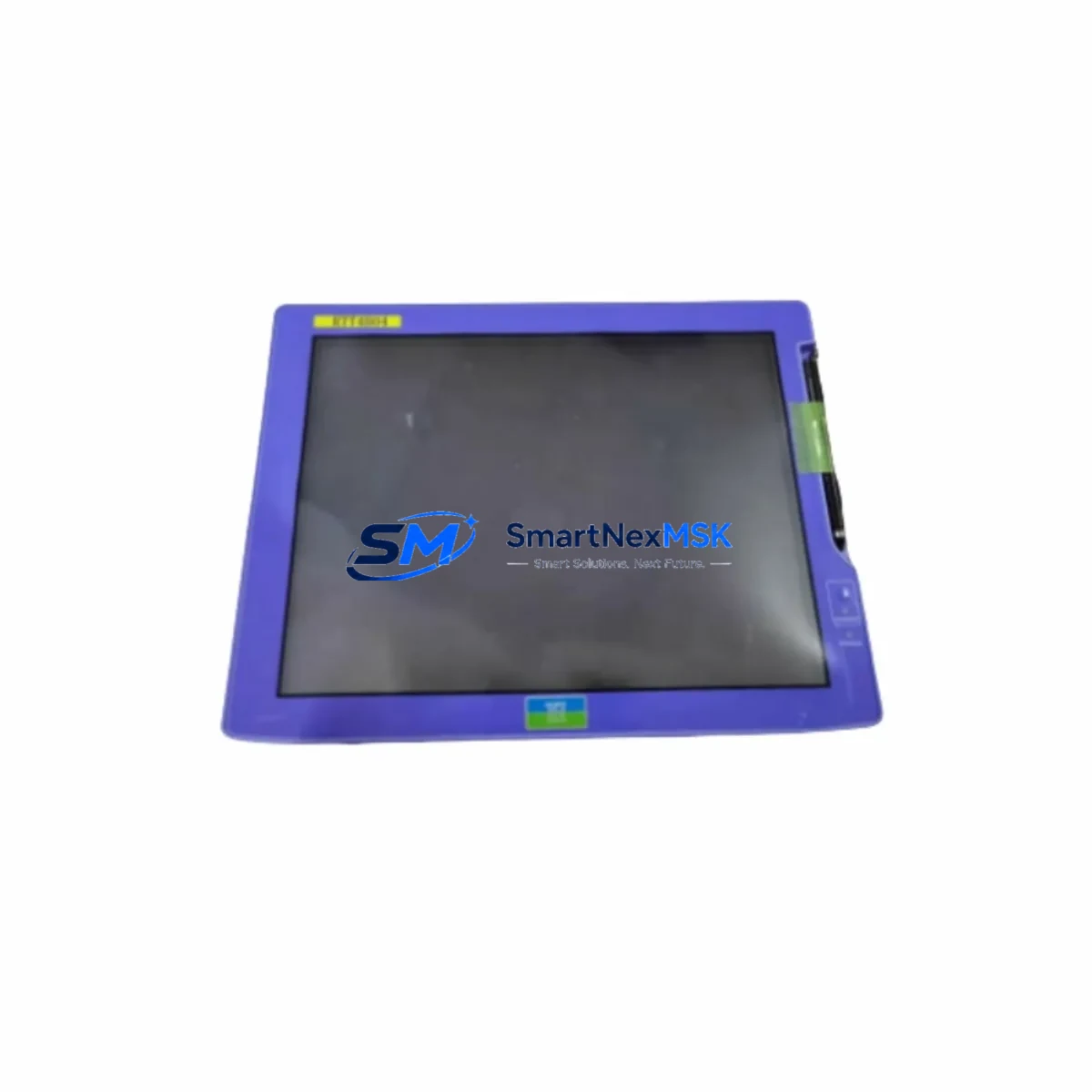
| HMI Interface | Compatible with TEL operator panel and HMI screen configurations |
| Commissioning Notes | Confirm module address settings and I/O mapping before power-on |
| Warranty | 12-Month Warranty — functional defects covered from date of shipment |
| Origin | Japan (OEM); inspected and tested prior to dispatch |
| Lead Time | In-stock; ships within 1–3 business days from Xiamen |
Retrofit Planning for Existing Automation Systems
Replacing the SC2720P3200 in an active production environment requires careful pre-swap planning to avoid configuration errors and extended downtime. Before removing the original board, engineers should document the existing module address assignments, verify the power supply rail voltages delivered by the system’s power module (typically a dedicated DC power unit within the control cabinet), and photograph or record all terminal wiring connections on the I/O terminal blocks.
In SC2720 series control cabinets, the sequence controller board typically interfaces with multiple subsystems: digital input/output modules handle field device signals, while analog I/O modules manage process variable feedback such as temperature, pressure, and flow. The SC2720P3200 maintains compatibility with these I/O expansion modules, allowing the existing I/O architecture to remain intact during the board swap. Engineers should confirm that the rack or chassis backplane — which carries both power and communication signals between the controller and I/O modules — is free of corrosion or connector damage before installing the replacement board.
Communication links between the SC2720P3200 and upstream supervisory systems, SCADA platforms, or HMI panels should be verified post-installation. In many legacy TEL installations, the HMI operator panel communicates with the sequence controller via a dedicated serial or proprietary bus. After board replacement, HMI screen tag mappings and alarm configurations should be validated to confirm that all display elements correctly reflect live process data. If the system uses a programming cable or dedicated engineering workstation for sequence logic uploads, ensure the cable driver and software version are compatible with the SC2720P3200 firmware before attempting any program transfer.
For facilities managing multiple control cabinets or parallel production lines, it is advisable to maintain a spare inventory of critical components including the SC2720P3200 board, associated power supply modules, communication interface cards, and I/O terminal modules. This reduces mean time to repair (MTTR) during unplanned failures and supports a structured preventive maintenance schedule. Our team can assist with sourcing compatible components across the SC2720 platform to support your broader spare parts strategy.
Downtime Control During System Migration
Minimizing production downtime during a sequence controller board replacement is a primary concern for maintenance engineers operating in continuous-process or high-throughput environments. The SC2720P3200’s drop-in compatibility with the original SC2720 series hardware significantly reduces the risk of extended outages by eliminating the need for rack modifications, wiring rework, or program rewriting.
The recommended migration procedure begins with a full backup of the existing sequence program using the appropriate programming software and cable. Once the backup is confirmed, the control system should be brought to a safe stop state, with all field devices de-energized and interlocks verified. The original board can then be removed and the SC2720P3200 installed in its place. Before restoring power, verify that the module address switches or DIP settings on the new board match the configuration of the original unit — mismatched addresses are a common source of communication faults during post-swap commissioning.
After power restoration, perform a staged I/O check: verify digital inputs and outputs individually before enabling automatic sequence execution. Confirm that the HMI panel displays correct process states and that all communication links — including any connections to remote I/O racks, operator stations, or data logging systems — are active and error-free. Document the commissioning results and update the maintenance log with the replacement date, board serial number, and any configuration changes made during the swap. This record supports future troubleshooting and warranty claims within the 12-month coverage period.
For systems where a cold swap is not feasible due to continuous-process constraints, consult with our technical team regarding hot-swap procedures and any available redundancy options within the SC2720 platform architecture.
Retrofit Support FAQ
Q1: Is the TEL SC2720P3200 a direct drop-in replacement for the original SC2720 series sequence controller board?
Yes. The SC2720P3200 is designed as a specification-matched replacement for the SC2720 series controller board. The backplane connector, terminal wiring layout, and module form factor are compatible with the original installation. No mechanical modifications to the rack or cabinet are required. Verify firmware revision and module address settings before power-on to ensure seamless integration.
Q2: What pre-shipment testing is performed on the SC2720P3200?
Each SC2720P3200 unit undergoes functional inspection and testing prior to dispatch. The board is verified for power-on integrity, communication interface continuity, and I/O signal path functionality. All units are shipped with a 12-month warranty covering functional defects from the date of shipment. If a defect is identified within the warranty period, replacement or repair is provided at no additional cost.
Q3: Can the existing sequence program be transferred to the SC2720P3200 without modification?
In most cases, yes. The SC2720P3200 supports the sequence logic architecture used in the original SC2720 series platform. Back up the existing program before the swap using the appropriate programming cable and software. After installation, upload the backed-up program and perform a full I/O verification cycle. If the system uses a customized firmware version, contact our technical team to confirm compatibility before proceeding.
Q4: What wiring and interface checks should be completed before commissioning the replacement board?
Before restoring power after board installation, verify the following: (1) terminal block wiring matches the original connection diagram; (2) module address switches are set to match the original board configuration; (3) backplane connector is fully seated and free of damage; (4) power supply output voltages are within specification; and (5) all communication cables — including HMI links, programming cables, and any remote I/O connections — are securely connected. Complete a staged I/O test before enabling automatic sequence execution.
© 2026 SMARTNEXMSK. All rights reserved.
Original Source: https://smartnexmsk.com
Contact: [email protected] | +86 18259474341