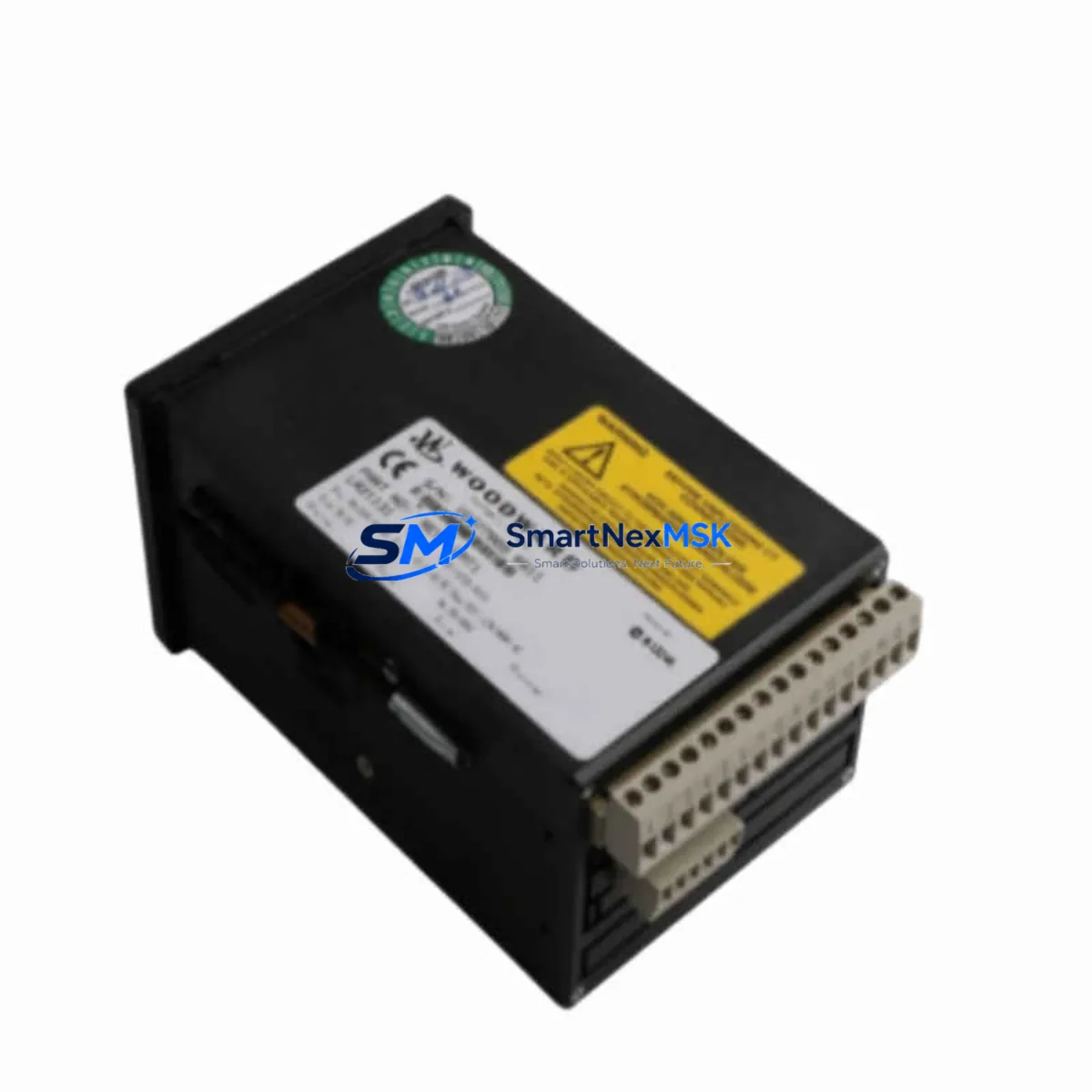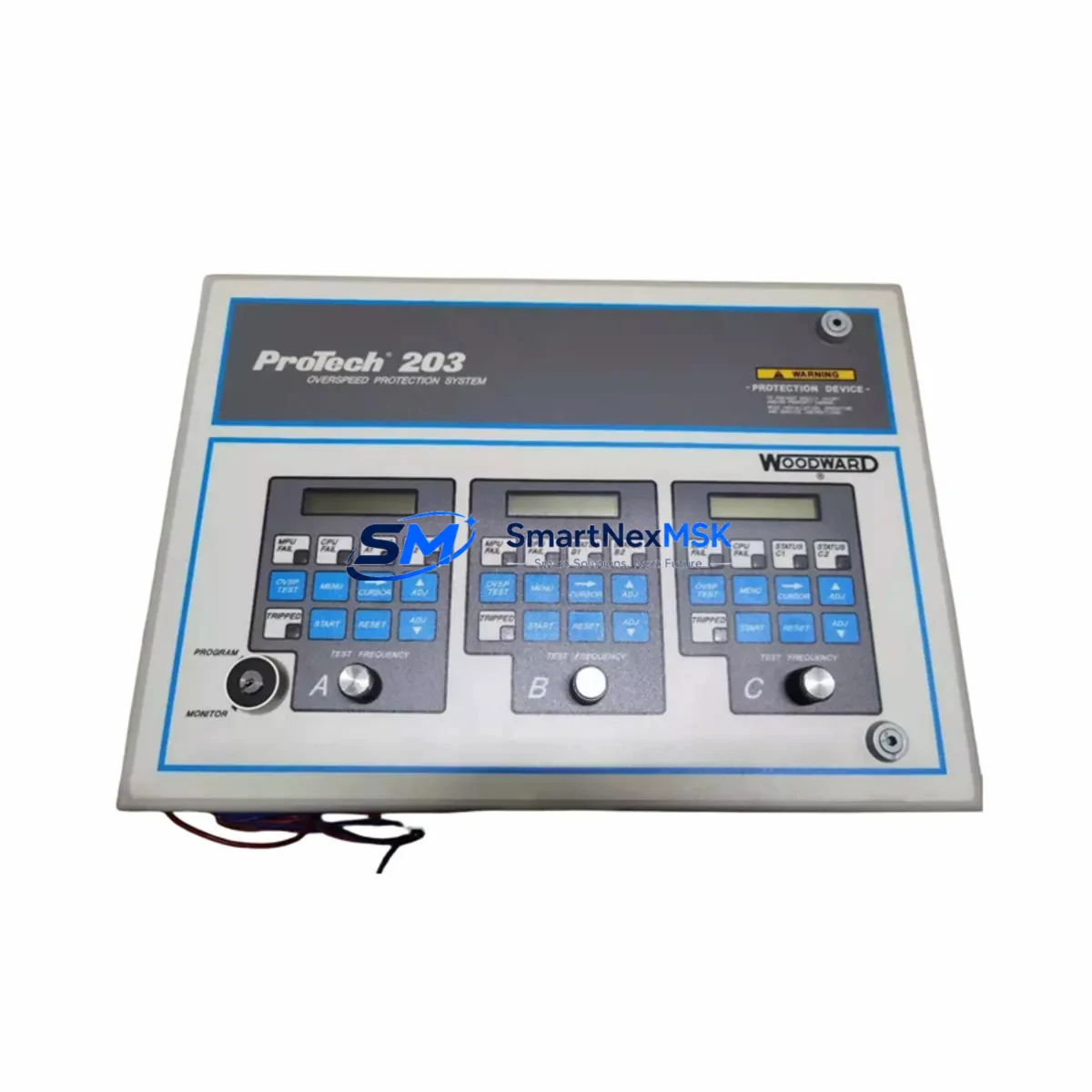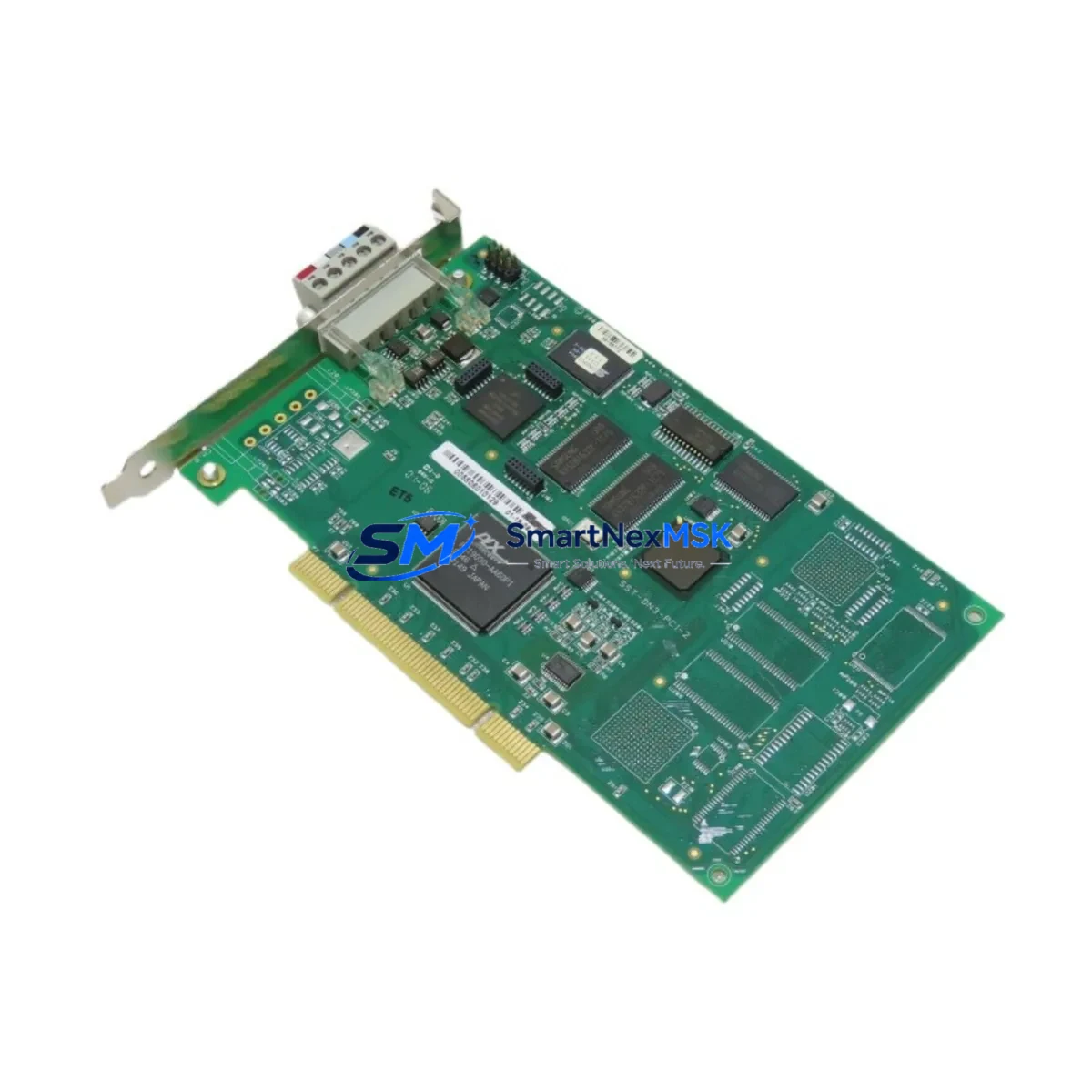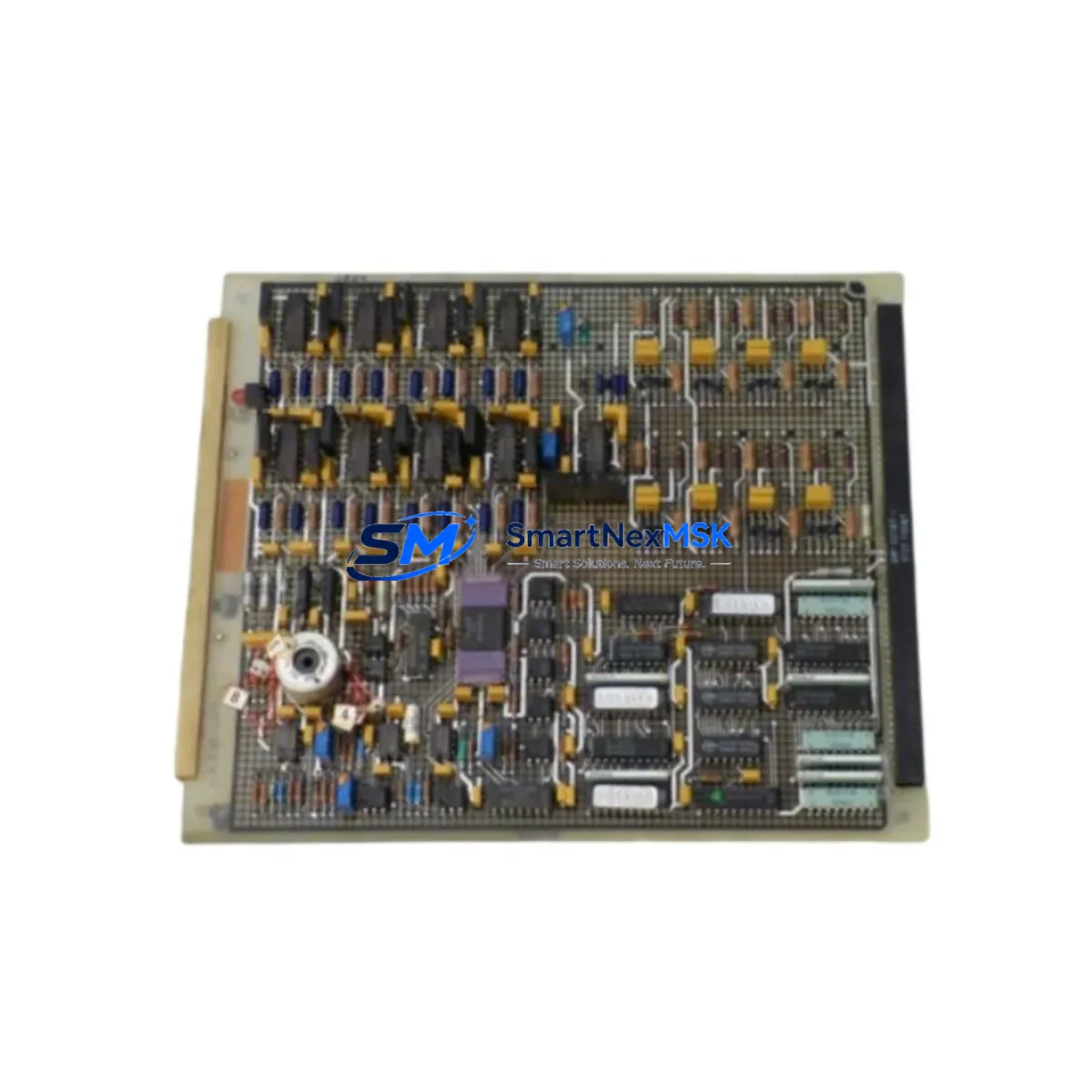
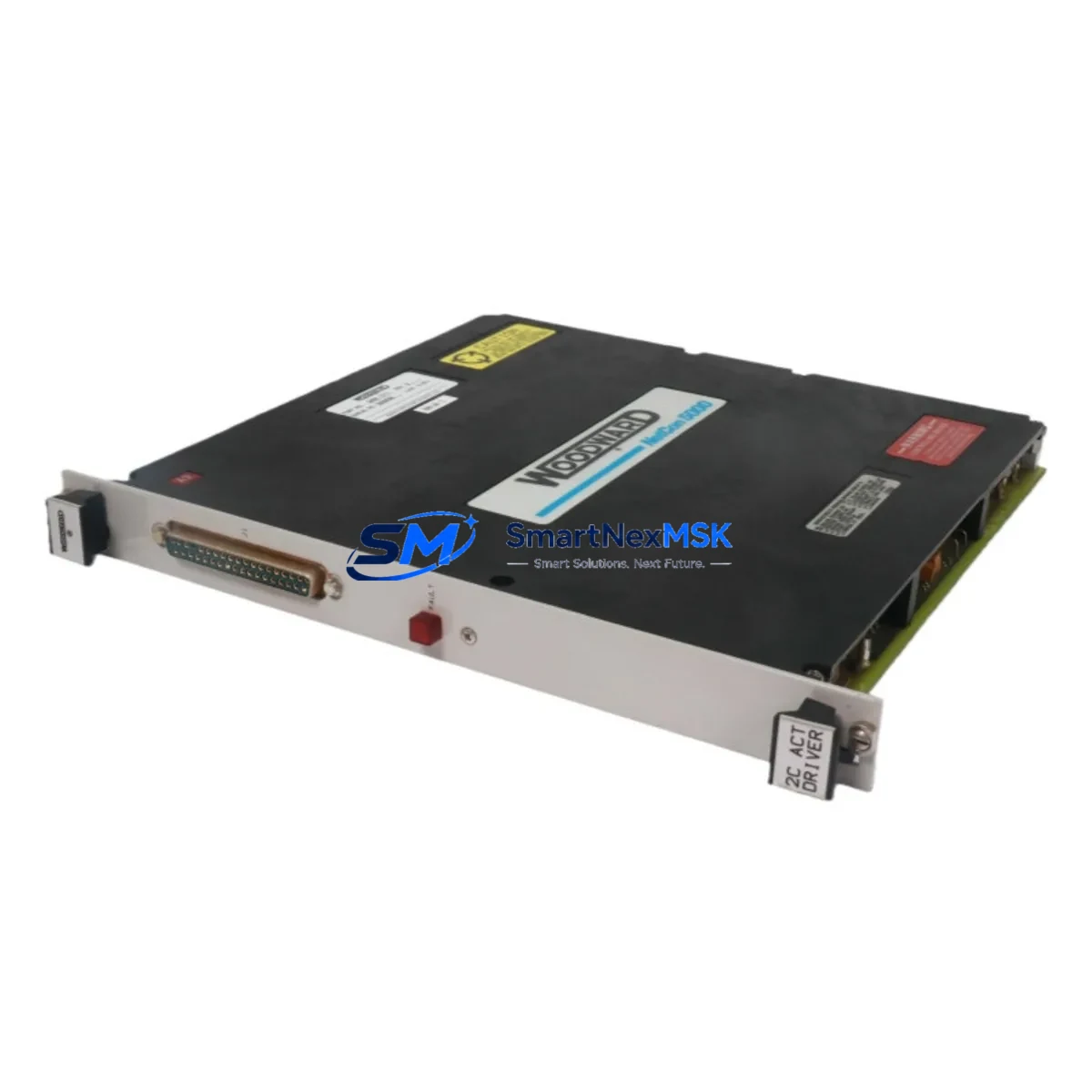
Woodward 5464-335 Maintenance-Ready Spare MicroNet Automation
The Woodward 5464-335 is an original Analog I/O Module designed for the MicroNet turbine governor control platform. As a critical spare in gas turbine, steam turbine, and compressor control systems, this module supports continuous plant operation by enabling rapid field replacement without system reconfiguration. Sourced directly from authorized supply chains, each unit undergoes functional verification and ships with a 12-month warranty — ensuring your maintenance team can restore control loop integrity with confidence.
For maintenance engineers managing aging turbine control cabinets, the 5464-335 represents a high-priority line item in any spare parts inventory strategy. Its role in analog signal conditioning — converting field sensor inputs into process-ready data for the MicroNet controller — makes it a single point of failure if left unspared. Procurement engineers sourcing replacement modules should verify firmware revision compatibility with the installed MicroNet base unit before dispatch.
Spare Maintenance Table
| Parameter | Specification / Detail |
|---|---|
| Part Number | 5464-335 |
| Brand | Woodward |
| Series / Platform | MicroNet Turbine Governor Control System |
| Module Type | Analog I/O Module |
| Signal Type | Analog Input / Output (4–20 mA / 0–10 V typical) |
| Application | Gas Turbine, Steam Turbine, Compressor Governor Control |
| Compatibility | Woodward MicroNet Plus, MicroNet TMR, MicroNet Simplex |
| Installation | Backplane-mounted, MicroNet chassis slot |
| Operating Environment | Industrial control cabinet, 0–60°C, DIN rail / rack mount |
| Origin | USA |
| Weight | 1,040 g |
| Condition | Original, tested before shipment |
| Warranty | 12 Months |
| Lead Time | In stock — ships within 3 business days |
Maintenance Planning for Continuous Operation
When scheduling a planned inspection or responding to an unplanned shutdown involving the Woodward 5464-335, maintenance engineers should treat the replacement as an opportunity to audit the surrounding control architecture. The MicroNet Analog I/O Module interfaces directly with field wiring termination assemblies and the MicroNet backplane — both of which should be inspected for corrosion, loose terminals, and insulation degradation during any module swap.
Power supply integrity is the first checkpoint: the Woodward MicroNet Power Supply Module (e.g., 5464-748 or equivalent) should be load-tested to confirm stable 24 VDC or 28 VDC rail output before the replacement module is seated. A degraded power rail is a common root cause of repeated analog module failures and is frequently overlooked during fault isolation.
Signal wiring from field instruments — including thermocouple extension cables, RTD leads, and 4–20 mA transmitter loops — should be continuity-checked and shielding integrity verified. Damaged shielding on analog signal cables introduces noise that can cause erratic readings even with a new module installed. Terminal blocks on the I/O wiring side should be torqued to specification and inspected for oxidation.
For systems running in TMR (Triple Modular Redundant) configuration, all three analog I/O channels must be verified for signal agreement after replacement. A single channel deviation will trigger a voter mismatch alarm and may initiate a protective trip if not resolved promptly. Maintenance teams should have the Woodward MicroNet TMR Voter Module and associated diagnostic software available during the restoration sequence.
Communication health between the MicroNet controller and the plant DCS or SCADA system should be confirmed post-replacement. If the system uses a Woodward MicroNet Communication Module (Modbus RTU, Profibus DP, or Ethernet/IP variants), verify that the analog I/O tags are correctly mapped and that no address conflicts have been introduced. HMI displays connected to the MicroNet — whether a local Woodward operator panel or a third-party touchscreen — should be checked to confirm that analog process values are updating correctly.
Relay output modules and digital I/O modules in adjacent chassis slots should also be functionally tested, as a module removal and reinsertion event can disturb backplane connector seating. Fuse holders and circuit protection devices on the 24 VDC distribution rail within the control cabinet should be inspected and replaced if showing signs of heat discoloration. Signal isolators or signal conditioners installed between the MicroNet I/O and field instruments are another component class that benefits from concurrent inspection — degraded isolation barriers can introduce ground loops that corrupt analog readings.
For older MicroNet installations approaching end-of-support lifecycle, this replacement event is an appropriate trigger to assess whether a broader spare parts kit — including a spare MicroNet CPU module, a spare backplane, and a set of I/O modules covering analog, digital, and communication types — should be pre-positioned at site to support long-term system life extension.
Site Replacement Workflow
Step 1 — Pre-Replacement Verification: Confirm the replacement 5464-335 part number and firmware revision against the installed system’s configuration record. Cross-reference with the MicroNet system drawing and I/O list to identify the specific slot assignment and signal tag mapping.
Step 2 — Safe Isolation: Follow site LOTO (Lockout/Tagout) procedures. De-energize the MicroNet chassis power supply and confirm zero-energy state before removing the faulty module. For TMR systems, coordinate with the control room to manage the redundancy voting state during the replacement window.
Step 3 — Module Removal and Inspection: Remove the 5464-335 from the backplane slot. Inspect the backplane connector pins for damage or contamination. Clean with appropriate contact cleaner if required. Document the fault condition of the removed module for RCA (Root Cause Analysis) records.
Step 4 — Installation and Seating: Insert the replacement 5464-335 firmly into the designated chassis slot. Confirm positive backplane engagement. Reconnect field wiring terminations and verify torque on all terminal screws.
Step 5 — Power-Up and Functional Test: Re-energize the MicroNet chassis. Monitor the module status LEDs for normal initialization. Verify analog input and output values against known reference signals. Confirm HMI and DCS tag updates are accurate. Clear any latched alarms and document the restoration in the site maintenance log.
Step 6 — Post-Replacement Monitoring: Monitor the restored system for a minimum of 24 hours to confirm stable analog signal performance before returning the unit to full automatic control mode.
Spare Parts Support FAQ
Q: Is the Woodward 5464-335 compatible with all MicroNet platform variants?
A: The 5464-335 is designed for the Woodward MicroNet platform family, including MicroNet Simplex, MicroNet Plus, and MicroNet TMR configurations. Compatibility should be confirmed against the specific chassis revision and system software version documented in your site configuration records before installation.
Q: What testing is performed before shipment?
A: Each 5464-335 unit is functionally tested prior to dispatch to verify analog I/O signal integrity, backplane communication, and module initialization. A test report is available upon request. Units are shipped in anti-static packaging with protective end caps to prevent connector damage in transit.
Q: What does the 12-month warranty cover?
A: The 12-month warranty covers manufacturing defects and functional failures under normal operating conditions. It does not cover damage resulting from incorrect installation, overvoltage events, or physical mishandling. Warranty claims are supported with direct technical assistance and expedited replacement dispatch to minimize site downtime.
Q: How should we manage long-term spare parts inventory for aging MicroNet systems?
A: For MicroNet systems beyond their original support lifecycle, we recommend maintaining a minimum of one spare 5464-335 Analog I/O Module on-site, alongside spares for the power supply module, CPU module, and communication module. A structured spare parts audit every 12–24 months helps identify modules approaching end-of-life based on operating hours and fault history, allowing proactive procurement before critical shortages occur.
© 2026 SMARTNEXMSK. All rights reserved.
Original Source: https://smartnexmsk.com
Contact: [email protected] | +86 18259474341