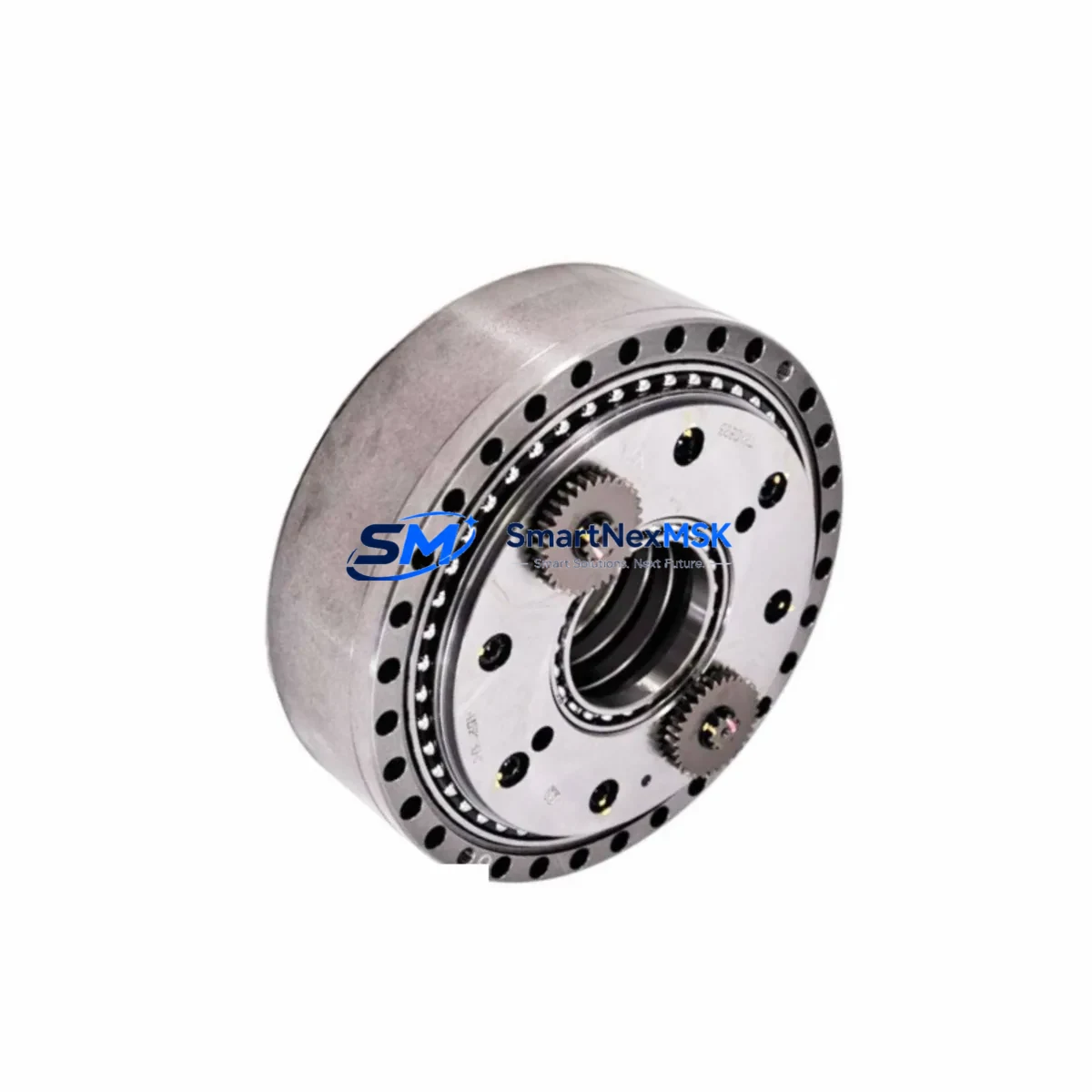
Yaskawa HW1382455-C Maintenance-Ready Spare MS165 Automation
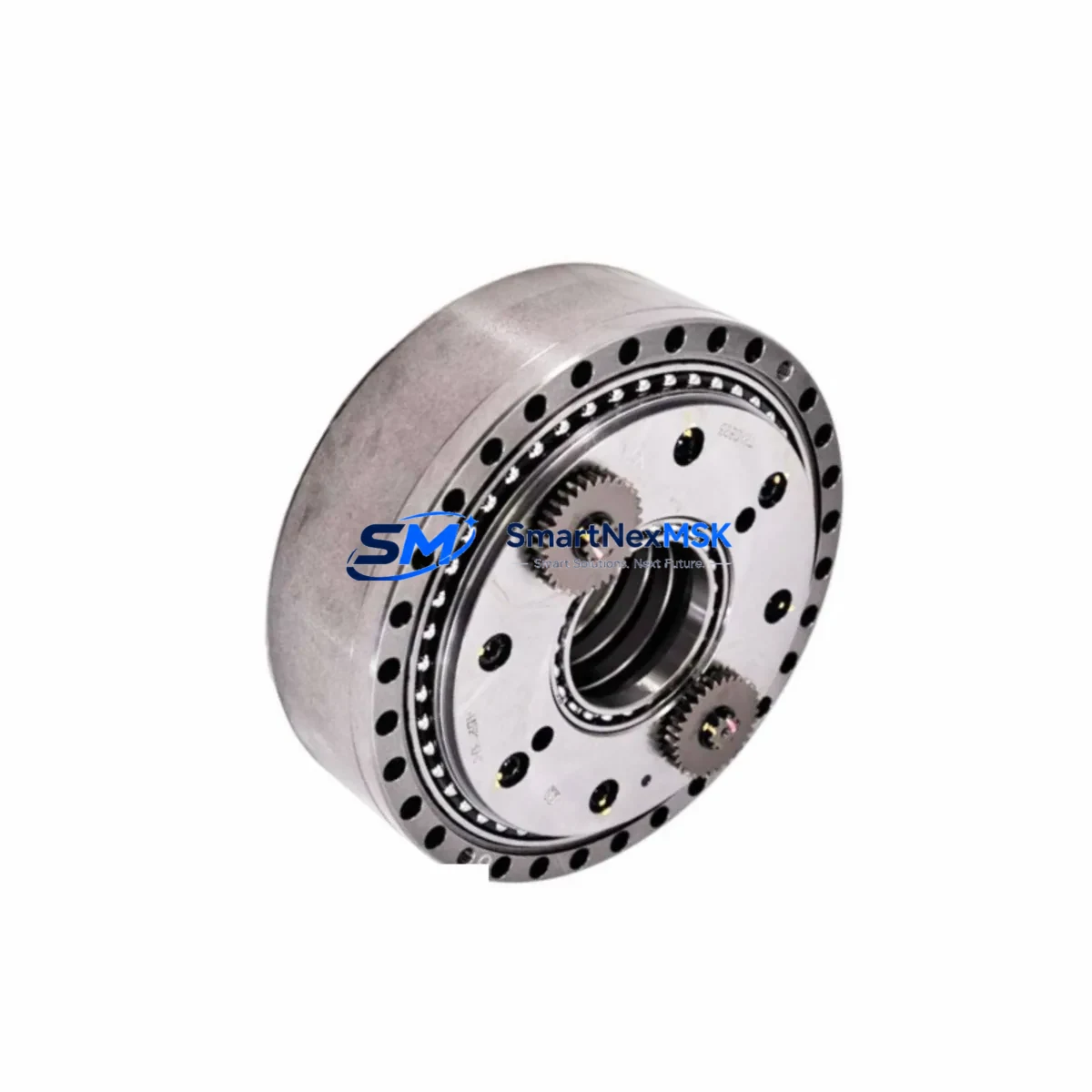
When a Motoman MS165 industrial robot goes offline due to joint drive failure, every hour of unplanned downtime translates directly into production loss. The Yaskawa HW1382455-C joint speed reducer is a precision OEM spare component engineered for the MS165 six-axis robot arm — a workhorse found in heavy-payload welding, material handling, and press-tending cells across automotive, steel, and general manufacturing facilities. Sourcing a verified original replacement with confirmed compatibility is the single most critical step in restoring robot operation and protecting the integrity of the surrounding drive train.
At SMARTNEXMSK, every HW1382455-C unit is sourced from authorized supply channels, individually inspected, and pre-shipment tested before dispatch. Backed by a 12-month warranty, this spare is ready for immediate installation by qualified maintenance engineers familiar with Yaskawa Motoman robot service procedures.
Spare Maintenance Table
| Parameter | Specification / Detail |
|---|---|
| Part Number | HW1382455-C |
| Brand | Yaskawa Electric Corporation |
| Component Type | Joint Speed Reducer (Harmonic / RV-type) |
| Compatible Robot Model | Motoman MS165 |
| Compatible Controllers | DX200, YRC1000 |
| Application | Heavy-payload 6-axis industrial robot joint drive |
| Origin | Japan (OEM) |
| Condition | New Original / Genuine OEM Spare |
| Weight (approx.) | 420 g |
| Installation Environment | Industrial robot arm joint; IP54 or better enclosure recommended |
| Maintenance Interval | Per Yaskawa MS165 maintenance schedule (grease replacement, torque verification) |
| Pre-Shipment Testing | Yes — functional and dimensional inspection before dispatch |
| Warranty | 12 Months from date of shipment |
| Lead Time | In-stock units ship within 1–3 business days |
Maintenance Planning for Continuous Operation
Replacing the HW1382455-C joint speed reducer is rarely an isolated task. A thorough maintenance engineer will treat this event as an opportunity to audit the entire robot joint drive system and the surrounding control architecture. During a planned or emergency replacement, the following components and assemblies should be inspected or replaced concurrently to prevent repeat failures and maximize uptime between service intervals.
Begin with the servo motor driving the affected joint — the Yaskawa SGMRS or equivalent MS165 axis motor should be checked for bearing wear, encoder signal integrity, and insulation resistance. A degraded reducer often masks early-stage motor bearing damage. Next, inspect the motor brake assembly; a sticky or worn brake can cause abnormal load on the reducer output flange and accelerate wear. The joint grease (Yaskawa-specified Vigo Grease RE No.0 or equivalent) must be fully replaced during reducer installation — contaminated or depleted grease is the leading cause of premature reducer failure in high-cycle applications.
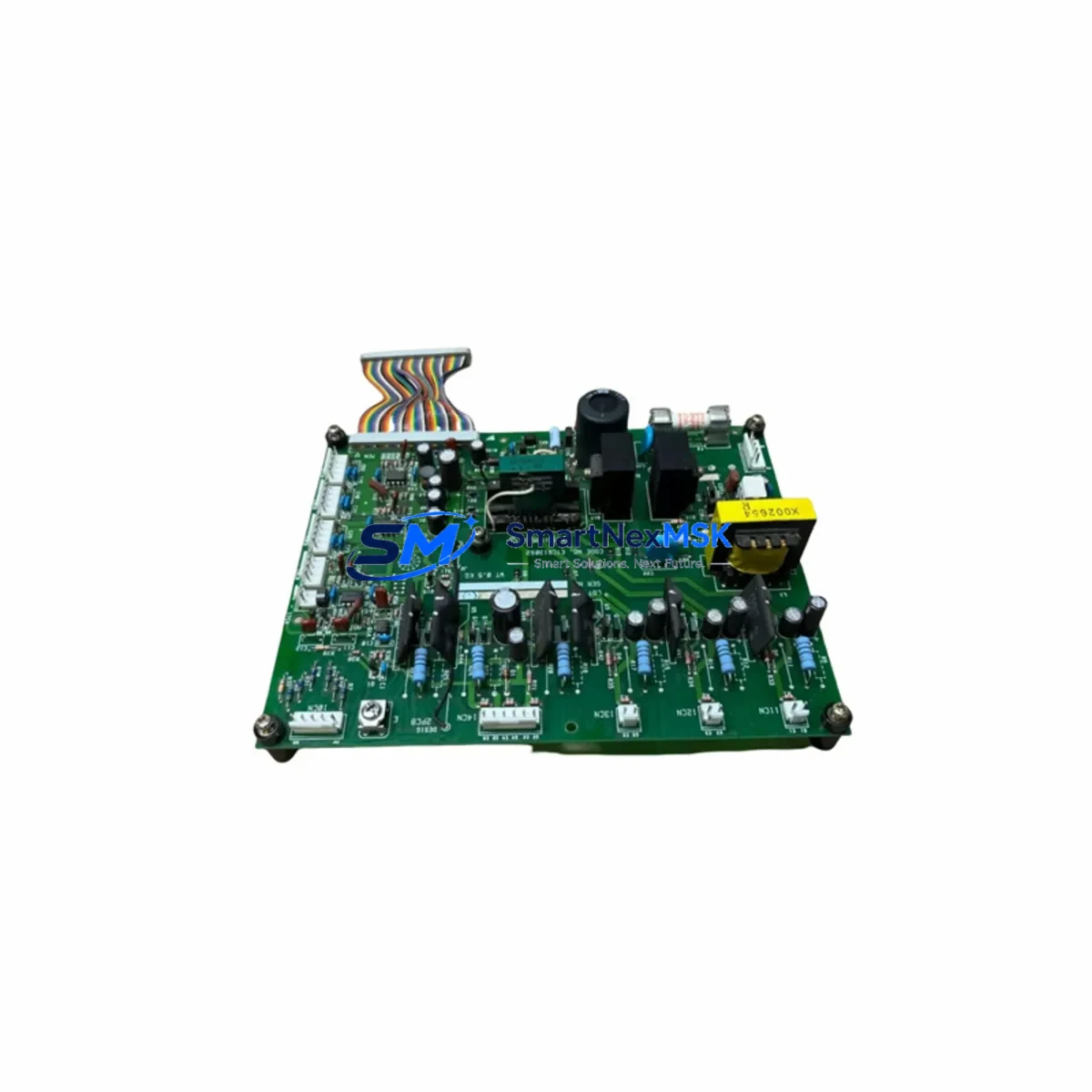
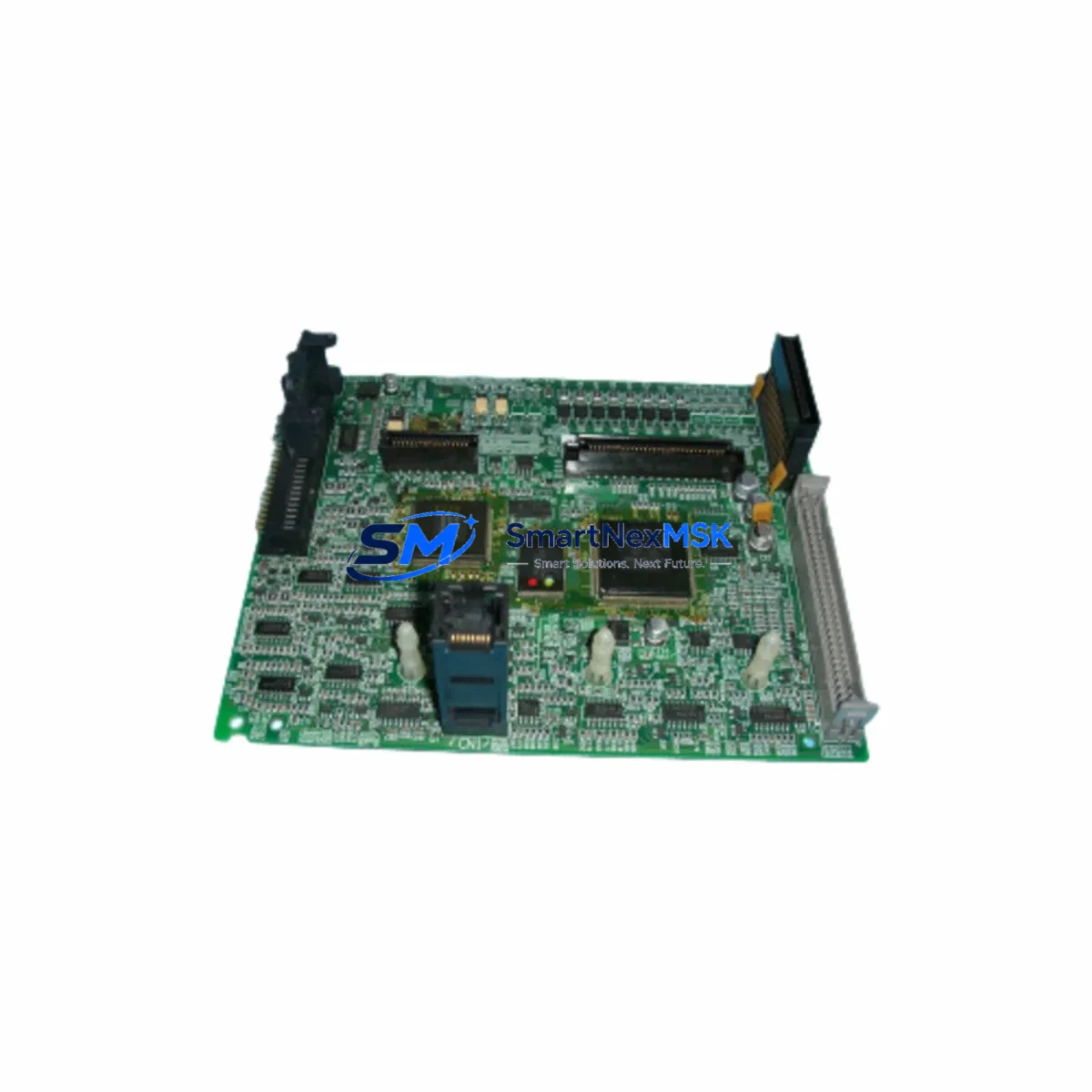
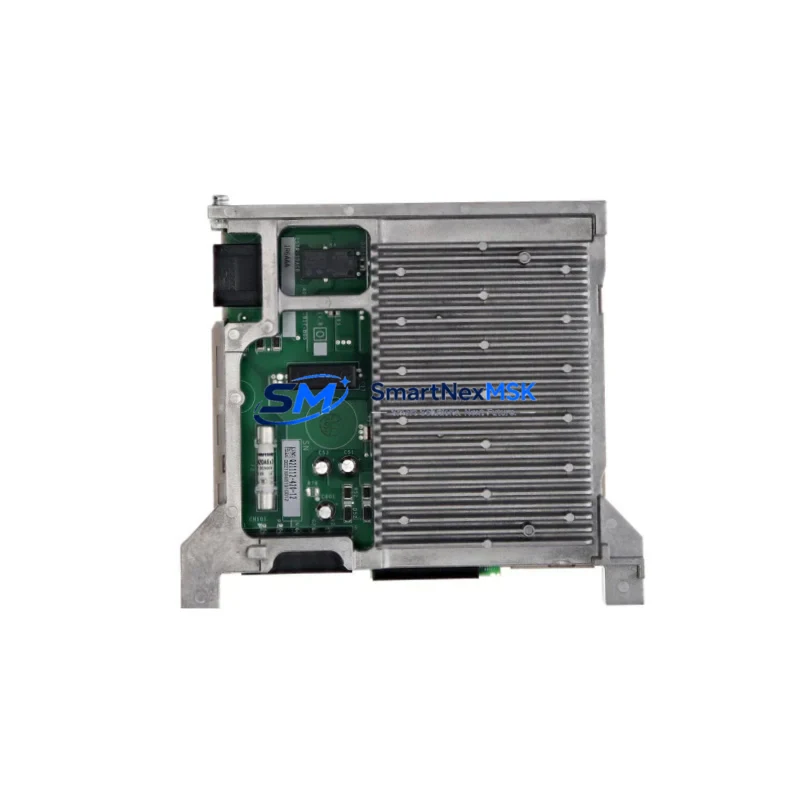
At the controller level, verify the DX200 or YRC1000 servo amplifier board for fault history related to the affected axis. Overcurrent or position deviation alarms logged prior to the mechanical failure may indicate that the amplifier itself sustained stress and warrants replacement or bench testing. The encoder cable and feedback harness running from the joint motor back to the controller should be inspected for chafing, connector corrosion, and continuity — a marginal feedback signal can cause the controller to command excessive torque, shortening reducer life. Similarly, the power cable to the axis motor should be checked for insulation breakdown, particularly at flex points near the robot wrist.
For facilities running MS165 robots in multi-robot cells, the DX200 I/O module handling cell interlock signals and the safety relay or safety PLC managing robot zone control should be verified as part of the return-to-service checklist. A robot that re-enters service without a validated safety circuit creates unacceptable risk. If the cell uses a fieldbus communication module (DeviceNet, PROFIBUS, or EtherNet/IP) for PLC integration, confirm that the robot controller re-establishes communication cleanly after power cycling. Finally, review the teach pendant (HPP or Smart Pendant) for any persistent alarms or calibration offsets that may have been introduced during the fault event — a zero-point calibration may be required after reducer replacement.
Site Replacement Workflow
The HW1382455-C is a direct OEM replacement for the original joint speed reducer fitted to the Motoman MS165 at the factory. No mechanical adaptation or custom machining is required. Follow the Yaskawa MS165 Maintenance Manual (document number available from Yaskawa service) for the correct torque sequence, grease fill quantity, and zero-point calibration procedure after installation.
Step 1 — Isolation & Lockout: De-energize the robot controller (DX200 or YRC1000), apply lockout/tagout, and allow the servo capacitors to discharge fully before opening the joint cover.
Step 2 — Fault Documentation: Record all active and historical alarms from the controller teach pendant. Photograph the failed reducer and surrounding components before disassembly to support root-cause analysis and warranty claims.
Step 3 — Removal: Remove the axis motor, disconnect the encoder and power cables, and extract the failed HW1382455-C reducer per the Yaskawa service procedure. Clean the mating surfaces thoroughly.
Step 4 — Installation: Install the new HW1382455-C, apply fresh Yaskawa-specified grease to the correct fill quantity, torque all fasteners to specification, and reconnect the motor and encoder cables.
Step 5 — Commissioning: Power up the controller, clear alarms, perform zero-point calibration on the affected axis, and run a slow-speed test cycle before returning the robot to full production speed. Verify that no new alarms appear during the test cycle.
This workflow minimizes total downtime and ensures the replacement is performed to OEM standards, preserving the robot’s positional accuracy and protecting the 12-month warranty on the new spare.
Spare Parts Support FAQ
Q1: Is the HW1382455-C compatible with both DX200 and YRC1000 controllers?
Yes. The HW1382455-C is a mechanical joint component of the MS165 robot arm and is mechanically independent of the controller generation. It is compatible with MS165 units operated under both the DX200 and YRC1000 controller platforms. Always confirm the robot serial number and axis assignment with your Yaskawa service documentation before ordering.
Q2: How do I verify the part is genuine OEM before installation?
All units supplied by SMARTNEXMSK include original Yaskawa part markings and packaging where available. We recommend cross-referencing the part number engraved on the reducer housing with the Yaskawa parts list for your specific MS165 serial number range. Pre-shipment inspection records are available upon request.
Q3: What is the recommended spare parts inventory strategy for MS165 robots?
For facilities operating two or more MS165 robots in critical production cells, we recommend maintaining at least one HW1382455-C on the shelf as a cold spare. Pair this with a spare axis servo motor, encoder cable set, and a set of joint grease cartridges to enable a complete joint drive restoration within a single maintenance shift, minimizing unplanned downtime exposure.
Q4: What does the 12-month warranty cover?
The 12-month warranty covers manufacturing defects and functional failure under normal operating conditions as defined by the Yaskawa MS165 application specifications. It does not cover damage resulting from improper installation, incorrect grease specification, operation outside rated load parameters, or physical impact. Warranty claims require the original invoice and a fault description. Contact [email protected] to initiate a warranty case.
© 2026 SMARTNEXMSK. All rights reserved.
Original Source: https://smartnexmsk.com
Contact: [email protected] | +86 18259474341