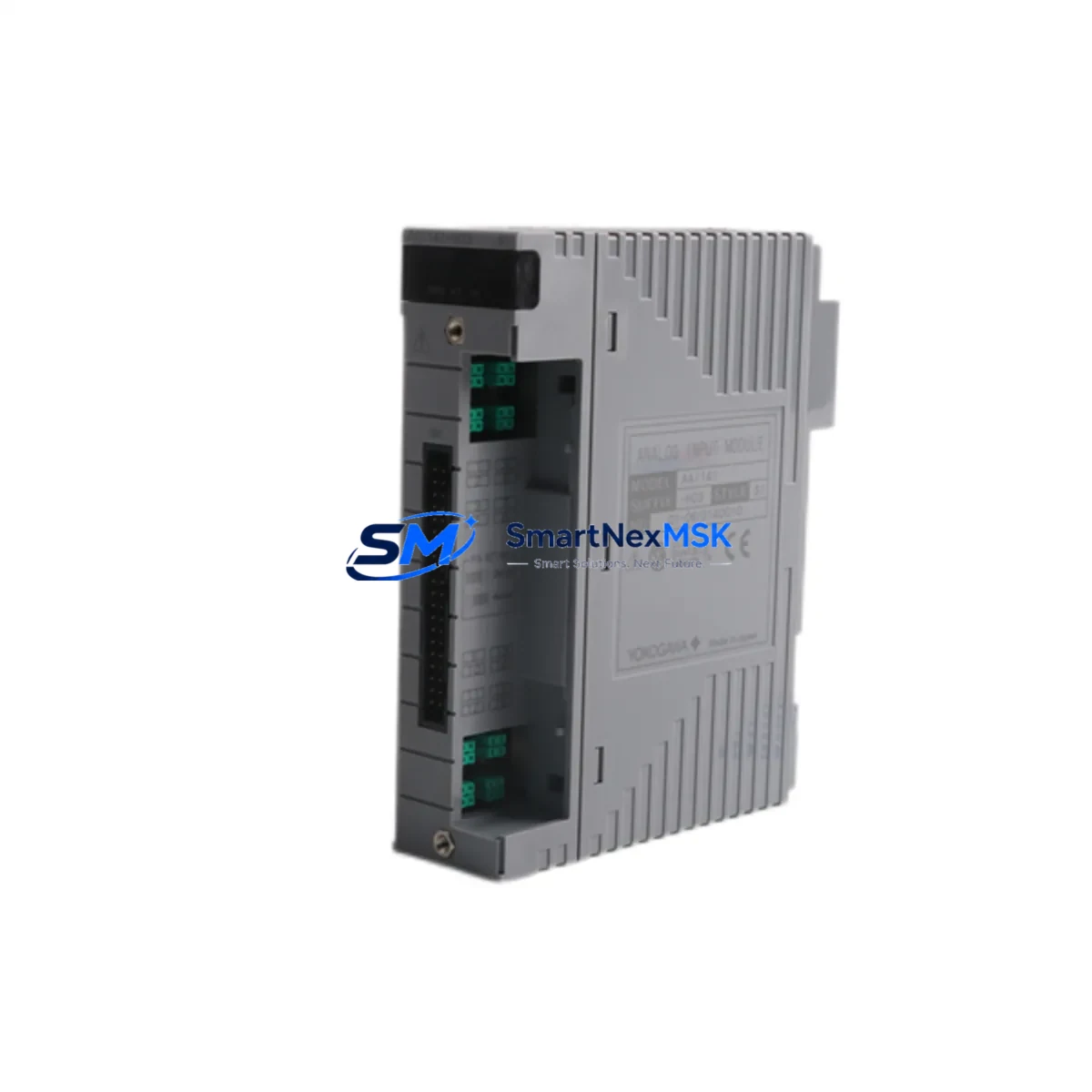
YOKOGAWA AAI141-H03 S1 Spare for CENTUM VP Automation: Spare Replacement & Industrial Downtime Risk Control
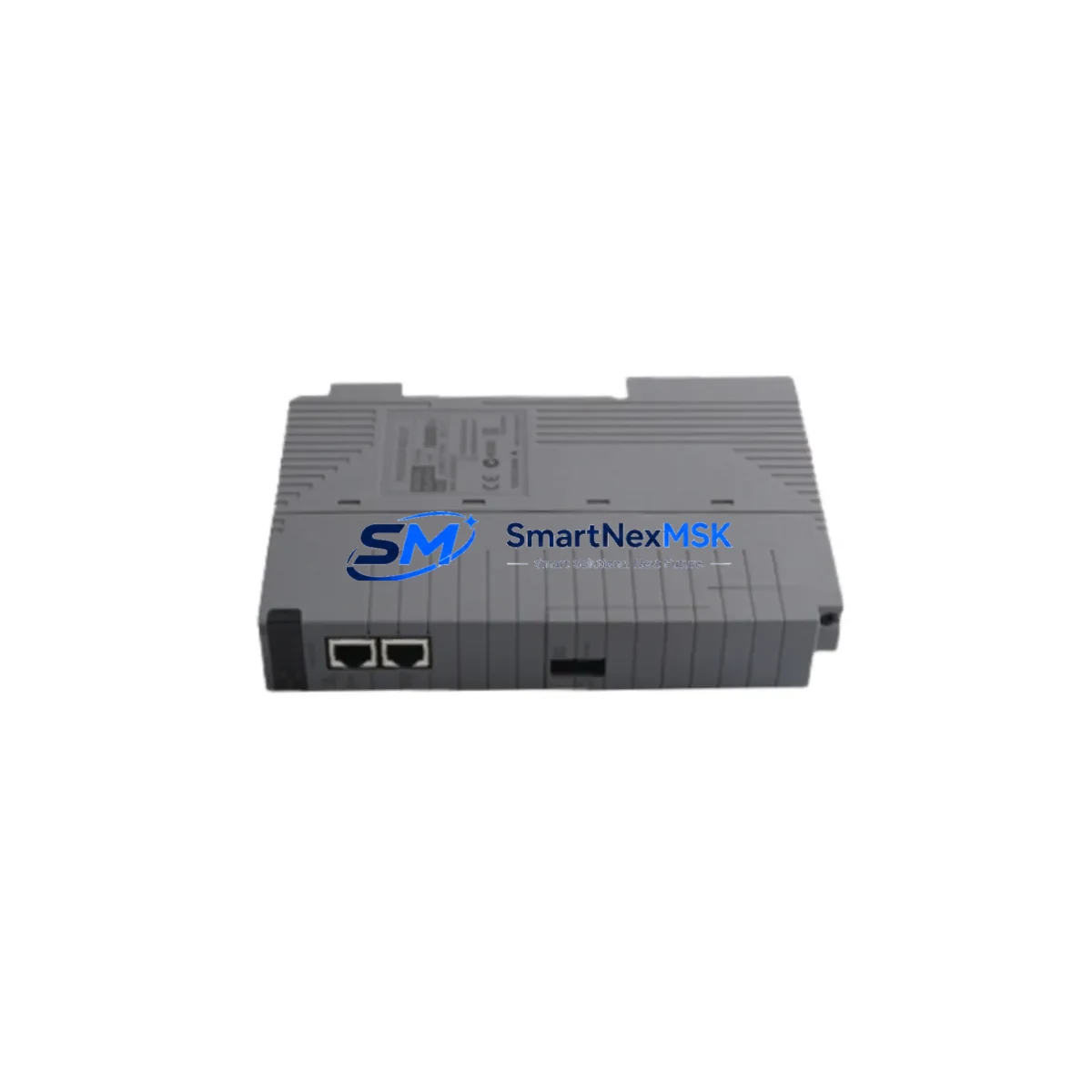
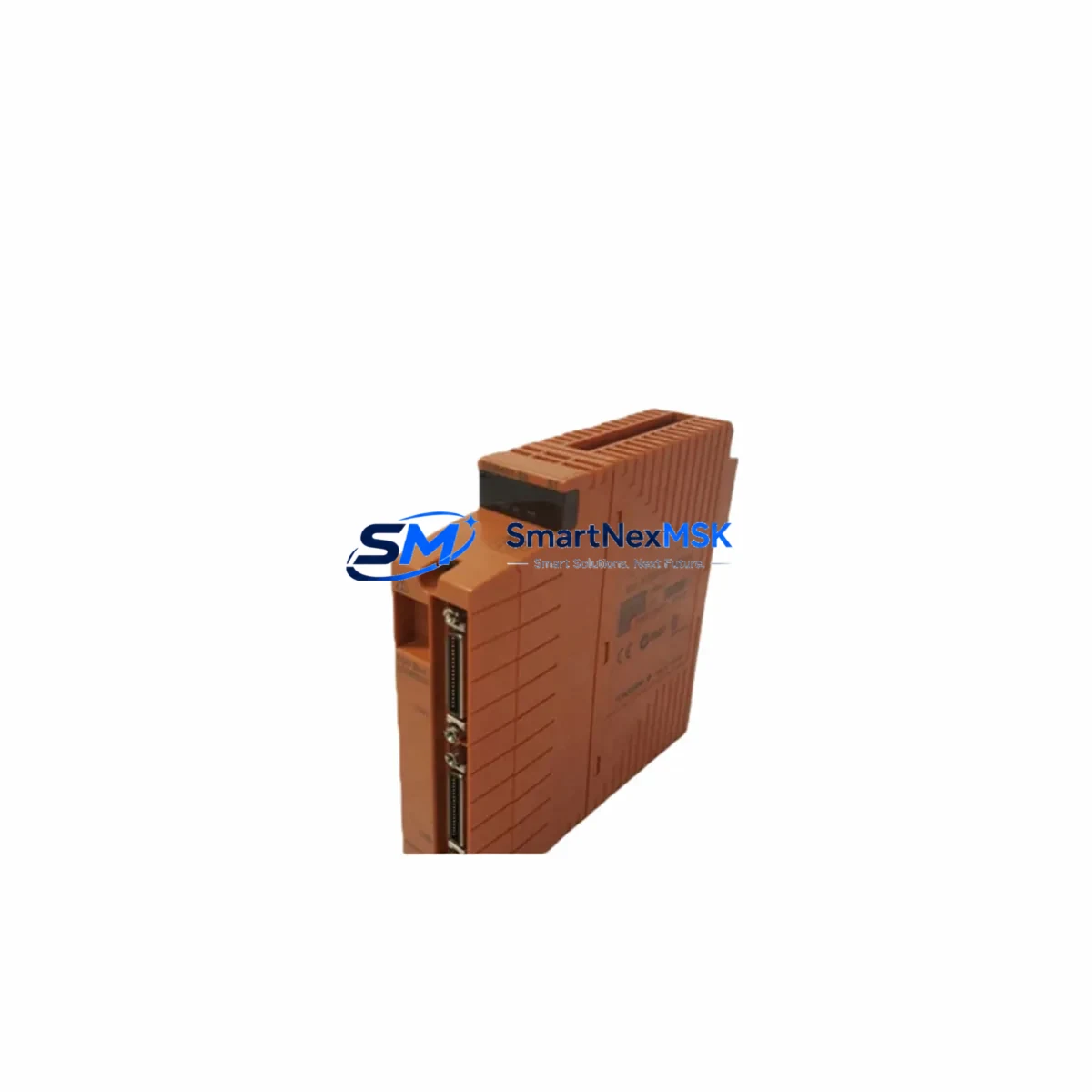
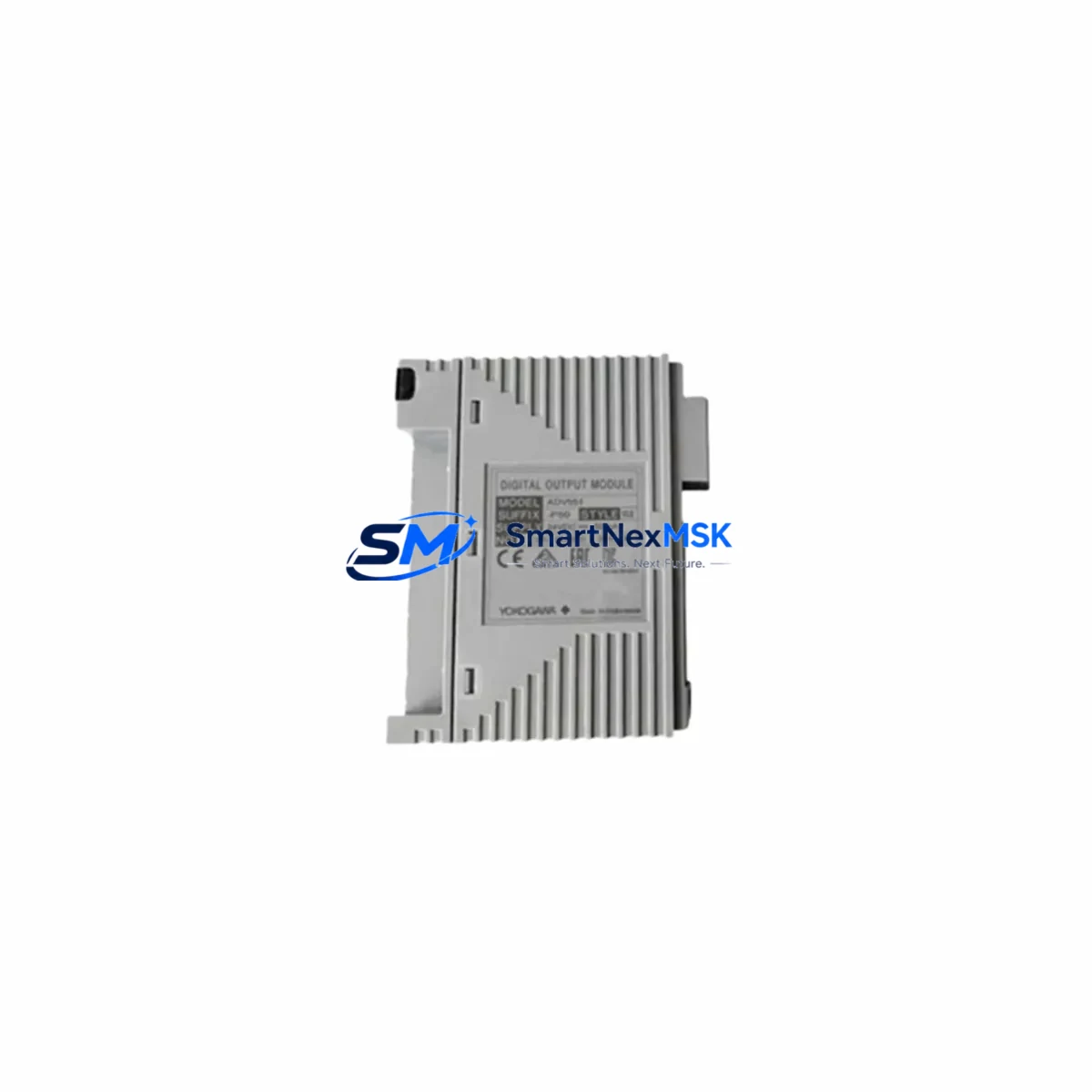
The YOKOGAWA AAI141-H03 S1 is an original analog input module designed for the CENTUM VP distributed control system — one of the most widely deployed DCS platforms in process industries including oil & gas, petrochemical, power generation, and pharmaceutical manufacturing. When this module fails or degrades, the consequences extend beyond a single I/O channel: the entire field signal loop is interrupted, process visibility is lost, and unplanned downtime begins accumulating costs immediately. Sourcing a verified, tested replacement unit is the fastest path to restoring normal operation.
At SMARTNEXMSK, we stock the AAI141-H03 S1 as a maintenance-ready spare — inspected, function-tested, and shipped with a 12-month warranty. Every unit is verified against YOKOGAWA’s original specifications before dispatch, ensuring drop-in compatibility with your existing CENTUM VP field control station (FCS) without requiring software reconfiguration or hardware modification.
Spare Maintenance Table
| Parameter | Specification |
|---|---|
| Part Number / SKU | AAI141-H03 S1 |
| Brand | YOKOGAWA |
| Series / Platform | CENTUM VP (Field Control Station) |
| Module Type | Analog Input Module |
| Input Channels | 16 channels (4–20 mA, HART-compatible) |
| Signal Range | 4–20 mA DC (with HART protocol support) |
| Resolution | 16-bit A/D conversion |
| Isolation | Channel-to-channel and channel-to-bus isolation |
| Power Supply | Supplied via CENTUM VP I/O bus backplane |
| Operating Temperature | 0°C to 55°C (standard industrial environment) |
| Mounting | CENTUM VP I/O nest / backplane slot |
| Origin | Japan |
| Compatibility | CENTUM VP R5.x / R6.x FCS configurations |
| Warranty | 12 months from date of shipment |
| Condition | Original spare — function-tested before dispatch |
| Shipping | ESD-safe packaging; DHL / FedEx express available |
Maintenance Planning for Continuous Operation
Replacing the AAI141-H03 S1 in a live CENTUM VP system is rarely an isolated task. Experienced maintenance engineers know that a failing analog input module is often a symptom of broader stress in the I/O subsystem. Before returning the loop to service, a thorough inspection of the surrounding components is strongly recommended.
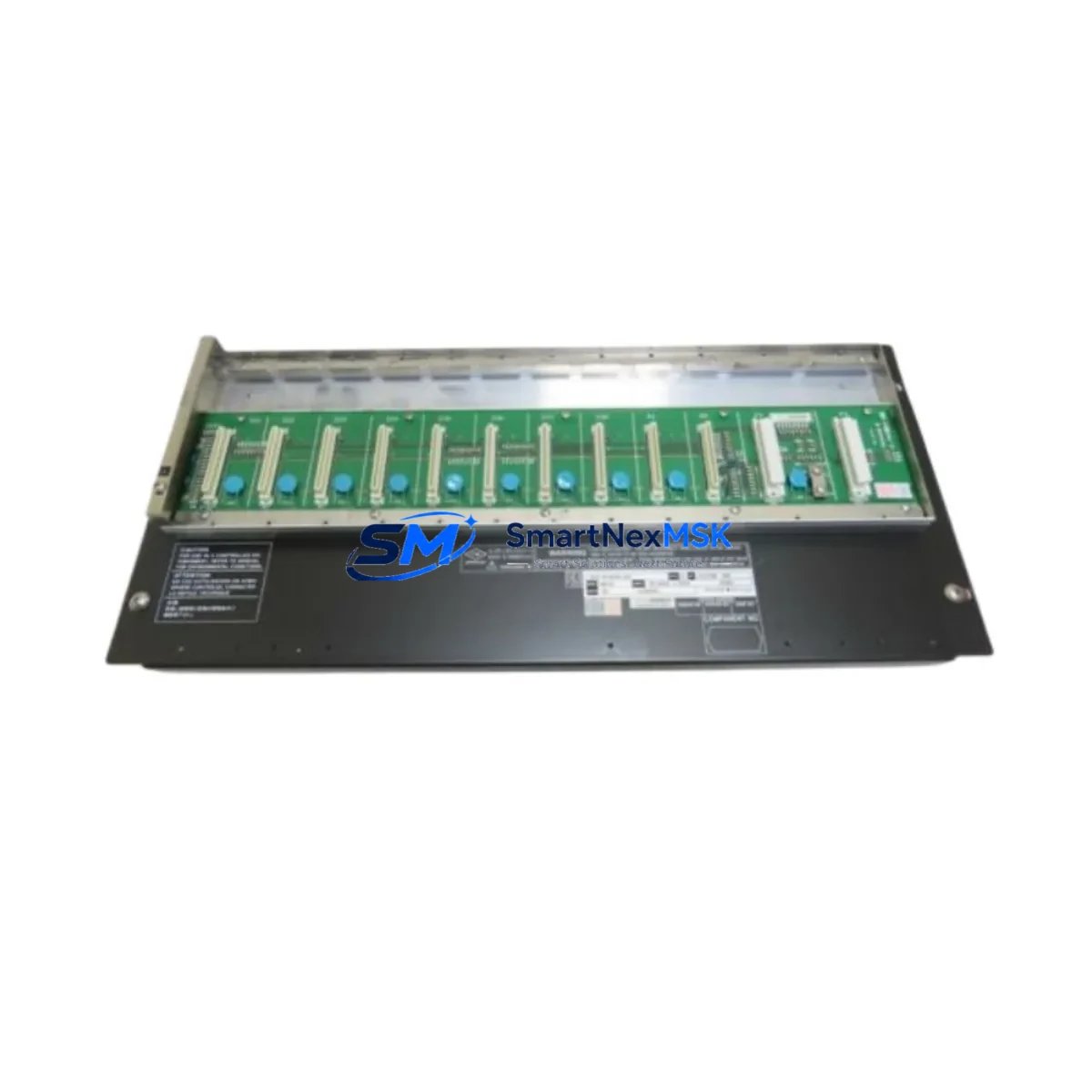
Start with the I/O nest and backplane: check for corrosion on the bus connectors, verify that the nest power supply module (such as the YOKOGAWA PW481 or equivalent nest PSU) is delivering stable voltage, and confirm that the backplane bus is free of mechanical damage. A degraded backplane can cause intermittent faults that mimic module failure.
Next, inspect the field wiring terminals and marshalling cabinet. Loose or corroded terminal connections on the field side are a leading cause of analog signal drift. If your installation uses YOKOGAWA TB series terminal boards or equivalent marshalling panels, verify torque on all screw terminals and check for moisture ingress — particularly in humid or coastal process environments.
For HART-enabled loops, confirm that the HART multiplexer or HART modem connected to this module is functioning correctly. A failed HART communication path can prevent asset management software from reading device diagnostics, masking developing faults in field instruments such as pressure transmitters or flow meters.
If your CENTUM VP station uses redundant I/O, verify that the redundant analog input module (typically a paired AAI141 or AAI143 unit) is healthy and that the redundancy switchover logic is operational. A single-point failure in a redundant pair is a high-priority maintenance item that should be resolved before the next planned shutdown.
Also review the FCS communication modules — such as the YOKOGAWA ACM12 or ESB bus coupler — that link the I/O nest to the field control station. Communication errors at the bus level can cause multiple I/O modules to report faults simultaneously, making it critical to distinguish bus-level issues from individual module failures during fault isolation.
For sites running older CENTUM CS 3000 hardware alongside CENTUM VP, consider whether AAI141-S50 or AAI135 legacy modules in adjacent nests are approaching end-of-life. Proactive spare stocking of these models alongside the AAI141-H03 S1 reduces the risk of extended downtime when legacy modules fail without available replacements.
Finally, if the process loop feeds a YOKOGAWA STARDOM FCN/FCJ or interfaces with a third-party safety instrumented system (SIS), verify that the analog signal handoff between systems remains within calibrated tolerance after module replacement. Signal isolation barriers or galvanic isolators in the loop should also be inspected for drift, as these components degrade over time and can introduce offset errors that are difficult to trace without systematic loop calibration.
Site Replacement Workflow
Step 1 — Fault Isolation: Use the CENTUM VP HIS (Human Interface Station) to identify the specific channel or module generating the fault alarm. Cross-reference with field instrument readings to confirm whether the fault originates at the module or in the field wiring.
Step 2 — Safe Removal: Place the affected I/O channel in manual mode at the HIS before removing the module. For non-redundant configurations, coordinate with the process operator to manage the affected loop manually during replacement. Power down the I/O nest only if required by your site safety procedure.
Step 3 — Module Swap: Remove the faulty AAI141-H03 S1 by releasing the module locking lever and sliding it out of the nest slot. Insert the replacement unit — no jumper or DIP switch configuration is required for standard CENTUM VP installations, as module parameters are stored in the FCS database.
Step 4 — Online Recognition: In most CENTUM VP configurations, the FCS will automatically recognize the replacement module and restore I/O communication within seconds. Verify channel status at the HIS and confirm that all 16 analog input channels are reading correctly against known field instrument values.
Step 5 — Loop Verification: Perform a loop check on critical channels using a calibrated 4–20 mA signal source. Document the as-found and as-left readings in your maintenance management system (CMMS) to support future trend analysis and predictive maintenance planning.
Step 6 — Spare Replenishment: Log the consumed spare and initiate a replenishment order to maintain your minimum stock level. For critical CENTUM VP installations, a minimum of one AAI141-H03 S1 per FCS cabinet is recommended as a standing spare.
Spare Parts Support FAQ
Q1: Is the AAI141-H03 S1 compatible with both CENTUM VP R5 and R6 systems?
Yes. The AAI141-H03 S1 is compatible with CENTUM VP R5.x and R6.x field control station configurations. The module parameters are managed by the FCS engineering database, so no hardware reconfiguration is required when replacing a like-for-like unit. If you are upgrading from an older CENTUM CS 3000 platform, please contact us to confirm cross-compatibility with your specific FCS revision.
Q2: How is each unit tested before shipment?
Every AAI141-H03 S1 unit we ship undergoes functional testing to verify analog input channel integrity, bus communication, and HART signal path continuity. Units are inspected for physical damage, connector condition, and firmware version before being packed in ESD-safe anti-static bags with protective foam inserts. A test report is available upon request.
Q3: What is your lead time and what warranty do you provide?
In-stock units are dispatched within 1–2 business days. Express shipping via DHL or FedEx is available for urgent maintenance requirements. All units are covered by a 12-month warranty from the date of shipment, covering defects in materials and workmanship under normal operating conditions. Warranty claims are processed with priority to minimize your downtime.
Q4: Can you support long-term spare parts planning for CENTUM VP systems?
Yes. SMARTNEXMSK specializes in long-term spare parts supply for YOKOGAWA CENTUM VP and legacy CENTUM CS 3000 systems. We can assist with spare parts list (SPL) development, minimum stock level recommendations, and scheduled replenishment programs to ensure your maintenance team always has critical modules available — including AAI141 series, AAI143, AAI835, AO series output modules, and FCS communication components.
© 2026 SMARTNEXMSK. All rights reserved.
Original Source: https://smartnexmsk.com
Contact: [email protected] | +86 18259474341