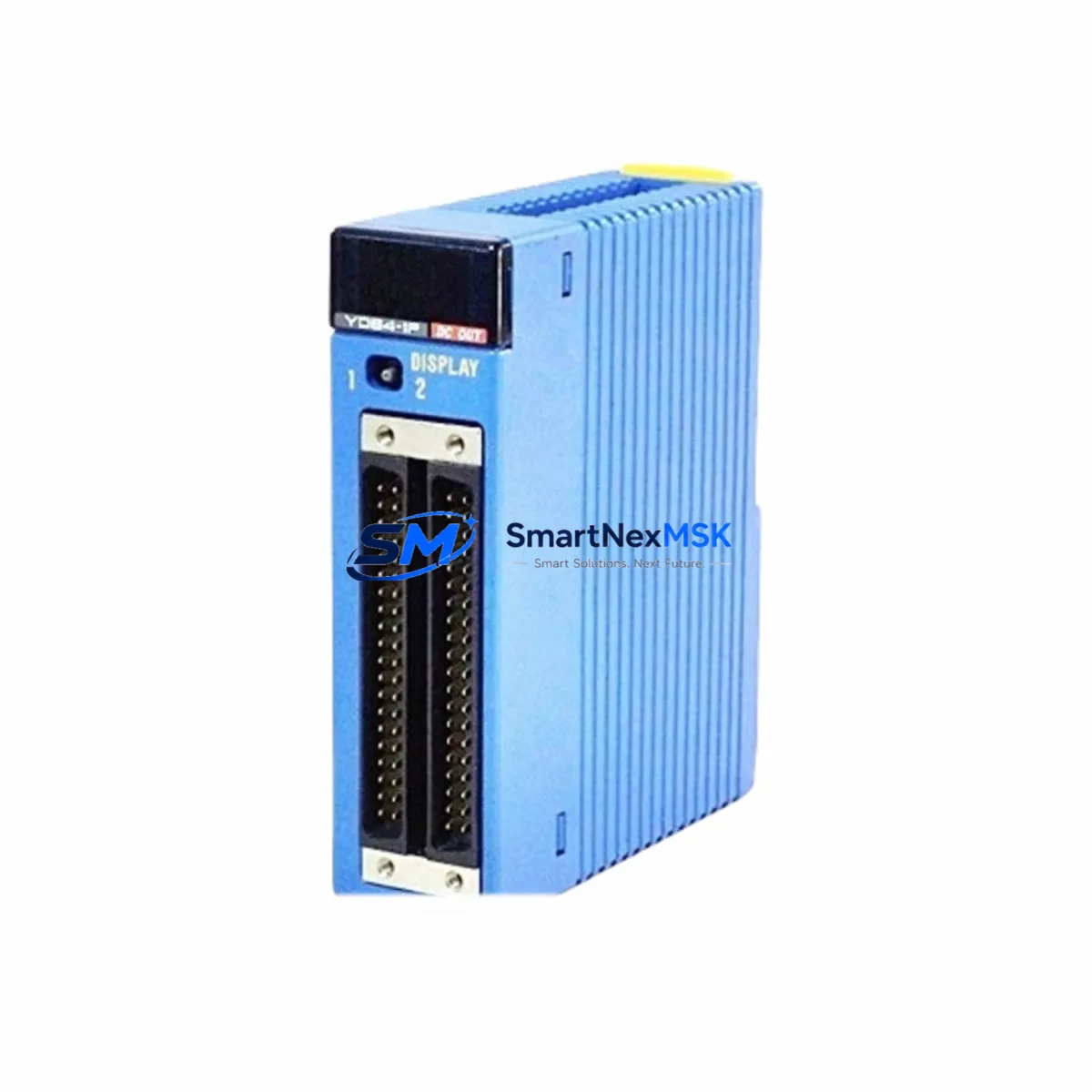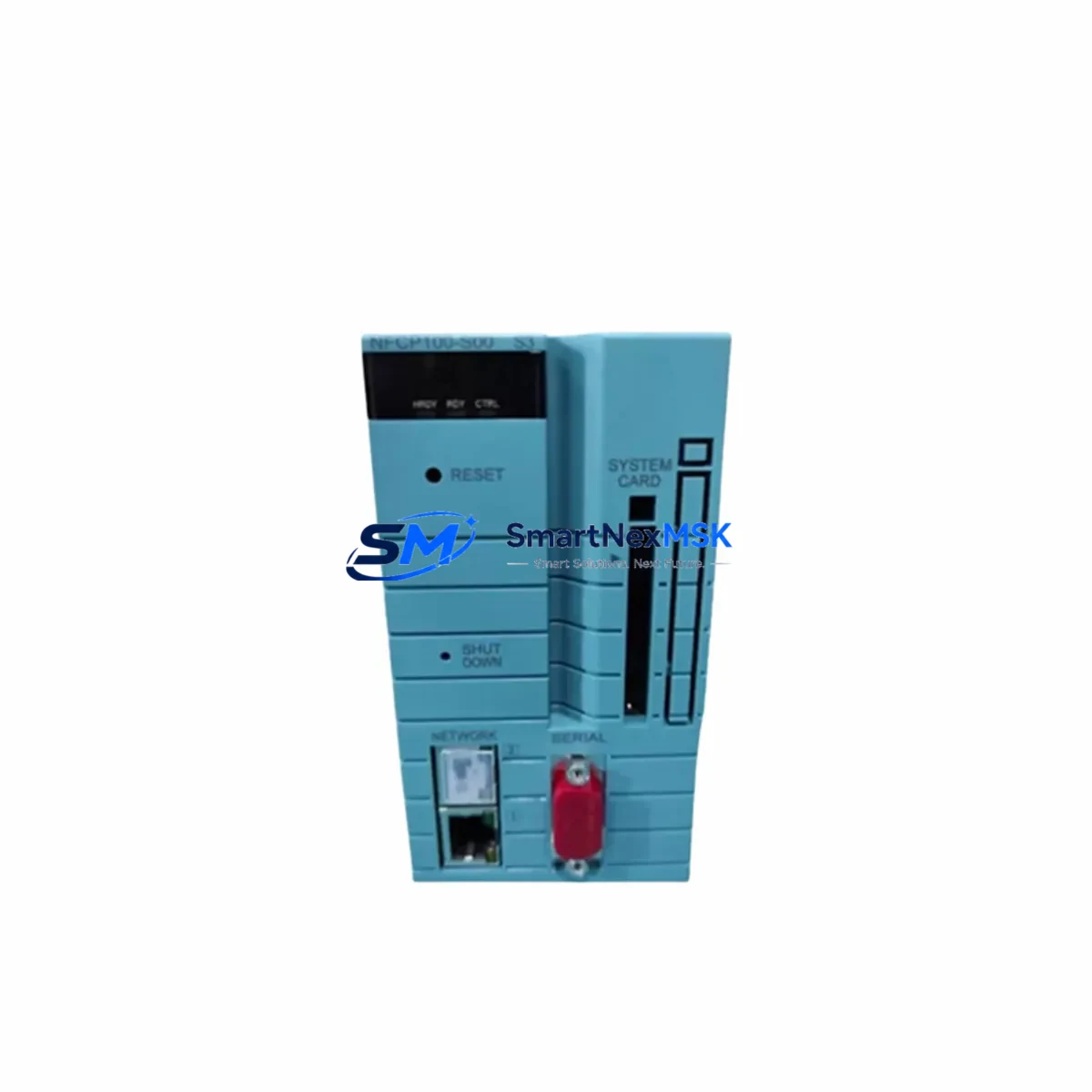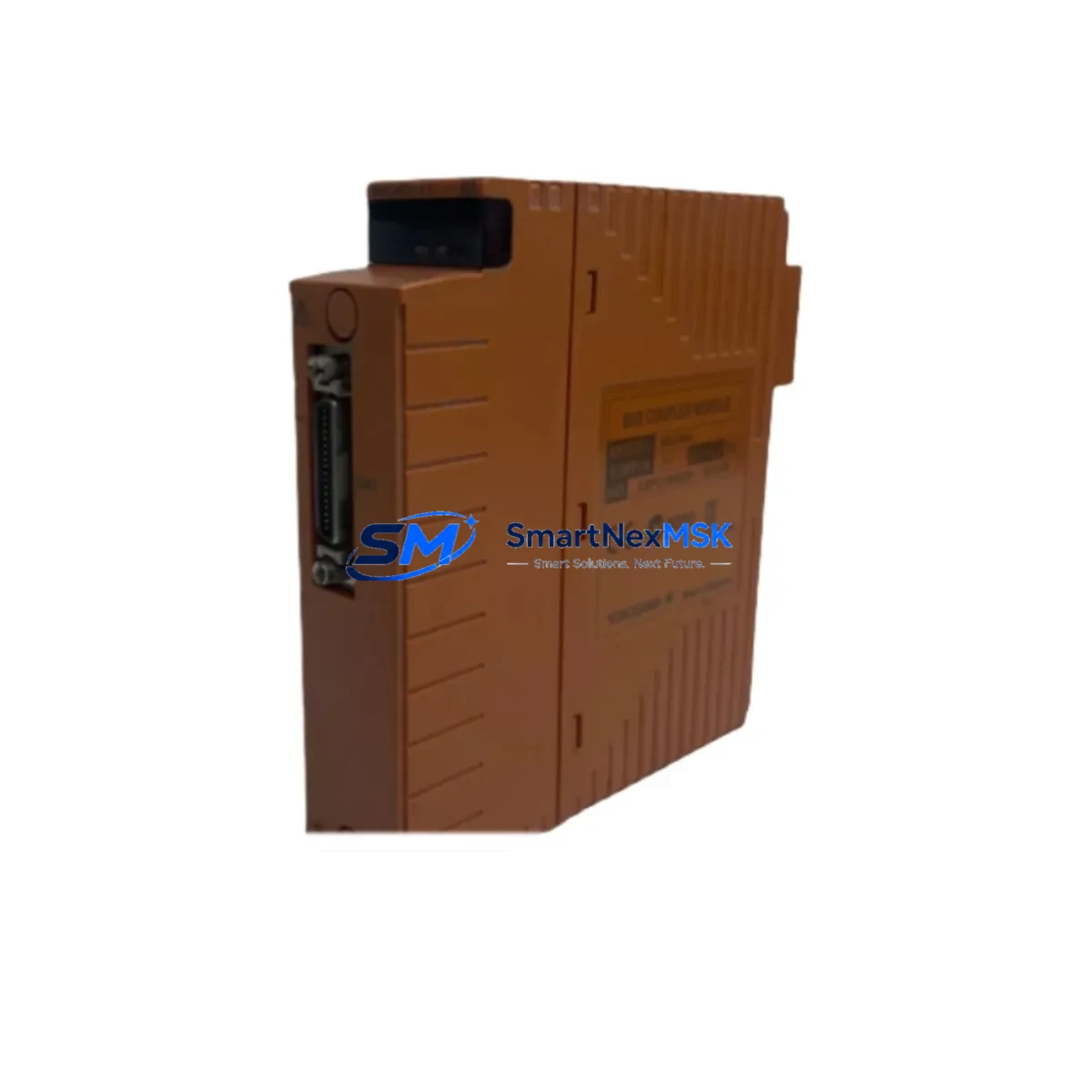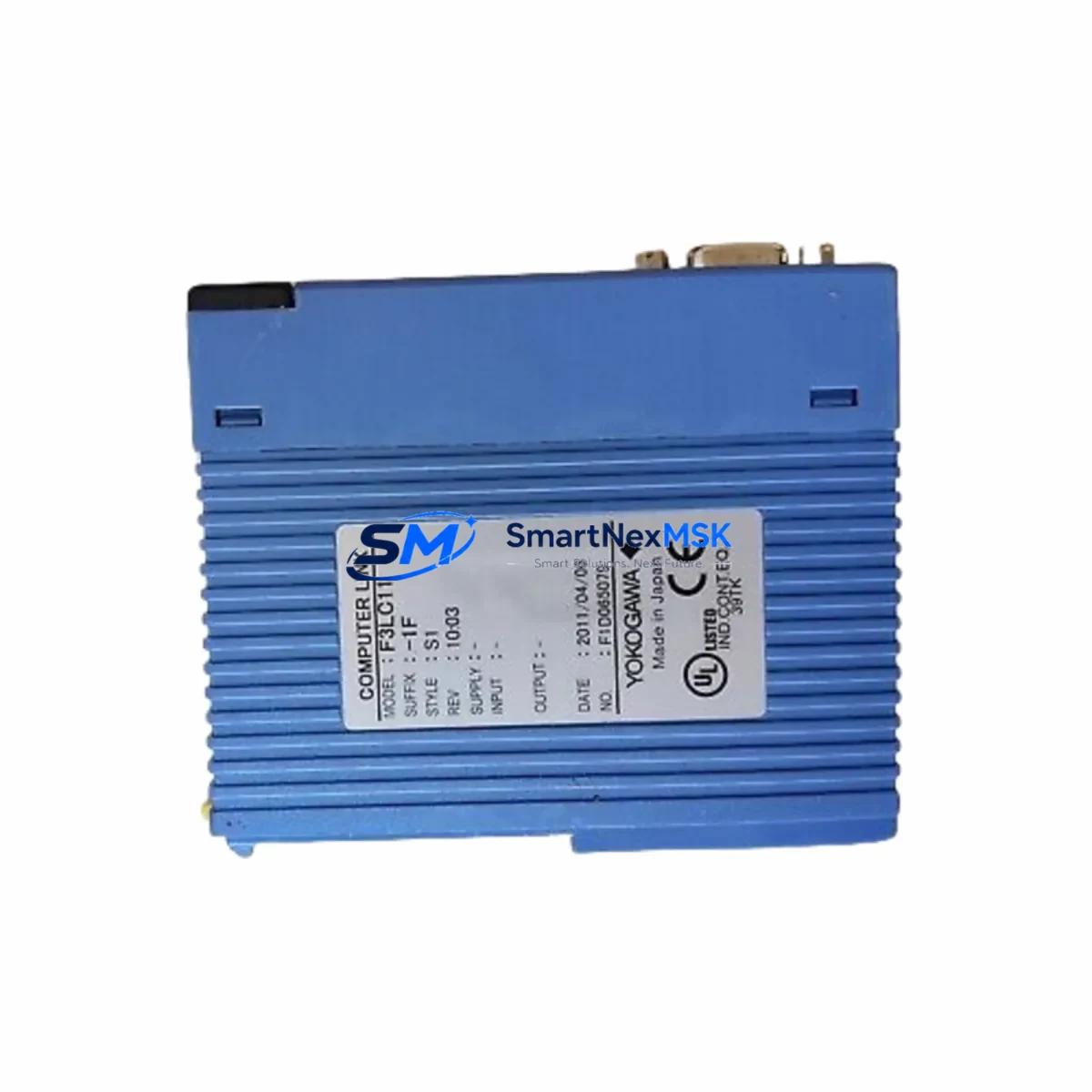
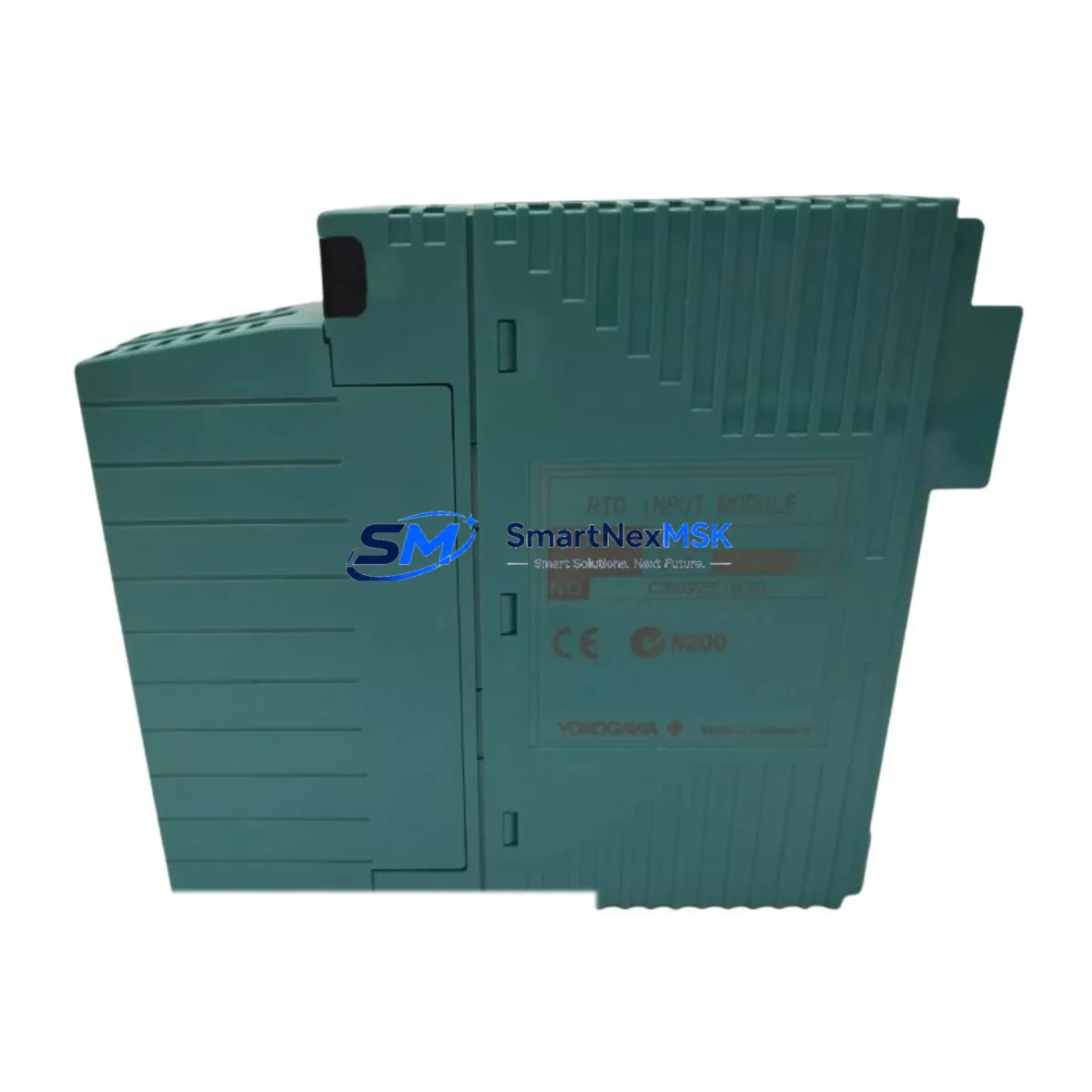
YOKOGAWA NFAR181-S50 S2 Retrofit-Ready RTD Input Module for CENTUM VP Control Systems
The YOKOGAWA NFAR181-S50 S2 is a high-precision RTD (Resistance Temperature Detector) input module designed for integration within the CENTUM VP Distributed Control System platform. As legacy CENTUM CS 3000 and earlier CENTUM VP installations reach end-of-life or require capacity expansion, the NFAR181-S50 S2 serves as a proven retrofit and drop-in replacement solution — enabling engineers to modernize aging temperature measurement loops without redesigning the entire control architecture.
This module supports up to 16 channels of RTD input, accepting Pt100, Pt1000, JPt100, and Ni100 sensor types across a wide measurement range. Its compatibility with the CENTUM VP field control station (FCS) backplane — including the AFV10S, AFV30S, and AFV40S node units — makes it a preferred choice for brownfield upgrade projects where minimizing rack reconfiguration and rewiring time is critical. The NFAR181-S50 S2 mounts directly into standard CENTUM VP I/O nest units such as the ANB10S and ANB11S, preserving existing terminal block wiring and field cable routing.
When replacing an obsolete NFAR181-S50 or earlier NFAR series module, engineers should verify the following before installation: power supply capacity of the I/O nest (typically 24 VDC from the PW481 or PW482 power supply module), terminal block pinout compatibility, module address assignment within the FCS node configuration, and the revision level of the CENTUM VP engineering environment (CAMS for HIS). In most cases, the replacement module can be recognized automatically by the FCS without requiring a full download, provided the I/O module address and channel configuration remain unchanged in the project database.
For sites running CENTUM CS 3000 R3 or earlier, migration to CENTUM VP using the NFAR181-S50 S2 typically involves updating the HIS (Human Interface Station) engineering data, remapping tag addresses in the FCS function blocks, and verifying that the CENTUM VP communication bus — whether via Vnet/IP or the legacy V-net coaxial backbone — correctly enumerates the new module. Projects that also involve upgrading the communication infrastructure should plan for parallel commissioning of the ESB bus coupler (ESB10S) and the associated field network wiring.
Upgrade Compatibility Table
| Parameter | Detail |
|---|---|
| Module SKU | NFAR181-S50 S2 |
| Compatible Platform | YOKOGAWA CENTUM VP (all revisions), CENTUM CS 3000 (with adapter) |
| I/O Nest Compatibility | ANB10S, ANB11S standard I/O nest units |
| Node Unit Compatibility | AFV10S, AFV30S, AFV40S Field Control Stations |
| Communication Bus | Vnet/IP (primary), V-net coaxial (legacy) |
| Input Types Supported | Pt100, Pt1000, JPt100, Ni100 RTD sensors |
| Channel Count | 16 channels per module |
| Power Supply Requirement | 24 VDC via PW481 / PW482 power supply module |
| Terminal Block Wiring | Compatible with existing CENTUM VP field terminal assemblies |
| Module Address Assignment | Configured via CENTUM VP engineering environment (CAMS for HIS) |
| Replacement for | NFAR181-S50 (earlier suffix), NFAR181 series legacy variants |
| Installation Type | Hot-swap capable (with FCS redundancy enabled) |
| Warranty | 12 months from date of shipment |
Retrofit Planning for Existing Automation Systems
A successful retrofit using the NFAR181-S50 S2 begins with a thorough audit of the existing control cabinet. Engineers should document the current I/O nest population, confirm available slots in the ANB10S or ANB11S nest, and verify that the PW481 or PW482 power supply module has sufficient headroom to support the additional module load. In multi-nest configurations, the ESB10S bus coupler must be checked for firmware compatibility with the replacement module’s communication protocol revision.
Field wiring connected to the existing RTD input module should be labeled and photographed before removal. The NFAR181-S50 S2 uses the same terminal block layout as its predecessors, so in most cases the existing field terminal assembly (FTA) can be reused without modification. However, if the site is also upgrading from a legacy NFAR181 to the S50 S2 suffix variant, engineers should confirm that the FTA model — typically an ATD5D or ATD5S terminal assembly — is rated for the new module’s input impedance specifications.
For projects that include simultaneous upgrades to the HIS workstation or the CENTUM VP software revision, it is advisable to complete the I/O module replacement first and validate all RTD channel readings before proceeding with software migration. This approach isolates variables and reduces the risk of misdiagnosis during commissioning. Sites that are also replacing the FCS processor card (such as migrating from an older CP451 to a CP461 or CP471 controller) should treat the NFAR181-S50 S2 installation as a separate work package to maintain clear traceability in the project change log.
In control cabinets where space is limited, the compact form factor of the NFAR181-S50 S2 allows it to coexist with other CENTUM VP I/O modules such as the NFAI143 analog input module, the NFAO141 analog output module, the NFDV151 digital input module, and the NFDO151 digital output module — all within the same ANB10S nest. This flexibility is particularly valuable in retrofit scenarios where the original cabinet layout must be preserved to avoid civil works or cable tray modifications.
Downtime Control During System Migration
Minimizing production downtime is the primary concern in any brownfield retrofit. For sites with CENTUM VP redundancy enabled at the FCS level, the NFAR181-S50 S2 can be installed and recognized by the system during a planned maintenance window without requiring a full FCS shutdown. The hot-swap procedure requires that the replacement module be pre-configured in the CENTUM VP project database and that the FCS is operating in redundant mode with the primary and secondary controllers synchronized.
Before initiating the swap, operators should place all affected control loops in manual mode at the HIS operator station. This prevents process upsets caused by momentary loss of RTD input signals during the module changeover. Once the NFAR181-S50 S2 is seated in the nest and recognized by the FCS, channel readings should be verified against independent field instruments before returning loops to automatic control. The entire procedure — from module removal to loop verification — typically takes 15 to 30 minutes per nest when performed by an experienced CENTUM VP commissioning engineer.
For sites without FCS redundancy, a brief FCS restart may be required after module installation. In this case, the project team should prepare a pre-shutdown checklist that includes: saving the current FCS database, exporting the active alarm list from the HIS, notifying upstream and downstream process units, and confirming that all safety instrumented system (SIS) interlocks are in a safe state. Post-restart, the CENTUM VP system will perform an automatic I/O scan and enumerate the new NFAR181-S50 S2 module, after which channel calibration and loop verification can proceed.
All NFAR181-S50 S2 modules supplied by SMARTNEXMSK are subject to pre-shipment functional testing, including channel-by-channel RTD simulation across the full measurement range. A test report is available upon request. Each unit is covered by a 12-month warranty from the date of shipment, with advance replacement available for qualified accounts.
Retrofit Support FAQ
Q1: Is the NFAR181-S50 S2 a direct drop-in replacement for the earlier NFAR181-S50 (without S2 suffix)?
In most cases, yes. The S2 suffix denotes a hardware revision that maintains backward compatibility with the same ANB10S/ANB11S nest slots, terminal block pinout, and CENTUM VP module address scheme. However, engineers should verify the CENTUM VP software revision level in the CAMS for HIS engineering environment to confirm that the S2 variant is recognized without requiring a project database update. Sites running CENTUM VP R4.03 or later typically require no changes to the project configuration.
Q2: What wiring changes are required when replacing a legacy NFAR181 with the NFAR181-S50 S2?
In the majority of retrofit projects, no field wiring changes are required. The NFAR181-S50 S2 uses the same terminal block layout and FTA interface as the legacy NFAR181 series. Engineers should confirm that the existing ATD5D or ATD5S field terminal assembly is in serviceable condition and that all RTD sensor cables are correctly labeled before proceeding with the swap. If the existing FTA shows signs of corrosion or mechanical wear, replacement with a new ATD5D is recommended as part of the retrofit scope.
Q3: Can the NFAR181-S50 S2 be used in a CENTUM CS 3000 system?
Direct installation into a CENTUM CS 3000 nest is not supported without an adapter, as the CS 3000 uses a different backplane connector standard. For sites migrating from CS 3000 to CENTUM VP, the NFAR181-S50 S2 is intended for use in the new CENTUM VP I/O nest infrastructure. The migration project should include replacement of the CS 3000 nest units (such as the ANB10D) with CENTUM VP-compatible ANB10S nests, along with re-termination of field cables to the new FTA assemblies.
Q4: What does the 12-month warranty cover, and what is the pre-shipment testing process?
All NFAR181-S50 S2 modules supplied by SMARTNEXMSK are tested prior to shipment using RTD simulation equipment to verify channel accuracy, input range, and communication with a CENTUM VP FCS test bench. The 12-month warranty covers manufacturing defects and functional failures under normal operating conditions. It does not cover damage resulting from incorrect installation, overvoltage, or environmental conditions outside the module’s rated specifications. A test report documenting channel-by-channel results is available upon request at the time of order.
© 2026 SMARTNEXMSK. All rights reserved.
Original Source: https://smartnexmsk.com
Contact: [email protected] | +86 18259474341