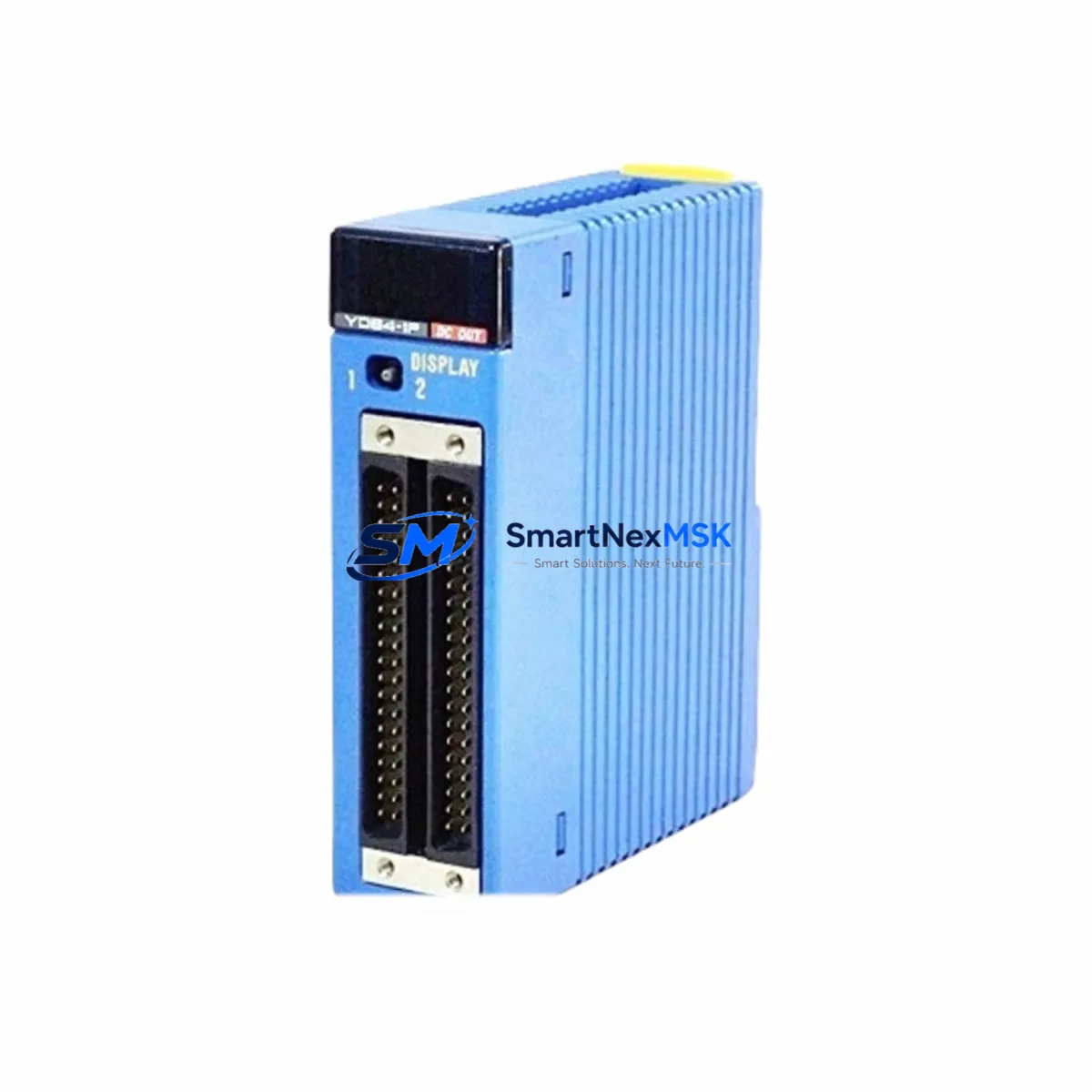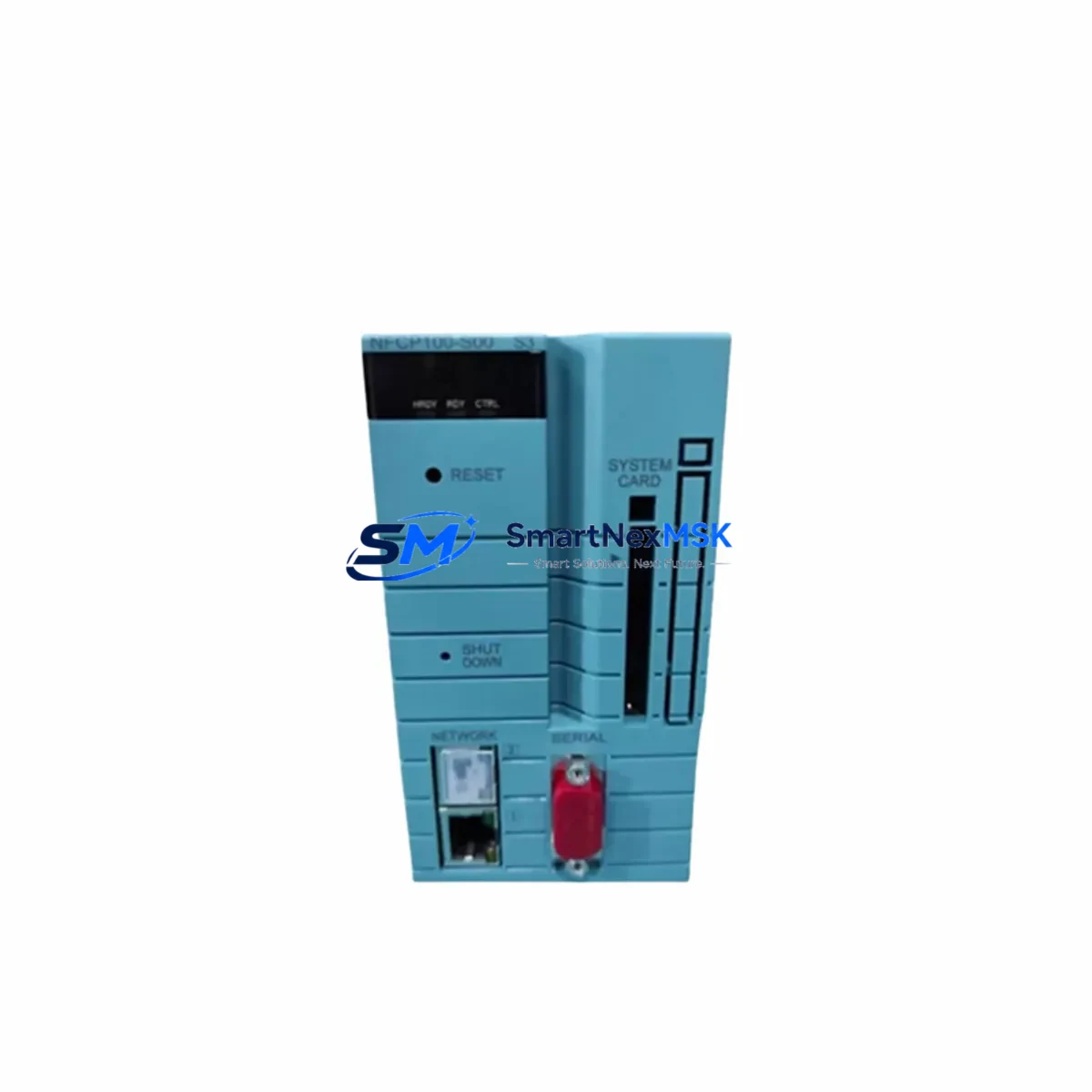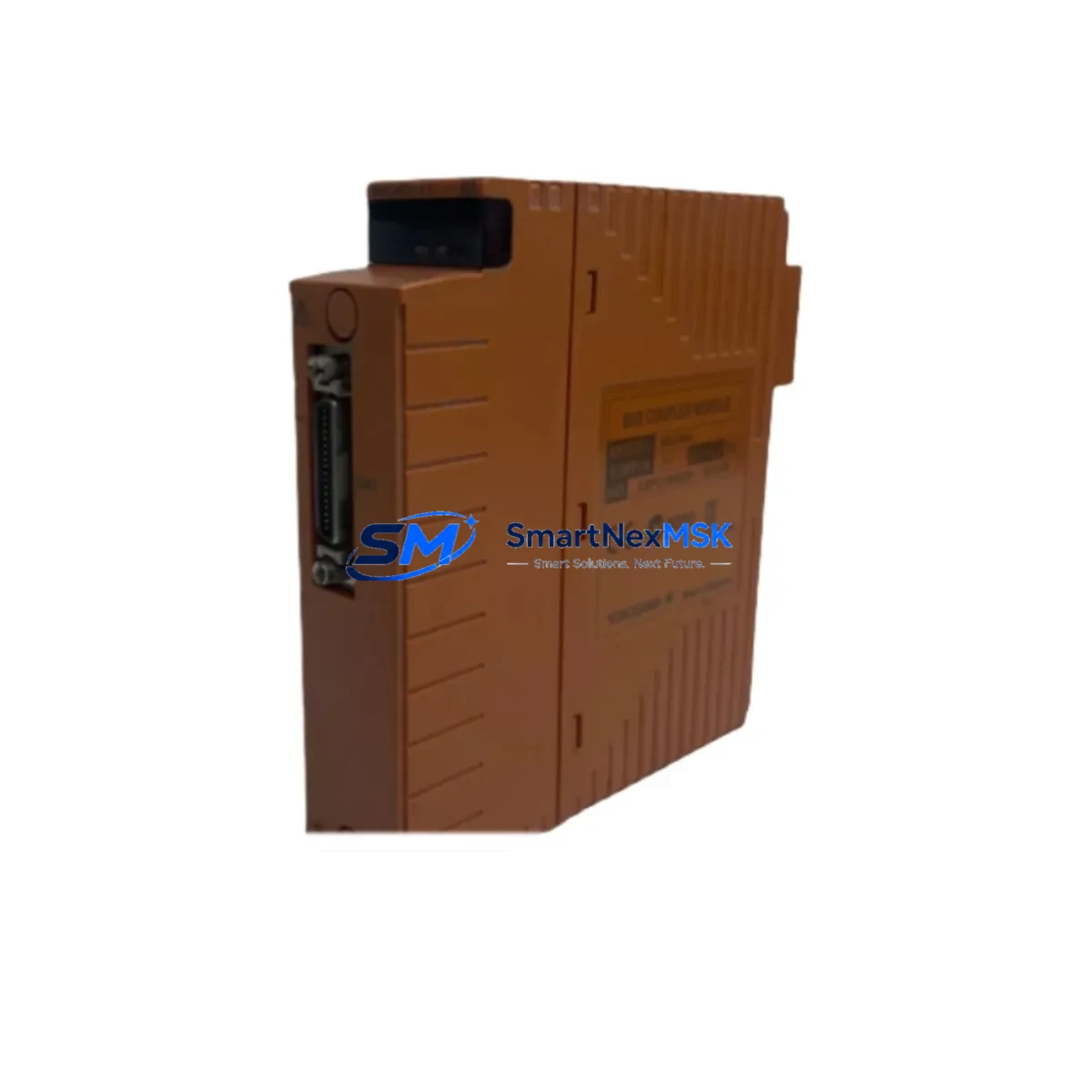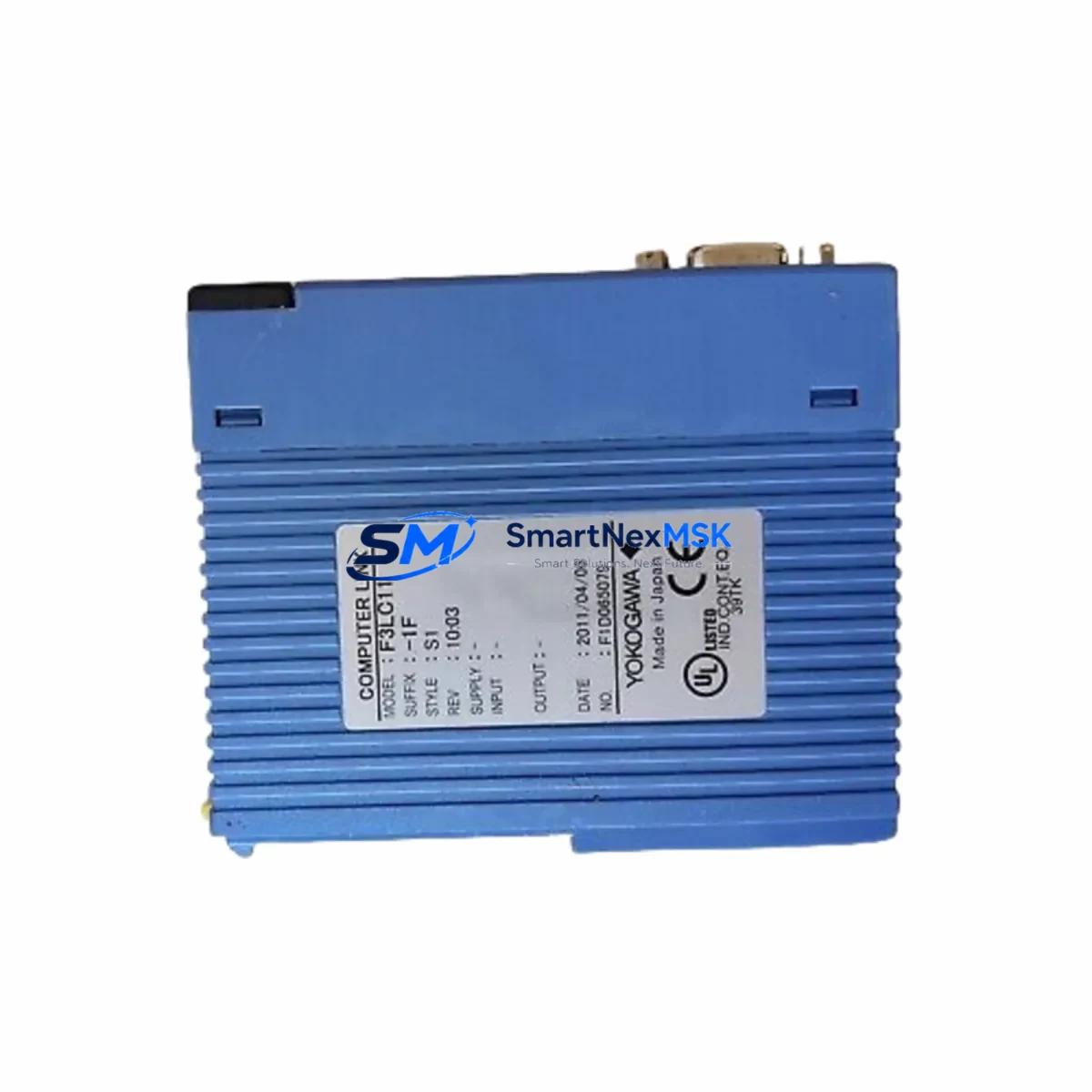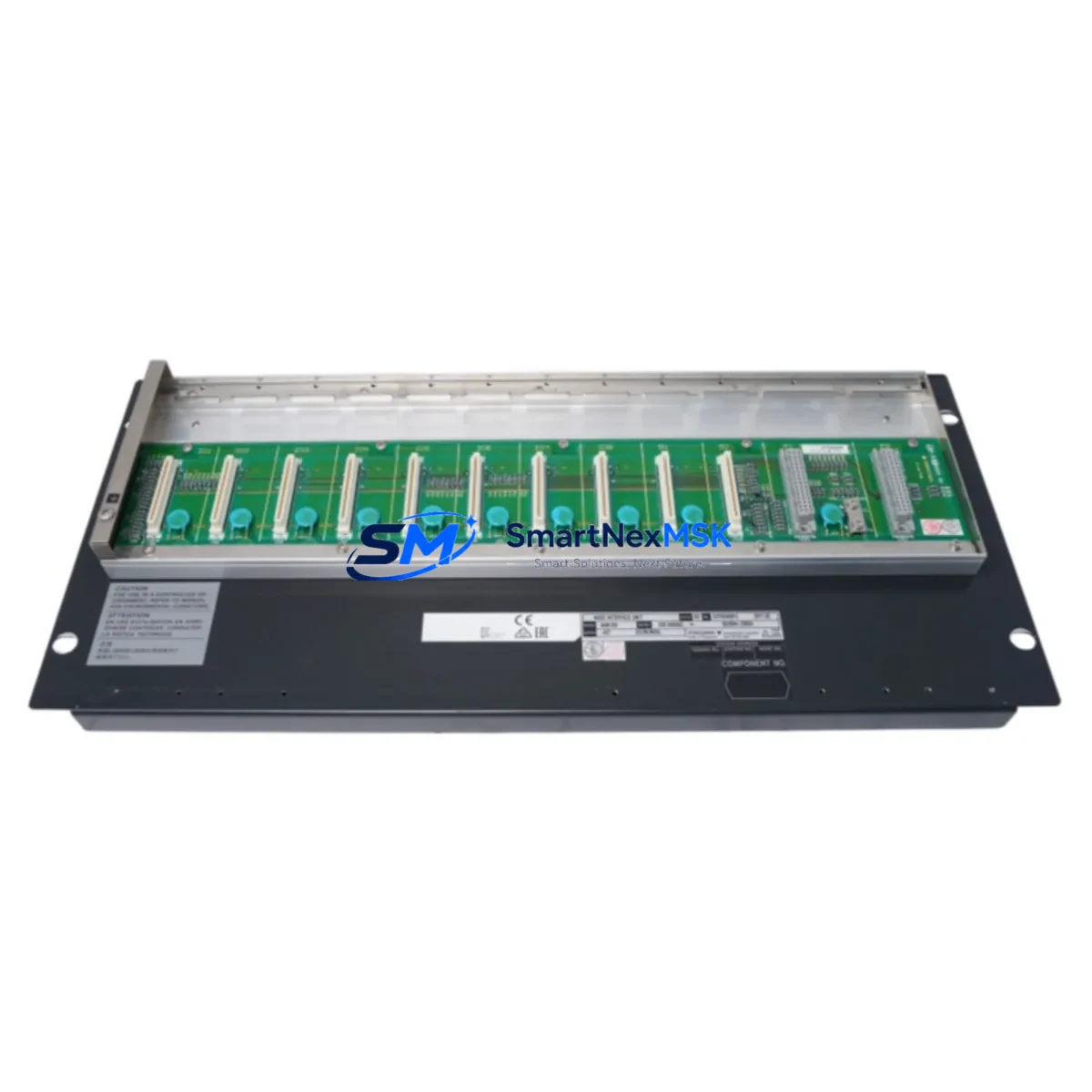
Yokogawa ANB10D-427/CU2N Retrofit-Ready ESB Bus Node for CENTUM CS3000 Control Systems
The Yokogawa ANB10D-427/CU2N is an ESB (Enhanced Signal Bus) Bus Node Module designed for integration within the CENTUM CS3000 Distributed Control System platform. As legacy CS3000 installations approach end-of-life support cycles, the ANB10D-427/CU2N has become a critical retrofit and replacement component for engineers managing aging control infrastructure across refining, petrochemical, power generation, and process manufacturing facilities. This module serves as a direct drop-in replacement for discontinued or failed ESB bus node units, enabling seamless continuity of field I/O communication without requiring full system migration or PLC platform replacement.
Sourced from verified supply channels and subject to pre-shipment functional testing, each ANB10D-427/CU2N unit is backed by a 12-month warranty covering manufacturing defects and operational failures under normal service conditions. Inventory is maintained in stock for rapid dispatch to support emergency shutdowns, planned turnarounds, and scheduled maintenance windows globally.
Upgrade Compatibility Table
| Parameter | ANB10D-427/CU2N Specification | Retrofit Notes |
|---|---|---|
| Compatible Platform | CENTUM CS3000 DCS | Verify firmware revision of FCS (Field Control Station) before installation |
| Bus Interface | ESB (Enhanced Signal Bus) | Confirm ESB cable continuity and termination resistors at both ends of the bus segment |
| Backplane / Rack Compatibility | CS3000 standard node unit rack | Check rack slot assignment; module address must match original configuration in HIS (Human Interface Station) |
| Power Supply Requirement | 24 VDC (supplied via backplane) | Verify PW481 or PW482 power supply module output capacity before hot-swap; confirm no overload on shared rail |
| Terminal Wiring | Backplane-connected; no direct field wiring | No re-termination required; confirm ESB connector seating and locking tab engagement |
| Communication Compatibility | ESB protocol (Yokogawa proprietary) | Not interchangeable with Vnet/IP or ER Bus segments; confirm bus type in system drawing |
| Replacement Scope | Direct replacement for ANB10D series variants | Cross-reference with ANB10D-427/CU1N and ANB10D-427/CU3N for variant-specific differences |
| Commissioning Requirement | Module address auto-detected via ESB scan | Perform FCS download verification and I/O point check via HIS after replacement |
| Warranty | 12 Months | Covers manufacturing defects; excludes physical damage from improper installation |
Retrofit Planning for Existing Automation Systems
Replacing the ANB10D-427/CU2N within an operational CENTUM CS3000 environment requires a structured approach that accounts for the interdependencies between the bus node, the field control station, and the downstream I/O subsystem. The ESB bus node acts as the communication bridge between the FCS processor and the remote I/O units — typically AAI143-S00, AAI543-H00, or AAI841-S00 analog input/output modules mounted in field node unit racks. Before initiating a replacement, engineers should audit the ESB segment topology using the CS3000 System Builder tool to confirm the node address, slot position, and the number of I/O modules dependent on this specific bus node.
Power budget verification is a mandatory pre-replacement step. The PW481 or PW482 power supply modules feeding the node unit rack must have sufficient headroom to support the replacement ANB10D-427/CU2N without triggering an overload alarm on the shared 24 VDC rail. In installations where multiple node units share a single power supply, a temporary load calculation should be performed before the swap.
For sites running CENTUM CS3000 R3 or earlier, it is advisable to confirm that the replacement module’s hardware revision is compatible with the installed FCS firmware. Yokogawa’s compatibility matrix, available through the CS3000 engineering documentation, should be consulted to avoid firmware mismatch errors that can prevent the bus node from initializing correctly after installation. In parallel, the HIS operator station should be prepared to monitor the ESB bus status in real time during the replacement window.
Wiring adaptation is generally not required for the ANB10D-427/CU2N since all field signal connections are routed through the backplane and ESB cable assembly rather than direct terminal blocks. However, the ESB cable connectors — typically the KS1-1 or KS1-2 type — should be inspected for pin corrosion or mechanical damage before reconnection. If the installation includes a redundant ESB bus configuration, both primary and secondary bus paths must be verified for continuity after the module swap.
Sites that also operate CENTUM VP systems in adjacent control rooms should note that the ANB10D-427/CU2N is not directly compatible with the Vnet/IP communication architecture used in CENTUM VP. If the retrofit scope includes a phased migration from CS3000 to CENTUM VP, the bus node replacement should be treated as an interim measure, with the longer-term plan involving the introduction of AFV10D or ANB10D-VP series modules aligned with the new platform’s communication protocol. During this transition period, the existing CS3000 FCS, HIS workstations, and Exaopc OPC server connections should remain fully operational to avoid disruption to SCADA and historian data flows.
For I/O expansion projects running alongside the bus node replacement, engineers frequently integrate additional AAI143-S00 analog input modules or ADV151-P00 digital input modules into the same node unit rack. The ANB10D-427/CU2N supports the full range of CS3000-compatible I/O modules, and the system’s I/O capacity can be extended without modifying the FCS control logic, provided the new I/O points are correctly defined in the CS3000 System Builder and downloaded to the FCS before commissioning.
Downtime Control During System Migration
Minimizing unplanned downtime during an ANB10D-427/CU2N replacement is achievable through disciplined pre-work and a clearly defined cutover sequence. The recommended approach begins with a full backup of the FCS control database and HIS configuration files using the CS3000 System Builder export function. This ensures that the original program logic, I/O tag assignments, alarm setpoints, and PID tuning parameters can be restored immediately in the event of an unexpected complication during the replacement.
Where the process allows, the replacement should be scheduled during a planned maintenance window or a low-production period to reduce the operational impact of a temporary ESB bus interruption. In redundant bus configurations, the secondary ESB path can be kept active while the primary bus node is replaced, maintaining partial I/O communication and reducing the risk of a complete field signal blackout. After the new ANB10D-427/CU2N is seated and the ESB cable is reconnected, the FCS will automatically attempt to re-establish communication with the bus node. The HIS alarm summary and the CS3000 diagnostic display should be monitored closely during this re-initialization phase to confirm that all I/O modules on the affected ESB segment return to normal communication status.
For sites where a cold swap is unavoidable — such as when the failed bus node has caused a complete ESB segment fault — the recovery sequence should prioritize restoring the FCS to a known-good state before re-enabling field outputs. This typically involves placing all output modules in a safe hold state via the HIS, performing the bus node replacement, confirming ESB communication recovery, and then systematically re-enabling outputs in coordination with field operators. The entire cold-swap sequence, from module removal to confirmed I/O restoration, can typically be completed within 30 to 60 minutes by an experienced CS3000 maintenance engineer, provided the replacement ANB10D-427/CU2N is on-site and pre-tested before the maintenance window begins.
Retrofit Support FAQ
Q1: Is the ANB10D-427/CU2N a direct replacement for the ANB10D-427/CU1N?
The ANB10D-427/CU2N and ANB10D-427/CU1N are variants within the same ANB10D product family. The CU2N suffix typically denotes a hardware revision with updated component specifications. In most CS3000 installations, the CU2N can replace the CU1N without changes to the FCS program or I/O configuration, but it is recommended to verify hardware revision compatibility against the installed FCS firmware version using Yokogawa’s official compatibility documentation before proceeding.
Q2: What commissioning steps are required after installing the ANB10D-427/CU2N?
After physical installation, confirm that the ESB cable connectors are fully seated and locked. Power on the node unit rack and monitor the HIS diagnostic display for ESB bus status. The FCS should automatically detect the replacement module and re-establish communication with all downstream I/O modules on the segment. Perform a full I/O point check from the HIS to verify that all analog and digital signals are reading correctly. If any I/O module fails to communicate, check the module address settings and ESB termination resistor configuration.
Q3: Does the ANB10D-427/CU2N come with a warranty, and what does it cover?
Yes. Each ANB10D-427/CU2N supplied by SMARTNEXMSK is covered by a 12-month warranty from the date of shipment. The warranty covers manufacturing defects and operational failures under normal service conditions. It does not cover damage resulting from improper installation, electrical overstress, or physical mishandling. Pre-shipment functional testing is performed on all units before dispatch to minimize the risk of DOA (dead-on-arrival) failures.
Q4: Can the ANB10D-427/CU2N be used in a CENTUM VP system?
No. The ANB10D-427/CU2N is designed for the CENTUM CS3000 ESB bus architecture and is not compatible with the Vnet/IP communication protocol used in CENTUM VP systems. If your site is planning a migration from CS3000 to CENTUM VP, the bus node replacement strategy will need to be aligned with the new platform’s communication requirements. SMARTNEXMSK can advise on the appropriate module selection for phased migration projects.
© 2026 SMARTNEXMSK. All rights reserved.
Original Source: https://smartnexmsk.com
Contact: [email protected] | +86 18259474341