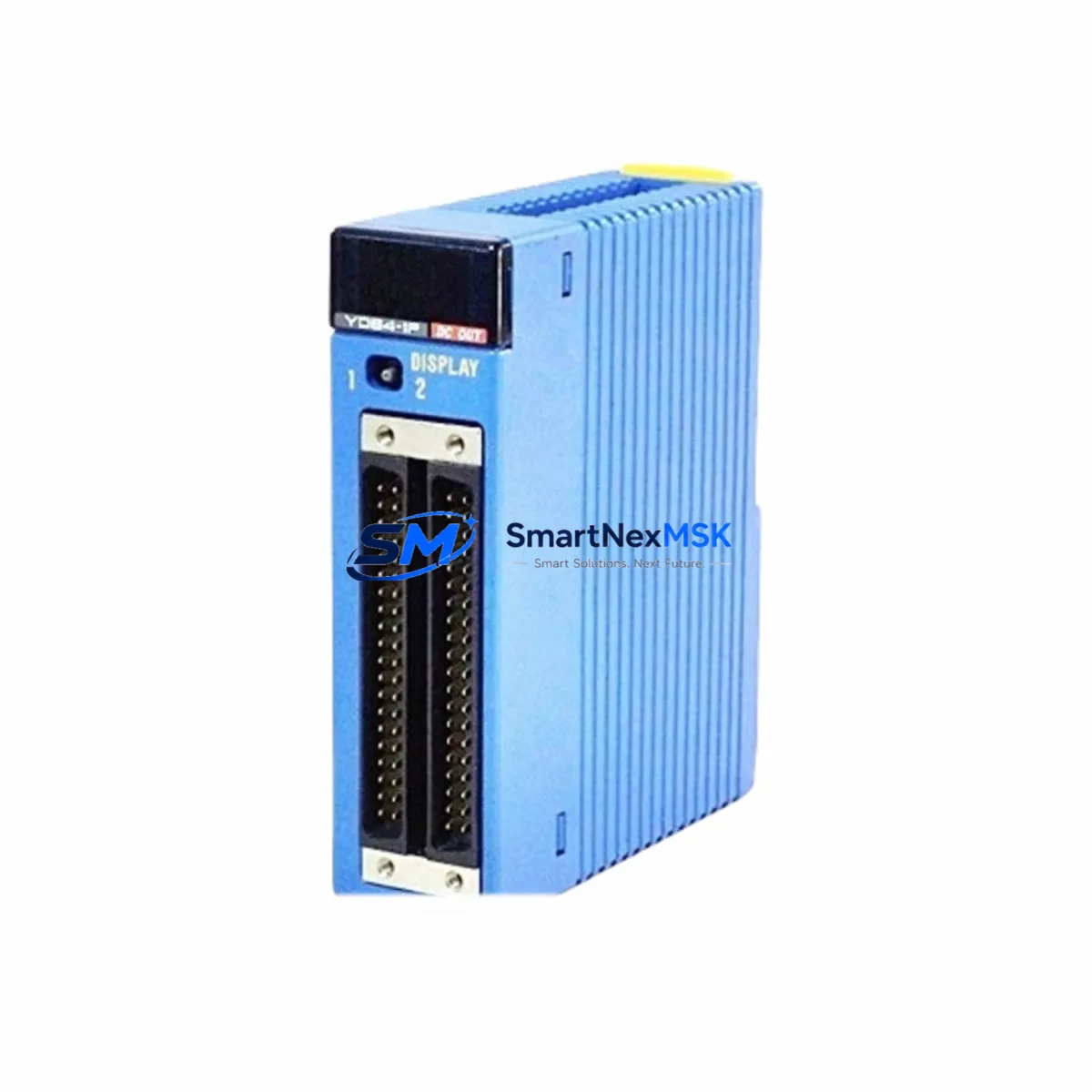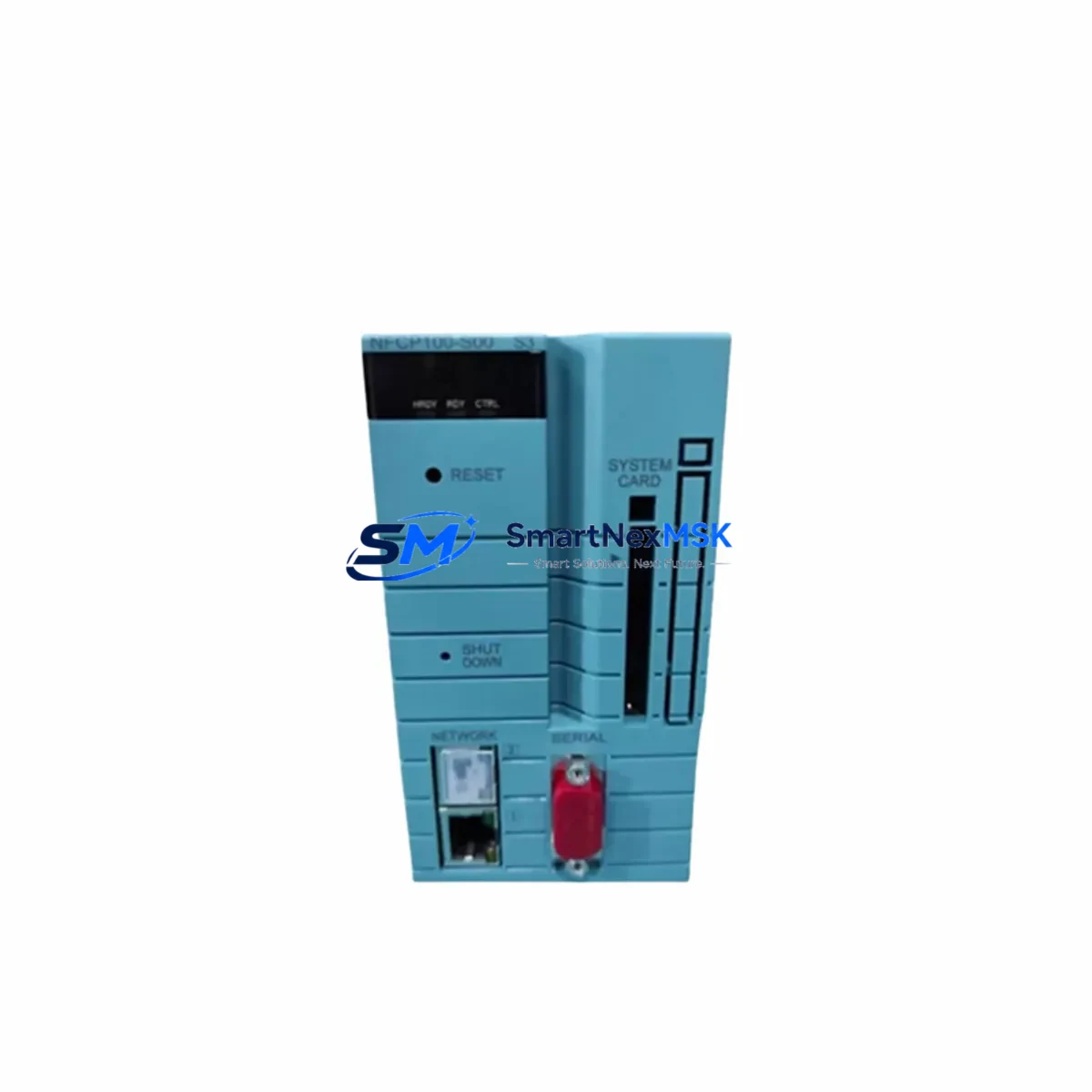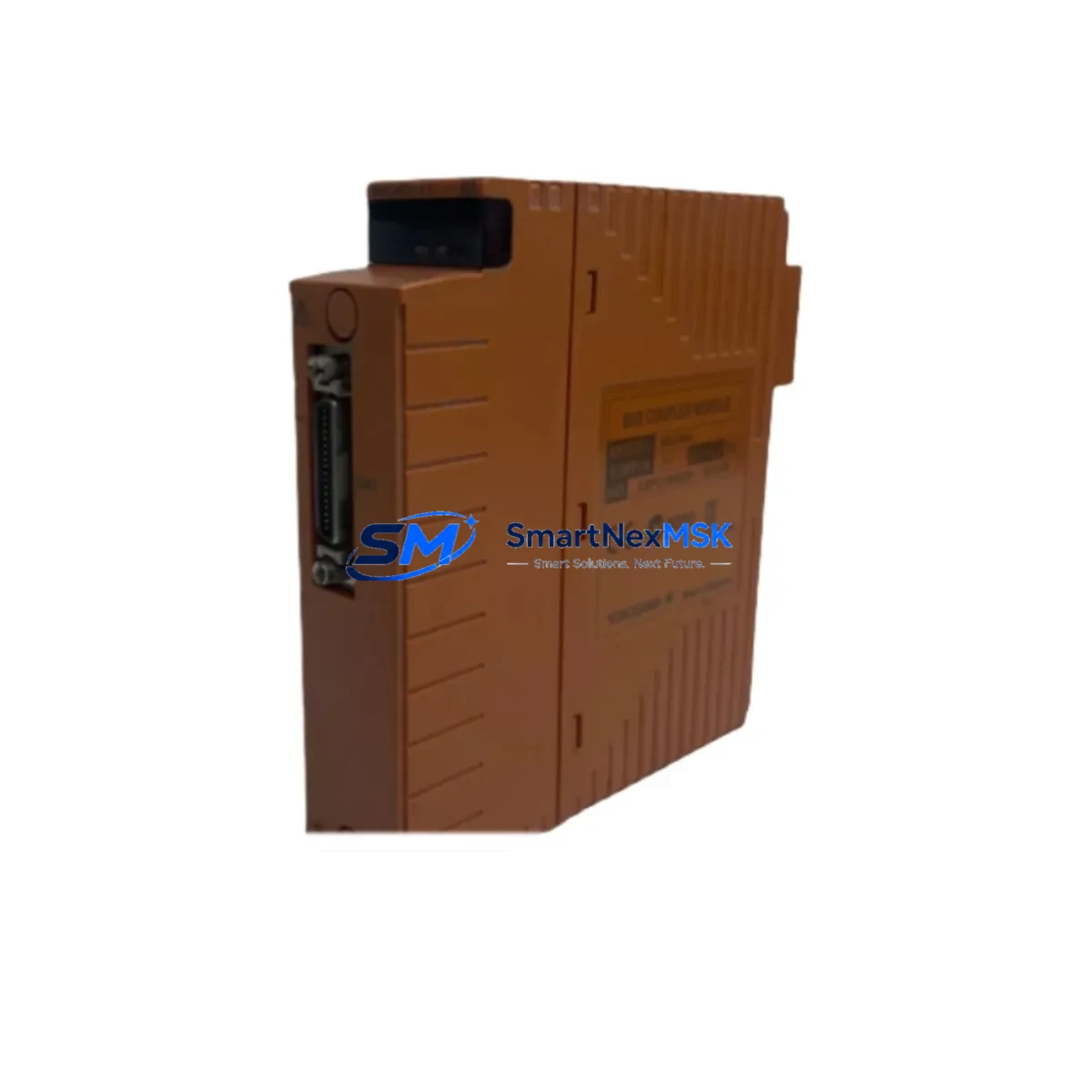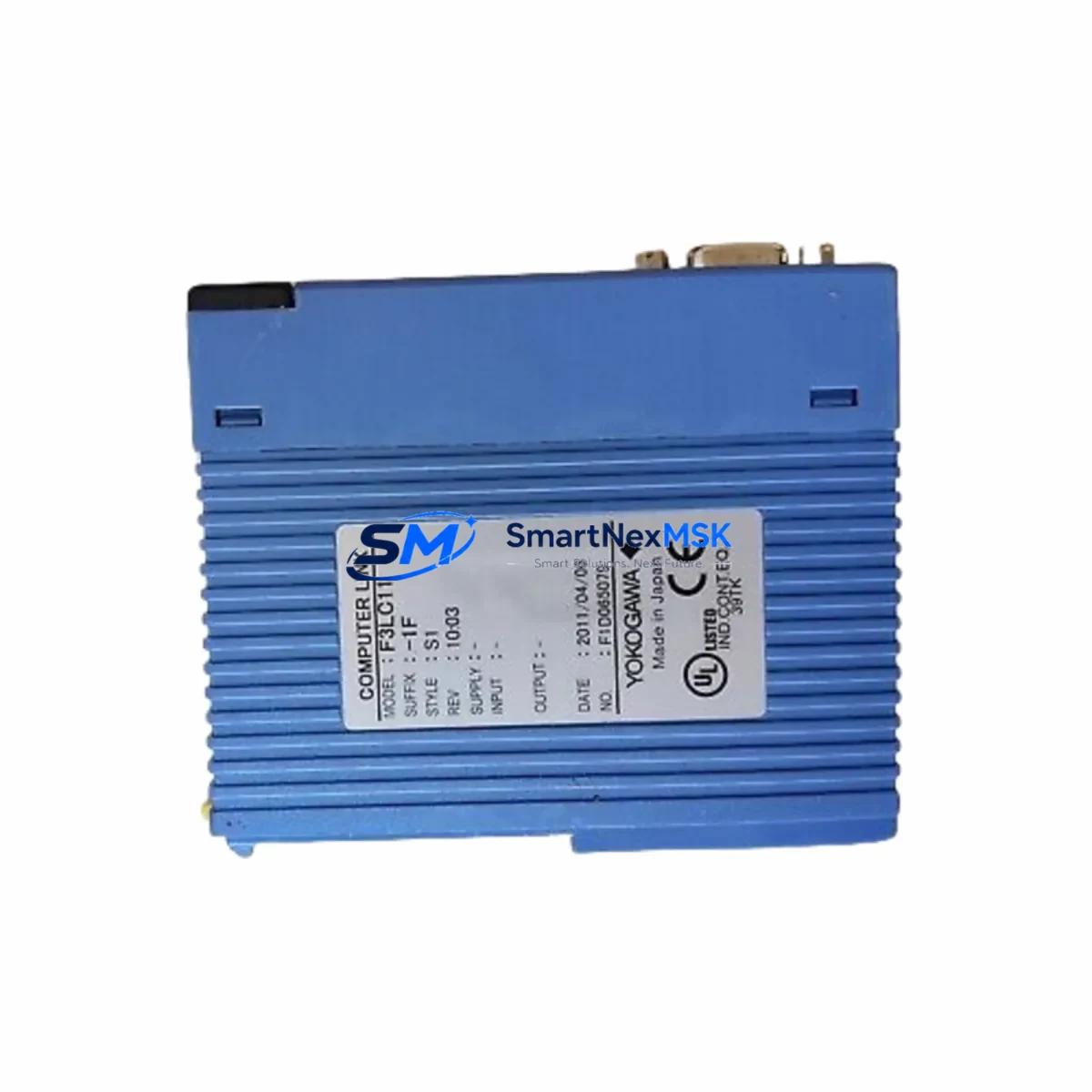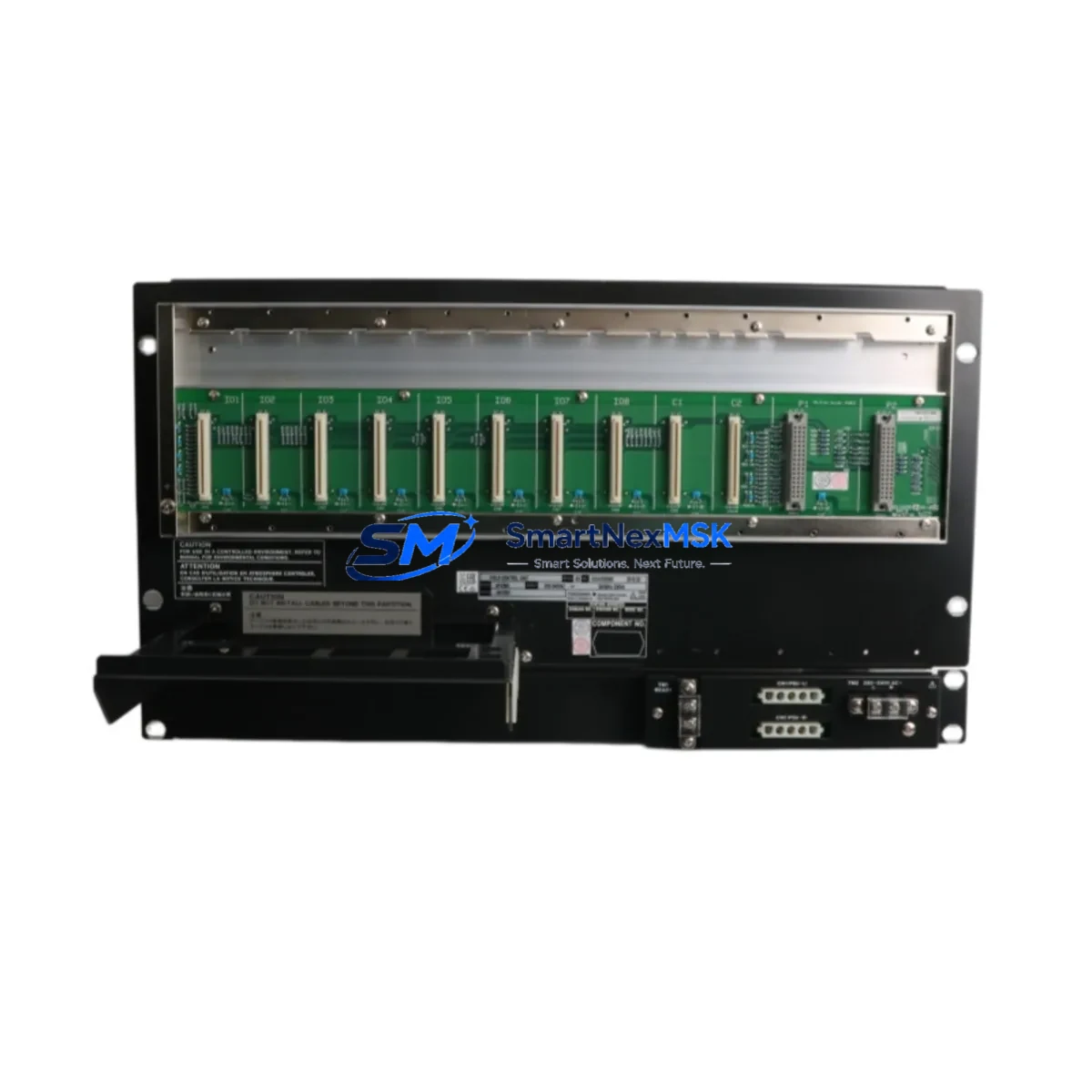
Yokogawa AFV30D-A41262 Spare for CENTUM VP Automation: Spare Replacement & Industrial Downtime Risk Control
The Yokogawa AFV30D-A41262 is a Duplexed Field Control Unit (FCU) designed for the CENTUM VP Distributed Control System platform — one of the most widely deployed DCS architectures in refining, petrochemical, power generation, and continuous process industries. When this module fails or degrades, the consequences extend far beyond a single I/O point: the entire field control domain it manages may go offline, triggering unplanned shutdowns, safety system interventions, and costly production losses. Maintaining a verified, function-tested AFV30D-A41262 spare on the shelf is not optional — it is a fundamental element of any serious maintenance strategy for CENTUM VP installations.
At SMARTNEXMSK, every AFV30D-A41262 unit is sourced as an original Yokogawa component, inspected against factory electrical specifications, and function-tested prior to shipment. Each unit ships with a 12-month warranty covering manufacturing defects and operational failures under normal industrial use conditions. Our global logistics network supports urgent dispatch to minimize your downtime window.
Spare Maintenance Table
| Parameter | Specification / Detail |
|---|---|
| Part Number | AFV30D-A41262 |
| Manufacturer | Yokogawa Electric Corporation |
| Series / Platform | CENTUM VP (Duplexed FCU) |
| Module Type | Field Control Unit (FCU) — Duplexed Configuration |
| Application | Process control, continuous manufacturing, refining, power generation |
| Compatibility | CENTUM VP R4.x / R5.x / R6.x; backward-compatible with CENTUM CS 3000 FCU architecture in supported configurations |
| Communication | Vnet/IP control network; supports redundant network topology |
| Power Supply Input | 24 VDC (via dedicated FCU power supply module) |
| Operating Temperature | 0°C to 55°C (32°F to 131°F) |
| Humidity | 10% to 90% RH, non-condensing |
| Mounting | Standard CENTUM VP FCU cabinet / field control station enclosure |
| Origin | Japan |
| Condition | Original, function-tested, pre-shipment inspection completed |
| Warranty | 12 Months — covers manufacturing defects and operational failure under normal use |
| Shipping | Worldwide; urgent dispatch available; ESD-safe packaging |
Maintenance Planning for Continuous Operation
Replacing an AFV30D-A41262 in a live CENTUM VP system is rarely an isolated task. Maintenance engineers and procurement engineers who have managed FCU replacements in the field consistently report that the FCU swap itself is only one part of a broader inspection and verification workflow. When the AFV30D-A41262 is pulled for replacement, the following associated components and subsystems should be inspected or tested concurrently to prevent repeat failures and ensure the restored control domain operates reliably.
The FCU power supply module (such as the Yokogawa PW481 or equivalent CENTUM VP-rated 24 VDC supply) should be load-tested and its output voltage verified under operational conditions. A degraded power supply is a common root cause of FCU instability and should never be assumed healthy simply because the FCU itself has failed. Similarly, the Vnet/IP communication cables and fiber patch panels connecting the FCU to the engineering workstation and HIS (Human Interface Station) should be inspected for physical damage, connector oxidation, and signal integrity.
The I/O modules installed in the FCU’s field control station — including analog input modules (such as AAI141 or AAI543), analog output modules (AAO141), and digital I/O modules (ADV151, ADV161) — should be individually verified for correct configuration and calibration after the FCU is restored. Any I/O module that was in an error state prior to the FCU failure should be treated as a suspect component and tested independently.
The ESB bus coupler and node interface units within the field control station cabinet should be inspected for loose connections and firmware version compatibility with the replacement AFV30D-A41262. Firmware mismatches between the FCU and its associated node units are a known source of post-replacement communication faults in CENTUM VP systems.
For installations using FOUNDATION Fieldbus or HART communication through the FCU’s I/O subsystem, the fieldbus segment terminators, segment couplers, and field device configurations should be verified after the FCU is brought back online. Signal isolation barriers and Yokogawa-compatible signal isolators in the marshalling cabinet should also be checked for drift or degradation, particularly in high-temperature or high-humidity environments.
Finally, the battery backup unit associated with the FCU (if installed for memory retention during power interruptions) should be tested for charge capacity. A failed battery will not prevent normal FCU operation but will result in configuration loss during a power outage — a risk that is unacceptable in critical process environments. Procurement engineers building a comprehensive spare parts inventory for CENTUM VP systems should consider stocking the AFV30D-A41262 alongside FCU power supply modules, key I/O modules, and Vnet/IP communication components to ensure a complete rapid-response capability.
Site Replacement Workflow
Step 1 — Pre-Replacement Verification: Confirm the replacement AFV30D-A41262 firmware version matches or is compatible with the existing CENTUM VP system software revision. Download the current FCU configuration from the engineering workstation using CENTUM VP Builder before initiating any hardware swap.
Step 2 — Safe Shutdown of the Affected FCU Domain: In a duplexed FCU configuration, the standby unit should automatically assume control. Verify that the switchover has completed successfully and that all I/O points are being controlled by the standby FCU before removing the failed unit. Do not remove the failed FCU until control transfer is confirmed.
Step 3 — Physical Replacement: Remove the failed AFV30D-A41262 following Yokogawa’s ESD handling procedures. Install the replacement unit into the same slot position. Verify all bus connectors are fully seated and that the module’s status LEDs indicate correct initialization.
Step 4 — Configuration Restore and Commissioning: Download the saved FCU configuration to the replacement unit via CENTUM VP Builder. Verify all I/O points, control loops, and communication links are restored to their pre-failure state. Conduct a loop check on critical control loops before returning the FCU domain to automatic control.
Step 5 — Post-Replacement Documentation: Record the replacement date, firmware version, and any observations in the plant maintenance management system. Update the spare parts inventory to reflect the consumed unit and initiate a replenishment order to maintain minimum stock levels.
This workflow is designed to minimize total downtime from FCU failure to full restoration, typically achievable within 2–4 hours for experienced CENTUM VP maintenance teams with a pre-staged spare unit available on site.
Spare Parts Support FAQ
Q1: Is the AFV30D-A41262 compatible with both CENTUM VP and CENTUM CS 3000 systems?
The AFV30D-A41262 is a CENTUM VP series FCU. While CENTUM VP was designed with architectural continuity from CENTUM CS 3000, direct hardware interchangeability between the two platforms is not guaranteed and depends on the specific system revision and configuration. We recommend confirming your system’s software revision and FCU slot specifications with your Yokogawa system documentation before ordering. Our technical team can assist with compatibility verification.
Q2: What pre-shipment testing is performed on each AFV30D-A41262 unit?
Every unit undergoes a multi-point electrical inspection covering power input characteristics, communication interface functionality, and module initialization behavior. Units that do not pass all test criteria are not shipped. A test report summary is available upon request for critical procurement requirements.
Q3: How should the AFV30D-A41262 be stored if it is purchased as a long-term shelf spare?
Store the unit in its original ESD-safe packaging in a climate-controlled environment: temperature 0°C to 40°C, humidity below 75% RH non-condensing. Avoid storage near strong electromagnetic fields or corrosive atmospheres. Inspect the unit annually and power it on for a functional check if it has been in storage for more than 12 months.
Q4: What does the 12-month warranty cover, and what is the replacement process?
The 12-month warranty covers manufacturing defects and operational failures under normal industrial operating conditions. It does not cover damage resulting from incorrect installation, overvoltage events, physical impact, or use outside the module’s rated environmental specifications. In the event of a warranty claim, contact [email protected] with your order reference and a description of the failure. We will arrange for inspection and replacement or repair as appropriate, with priority handling for critical production environments.
© 2026 SMARTNEXMSK. All rights reserved.
Original Source: https://smartnexmsk.com
Contact: [email protected] | +86 18259474341