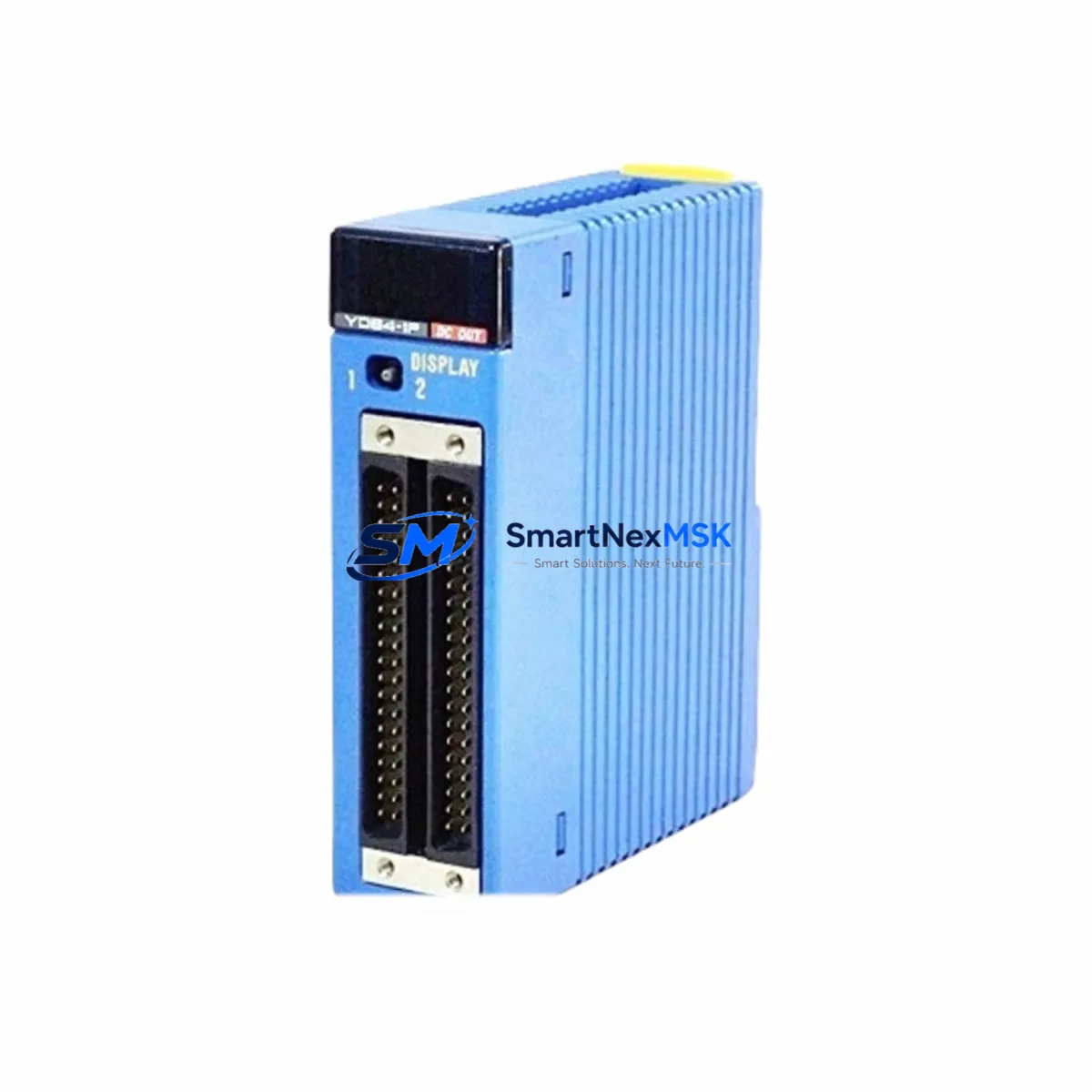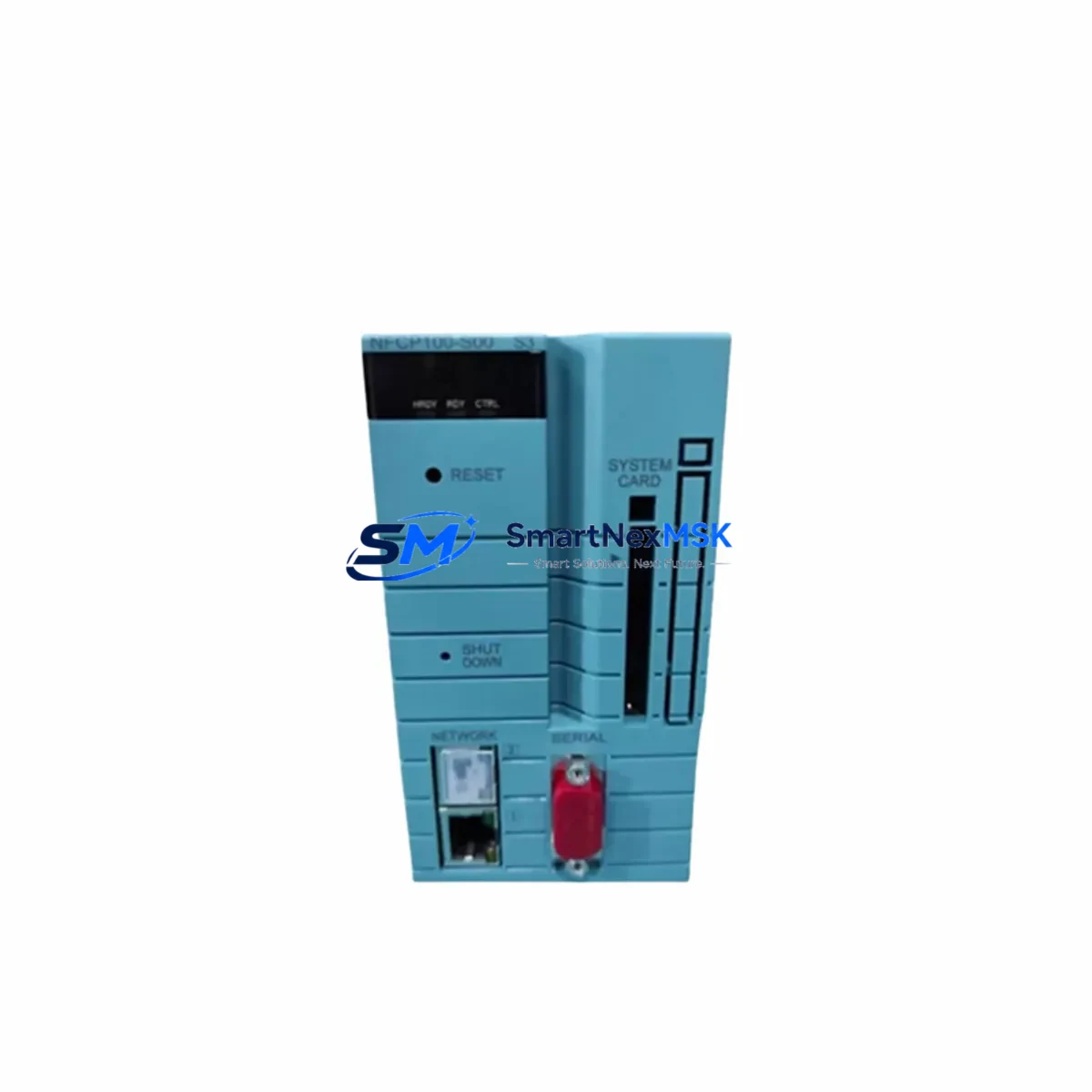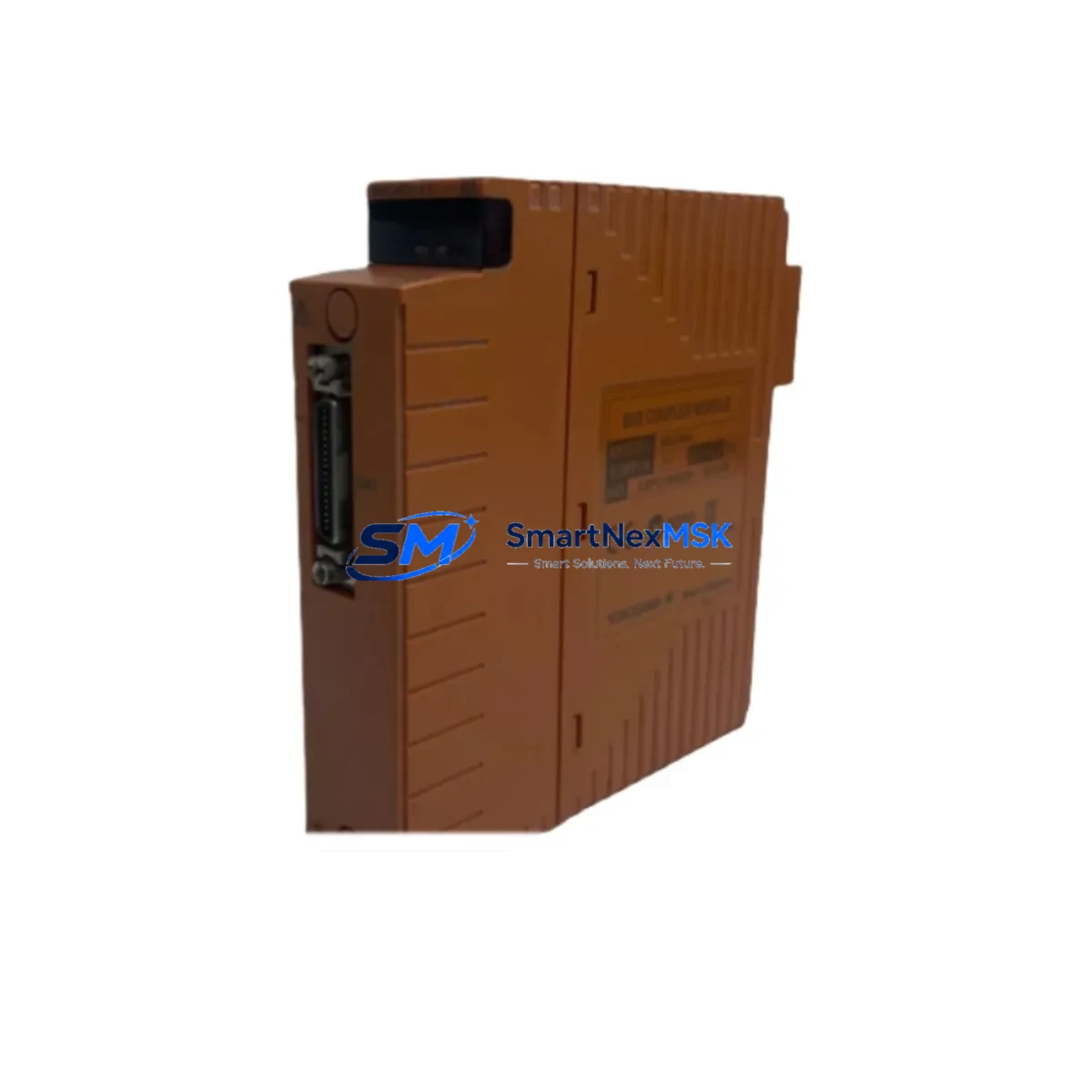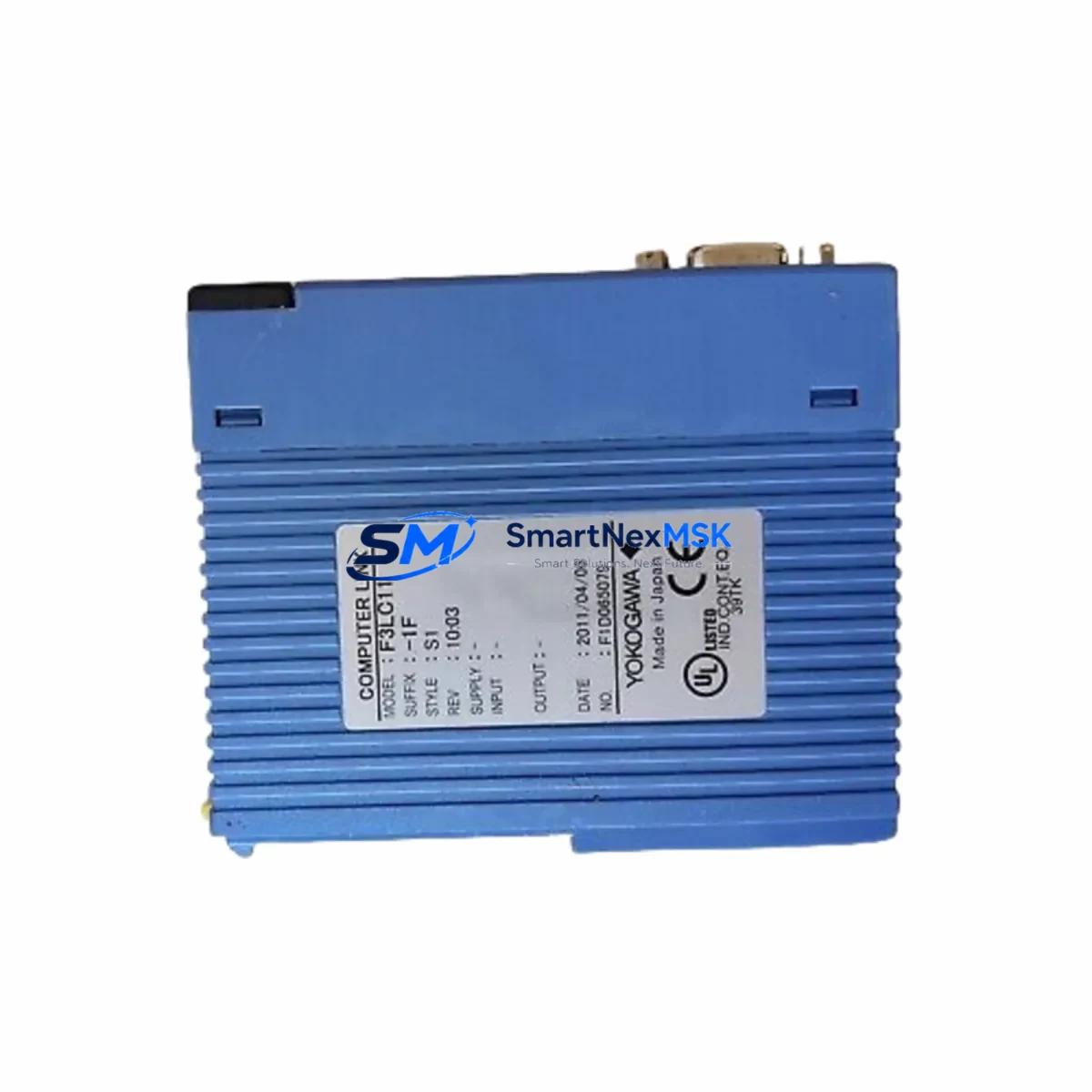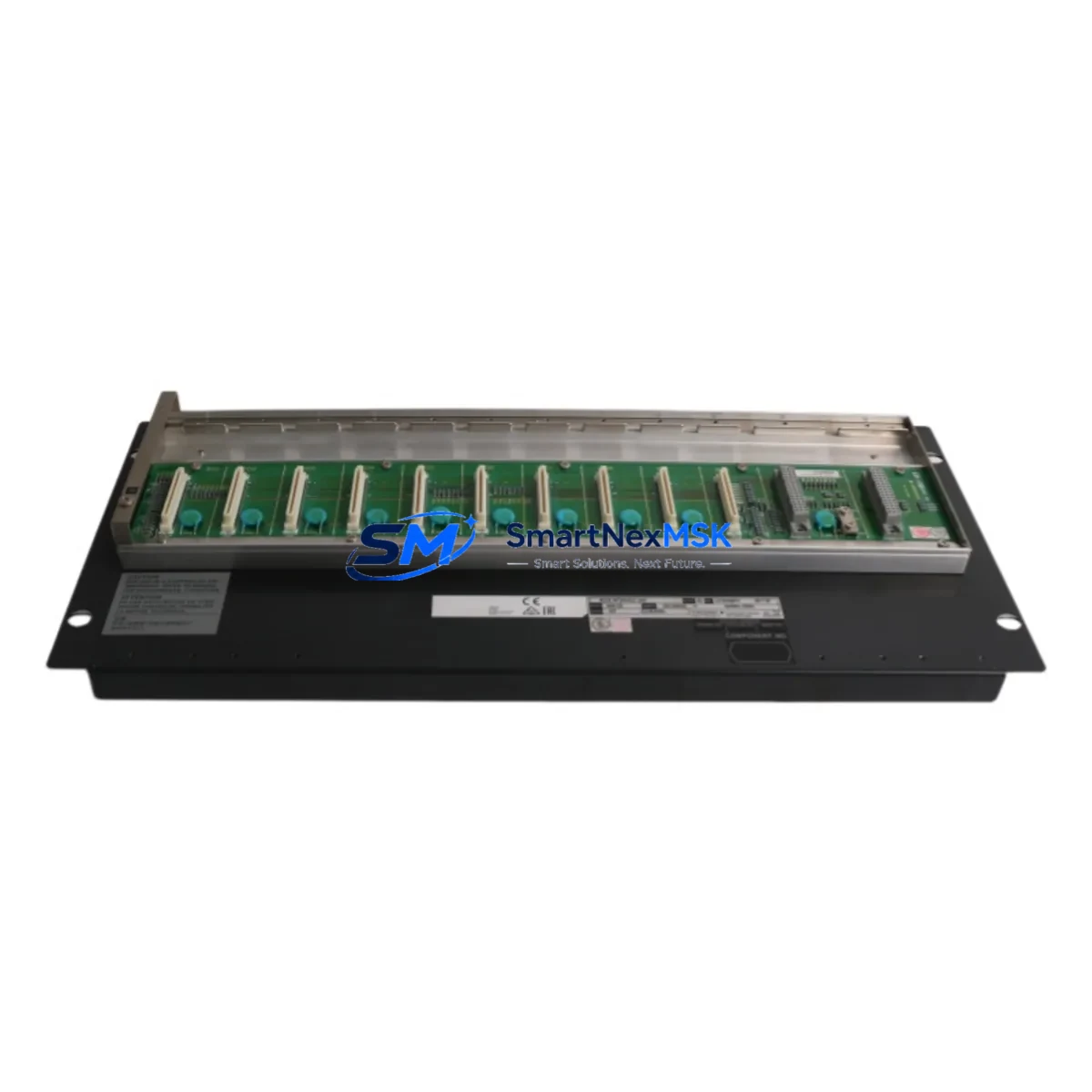
Yokogawa ANB10D-427/CU2T Safety-Enhanced ESB Bus Node: Reliable Control in Harsh Industrial Sites
The Yokogawa ANB10D-427/CU2T is a ruggedized ESB (Extended Serial Bus) Bus Node Unit engineered for the CENTUM distributed control system (DCS) platform. Designed to sustain uninterrupted communication between field I/O modules and the central controller, this bus node is a critical component in high-availability control architectures where signal integrity, electrical isolation, and continuous uptime are non-negotiable. Whether deployed in petrochemical refineries, power generation facilities, metallurgical plants, or water treatment infrastructure, the ANB10D-427/CU2T delivers the deterministic bus performance that safety-critical loops demand.
In heavy industrial environments, ESB bus nodes are exposed to persistent threats: electromagnetic interference from variable-frequency drives and large motor starters, ground potential differences across distributed cabinets, transient voltage surges from switching events, and thermal cycling in outdoor or poorly conditioned enclosures. The ANB10D-427/CU2T addresses each of these failure vectors through robust hardware design, galvanic isolation on bus interfaces, and wide operating temperature tolerance — ensuring that the communication backbone of your CENTUM system remains stable even under sustained electrical stress.
Safety Reliability Table
| Parameter | Specification / Detail |
|---|---|
| Model / SKU | ANB10D-427/CU2T |
| Manufacturer | Yokogawa Electric Corporation |
| Series / Platform | CENTUM DCS (ESB Architecture) |
| Module Function | ESB Bus Node Unit — extends serial bus to remote I/O stations |
| Bus Interface | Extended Serial Bus (ESB), dual-redundancy capable |
| Electrical Isolation | Galvanic isolation on bus and power interfaces |
| Surge / Transient Protection | Built-in transient suppression on communication lines |
| Operating Temperature | 0°C to +55°C (standard industrial range) |
| Storage Temperature | -20°C to +70°C |
| Humidity | 5% to 95% RH, non-condensing |
| Power Supply Compatibility | Compatible with CENTUM DCS cabinet power distribution (24 VDC bus) |
| Mounting | DIN rail / CENTUM standard node rack |
| Country of Origin | Japan |
| Condition | New / Surplus New / Tested Refurbished (as specified at order) |
| Pre-shipment Testing | Full functional and communication integrity test performed |
| Warranty | 12 Months — covers communication failure, hardware defect, and bus interface fault |
| Certifications | CE, UL (per Yokogawa CENTUM platform approvals) |
Control Cabinet Protection Strategy
A reliable CENTUM DCS control cabinet is built on layered protection — and the ANB10D-427/CU2T sits at the heart of that architecture as the bus communication node. In a typical high-availability cabinet, the bus node works in concert with redundant power supply modules such as the Yokogawa PW481 or PW482, which provide clean, regulated 24 VDC to the node rack and prevent voltage sag from propagating into the bus logic. Upstream, a dedicated UPS module or DC/DC converter buffers the cabinet against utility interruptions, ensuring the ANB10D-427/CU2T maintains bus synchronization during power transients.
On the I/O side, the bus node interfaces directly with analog input modules such as the Yokogawa AAI141 (4–20 mA current input) and digital output modules like the ADO141, which control field actuators and safety interlock relays. Any signal drift or module fault on these I/O cards is immediately detected by the bus node’s communication watchdog, triggering a diagnostic alarm to the operator station before a process deviation can escalate into a safety event.
For installations requiring functional safety compliance, the ANB10D-427/CU2T is typically paired with Yokogawa ProSafe-RS safety controller nodes or integrated into a hybrid architecture where the CENTUM DCS handles regulatory control while a dedicated safety instrumented system (SIS) manages emergency shutdown (ESD) and high-integrity pressure protection (HIPPS) loops. In such configurations, the ESB bus node must maintain deterministic scan times and zero communication dropouts — a requirement the ANB10D-427/CU2T is specifically designed to meet.
Communication integrity is further reinforced by pairing the bus node with Yokogawa LFDU (Local Field Device Unit) terminators and proper cable shielding practices. In high-EMI environments — such as those near large transformer banks, VFD motor drives, or arc furnace controls — additional ferrite suppression cores and shielded twisted-pair ESB cables are recommended alongside the ANB10D-427/CU2T to maintain signal-to-noise margins within specification. Surge protection devices (SPDs) installed at the cabinet entry point, such as Phoenix Contact TRABTECH or equivalent DIN-rail surge arresters, provide the first line of defense against lightning-induced transients before they reach the bus node’s input circuitry.
Critical Industrial Safety Applications
Petrochemical & Refinery: In crude distillation units, catalytic crackers, and hydroprocessing reactors, the ANB10D-427/CU2T sustains real-time communication between field temperature transmitters, pressure sensors, and the CENTUM DCS controller. Loss of bus communication in these environments can mask a developing runaway condition; the bus node’s redundant architecture and watchdog diagnostics ensure that any communication anomaly is surfaced immediately rather than silently degrading control loop performance.
Power Generation: Thermal power plants and combined-cycle facilities rely on CENTUM DCS for boiler combustion control, turbine governor interfacing, and balance-of-plant automation. The ANB10D-427/CU2T provides the stable ESB backbone that connects distributed I/O cabinets across the turbine hall, maintaining scan integrity even in the presence of strong magnetic fields from generator excitation systems and high-current bus bars.
Mining & Mineral Processing: Continuous mining operations — including SAG mill control, flotation cell automation, and tailings management — demand control systems that operate without interruption across multi-shift, 24/7 production schedules. The ANB10D-427/CU2T’s wide temperature tolerance and robust bus isolation make it well-suited for remote I/O stations installed in dusty, vibration-prone mine site enclosures.
Water & Wastewater Treatment: Municipal and industrial water treatment facilities use CENTUM DCS to manage dosing pumps, filtration sequences, and effluent monitoring. The bus node enables reliable data acquisition from distributed field instruments across large plant footprints, supporting both normal operations and emergency bypass sequencing.
Metallurgy & Steel: Electric arc furnace (EAF) and continuous casting environments subject control hardware to extreme electromagnetic interference and thermal stress. The ANB10D-427/CU2T’s galvanic isolation and surge-tolerant design allow it to maintain bus communication integrity in these demanding conditions, supporting melt shop automation and ladle tracking systems.
Safety and Quality FAQ
Q1: What does the 12-month warranty cover for the ANB10D-427/CU2T?
The 12-month warranty covers all hardware defects, ESB bus communication failures, and interface faults attributable to manufacturing or component quality. If the unit fails to establish or maintain bus communication under normal operating conditions within the warranty period, we will repair or replace it at no charge. Warranty claims are processed within 5 business days of unit receipt.
Q2: What pre-shipment testing is performed on each unit?
Every ANB10D-427/CU2T undergoes a full functional test prior to shipment, including power-on verification, ESB bus communication handshake testing, and visual inspection for connector integrity and PCB condition. Units that do not pass all test criteria are quarantined and not shipped. A test record is available upon request.
Q3: Is the ANB10D-427/CU2T compatible with all CENTUM DCS versions?
The ANB10D-427/CU2T is designed for the Yokogawa CENTUM platform’s ESB architecture. It is compatible with CENTUM CS, CENTUM CS 3000, and CENTUM VP systems that utilize the ESB bus topology. For specific firmware revision compatibility or integration with upgraded CENTUM VP R6 systems, we recommend confirming the target system’s bus node slot specification with your Yokogawa system integrator before installation.
Q4: Can you support long-term or repeat supply of the ANB10D-427/CU2T?
Yes. We maintain standing inventory of the ANB10D-427/CU2T and related CENTUM DCS spare parts to support planned maintenance shutdowns, emergency replacements, and multi-unit project requirements. For customers with ongoing MRO (maintenance, repair, and operations) needs, we offer priority allocation and advance reservation to ensure availability when your plant requires it. Contact our team to discuss a supply agreement tailored to your maintenance schedule.
© 2026 SMARTNEXMSK. All rights reserved.
Original Source: https://smartnexmsk.com
Contact: [email protected] | +86 18259474341