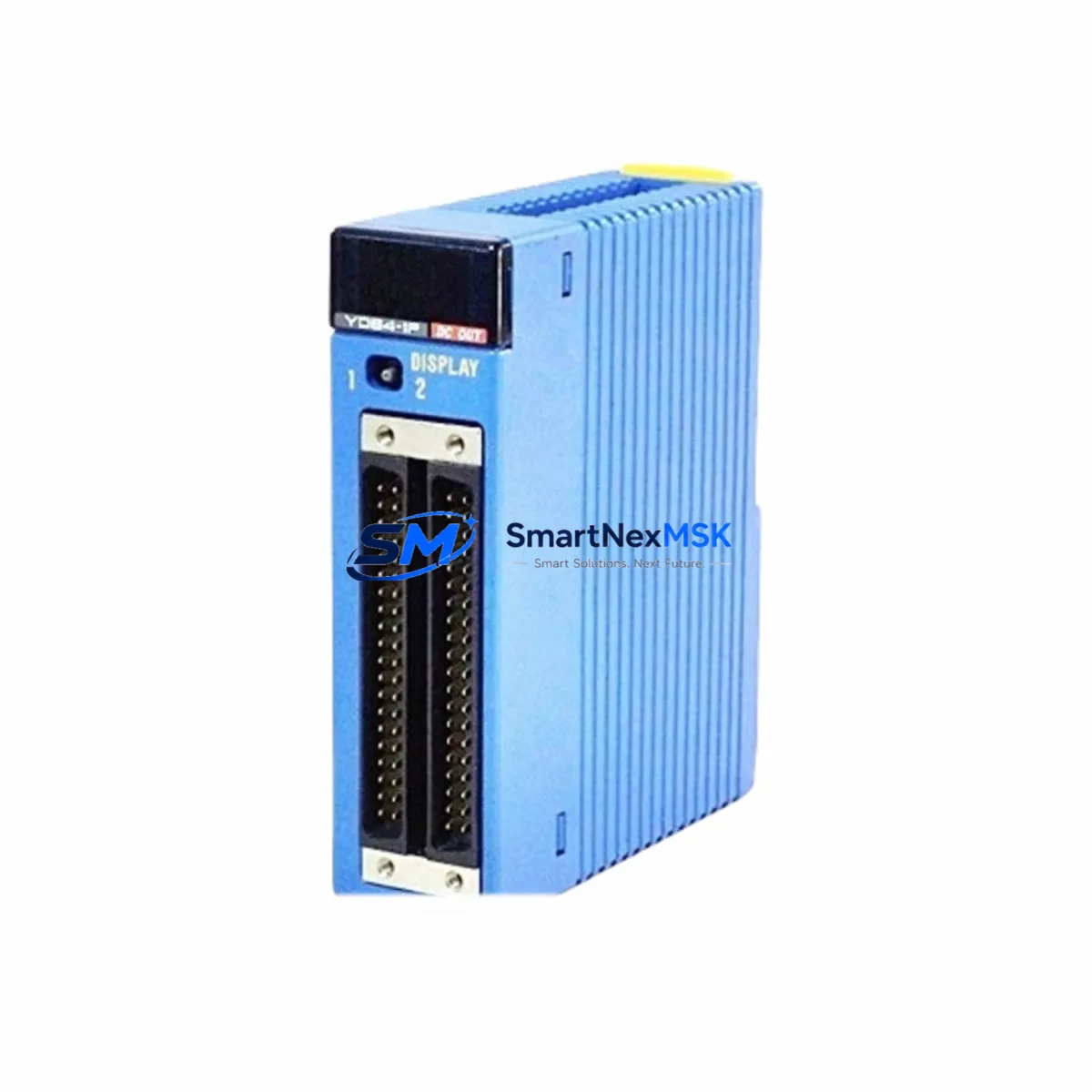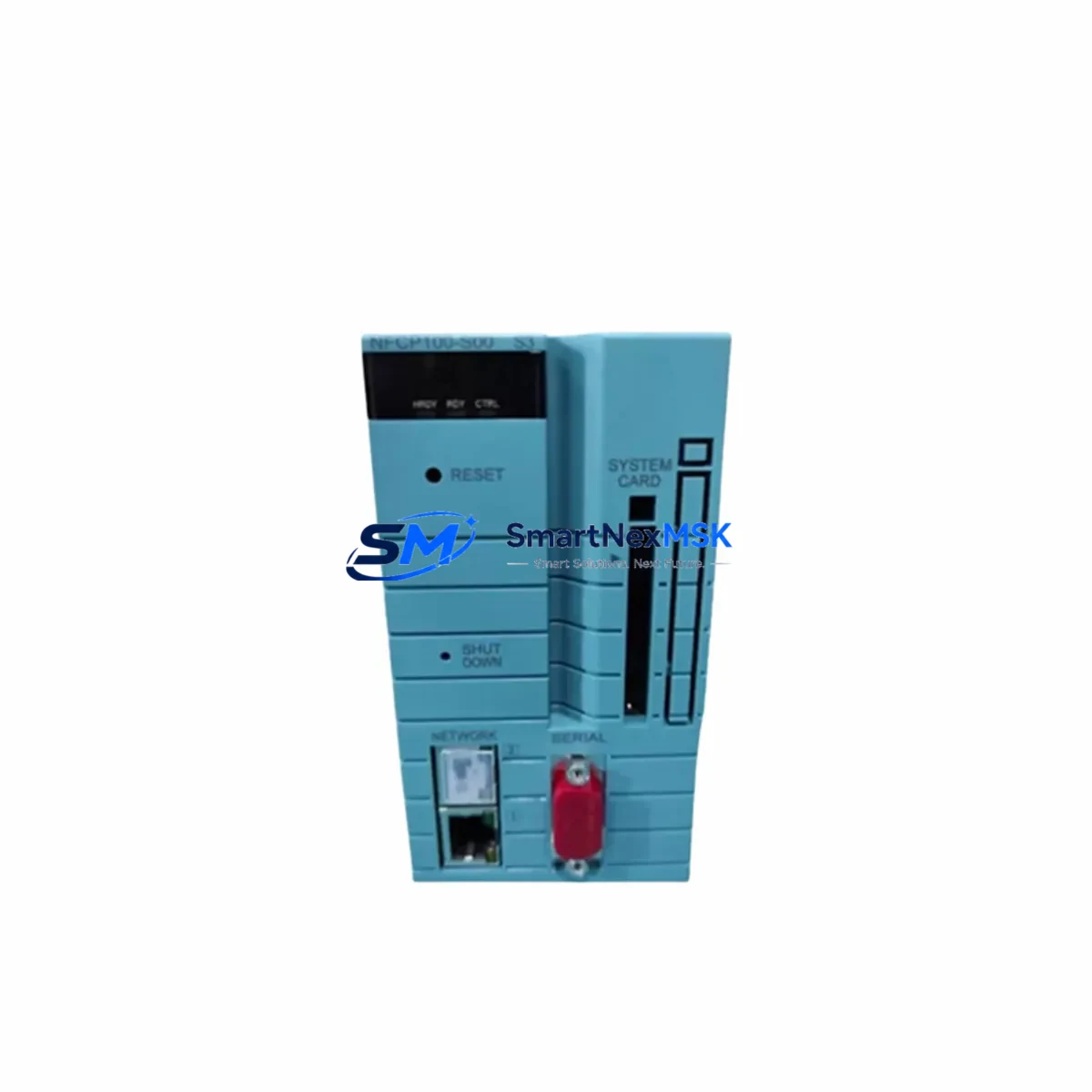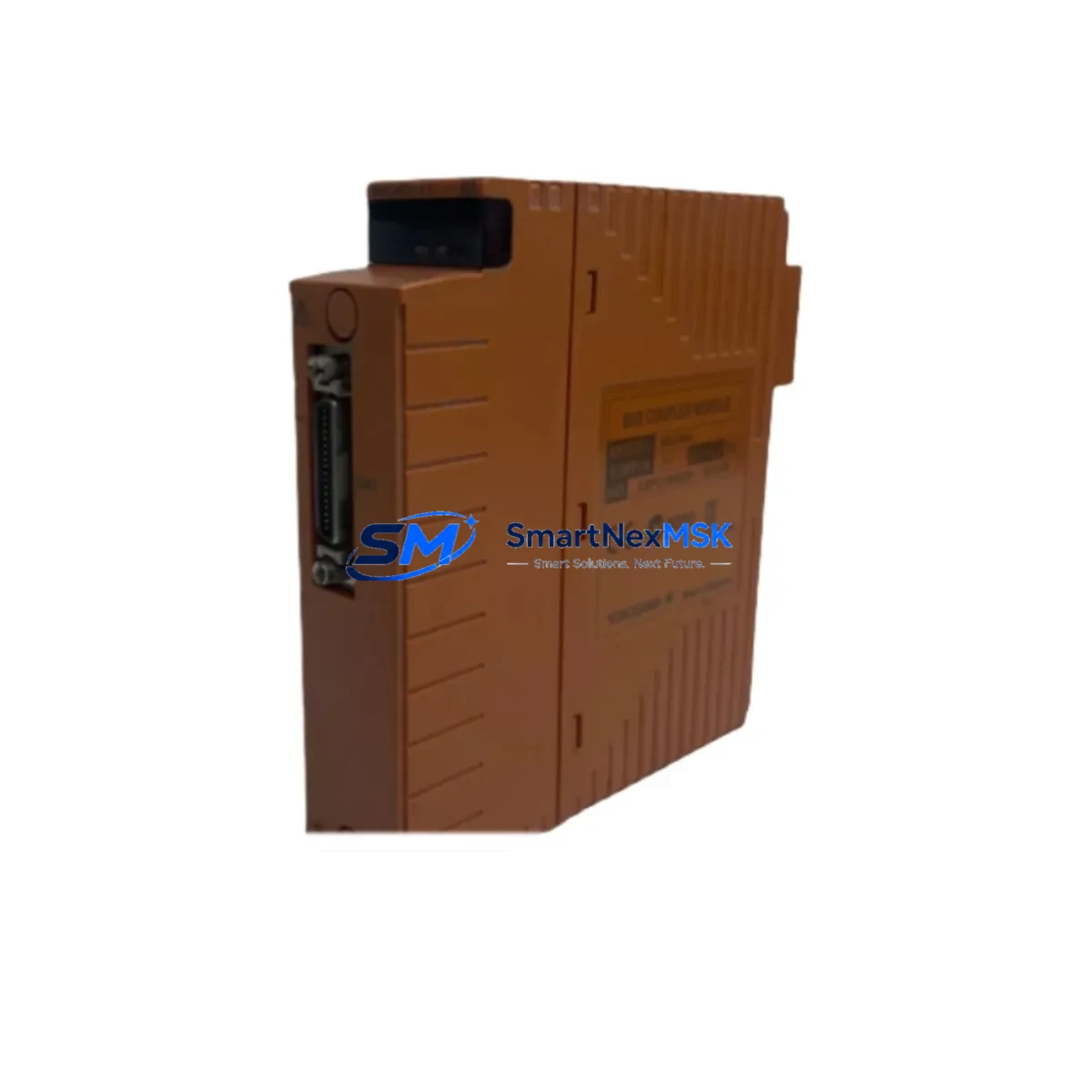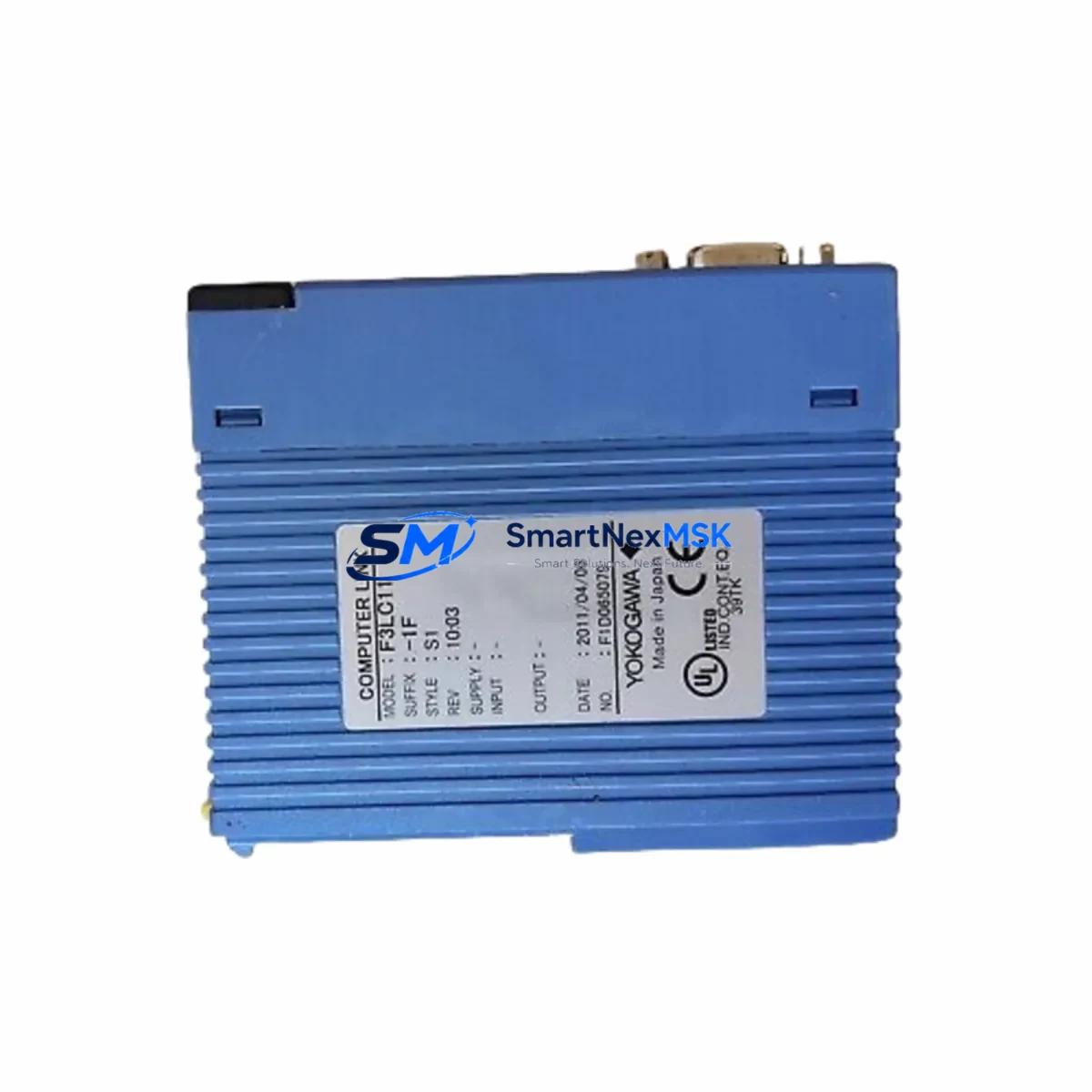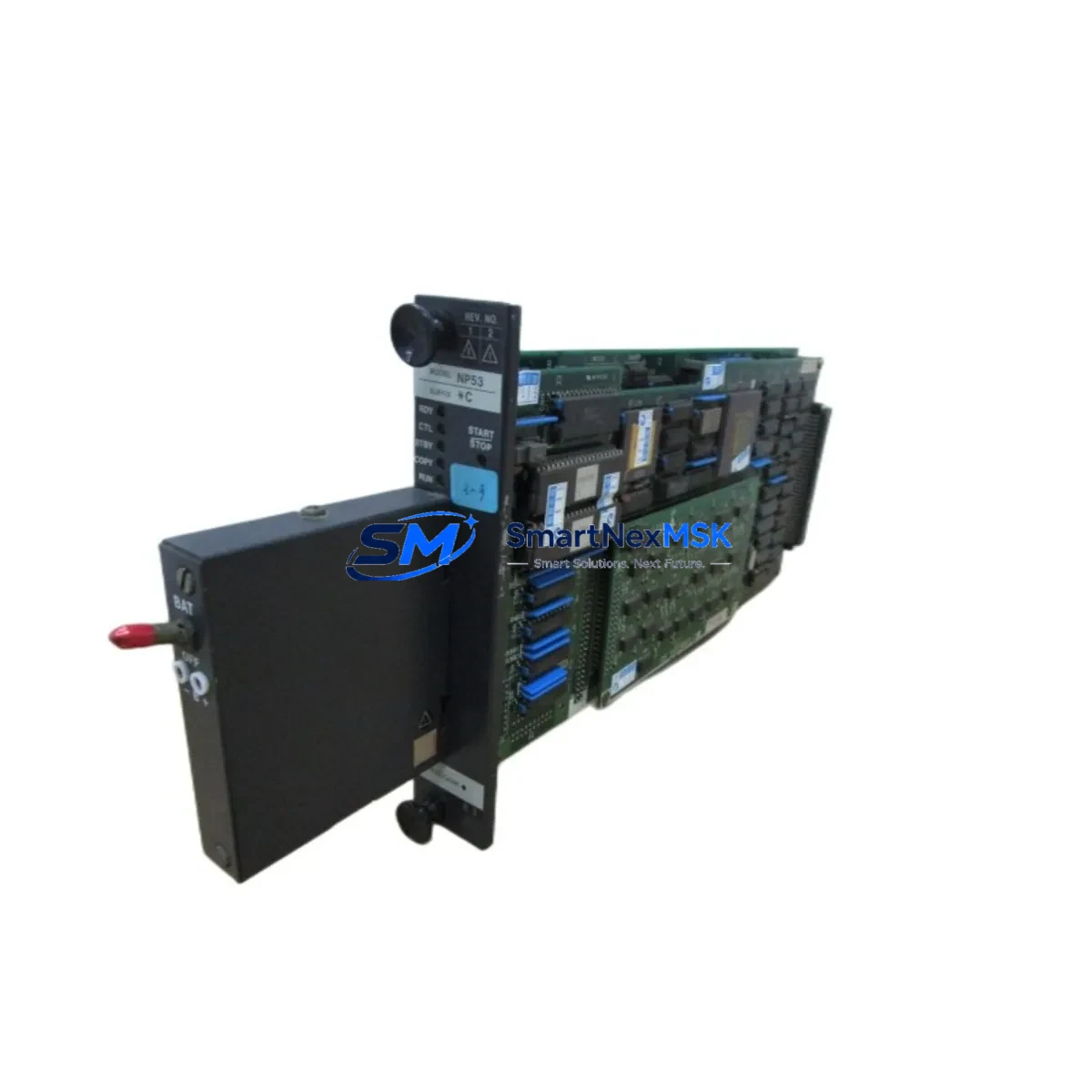
YOKOGAWA NP53*C Spare for CENTUM VP/CS 3000 Automation: Minimizing Downtime with Verified DCS Processor Replacement
The YOKOGAWA NP53*C is a multi-function control processor module designed for the CENTUM VP and CENTUM CS 3000 distributed control systems — two of the most widely deployed DCS platforms in petrochemical, power generation, pulp and paper, and continuous process manufacturing environments. When this module fails or reaches end-of-life, the impact on production continuity is immediate and severe. Sourcing a verified, original spare is the single most critical step in restoring system integrity and resuming safe operation.
This listing provides an original YOKOGAWA NP53*C processor module, sourced from authorized supply channels, individually inspected, and dispatched with full traceability documentation. Every unit undergoes pre-shipment functional verification to confirm firmware compatibility, communication handshake integrity, and I/O bus response before leaving our facility. A 12-month warranty is included as standard, covering manufacturing defects and operational failure under normal DCS operating conditions.
For maintenance engineers managing aging CENTUM installations, the NP53*C represents a high-priority line item in any spare parts strategy. Its role as the central processing node for field control stations (FCS) means that a single failed unit can take an entire control loop — or multiple loops — offline. Procurement engineers should treat this module as a critical-tier spare, maintaining at minimum one unit on-site for each active FCS chassis in service.
Spare Maintenance Table
| Parameter | Specification / Detail |
|---|---|
| Part Number | NP53*C |
| Manufacturer | YOKOGAWA Electric Corporation |
| Module Type | Multi-Function Control Processor (FCS Processor) |
| Compatible Systems | CENTUM VP, CENTUM CS 3000 |
| Mounting | FCS Field Control Station Chassis / Nest |
| Communication | Vnet/IP, ESB Bus (internal) |
| Power Supply Requirement | Supplied via backplane (chassis-integrated) |
| Operating Temperature | 0°C to 55°C (standard industrial enclosure) |
| Origin | Japan |
| Condition | Original, New / Refurbished-Tested (as specified at order) |
| Pre-Shipment Test | Functional verification, firmware check, bus communication test |
| Warranty | 12 Months from date of dispatch |
| Application Environment | Continuous process control, petrochemical, power, utilities |
| Maintenance Classification | Critical Tier — Recommend minimum 1 unit on-site per active FCS |
| Lead Time | In-stock units: 3–5 business days; ex-stock international: 5–10 days |
Maintenance Planning for Continuous Operation
Replacing the NP53*C in a live CENTUM system is rarely an isolated task. A disciplined maintenance engineer will treat this replacement as an opportunity to audit the entire field control station and its associated electrical infrastructure. Before or during the replacement procedure, the following components should be inspected, tested, or provisionally stocked as companion spares:
The YOKOGAWA PW481 and PW482 power supply modules are the most common co-failure items. A degraded power supply delivering marginal voltage to the FCS backplane is frequently the root cause of processor instability — replacing the NP53*C without verifying power supply output ripple and load regulation is an incomplete repair. Similarly, the ESB bus coupler (EB401/EB501) connecting the FCS nest to the control network should be inspected for connector oxidation and firmware version alignment with the replacement processor.
On the I/O side, YOKOGAWA AAI141, AAI143, and AAI841 analog input modules and ADV151/ADV161 digital I/O modules should be checked for alarm history and calibration drift. A processor swap that restores communication but leaves miscalibrated I/O in service creates a false sense of recovery. Inspect terminal unit assemblies (ATD series) for loose field wiring, corrosion on screw terminals, and correct fuse ratings — these are common sources of intermittent faults that are misdiagnosed as processor failures.
For systems using Vnet/IP communication, verify that the replacement NP53*C is loaded with a firmware version compatible with the existing HIS (Human Interface Station) and EWS (Engineering Workstation) software revision. Mismatched firmware between the processor and the CENTUM VP system software is a known cause of post-replacement communication faults. If the site uses YOKOGAWA STARDOM FCN/FCJ controllers in a hybrid architecture, confirm that the Vnet/IP segment configuration is not disrupted by the module swap.
Signal isolation should not be overlooked. YOKOGAWA MTL or equivalent signal isolators and barriers installed between field instruments and I/O modules protect the DCS from ground loops and transient surges. After a processor replacement, re-verify that all HART-enabled field devices are communicating correctly through the I/O modules and that no isolator has been damaged by the fault event that caused the original processor failure.
Site Replacement Workflow
Step 1 — Pre-Replacement Preparation: Download and archive the current FCS configuration using CENTUM VP Builder or CS 3000 System View. Confirm the firmware version of the existing NP53*C (if still partially functional) and match it to the replacement unit. If firmware upgrade is required, coordinate with your YOKOGAWA service representative or use the offline engineering environment to prepare the updated project file before the maintenance window.
Step 2 — Safe Isolation: Place the affected FCS in manual control mode from the HIS. Notify all operators of the planned module swap. Verify that redundant FCS units (if configured) have assumed control of all critical loops before proceeding. De-energize the FCS chassis following YOKOGAWA lockout/tagout procedures.
Step 3 — Module Removal and Installation: Remove the failed NP53*C by releasing the front-panel locking lever and sliding the module from the nest. Insert the replacement unit, ensuring full backplane connector engagement. Re-energize the chassis and observe the module status LEDs for normal boot sequence (RUN indicator steady green within 90 seconds).
Step 4 — Configuration Restore and Verification: Download the archived FCS project to the replacement processor using CENTUM VP Builder. Verify all I/O module assignments, loop configurations, and alarm setpoints are correctly restored. Perform a loop check on critical control loops before returning the FCS to automatic mode.
Step 5 — Post-Replacement Documentation: Record the replacement in the site maintenance log, including the old and new module serial numbers, firmware versions, and the date of replacement. Update the spare parts inventory to reflect the consumed unit and initiate a replenishment order to restore on-site stock levels.
Spare Parts Support FAQ
Q1: Is this NP53*C unit compatible with both CENTUM VP and CENTUM CS 3000 systems?
The NP53*C processor module is designed for the CENTUM platform and is compatible with CENTUM CS 3000 and CENTUM VP field control station chassis. Compatibility with specific FCS nest generations and firmware revisions should be confirmed against your site’s system version. We recommend providing your current CENTUM software revision and FCS hardware generation at the time of inquiry so we can confirm exact compatibility before dispatch.
Q2: What pre-shipment testing is performed on each unit?
Every NP53*C unit dispatched from our facility undergoes a structured pre-shipment verification protocol: power-on self-test, backplane bus communication check, firmware version confirmation, and visual inspection for connector integrity and physical condition. Units that do not pass all verification steps are quarantined and not dispatched. A test report is available upon request for critical-application orders.
Q3: How should I manage NP53*C inventory for a multi-FCS plant?
For plants operating three or more active FCS units, we recommend maintaining a minimum of one NP53*C spare per four FCS chassis, with a hard floor of one unit regardless of plant size. For CENTUM CS 3000 installations that are no longer supported under YOKOGAWA’s standard maintenance contract, increasing on-site stock to two units is advisable given the extended lead times for legacy module procurement. Annual inventory audits aligned with planned shutdown schedules are the most cost-effective approach to spare parts lifecycle management.
Q4: What does the 12-month warranty cover, and what is the return process?
The 12-month warranty covers manufacturing defects and operational failure under normal DCS operating conditions, including backplane power supply within specification, operating temperature within rated range, and correct installation per YOKOGAWA procedures. Warranty claims are initiated by contacting our technical support team with the original order reference and a description of the failure mode. We will arrange return logistics and provide a replacement unit or full refund upon verification of the warranty claim. Damage caused by incorrect installation, overvoltage events, or physical impact is not covered under the standard warranty.
© 2026 SMARTNEXMSK. All rights reserved.
Original Source: https://smartnexmsk.com
Contact: [email protected] | +86 18259474341