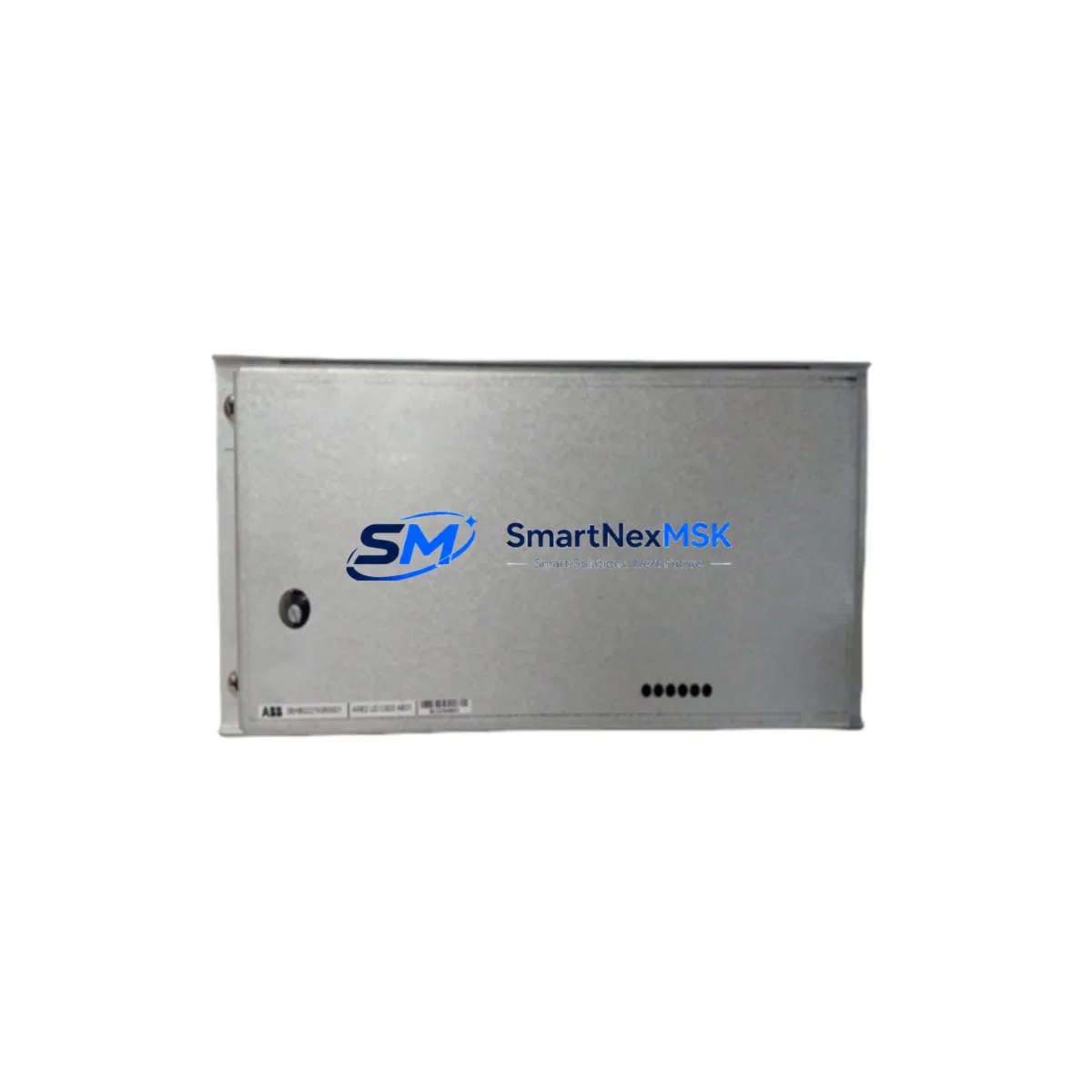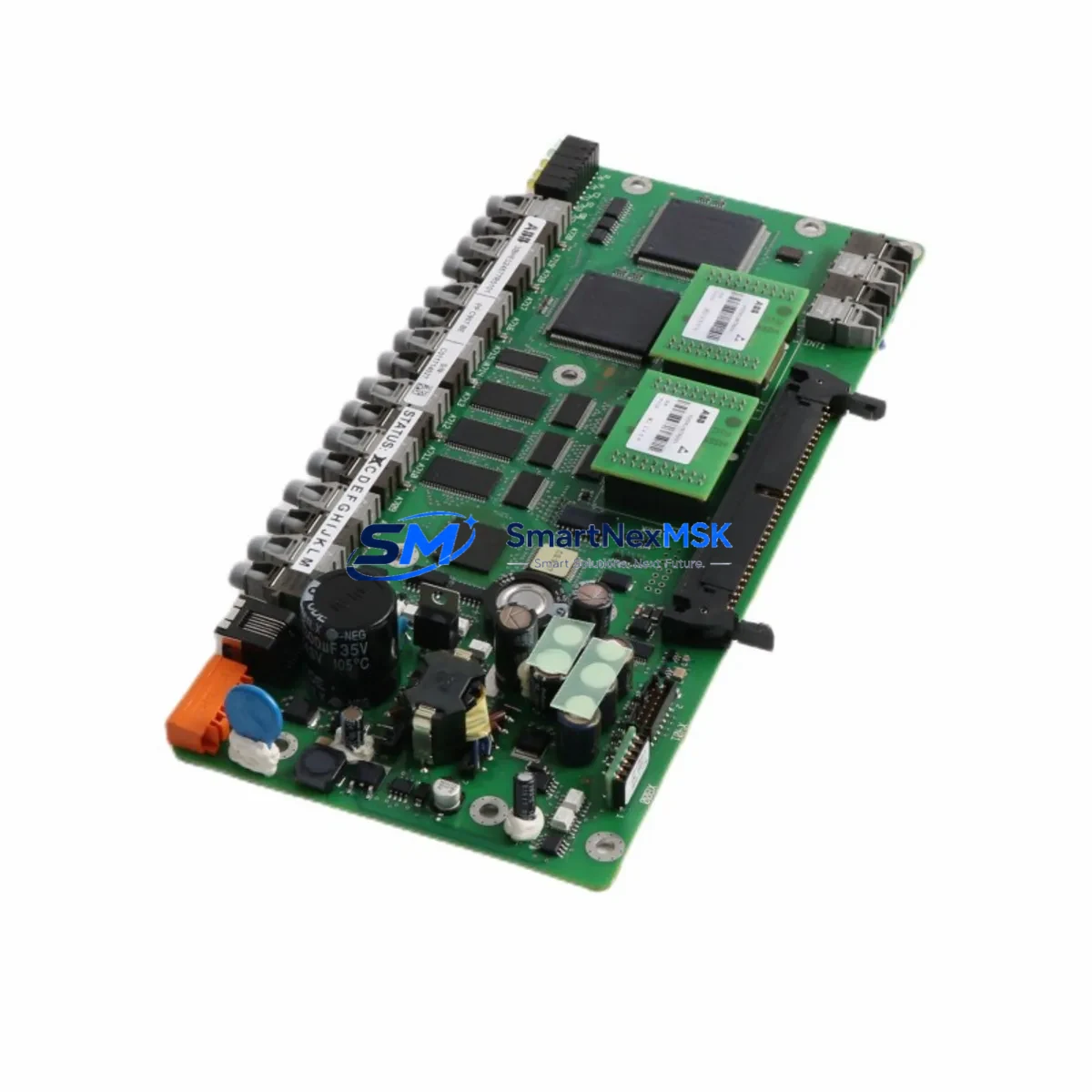
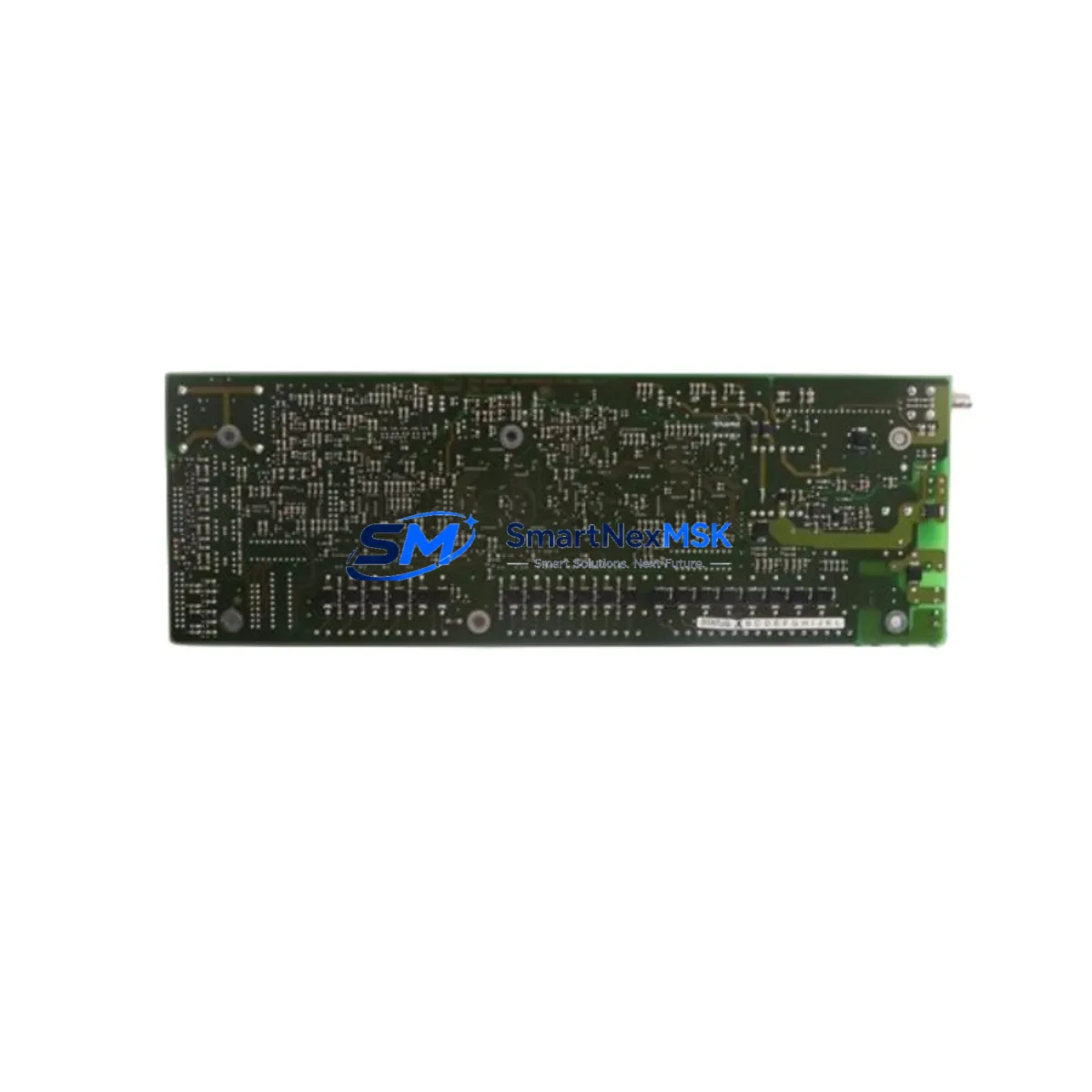
ABB 3BHB005922R0001 Maintenance-Ready Spare for Symphony Plus Automation
The ABB 3BHB005922R0001 (UNS0880A-P V1) is a CIN PCB communication interface node board designed for ABB Symphony Plus distributed control systems. As a critical communication backbone component, this module manages node-level data exchange between the Symphony Plus controller network and field I/O subsystems. Unplanned failure of this board results in immediate loss of process visibility and control loop integrity — making a verified, ready-to-ship spare an essential element of any industrial maintenance strategy.
For maintenance engineers managing continuous process plants, power generation facilities, or chemical production lines built on ABB Symphony Plus architecture, the 3BHB005922R0001 represents a high-criticality spare. Its role in the CIN (Communication Interface Node) layer means that degradation or failure directly impacts the ability of the DCS to receive and transmit real-time process data. Procurement engineers should treat this part as a Tier-1 spare — stocked on-site or with a committed lead time from a verified supplier.
This listing supplies the original ABB-manufactured 3BHB005922R0001 UNS0880A-P V1 board, sourced from authorized channels, tested prior to shipment, and backed by a 12-month warranty covering manufacturing defects and functional performance. Each unit is inspected for PCB integrity, connector condition, and firmware revision compatibility before dispatch.
Spare Maintenance Table
| Part Number | 3BHB005922R0001 |
| Model / Designation | UNS0880A-P V1 CIN PCB |
| Brand | ABB |
| Series | Symphony Plus (S+) |
| Module Function | Communication Interface Node — DCS network data exchange |
| Compatible Systems | ABB Symphony Plus DCS, Symphony Harmony (legacy migration) |
| Form Factor | PCB card, rack-mounted |
| Operating Voltage | 24 VDC (supplied via backplane) |
| Communication Protocol | ABB proprietary CIN bus; compatible with S+ controller nodes |
| Operating Temperature | 0°C to +60°C |
| Origin | Germany (ABB Mannheim / Baden-Württemberg manufacturing) |
| Installation | Hot-swap capable with system in maintenance mode; cold-swap recommended for production environments |
| Firmware | V1 — confirm compatibility with site S+ software revision before installation |
| Application Environment | Power generation, chemical processing, oil & gas, pulp & paper, water treatment |
| Maintenance Recommendation | Inspect connector pins and backplane contacts every 12 months; replace on first sign of CIN bus fault alarms |
| Warranty | 12 Months — covers manufacturing defects and functional performance |
| Pre-shipment Testing | Functional verification, PCB visual inspection, connector integrity check |
Maintenance Planning for Continuous Operation
When a CIN communication fault is diagnosed in a Symphony Plus system, the 3BHB005922R0001 board is rarely the only component that warrants attention. A thorough maintenance response should extend to the surrounding electrical and control infrastructure to prevent repeat failures and confirm system integrity before returning to automatic operation.
Begin with the Symphony Plus backplane and rack assembly — a damaged or corroded backplane connector can cause intermittent CIN faults that mimic board failure. Inspect the rack’s power distribution rails and verify that the ABB PP825 or PP826 power supply module is delivering stable 24 VDC within tolerance; voltage sag or ripple at the backplane is a common root cause of communication node instability.
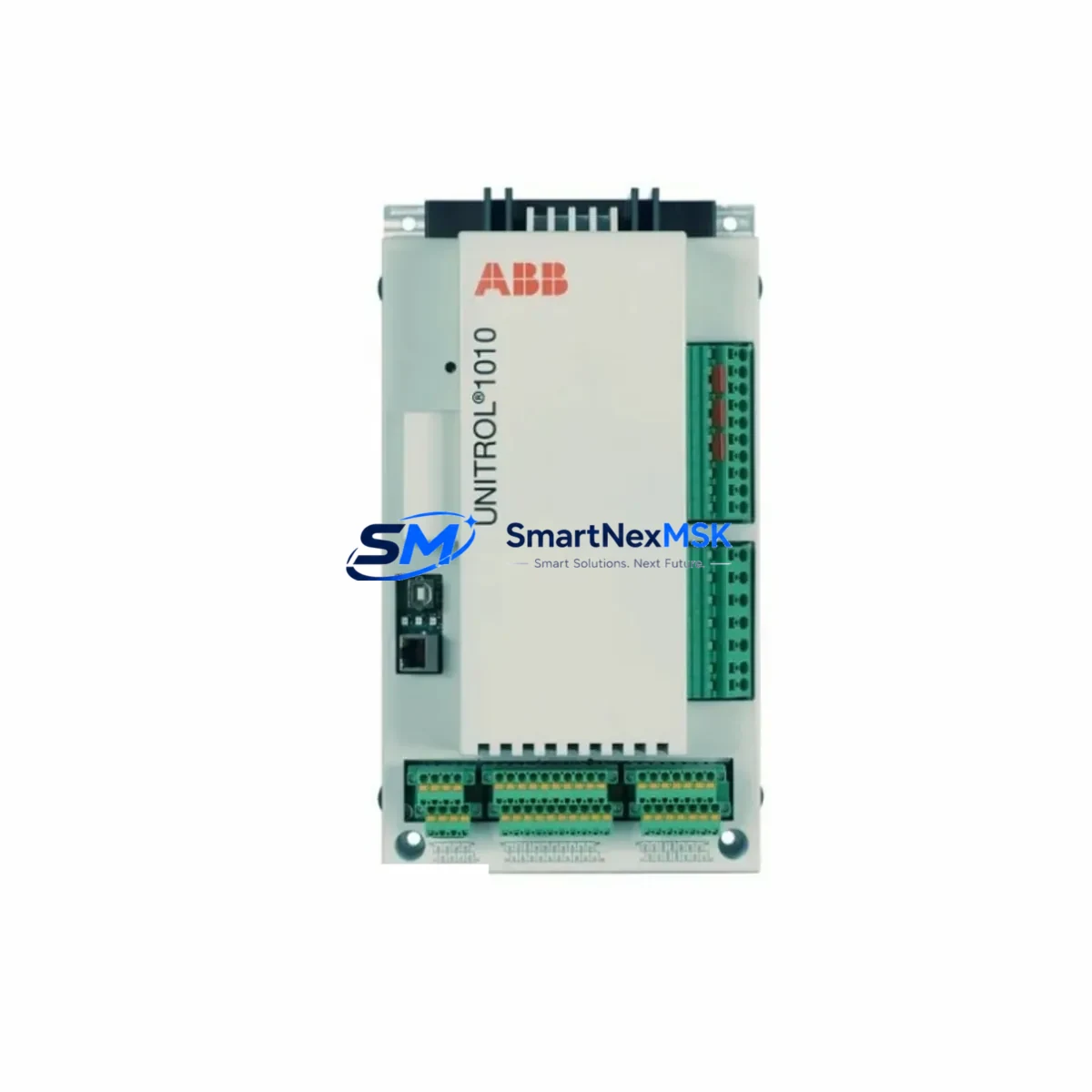
Next, audit the S+ controller module (e.g., PM891 or PM865) paired with this CIN board. A controller firmware mismatch or corrupted configuration can prevent a new 3BHB005922R0001 from initializing correctly even after physical replacement. Confirm that the SD card or compact flash configuration media in the controller is current and uncorrupted.
On the field side, check the AI810, AO810, DI810, and DO810 I/O modules connected downstream of the CIN node. A shorted field device or wiring fault on an I/O channel can generate bus errors that propagate upstream and stress the communication interface board. Use the S+ diagnostic tools to isolate any I/O channel faults before commissioning the replacement board.
For plants using PROFIBUS or FOUNDATION Fieldbus segments integrated into the Symphony Plus architecture, inspect the relevant CI854 or CI801 communication interface modules for bus termination integrity and address conflicts. A fieldbus segment fault can create cascading alarms that obscure the true source of a CIN board failure.
Terminal blocks and TB820 or TB825 termination units connected to the I/O modules should be inspected for loose wiring, oxidized contacts, and correct torque on screw terminals — particularly in high-vibration or high-humidity environments. Signal integrity issues at the termination layer are frequently misdiagnosed as controller or communication module faults.
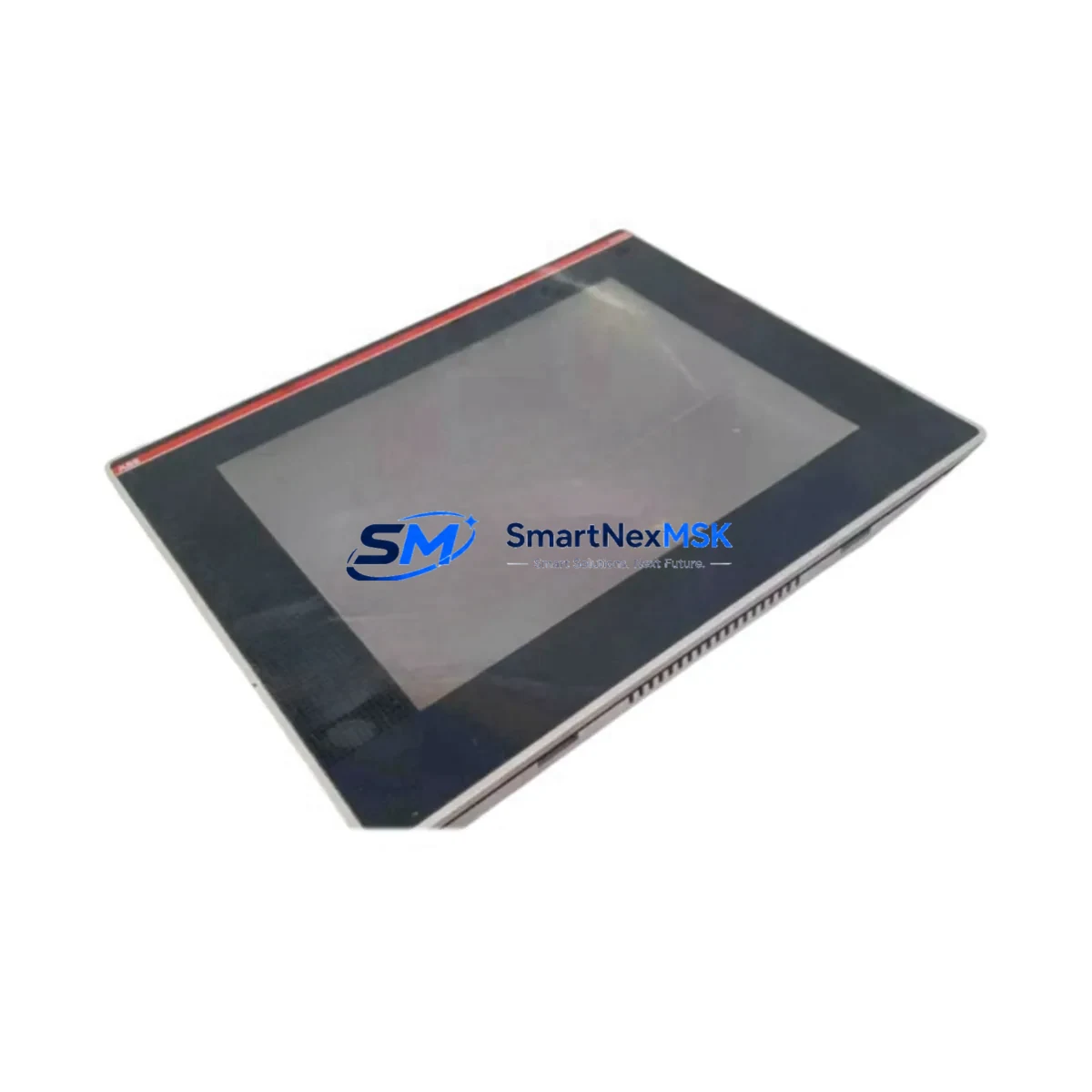
Finally, if the plant uses an ABB Operator Workplace (OWS) or Information Management Station (IMS) running 800xA or Symphony Plus HMI software, verify that the HMI communication path to the affected node is restored and that historical data logging resumes correctly after the board replacement. Gaps in process historian data can trigger compliance issues in regulated industries.
Stocking the 3BHB005922R0001 alongside complementary spares — including a spare PM891 controller, one set of AI810/DI810 I/O modules, and a replacement PP826 power supply — provides a complete first-response kit for Symphony Plus DCS outages and significantly reduces mean time to repair (MTTR).
Site Replacement Workflow
Step 1 — Fault Confirmation: Use the Symphony Plus System Alarm List and CIN diagnostic LEDs to confirm that the 3BHB005922R0001 is the source of the communication fault. Document the fault code and timestamp for maintenance records.
Step 2 — Safe Isolation: Place the affected control loop in manual mode at the DCS operator station. Notify the field operations team. If the system supports redundant CIN nodes, verify that the redundant path has assumed control before proceeding.
Step 3 — Physical Replacement: Power down the affected rack slot if hot-swap is not supported at your site configuration. Remove the faulty 3BHB005922R0001 board by releasing the front-panel ejector levers. Insert the replacement unit, ensuring the backplane connector is fully seated. Restore rack power.
Step 4 — Configuration Restore: The replacement UNS0880A-P V1 board may require node address configuration via the S+ engineering tool. Confirm the node address matches the original board’s assignment in the system configuration database. Download configuration if required.
Step 5 — Functional Verification: Monitor the CIN bus status in the S+ diagnostic view. Confirm all downstream I/O modules report healthy status. Verify process variable readings match field instrumentation. Return control loops to automatic mode only after full communication integrity is confirmed.
Step 6 — Documentation: Record the replacement in the plant CMMS (Computerized Maintenance Management System), including the new board serial number, installation date, and post-replacement test results. Update the spare parts inventory to trigger reorder of a replacement 3BHB005922R0001 for the next maintenance cycle.
Spare Parts Support FAQ
Q1: Is the 3BHB005922R0001 UNS0880A-P V1 compatible with both Symphony Plus and legacy Symphony Harmony systems?
The UNS0880A-P V1 is designed for the Symphony Plus (S+) platform. While Symphony Plus was developed as the successor to Symphony Harmony, direct hardware interchangeability between the two generations is not guaranteed. Confirm your system’s software revision and CIN bus specification with your ABB system documentation or engineering team before installing this board in a Harmony-era rack. For Symphony Plus systems running current S+ software releases, the 3BHB005922R0001 is a direct replacement.
Q2: What is included in the 12-month warranty, and what does the pre-shipment test cover?
The 12-month warranty covers manufacturing defects and confirmed functional failures under normal operating conditions. Each 3BHB005922R0001 unit undergoes pre-shipment functional verification, PCB visual inspection for solder joint integrity and component condition, and connector pin inspection. Units that do not pass inspection are not shipped. Warranty claims are processed via our sales team with a fault description and photographic evidence of the defect.
Q3: How should we manage long-term spare parts inventory for Symphony Plus systems approaching end-of-life?
ABB Symphony Plus is a mature platform with an extended support lifecycle, but critical communication and controller modules like the 3BHB005922R0001 are subject to production discontinuation risk as the platform ages. We recommend maintaining a minimum of one on-site spare per installed CIN node, with a secondary buffer stock held with a verified distributor. For plants with 10+ CIN nodes, a standing replenishment agreement ensures continuous availability without capital-intensive bulk purchases.
Q4: Can this board be shipped internationally, and what is the typical lead time?
Yes, the 3BHB005922R0001 is available for international shipment. In-stock units are dispatched within 1–3 business days. Express freight options are available for emergency maintenance situations. Export documentation, including commercial invoice and packing list, is provided with every shipment. Contact our team to confirm current stock status and freight options for your destination.
© 2026 SMARTNEXMSK. All rights reserved.
Original Source: https://smartnexmsk.com
Contact: [email protected] | +86 18259474341