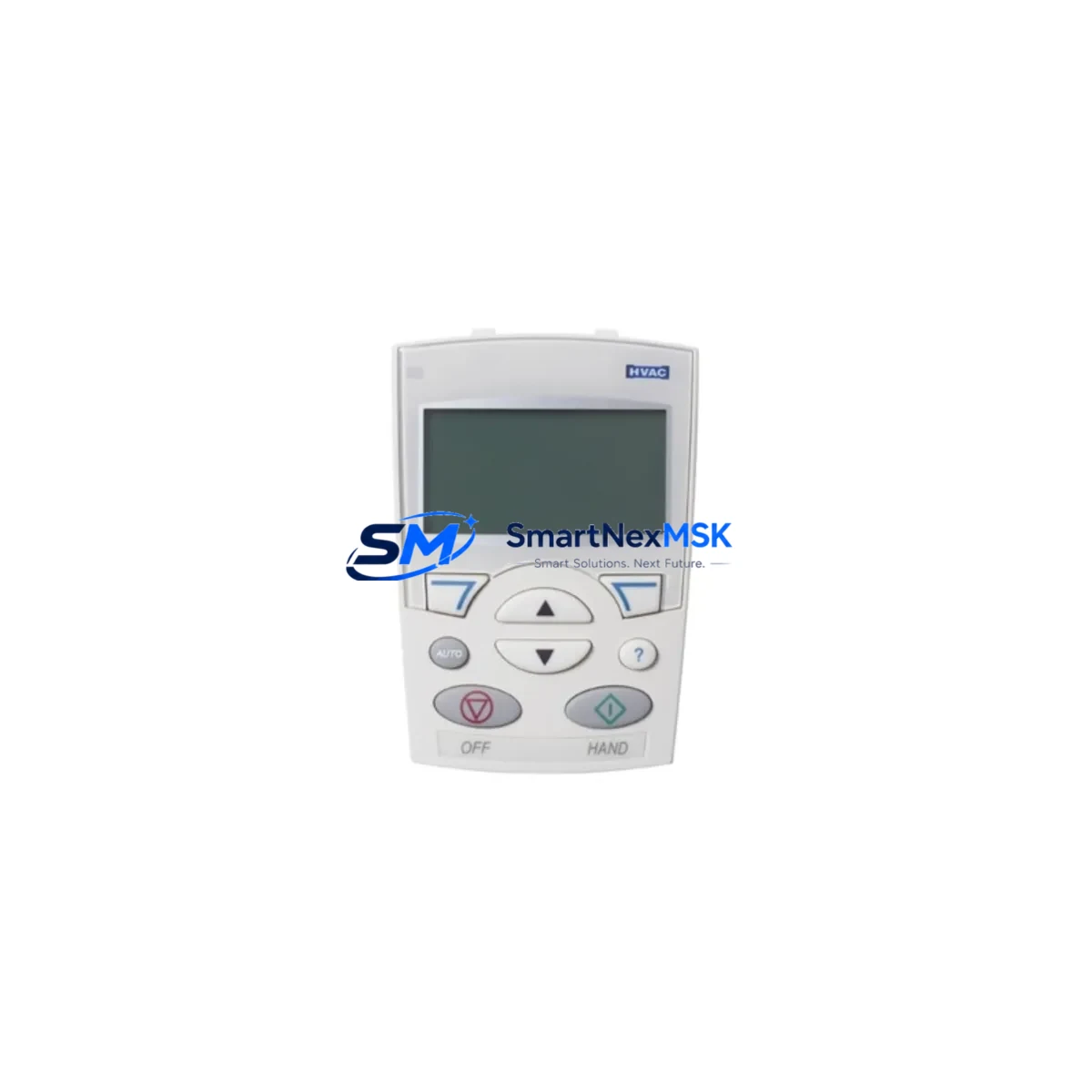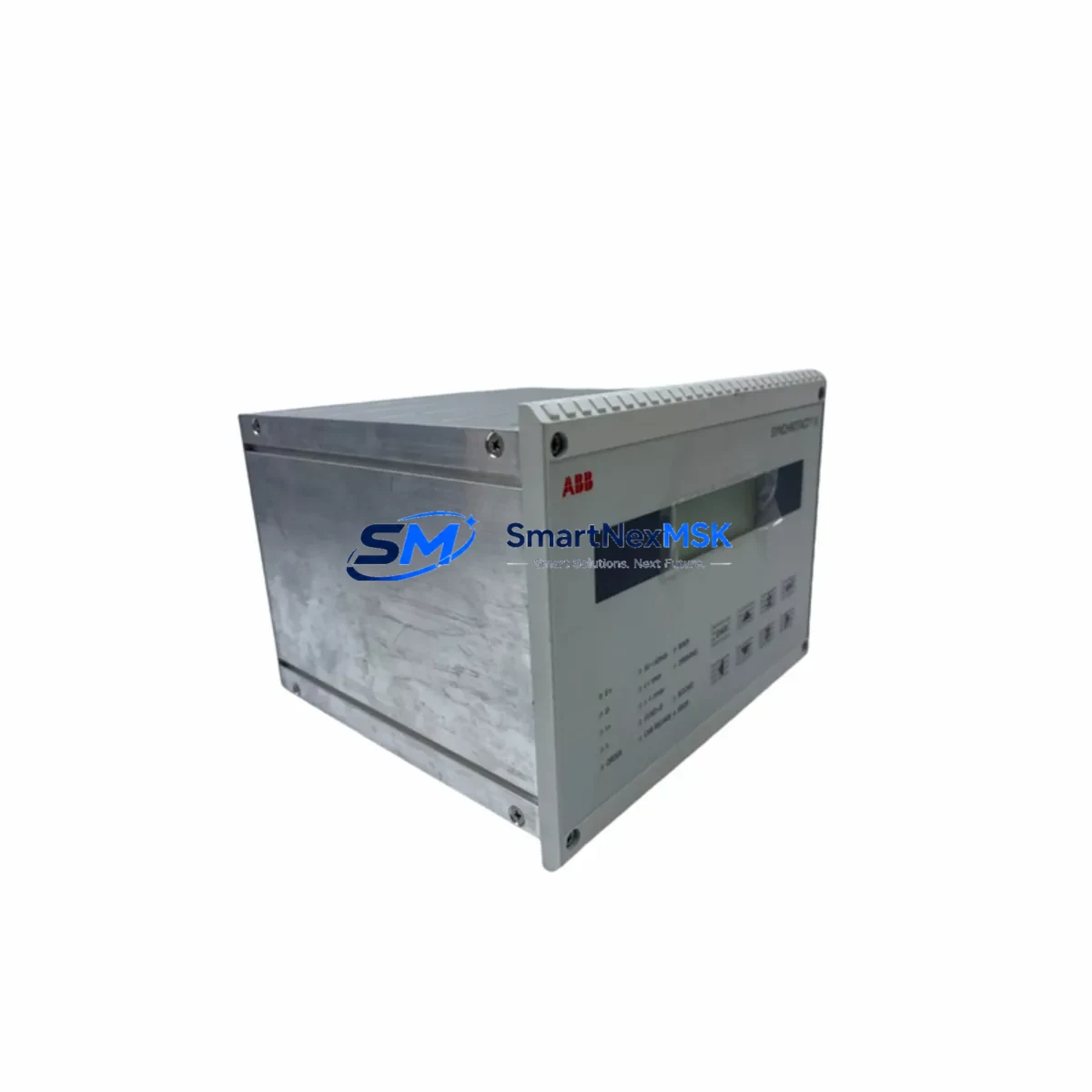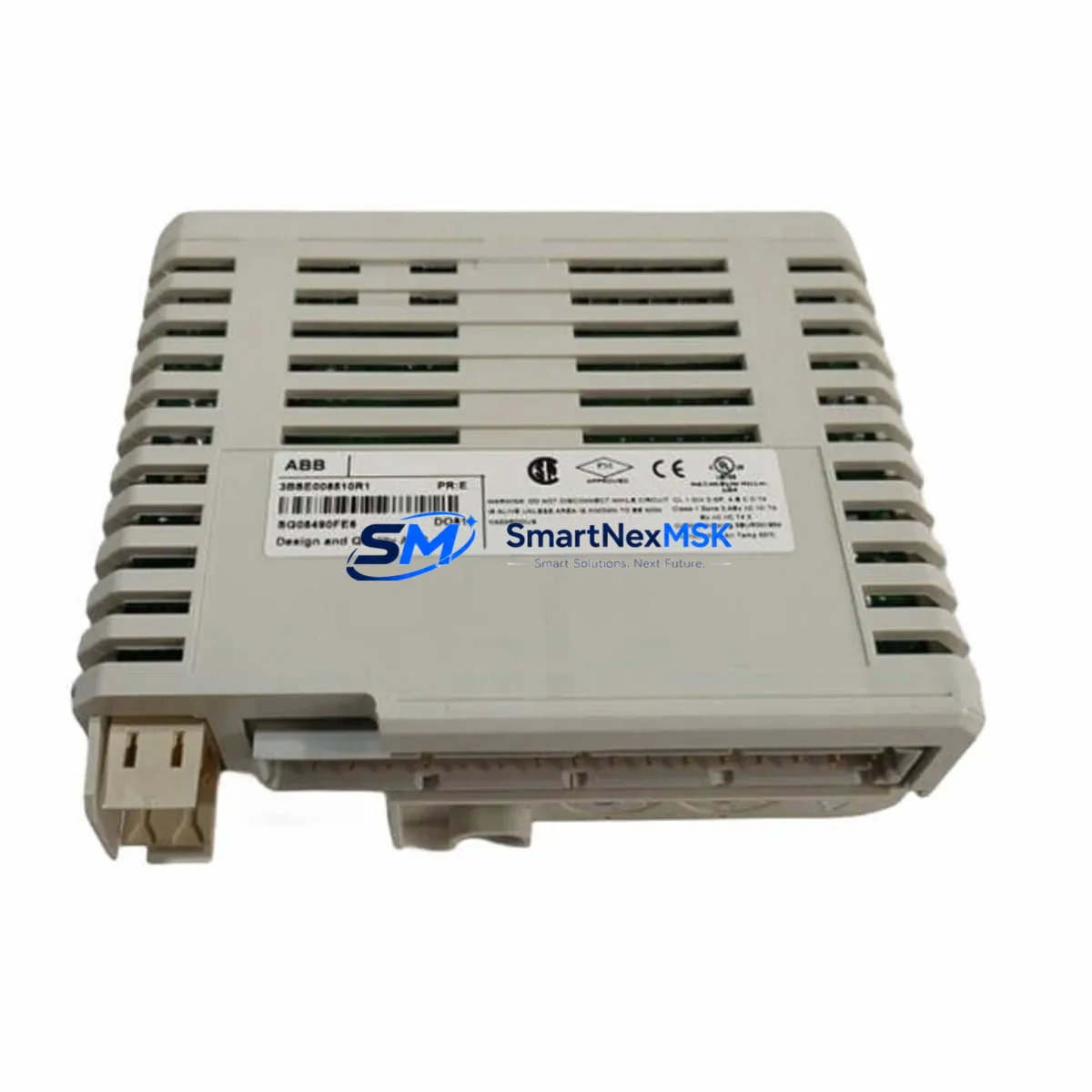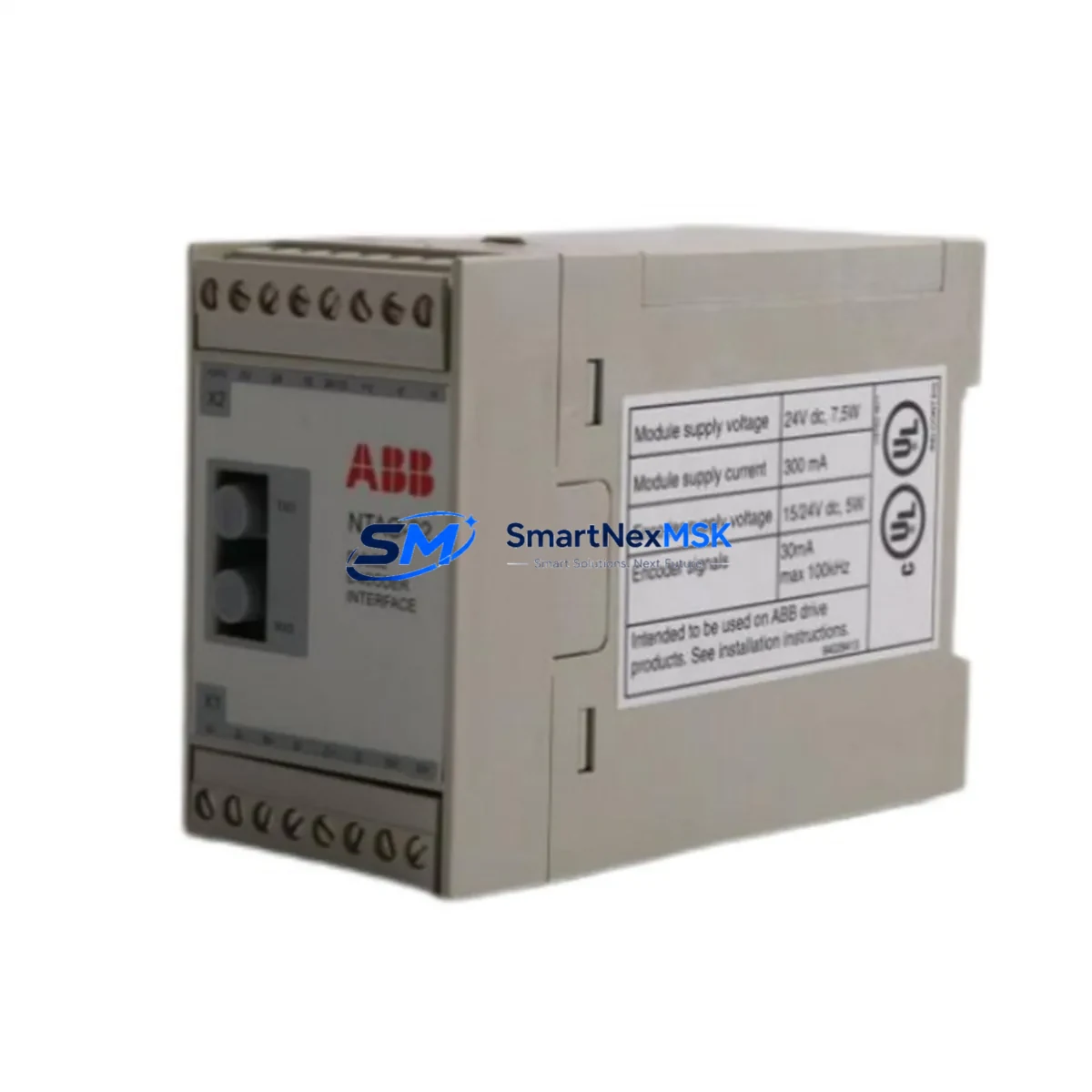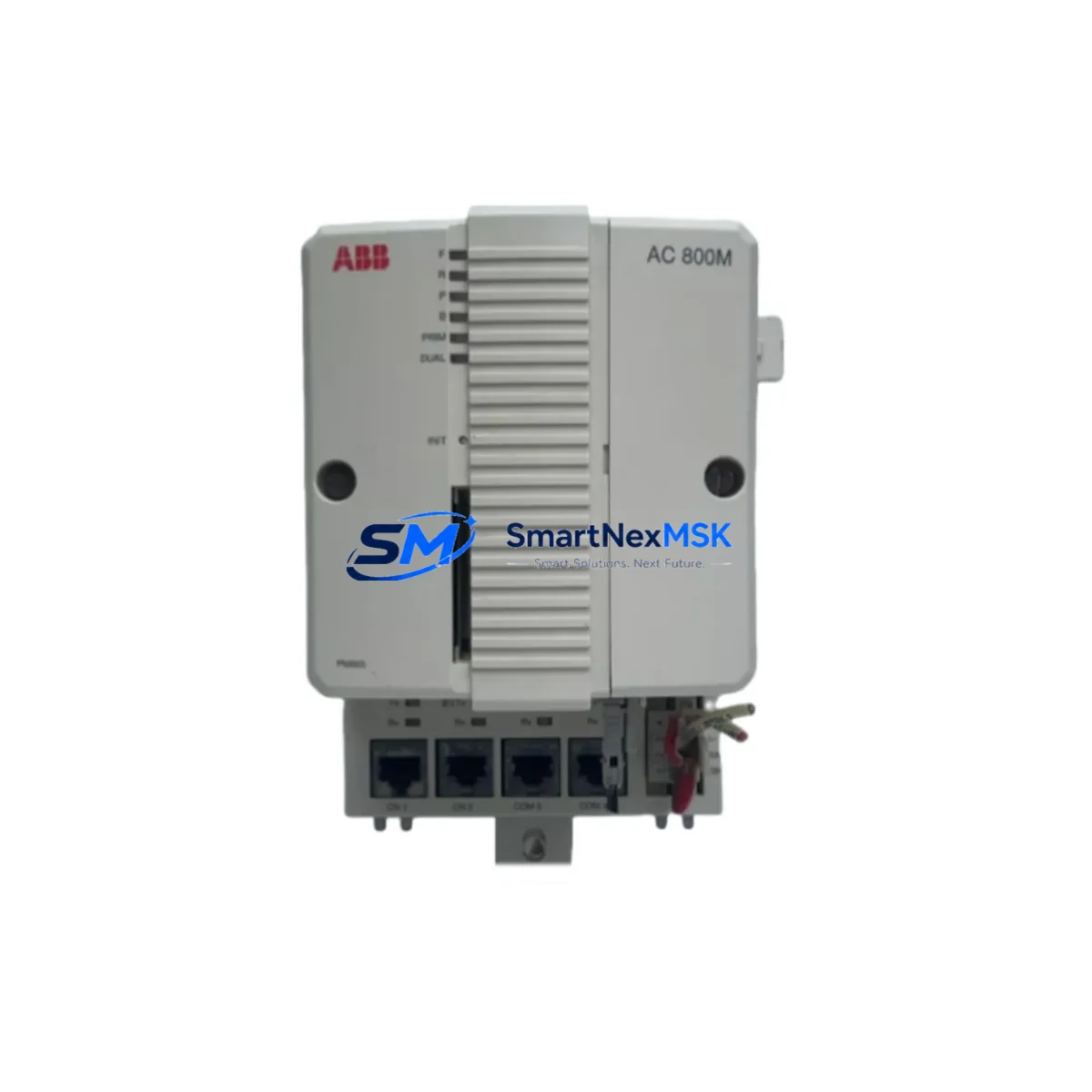
ABB AC800M Retrofit-Ready Process Controller for AC800M Series: Compatible Upgrade for Legacy Automation Systems
The ABB AC800M is a high-performance process controller designed for demanding industrial automation environments. As a retrofit-ready replacement for aging AC800M Series installations, this controller delivers seamless compatibility with existing backplane architectures, I/O wiring configurations, and communication protocols — enabling plant engineers to modernize legacy control systems without full-line shutdowns or costly re-engineering.
Whether you are replacing an end-of-life AC800M CPU module, upgrading a distributed control system (DCS) cabinet, or migrating from an older ABB Advant or MOD 300 platform, the AC800M provides a validated upgrade path that preserves existing program logic, field wiring, and HMI screen layouts. Its compatibility with ABB’s S800 I/O series — including AI810, AO810, DI810, and DO810 modules — means that most retrofit projects can be completed without rewiring field terminals or reconfiguring marshalling cabinets.
Upgrade Compatibility Table
| Parameter | Details |
|---|---|
| Compatible Series | ABB AC800M (PM851, PM856, PM860, PM861, PM864, PM866) |
| Backplane Interface | CEX-Bus / ModuleBus — compatible with existing racks |
| Communication Protocols | PROFIBUS-DP, Modbus RTU/TCP, FOUNDATION Fieldbus, OPC DA/UA |
| I/O Compatibility | S800 I/O modules (AI810, AO810, DI810, DO810, DX810) |
| Power Supply Requirement | 24 VDC nominal; verify SD821/SD822/SD823 PSU capacity before swap |
| Installation Format | DIN rail / rack-mount; same footprint as original AC800M modules |
| Replacement Recommendation | Direct drop-in for PM8xx series; verify firmware revision compatibility |
| Commissioning Notes | Restore application via Control Builder M; verify node address and redundancy settings |
| Warranty | 12-Month Warranty — covers hardware defects and functional failures |
Retrofit Planning for Existing Automation Systems
A successful AC800M retrofit begins with a thorough audit of the existing control cabinet. Before removing the legacy controller, engineers should document the current CEX-Bus rack layout, confirm the SD821 or SD822 power supply output capacity, and verify that the TB820 or TB840 ModuleBus modem is compatible with the replacement module’s firmware. In multi-controller architectures, the CI854 PROFIBUS communication interface and CI857 FOUNDATION Fieldbus interface should be checked for address conflicts before the new CPU is inserted.
For plants running redundant controller pairs, the AC800M supports hot-standby redundancy through the SC520 or SC522 interconnect cables. During the swap, the standby controller can maintain process control while the primary is replaced — a critical advantage in continuous-process industries such as oil and gas, pulp and paper, and chemical manufacturing.
I/O expansion during the retrofit is straightforward. The S800 I/O family — including the AI835 RTD input module, AO820 analog output module, and DI885 digital input module — connects directly to the existing ModuleBus without additional gateways. If the project requires adding Ethernet-based I/O, the CI873 IEC 61850 communication interface or the CI801 PROFINET adapter can be installed in an adjacent rack slot without modifying existing wiring.
HMI integration should be validated before go-live. Plants using ABB’s 800xA System or third-party SCADA platforms via OPC DA should confirm that all faceplates, trend displays, and alarm configurations reference the correct controller node address. If the node address changes during the retrofit, HMI graphics and historian tags must be updated accordingly. For sites using the PM864 or PM866 with built-in Ethernet ports, IP address reassignment should be coordinated with the plant network team to avoid conflicts with existing Modbus TCP or OPC UA connections.
Downtime Control During System Migration
Minimizing unplanned downtime is the primary concern in any AC800M retrofit project. The recommended approach is to pre-configure the replacement controller offline using ABB Control Builder M, loading the existing application program from a backup archive and verifying all I/O channel assignments, function block parameters, and communication settings before the physical swap begins.
On the day of cutover, the sequence should follow a structured plan: isolate the legacy CPU, transfer the pre-configured replacement into the rack, restore power, and perform a controlled warm-start to verify that all process values are read correctly before releasing control to the new module. In redundant systems, the switchover can be performed without interrupting field outputs by activating the standby controller first and then replacing the primary.
Program logic integrity should be verified by comparing key process variables — PID setpoints, interlock states, and analog scaling factors — against the pre-shutdown baseline. Any discrepancies in the SD821 power supply loading, CEX-Bus termination, or ModuleBus cable routing should be resolved before the system is returned to automatic control. A post-commissioning functional test covering all critical I/O channels, communication links, and HMI displays is strongly recommended before signing off on the retrofit.
Retrofit Support FAQ
Q: Is the AC800M a direct replacement for the PM856 or PM860 without reprogramming?
A: In most cases, yes. The AC800M CPU modules share the same application programming environment (Control Builder M) and CEX-Bus backplane interface. Existing application programs can be restored from backup without modification, provided the firmware revision of the replacement module is compatible with the application version. We recommend verifying the Control Builder M project version before ordering.
Q: What wiring changes are required when replacing an AC800M module?
A: For like-for-like CPU replacements (e.g., PM856 to PM856), no field wiring changes are required. The S800 I/O modules remain in place and reconnect automatically via ModuleBus. If upgrading to a higher-specification module (e.g., PM864 or PM866), verify that the SD822 or SD823 power supply can support the increased current draw before installation.
Q: How is the replacement unit tested before shipment?
A: Every unit undergoes a pre-shipment functional test covering power-on self-test, communication port verification, and I/O channel continuity checks. Units are shipped with a test report confirming pass status. The 12-month warranty covers all hardware defects identified after installation.
Q: Can the AC800M communicate with third-party SCADA systems via Modbus TCP or OPC UA?
A: Yes. The AC800M supports Modbus TCP natively via its Ethernet port and OPC DA/UA through the 800xA connectivity server. For PROFIBUS-DP integration with third-party PLCs or remote I/O, the CI854 interface module provides a validated communication path without requiring changes to the existing field wiring or network topology.
© 2026 SMARTNEXMSK. All rights reserved.
Original Source: https://smartnexmsk.com
Contact: [email protected] | +86 18259474341