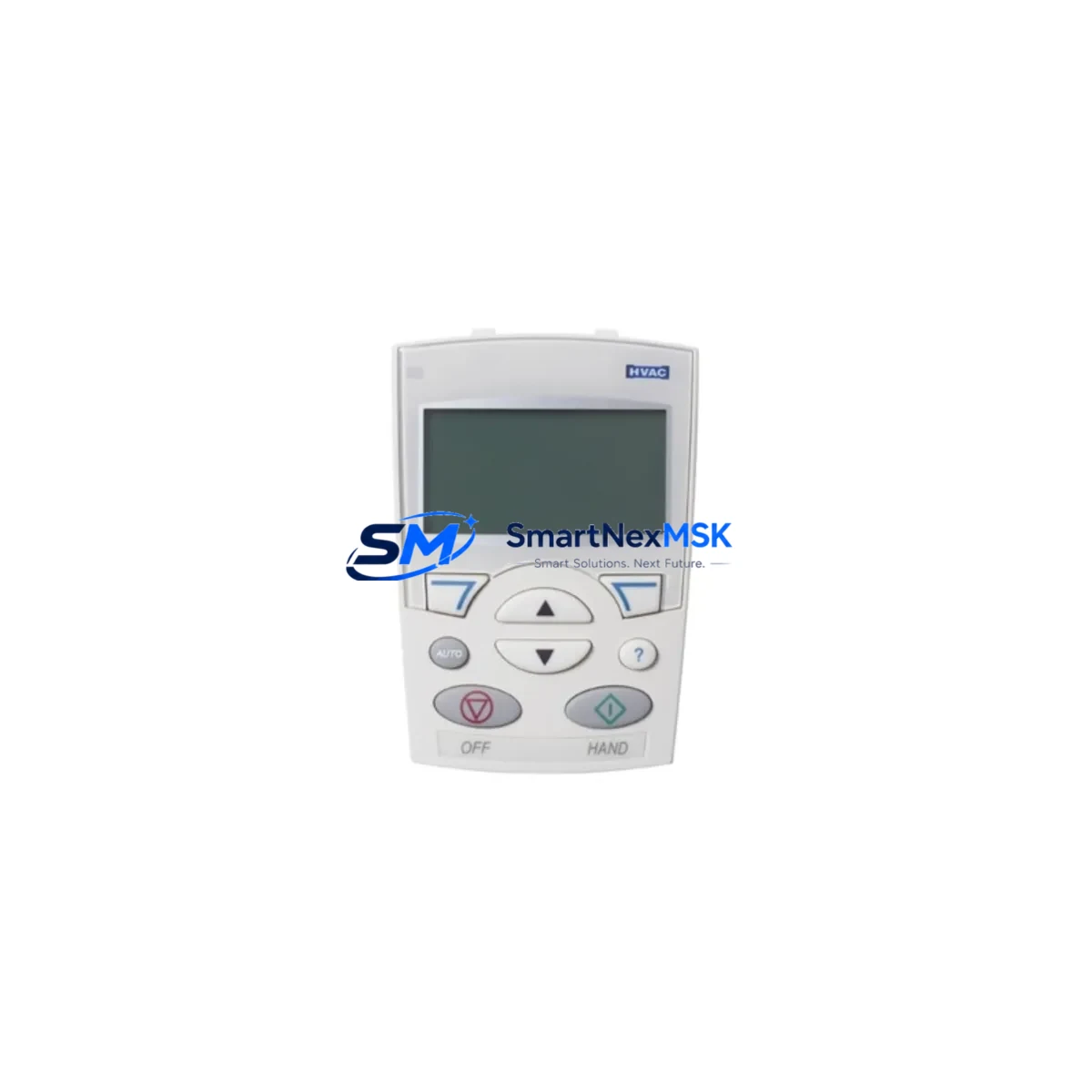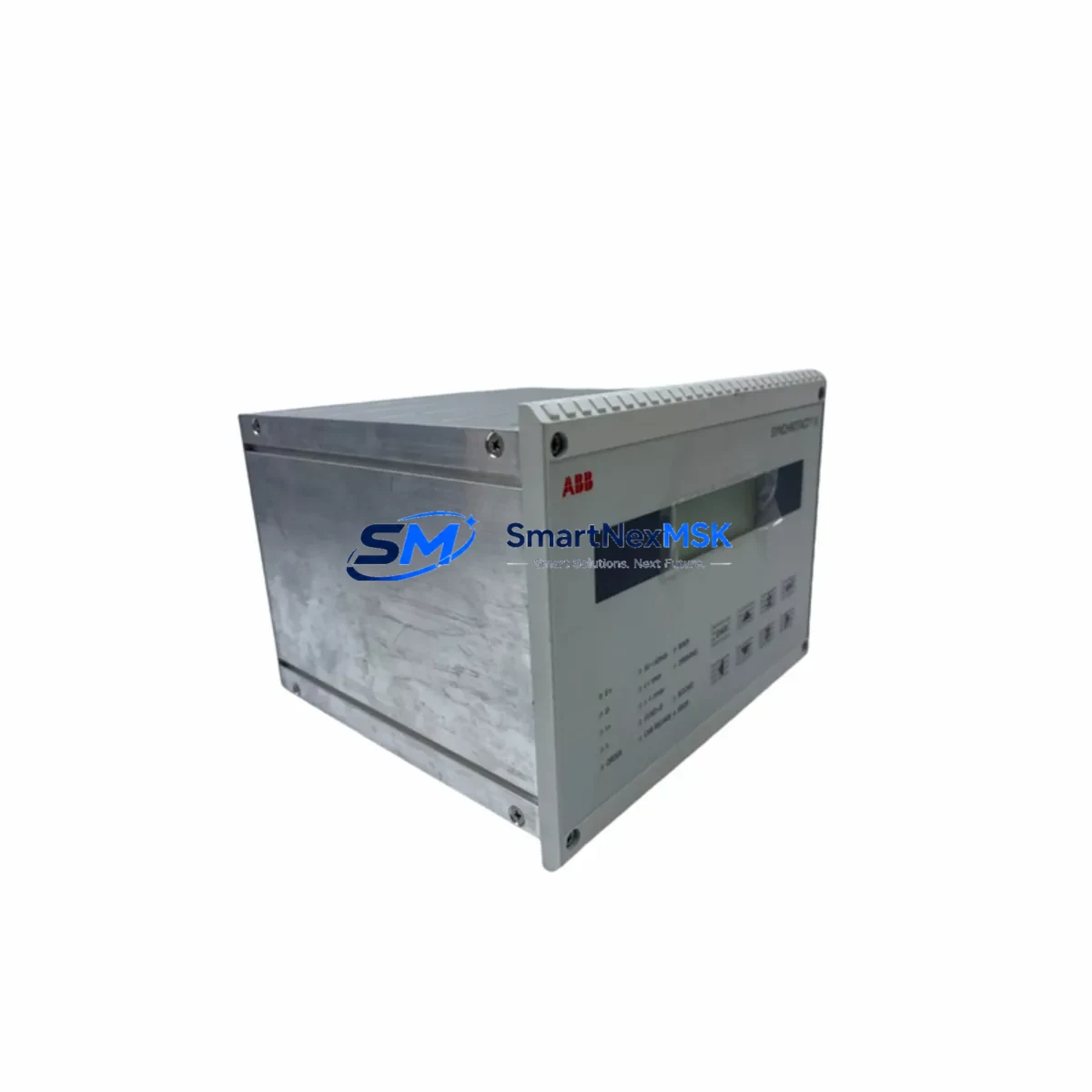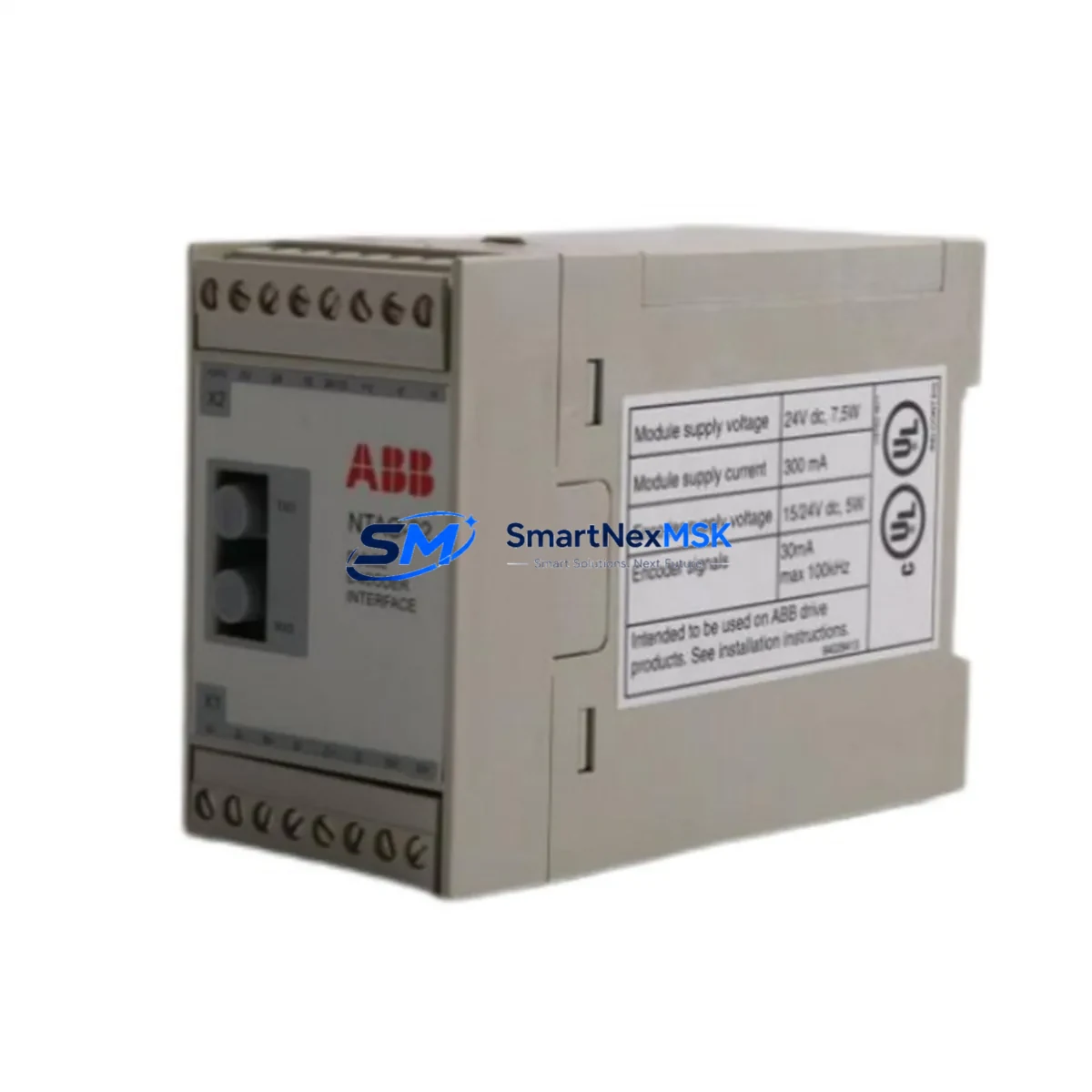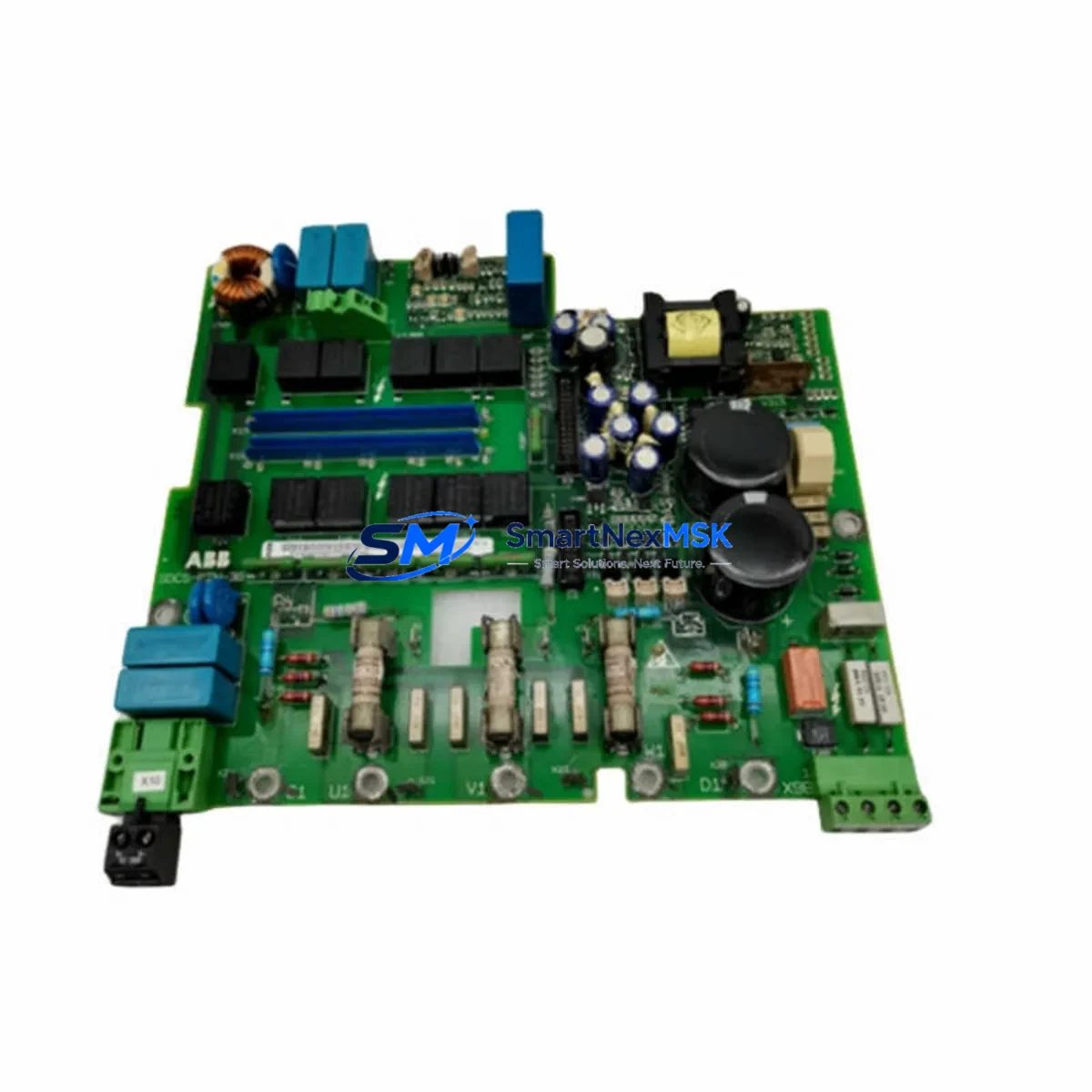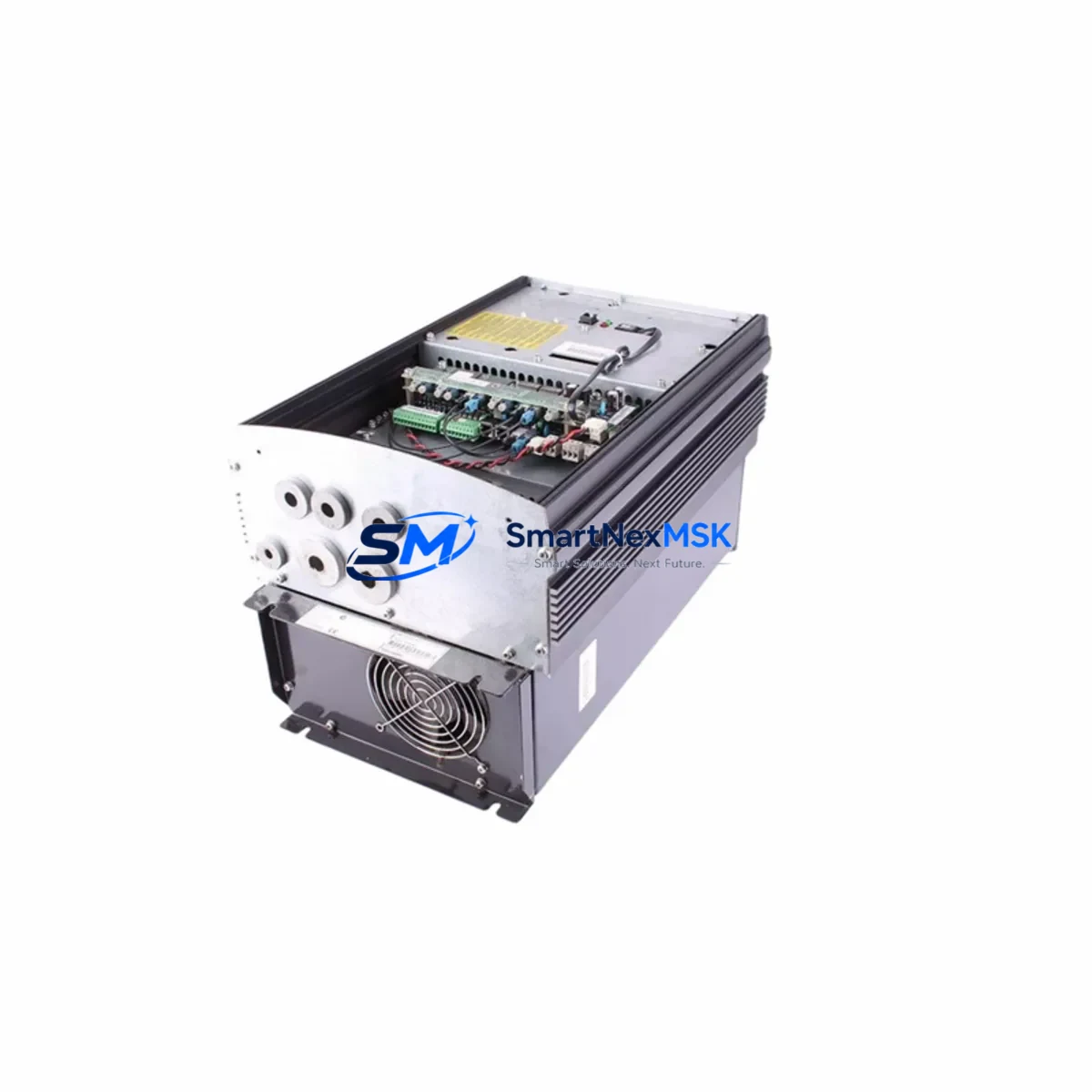
ABB ACS60100203 Retrofit-Ready VFD for ACS600 Control Systems
The ABB ACS60100203 is a retrofit-ready variable frequency drive engineered for seamless integration into existing ACS600 series control architectures. As legacy ACS600 drives approach end-of-life and spare parts become increasingly scarce, the ACS60100203 provides a validated drop-in upgrade path that preserves existing wiring infrastructure, control logic, and communication topology — minimizing engineering rework and unplanned downtime on the production floor.
Designed for industrial environments where continuity of operation is non-negotiable, this unit supports direct panel mounting in standard control cabinets previously housing ACS600 drives. The terminal block layout is compatible with existing field wiring, and the drive’s parameter structure aligns closely with ACS600 firmware conventions, reducing the time required for parameter migration and commissioning. Engineers familiar with the ACS600 platform will find the transition straightforward, with most application macros transferable with minor adaptation.
For facilities running mixed-generation automation systems, the ACS60100203 supports PROFIBUS DP and Modbus RTU communication protocols, ensuring backward compatibility with existing SCADA, DCS, and PLC supervisory layers. Where fieldbus adapters such as the NPBA-12 PROFIBUS adapter or NMBА-01 Modbus adapter were previously installed on the ACS600, equivalent adapter modules are available for the replacement unit, maintaining the same network node addressing and telegram structure.
Upgrade Compatibility Table
| Parameter | Legacy ACS600 | ACS60100203 (Replacement) |
|---|---|---|
| Mounting Format | Wall/panel mount, standard DIN rail | Compatible panel mount, same footprint class |
| Control Terminal Wiring | Standard screw terminal block | Direct-compatible terminal layout; verify torque spec |
| Communication Protocols | PROFIBUS DP, Modbus RTU, DeviceNet (via adapter) | PROFIBUS DP, Modbus RTU, EtherNet/IP (via adapter) |
| Backplane / Rack Interface | Standalone drive, no backplane bus | Standalone; same cabinet integration approach |
| Parameter Migration | ACS600 parameter set (Groups 10–99) | Compatible macro structure; re-entry or upload required |
| HMI / Panel Compatibility | CDP312 control panel | Compatible assistant control panel; verify firmware rev |
| Installation Requirement | Existing cabinet cutout and cable glands | Reuse existing cutout; verify clearance for cooling airflow |
| Commissioning Focus | Motor data, application macro, I/O mapping | Motor ID run, parameter restore, fieldbus node verification |
| Warranty | — | 12-Month Warranty | Tested before shipment |
Retrofit Planning for Existing Automation Systems
A successful ACS60100203 retrofit begins well before the drive arrives on site. The first step is a thorough audit of the existing control cabinet: confirm available power supply capacity, verify that the 24 VDC auxiliary supply rail — often shared with I/O modules and relay cards — can support the replacement drive’s control board without voltage drop. In cabinets where an ABB PSU or third-party 24 VDC power supply module is already installed, load calculations should account for any additional current draw introduced by the new unit’s control electronics.
Terminal wiring documentation is critical. Before disconnecting the ACS600, photograph or export the full terminal assignment from the existing drive’s parameter list. Pay particular attention to the analog input channels (AI1, AI2) used for speed reference and process feedback, the digital input assignments (DI1–DI6) for run/stop, fault reset, and preset speed selection, and the relay output wiring (RO1–RO3) connected to motor contactors, fault indication lamps, or PLC digital input cards. The ACS60100203 maintains a comparable I/O structure, but terminal numbering should be cross-referenced against the replacement unit’s wiring diagram before reconnection.
For systems where the ACS600 communicated over PROFIBUS DP to a Siemens S7-300 or S7-400 PLC, or to an ABB AC500 controller, the GSD file for the replacement drive must be imported into the PLC engineering tool (STEP 7 or TIA Portal) and the DP slave configuration updated. Node address switches on the drive must be set to match the original slave address to avoid disrupting the existing network topology. Where DeviceNet was in use, migration to Modbus RTU or EtherNet/IP via an appropriate fieldbus adapter module is recommended, as DeviceNet support on newer drives may require an NDNA-01 or equivalent adapter.
In multi-drive installations — common in pump stations, conveyor systems, and HVAC plant rooms — the replacement sequence matters. Drives sharing a common DC bus or operating in master-follower configurations via a fiber optic link (DDCS channel) require careful sequencing to maintain torque balance and speed synchronization during the transition period. The RDCO-02 or RDCO-03 DDCS communication option board, if present in the original ACS600, should be evaluated for compatibility with the replacement unit before ordering.
Where an ABB ACS800 or ACS880 series drive is being considered as an alternative upgrade path, the ACS60100203 offers a more conservative migration with lower re-engineering overhead, making it the preferred choice for facilities with limited engineering resources or tight maintenance windows. Customers managing larger system upgrades may also be sourcing complementary components such as ABB SNAT 601 SNT power supply boards, NAMC-03 application control boards, AINT-02 inverter control interface boards, or APBU-44C branching units — all of which may be required in parallel retrofit projects within the same facility.
Downtime Control During System Migration
Minimizing production downtime during a drive replacement requires a structured pre-commissioning approach. Before the scheduled maintenance window, the replacement ACS60100203 should be bench-tested: power up the drive on a test bench, enter the motor nameplate data (rated voltage, current, frequency, speed, and power), and run the motor identification (ID) routine with a test motor of equivalent rating. This confirms the drive is fully functional and eliminates the risk of discovering a hardware fault during the live cutover.
Parameter backup from the existing ACS600 should be completed using the CDP312 control panel’s parameter upload function or via the DriveWindow Light PC tool connected through the drive’s serial port. Even if the parameter set cannot be directly restored to the replacement unit, having a printed or digital record of all modified parameters (Groups 10–99) allows rapid manual re-entry during commissioning, significantly reducing the time the motor is offline.
During the physical swap, label all field cables before disconnection and use the terminal photograph taken during the audit phase as the reconnection reference. After reconnection, perform an insulation resistance test on the motor cables before energizing the drive to rule out cable damage introduced during the work. On first power-up, verify the drive’s input voltage reading, check for any active fault codes, and confirm the control panel displays the correct motor data before issuing a run command.
For critical processes where even a brief interruption is unacceptable, a bypass contactor arrangement — where the motor can be switched directly to the mains supply while the drive is being replaced — should be pre-installed. This approach, common in water treatment and HVAC applications, allows the process to continue at fixed speed while the drive retrofit is completed, with the drive reintroduced into the circuit only after full commissioning is verified. All commissioning records, including parameter lists, fault logs, and test results, should be retained as part of the site’s maintenance documentation for future reference.
Retrofit Support FAQ
Q: Is the ACS60100203 a direct drop-in replacement for all ACS600 variants?
A: The ACS60100203 is compatible with the ACS600 series in terms of control philosophy, terminal layout, and communication protocol support. However, power rating, voltage class, and enclosure type must be verified against the original unit’s nameplate before ordering. Our technical team can confirm compatibility based on your existing drive’s full model code.
Q: Can I reuse the existing field wiring and terminal connections?
A: In most cases, yes. The terminal block structure of the ACS60100203 is designed to accommodate existing control wiring from ACS600 installations. We recommend cross-referencing the terminal assignment diagram supplied with the replacement unit against your existing wiring documentation. Analog signal shielding and grounding practices should be maintained as per the original installation.
Q: What communication protocols are supported, and do I need new fieldbus adapters?
A: The ACS60100203 supports PROFIBUS DP and Modbus RTU natively via optional adapter modules. If your existing ACS600 used a PROFIBUS adapter (e.g., NPBA-12), an equivalent adapter for the replacement unit is available. EtherNet/IP is also supported for facilities planning a protocol migration. Node addressing and GSD/EDS file updates will be required in the PLC or DCS engineering environment.
Q: What does the 12-month warranty cover, and is pre-shipment testing included?
A: Every ACS60100203 unit is powered up and functionally tested before dispatch. The 12-month warranty covers manufacturing defects and component failures under normal operating conditions. Units are shipped with a test report. For projects requiring extended warranty or on-site commissioning support, please contact our technical sales team directly.
© 2026 SMARTNEXMSK. All rights reserved.
Original Source: https://smartnexmsk.com
Contact: [email protected] | +86 18259474341