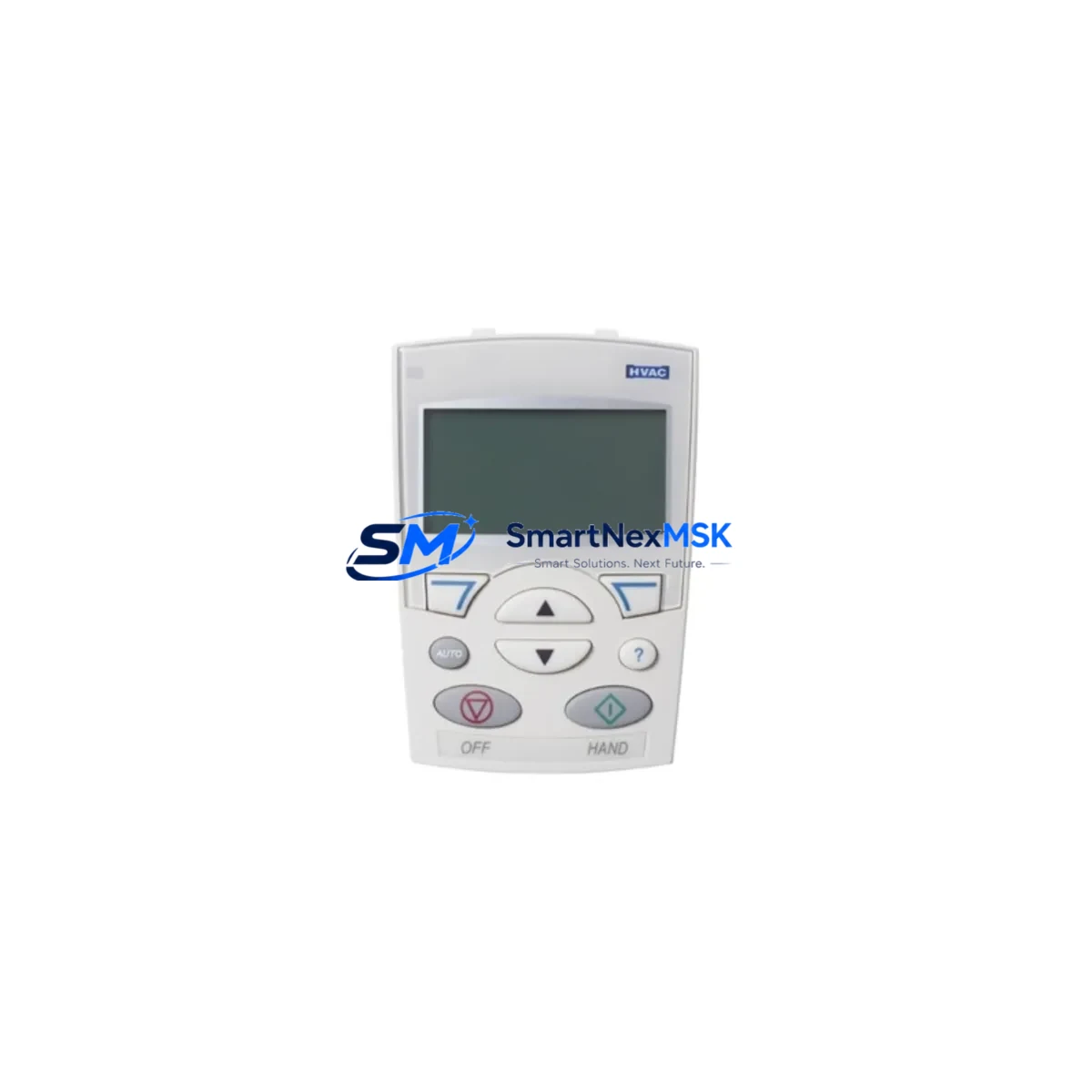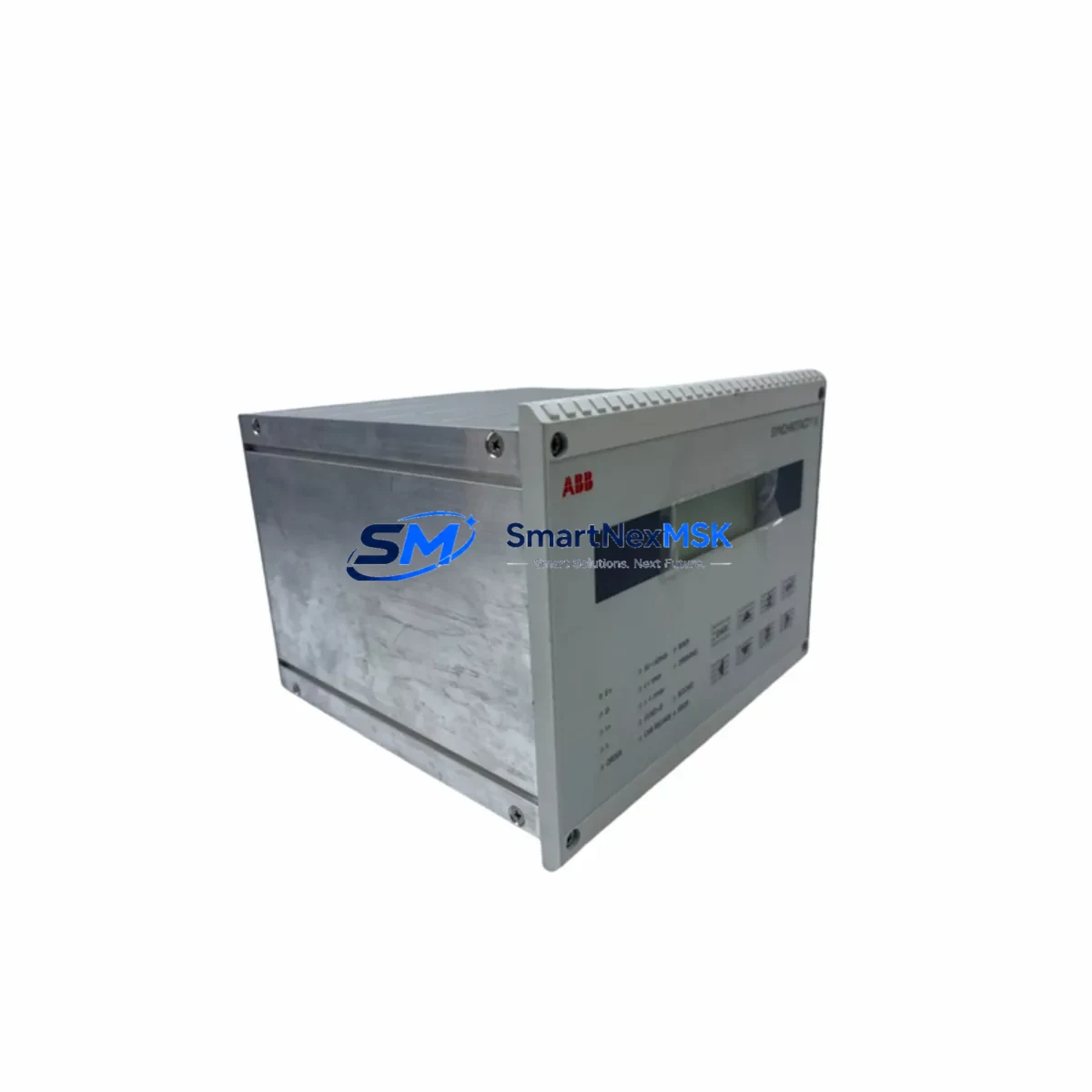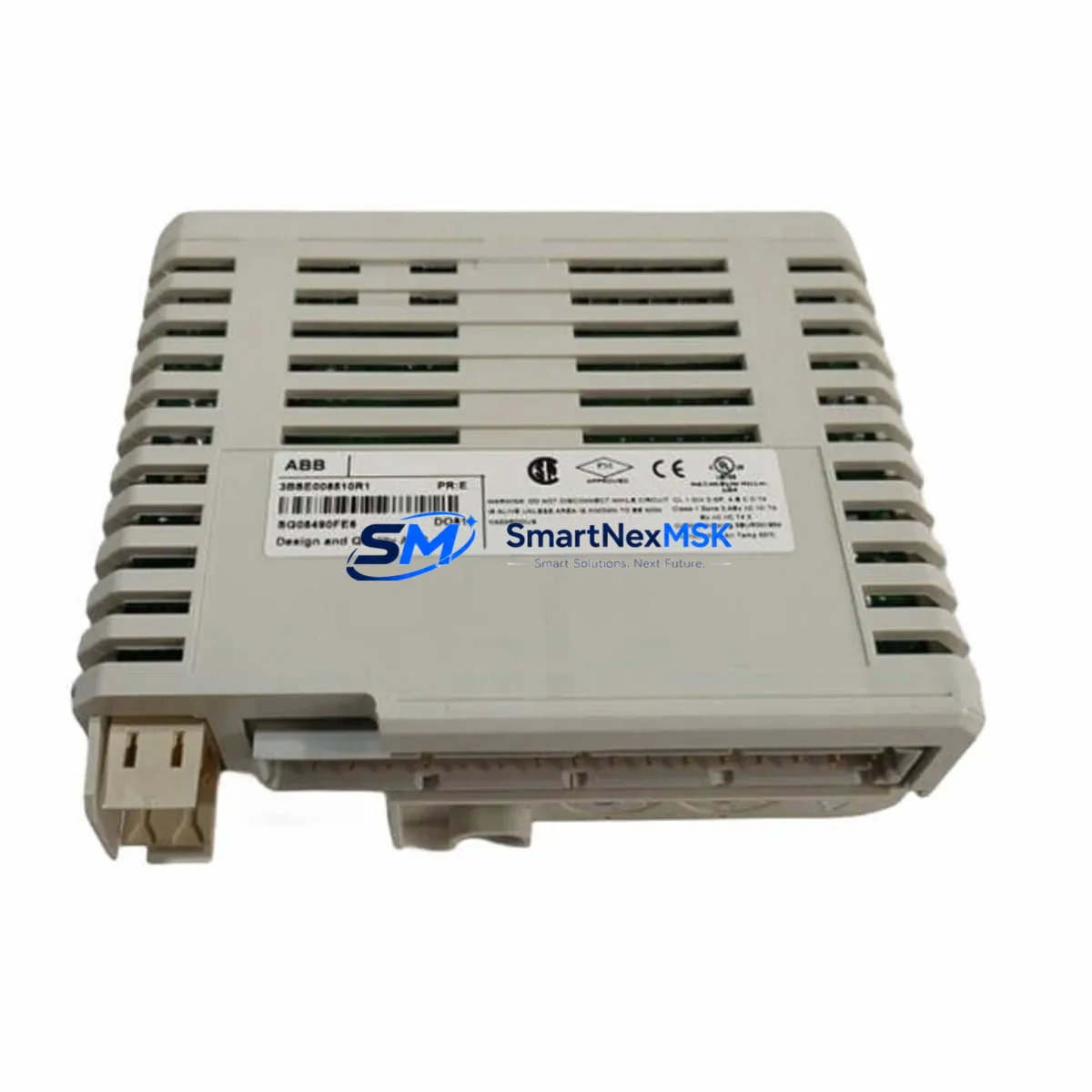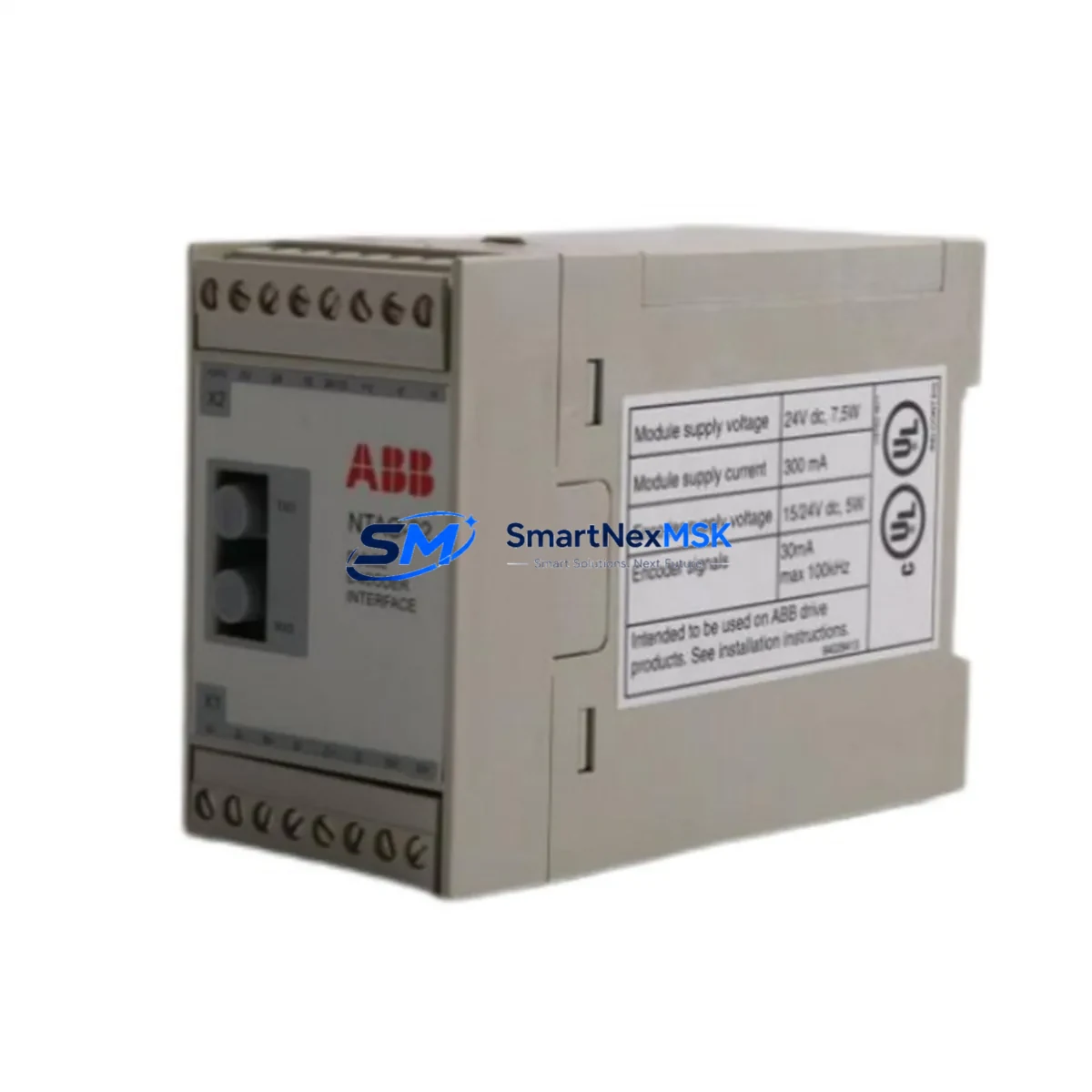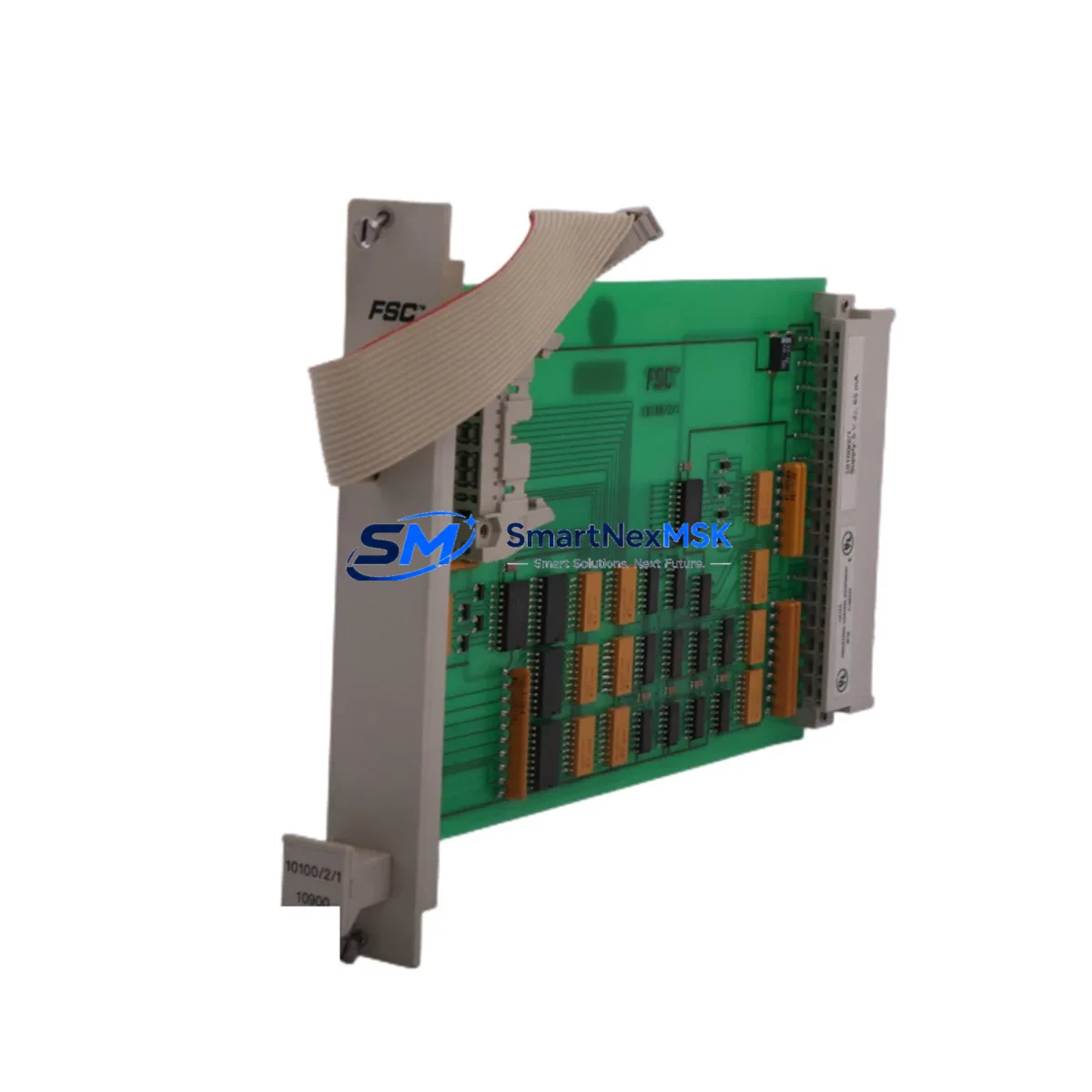
ABB AV43 Retrofit-Ready Analog I/O for Contronic Control Systems
The ABB AV43 is a proven analog input/output module engineered for the H&B Contronic distributed control system platform. As legacy Contronic installations reach end-of-support milestones, plant engineers and maintenance teams increasingly rely on the AV43 as a direct retrofit solution — one that preserves existing terminal wiring, backplane slot assignments, and process signal ranges without requiring a full DCS overhaul. Whether you are replacing a failed unit on an active production line, upgrading a control cabinet ahead of a scheduled turnaround, or migrating from an obsolete H&B predecessor module, the AV43 delivers the compatibility and reliability that industrial environments demand.
Sourced from verified supply channels and subject to full functional testing prior to shipment, each AV43 unit is backed by a 12-month warranty covering hardware defects and signal integrity. Stock is maintained to support urgent breakdown orders as well as planned retrofit projects across the process, power generation, and chemical industries.
Upgrade Compatibility Table
| Parameter | Details |
|---|---|
| Module SKU | AV43 |
| Brand / Platform | ABB / H&B Contronic |
| Module Function | Analog Input/Output |
| Signal Range | 4–20 mA / 0–10 V (configurable per channel) |
| Backplane Interface | Contronic standard rack bus — compatible with existing Contronic rack assemblies |
| Terminal Wiring | Direct terminal-for-terminal replacement; no rewiring required for standard field loops |
| Communication Compatibility | Contronic internal bus; compatible with Contronic operator stations and engineering workstations |
| Typical Replacement Targets | Obsolete H&B Contronic analog I/O cards of equivalent channel count and signal type |
| Installation Requirement | Slot address must be verified and matched to original module position; no rack modification required |
| Commissioning Note | Verify channel scaling, PV range, and alarm setpoints in the Contronic engineering tool after installation |
| Warranty | 12 months from date of shipment — covers hardware defects and signal performance |
| Origin | Germany (DE) |
Retrofit Planning for Existing Automation Systems
A successful AV43 retrofit begins well before the module arrives on site. The first step is a thorough audit of the existing Contronic rack configuration. Identify the precise slot position of the module to be replaced, confirm the rack type and backplane revision, and document all field terminal connections. In most Contronic installations, the AV43 occupies a standard analog slot and shares the rack bus with other I/O modules such as the DI41 digital input module and the DO42 digital output module. Confirming that adjacent modules remain undisturbed during the swap is essential to maintaining process continuity.
Power supply capacity is a critical pre-check. The Contronic rack draws regulated 24 VDC from a dedicated power supply module — commonly the NT41 or equivalent Contronic PSU. Before installing the AV43, verify that the rack power budget accommodates the module’s current draw, particularly if other slots have been populated since the original system design. An undersized or aging power supply is a frequent root cause of intermittent analog signal errors after a module swap.
For sites migrating from earlier H&B Contronic generations, the engineering workstation running the Contronic configuration software must be used to reassign the module address and re-download the I/O configuration. If the original program references the analog channels by hardware address, those references must be verified against the new module’s slot assignment. In parallel, any Contronic operator station HMI faceplates that display analog trends or setpoints should be checked to confirm that tag bindings remain intact after the configuration update.
Communication link integrity is another key checkpoint. In Contronic architectures, the controller — often a Contronic C or Contronic T series CPU module — communicates with I/O modules over the internal rack bus. After installing the AV43, confirm that the controller recognizes the module and that no bus fault diagnostics are active. If the system uses a Contronic gateway or protocol converter to interface with a supervisory SCADA or DCS historian, verify that analog data is flowing correctly through the communication chain before returning the loop to automatic control.
Field loop integrity should be validated with a calibrated loop calibrator before and after the swap. For 4–20 mA current loops, confirm that the transmitter, field wiring, and module input impedance are all within specification. Where the AV43 is used for analog output — for example, driving a control valve positioner or a variable-speed drive reference signal — verify the output signal at the field device before enabling automatic control. A Contronic programming cable and laptop running the engineering software should be on hand throughout the commissioning process to allow rapid parameter adjustments if signal scaling or filter time constants need correction.
Downtime Control During System Migration
Minimizing unplanned downtime is the primary concern for any Contronic analog I/O replacement. The recommended approach is a hot-standby preparation strategy: stage the replacement AV43 module, pre-configure it offline using a spare Contronic rack or a bench test setup, and verify its channel responses before the maintenance window begins. Where the process permits, place the affected control loops in manual mode at the Contronic operator station before removing the failed module. This preserves the last known output value at the field device and prevents process upsets caused by a loss of analog signal during the swap.
Retain a full backup of the Contronic controller program and I/O configuration before making any hardware changes. The Contronic engineering workstation should be used to export the current project file, including all analog channel parameters, alarm limits, and PID tuning constants. This backup serves as the recovery baseline if the new module requires re-commissioning or if an unexpected configuration mismatch is discovered during startup.
For multi-rack Contronic systems, coordinate the replacement sequence to avoid simultaneous disruption of multiple I/O groups. Replace one module at a time, confirm stable operation, and then proceed to the next. This incremental approach keeps the overall system in a known state and allows the control team to isolate any issues to a specific module or loop without ambiguity. With proper preparation, an AV43 swap can typically be completed within a single shift, returning the affected loops to automatic control with no lasting impact on production continuity.
Retrofit Support FAQ
Q1: Is the AV43 a direct drop-in replacement for the original H&B Contronic analog I/O card?
In the majority of Contronic installations, yes. The AV43 is designed to fit the standard Contronic analog slot and uses the same terminal block layout as the original module. However, we recommend verifying the channel count, signal type (current vs. voltage), and slot address against your existing rack documentation before installation to confirm full compatibility.
Q2: What commissioning steps are required after installing the AV43?
After physical installation, use the Contronic engineering workstation to verify the module address assignment and re-download the I/O configuration if required. Check all analog channel scaling parameters, confirm PV range and alarm setpoints, and validate field loop signals with a loop calibrator. Place loops in automatic control only after confirming stable signal readings at both the module and the operator station.
Q3: Can the AV43 be used in a Contronic rack alongside other module types?
Yes. The AV43 is fully compatible with mixed-slot Contronic racks containing digital I/O modules, communication modules, and CPU modules. Ensure that the rack power supply has sufficient capacity for the total module load, and confirm that the slot assignment does not conflict with any reserved or fixed-address positions defined in the controller program.
Q4: What does the 12-month warranty cover?
Each AV43 unit is covered by a 12-month warranty from the date of shipment. The warranty covers hardware defects, signal performance failures, and component faults under normal operating conditions. Prior to shipment, every module undergoes functional testing to verify analog input and output accuracy across the full signal range. For warranty claims or technical support, contact our team directly.
© 2026 SMARTNEXMSK. All rights reserved.
Original Source: https://smartnexmsk.com
Contact: [email protected] | +86 18259474341