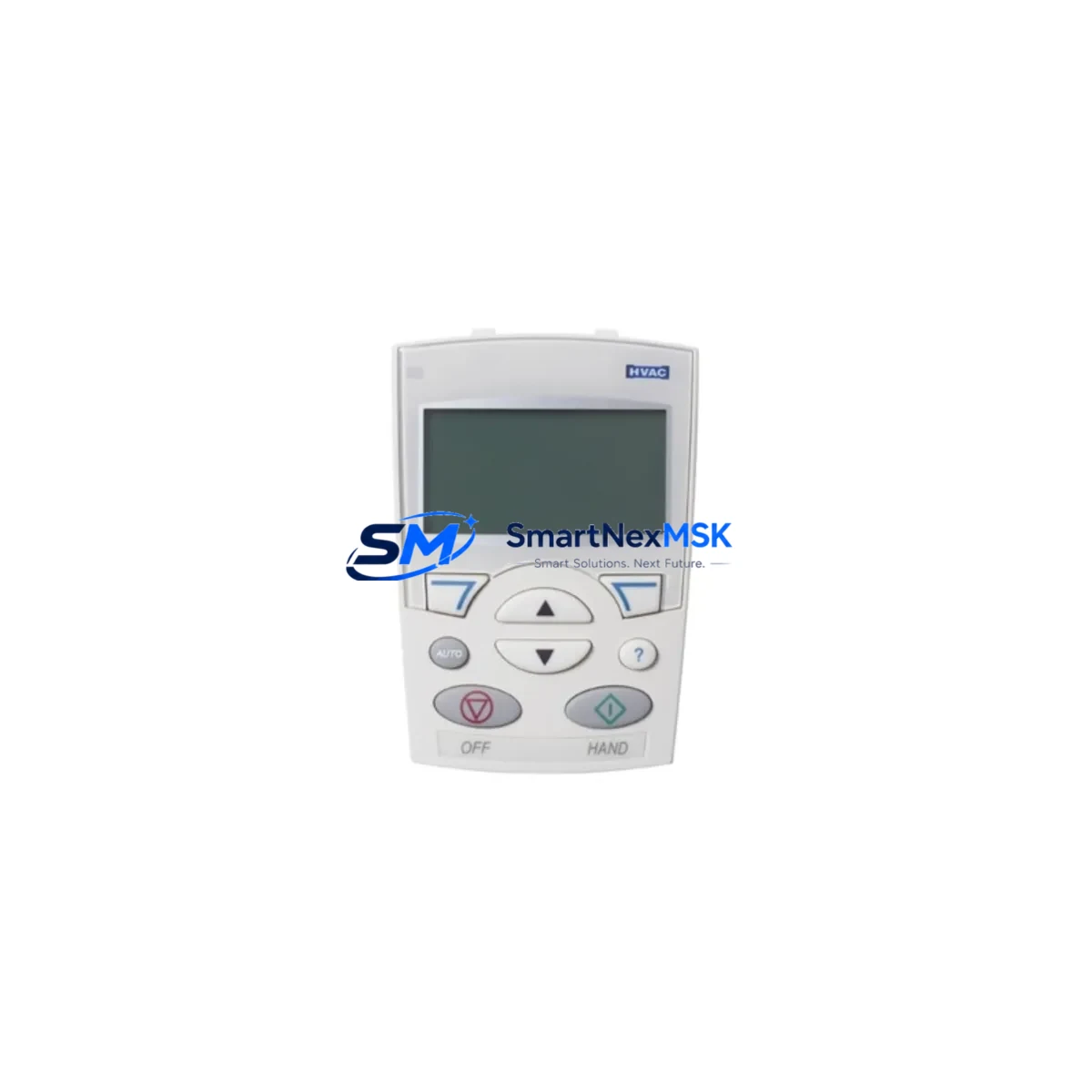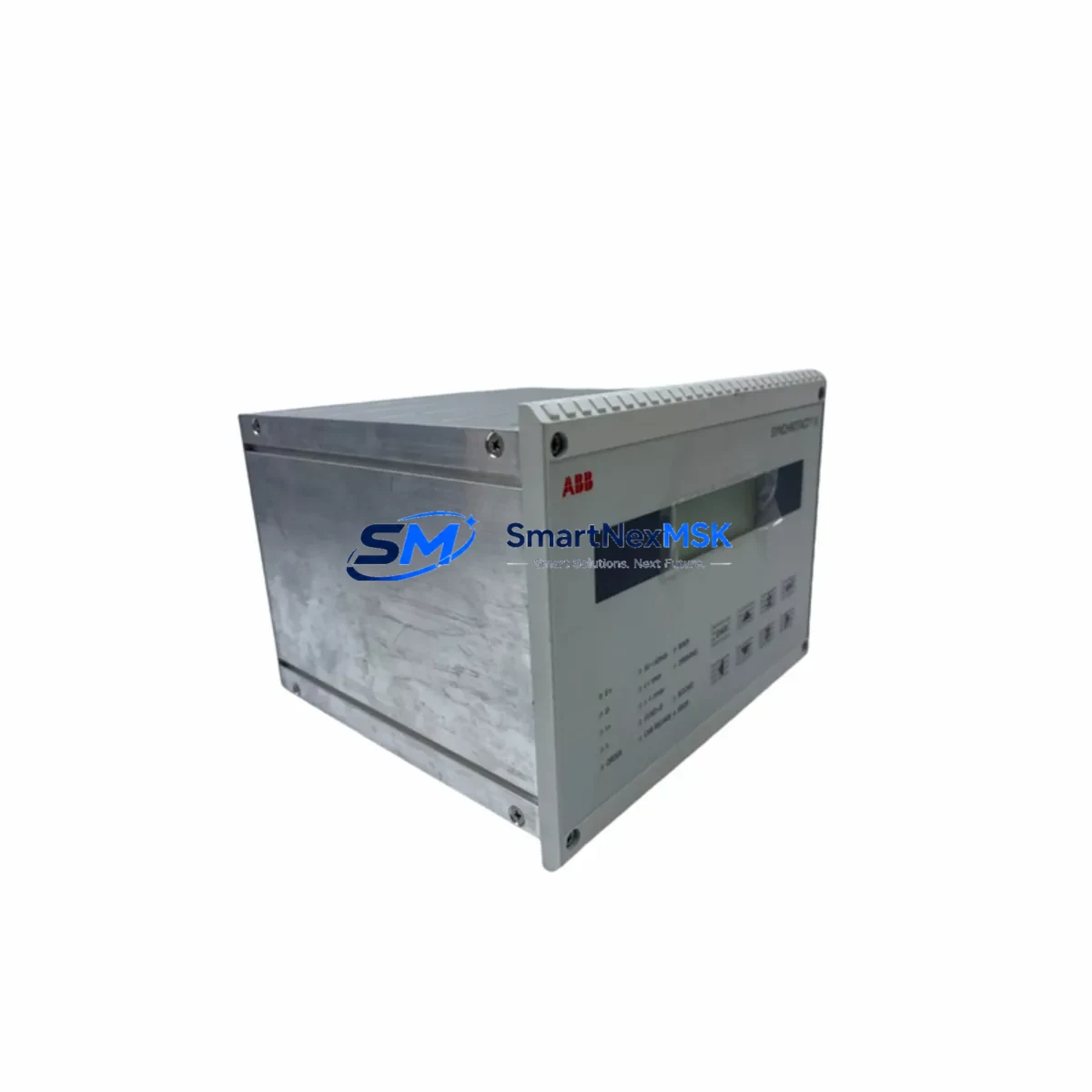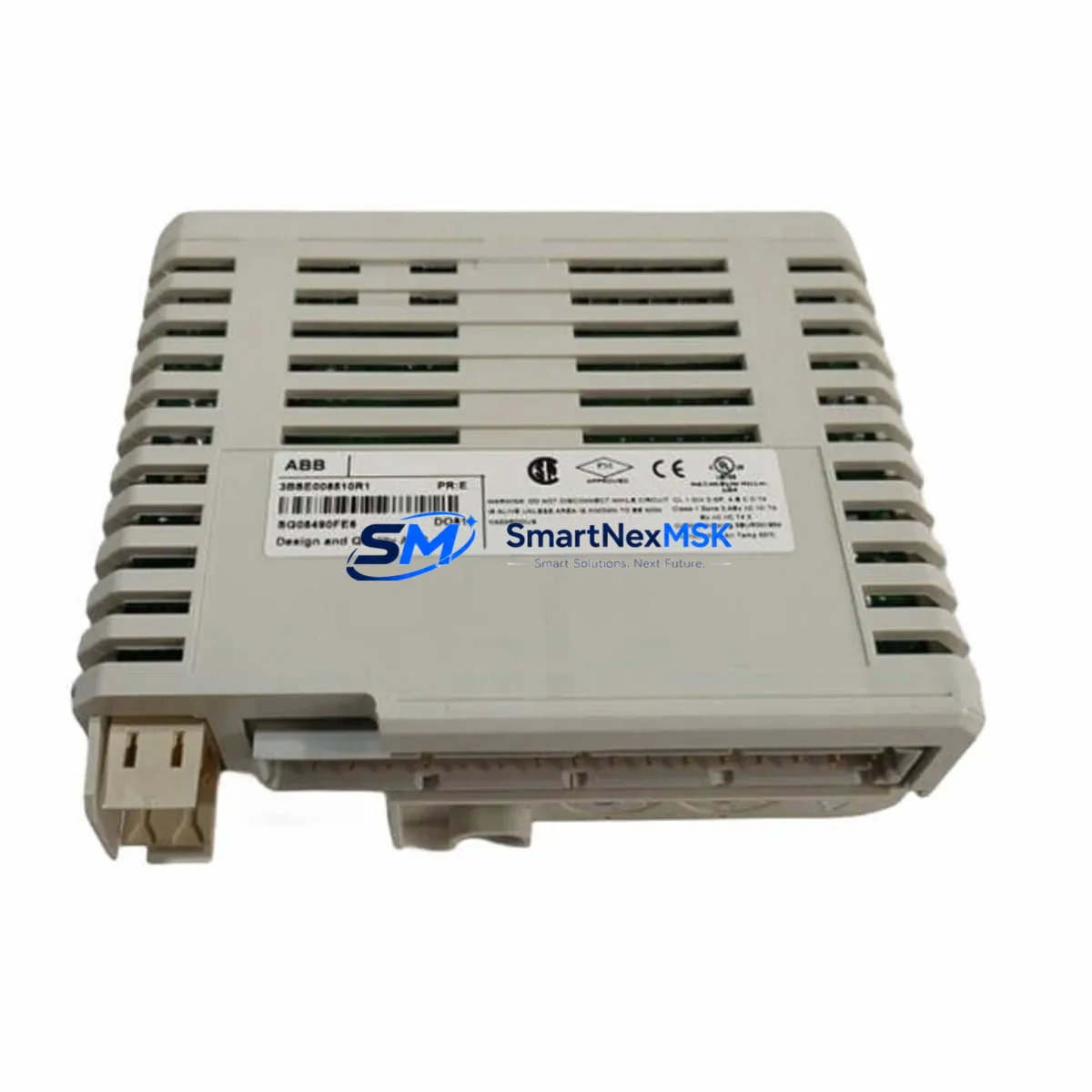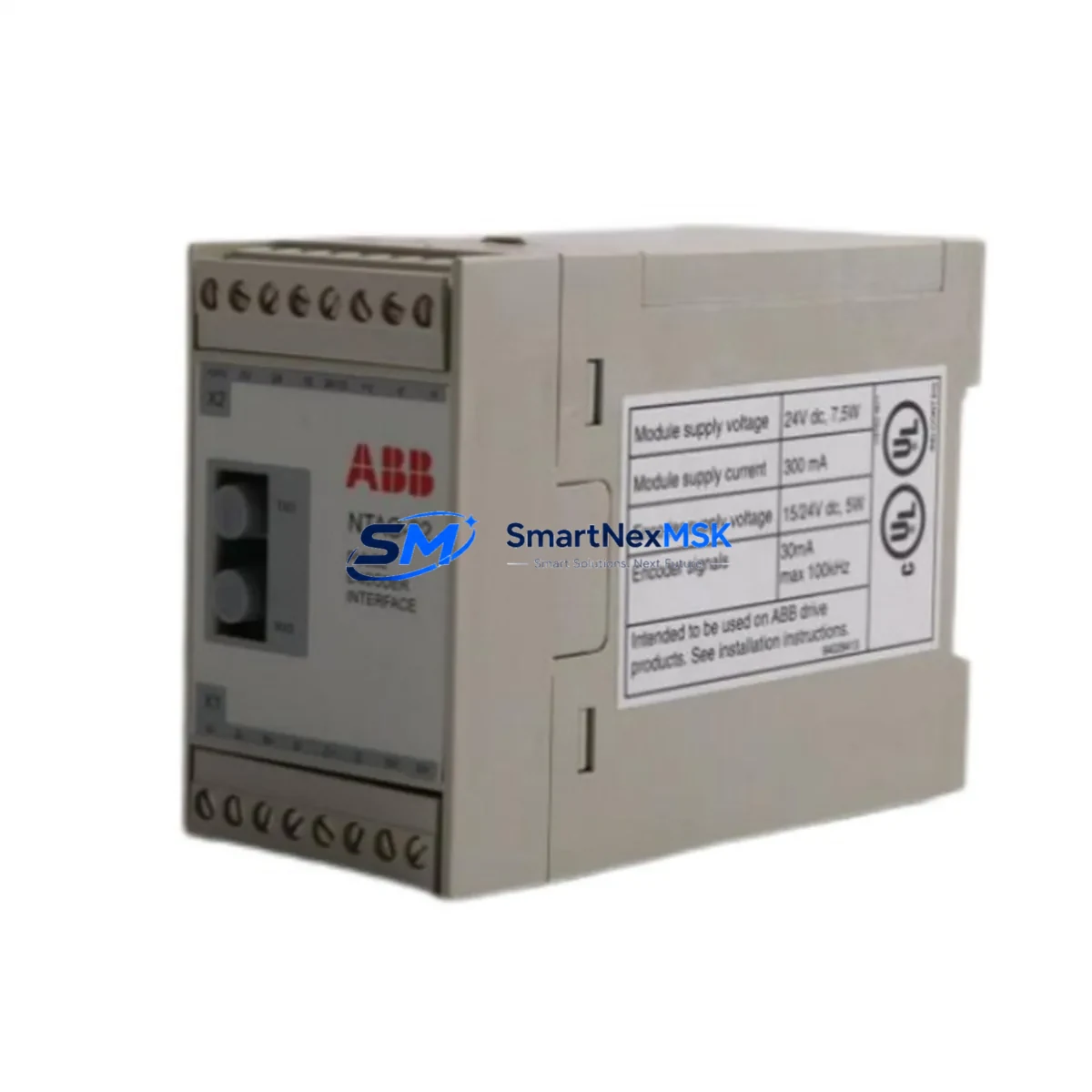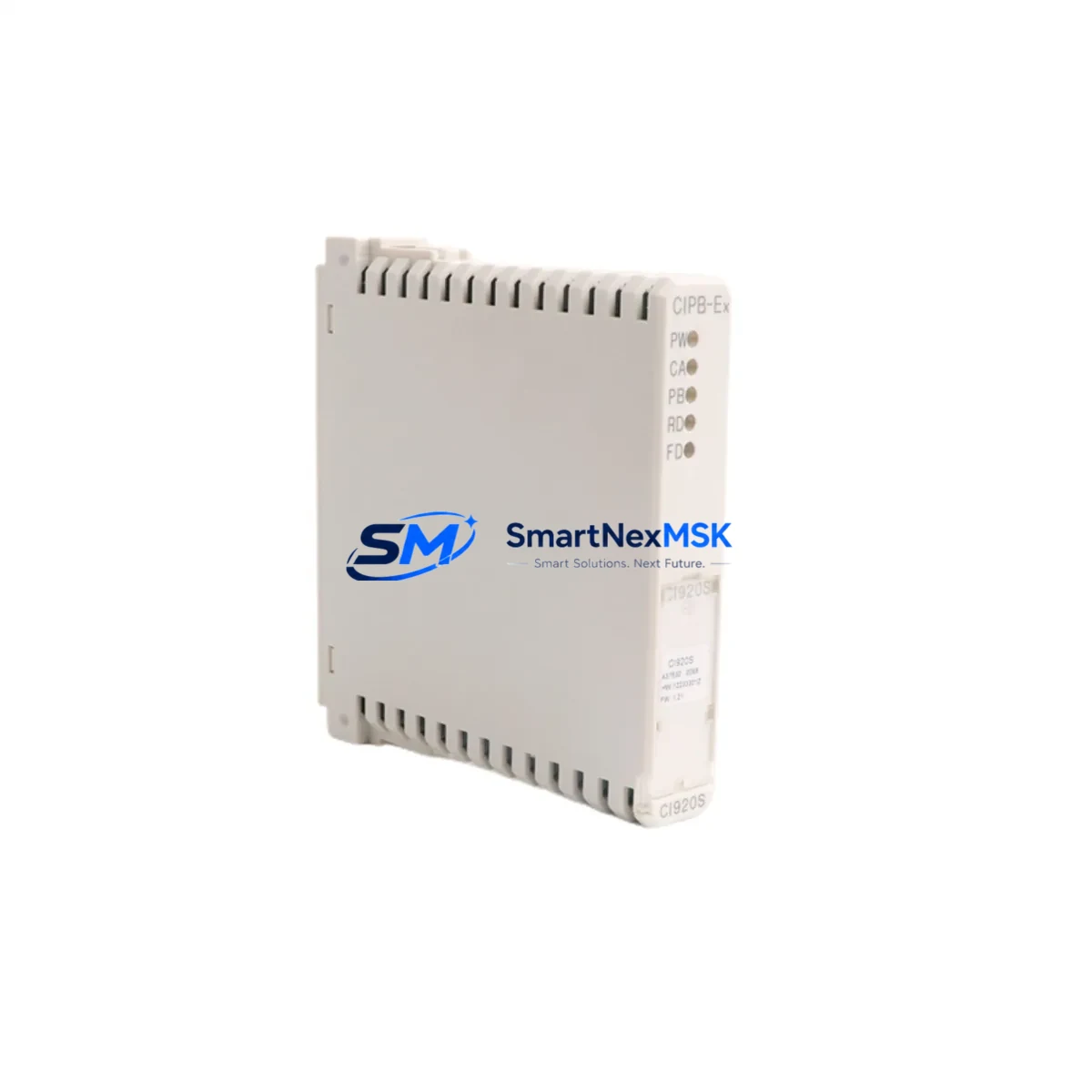
ABB CI920S 3BDS014111 Retrofit-Ready PROFIBUS DP Interface for S800 Control Systems
The ABB CI920S (part number 3BDS014111) is a PROFIBUS DP communication interface module designed for integration within the ABB S800 I/O system, widely deployed across process automation, power generation, and continuous manufacturing facilities running the AC 800M Distributed Control System platform. As legacy control architectures age and OEM support windows close, the CI920S has become a critical retrofit component for engineers tasked with extending the operational life of existing S800-based control cabinets without undertaking a full DCS migration.
This module enables PROFIBUS DP master and slave communication between the S800 I/O station and the AC 800M controller, supporting high-speed cyclic data exchange across multi-drop fieldbus segments. Its compact form factor and direct backplane mounting make it a drop-in replacement for failed or end-of-life units in existing S800 baseplate assemblies, including the TB820V2 and TB840A baseplate variants commonly found in legacy installations.
Upgrade Compatibility Table
| Parameter | Details |
|---|---|
| Compatible Controller | ABB AC 800M (PM861, PM864, PM866 series) |
| Compatible I/O System | ABB S800 I/O (TB820V2, TB840A baseplates) |
| Communication Protocol | PROFIBUS DP (EN 50170 / IEC 61158) |
| Fieldbus Speed | Up to 12 Mbit/s |
| Backplane Interface | S800 ModuleBus (direct slot mounting) |
| Replaces / Upgrades | CI920S (3BDS014111) — direct drop-in replacement |
| Installation Requirement | No hardware modification; slot-compatible with existing S800 baseplate |
| Address Configuration | PROFIBUS node address set via rotary switch or software (Control Builder M) |
| Commissioning Tool | ABB Control Builder M (CBM) / Compact Control Builder |
| Firmware Compatibility | Compatible with AC 800M firmware 5.x and 6.x |
| Warranty | 12-Month Warranty — all units tested prior to shipment |
| Origin | Germany (OEM) / Verified industrial-grade stock |
Retrofit Planning for Existing Automation Systems
Successful retrofit of the CI920S into an aging S800 control system requires a structured pre-installation assessment. Before removing the failed module, engineers should document the existing PROFIBUS segment topology, including the node address assigned to the CI920S, the baud rate configured on the segment, and the termination resistor status at both ends of the fieldbus cable. In most legacy installations, the CI920S shares a PROFIBUS segment with field devices such as ABB TZID-C positioners, Endress+Hauser Promag flowmeters, or Siemens ET 200M remote I/O stations — all of which must remain online during the swap if a hot-standby procedure is not available.
The S800 I/O baseplate — typically a TB820V2 eight-slot unit or a TB840A four-slot variant — must be inspected for backplane connector integrity before inserting the replacement CI920S. Corrosion or mechanical damage to the ModuleBus connector pins is a common cause of intermittent communication faults that are misdiagnosed as module failure. Alongside the CI920S, it is advisable to audit adjacent modules in the same baseplate: AI810 analog input modules, AO810V2 analog output modules, DI810 digital input modules, and DO810 digital output modules should all be checked for firmware currency and physical condition, as a baseplate-level fault can cascade across all installed I/O modules.
Power supply integrity is equally critical. The S800 I/O system is typically powered by an ABB SD821 or SD822 24 VDC power supply unit. Before commissioning the replacement CI920S, verify that the supply voltage at the baseplate terminal is within the 18–30 VDC operating range and that the current capacity is sufficient to support the full complement of installed modules. An undersized or aging power supply is a frequent root cause of unexplained module resets after replacement.
For sites running the AC 800M controller with redundant PM864 or PM866 processor modules, the PROFIBUS segment served by the CI920S must be re-scanned in Control Builder M after module replacement to confirm that all GSD-defined device profiles are correctly re-associated. If the replacement CI920S carries a different hardware revision than the original, a GSD file update may be required in the CBM hardware library before the configuration can be downloaded without errors. Programming cables such as the TK212A USB-to-serial adapter are commonly used for local firmware verification during this step.
Sites undergoing a broader migration from PROFIBUS DP to PROFINET or Modbus TCP should treat the CI920S replacement as an interim measure while the full protocol migration is planned. In such cases, the CI920S can coexist with a CI854B PROFINET interface module installed in an adjacent baseplate slot, allowing parallel operation of both fieldbus segments during the transition period. This dual-protocol approach is particularly effective in phased upgrades where some field devices have already been replaced with PROFINET-capable instruments while legacy PROFIBUS devices remain in service.
Downtime Control During System Migration
Minimizing unplanned downtime during CI920S replacement is achievable through disciplined pre-staging and a clearly defined cutover sequence. The replacement module should be pre-configured offline — PROFIBUS node address set, firmware version confirmed, and a cold-start test performed on a bench setup if possible — before the maintenance window begins. This reduces the in-cabinet commissioning time to a slot swap and a single Control Builder M download, typically achievable within a 30–45 minute planned outage window.
Where process continuity is non-negotiable, the AC 800M controller’s ability to maintain last-value output on analog channels during a PROFIBUS communication interruption should be verified in the application program. Most AC 800M applications written in Control Builder M include a PROFIBUS health status function block that can be used to trigger a safe-state output sequence if the CI920S goes offline unexpectedly. Confirming that this logic is active and correctly configured before the swap protects the process from uncontrolled excursions during the brief communication gap that occurs when the module is physically replaced.
After reinsertion and power-up, the CI920S will perform an automatic self-test and attempt to re-establish PROFIBUS communication within approximately 10–15 seconds. The AC 800M controller will log a module insertion event in the system event log, which should be reviewed to confirm that all expected PROFIBUS slaves have re-appeared on the segment. HMI screens connected to the AC 800M via OPC DA or OPC UA should be monitored for tag quality restoration, and any alarm suppression applied during the maintenance window should be lifted only after all field device communications are confirmed healthy.
Retrofit Support FAQ
Q1: Is the CI920S 3BDS014111 a direct drop-in replacement for a failed unit in an existing S800 baseplate?
Yes. The CI920S 3BDS014111 is slot-compatible with all standard S800 I/O baseplates, including the TB820V2 and TB840A. No hardware modification is required. The PROFIBUS node address must be set to match the original configuration before reinsertion, and a Control Builder M configuration download is recommended to confirm device association.
Q2: What commissioning steps are required after installing the replacement CI920S?
After physical installation, open Control Builder M and perform a hardware scan on the affected S800 I/O station. Confirm that the CI920S is recognized at the correct PROFIBUS address and that all downstream slave devices are visible on the segment. Download the existing configuration to the controller and verify that all I/O tags are returning valid process values before returning the system to automatic control.
Q3: Will the CI920S work with both PM861 and PM864/PM866 redundant controller configurations?
Yes. The CI920S is compatible with all AC 800M processor variants, including simplex PM861 and redundant PM864/PM866 configurations. In redundant controller setups, the PROFIBUS segment served by the CI920S is managed by the active processor module, and failover to the standby processor does not require any reconfiguration of the CI920S itself.
Q4: What does the 12-month warranty cover, and how are units tested before shipment?
All CI920S 3BDS014111 units supplied by SMARTNEXMSK are functionally tested prior to shipment, including power-up self-test verification and PROFIBUS communication handshake confirmation. The 12-month warranty covers manufacturing defects and functional failures under normal operating conditions. Units are shipped with protective packaging and ESD precautions to ensure safe transit. For warranty claims or technical support, contact [email protected].
© 2026 SMARTNEXMSK. All rights reserved.
Original Source: https://smartnexmsk.com
Contact: [email protected] | +86 18259474341